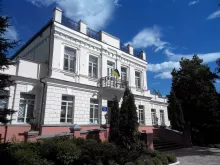
Glukhiv in the north of Sumy Oblast was the capital of the Hetmanate in the 18th century. Its landmarks are united by the Hlukhiv National Historical and Cultural Reserve, established in 1994; it has held national status since 2008. The reserve includes 50 sites, 36 of which are architectural monuments, and five are of national importance. There is no marked trail, but the main sights in the center can easily be walked: from the Kyiv Gate to the local history museum is about 4.5 km, taking 2–3 hours with sightseeing.
Kyiv Gate and the Ramparts
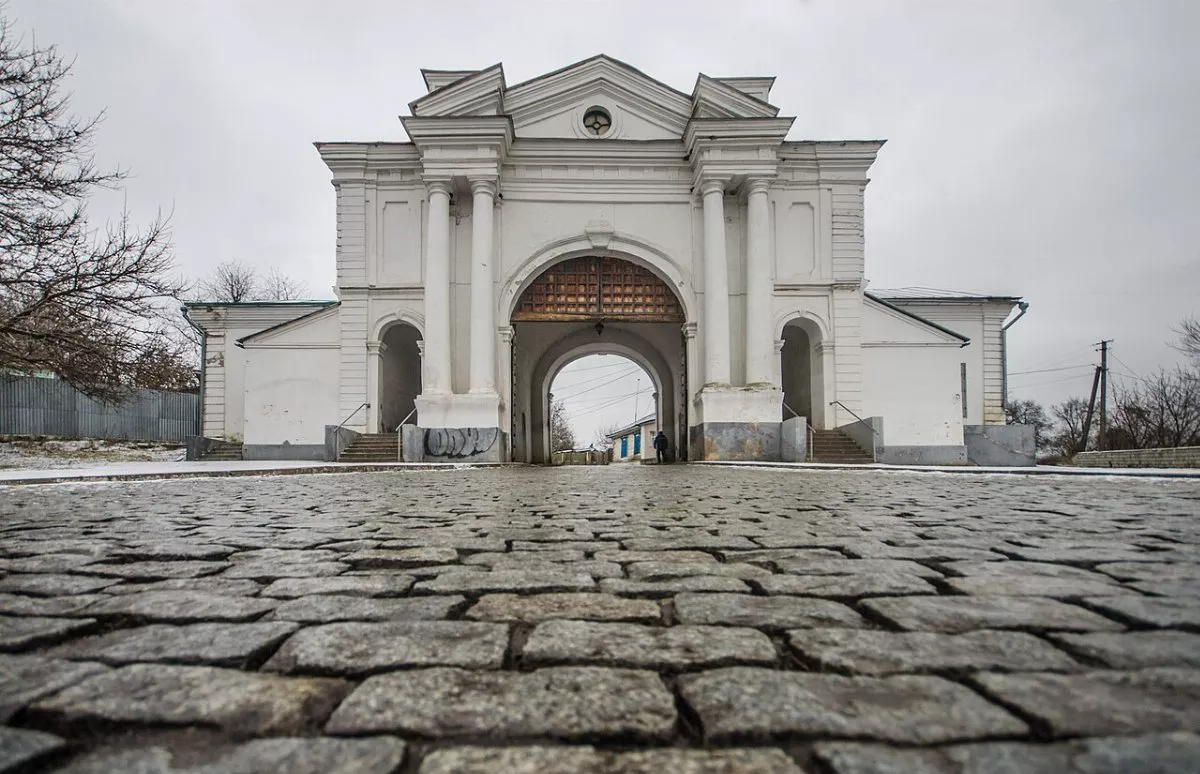
The start is at the Kyiv Gate, the only surviving structure of the Glukhiv Fortress. The wooden gate on the rampart was built in 1749 by engineer Yukhym Naumov, and the brick one was erected in 1766–1769 according to the design of Andrii Kvasov. It is 7.5 m high, 28 m wide, and 16 m deep; travelers' passports were checked here. After being destroyed in World War II, the gate was dismantled and restored in the 1950s.
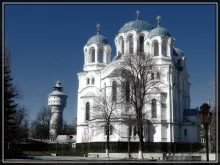
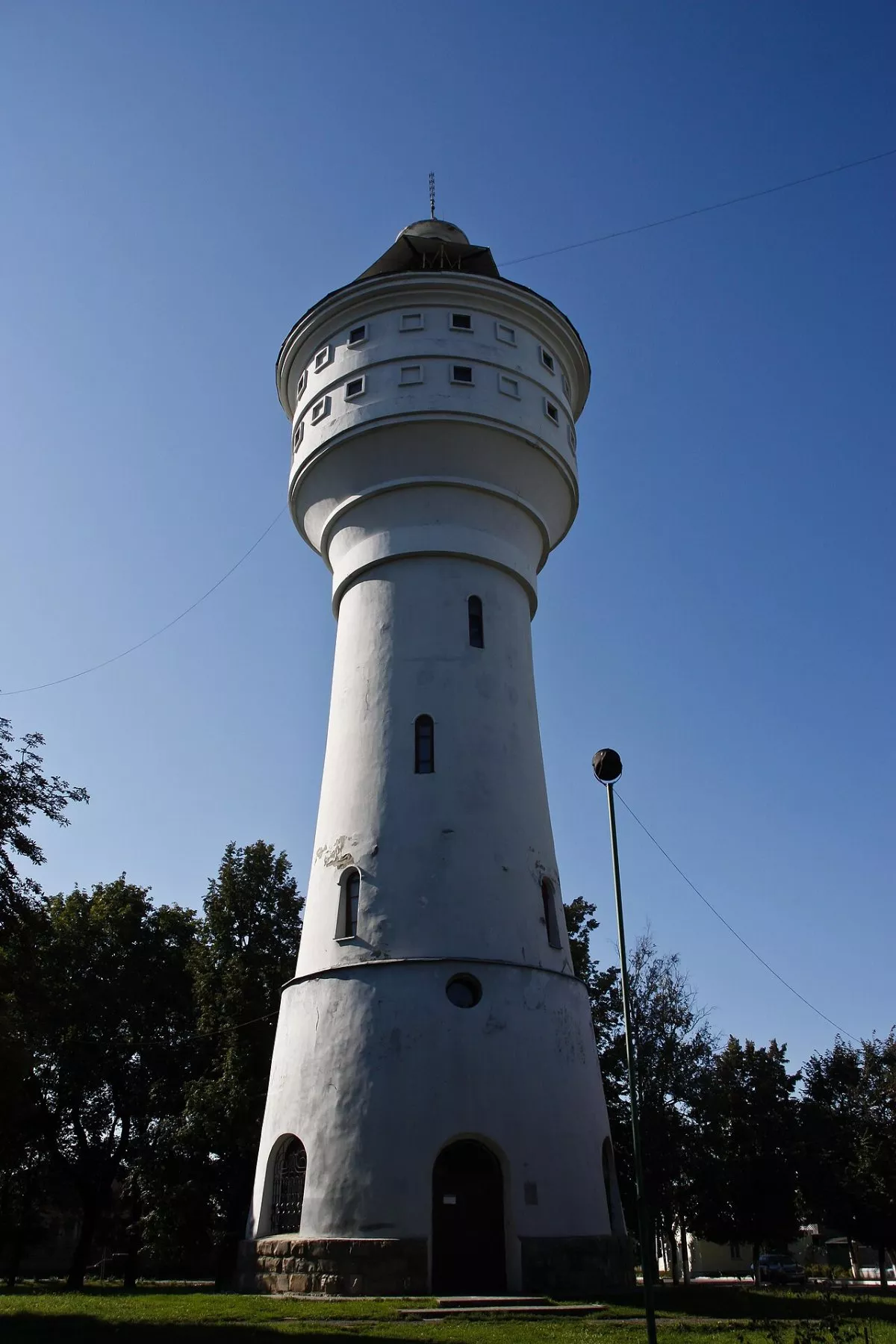
From the gate, the route follows Valova Street, which stretches along the line of the former fortress ramparts, to the 1927–1928 water tower.
Churches of the Tereshchenkos and Kvasov
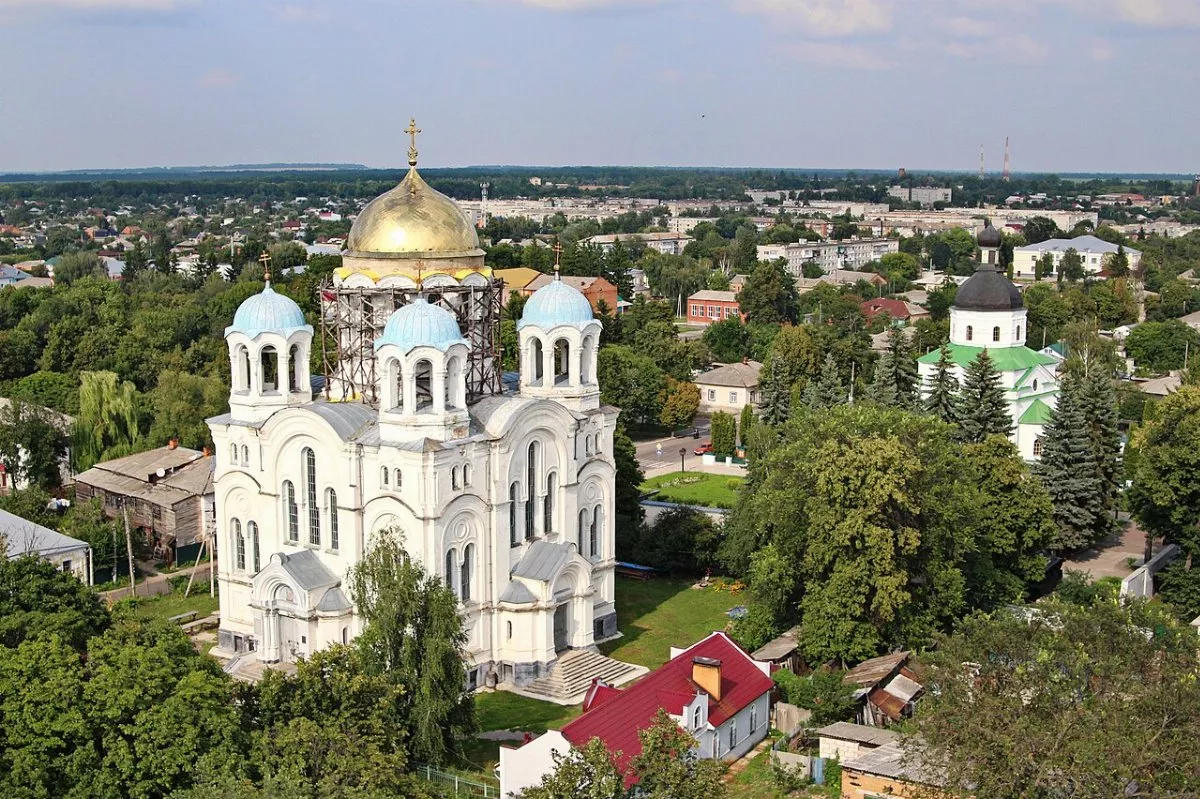
Nearby stands the Three Anastasia Church, built in 1884–1897 at the expense of the Tereshchenko brothers — the largest church in Glukhiv. Its name is associated with the old Anastasia Church of 1717, the house church of Hetman Ivan Skoropadsky and Hetman's wife Anastasia.
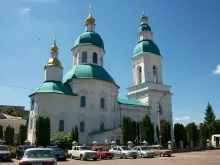
A few hundred meters away is the 1765 Transfiguration Church.
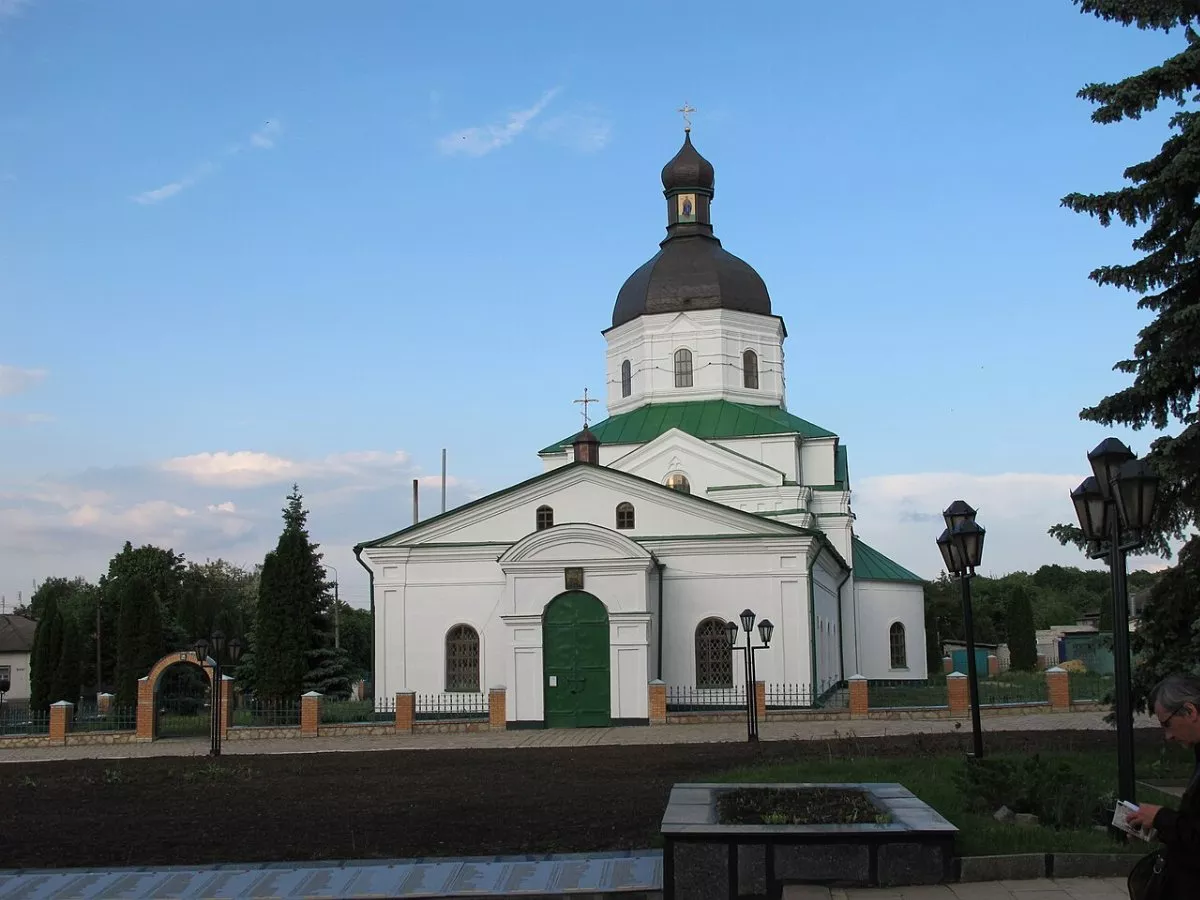
St. Nicholas Church and Rada Square
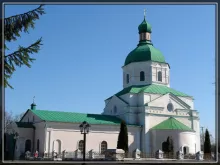
Further on, the route turns to St. Nicholas Church, the oldest building in Glukhiv. The contract for its construction with Matviy Yefymov's artel was concluded in 1693. In front of the church was Rada Square, where Ivan Skoropadsky (1708), Danylo Apostol (1727), and Kyrylo Rozumovsky (1751) were installed as hetmans.
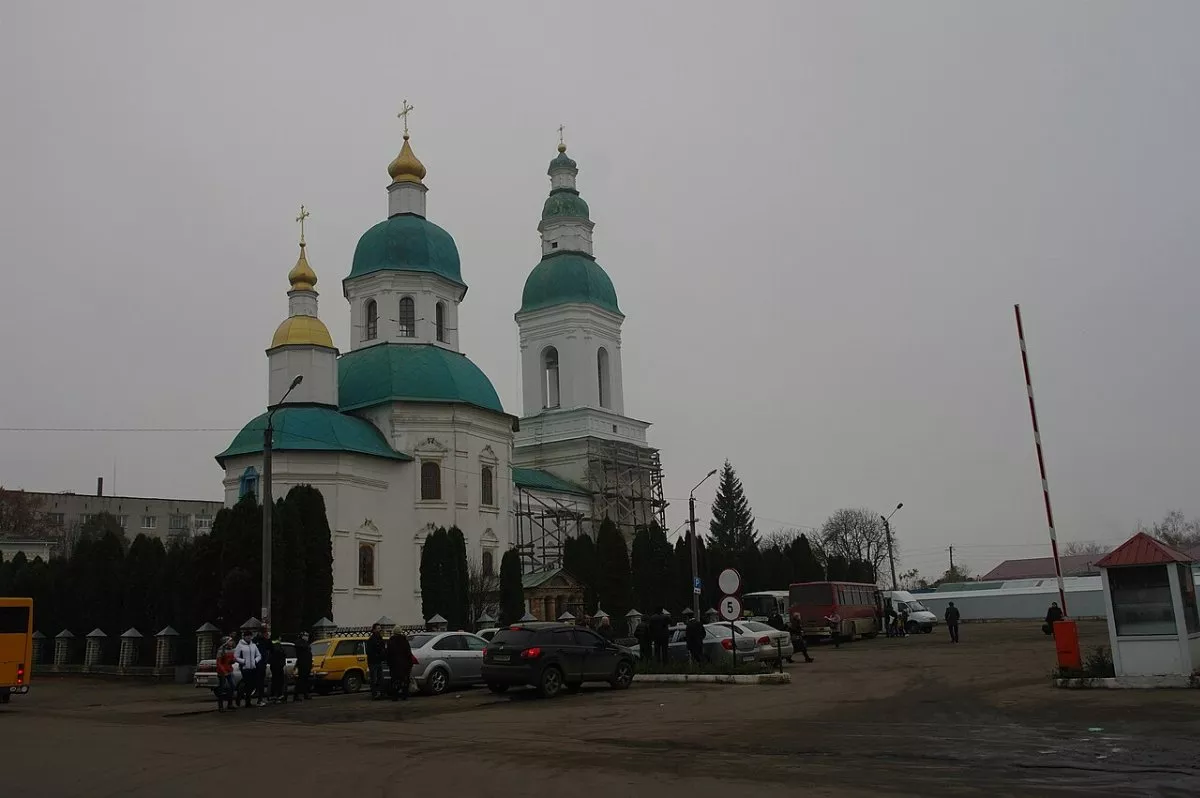
Hetman Oak and Museum
From the square, the route leads north along the streets to the "Hetman Oak" natural landmark and ends near the city local history museum.
Tips
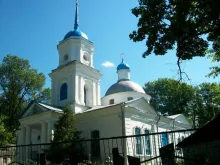
Those with time can walk another 0.8 km east to the Ascension Church of 1767, also built according to Andrii Kvasov's design. There is an observation deck on the water tower; check locally to see if it is currently open.
How to Get There
Intercity buses run to Glukhiv; the schedule can be found on the Glukhiv buses page.
Note. The route is described for a time when restrictions are lifted. The Hlukhiv hromada is an area of possible combat operations, the city is regularly shelled, and the forests of Sumy region in 2026 are closed to civilians. Do not travel here now without clarifying the situation with the hromada and the military administration.