
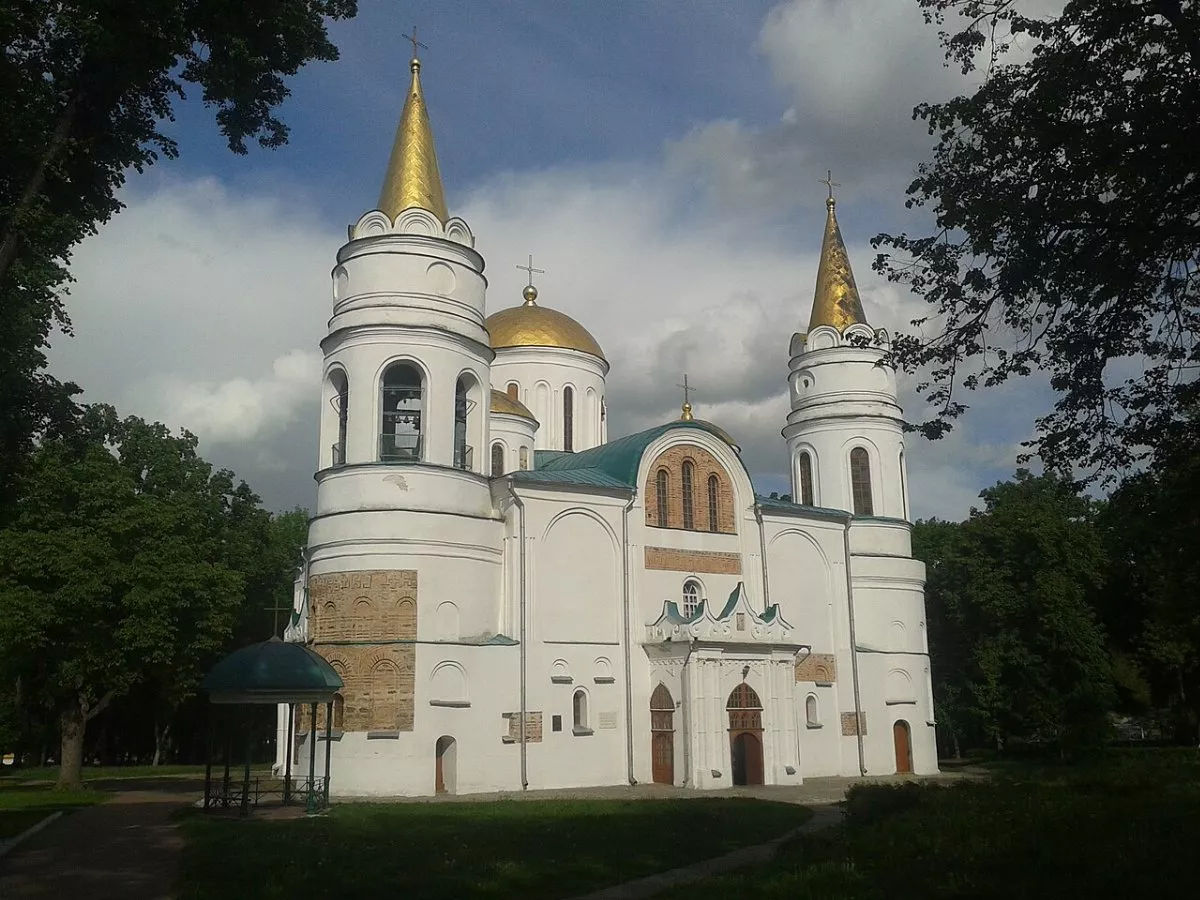
The Val, or Chernihiv Detinetz (citadel), is the heart of ancient Chernihiv, the capital of the Chernihiv-Siversk land. It is the fortified part of the city from the 7th to the 13th centuries on a high promontory of the right bank of the Desna River, between the Desna and Stryzhen rivers; today, it is an archaeological site of national importance and Kotsiubynsky Park. There is no marked trail here: this is a short urban walk along park alleys from the Regimental Chancery building to the cathedrals, the collegium, and the neighboring Tretiak. It is about 1.7 km, taking an hour to an hour and a half without museums.
Regimental Chancery and the Monument to Mazepa
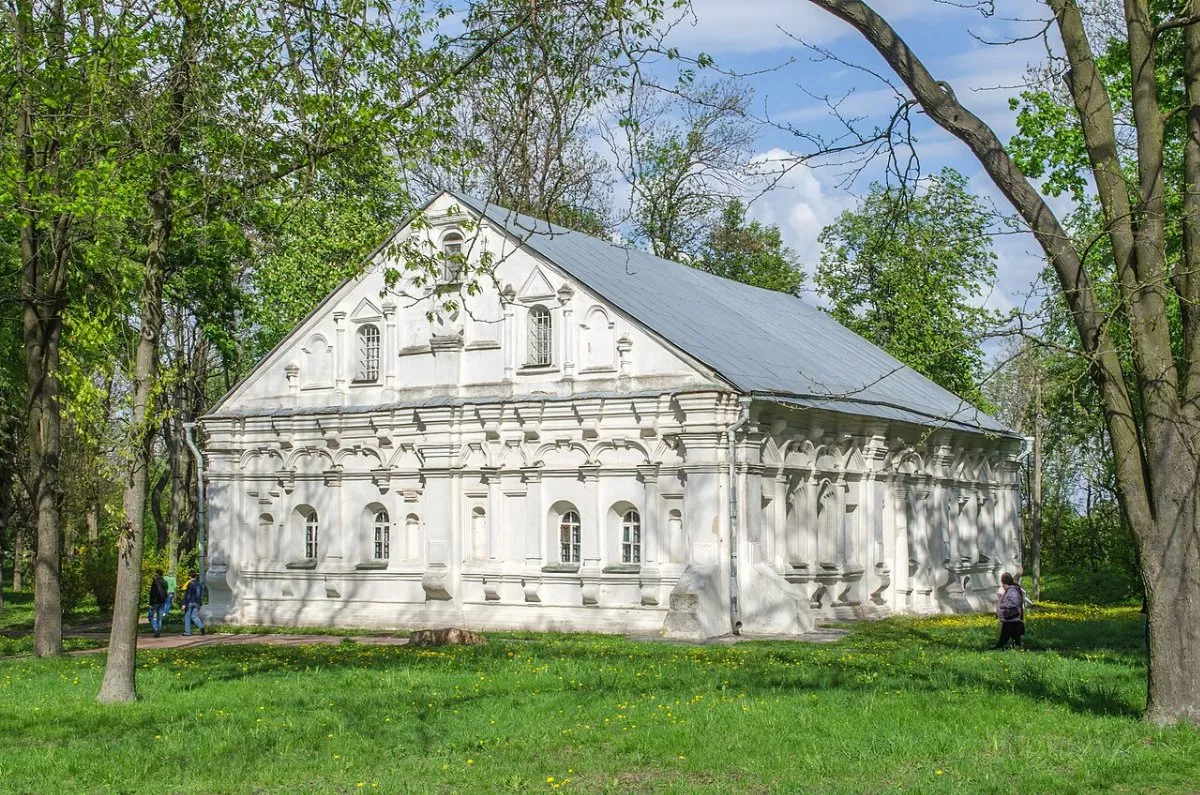
The start is near the Regimental Chancery Building, also called Mazepa's House or Lyzohub's House. During the Hetmanshchyna era, the Chernihiv Fortress was the center of the Cossack Chernihiv Regiment. Nearby stands the monument to Ivan Mazepa, the first monument to the hetman erected in a Ukrainian city. On the Val, there are also monuments to Taras Shevchenko and Prince Ihor Olhovych.
Cannons over the Desna
Next is the edge of the Val with a view of the Desna River. In princely times, the citadel was surrounded by a deep moat and an earthen rampart with wooden walls and towers; the fortress had three gates: Kyiv, Vodiani, and Pohorili. In the 12th and 13th centuries, the citadel occupied about 16 hectares. In 1239, after a seven-day siege, the city was captured by the Mongols. The fortress was dismantled in 1799, a boulevard was laid out on the site of the ramparts, and 12 cast-iron cannons from the 18th century were installed.
Transfiguration Cathedral and St. Basil's Cathedral
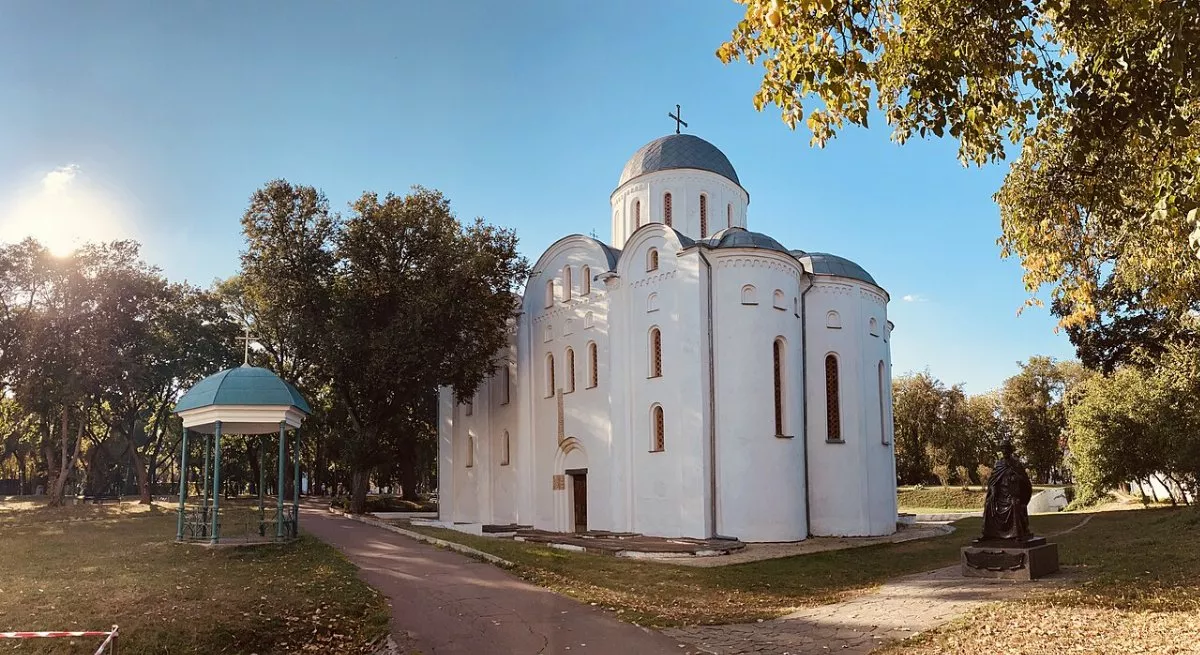
The Transfiguration Cathedral is the first masonry church in Chernihiv and one of the earliest in Kyivan Rus. Its construction began under Prince Mstoslav Volodymyrovych, who was buried inside it in 1036. Nearby stands St. Basil's Cathedral, founded under Prince Davyd Sviatoslavych.
The Collegium
The Chernihiv Collegium with its bell tower is the first higher educational institution on the Left Bank. It was founded in 1700 by Ioan Maksymovych with the support and funding of Hetman Mazepa.
Tretiak and St. Catherine's Church
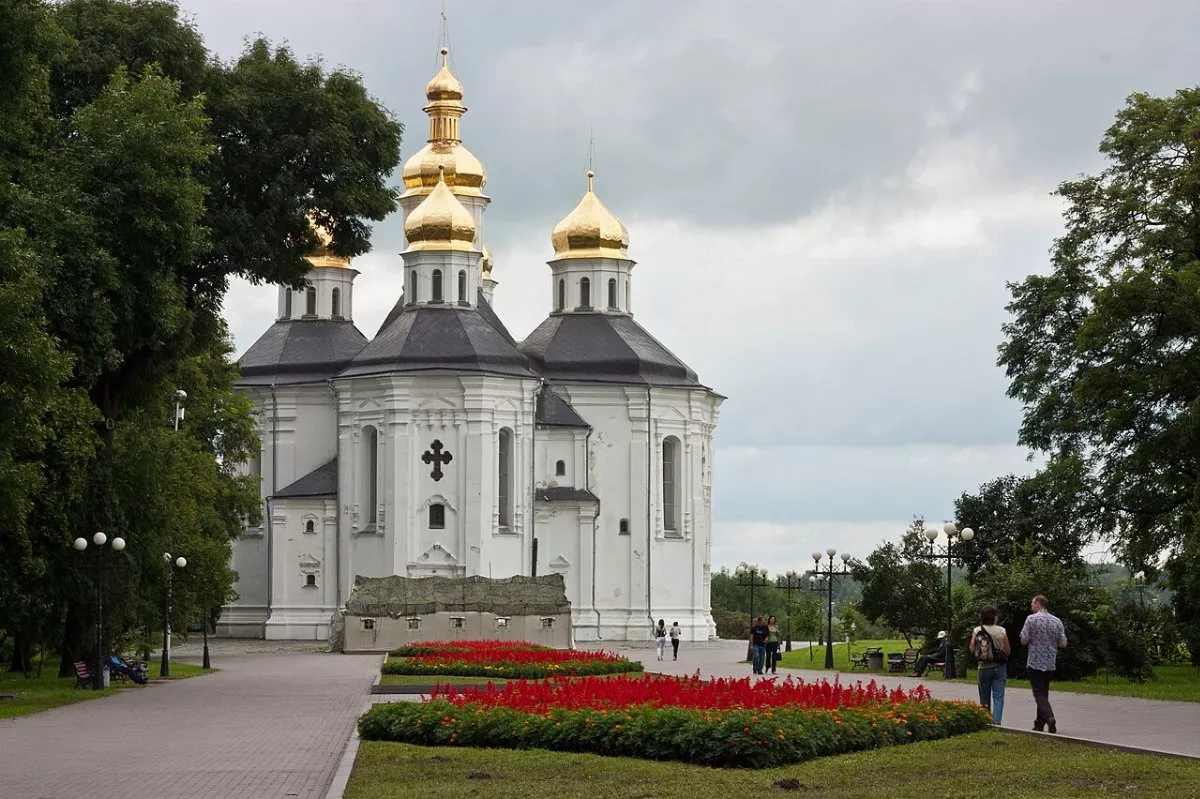
From here, the route transitions to Tretiak, a separate fortified area of the ancient city that, together with the Suburb, half-encircled the citadel. St. Catherine's Church, an example of Ukrainian baroque, stands here. It was built by the Lyzohub brothers in accordance with the will of their father, Chernihiv Colonel Yukhym Lyzohub, in memory of the storming of Azov in 1696, and was consecrated in 1715. If desired, you can walk further to St. Paraskeva's Church, where the route ends.
Tips
The route is flat, with no steep climbs. There are also museums on the Val, in particular the regional museum in the building of the former girls' gymnasium, which are worth setting aside separate time for. Chernihiv is regularly attacked by drones: monitor air raid alerts and know the location of the nearest shelter.
How to get there
The Val is in the very center of Chernihiv, overlooking the Desna River. Intercity buses arrive at Chernihiv-1 Bus Station.