
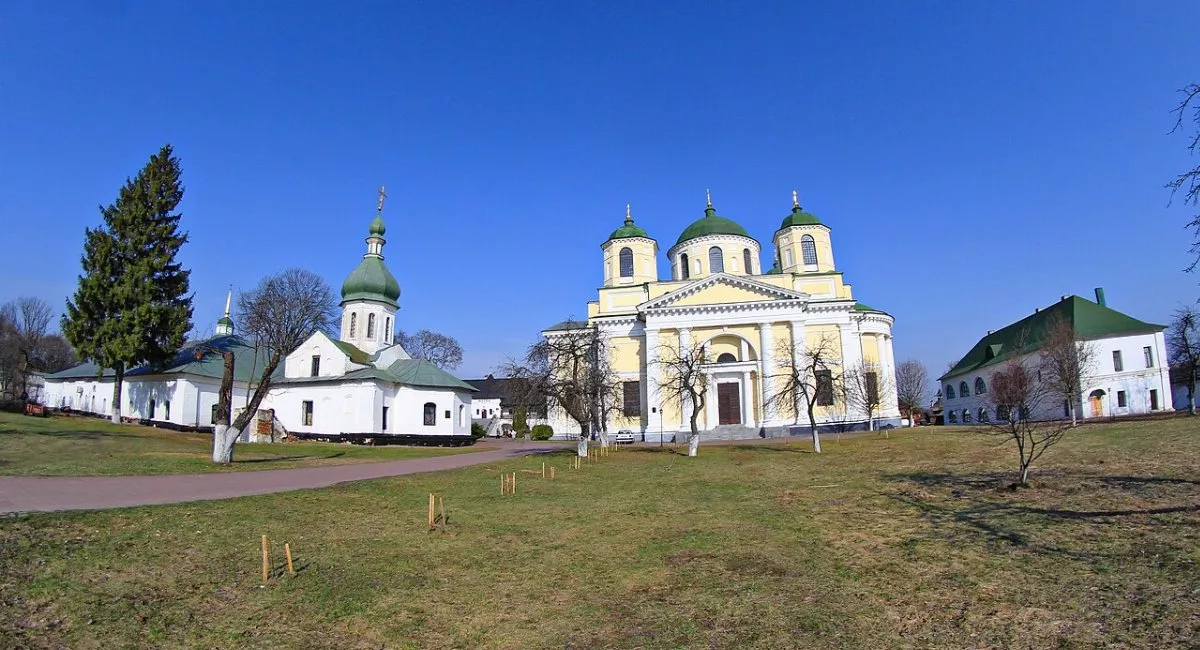
Novhorod-Siverskyi is an ancient city on the Desna River, the capital of Sivershchyna and the city of Prince Igor from The Tale of Igor's Campaign. In 1097, following the Liubech Congress of Princes, it became the center of the appanage principality of Oleh Sviatoslavych. In 1620, it received Magdeburg rights, and from 1781 to 1796, it was the center of the Novhorod-Siverskyi Viceroyalty. There is no marked trail here; this is an urban walk from the Triumphal Arch through the monastery to Castle Hill: about 3.2 km, taking two to three hours. The route is described for the post-war period.
Triumphal Arch
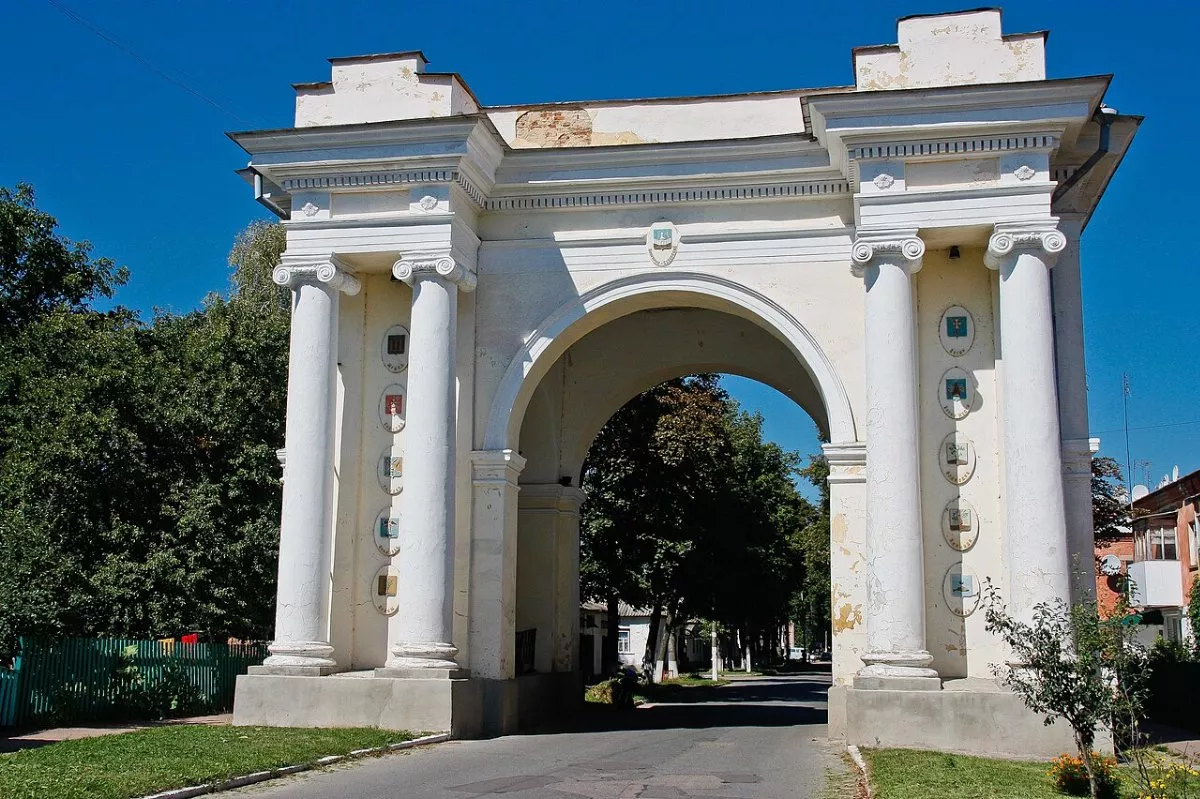
The start is near the Triumphal Arch of 1786. It was built for the journey of Empress Catherine II, who arrived in the city on January 22, 1787: instead of a wooden gate, the local gentry raised funds for a masonry one. The author of the project was likely the architect Giacomo Quarenghi.
Spaso-Preobrazhenskyi Monastery
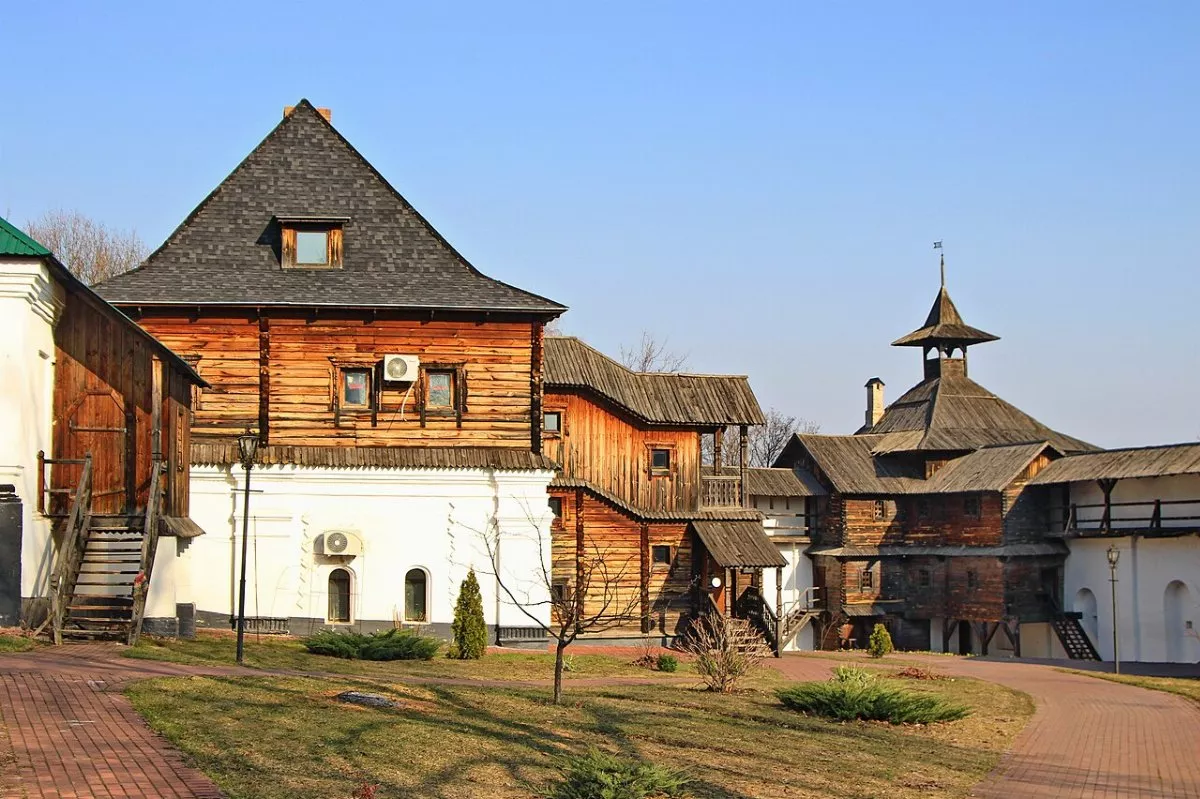
Next, the route leads to the Spaso-Preobrazhenskyi Monastery. According to legend, it was founded in 1033 by Prince Mstyslav. The 17th-to-18th-century walls and towers form a perimeter of about 800 m, and in 1830–1832, the towers received helmet-shaped roofs. In 1675, Lazar Baranovych opened the Left-Bank's first printing house here, which was later moved to Chernihiv. During the Second World War, the Nazis held a camp for prisoners of war and hostages on the monastery grounds. The "Tale of Igor's Campaign" Museum-Reserve, opened in 1989, operates here.
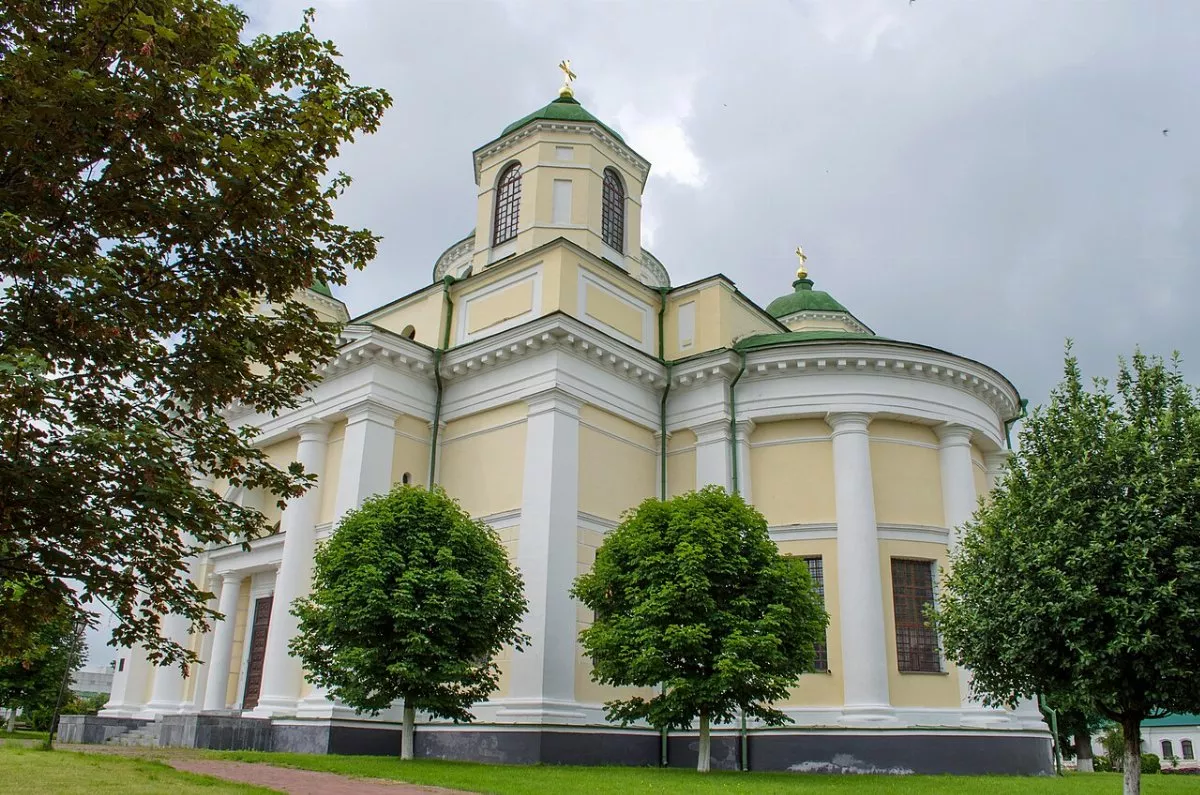
The main temple of the monastery is the Transfiguration Cathedral, built in 1791–1817 according to the design of Giacomo Quarenghi.
Monument to Igor and Three Saints Church
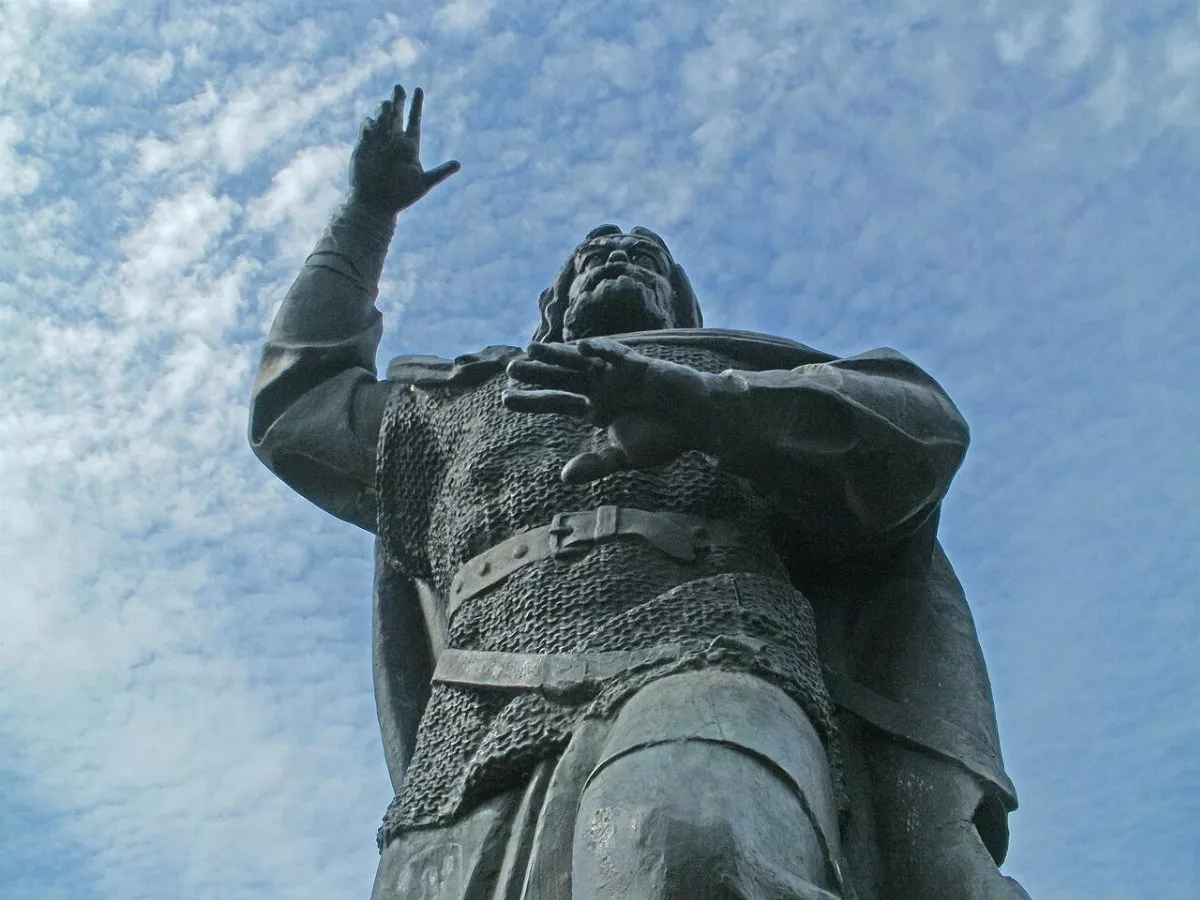
From the monastery, the route returns to the center, to the monument of Prince Igor, who went on a campaign against the Polovtsians in 1185—he is the subject of The Tale. Nearby stands the Three Saints Church of 1755.
Castle Hill
The finish is Castle Hill, the ancient detinets (citadel) of the city above the Desna. Here stands the monument to Boyan, the bard mentioned in The Tale of Igor's Campaign.
Tips
Part of the path runs along the slopes above the Desna, so comfortable footwear is required. Allow a separate hour for the museum-reserve in the monastery. Before the war, the city welcomed about 60,000 museum visitors annually.
How to get there
Novhorod-Siverskyi is located in the east of Chernihivshchyna, in Novhorod-Siverskyi district. Look for trips from the regional center on the Chernihiv-1 bus station page.
Note. Novhorod-Siverskyi is about 40 km from the border with the Russian Federation, the city is regularly attacked by drones, and some strikes occur without an air raid alert. The museum-reserve operates online, and there are almost no tourists in the city. The route is described for the post-war period; traveling there now is not advised.