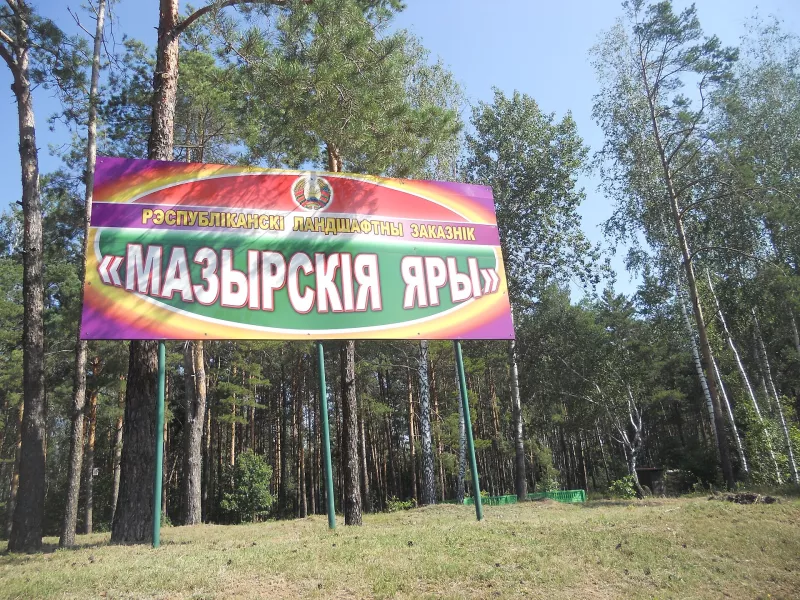
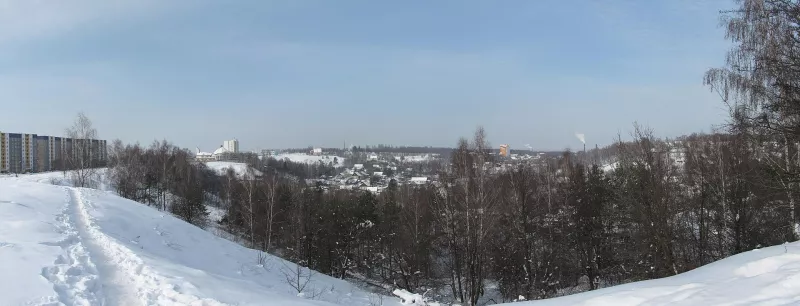

Mozyr Ravines is a republican landscape reserve in the Mozyr district of the Gomel region of Belarus. It is the northwestern part of the Mozyr Ridge, a highly dissected terrain with a dense network of ravines, thalwegs, and gullies. The highest point of the reserve is 220.7 m above sea level, and its area is 1019.7 ha.
Where the ravines came from
The terrain was formed under the influence of the Dnieper glaciation: the glacier left moraines, and meltwater streams cut through their edges. The area is still prone to erosion, including rare tunnel erosion: at a depth of several meters, a chain of interconnected wells forms.
From reserve to republican status
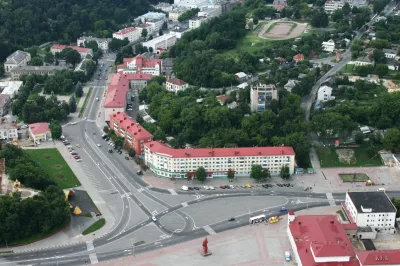
The reserve was established by the decree of the Council of Ministers of the BSSR No. 60 dated February 21, 1986; at that time, its area was 1040 ha. In 2007, it was transformed into a republican landscape reserve, and its area was reduced by 21.73 ha by excluding ravines within the city of Mozyr.
Plants
496 species of vascular plants have been recorded in the reserve. Fourteen of them are listed in the Red Book of Belarus, including meadow sage, mountain St. John's wort, European crowfoot, white cinquefoil, egg-shaped helleborine, and Siberian irises. The European crowfoot is extremely rare in Belarus; its second growth site in the country is the Białowieża Forest.
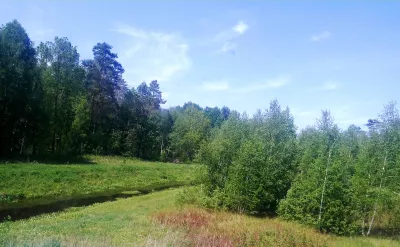
The forests here are old-growth: pine up to 120 years old, hornbeam and birch up to 80 years. There are oak groves, ash groves, maple groves, spruce groves, and alder groves. Valuable tree species were planted on the slopes in the 1970s — today they make up to 10% of the reserve’s forests.
Animals
Mammals living here include fox, weasel, ermine, marten, roe deer, wild boar, and moose. Among birds, thrushes and warblers predominate — representatives of 19 families in total. Reptiles include the agile and viviparous lizards, the common grass snake, and the European pond turtle; amphibians number seven species, including the crested newt listed in the Red Book.
Ecological trail
An ecological trail 6 km long has been laid out in the reserve. Along it grow 106 species of medicinal plants.