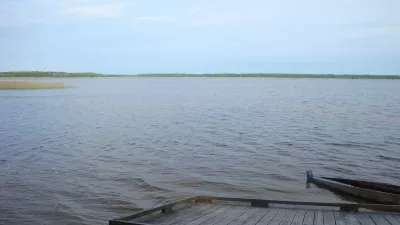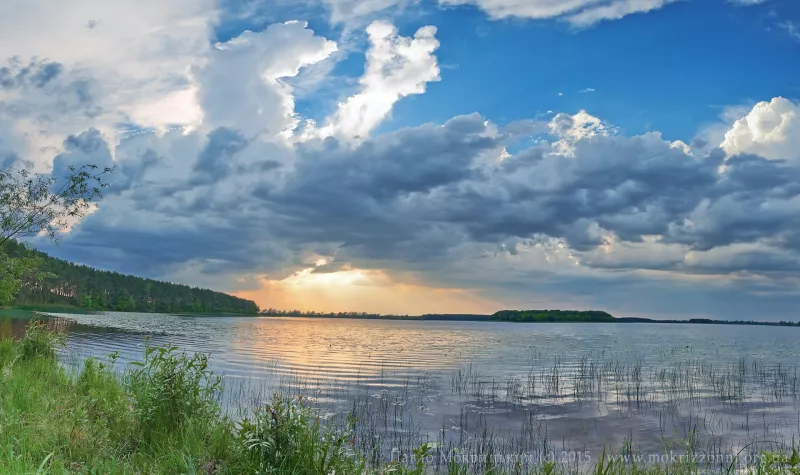
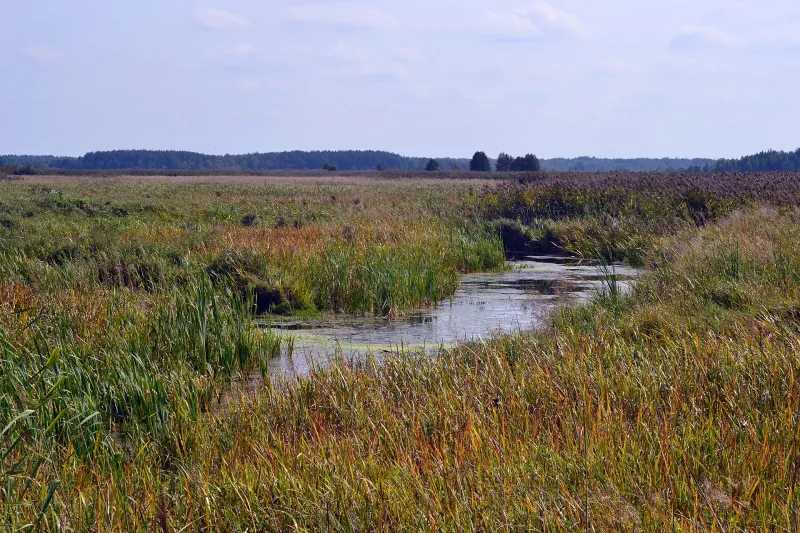
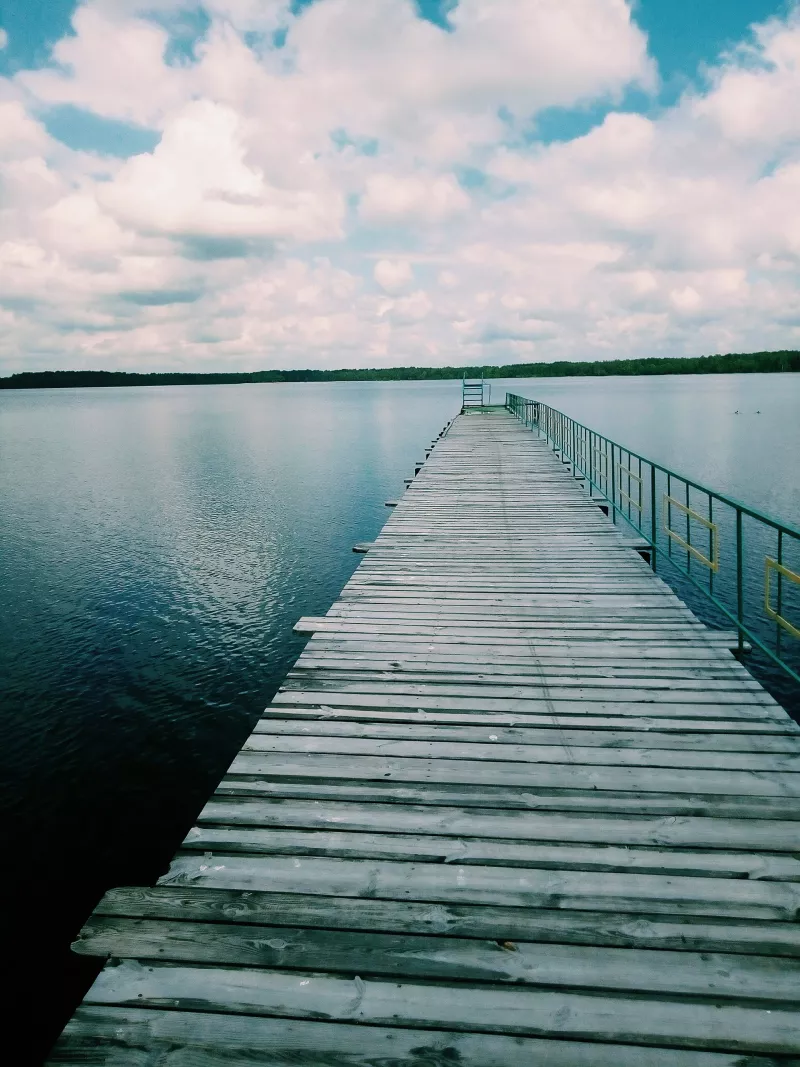
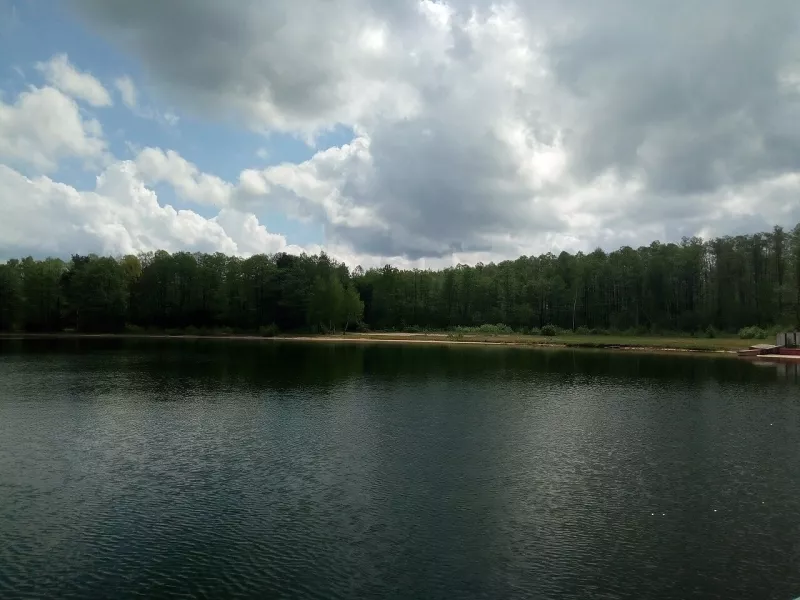
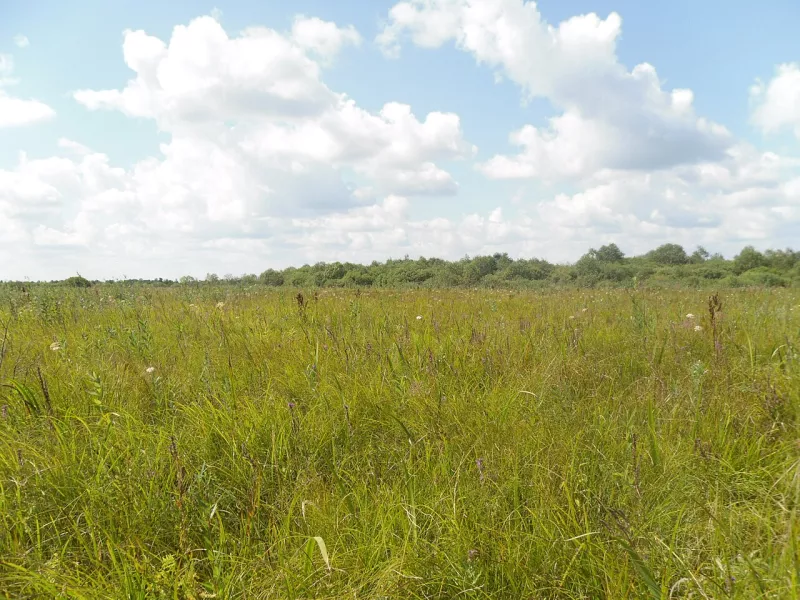
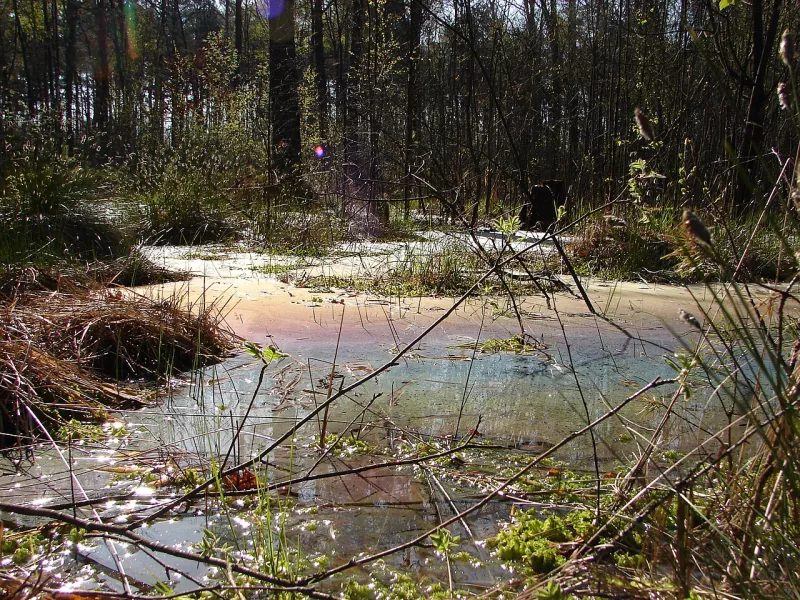
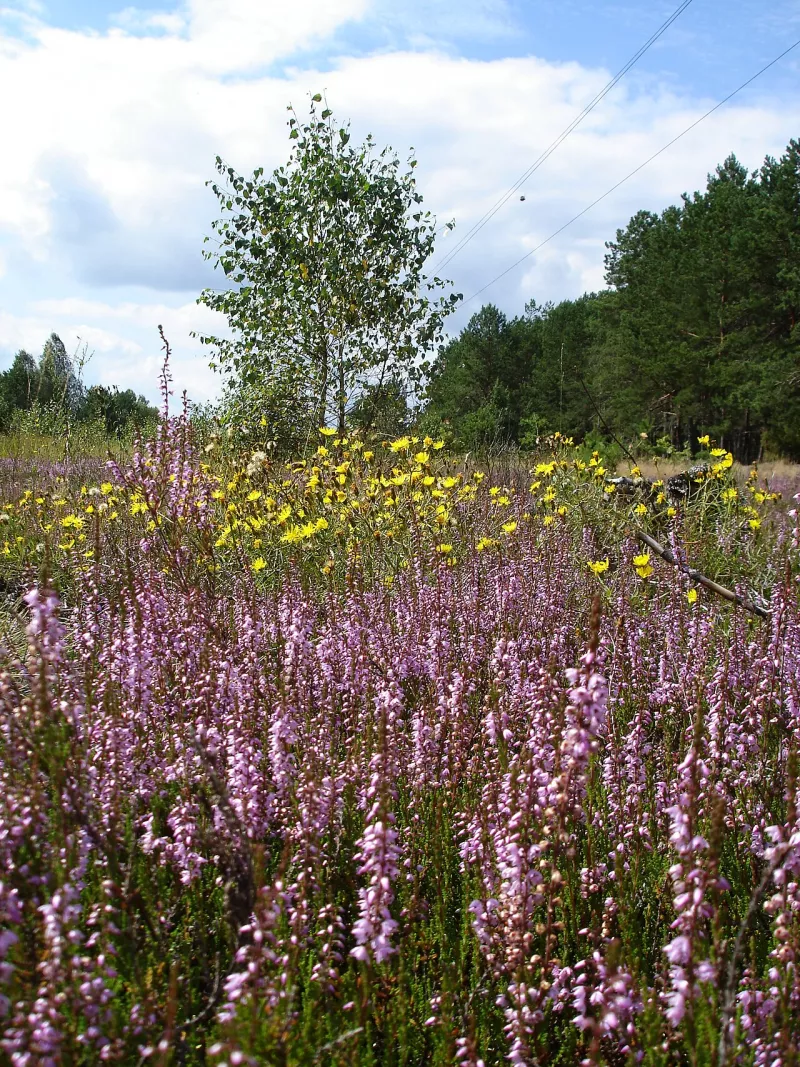
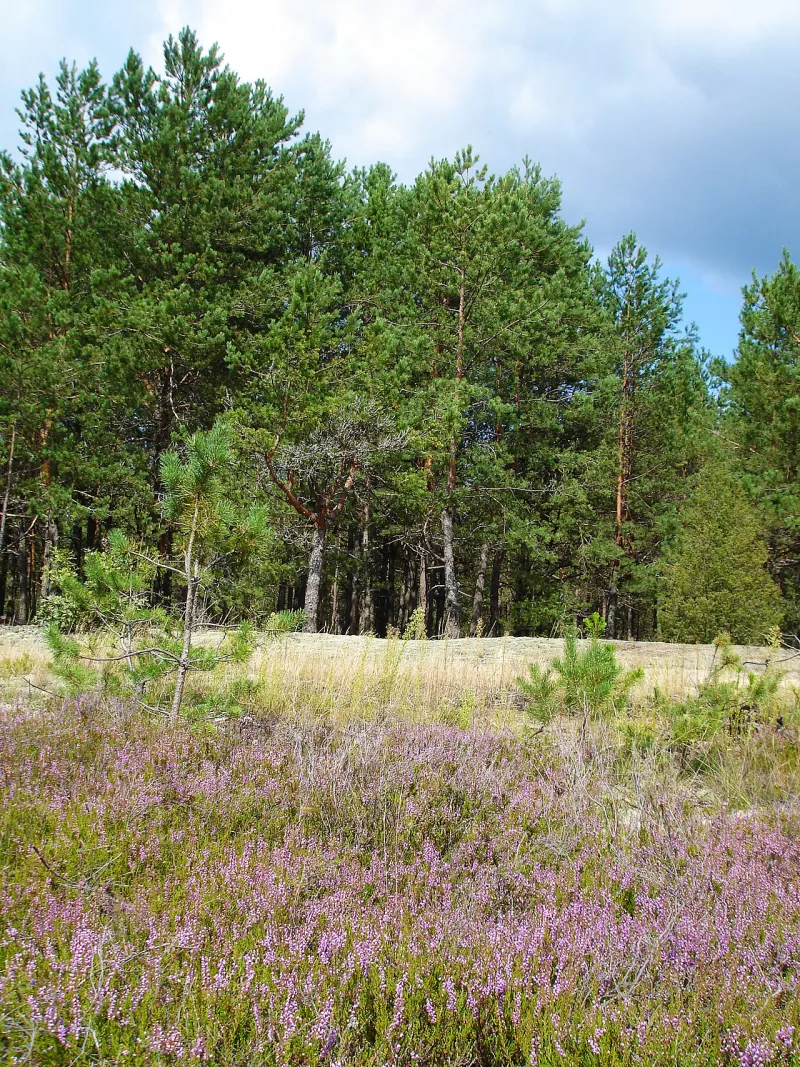
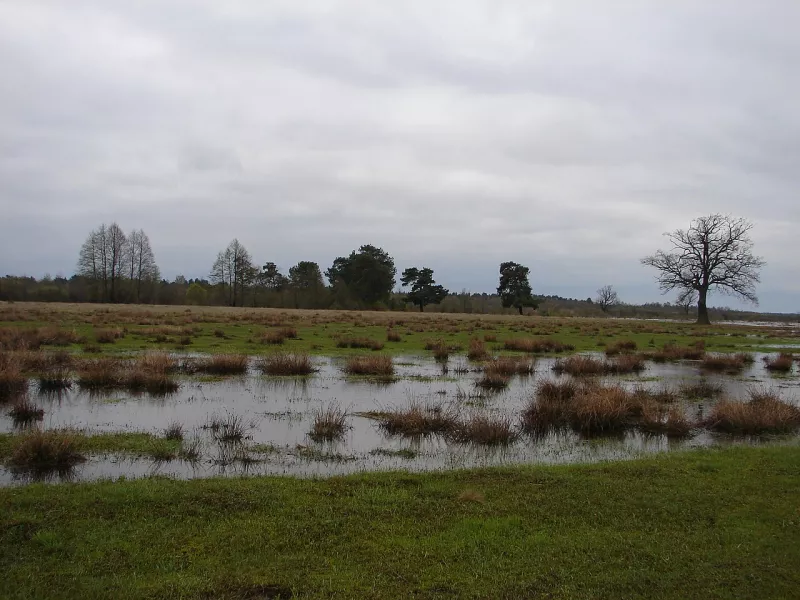
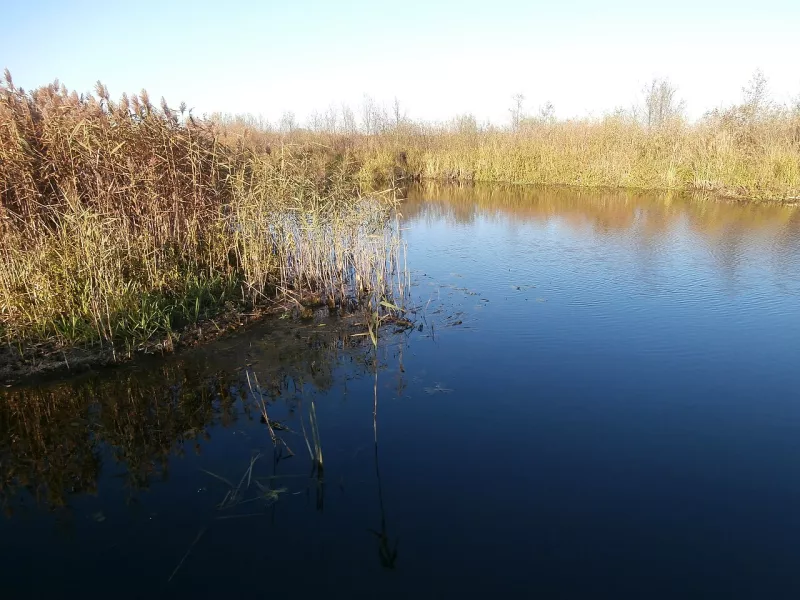
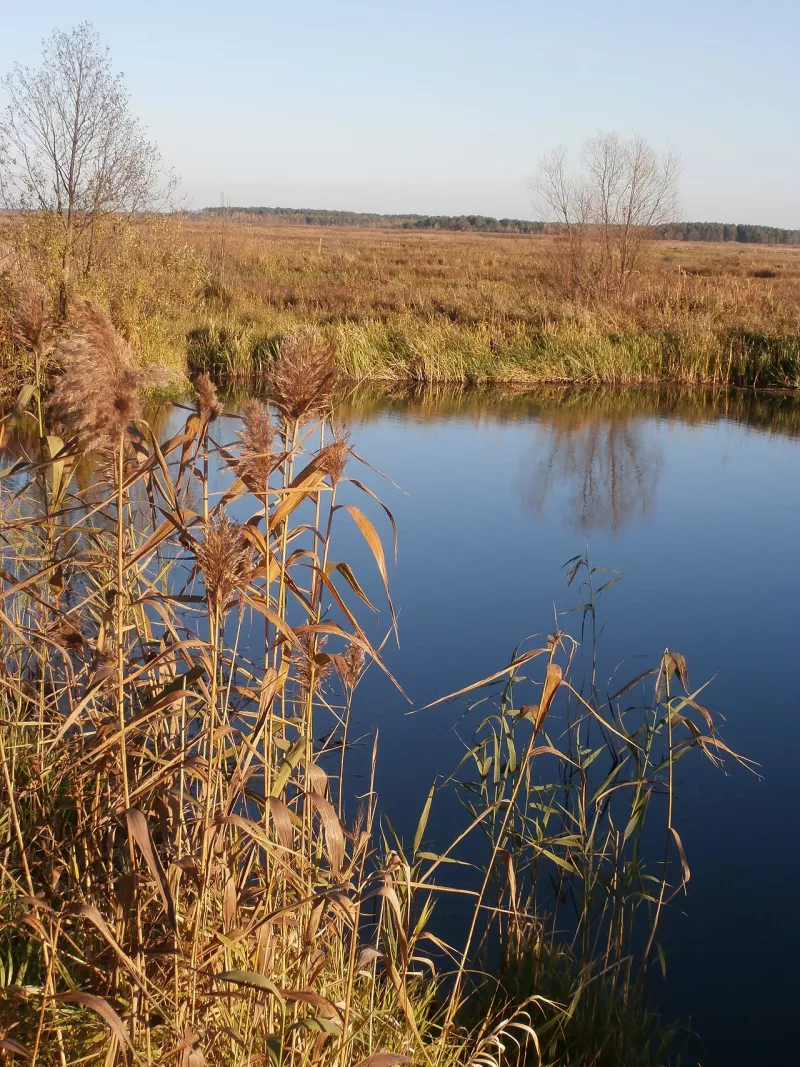

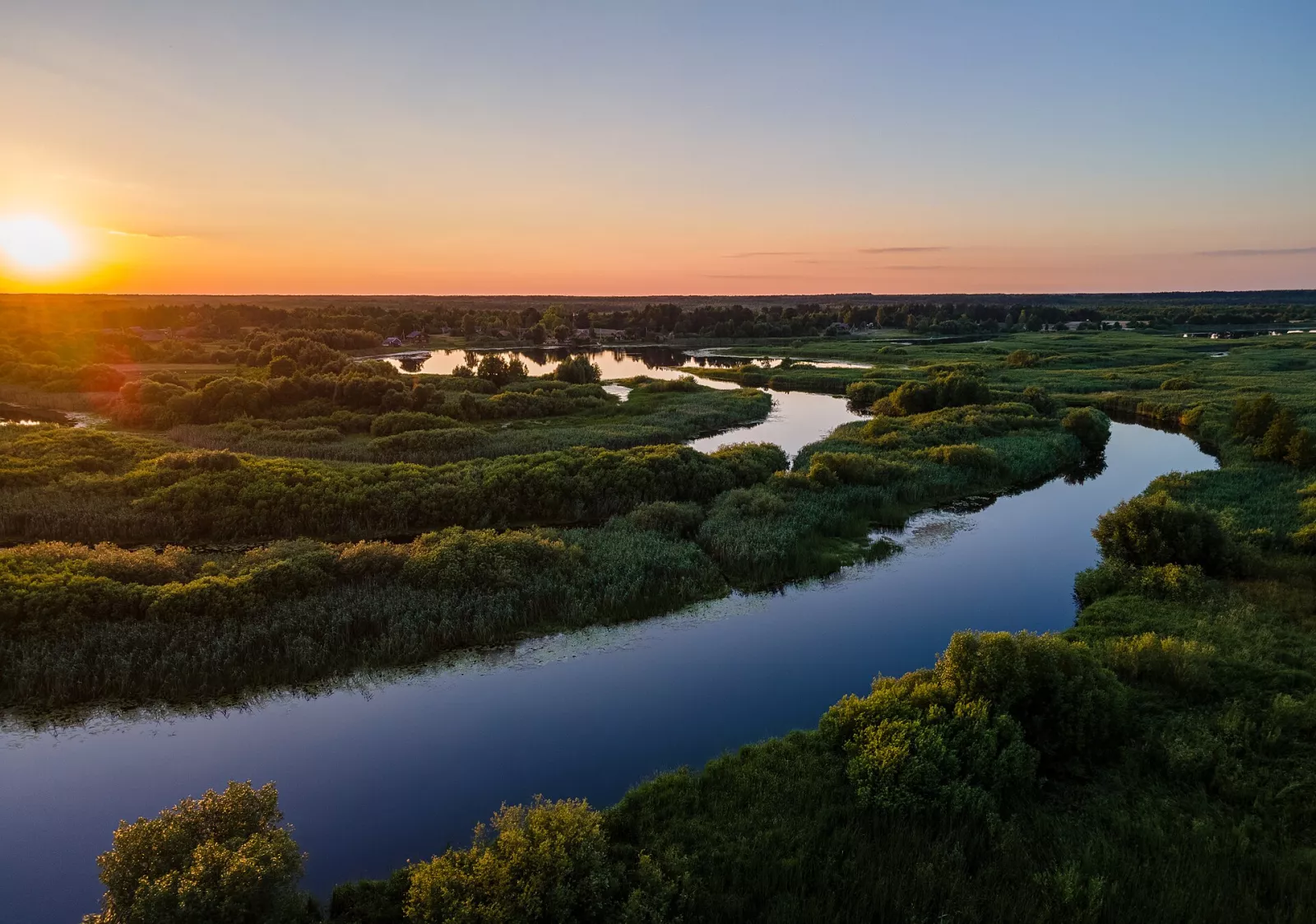
The National Nature Park “Prypiat-Stokhid” is one of the wildest protected areas of Volyn. It lies in Liubeshivshchyna in Kamin-Kashyrskyi Raion, reaching north to the border with Belarus and encompassing the floodplains of the Stokhid and Prypiat rivers — a labyrinth of channels, straits, lakes, and swamps amid meadows and pine forests.
How the Park Was Created
In the 1980s, several nature reserves were established in Liubeshivshchyna. In 1995, some of them were combined into the regional landscape park “Prypiat-Stokhid,” and in August 2007, the national park was founded on its basis. Its area exceeds 39,000 hectares. The park includes hydrological reserves such as Rohiznenskyi, Tsyrskyi, Vetlivskyi, Yamno, and others, as well as botanical natural monuments — old groups of oaks and forest plots.
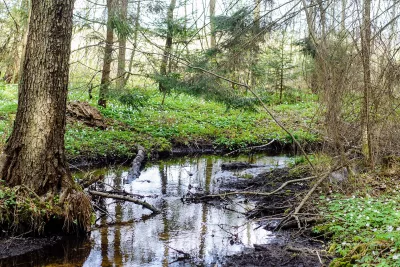
Almost half of the territory is occupied by swamps, a third by forests, another sixth by shrubs, and about six percent by water. Part of the park is included in wetlands of international importance.
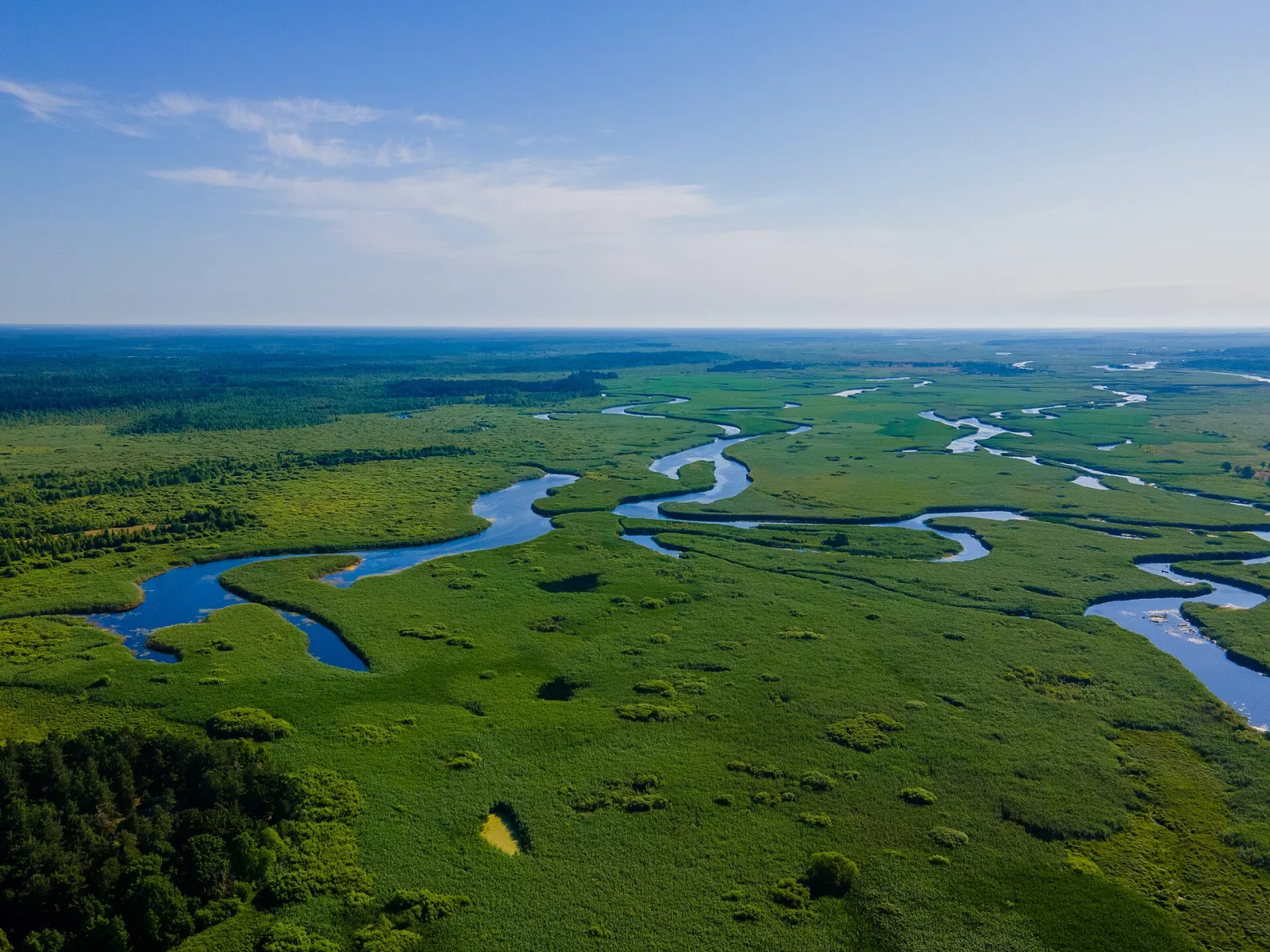
One Hundred Channels of the Stokhid
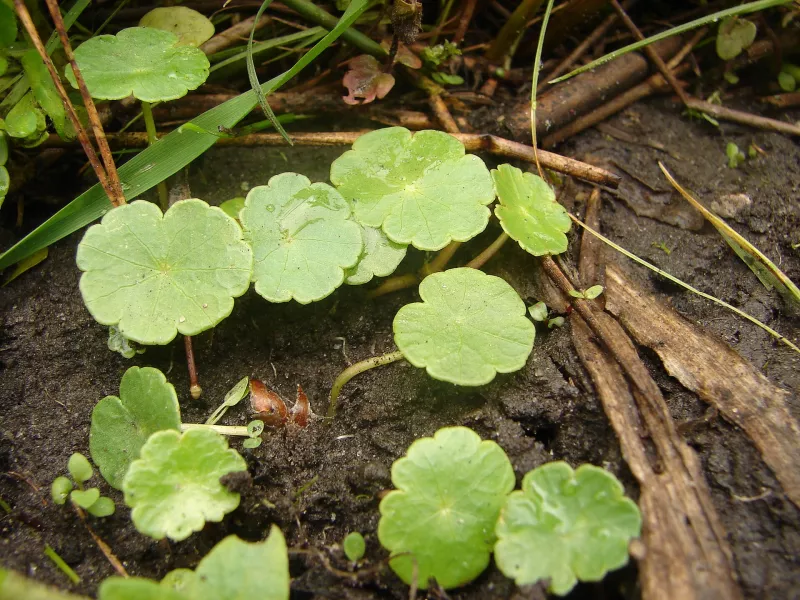
The name of the Stokhid speaks for itself: in the floodplain, the river breaks into dozens of channels and oxbow lakes, which diverge and then merge again. Together with the Prypiat, they form a labyrinth of water among meadows, swamps, lakes, and sand dunes. Yellow pitcher plants bloom in the rivers, the banks are overgrown with reeds and cattails, and duckweed covers the backwaters. This landscape is typical for Polissia, but it has been preserved in its original form in very few places, and the park was created precisely to protect it.
Plants
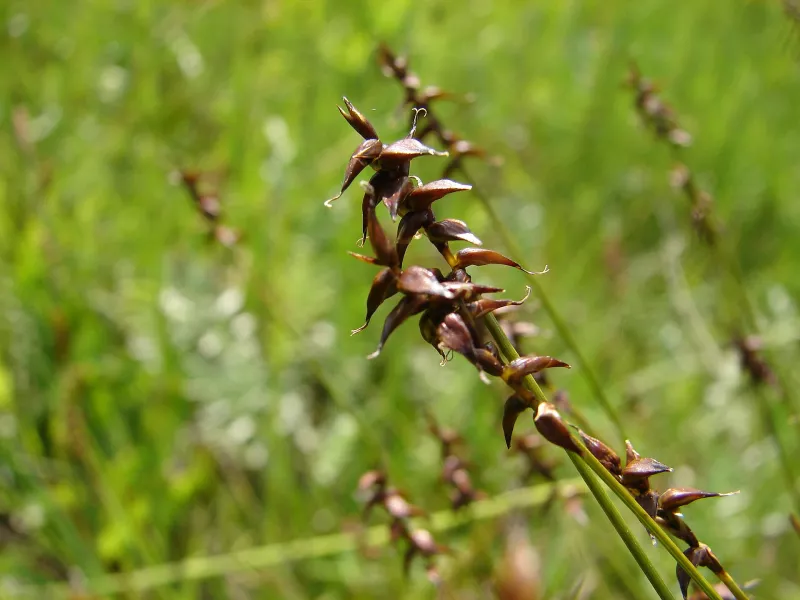
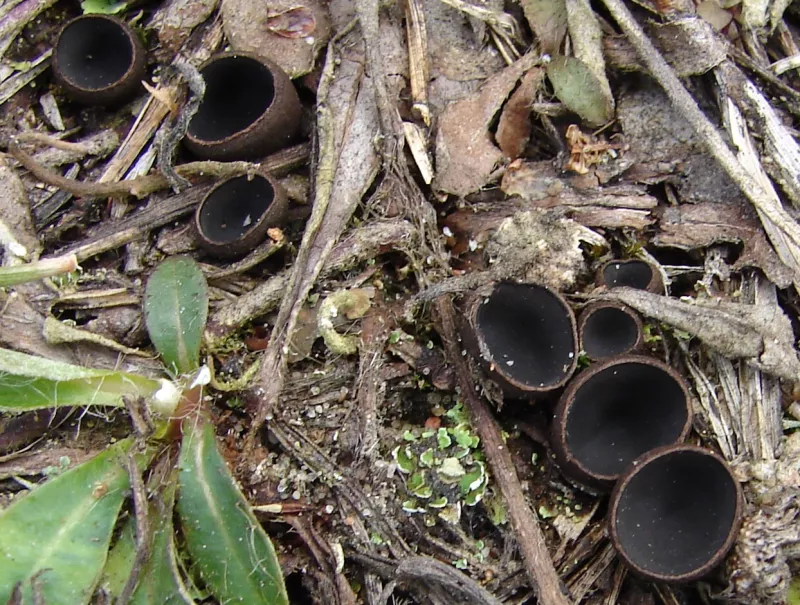
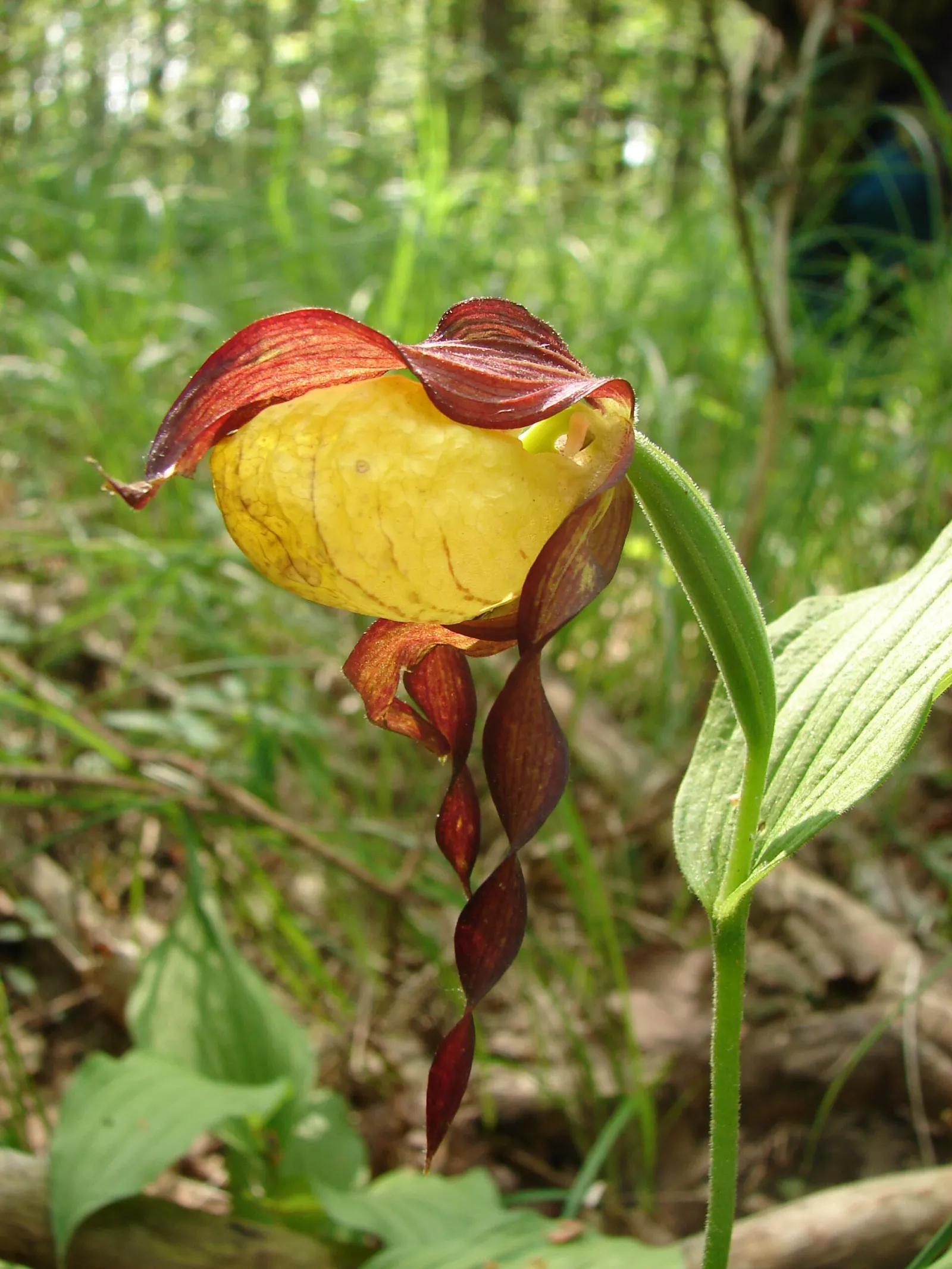
More than 550 species of vascular plants and over a hundred species of mosses grow in the park. Two dozen species are listed in the Red Book of Ukraine: Aldrovanda vesiculosa, floating salvinia, shield fern (which until recently was considered extinct in Ukraine), forest lily, lady’s slipper orchids, several species of finger orchids and helleborines. Particularly valuable are the carbonate swamps with Devel sedge — a rarity for Ukraine.
Birds and Animals
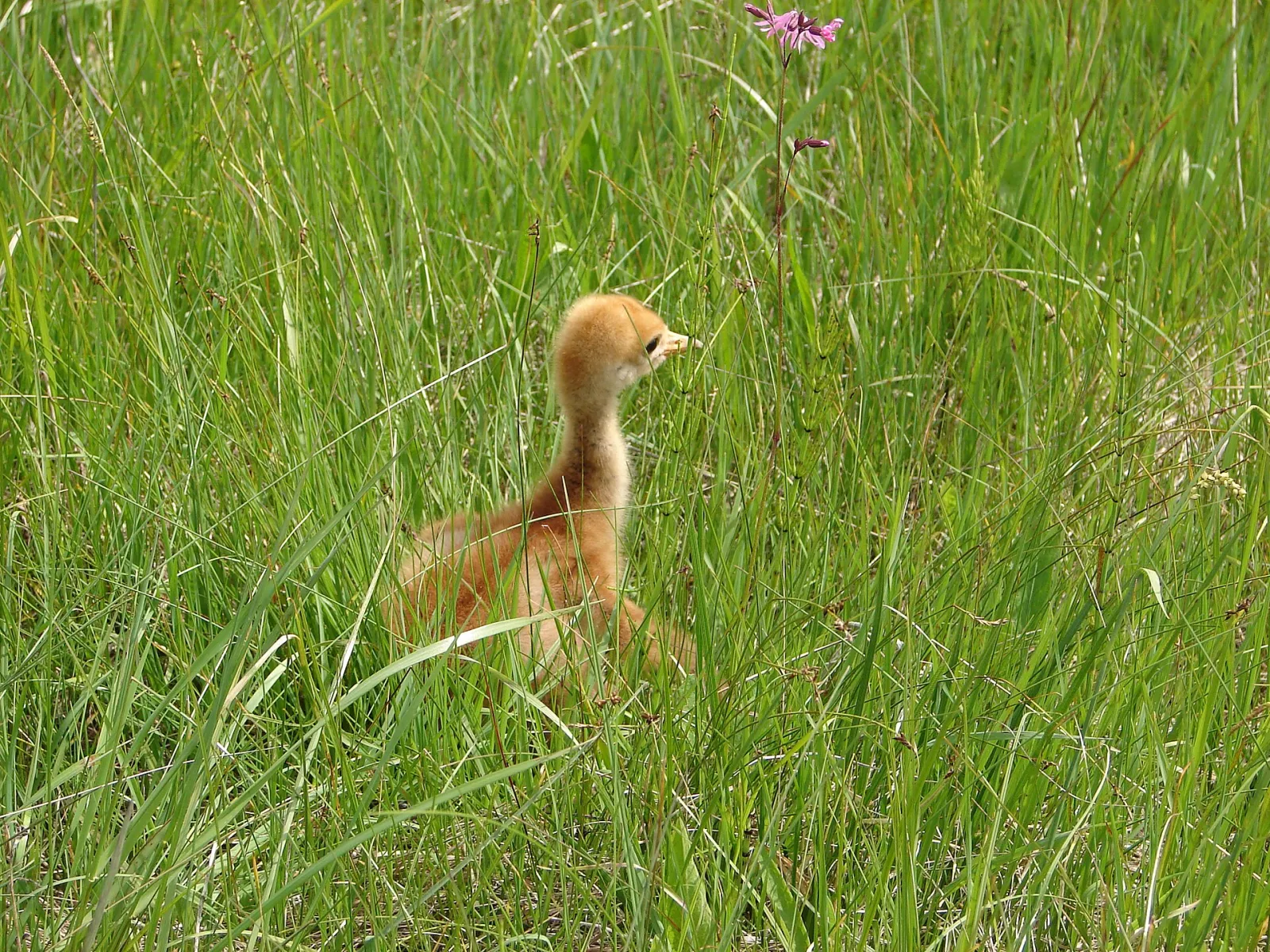
Scientists have recorded over 250 species of vertebrates here, including 186 species of birds. The floodplains of the Stokhid and Prypiat are nesting grounds for herons, ducks, marsh harriers, greylag geese, and gulls. In spring, when the water spreads, tens of thousands of migratory birds stop here to rest. Among the Red Book residents are the black stork, white-tailed eagle, golden eagle, osprey, grey crane, capercaillie, and eagle owl; among mammals — otter, badger, and ermine.
Rafting and Trails
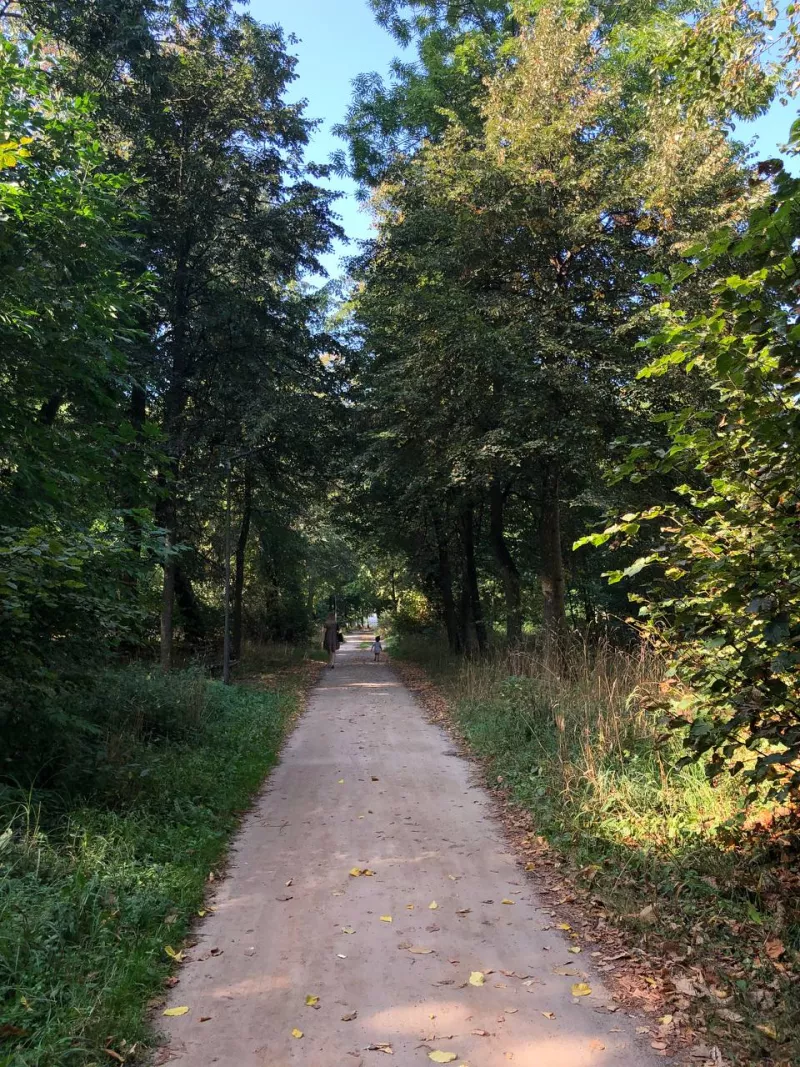
The Stokhid is one of the best rivers in Ukraine for kayaking: the current is slow, the banks are almost undeveloped, and the channels offer a new route every day. A popular route is several days from Liubeshiv downstream to the Prypiat with overnight camping in tents. The park has ecological trails and birdwatching spots. It is advisable to arrange routes, campsites, and visiting rules with the park administration in Liubeshiv.
The best time is May–June and September. Take mosquito and tick repellent, and for rafting—bring a map or a navigator: it’s easy to get lost in the channels.
Fishing
More than two dozen species of fish inhabit the park’s rivers and lakes. Fishing is mainly done on the Stokhid and Prypiat from the shore and from boats—targeting pike, perch, roach, bream, and tench, and in the lakes near Liubiaz and Nevir, also crucian carp. Within the park, fishing is allowed only in designated areas, and protected zones must be avoided. General fishing regulations apply, and from November 1, fishing in wintering holes is prohibited—list and map of the holes.
Liubeshiv and Ancient Landmarks
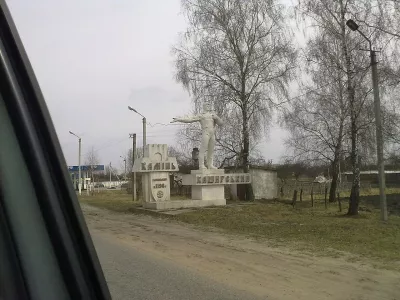
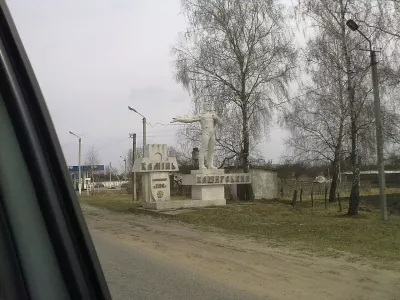
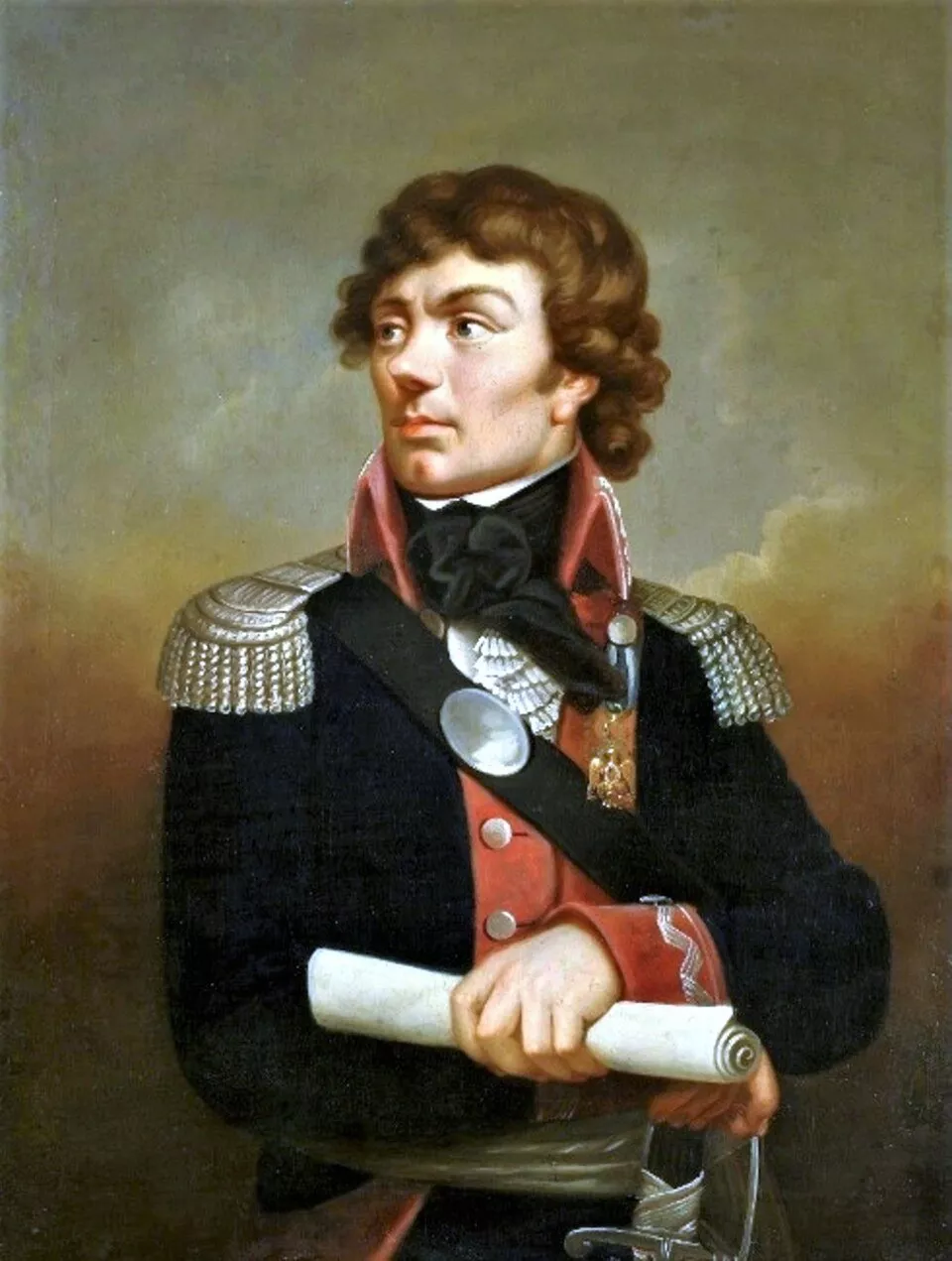
The park’s center is the settlement of Liubeshiv on the Stokhid’s bank, first mentioned in 1484. Here are preserved the cells of the Piarist monastery, where Tadeusz Kościuszko studied, the church and cells of the Capuchins from the 18th century, and a baroque gate of an old estate. Archaeologists find traces of Stone Age settlements in the region, and Prypiat once served as part of the waterway from the Varangians to the Greeks.
How to Get There
Buses run to Liubeshiv from Lutsk and Kamin-Kashyrskyi; by car—via highway R14. The nearest railway stations are in Kamin-Kashyrskyi and Manevychi. Schedules change, so check them at the bus station before traveling.
Nearby
Within and near the park are Liubiaz Lake, White Lake near Nevir, and the Tsyr River. More about the region is in the article Kamin-Kashyrskyi District, and about the neighboring reserve—Cheremskyi Reserve.
Frequently Asked Questions
Where is the Prypiat-Stokhid Park located?
In the north of Volyn Oblast, in Kamin-Kashyrskyi Raion, on the lands of the former Liubeshiv Raion. The park administration is in Liubeshiv.
When was the national park established?
In 2007, based on a regional landscape park that existed since 1995.
Can you raft the Stokhid alone?
Yes, but the route and campsites should be coordinated with the park administration and you should have a navigator—it’s easy to confuse the channels.
Is fishing allowed in the park?
Fishing is allowed in designated areas following general fishing rules; fishing is prohibited in protected zones.