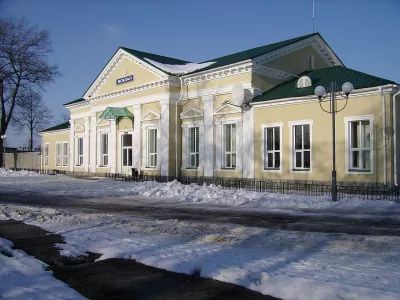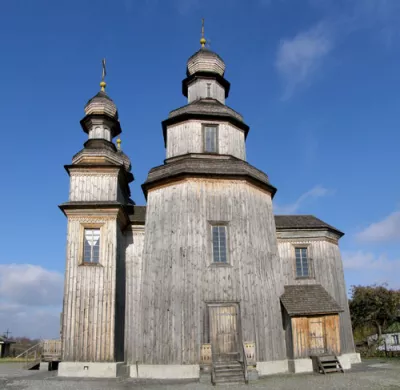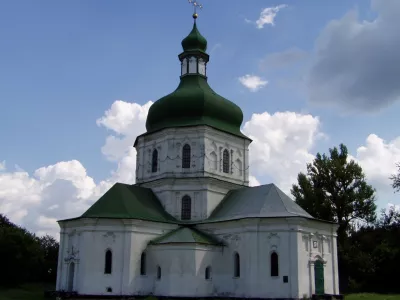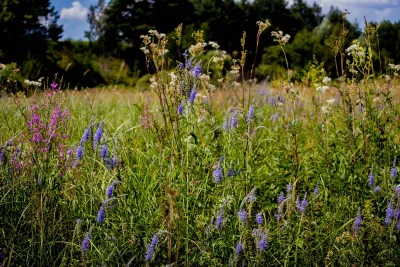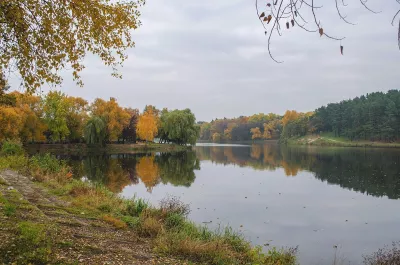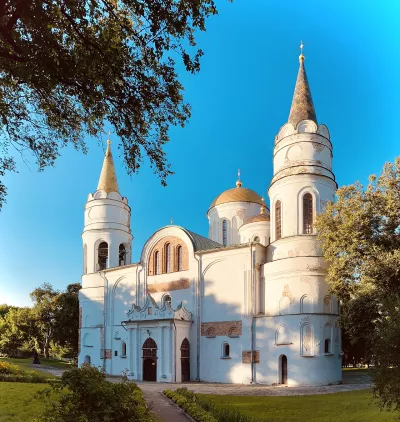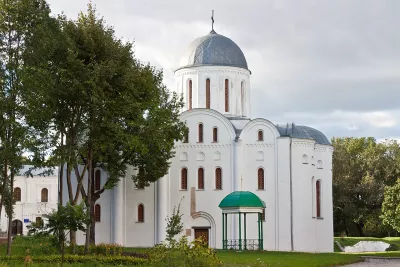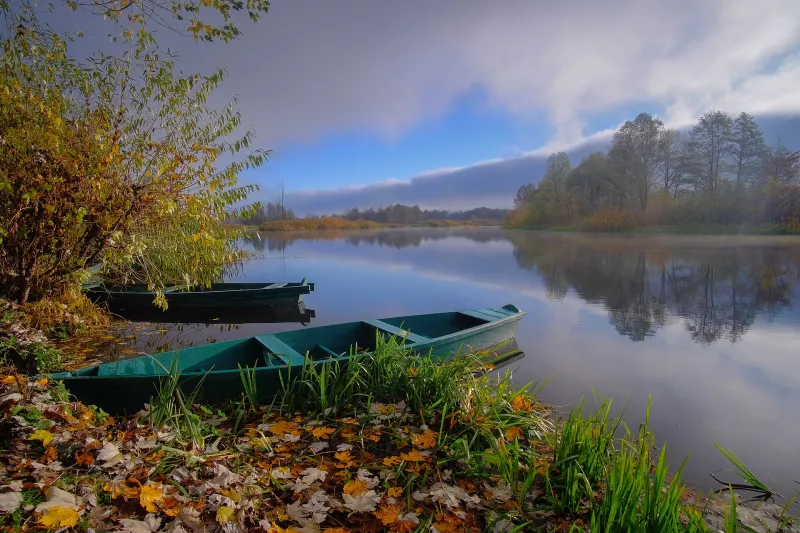

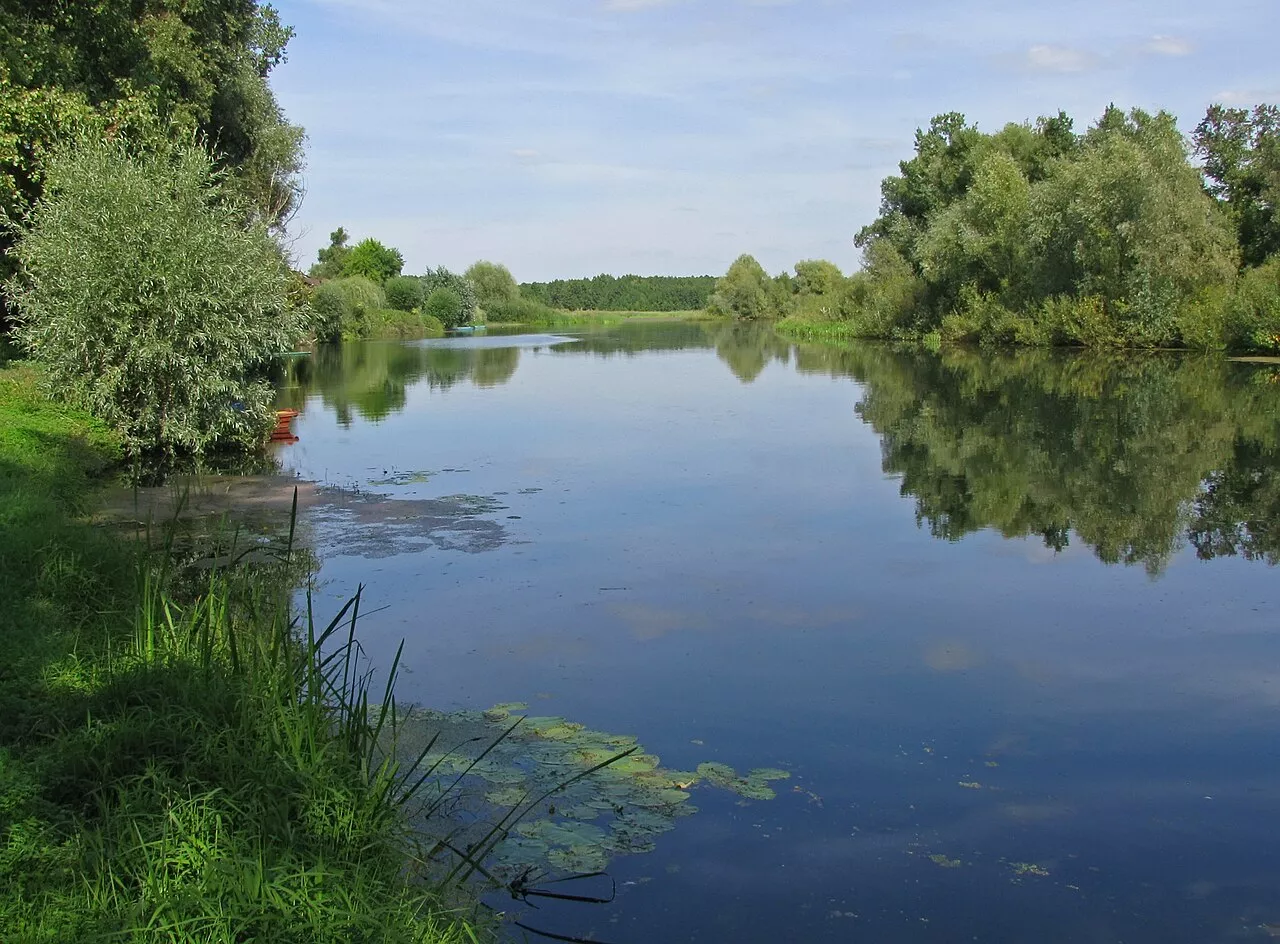
Snov is a right tributary of the Desna, one of the most beautiful rivers of Chernihiv Polissia. It begins in the Bryansk region of Russia, flows for about 20 km along the border, then meanders through the forests and meadows of Chernihiv region past Snovsk and Sedniv. Snov flows into the Desna near the village of Brusyliv, 12 km upstream from Chernihiv.
What It Is Like
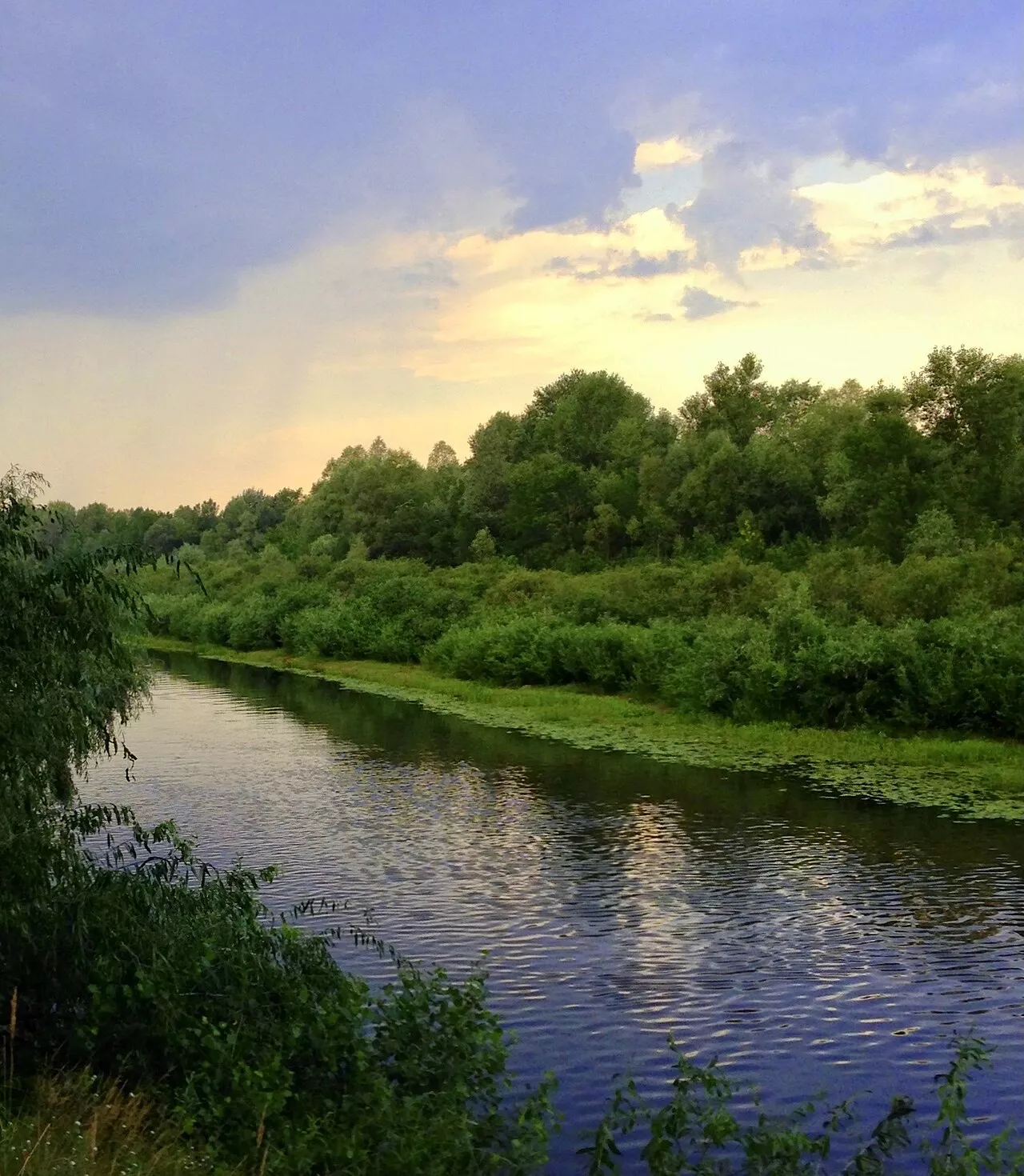
According to various sources, the length of the Snov is from 253 to 301 km, with a basin area of 8,705 km². The valley is wide, 1.5–4 km, with floodplains that are swampy in places. In the upper reaches, the channel is narrow, 4–14 meters wide, widening to 20–40 meters downstream, and in some places reaching 200 meters. The riverbed is very winding. The banks are overgrown with mixed forests and shrubs; in swampy areas, there are reeds and sedge. The river is mainly fed by snowmelt: it freezes in November–December and thaws in March–April.
The tributaries of the Snov form a whole network of Polissian streams: on the right — Klyus, Irpa, Trubizh, Tsyata, Tetyva, Smyach; on the left — Stratava, Revna, Brech, Domna, Bihach, and others.
Origin of the Name
The origin of the name is not definitively established. It has been traced to Sanskrit (“to bathe”), Persian (“cord”), and even Arabic (“snake”). The most likely version is Celtic — from a word meaning “stream,” “to flow.” This is supported by other ancient names in the area.
Rafting
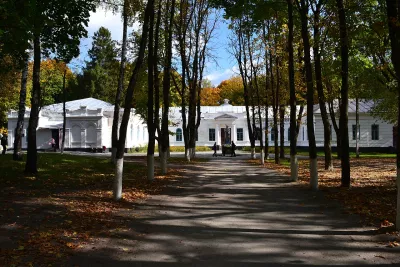
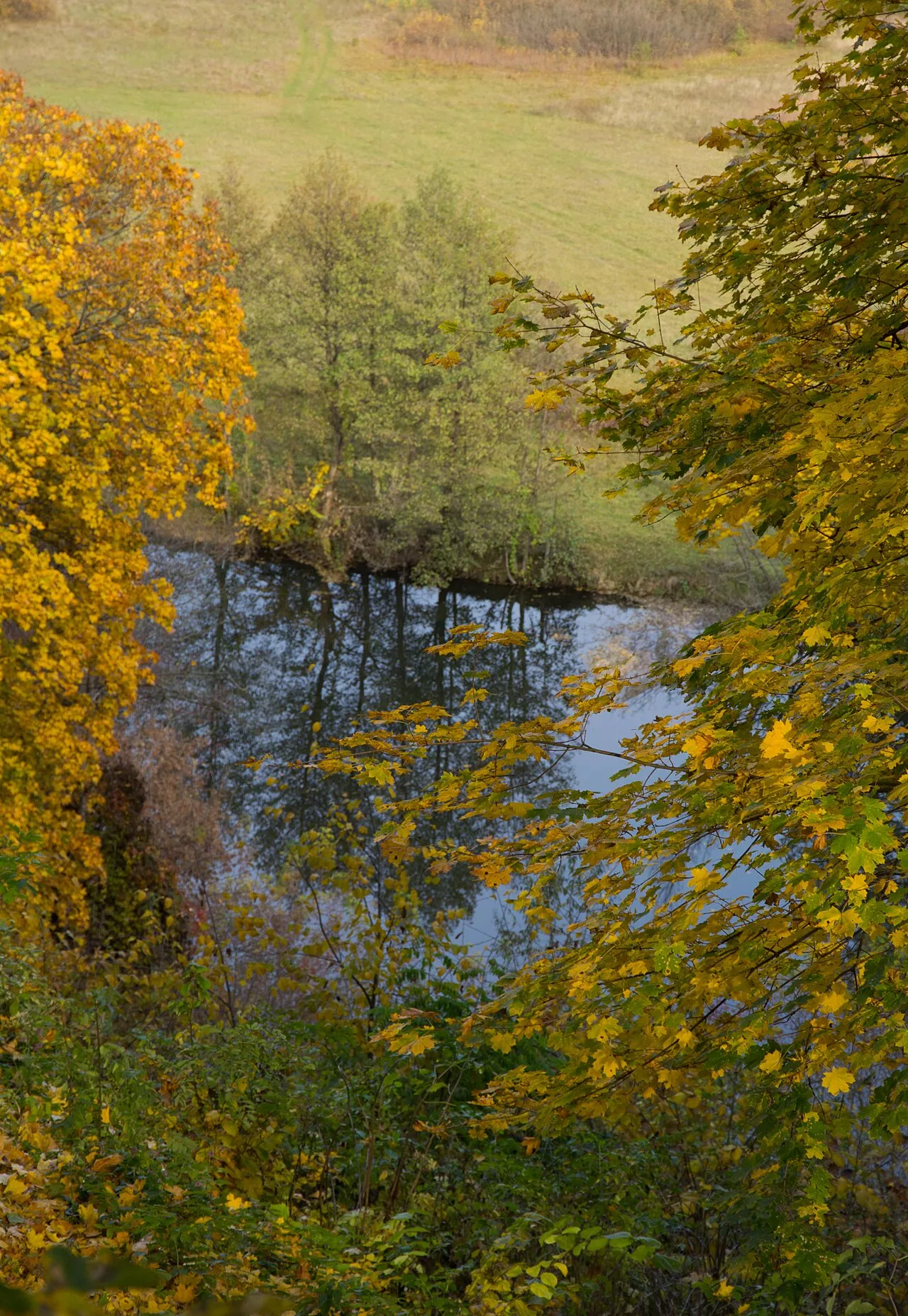
The winding riverbed, quiet pools, and forests along the banks make the Snov a popular river for kayaking trips. A common route is from Novi Borovychi to Snovsk for several days with overnight camping. Downstream, you can paddle to Sedniv, where the Lyzohub estate with its park stands above the river. In the lower reaches, the river is navigable for small boats.
Fishing
There are no detailed sources about fish specifically in the Snov. As with other Polissian tributaries of the Desna, fishing is mainly done in pools, bays, and oxbow lakes of the floodplain — from the shore or from a boat. The most convenient spots are near Snovsk and Sedniv, where the river is easily accessible. General fishing regulations apply.
How to Get There
The easiest way to reach the Snov is to go to Sedniv (25 km from Chernihiv) or to Snovsk, where trains and buses run. The upper reaches near the border with Russia are a border zone, so before rafting or fishing there, be sure to check the restrictions related to martial law.