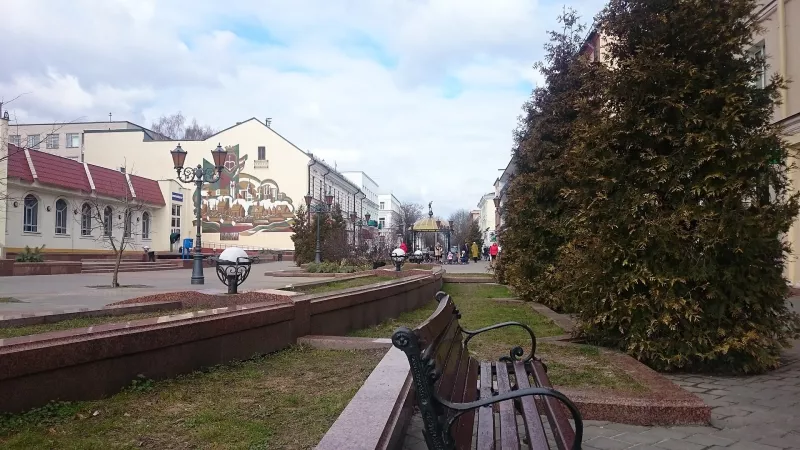

Brest — ancient Berestia — lies on the right bank of the Western Bug, where the Mukhavets flows into it, right on the border with Poland. It is the westernmost city of Belarusian Polissia. It was first mentioned in 1019 in the "Tale of Bygone Years". In 2024, 344,470 people lived here — it is the sixth most populous city in Belarus.
Berestia in Rus and Lithuania
Initially, Berestia belonged to Kyivan Rus. In 1020 it was captured by Bolesław the Brave, in 1241 the Tatars burned it, in 1282 Leszek the Black annexed it to Poland, and around 1320 Gediminas incorporated the city into Lithuania. In 1390, Vytautas granted Berestia Magdeburg rights — the first city in the territory of present-day Belarus.
In 1409, a meeting of Jogaila and Vytautas took place in the city, where they planned the war with the Teutonic Order. The city's banner later took part in the Battle of Grunwald. In 1500, the castle withstood a siege by 15,000 Tatars, but the city was burned.
The City of the Union and the Brest Bible
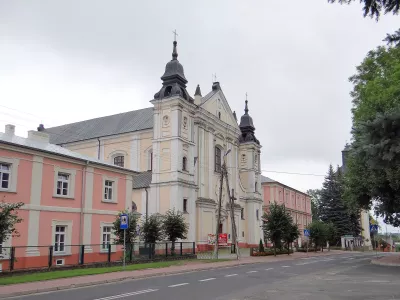
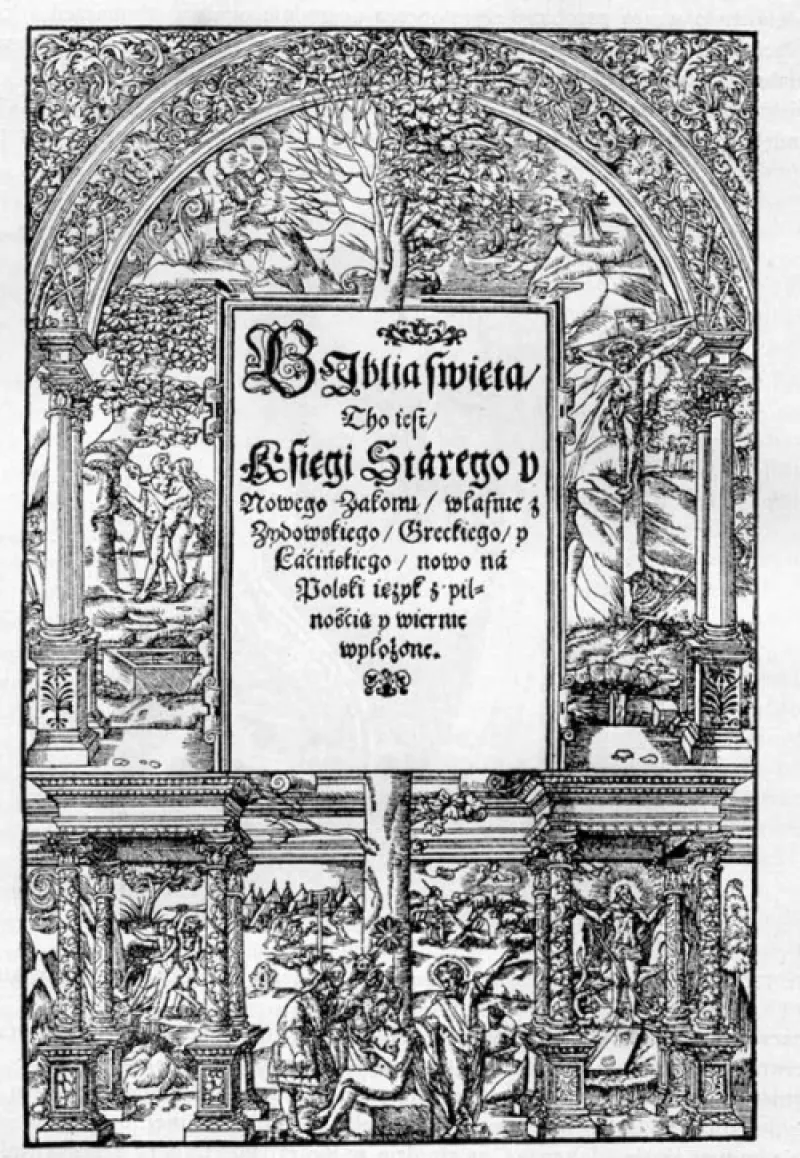
In 1563, Mikołaj Radziwiłł the Black published the Brest Bible in Polish in Brest. In 1566, King Sigismund Augustus created the Berestia Voivodeship with its capital in Brest. After the Union of Lublin in 1569, the city found itself in the Polish-Lithuanian Commonwealth, and in 1596 the Union of Berestia was concluded here, which lasted in these lands for about 300 years. Brest was also a meeting place for the Sejm of the Grand Duchy of Lithuania.
Wars of the 17th Century
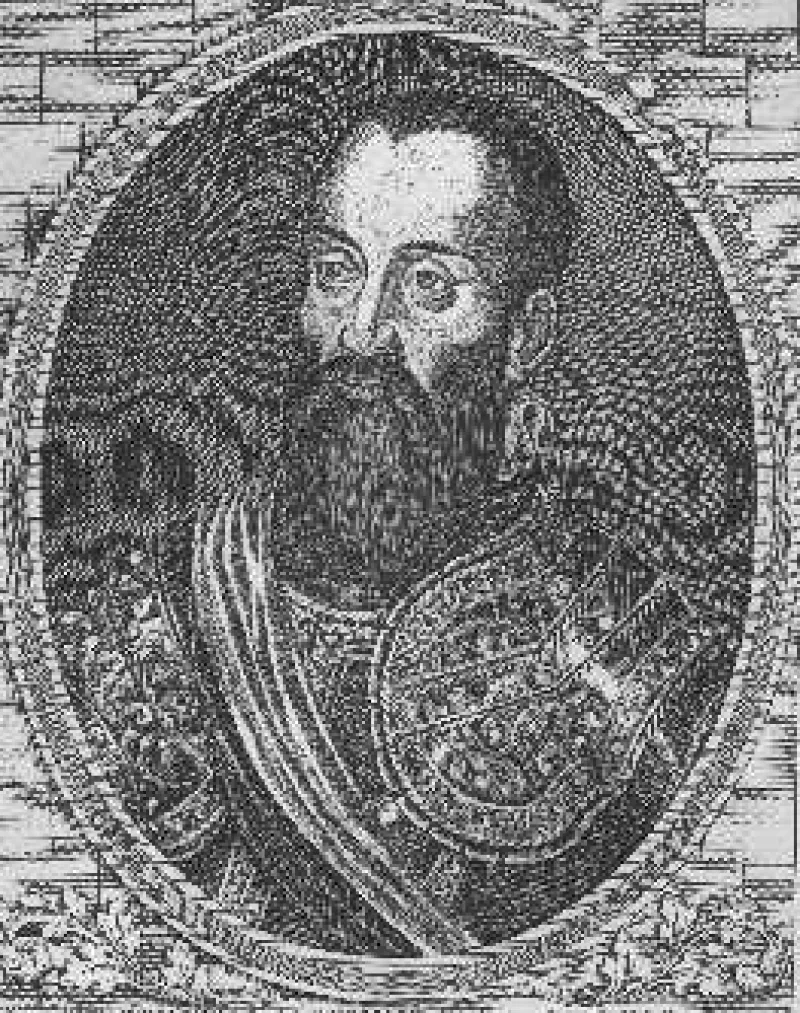
In 1648, the city was captured by Khmelnytskyi's Cossacks. In 1657, it was besieged by the Swedes and Rákóczi's army, and the castle was recaptured by the nobility of the Berestia Voivodeship. In 1660, the Muscovite army took the castle and killed between 1,700 and 1,900 residents; on 18 December of the same year, the city was retaken by the troops of Paweł Jan Sapieha.
The Vanished City and the Fortress
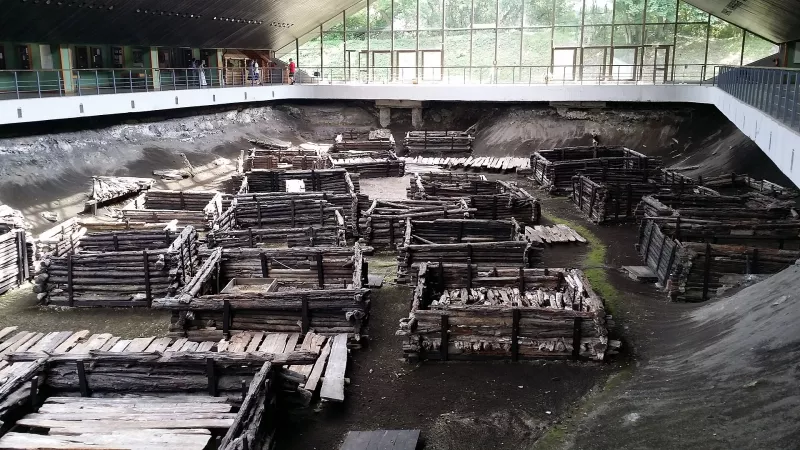
In 1795, after the Third Partition of Poland, Brest passed to the Russian Empire. Various sources date the start of the fortress's construction differently: 1833 or 1836–1842. Almost all urban buildings were demolished for it, except for a few masonry structures. In 1897, 46,568 people lived in the city — the third largest city in Grodno Governorate. In 1915, Russian troops abandoned Brest and set it on fire, burning down 80% of the city.
1918–1939
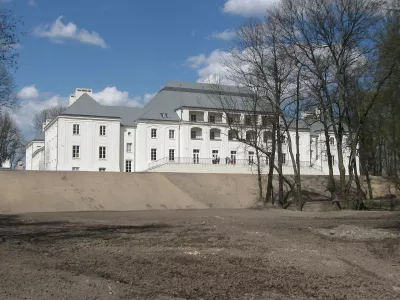
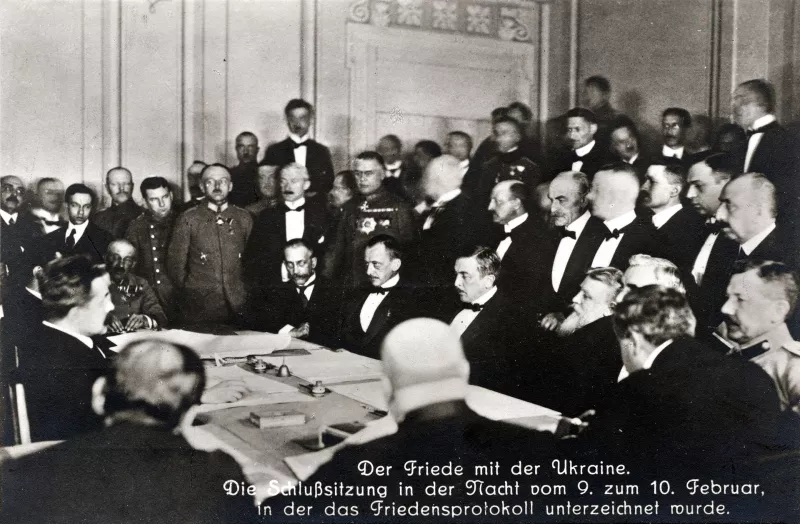
In March 1918, the Treaty of Brest-Litovsk between Russia and Germany was signed in the White Palace of Berestia. On 9 February 1919, the city was retaken from the Germans by a volunteer detachment of the Wilno Self-Defense under the command of Jerzy Dąbrowski. In 1921, Brest became the capital of the Polissia Voivodeship, and in 1923–1939 it was called Brest-on-Bug. In 1930, opposition figures were held in the fortress, among them Wincenty Witos and Wojciech Korfanty, who were tried in the "Brest Trial".
On 14–17 September 1939, the fortress was defended by the "Brest" task force against the German XIX Army Corps. After 17 September, the city was occupied by Soviet troops, and on 22 September, a joint parade of German and Soviet troops took place.