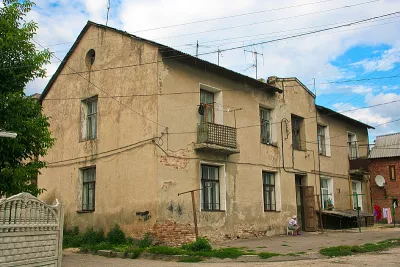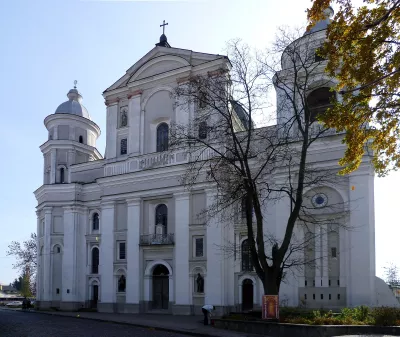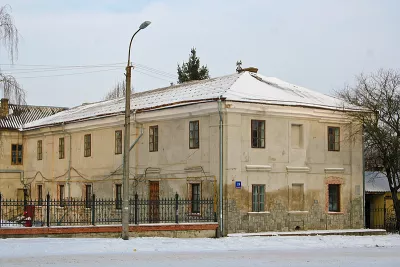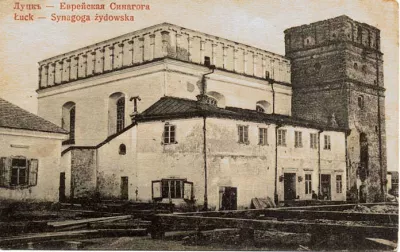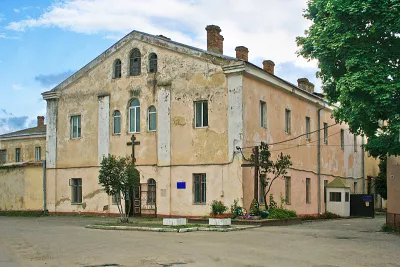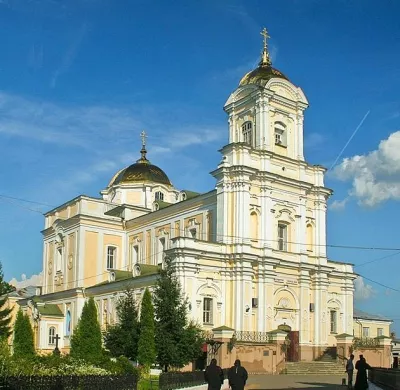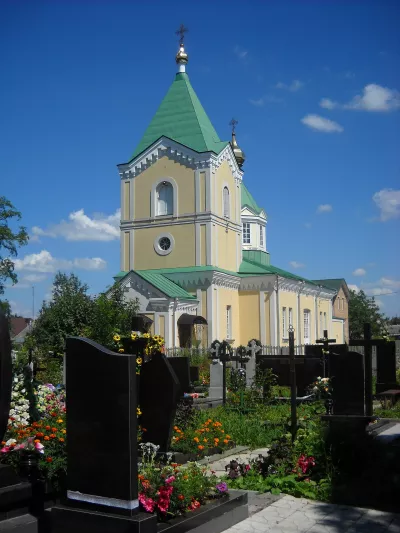
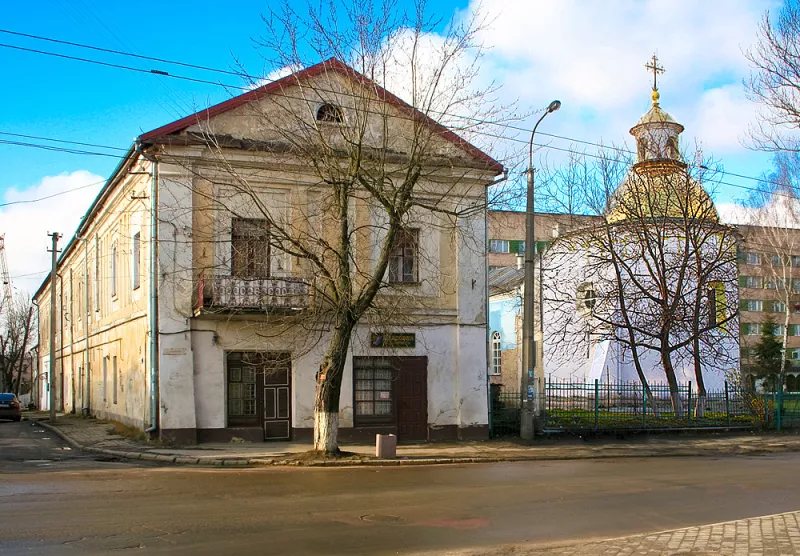
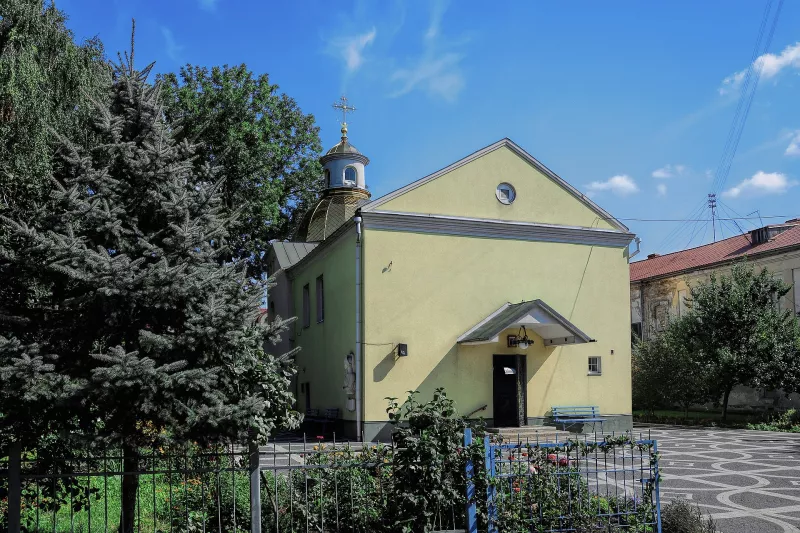
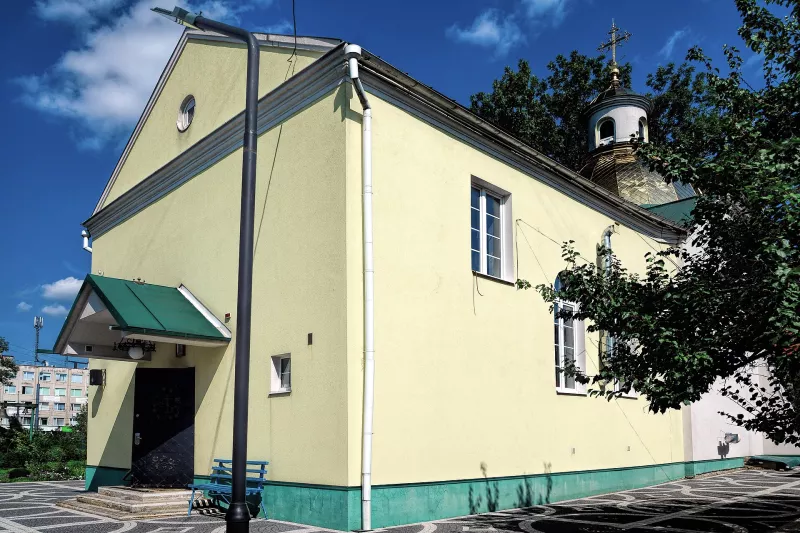
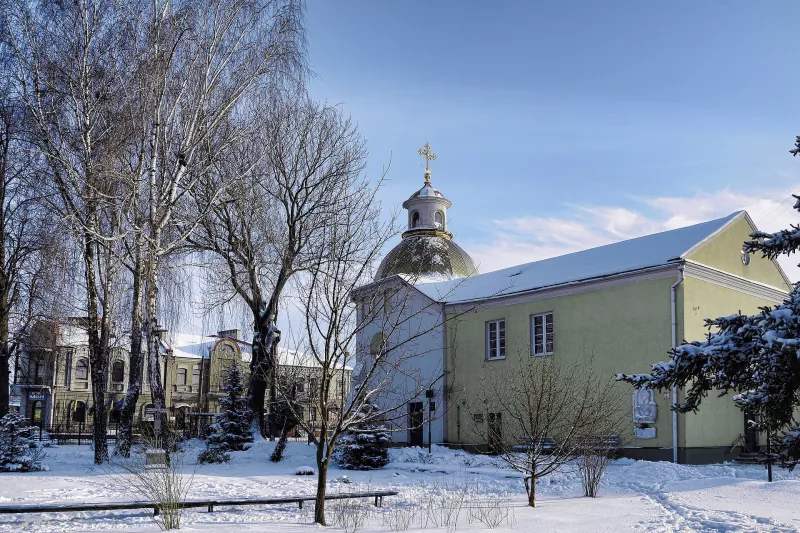
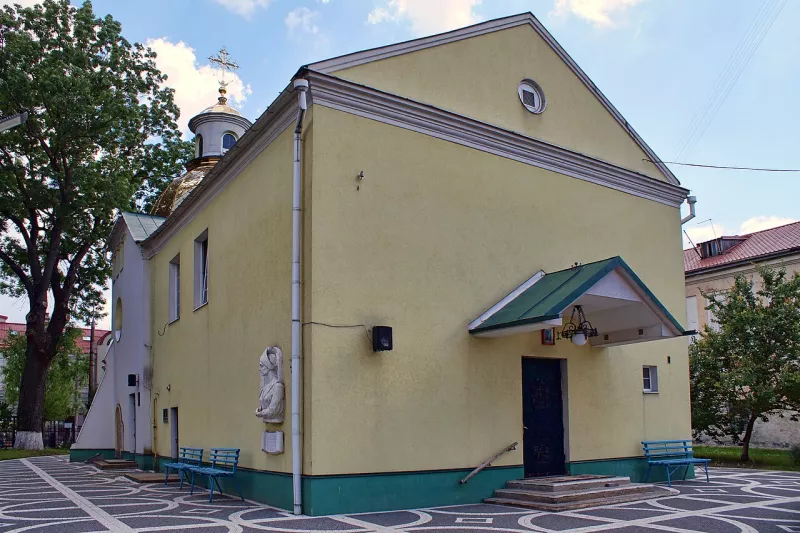
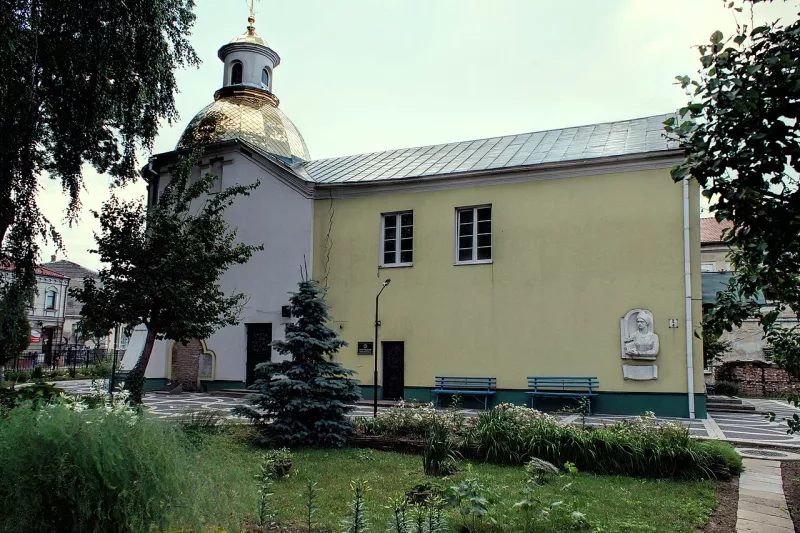
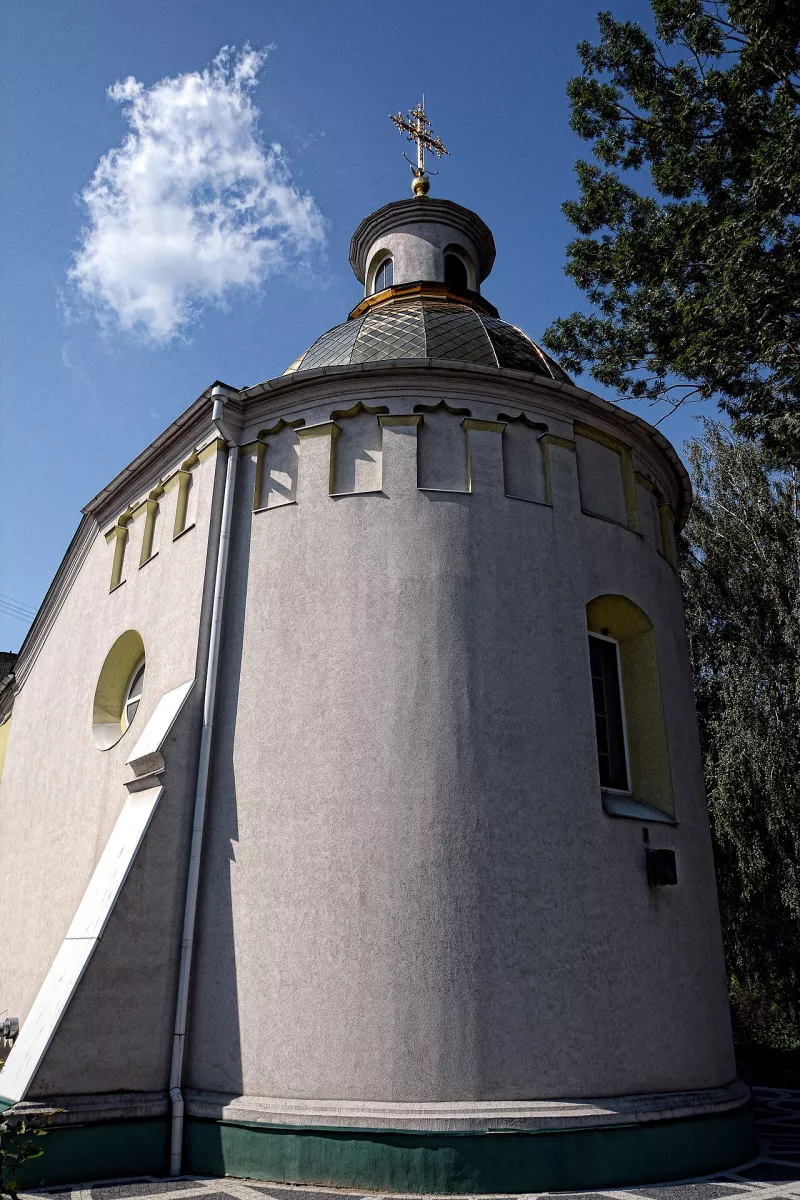
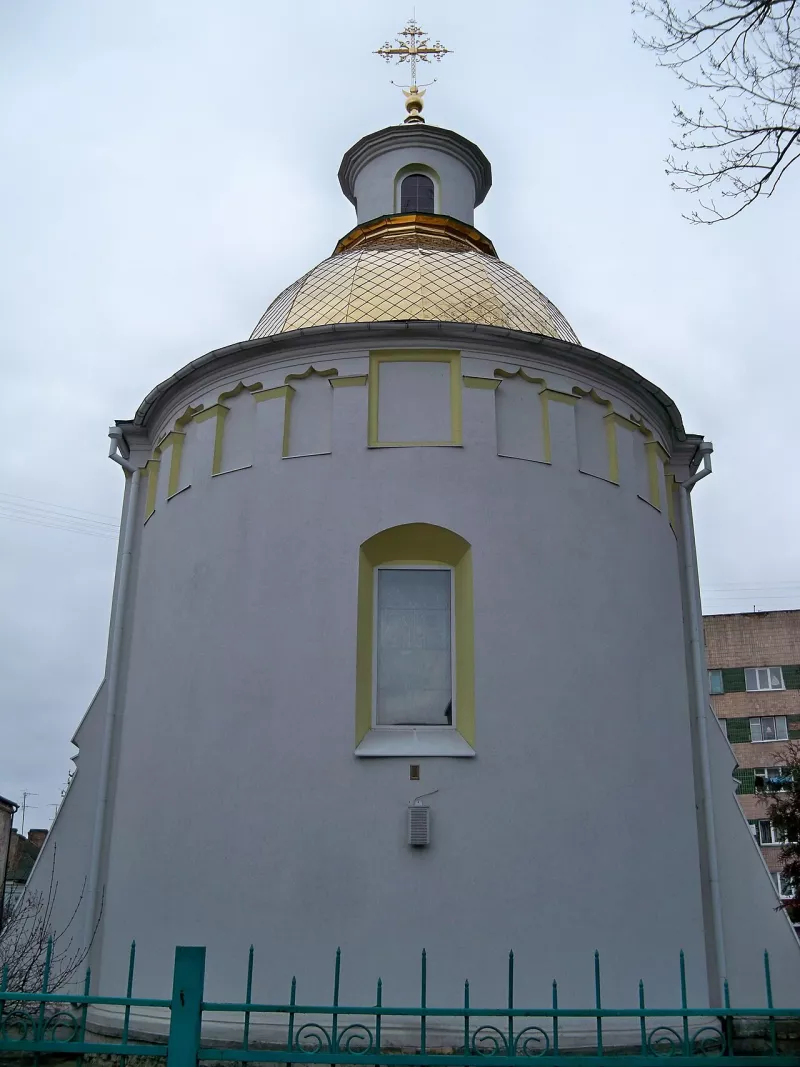
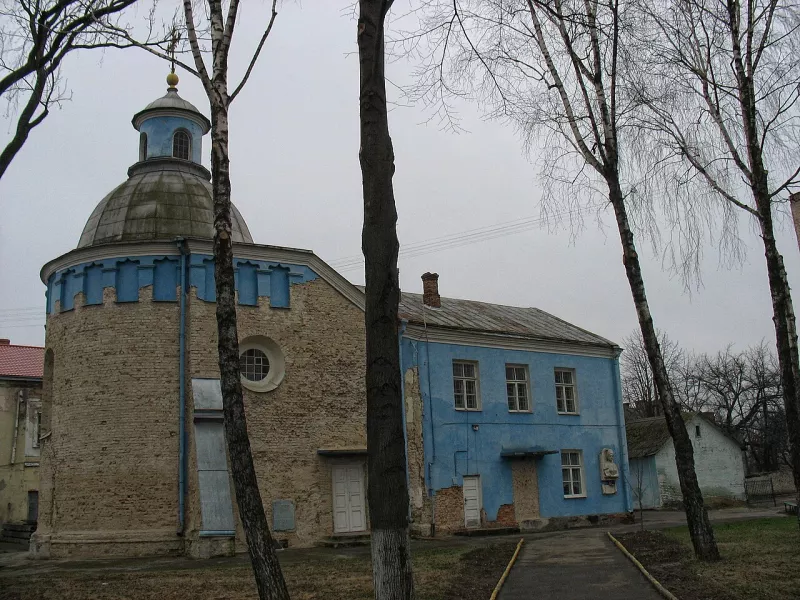
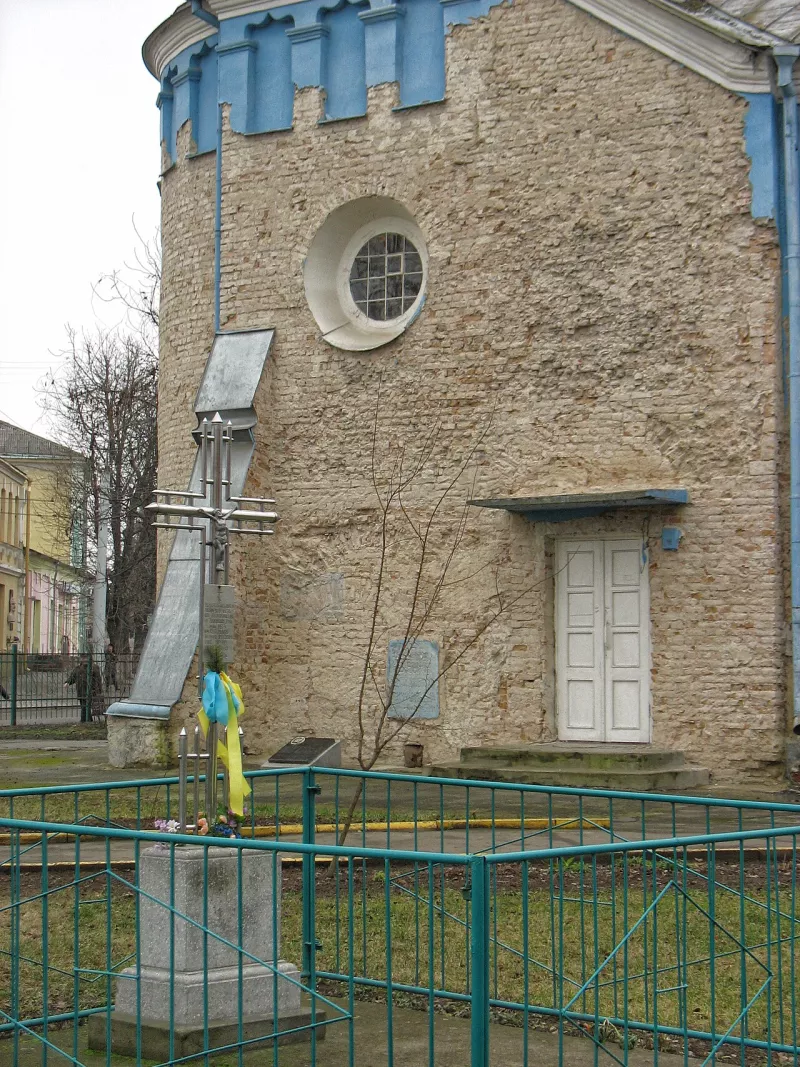
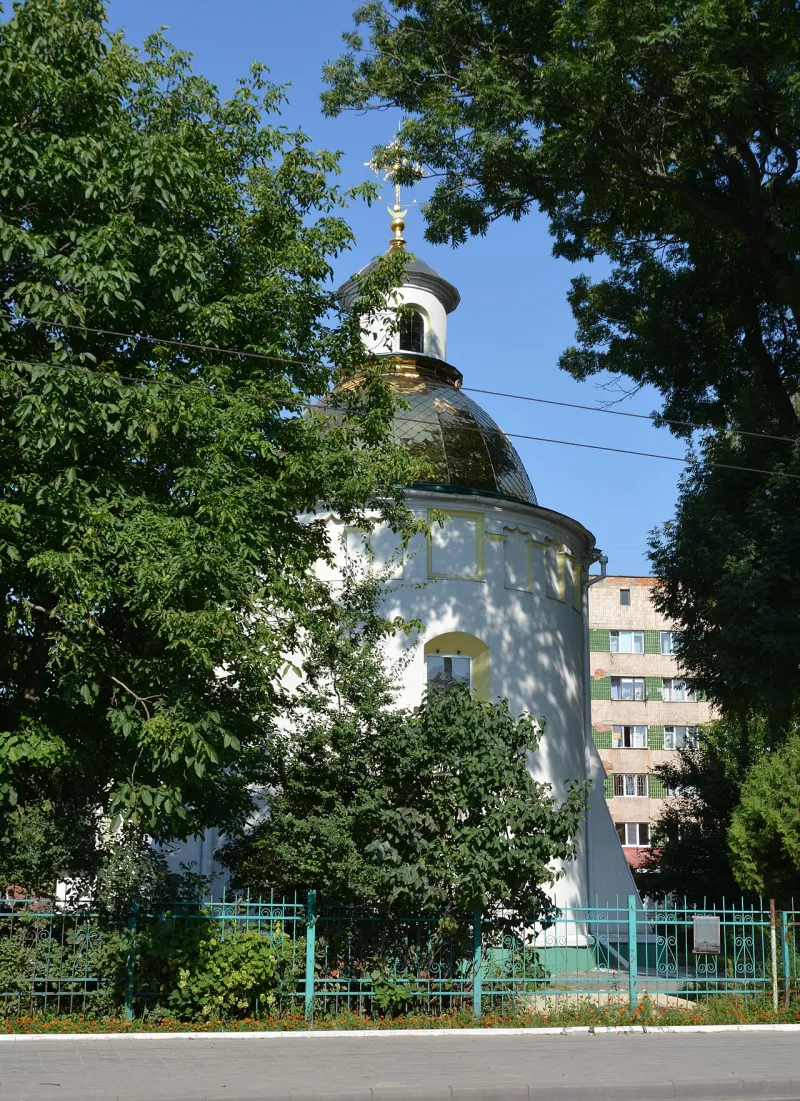
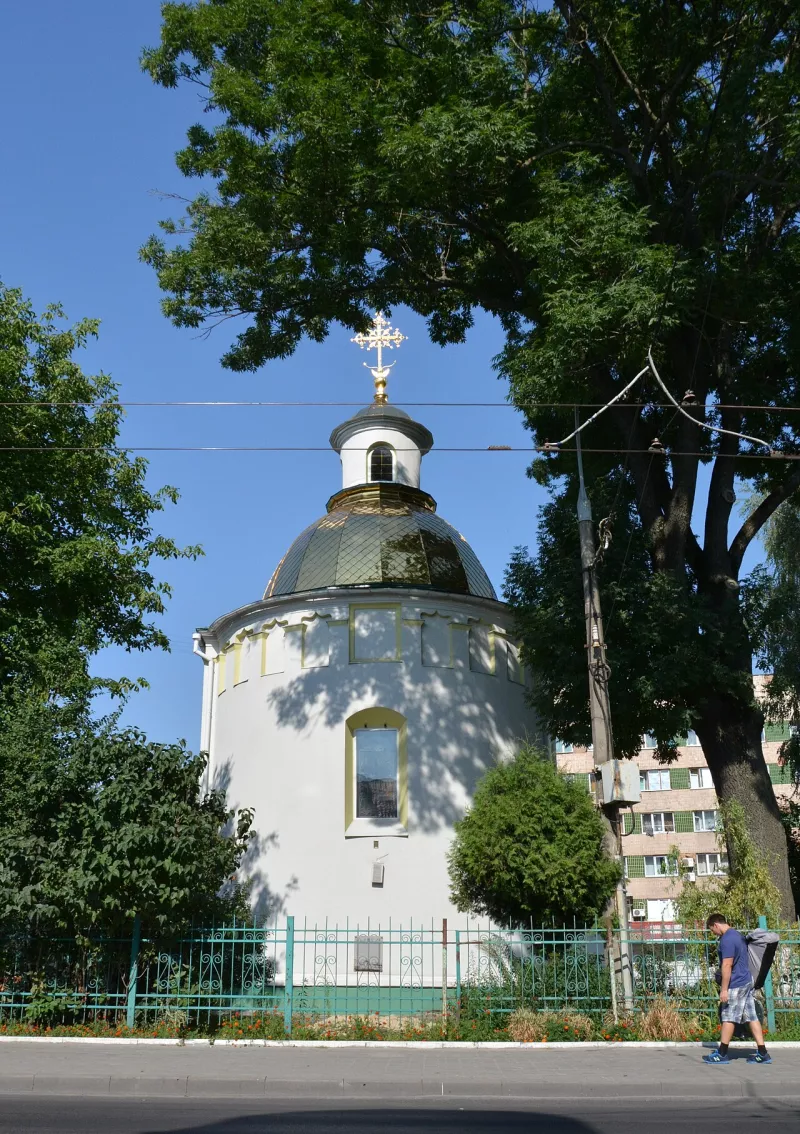
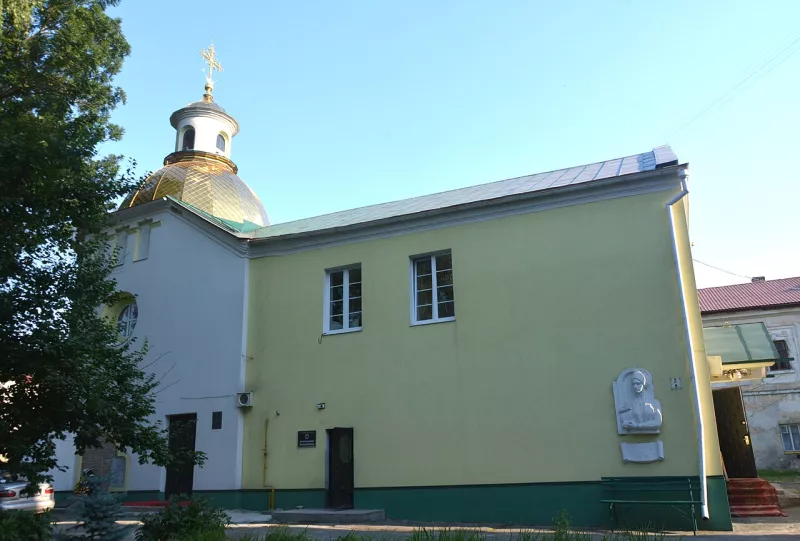
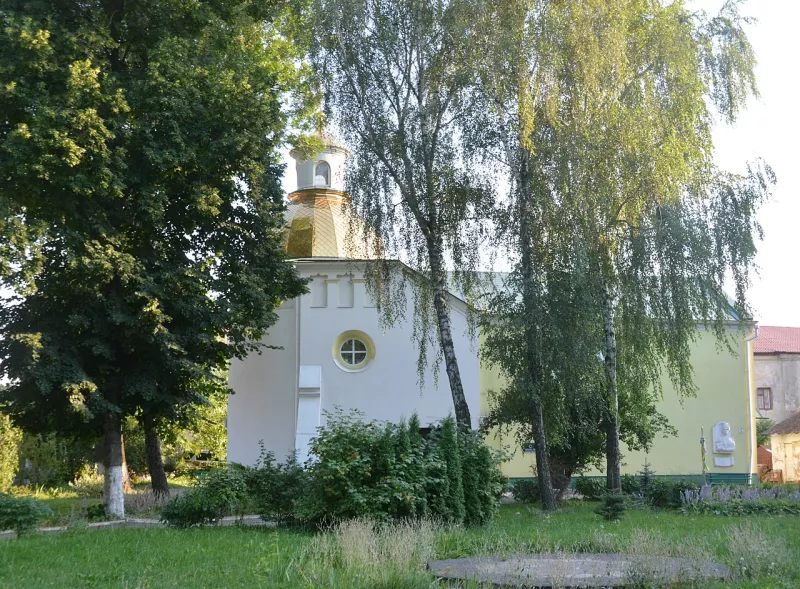

The architectural complex of the Lutsk Brotherhood — the Exaltation of the Cross Church and the monastery building in Old Lutsk, are architectural landmarks of national significance. The complex stands on the border of the Brotherhood Bridge and Rynok Square: the monastery is at 5 Yov Kondzelevych Street, and the church is at 2 Danylo Halytskyi Street. Centuries ago, the heart of Orthodox Volhynia beat here.
The Brotherhood of the Holy Cross
The Lutsk Brotherhood of the Holy Cross emerged in the early 17th century as a religious and educational organization of Orthodox townspeople and gentry. It was tasked with caring for the church, school, and hospital. Catholic and Greek Catholic clergy, as well as Lutsk Starost Albrecht Stanisław Radziwiłł, complained and protested, but could not stop the brotherhood.
By the end of 1619, the brothers owned a former Ruthenian hospital and had approved construction plans. In 1620, wooden church and school buildings were erected. The land was scattered among private plots of townspeople, but Oleksandr Zubtsevskyi bequeathed his property to the brotherhood, and Yuriy Puzyna bought and donated the so-called Kandybivskyi plot. Thus, a continuous plot was formed where the masonry complex arose in the 1630s–1640s.
Decline and Revival
For a long time, the brotherhood was the political center of Orthodox Volhynia, but at the turn of the 17th and 18th centuries, it fell into decay. In the 18th century, the complex suffered from fires, and in the 19th century, the church was almost destroyed. The monastery building survived almost in its original form, and only the altar part with a later extension remained of the church. Today, the church has been restored and is cared for by the Volhynia Regional Brotherhood, the heir to the Lutsk Brotherhood. The Museum of the History of the Lutsk Brotherhood operates in the monastery.
How to Find It
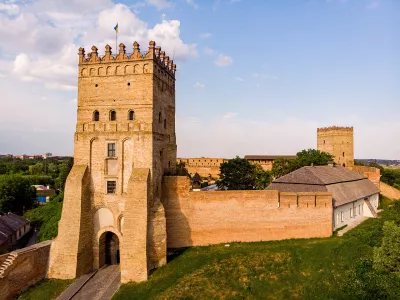
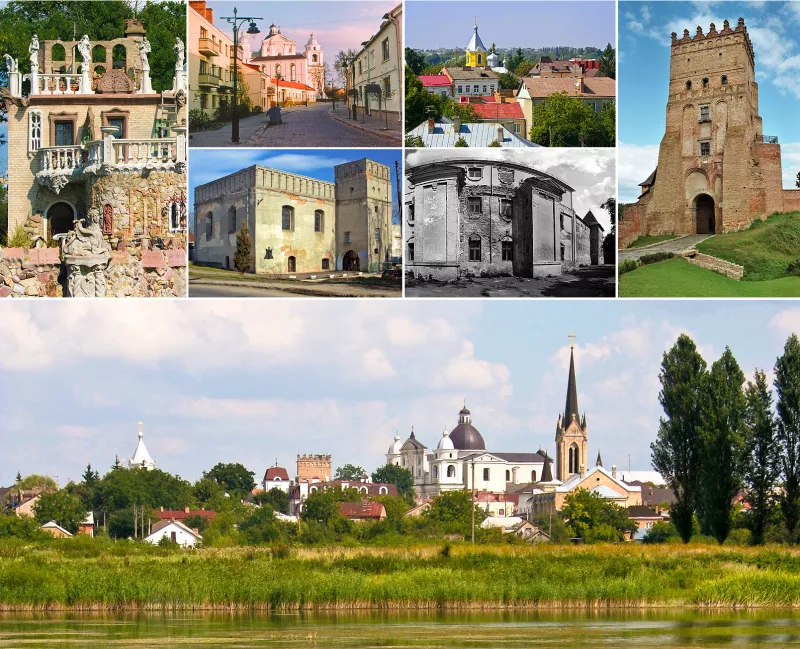
The complex is located near Rynok Square in the old town, a few minutes from Lubart's Castle. More can be found in the article Lutsk.