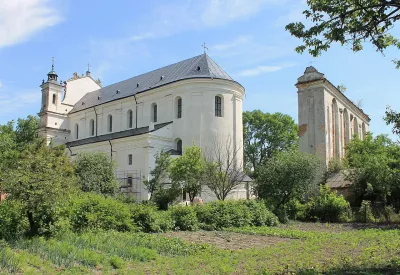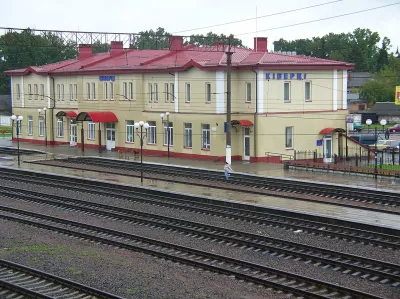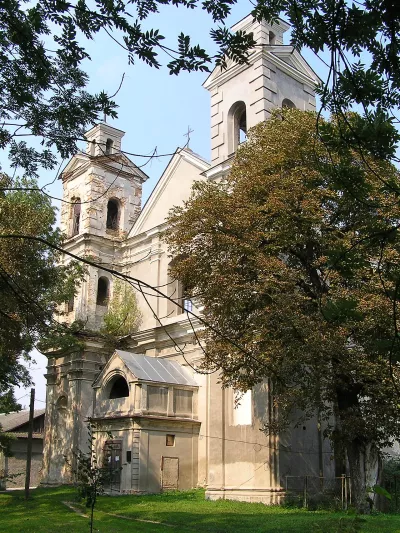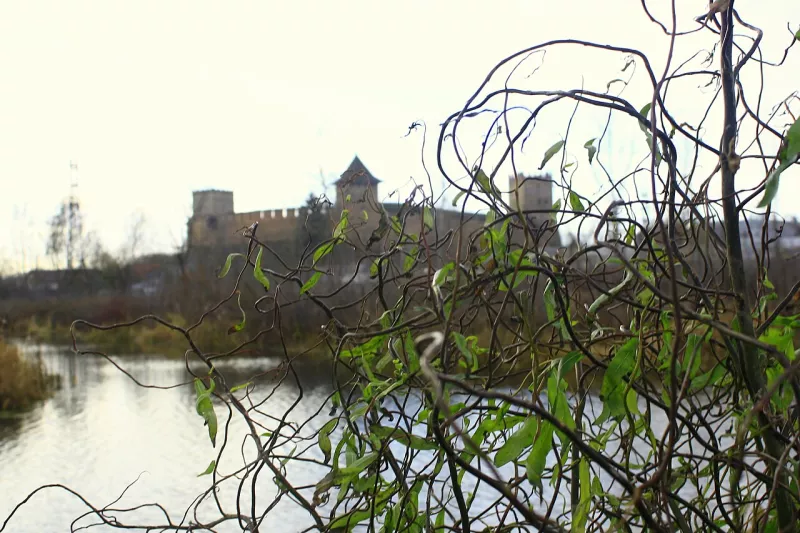

Lutsk is the regional center of Volyn, a city on the Styr River with a population of over 210,000. The main reason to come here is the old town on a hill within a loop of the Styr: the castle, cathedrals, monasteries, and narrow streets where you can walk through a thousand years of history in just a few hours. And from Lutsk, it is not far to Olyka, Zhydychyn, and the Shatsk Lakes.
Luchesk, Lubart, and the Congress of Monarchs
The chronicled Luchesk is considered to have been founded during the times of Volodymyr the Great. The Hypatian Codex first mentions the Lutsk fortress under the year 1085. A true flourishing came in the 14th century under the Lithuanian Prince Lubart: he built a stone castle that stands to this day and bears his name.
In 1429, a congress of European monarchs took place in Lutsk — the King of Poland, the Grand Duke of Lithuania, the Emperor of the Holy Roman Empire, and ambassadors from many countries gathered here. At that time, the city was one of the capitals of the Grand Duchy of Lithuania. Later, it became the center of the Volhynian Voivodeship, and in the 19th century — a district town of the Russian Empire.
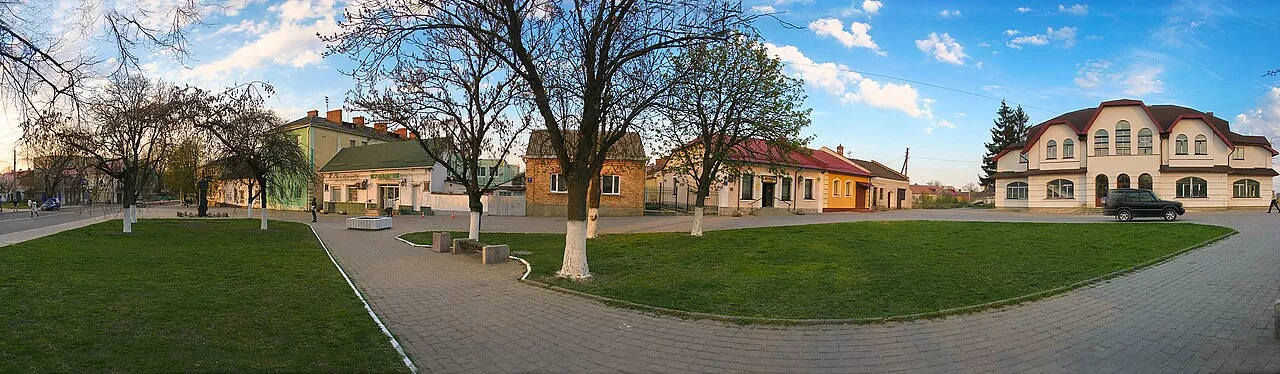
Old Lutsk
The Historical and Cultural Reserve "Old Lutsk" is the heart of the city. Lubart's Castle is one of the largest, oldest, and best-preserved castles in Ukraine; it is depicted on the 200-hryvnia banknote. Inside there are museums, and you can climb up the walls.
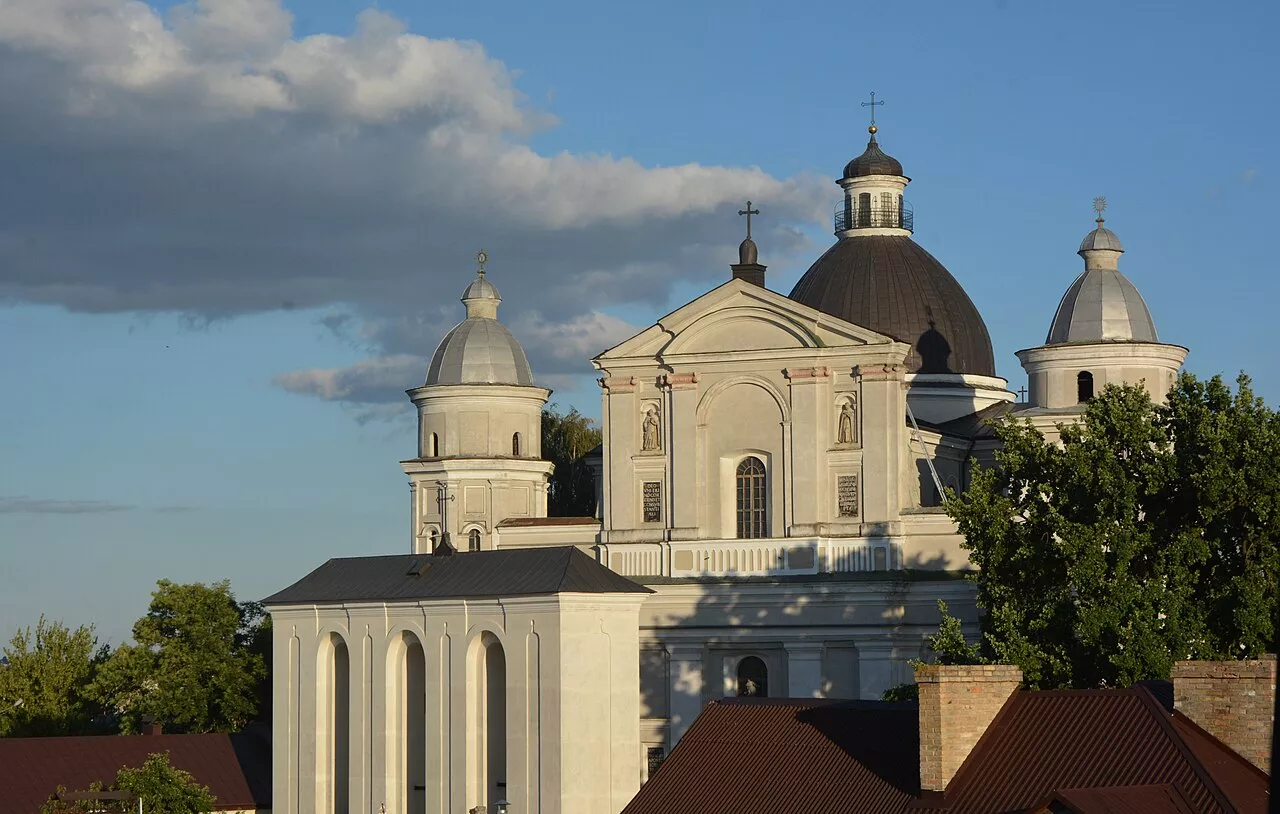
Nearby is the Cathedral of Saints Peter and Paul, a former 17th-century Jesuit church with dungeons that are open for guided tours. It is worth walking along Katedralna and Drahomanova streets to look at the Bridgettine and Charity monasteries, the Armenian church, and the remains of the Great Synagogue.
What Else to See
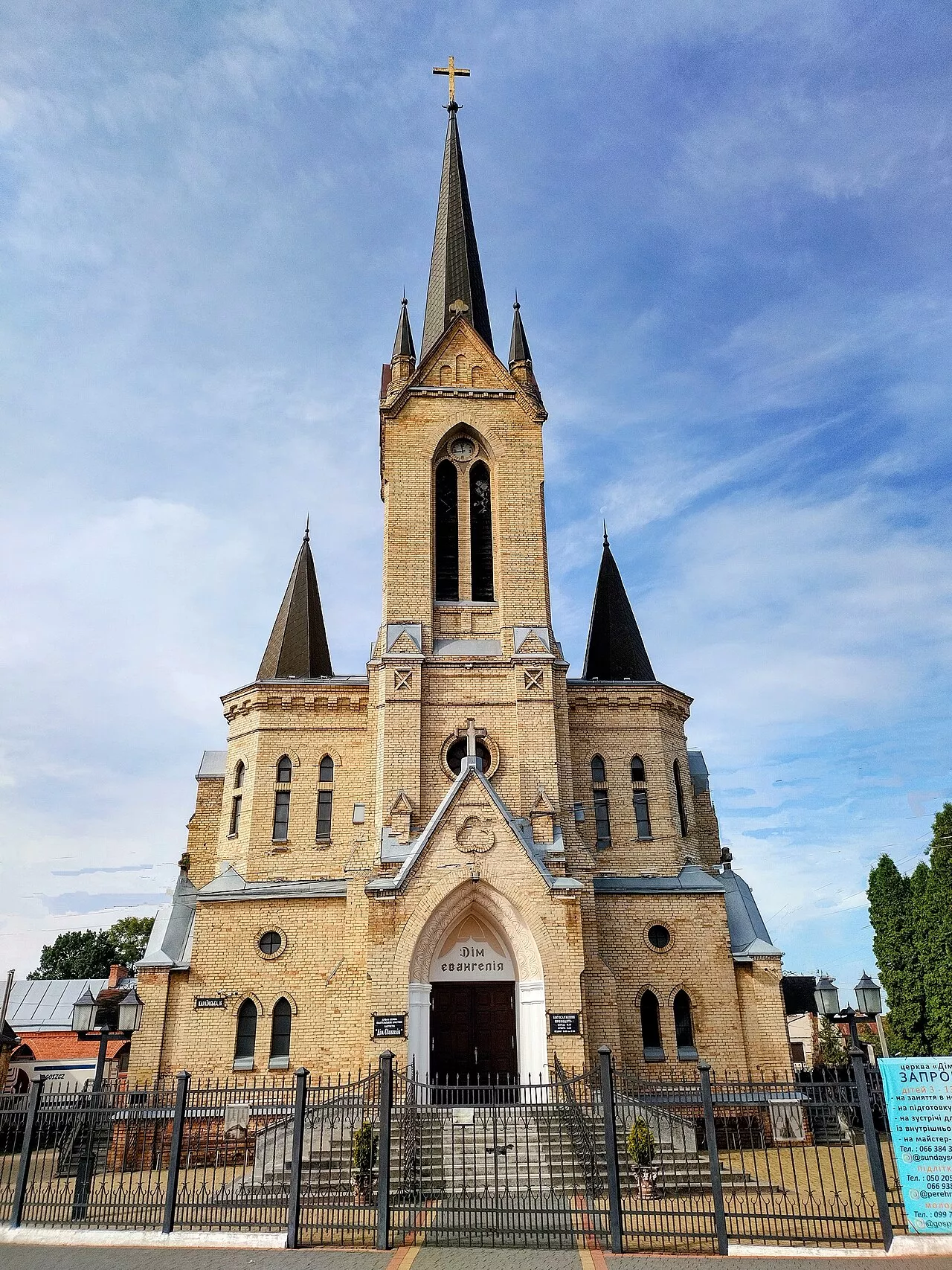
The Museum of Volhynian Icon houses the Kholm Icon of the Mother of God, one of the oldest icons in Ukraine. Lutsk also features the local history museum, the Korsaks' Museum of Modern Ukrainian Art, and the military equipment museum. The neo-Gothic Lutheran church from the early 20th century is one of the city's most recognizable silhouettes.
Lesya Ukrainka spent part of her childhood in Lutsk, and the city has several places associated with the Kosach family. For walks, there is the Lesya Ukrainka Central Park along the Styr.
The Lower Castle and Old Streets
In addition to Lubart's Upper Castle, Lutsk also had the Okolnyi, or Lower Castle. The 15th-century Czartoryski Tower has survived from it and can be seen from Drahomanova Street. The Great Synagogue of 1629 had a defensive tower and was part of the city's fortification system. The 1642 Bridgettine monastery, the Armenian Church of Saint Stephen, and the Charity monastery remind us that in old Lutsk, Ukrainians, Poles, Jews, Armenians, and Karaites lived side by side. Of the Karaite kenesa, which burned down in 1972, only memory remains.
Nature in the City
Despite its status as a regional center, Lutsk is green. The city features the Volyn Botanical Garden of national significance, the Ptashynyi Hai ornithological reserve, and the Hnidavske Boloto general zoological reserve in the Styr floodplain. Natural landmarks include the Oak Grove, Lesya's Ash Tree, the Western Plane Tree, and the Teremne Ponds.
Lutsk Today
Lutsk is a student city: Lesya Ukrainka Volyn National University and other higher education institutions operate here. The main stage is the Shevchenko Volyn Academic Regional Music and Drama Theatre. In summer, festivals take place in the castle courtyard, and the old town turns into one large pedestrian zone. To see all the main sights without rushing, set aside a day for Lutsk, and two or three if you include trips to Olyka and Zymne.
Lutsk on video
Where to go from Lutsk
- The Radziwiłł Castle in Olyka and the collegiate church in Olyka — about 40 km to the east.
- Zymne Monastery near Volodymyr — one of the oldest monasteries in Ukraine.
- Svytyaz and the Shatsk Lakes — in the northwest of the region.
- The rest of the Lutsk region is covered in the article about Lutsk Raion, and an overview of the land can be found in what to see in Volyn Polissia.
How to get there
Lutsk has a railway station and a bus station, from which there are direct trains to Kyiv and buses to all corners of the region — the schedule is available in the Lutsk bus station schedule article. By car from Rivne, it is about 70 km.