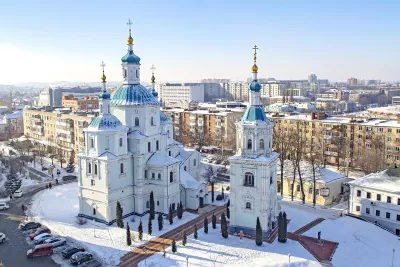
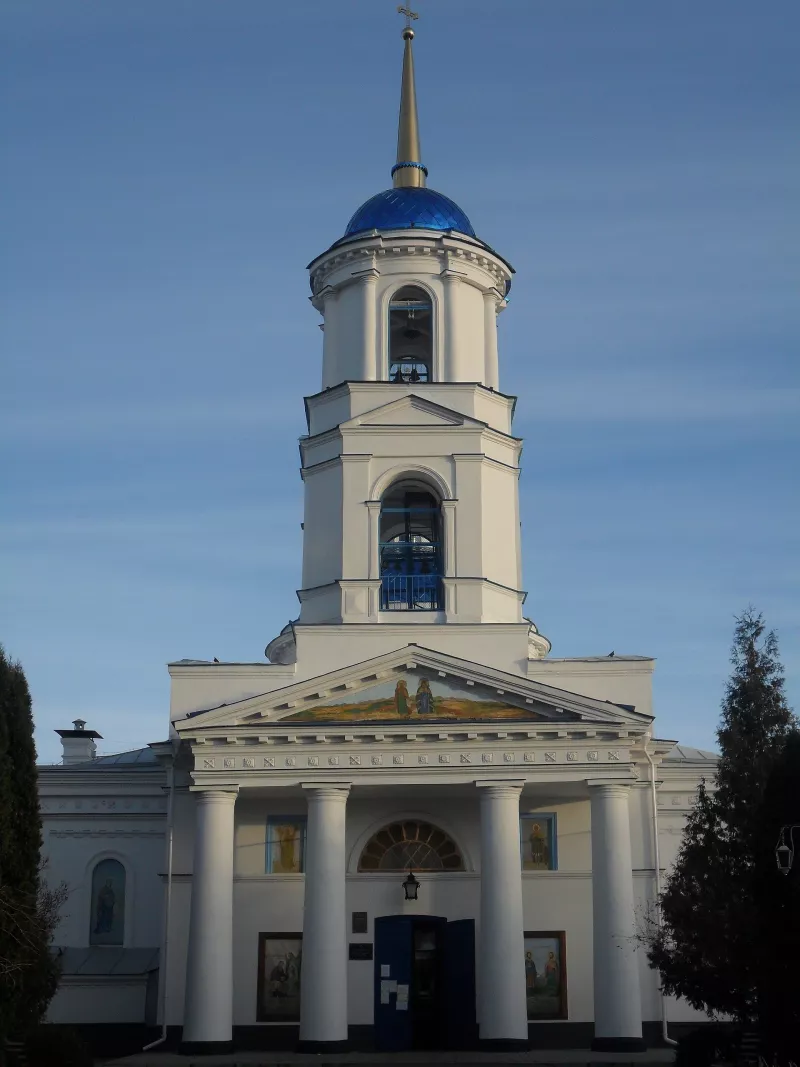
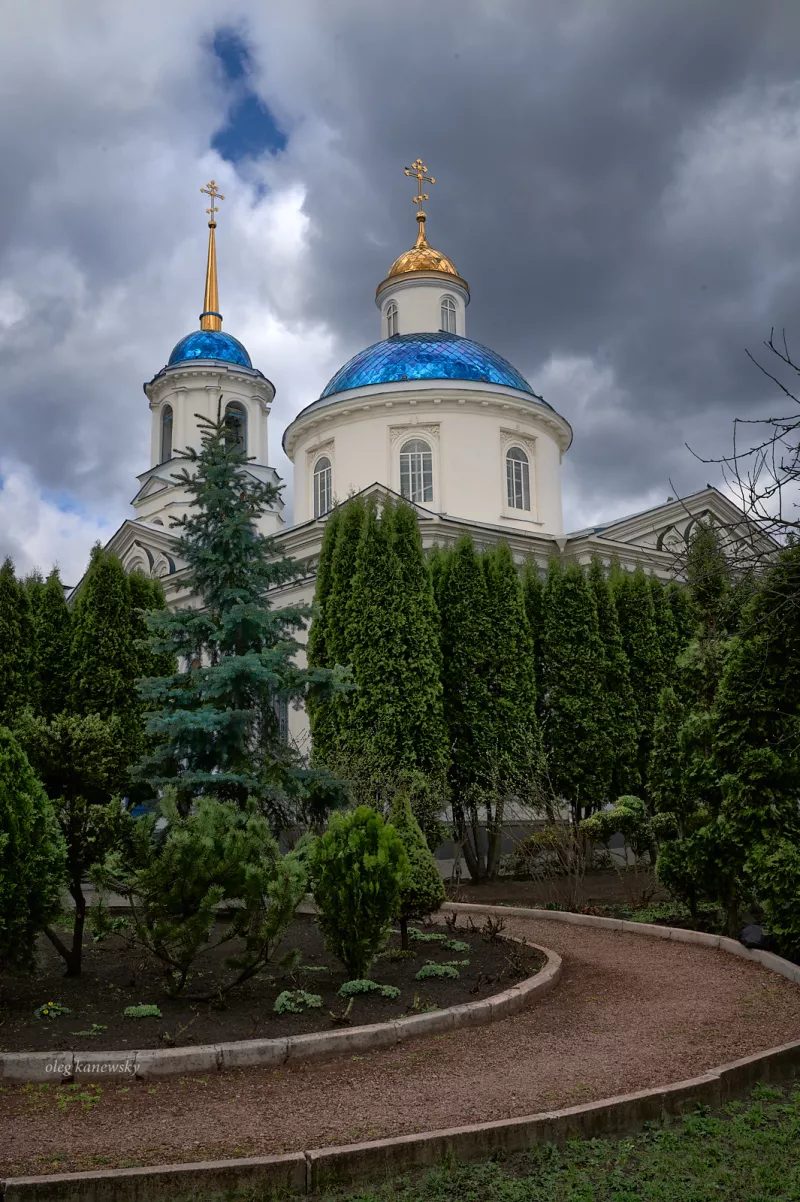
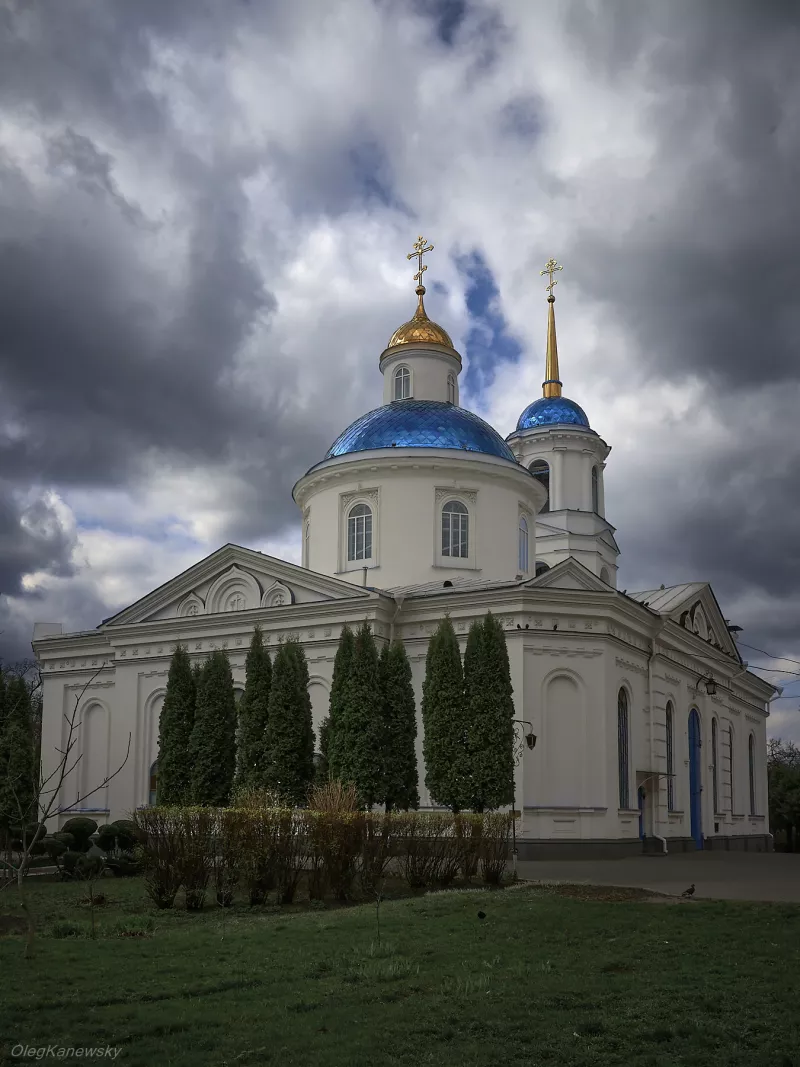

The Prophet Elijah Church is an architectural monument of national importance, built in 1836–1851 in Sumy. The church is located at 45 Yaroslava Mudroho Street. It is one of the oldest spiritual centers of the city, with a history dating back to the early 18th century.
History of the church
The first wooden Elijah Church already existed in 1705. A parish school operated at the church starting in 1732, where children of local residents studied.
In 1791, the church burned down during a major city fire. The following year, permission was granted to build a new wooden church, which existed until 1839.
The construction of a stone church began in July 1836 with the blessing of Archbishop Meletii (Leontovych). However, on August 23, 1839, a great fire destroyed a large part of Sumy, including the wooden Elijah Church. Due to the ruin of the city and parish, construction of the new church was suspended.
In 1844, Stepan Ihnatovych Tykhonov, a Sumy merchant, took over the completion of the work. He donated up to 1,500 silver rubles to the church. Thanks to his assistance, construction was able to resume.
In 1845, the side altar of Saint Mitrofan was consecrated, and in 1851, the main church was consecrated.
During the fire of 1839, a Gospel in a silver cover and four local icons—of the Savior, the Mother of God, John the Baptist, and the Prophet Elijah—were saved. They were adorned with silver rizas donated back in 1786.
Architecture
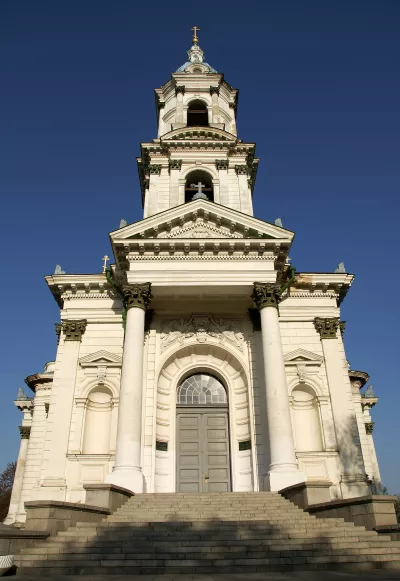
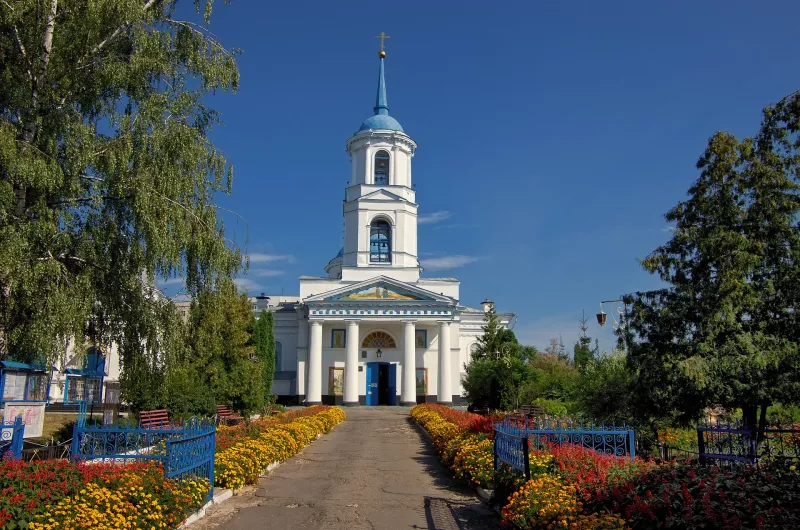
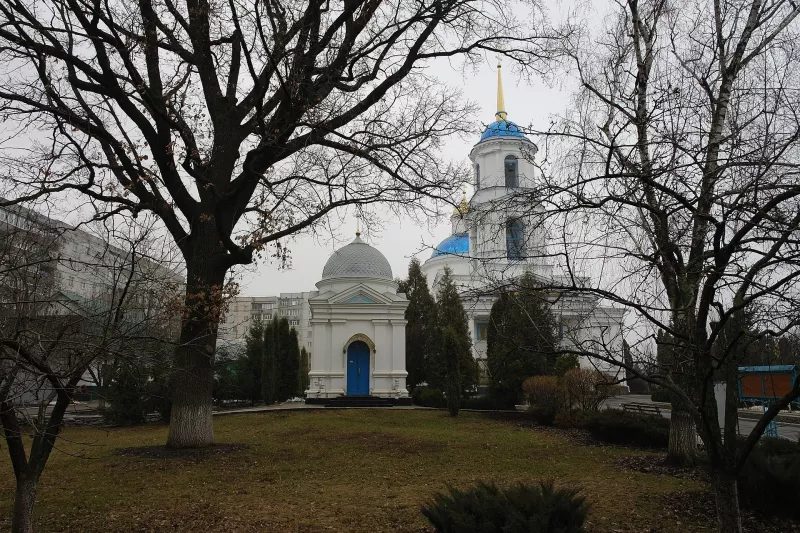
The Prophet Elijah Church was built in the Neoclassical style with minor elements of Eclecticism. It is a brick, plastered building with a central dome composition, four piers, three naves, and a rectangular floor plan with chamfered corners.
The central part of the church is topped by a dome on a tall round drum with a lantern. The inner apse has a semicircular shape, while the other parts of the building are covered with cloister vaults.
A rectangular bell tower with the main entrance to the church adjoins the main building on the western side. It is crowned with a dome with a tall spire.
The architectural appearance of the church is distinguished by restrained classical forms, clear proportions, and an expressive vertical finish of the bell tower.
What to see
The Prophet Elijah Church is one of the historic architectural landmarks of Sumy. Its history is tied to the city's development, major fires, and the philanthropy of local merchants.
When exploring the church, pay attention to the tall dome, the round drum with elongated windows, and the bell tower that forms the western part of the architectural ensemble. Other historical buildings of the city are located nearby, making it easy to include the church in a walking tour of Sumy's old quarters.
Nearby
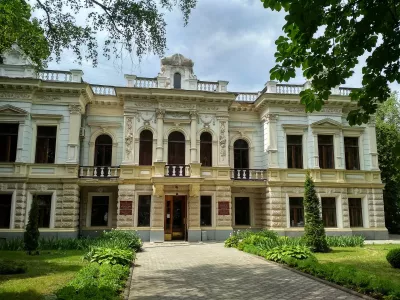
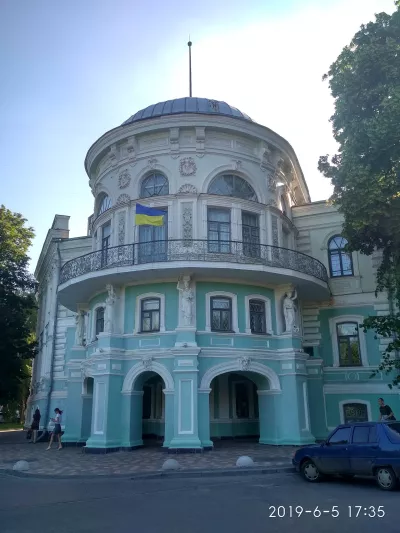
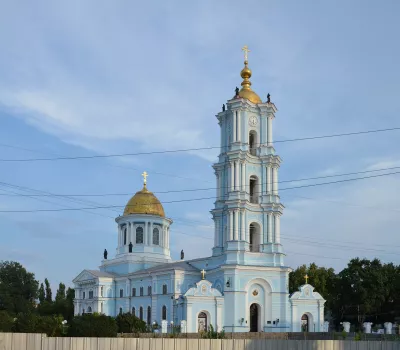
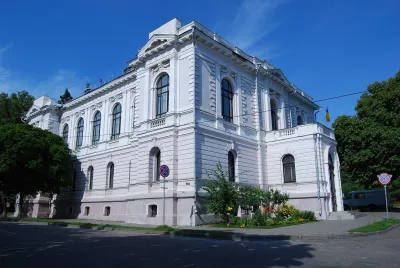
Sts. Peter and Paul Church, Sumy Regional Museum of Local Lore, Transfiguration Cathedral — in the center of Sumy.