
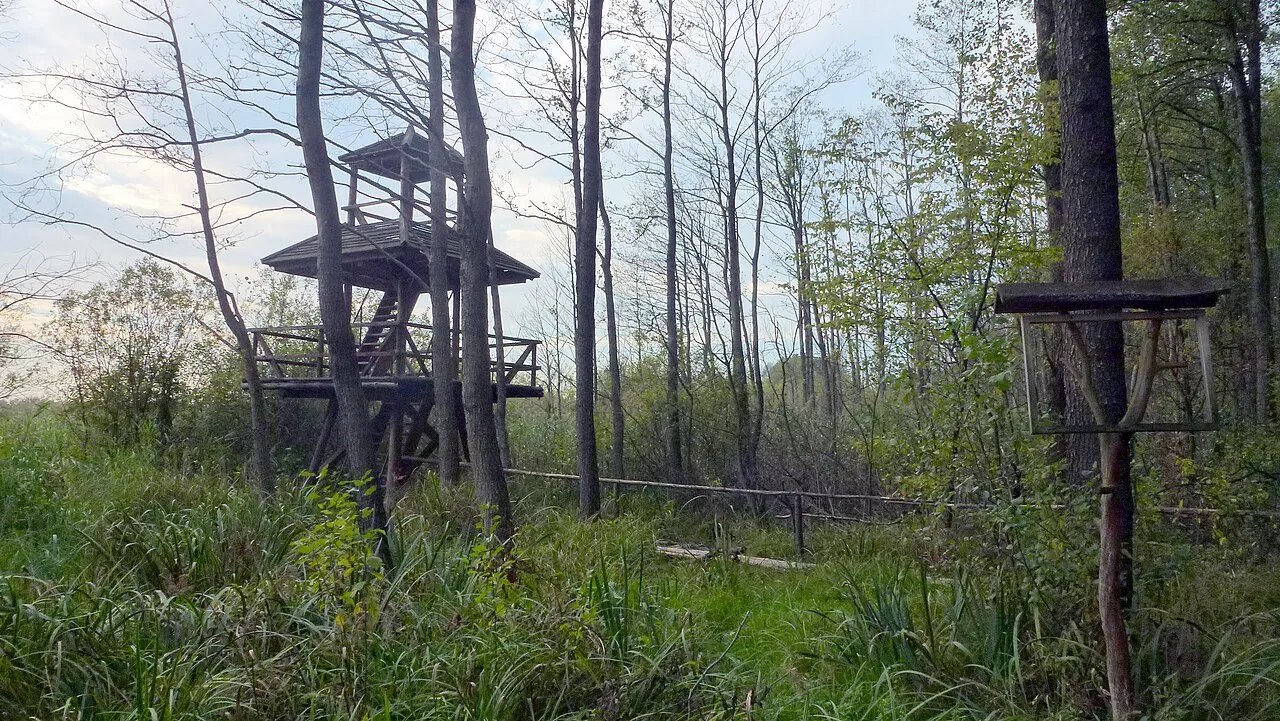
The Sobibór Loop (Pętla Sobiborska) is an 11.3 km green PTTK circular trail (our track is 11.4 km) in the central part of the Sobibór Forests. Officially, it begins and ends near the Sobibór station, next to the Museum and Memorial Site at the former German death camp. The main natural destination is the Żółwiowe Błota Reserve ("Turtle Bogs"). The path is flat and can be walked in 3 hours.
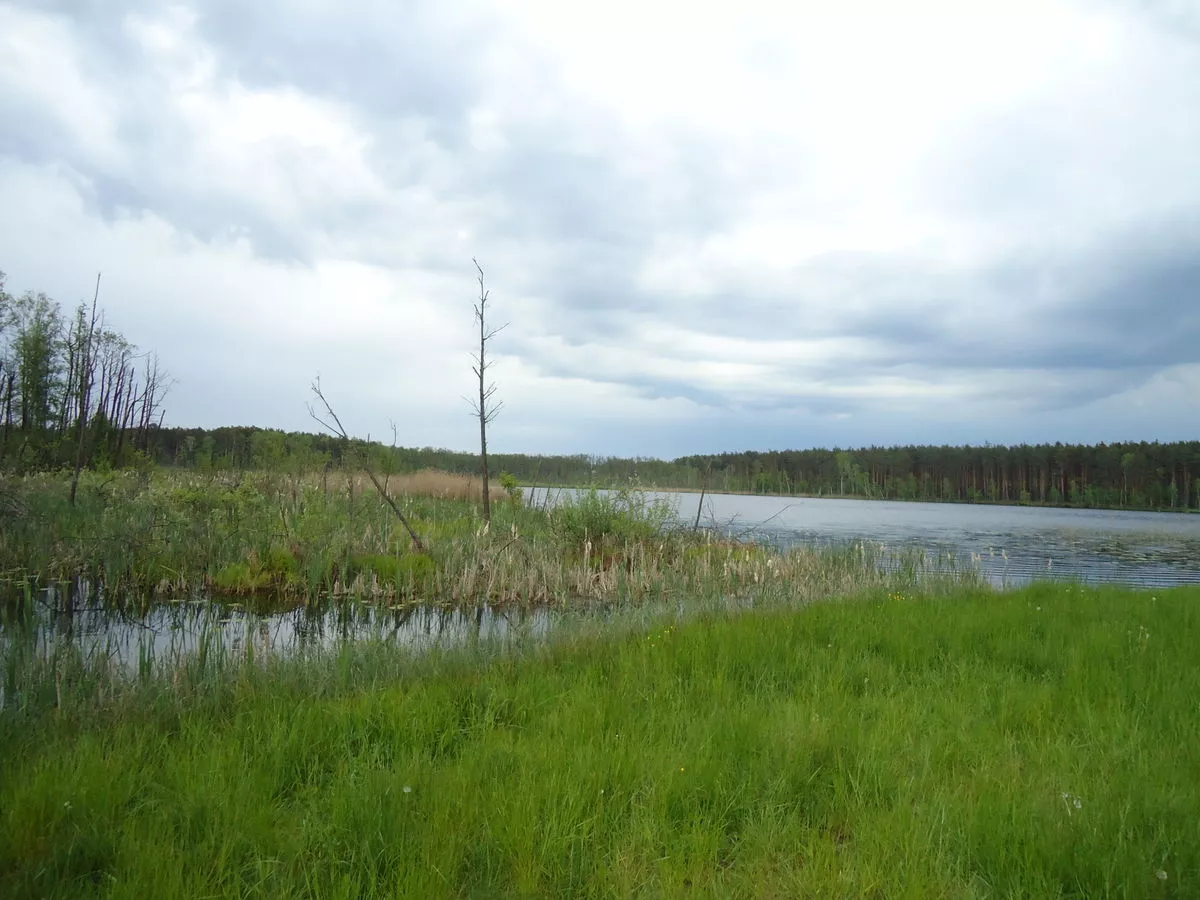
Turtle Bogs
The reserve was established in 1988 over an area of more than 720 hectares to protect Poland's largest breeding site for the European pond turtle. It encompasses the forest lakes Wspulne, Koseniec, and Perespa with surrounding bogs and peatlands; the loop passes near Lake Perespa and the Zawalcze hamlet. In addition to turtles, beavers, otters, and wolves live here, and birds include the bittern, common goldeneye, lesser spotted eagle, and black stork. Sedges, yellow water-lilies, and small white water-lilies grow in the bogs, while pine forests grow on the sands. Reserve staff cover turtle nests and clutches with metal mesh to prevent foxes from destroying them. Do not stray from the marked trail here, and if you see turtles, do not touch them.
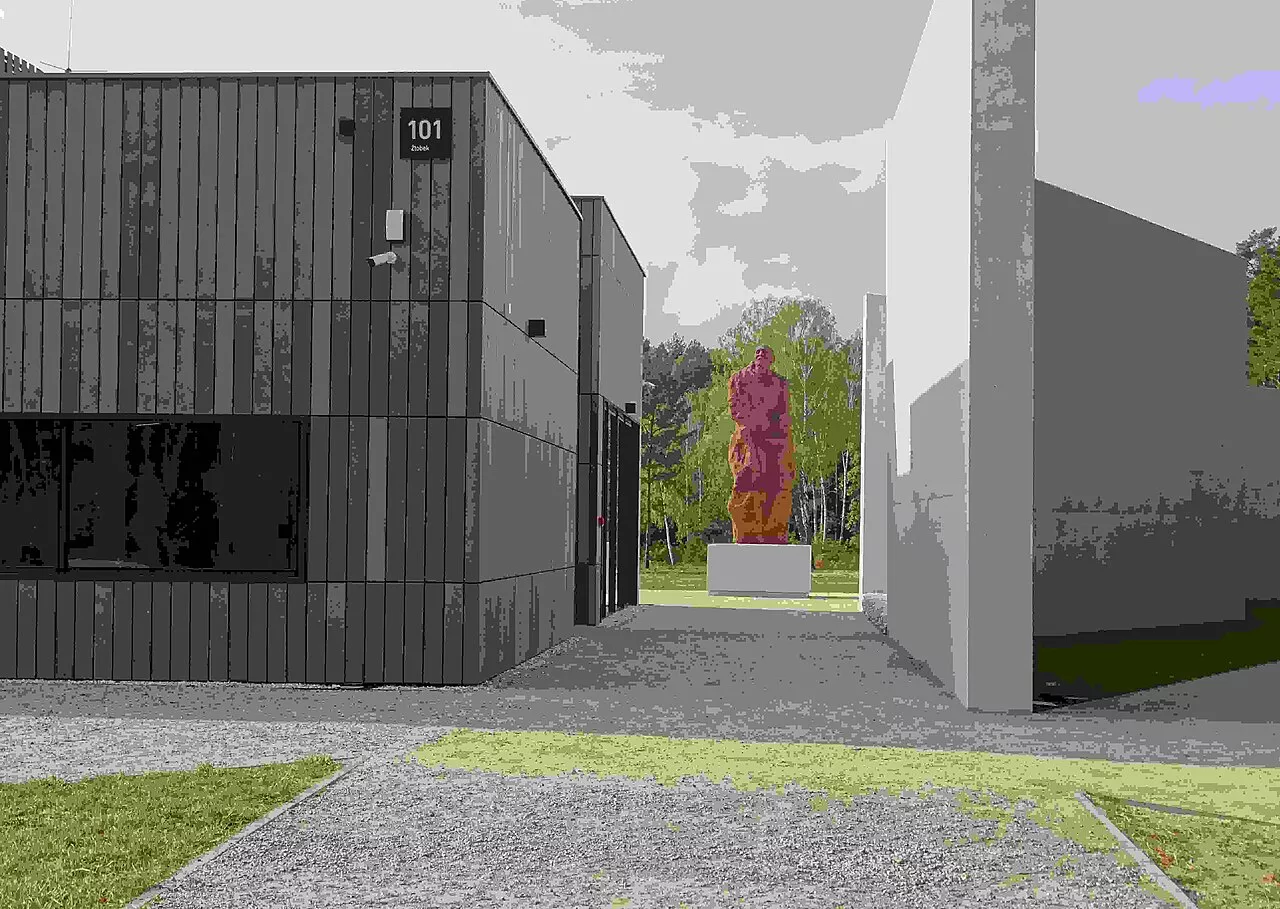
Sobibór: Memorial Site
Near the Sobibór station in 1942–1943, a German death camp operated, established to exterminate Jews as part of Operation Reinhard. People were brought here from the ghettos of the Lublin region and from many European countries, and almost all were killed in gas chambers immediately upon arrival. According to research by historian Robert Kuwałek, about 170,000–180,000 Jews died here. On October 14, 1943, prisoners staged an uprising led by Alexander Pechersky and Leon Feldhendler: about 300 people escaped, and a few dozen survived the war. Today, the site of the camp is the Sobibór Museum and Memorial Site, a branch of the State Museum at Majdanek. The permanent exhibition was opened in 2020, and the renovated memorial in October 2023.
Visiting and Travel
The Sobibór Museum and Memorial Site is open Tuesday through Sunday: in April–October from 9:00 to 18:00 (last entry to the grounds at 17:00), in November–March from 9:00 to 16:00 (last entry at 15:00). It is closed on Mondays, certain holidays, and December 24–31. Admission and parking are free, no reservation is required for independent visits, and guided tours in Polish, English, and German are available by prior arrangement. The museum advises against bringing children under 14. Be restrained and dress as is fitting for a cemetery; pets (except guide dogs), smoking, and lighting candles outside designated areas are prohibited on the grounds.
Sobibór is located about 18 km from Włodawa, accessed by roads 812 and 816 with signposts; there is free parking near the museum. The Chełm–Włodawa train line stops at the Sobibór station only in summer, on Saturdays and Sundays (as well as August 15). On other days, according to the museum, getting from Włodawa without a car is only possible by taxi. Road repairs are underway on county road 1727L until the end of 2026. Near the bogs in summer there are many mosquitoes, and ticks in the grass. The Bug River a few kilometers to the east forms the border with Ukraine, and further north with Belarus. There are no border crossing points here, and document checks by the Polish Border Guard are possible in the border zone. For Ukrainians, this is Poland — a foreign passport is required.