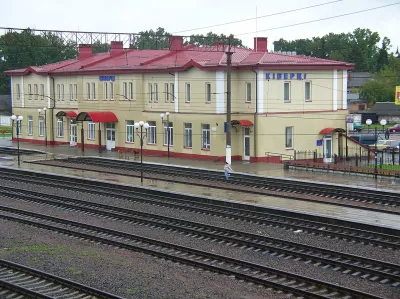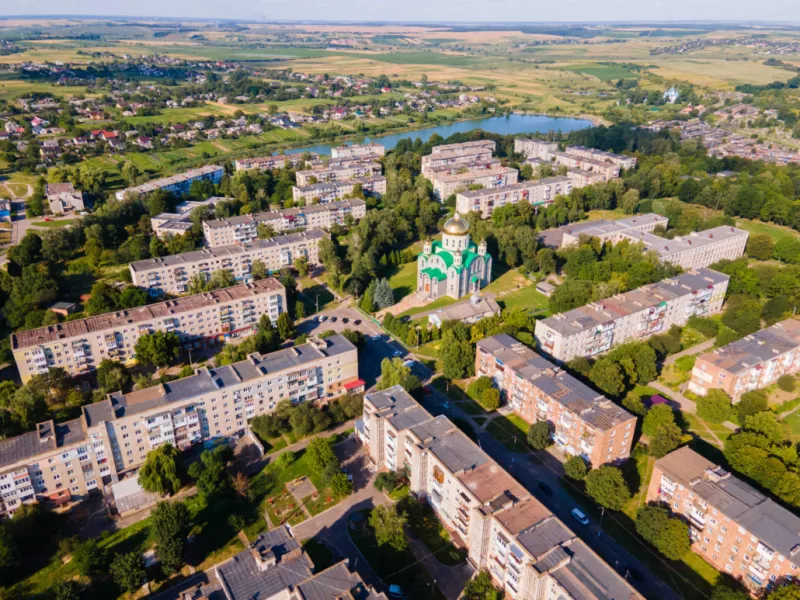

Novovolynsk is the largest city of Volodymyr Raion, located 18 km from the Ivanychi railway station. About 50,000 people live here. The city is young: it received city status in 1957, having grown around the coal mines of the Lviv-Volyn Basin. However, the land beneath it is ancient, featuring villages mentioned as early as the 15th century and the Kysil castle.
The Villages from Which the City Grew
Novovolynsk arose on the lands of several villages: Dorohynychi, Nysynychi, Budiatychi, Rusovychi, and Malyi Biskupychi. Nysynychi is mentioned earliest: in the first half of the 15th century, the Lithuanian prince Svidrigailo granted it to his marshal O. Kysil. In 1570–1583, there were 8 homesteads in Nysynychi, and the village belonged to the Kysils. At the same time, Budiatychi, which had as many as four owners, and Rusovychi, the property of the bishop of Volodymyr, are also mentioned.
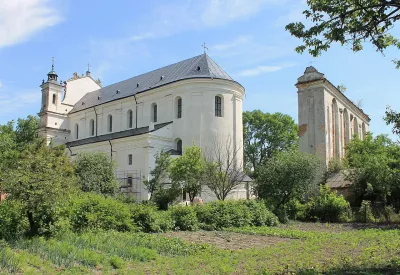
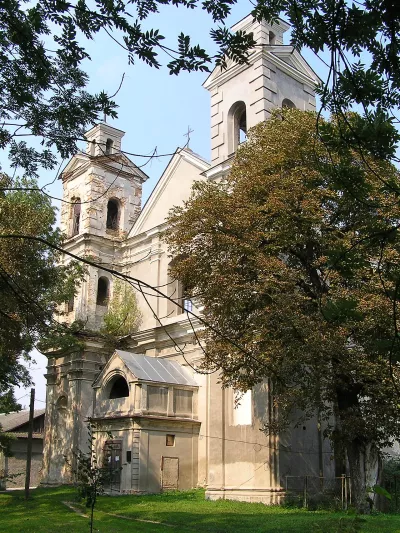
The Kysils built a wooden castle in Nysynychi, traces of which have survived to this day. In the first half of the 17th century, Adam Kysil — one of the most prominent Ukrainian statesmen of his time — built a masonry church and a wooden monastery on the old castle site.
Coal and a New City
As early as 1912, the geologist Mykhailo Tetiayev suggested that there were hard coal deposits in western Ukraine. The search lasted for decades, and in July 1950, the first mine was laid out on the outskirts of Dorohynychi. A miners' settlement quickly grew around it, which in 1957 became the city of Novovolynsk. In addition to the mines, reinforced concrete products and mining equipment repair plants, a brickyard, and a woodworking plant operated here.
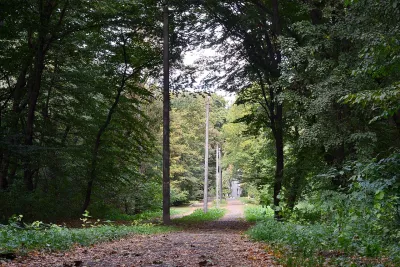
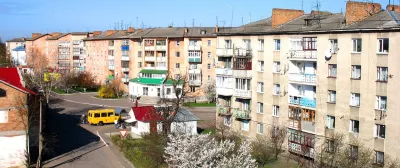
Novovolynsk was built up in the second half of the 20th century, featuring wide streets, public gardens, and miners' culture houses. It is a good example of a post-war industrial city that has preserved its greenery and space.
What to See
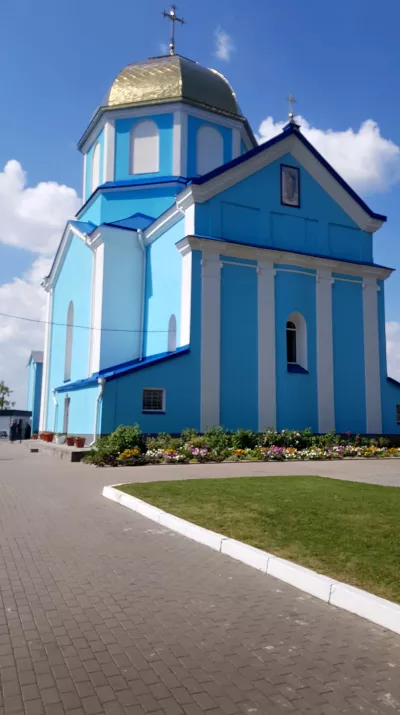
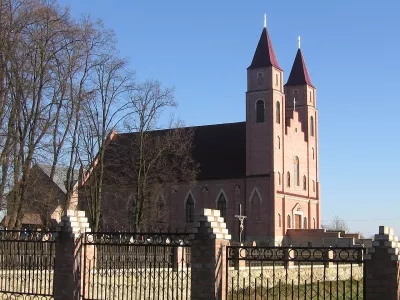
The most interesting sights are in the older parts of the city. In Nysynychi, you can see traces of the Kysil castle and the site where Adam Kysil's monastery stood. On Panasivska Street, there is an 18th-century wooden church that was moved here from the village of Kryliv (now in Poland) in 1911–1912 — a rare case of a church being relocated across the border.
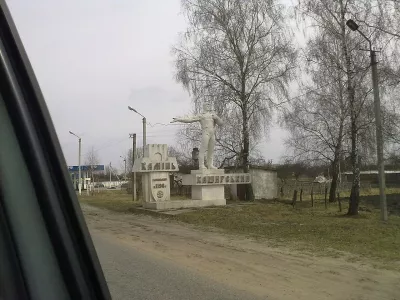
In the center, you will find public gardens, monuments to miners, and local history exhibitions in cultural institutions. The city is convenient for a one- or two-hour walk.
Nearby
- Volodymyr with the Assumption Cathedral of 1160 is a 20-minute drive away.
- Zymne Monastery is one of the oldest cloisters in Ukraine.
- Ustyluh on the Buh River is a border town featuring the Igor Stravinsky Museum.
- More about the region can be found in the article Volodymyr Raion.
When to Go
Novovolynsk is convenient to visit at any time, but it is best to combine it with a trip to Volodymyr and Zymne in spring or autumn. In summer, the Western Buh River is not far from the city.
How to Get There
From Lutsk, take the N22 highway to Volodymyr, then head south; the drive takes about an hour and a half. Buses are listed in the article Novovolynsk bus schedule. The nearest railway station is Ivanychi.