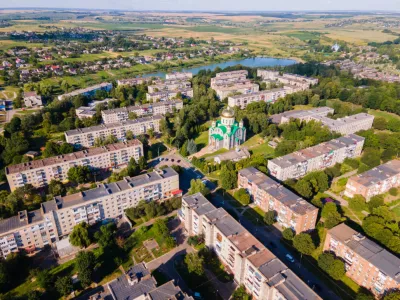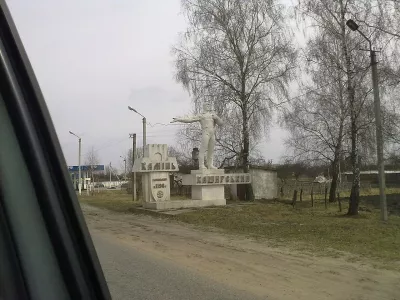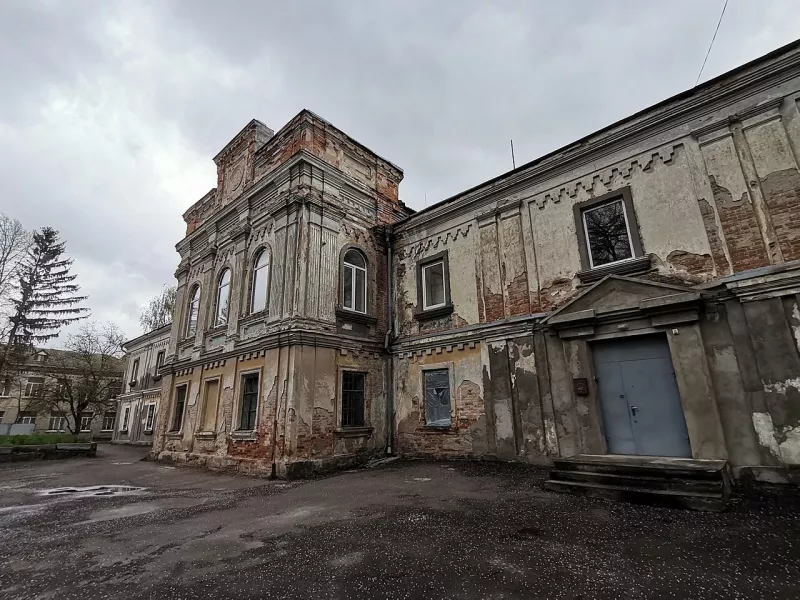

Liubar is an urban-type settlement on the Sluch River in the west of the Zhytomyr region, and the administrative center of the Liubar hromada in the Zhytomyr district. Until the mid-17th century, it was called Liubartiv. Today it is a quiet town, but a castle of the Ostrogski princes once stood here, and two towns — Old and New Liubartiv — spread out across the Sluch River.
Lithuanian Princes and the Ostrogskis
Liubartiv and its surroundings were part of the Volhynian land and were ruled by Lithuanian-Rus princes — Vytautas and later Švitrigaila. As early as 1491, a wooden synagogue stood here, one of the town's oldest shrines. In the late 15th and early 16th centuries, Liubartiv passed to Prince Konstantin Ivanovich Ostrogski.


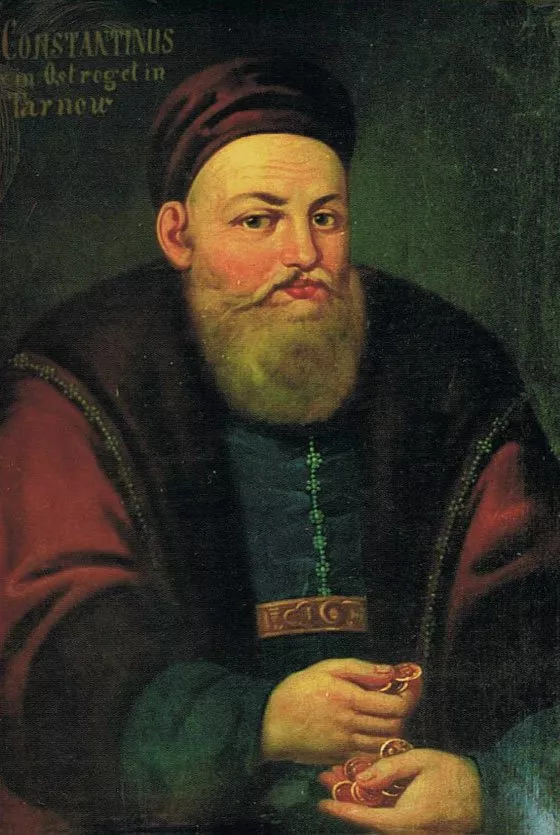
Following the Union of Lublin in 1569, the town became part of the Kingdom of Poland. In 1574, it was received by Prince Konstantin Vasyl Ostrogski. Ten years later, he restored the castle and the settlement on the left bank of the Sluch — Old Liubartiv — and founded a new town on the right bank, New Liubartiv. The old town belonged to the Volhynian Voivodeship, and the new one to the Kiev Voivodeship, so the border of the two voivodeships ran right along the river.
Jewish Liubar
The Jewish community appeared here alongside the earliest records of the town. An inventory of the Ostrogski estates from 1620 mentions two synagogues — in Old and New Liubartiv. Jews ran taverns and mills and collected tolls, and the community gradually grew, making up a significant portion of the residents by the 20th century.
What to See
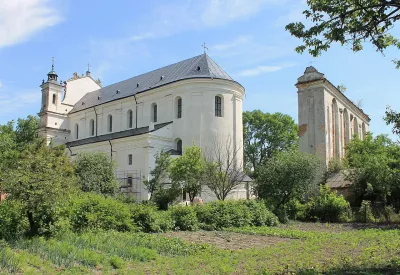
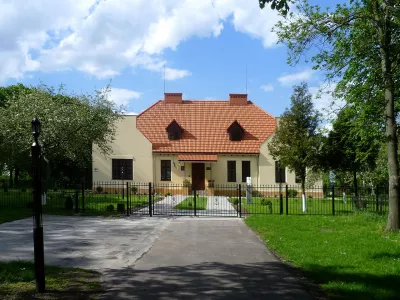
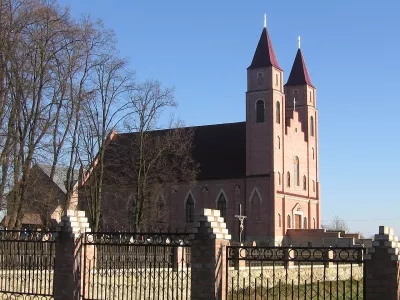
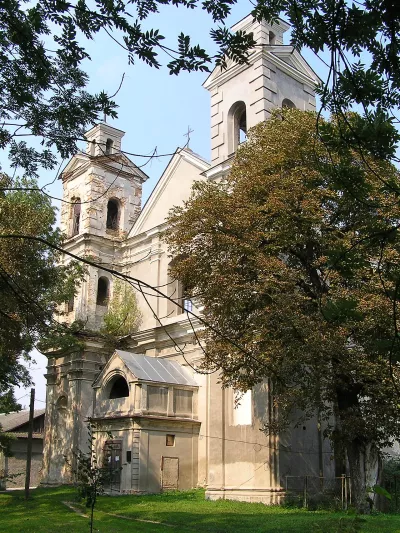
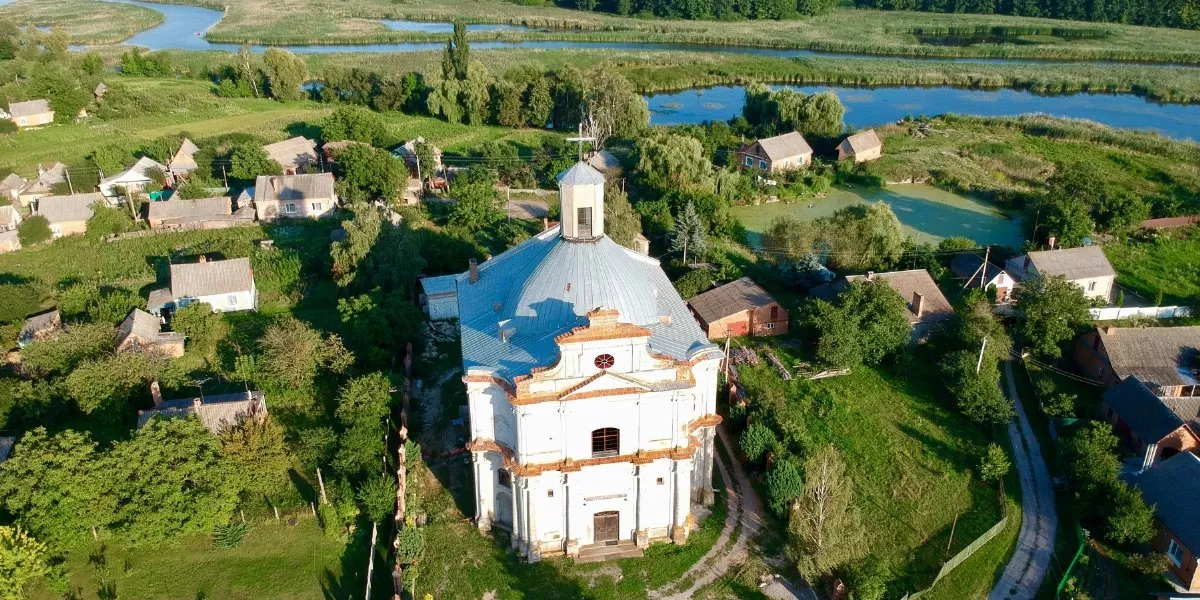
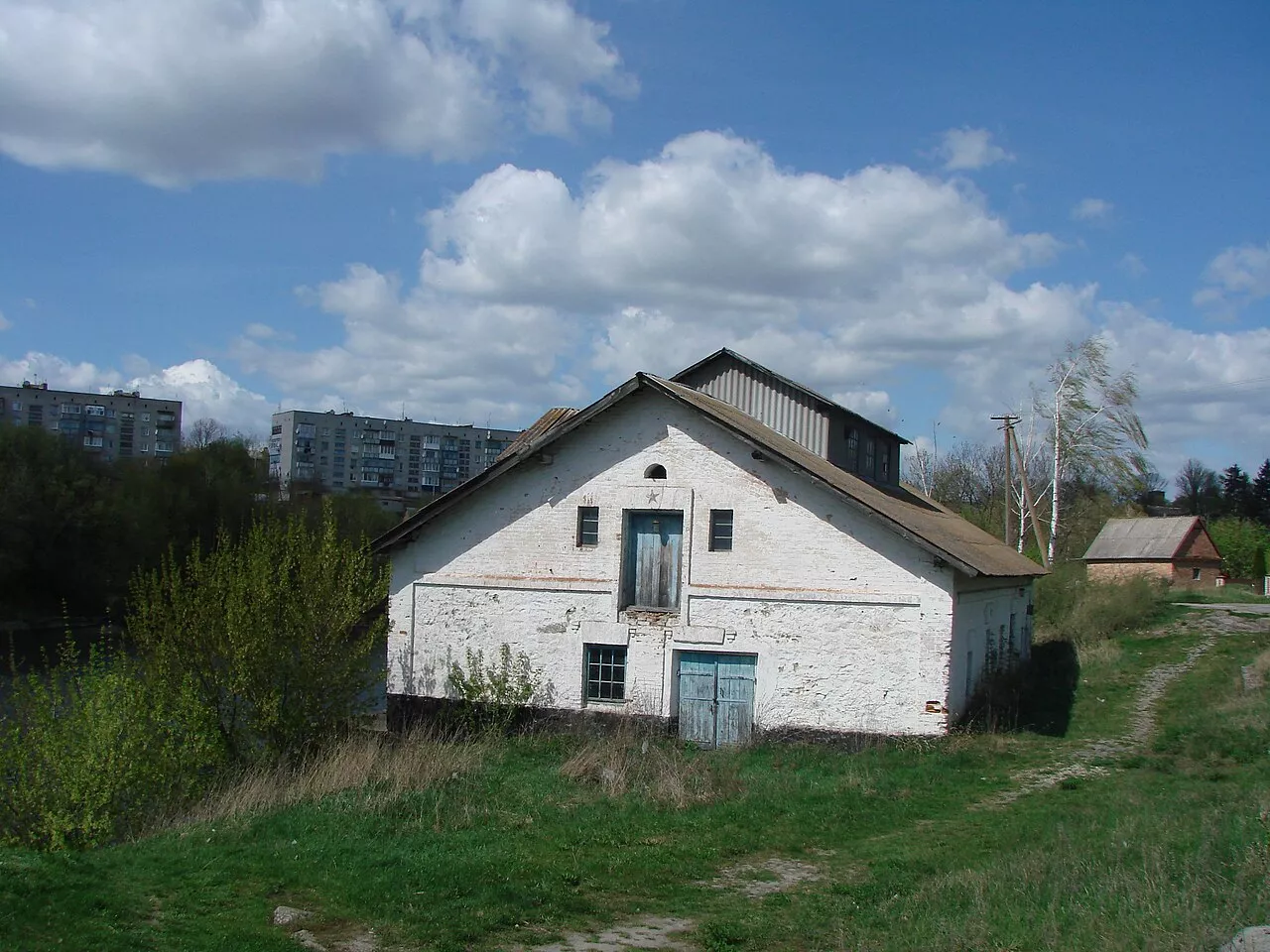
The Palace of Countess Ponińska is Liubar's most prominent estate. Nearby are a church and an old water mill on the Sluch. The riverbanks here are high, offering picturesque views of the valley.
Nearby
- Chudniv on the Teteriv River — a 40-minute drive.
- Stara Chortoriya with its ancient architecture.
- Myropil on the Sluch River — another ancient town.
- More in the article Zhytomyr District.
When to Visit
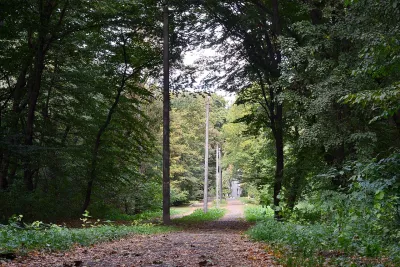
Lyubar is at its most beautiful in May–June and September, when the Sluch river is full and the park around the palace is green or yellow. In summer, people swim and fish here. The town is quiet with few tourists, so you can stroll without hurrying.
One-Day Itinerary
In the morning — Chudniv on the Teteriv, at noon — Lyubar with its palace, church, and mill, in the afternoon — Myropil on the Sluch. You can return to Zhytomyr in the evening.
How to Get There
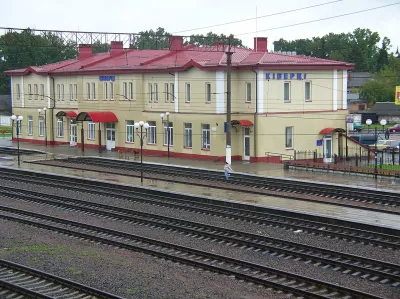
From Zhytomyr — by bus via Chudniv, about two hours. The nearest railway stations are on the Koziatyn — Shepetivka line.