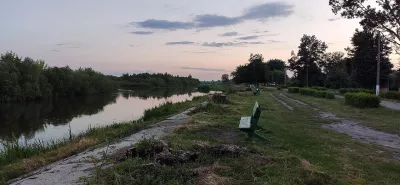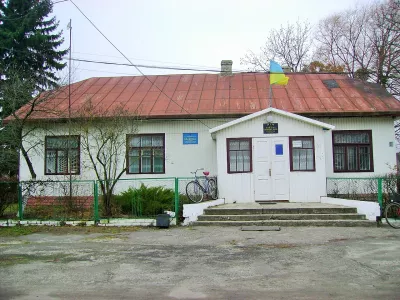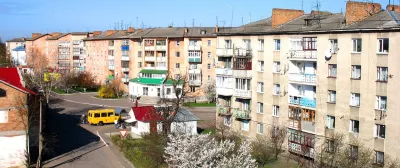
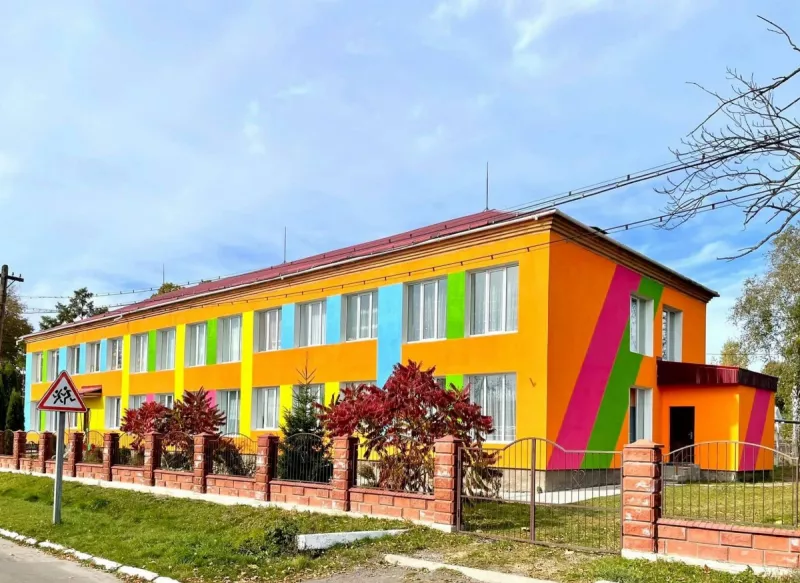
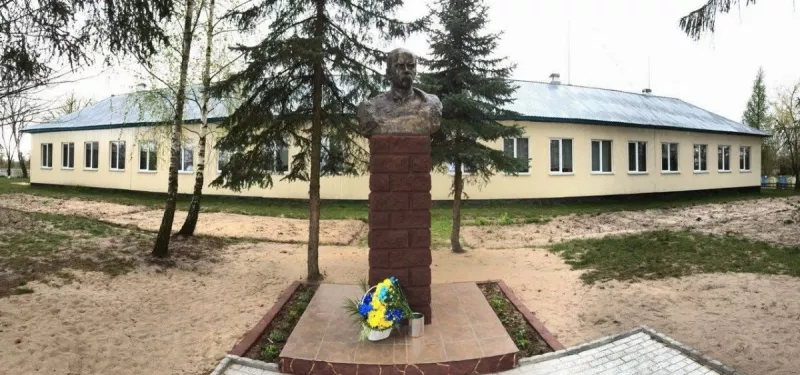

Rokytne is an urban-type settlement in the north-east of Rivne Oblast, and the administrative center of the Rokytne hromada in Sarny Raion. Around seven thousand people live here, and about eleven thousand together with the neighboring village of Rokytne. The Buniv River, a right tributary of the Lva, flows through the settlement. All around are vast Polissian forests, granite quarries, and the famous Rokytne sands, which have been used to melt glass for over a century.
From Okhotnykovo to Rokytne
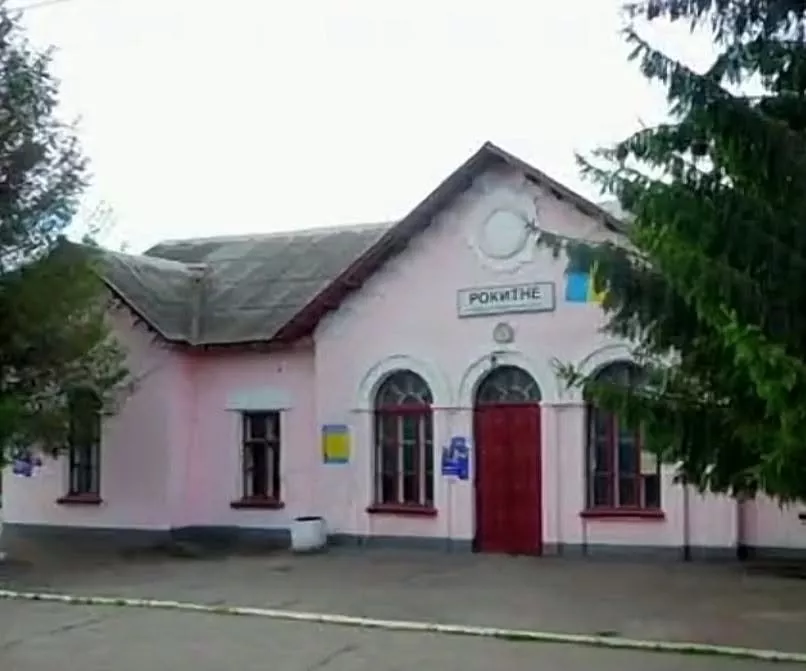
Rokytne is a young settlement. It grew in the 1880s around a glass factory near the Okhotnykovo station, on the lands of the ancient village of Rokytne. The name Okhotnykovo came from the surname of the land owner. In 1888, the Belgian glass manufacturer Rosenberg bought a plot of quartz sand suitable for glassmaking from him and opened a small glassworks here.
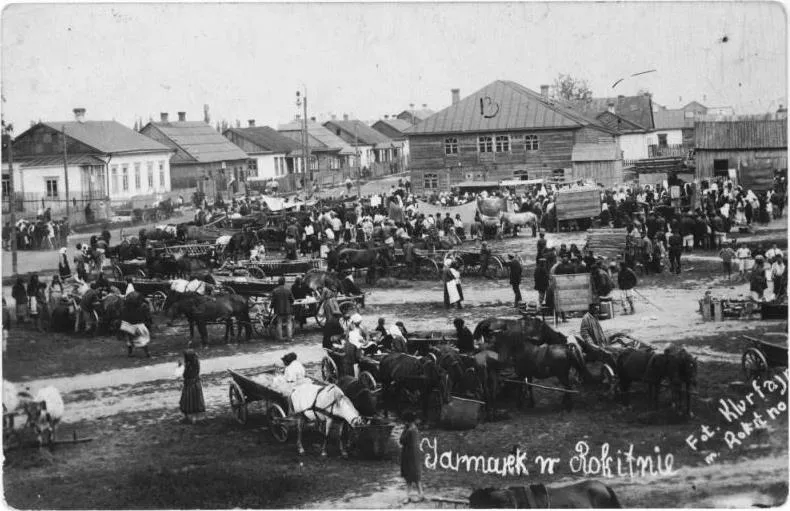
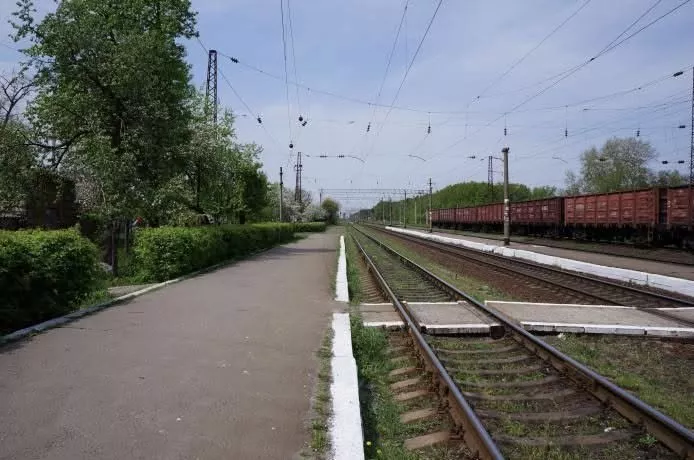
The impetus for growth came from a large factory built in 1898 and the Kyiv-Kovel railway laid in the early 1900s. A workers' town appeared near the factory, and the station was named Rokytne. Under the Peace of Riga in 1921, Okhotnykovo passed to Poland, and in 1922 the settlement was renamed Rokytne, and the station became Rokytne-Volynske. In 1927–1940, Rokytne held town status. The barracks of the "Rokytno" Border Protection Corps battalion were stationed here.
The Glass Factory
The Rokytne Glass Factory is the heart of the settlement. In 1998, it celebrated its centenary. Today, the factory produces hundreds of millions of bottles a year and supplies a significant portion of its products to Europe. Glass is melted here from local quartz sand — the very same sand because of which the first glassworks once appeared in this place.
In addition to glass, the Rokytne region is known for crushed stone: several granite quarries operate in the vicinity. And the surrounding forests provide timber, pine resin, and plenty of jobs for locals.
World War II and Chornobyl
During the war, Rokytne was part of the UPA military district "Zahrava". On November 11, 1944, a company of the NKVD internal troops fell into an UPA ambush near the settlement, and the battle lasted for about three and a half hours. In 1986, Rokytne suffered from the Chornobyl nuclear power plant accident — the settlement is classified as a zone of enhanced radioactive contamination (third category of affected settlements).
Coat of Arms and Name
The coat of arms of Rokytne features a rifle and a hunting horn, recalling the former name Okhotnykovo, and green willow branches: "rokyta" means willow. The flag features a yellow azalea flower, because the rare Polissian azalea is an ornament of the local nature.
What to See
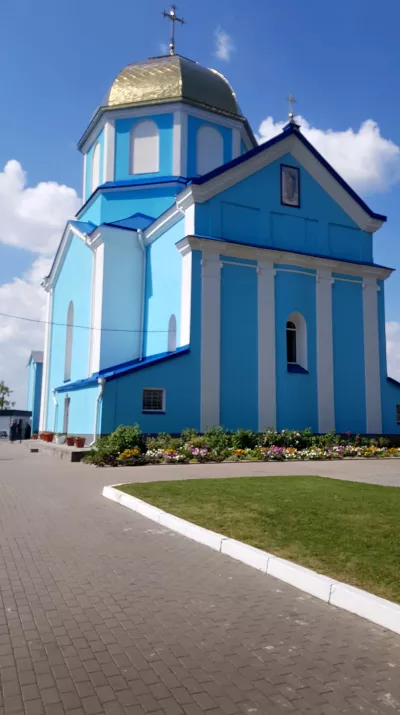
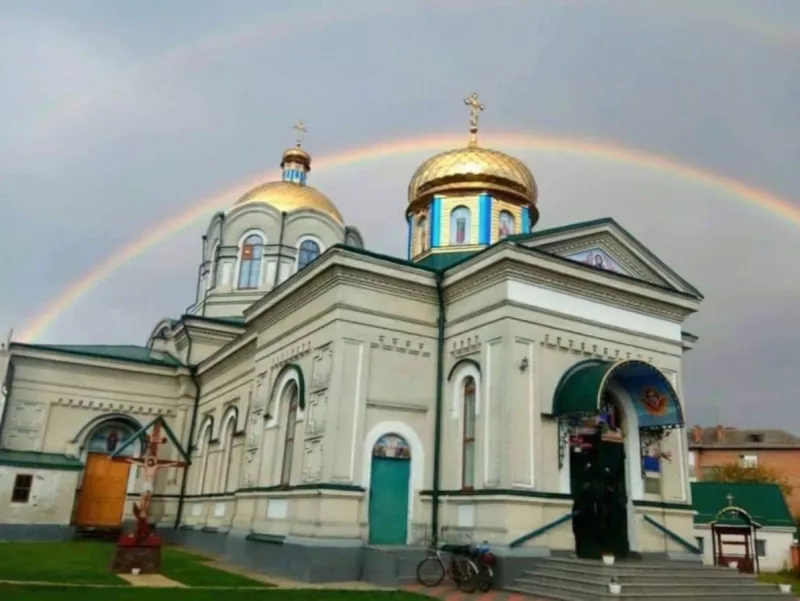
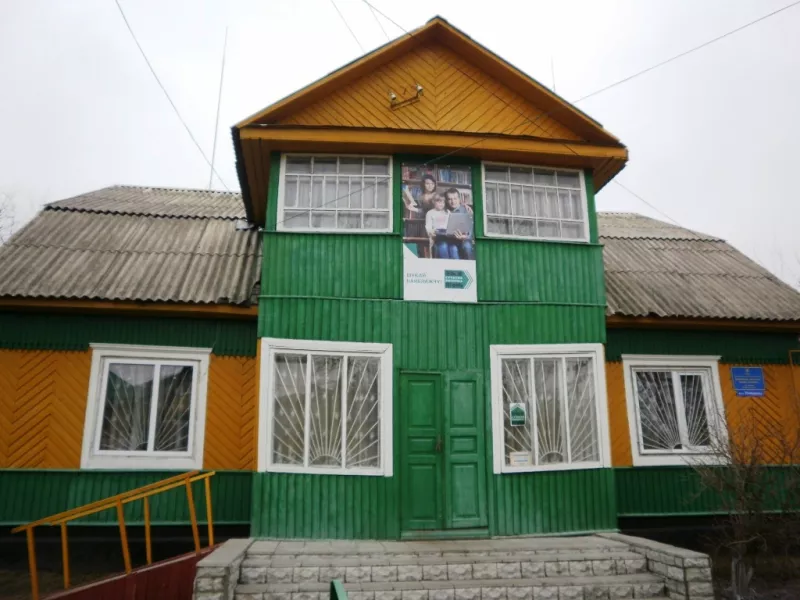
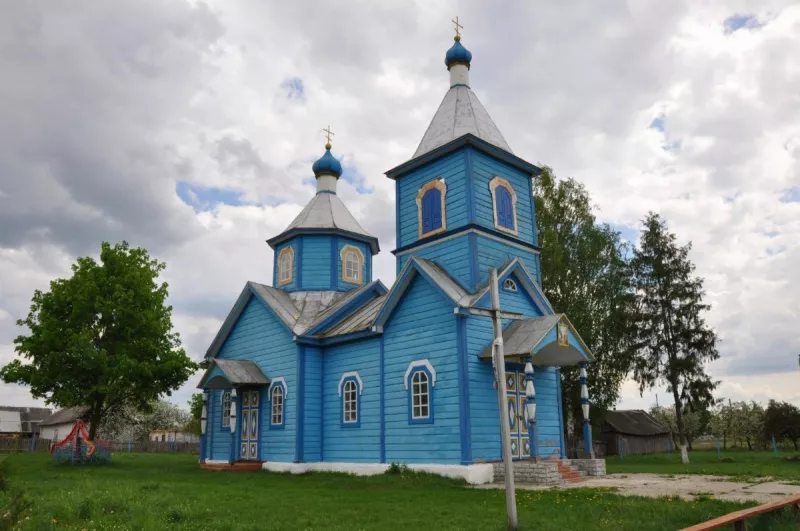
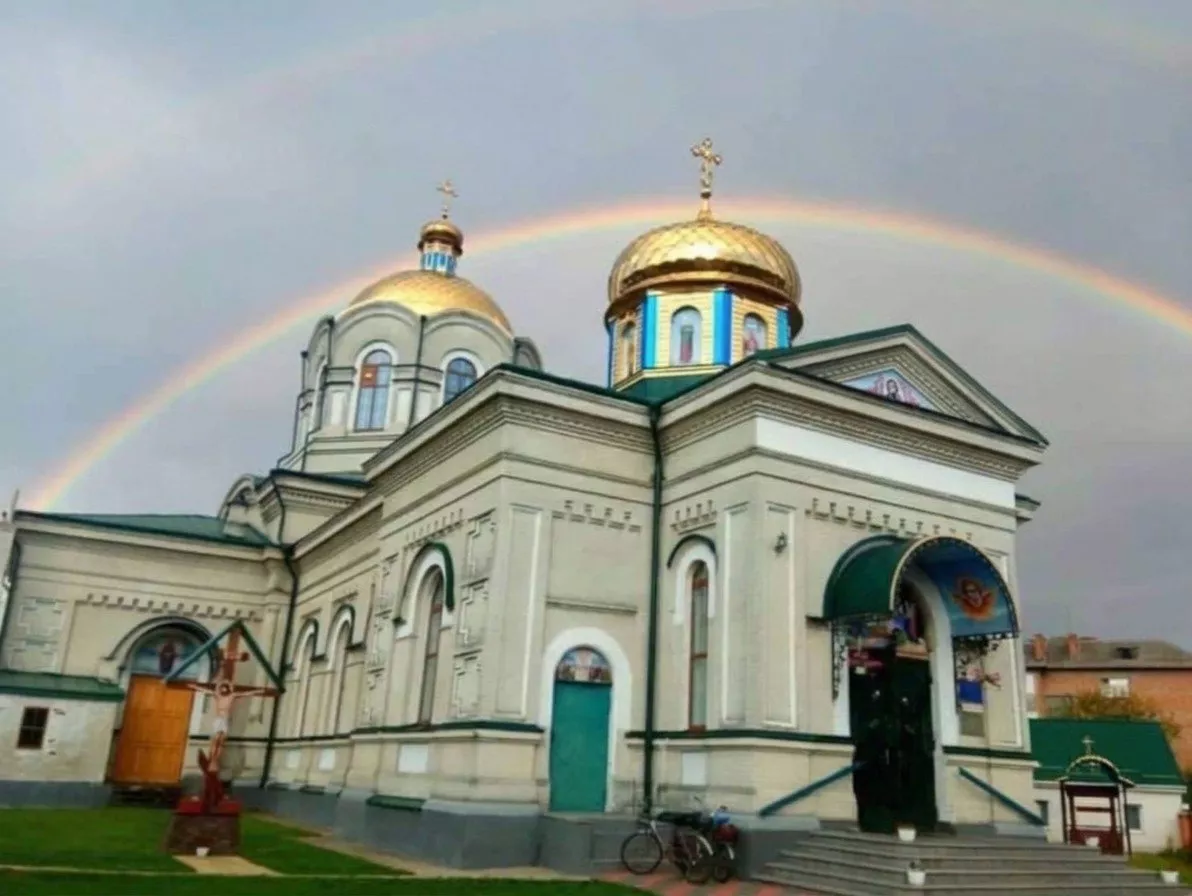
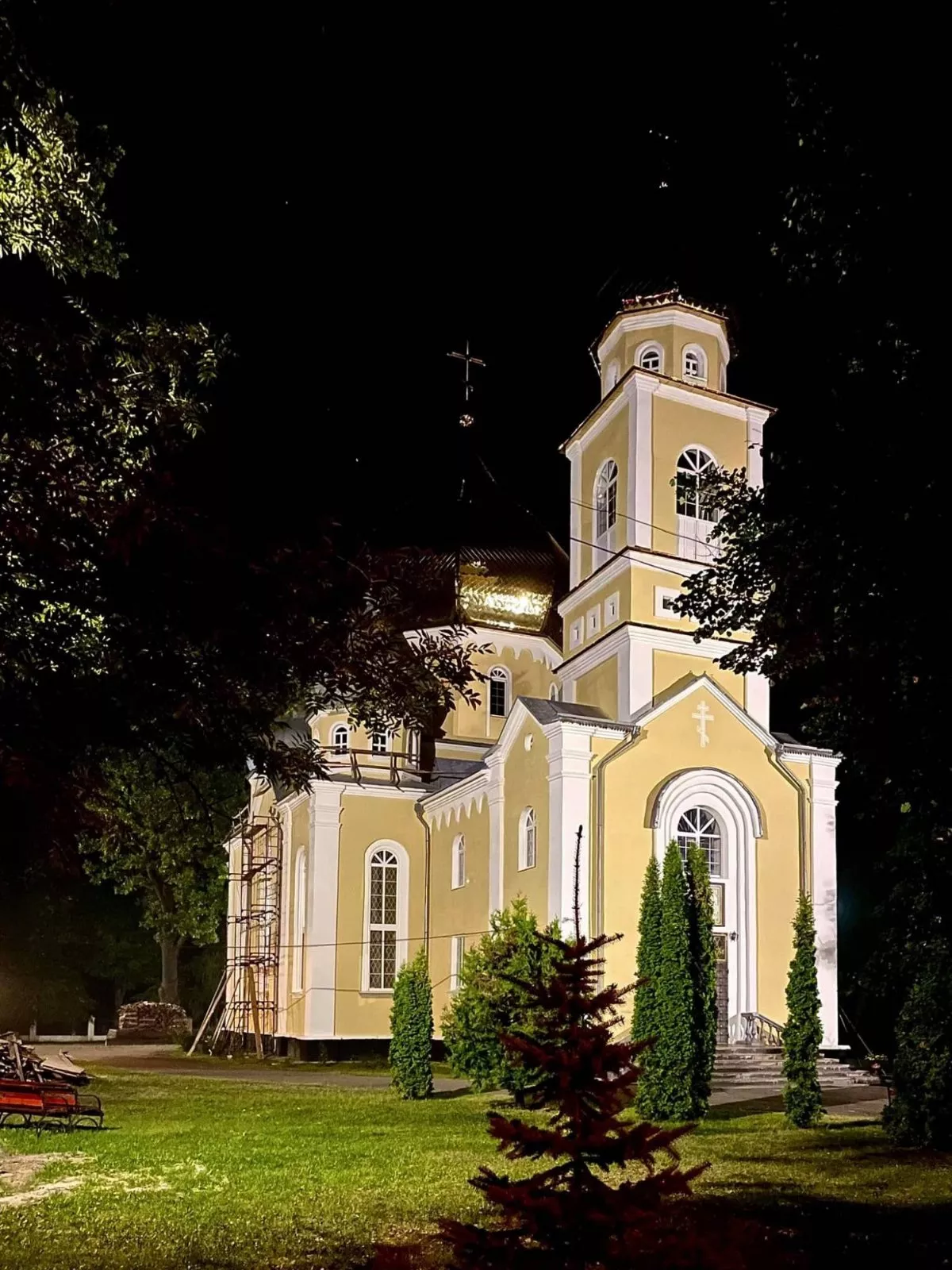
The ornament of the center is the Orthodox church with golden domes, beautiful both by day and in the evening when it is illuminated. In Rokytne, there is a house of culture, a music school, and several libraries; a folk ensemble of Ukrainian song and a folk academic choir operate here. But the main thing is nature: forests with pines and birches, bogs and forest edges where azalea occasionally blooms in spring, and cranberries and mushrooms are harvested in autumn.
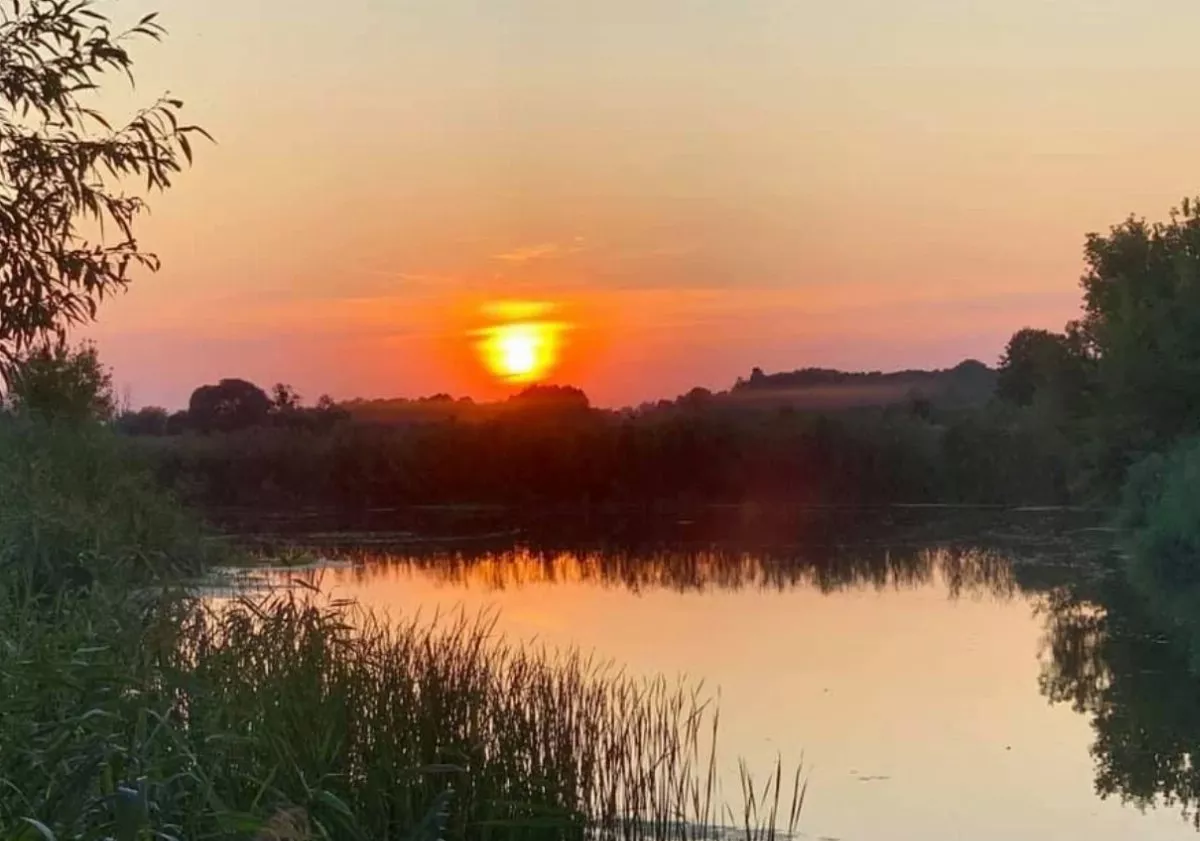
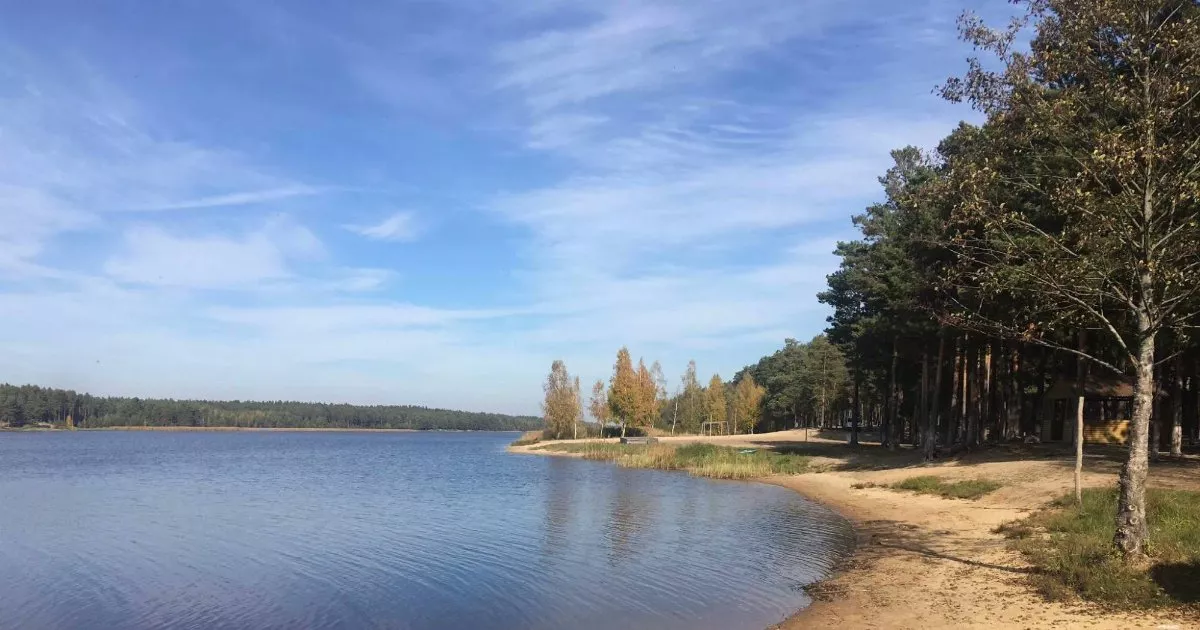
It is not for nothing that the flag of Rokytne features a flower and the coat of arms features a willow: this is a land of forests, rivers and lakes. In summer, people swim on the sandy shores of forest lakes, and in the evenings, mists and beautiful sunsets hang over the floodplains.
Rokytne on video
When to go
The best time is in late spring, when the azaleas bloom, or in autumn during the mushroom season.
Nearby
Sarny is to the west. Learn more in the article Sarny Raion.
How to get there
Rokytne lies on the Korosten — Sarny railway line: Rokytne-Volynske station. Buses run from Sarny and Rivne.