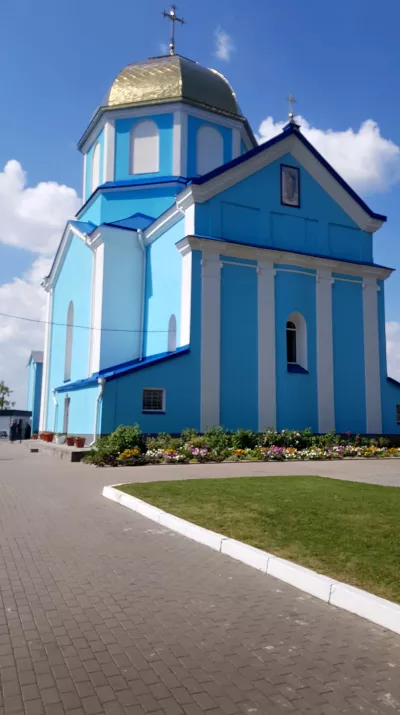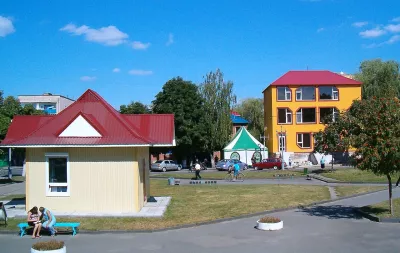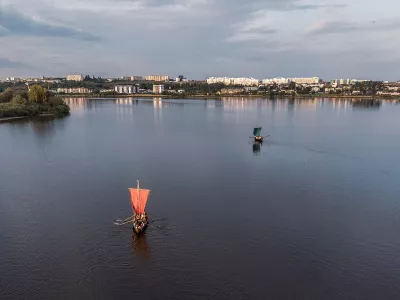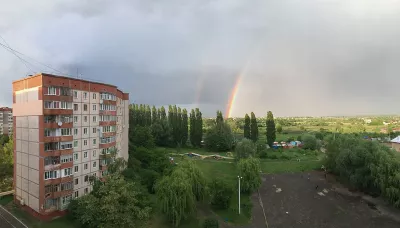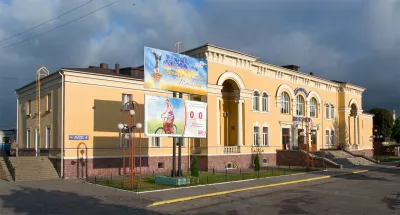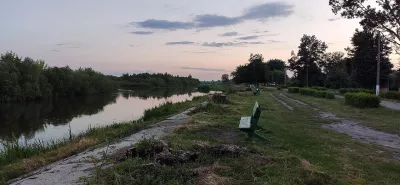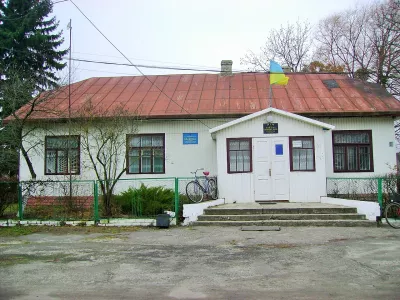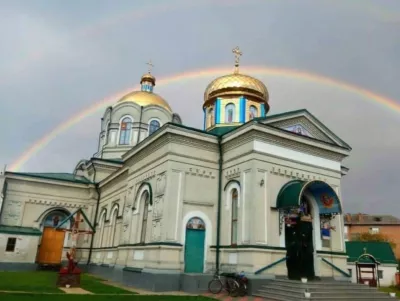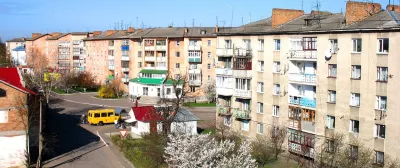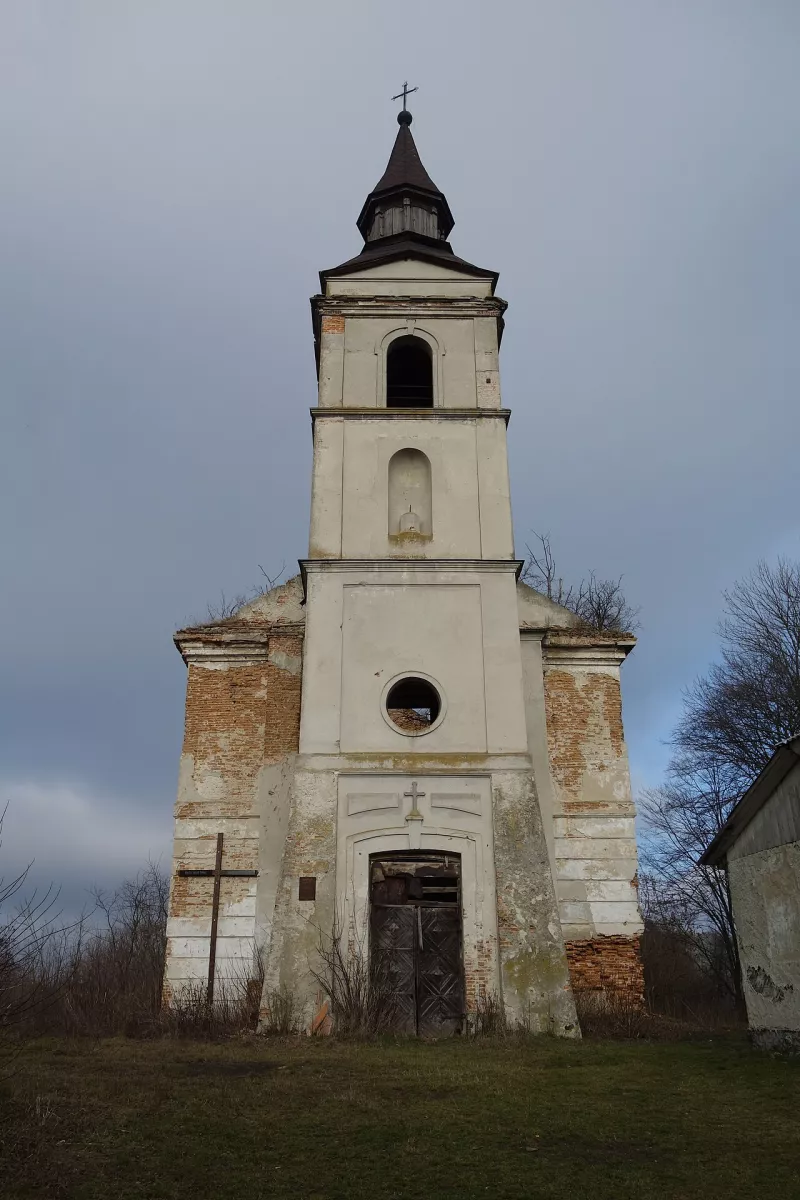
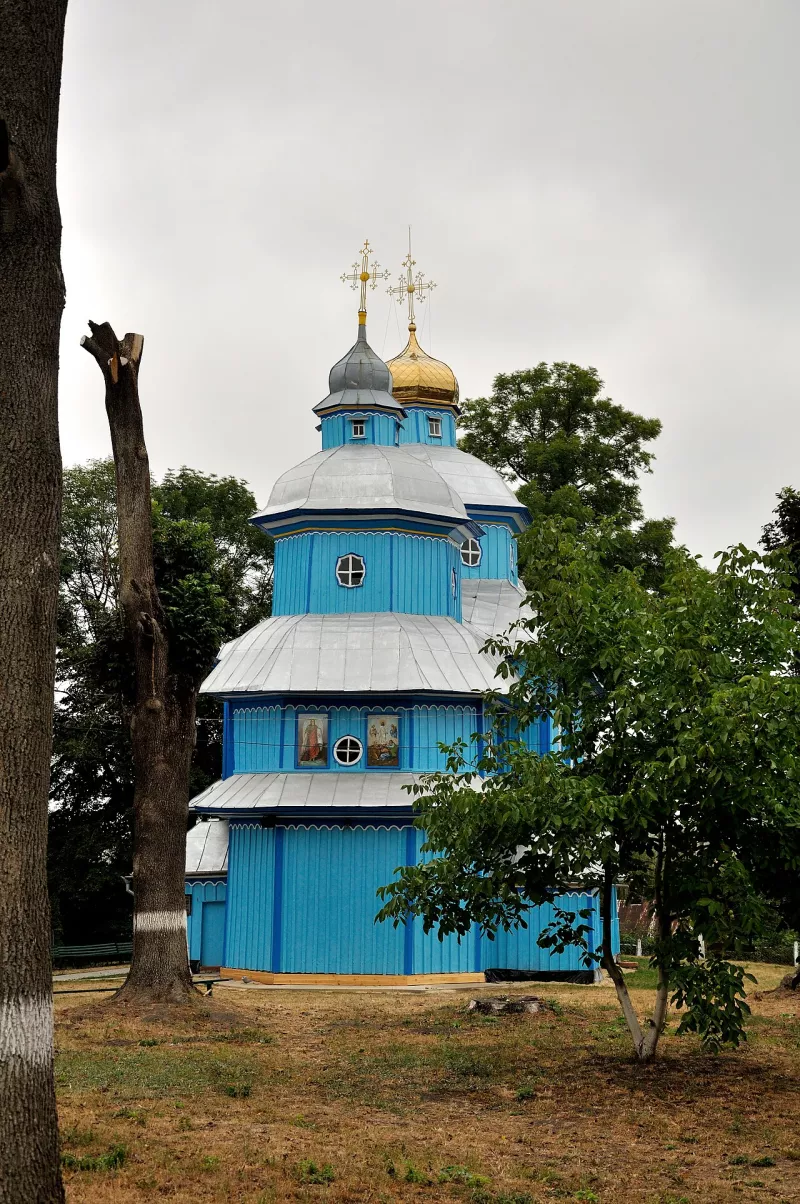
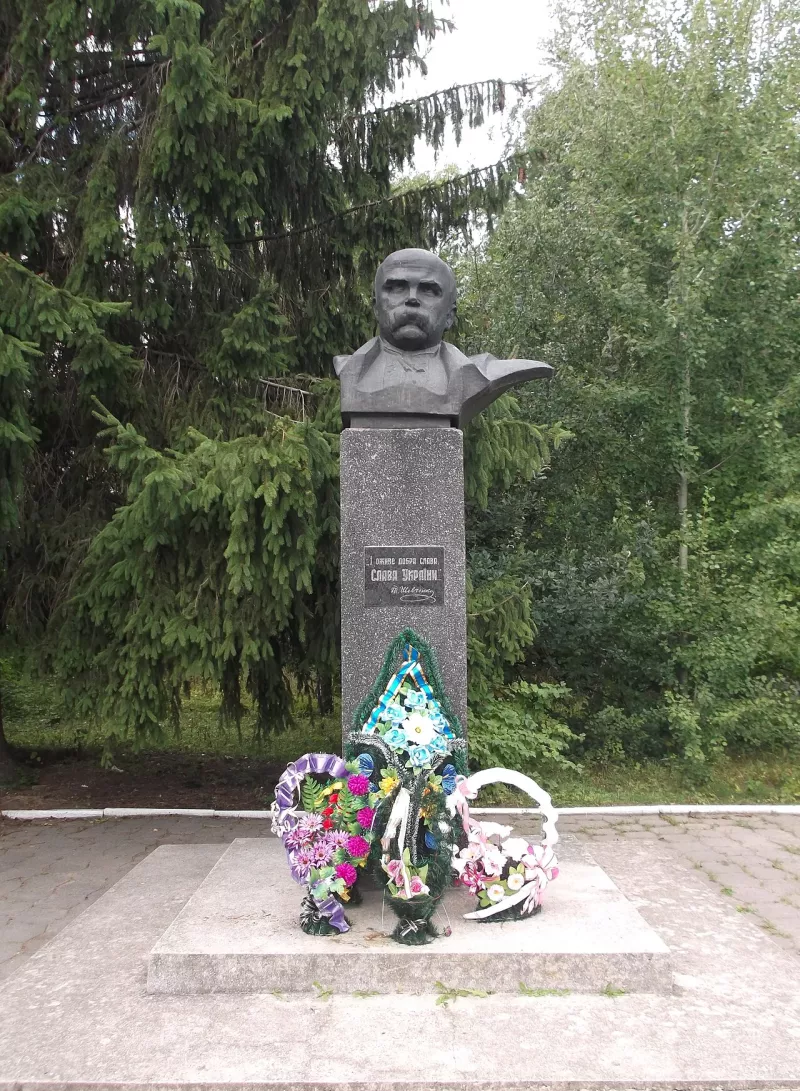
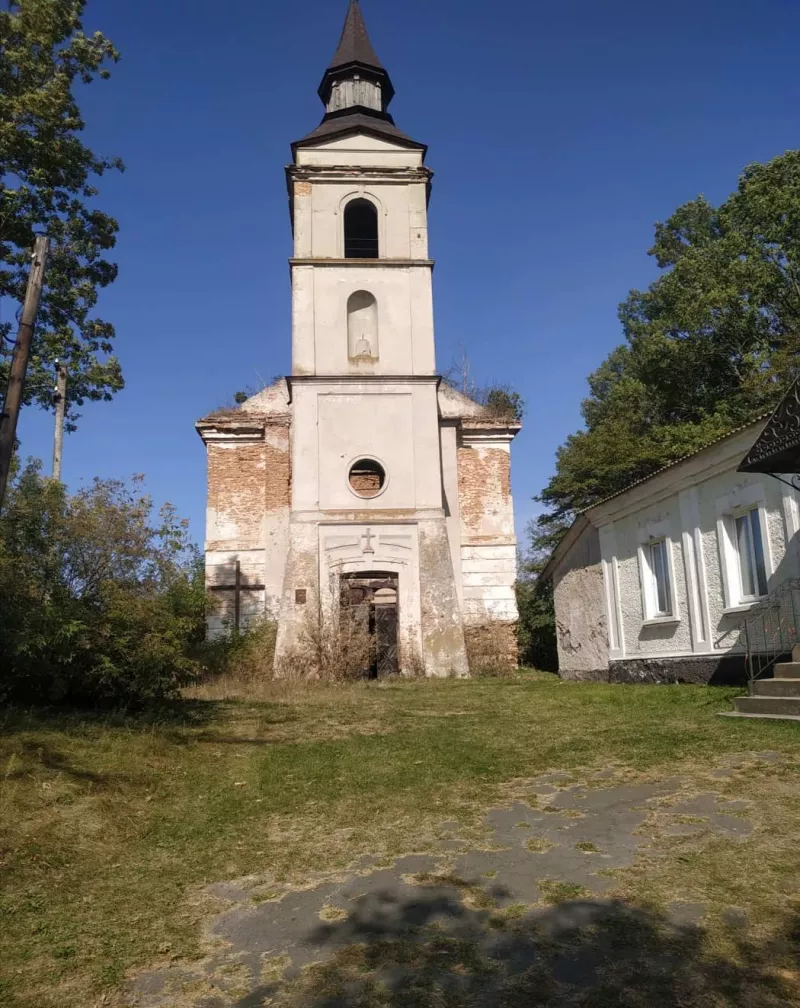
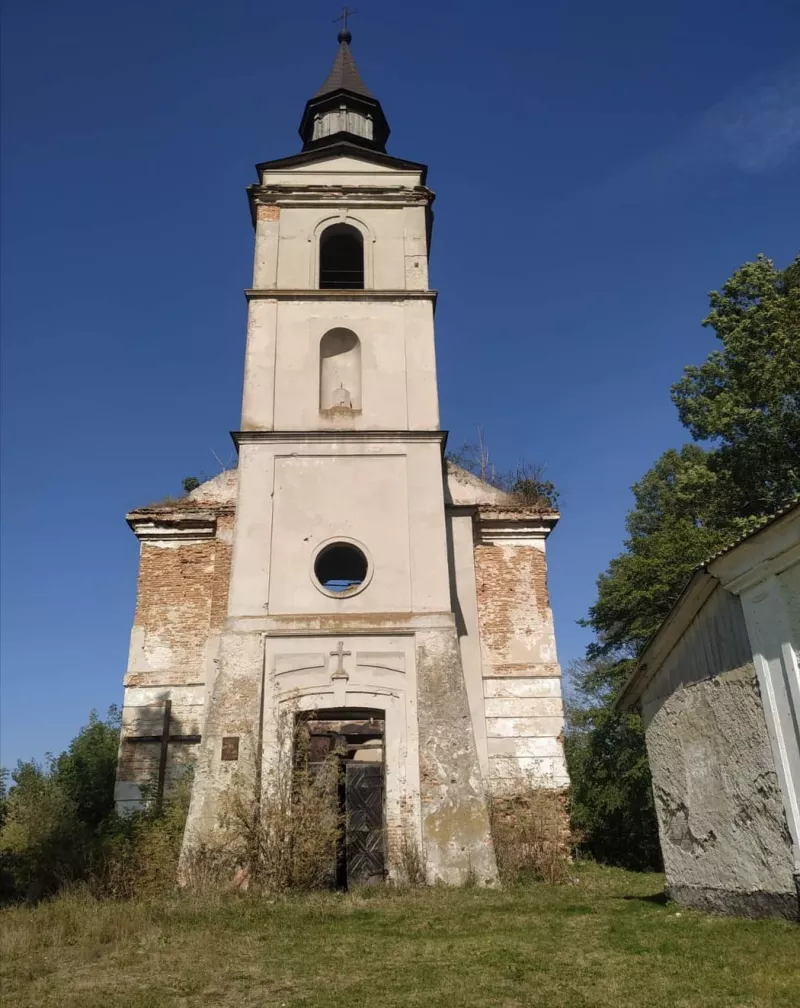
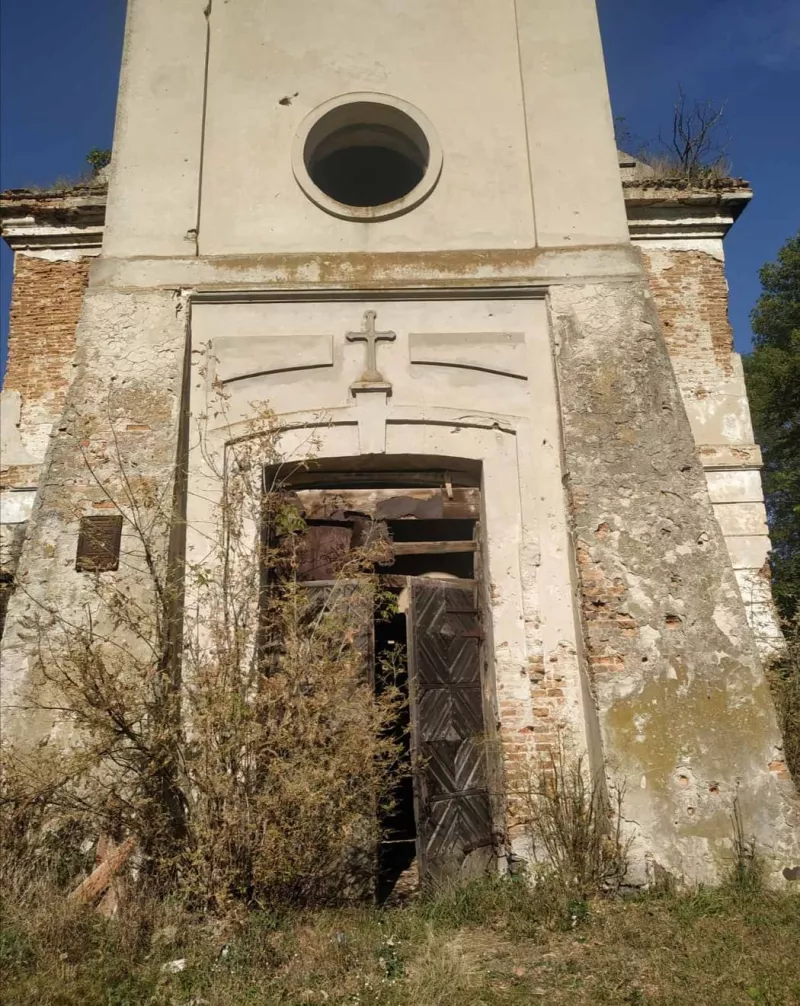
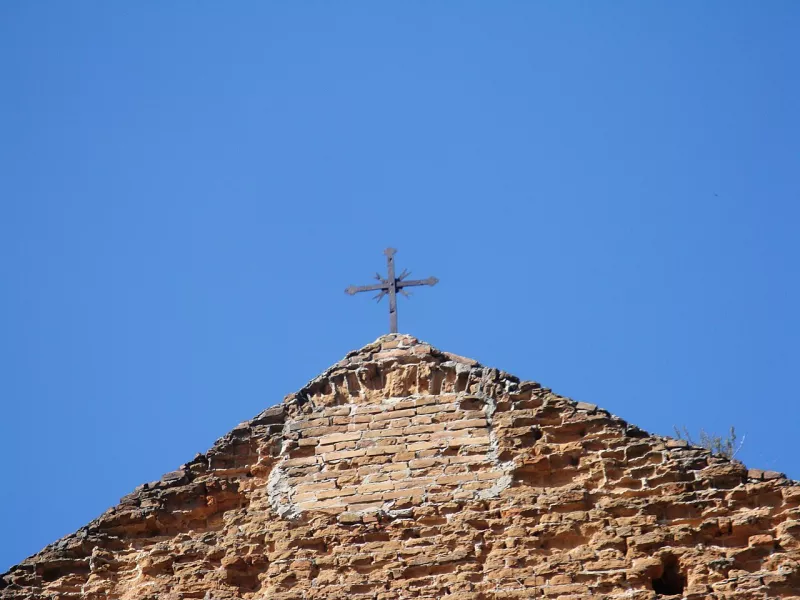
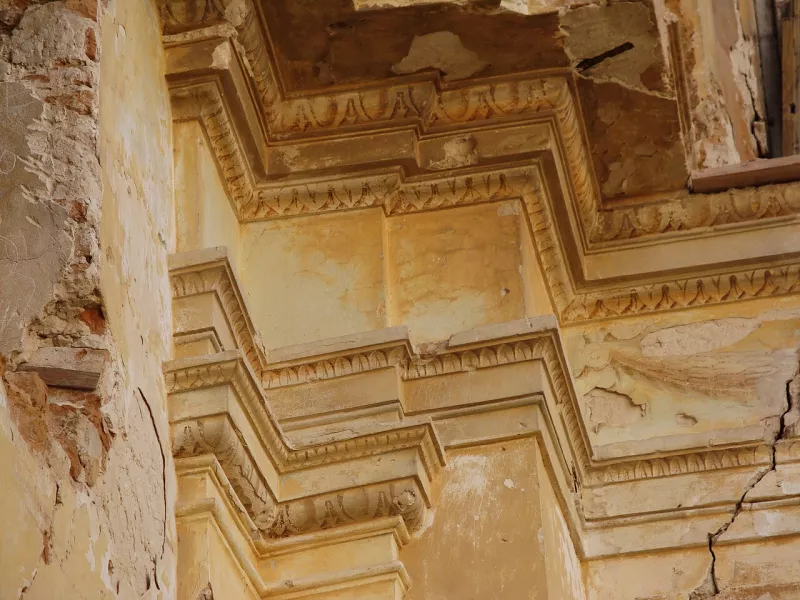
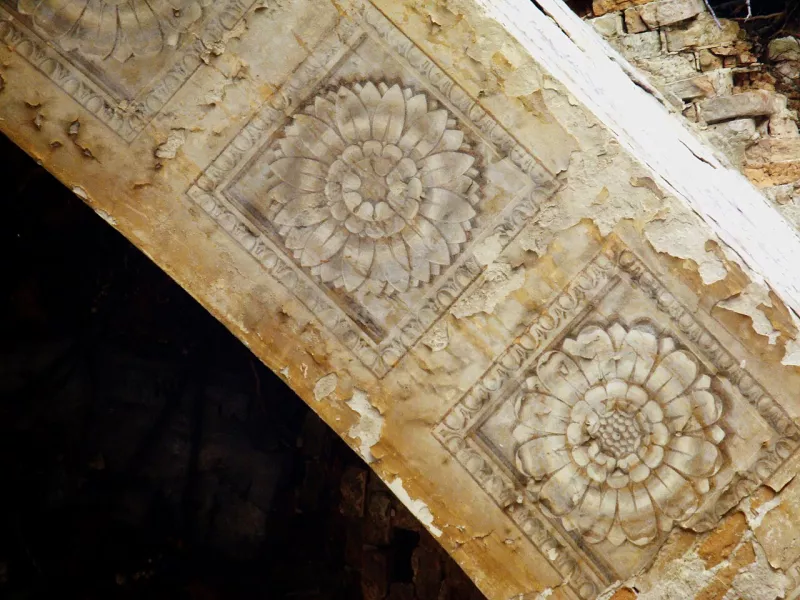
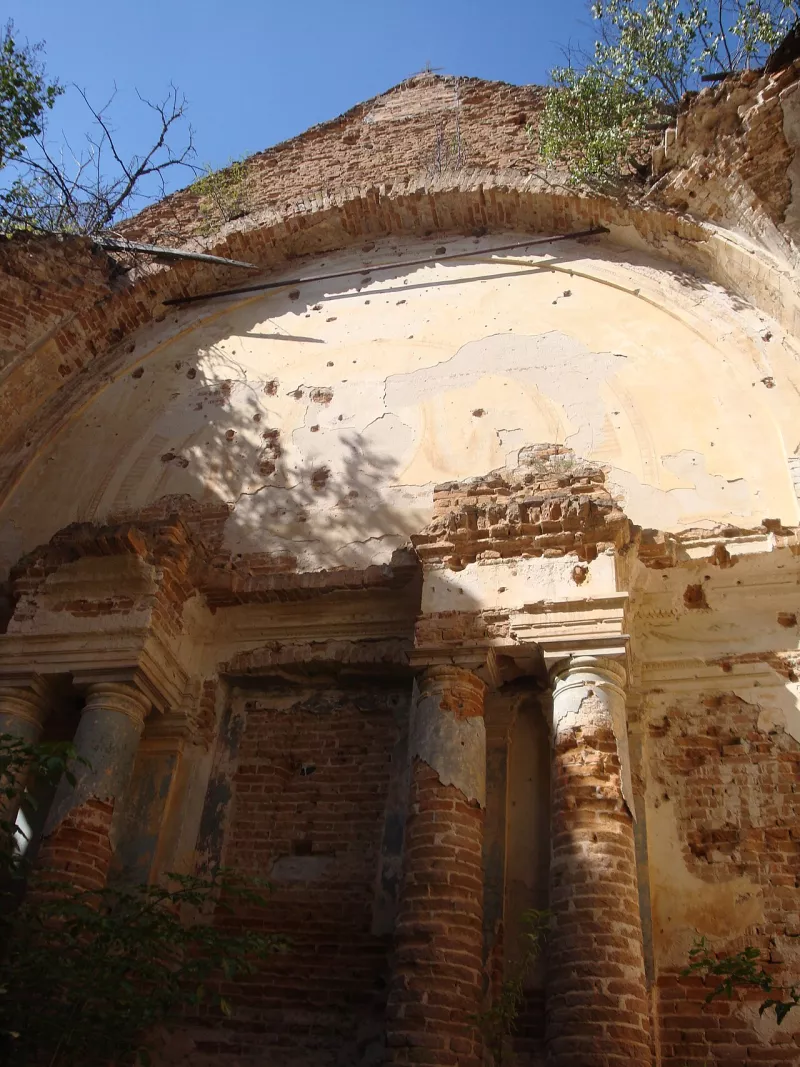
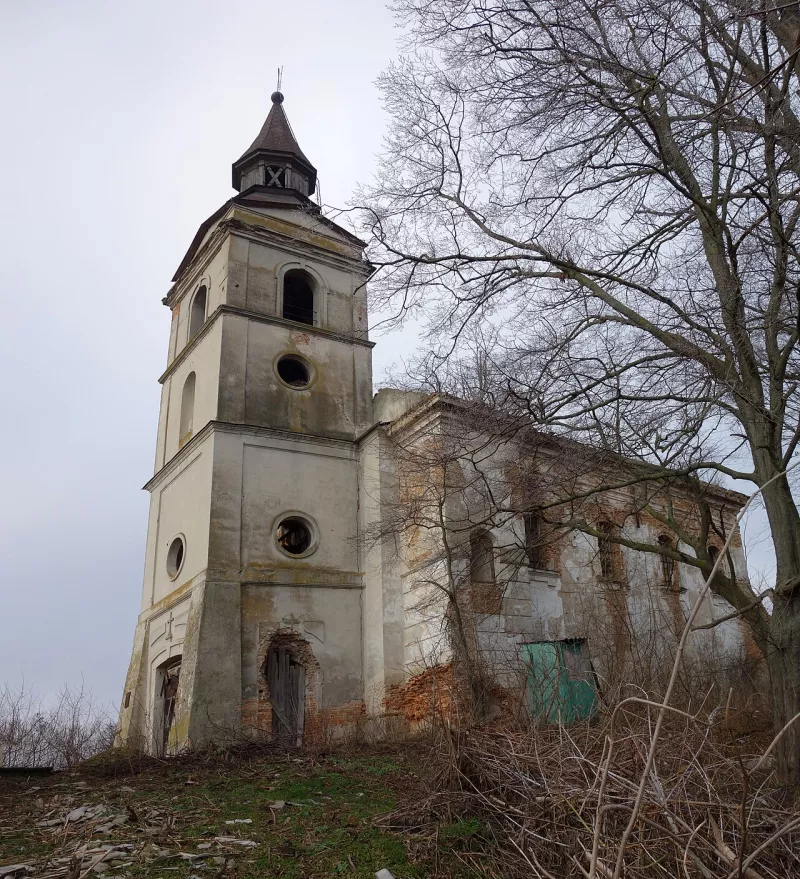

Tuchyn is a large village on the Horyn River, half an hour from Rivne, in the Hoshcha hromada. Over two thousand people live here. Once it was a town with a castle, a river port, and factories, and from 1940 to 1959, it was a district center. From those times, a Catholic church, a wooden church, traces of the castle and underground passages, and beautiful views of the Horyn valley have remained.
Where the name comes from
Scientists have left no explanations, so popular versions circulate. According to one, a princess who was awarded a high royal title cried out in joy: "Here is rank!" ("Tuch i chyn!") According to another, the name comes from the name of the first founder, Tucha. And some believe that many enemies once moved toward this region like black clouds.
The Semashko Castle
The first mentions of Tuchyn date back to 1542 and 1545. The first owners were the Putiatych boyars, and in the 16th century, the town was owned by Bohdan Semashko. He built a formidable castle above the Horyn, surrounded by ramparts and moats, with a labyrinth of underground passages, some of which have survived to this day. The Semashkos owned Tuchyn for over a hundred years until the town was divided into New and Old Tuchyn between the Danylevych and Tyshkevych families.
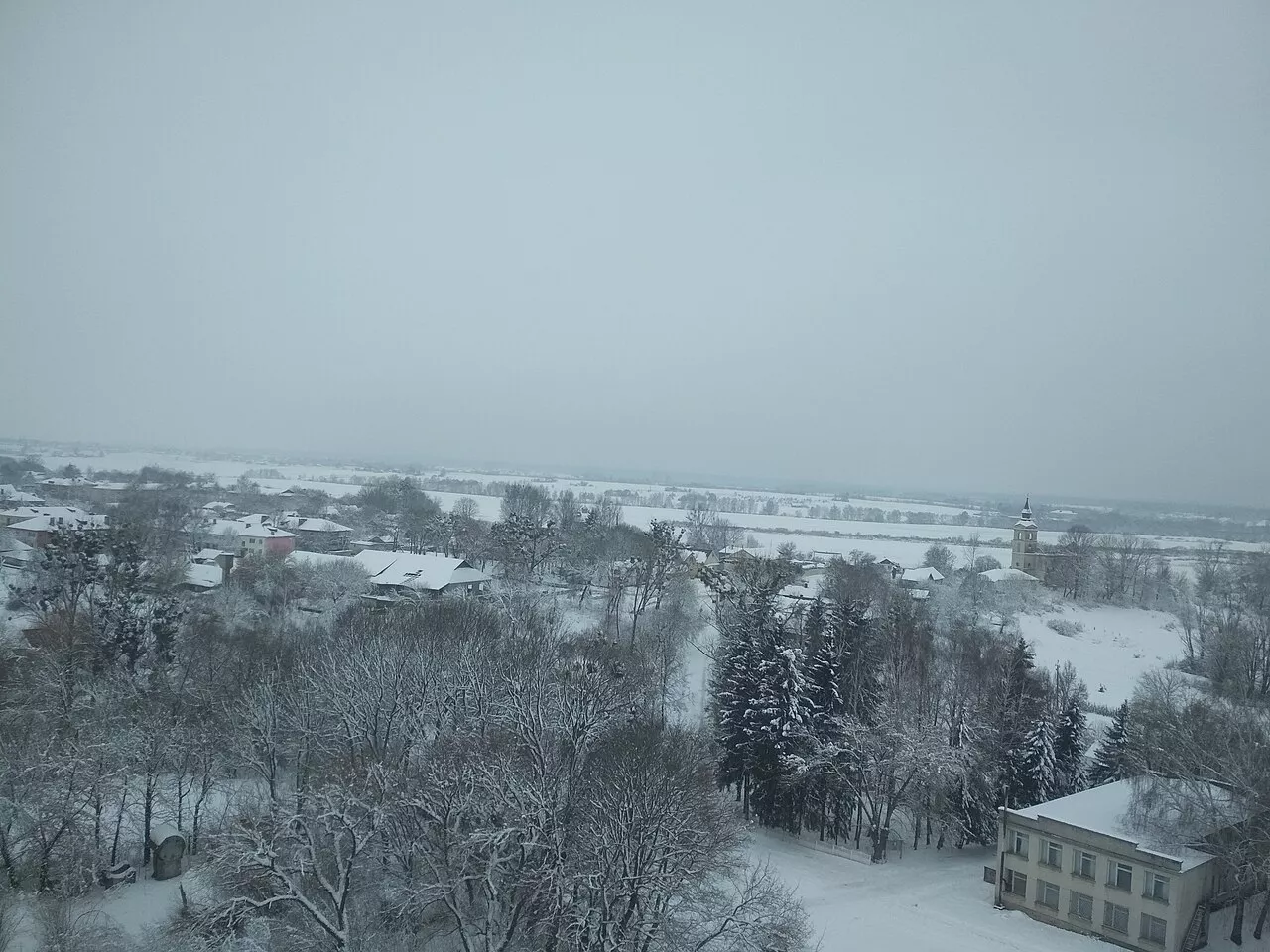
In 1596, the detachments of Severyn Nalyvaiko visited here and fought a battle near the town. In 1649, a two-thousand-strong army of Maksym Kryvonis came to Tuchyn, destroying the magnate estate and burning down the church built by the Semashkos in 1614. The szlachta returned, battles continued, but the rebels won.
The port and the Walewski park
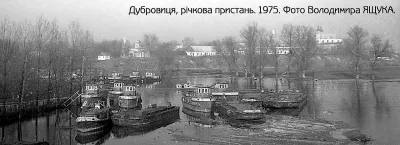
In the late 17th and early 18th centuries, locks were built on the Horyn, and ships plied the river once again. The port was restored in Tuchyn: at the beginning of the 19th century, more than 120 rafts carrying timber departed from here annually to major European cities. In 1711, the Church of Saint Paraskeva was erected on the ancient church site.
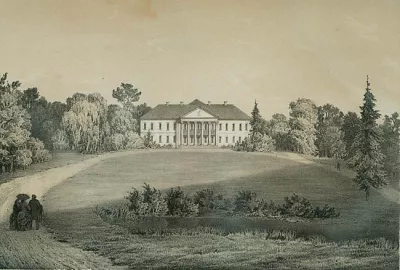
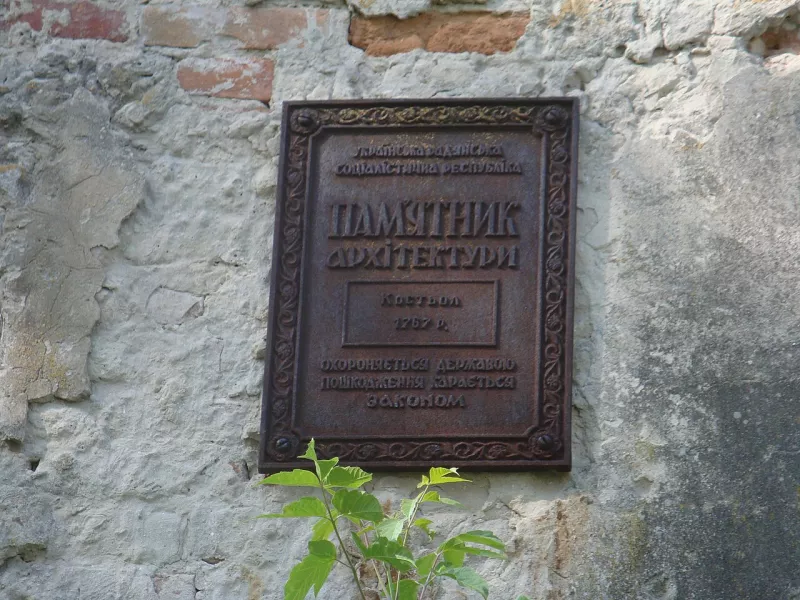
The town passed from the Tyshkevych family to the Czetwertyńskis, Potockis, Lubomirskis, and finally to the Walewskis. Voivode Michał Walewski built a new Catholic church in 1786 on the site of the burned one, helped the Orthodox community renovate their church, and in the 1790s, laid out a luxurious park and palace. After Walewski's death in 1806, the palace burned down, and the remains were dismantled by local residents.
The Catholic and Orthodox churches
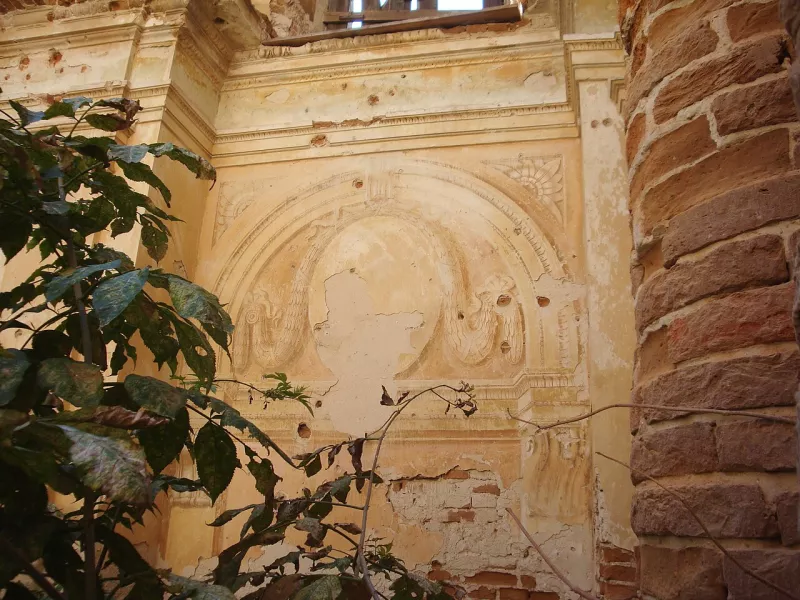
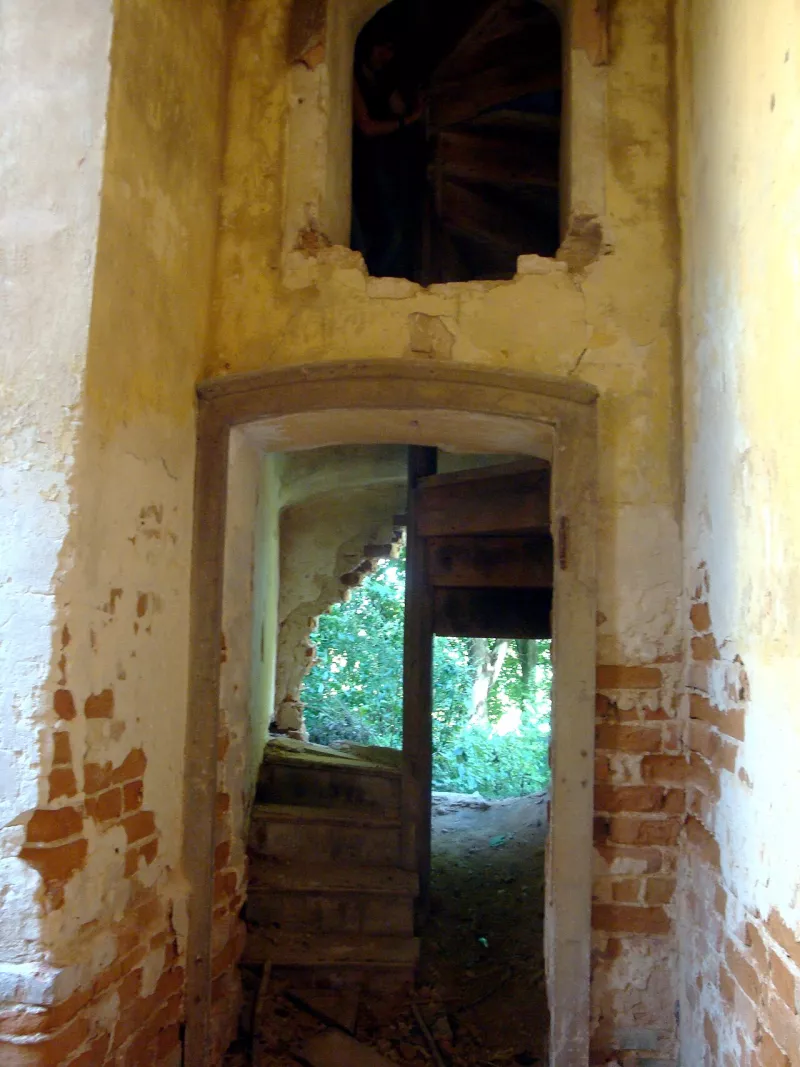
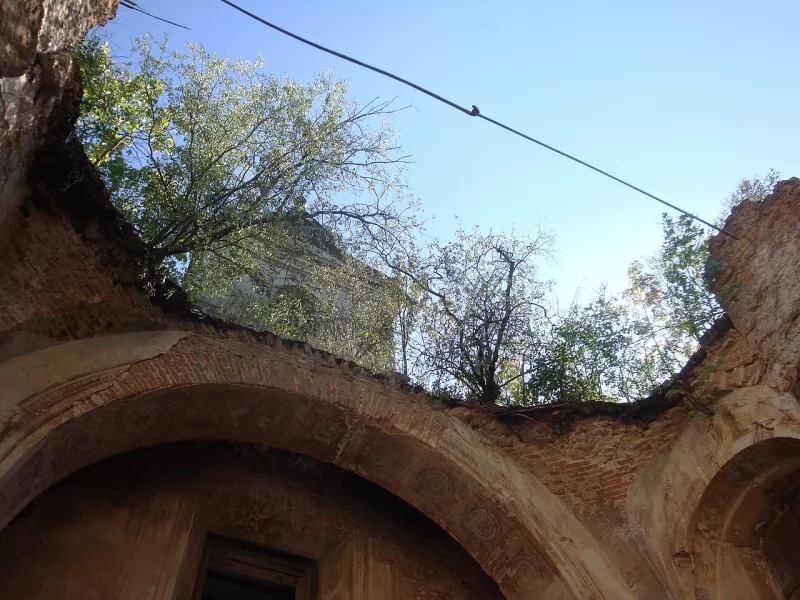
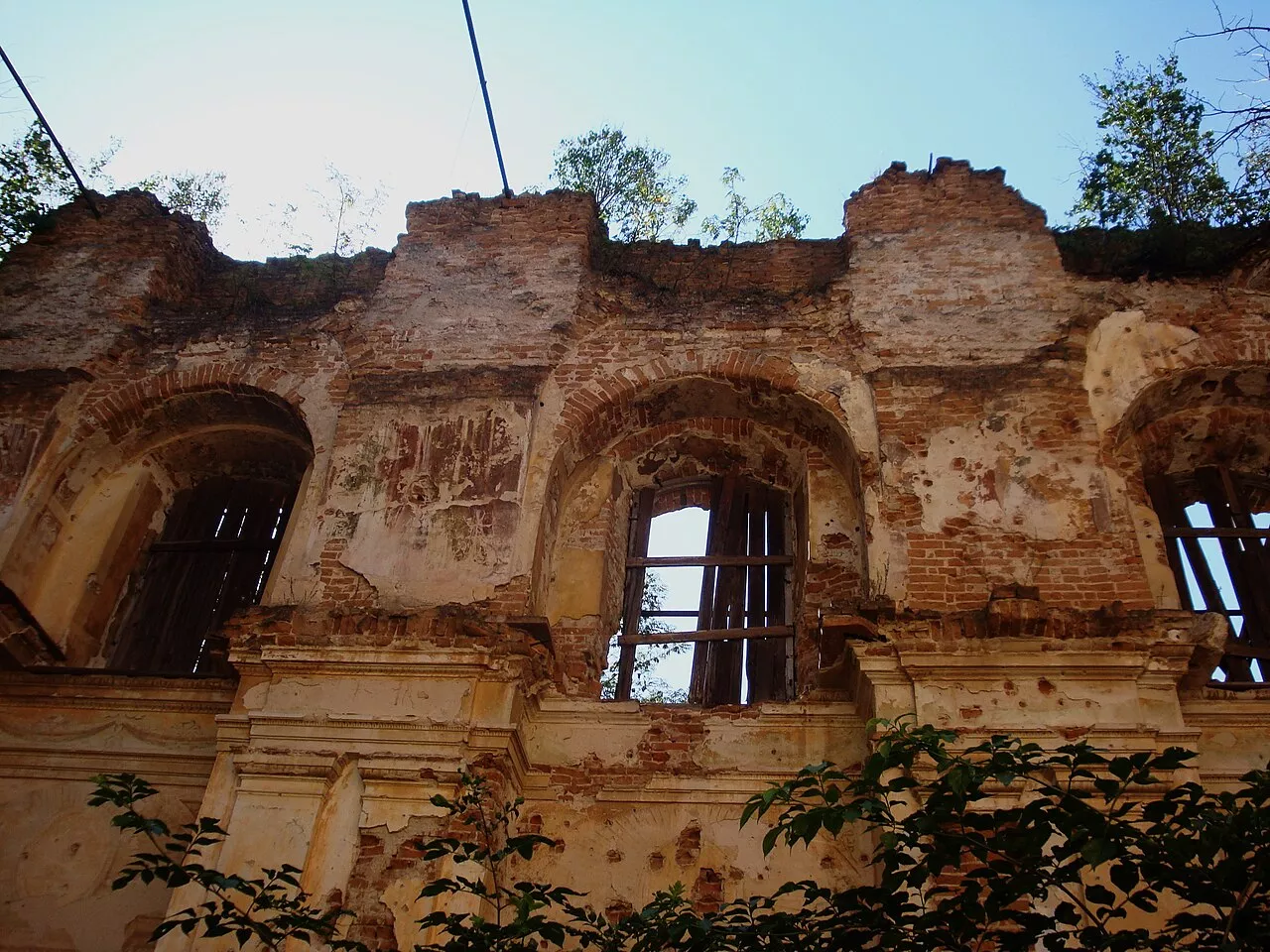
The Church of the Holy Trinity and Archangel Michael burned down several times throughout its history and was rebuilt each time. It is the main historical landmark of the village. The wooden Transfiguration Church with a separate bell tower is a fine example of Volyn sacral architecture.
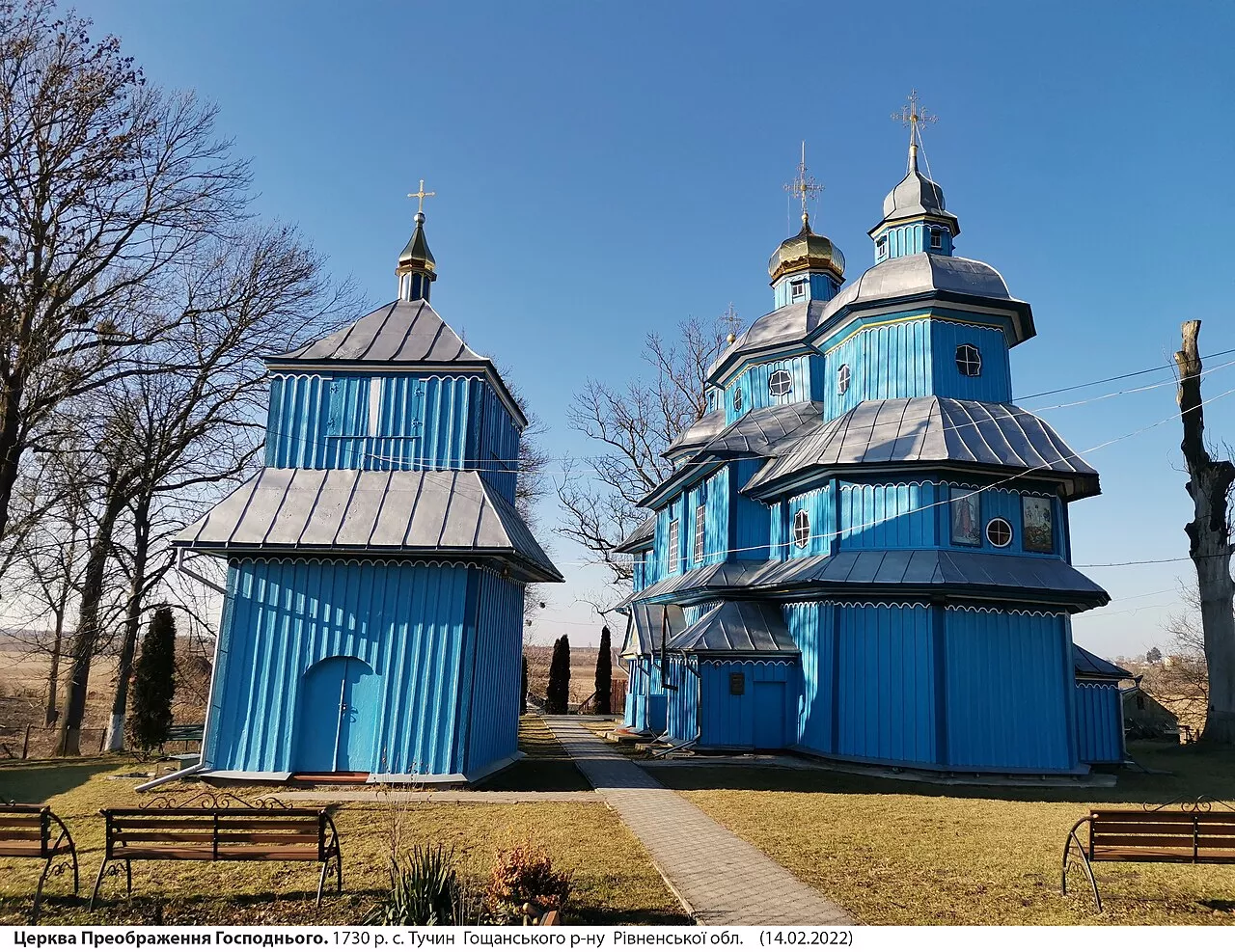
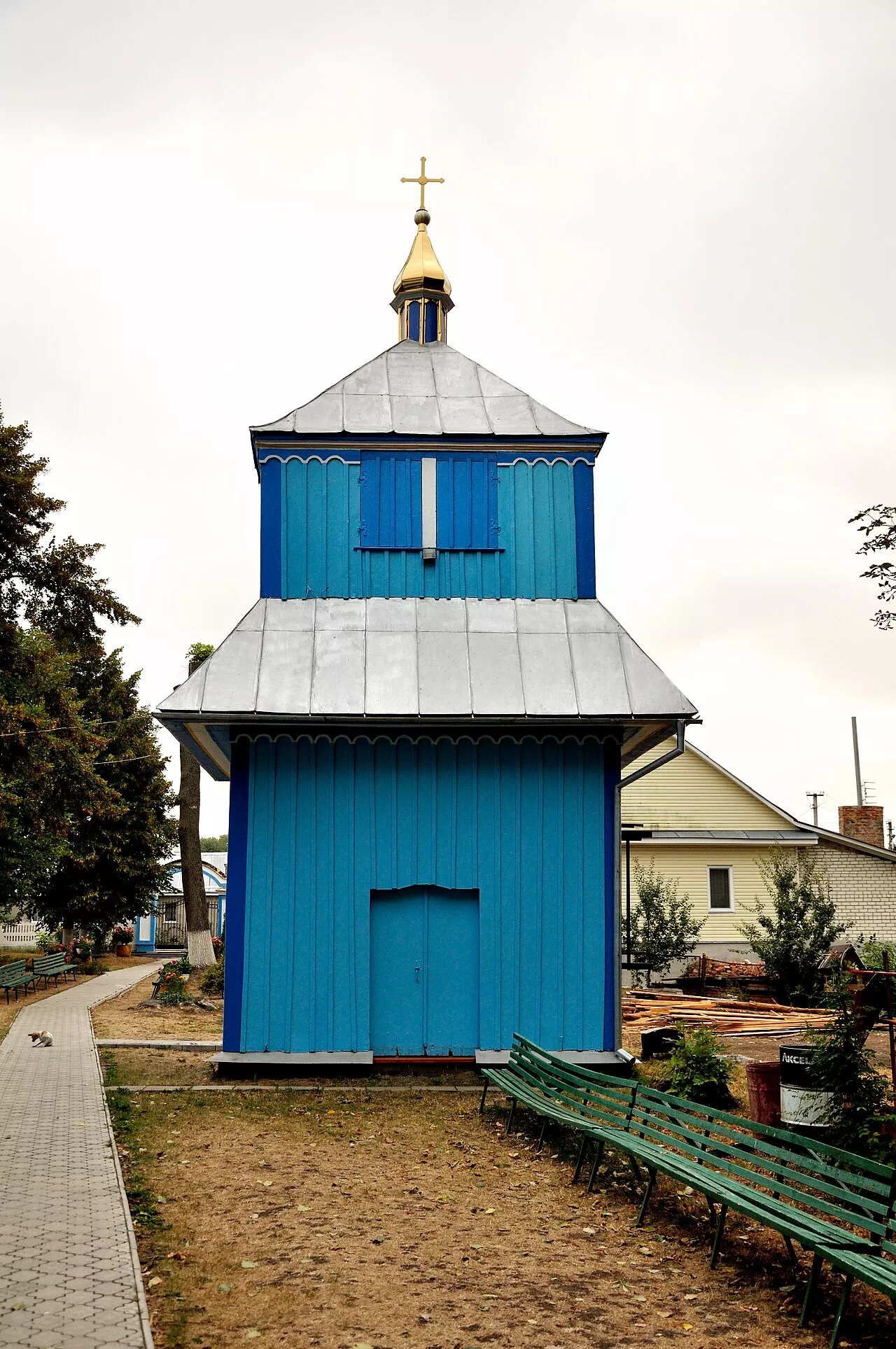
A factory town
In 1890, Tuchyn was put up for auction and bought by Russian capitalists, including Prince Troubetzkoy. An industrial boom began: by 1913, six weaving factories, four leather plants, a brewery, a brickyard, and mills were operating here, and the population approached seven thousand. At that time, the community also built a brick "red" school.
In 1919, Tuchyn passed from the UNR troops to the Bolsheviks and Poles. Between the wars, the town belonged to Poland. During the Second World War, the Jewish community of Tuchyn perished. A memorial sign to the UPA soldiers stands in the public cemetery.
Tuchyn on Video
When to Go
The best time is late spring and summer, when the Horyn valley is green. Tuchyn can easily be combined with Hoshcha and Rivne in one day.
Nearby
Hoshcha is the hromada center, Rivne is half an hour to the west. More can be found in the article Rivne Raion.
How to Get There
Suburban buses run from Rivne to Tuchyn. By car, it is about 30 minutes.