
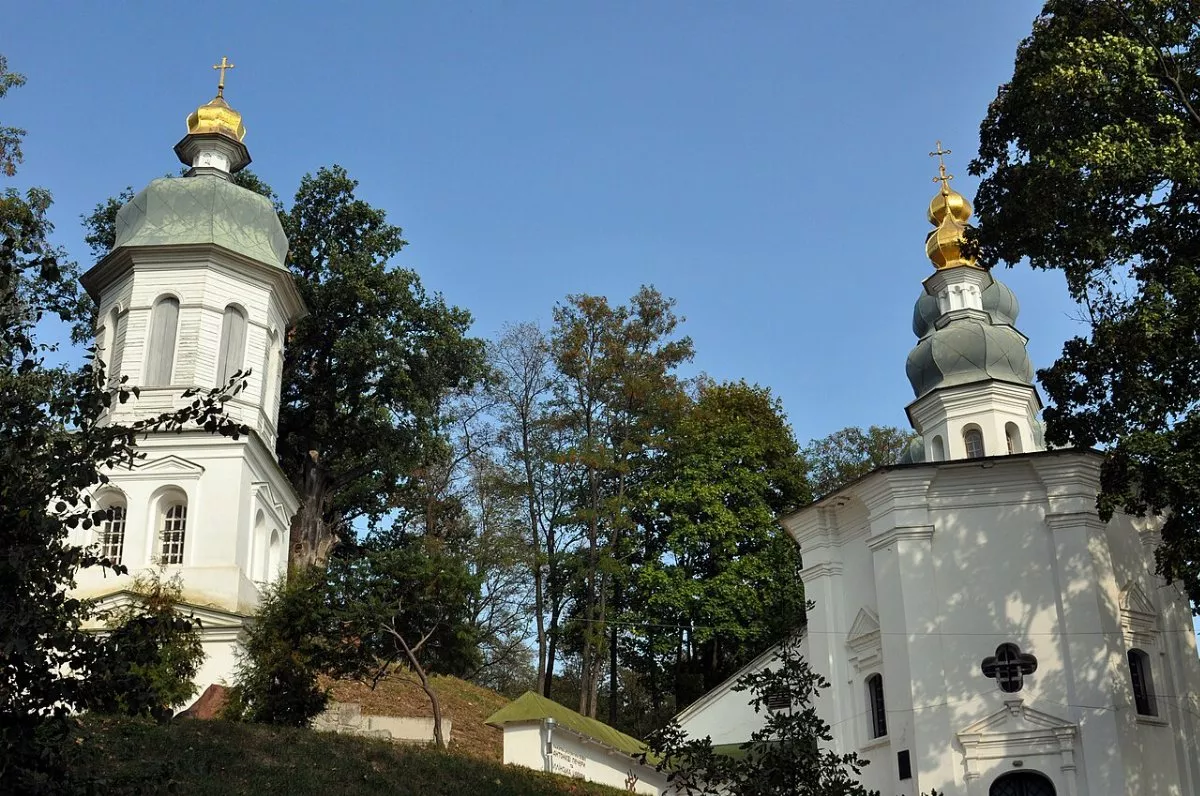
Boldyni Hory are hills 20–35 m high, standing in an arc over the floodplains of the Stryzhen and Desna rivers on the right bank. Here, in old Chernihiv, a single short walk brings together Old Rus barrows, 11th-century caves, and Cossack churches of Siveria. Since 1972, the area has held the status of a landscape art monument. There is no marked trail — this is an urban walk along streets and park paths with stairs. From Chorna Mohyla to the Trinity Monastery is about 2.4 km; allow 1.5–2 hours including exploring the caves.
Chorna Mohyla and Yelets Monastery
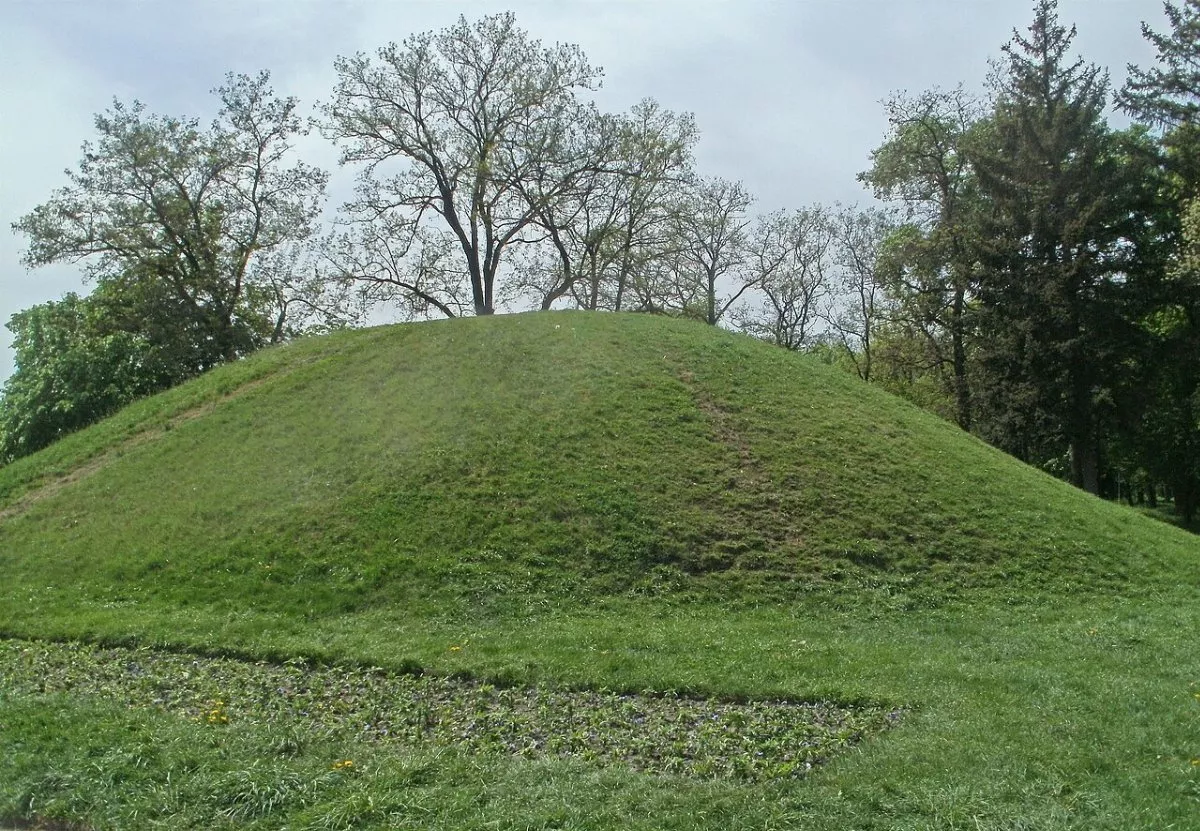
The start is near Chorna Mohyla on Knyaz Chorniy Street. This is the largest barrow within Chernihiv: 11 m high, 125 m in circumference, once surrounded by a moat up to 7 m wide. In the 1870s, the barrow was explored by archaeologist Dmytro Samokvasov. He found the burial of two noble warriors cremated on a pyre in full armor, as well as weapons, jewelry, coins, and two saddled horses. From here, it is a few minutes to the Yelets Dormition Monastery with the Dormition Cathedral, after which the route leads to Boldyna Hora.
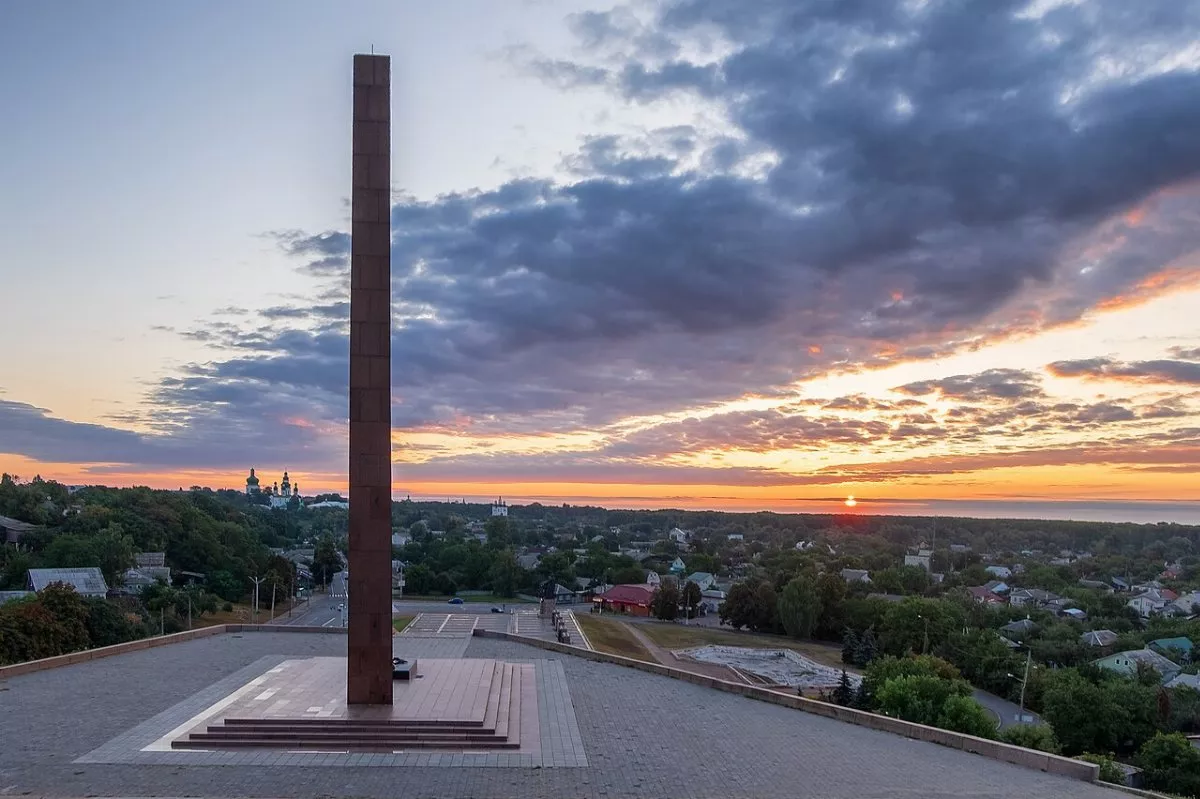
Glory Memorial and Barrows
Stairs lead up to the Glory Memorial, opened on May 8, 1986. From here, the floodplain and the city are clearly visible. Nearby is one of the largest known 9th–11th century necropolises in Ukraine: about 230 barrows in six groups. The most famous are Hurbyshche (currently about 6 m, once 8.5 m, diameter 22 m) and the neighboring Bezimenny, which historian Borys Rybakov dated to the first half of the 10th century. The barrows were excavated in 1872, 1908, and 1965. In March 2022, during the siege of Chernihiv, a Russian shell destroyed an early 20th-century gazebo on Boldyni Hory.
St. Elijah Church and Antoniy Caves
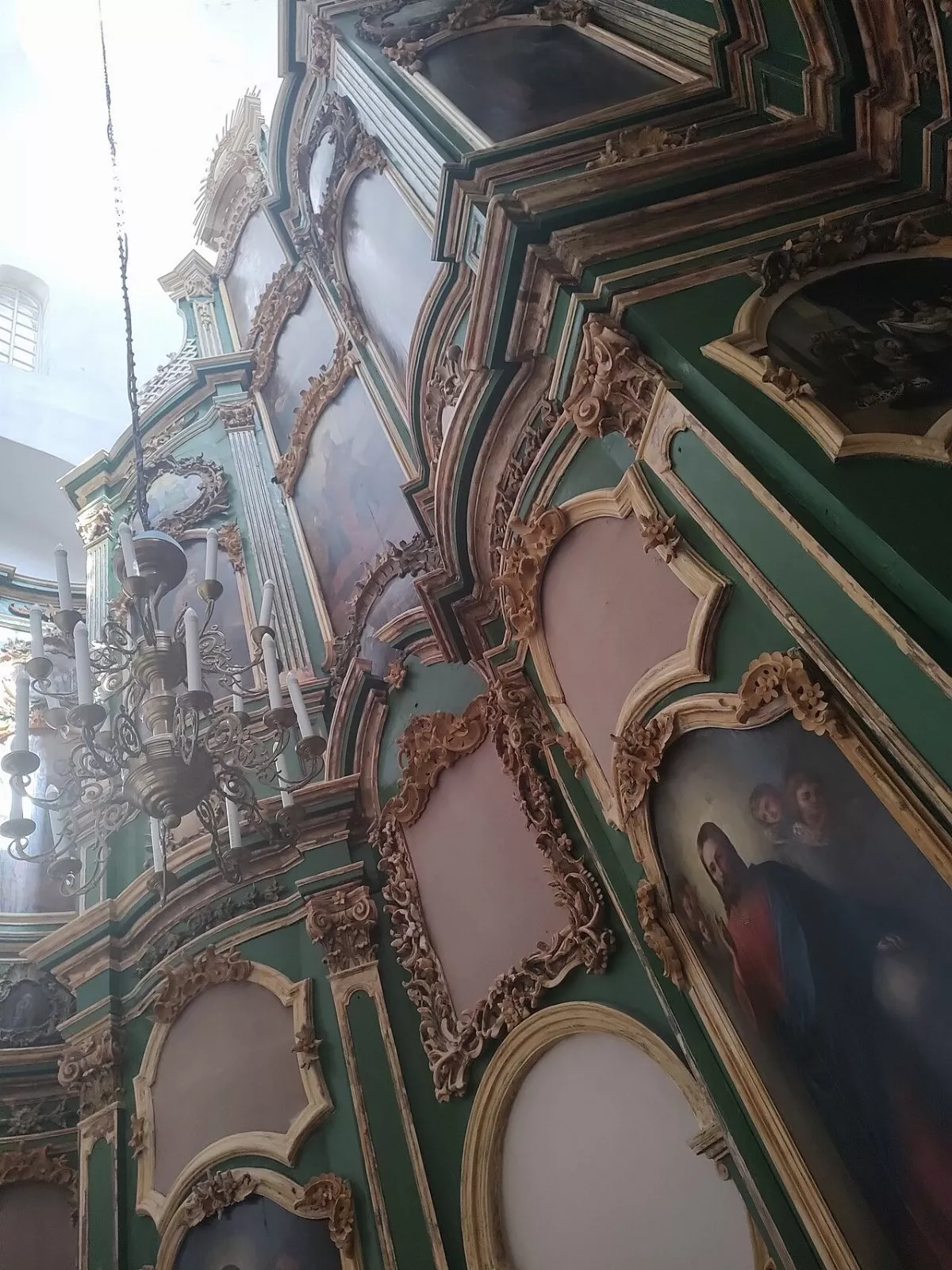
Next, the trail descends to the 12th-century St. Elijah Church. Beneath it are the Antoniy Caves, founded in the mid-11th century by the monk Antoniy; the underground passages are connected to the church. In 1654, Chernihiv colonel Stefan Pobodaylo, an associate of Bohdan Khmelnytsky, was buried in the caves.
Trinity-Elijah Monastery
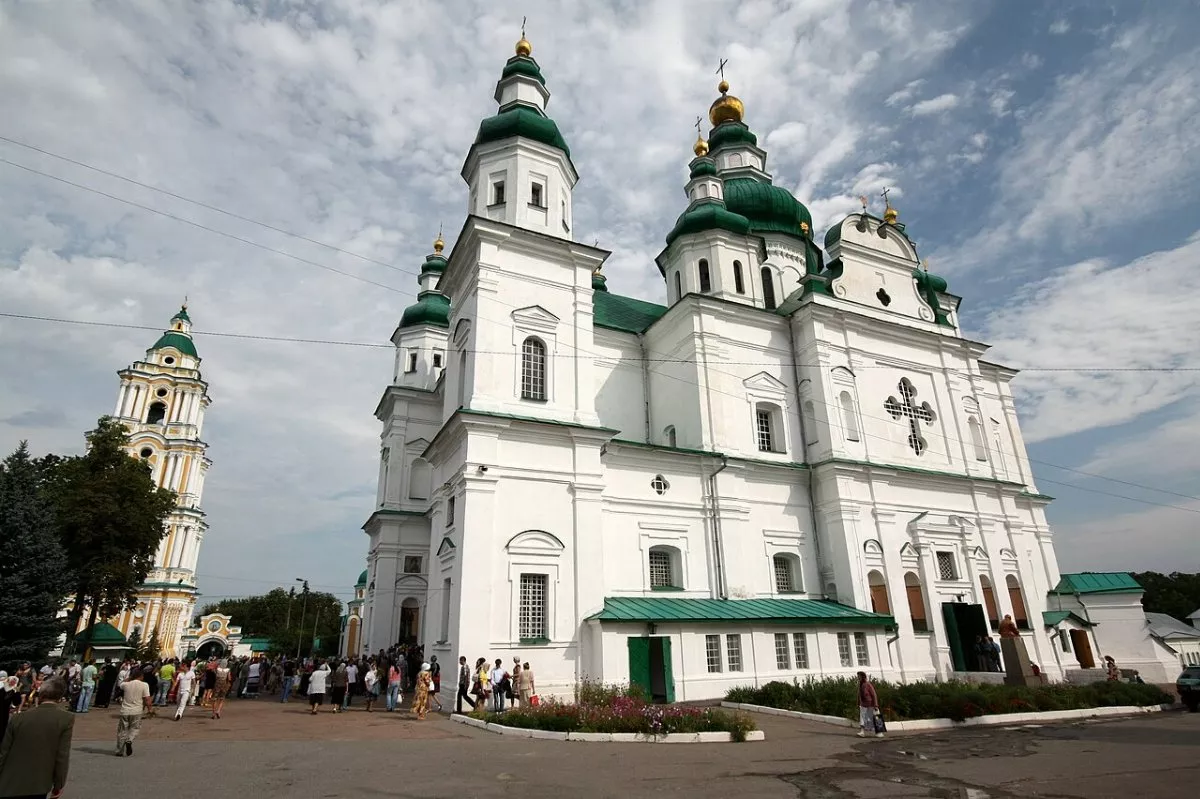
The finish is near the Trinity Cathedral, built in the late 17th century. A stone building for a printing house was erected on the site of the monastery's eastern gates in 1667. Mykhailo Kotsiubynsky, Leonid Hlibov, Opanas Markovych, and Mykola Verbytsky are buried in the nearby cemetery.
Tips
The slopes are steep and there are many stairs — comfortable footwear is required. Chernihiv is regularly attacked by drones: monitor air raid alerts and find the nearest shelter in advance.
How to get there
Chorna Mohyla is located in the central part of Chernihiv and is easily accessible on foot or by city public transport. Intercity buses arrive at the Chernihiv-1 bus station.