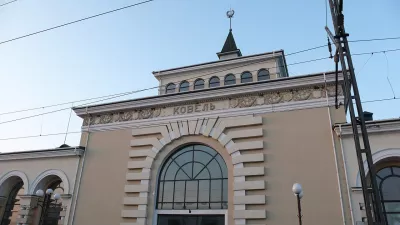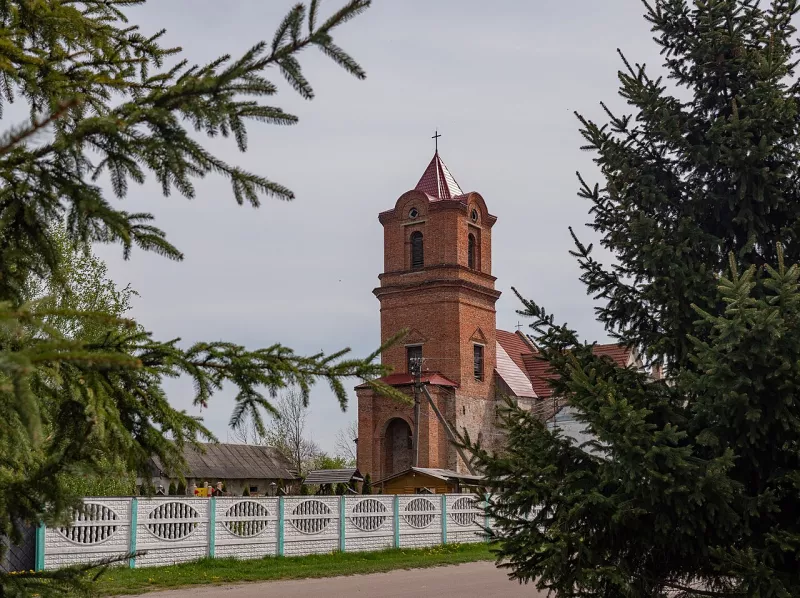
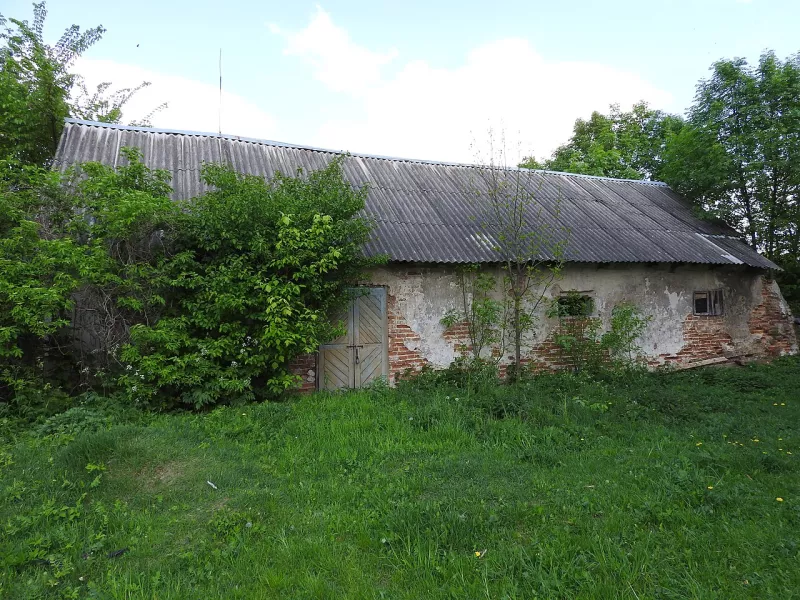
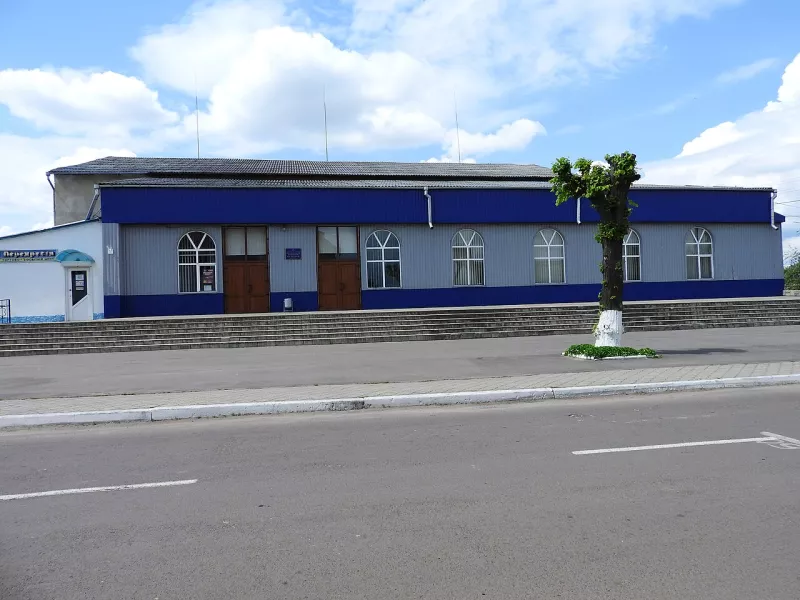
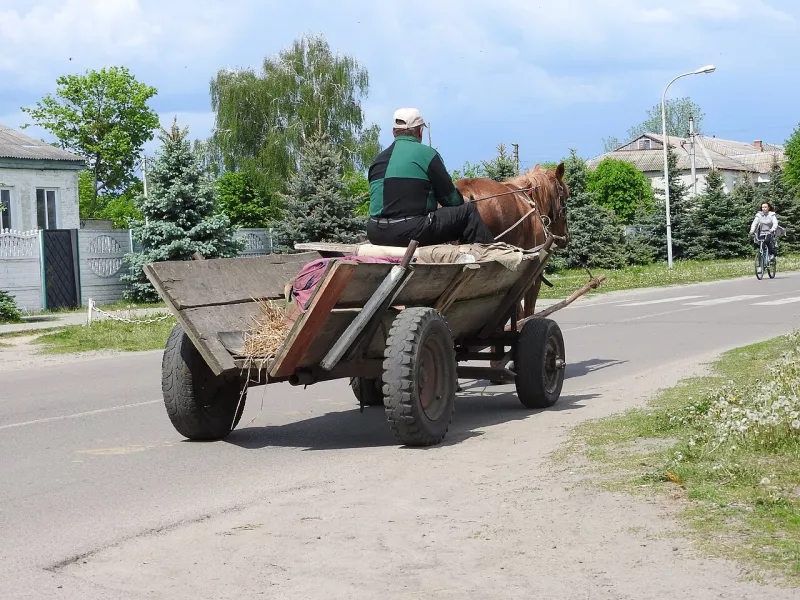
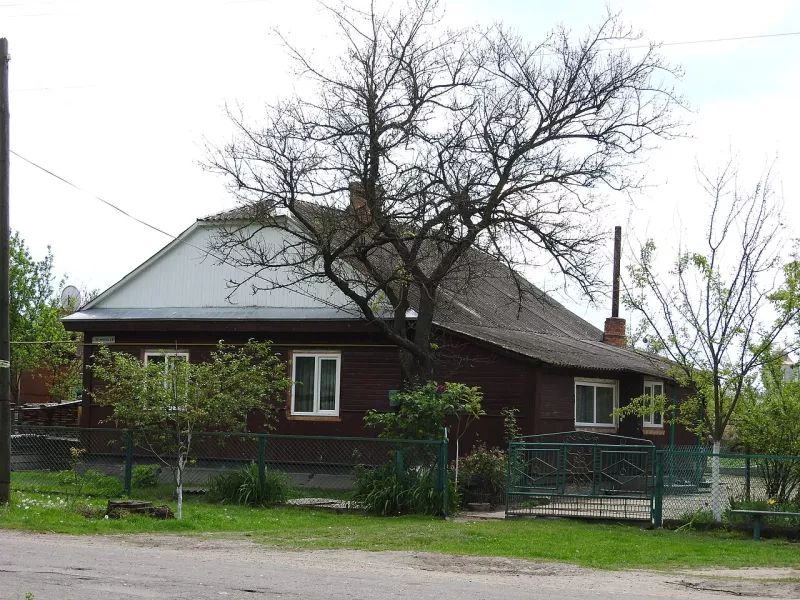
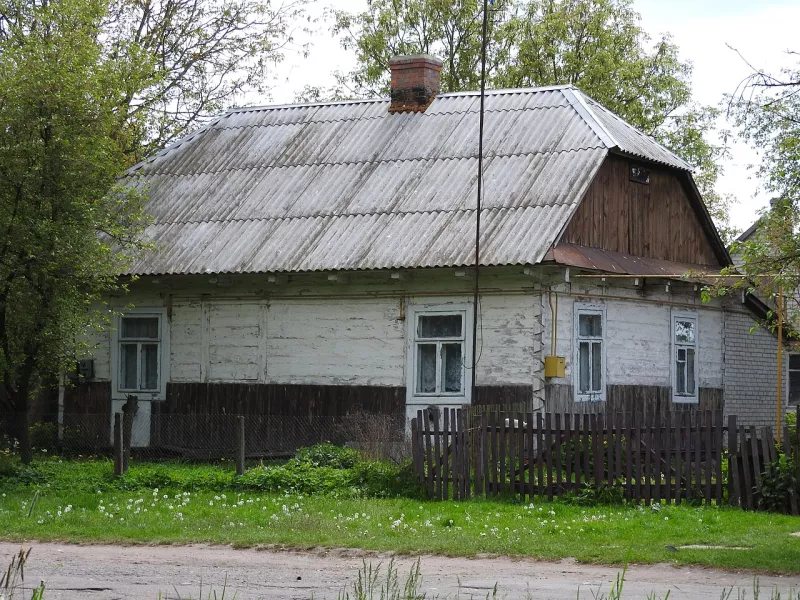
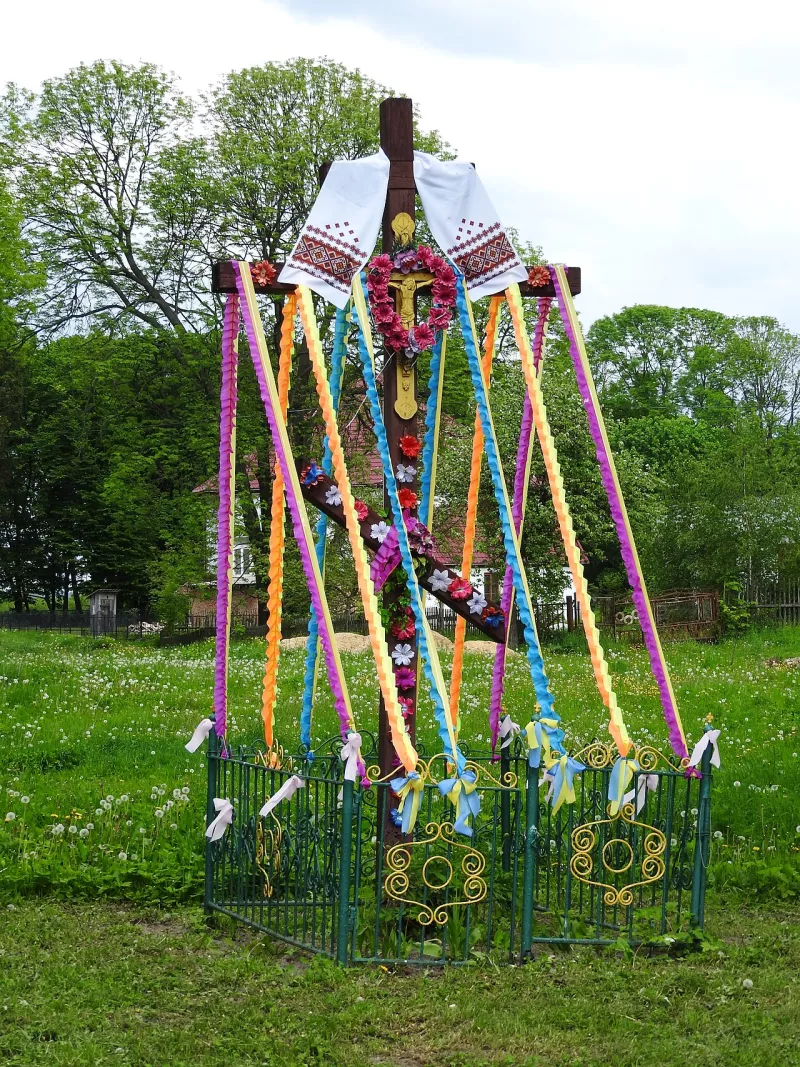
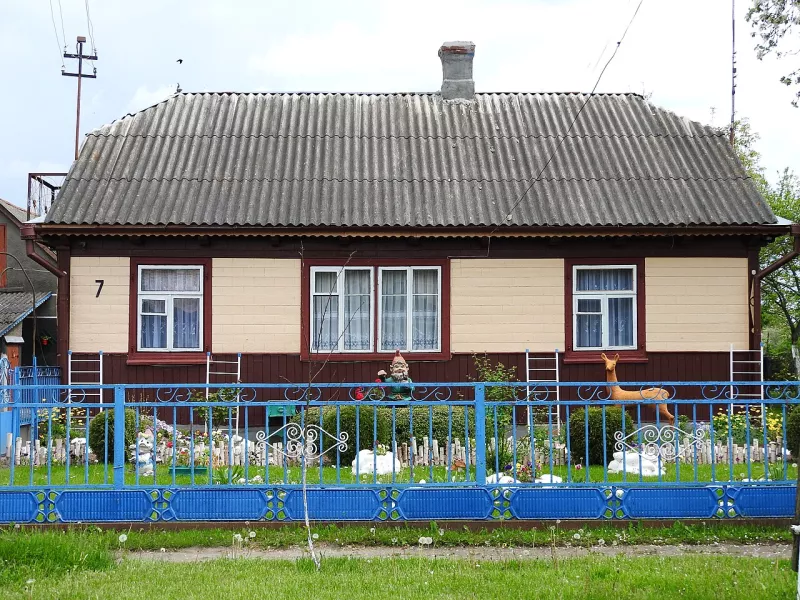
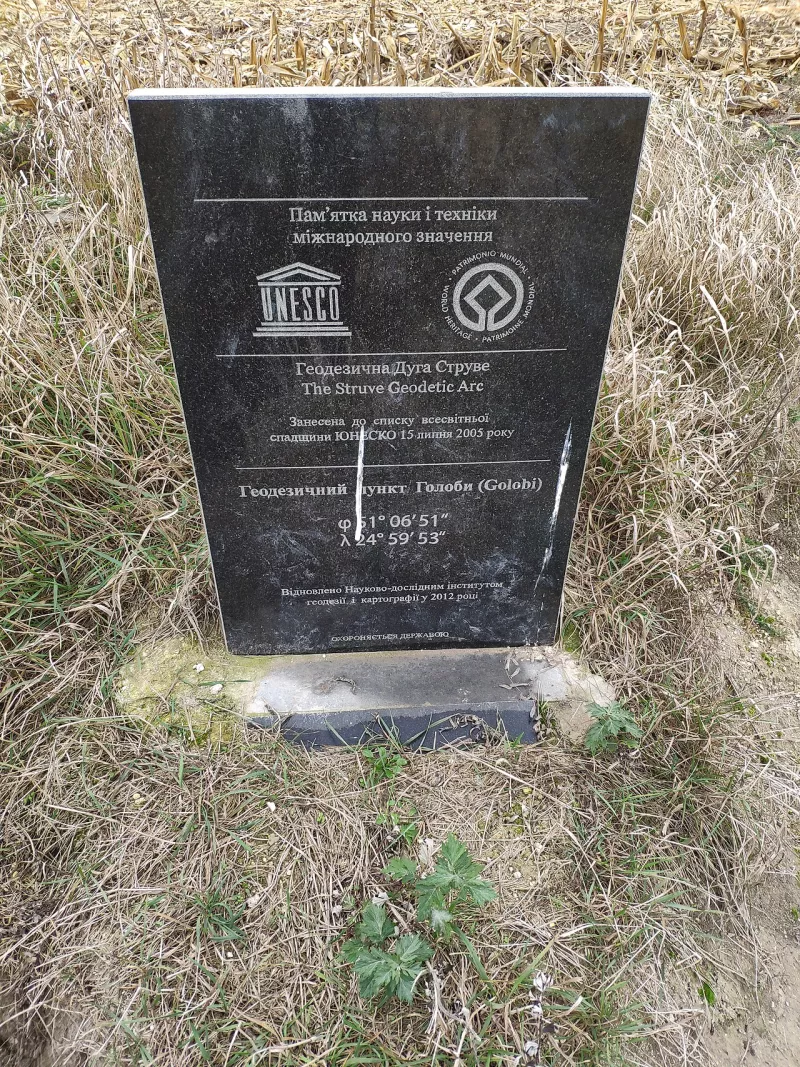
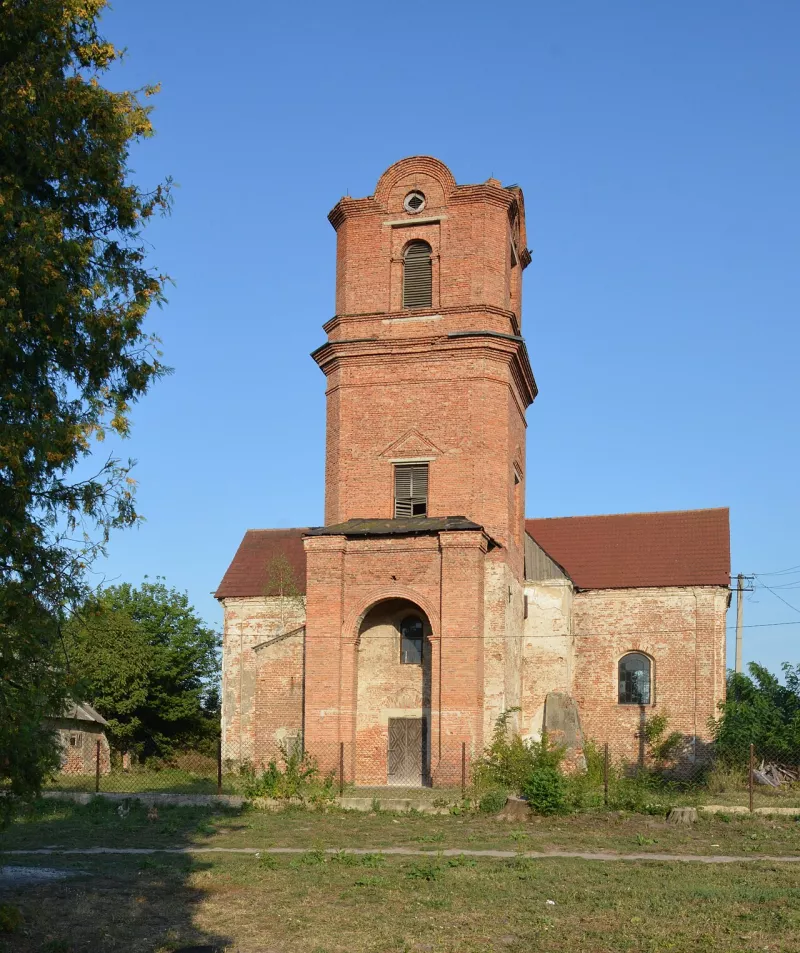

Holoby is an urban-type settlement on the Lutsk — Kovel highway, the administrative center of the Holoby hromada in Kovel Raion. Here, the old route, the railway, and the highway intersect, forming part of the European route E85 stretching from the Baltic Sea to the Aegean Sea. Inside the settlement itself, a Baroque church, the ruins of a magnate estate with an entrance gate, and an old station building remain hidden.
Where the name comes from
According to legend, an ancient owner ordered disobedient peasants to shave their foreheads — hence "Holovloby" (shaved foreheads), and later Holoby. This version was supported by the researcher of Volyn toponymy Volodymyr Pokalchuk. According to another legend, the name comes from the word "holovby" — which was what people who hauled timber were called.
Queen Bona and the Zbarazhskys
The first mention of Holoby dates back to September 29, 1544, in a letter from Queen Bona Sforza to the Lutsk starost, Prince Andriy Sanguszko. The queen exchanged the starostvo for estates in the Mlyniv volost, which included Holoby, and owned them until her death in 1557. Peasants hauled timber for the construction of the Lutsk Castle bridge and performed "service with a cart and an axe." In 1573, Holoby belonged to Varvara Kozynska and Prince Yuriy Zbarazhsky.
In 1648, the residents of Holoby joined the rebels near Kovel, and in response, the szlachta burned down the village. In 1708, it was burned down a second time by the Swedes. The old Holoby stood three kilometers to the north, near Stakhor. After the war, people began building along the old Kovel — Mlyniv tract, where modern Holoby grew.
The Church and the Vilha Estate
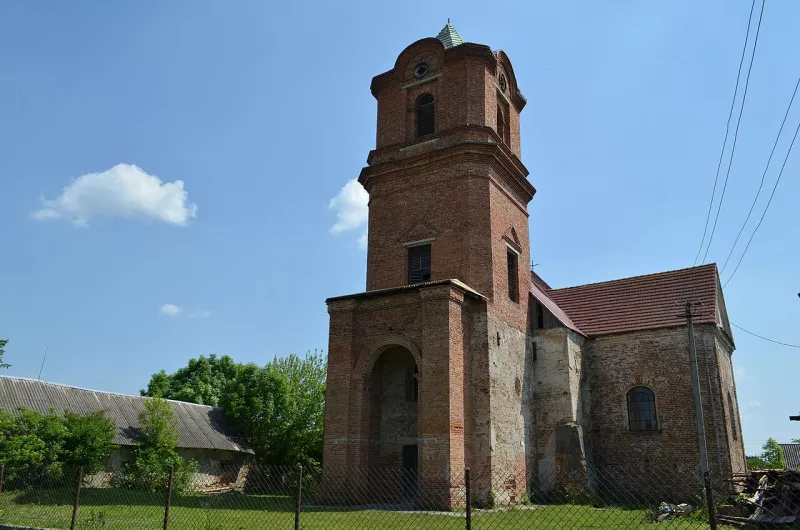
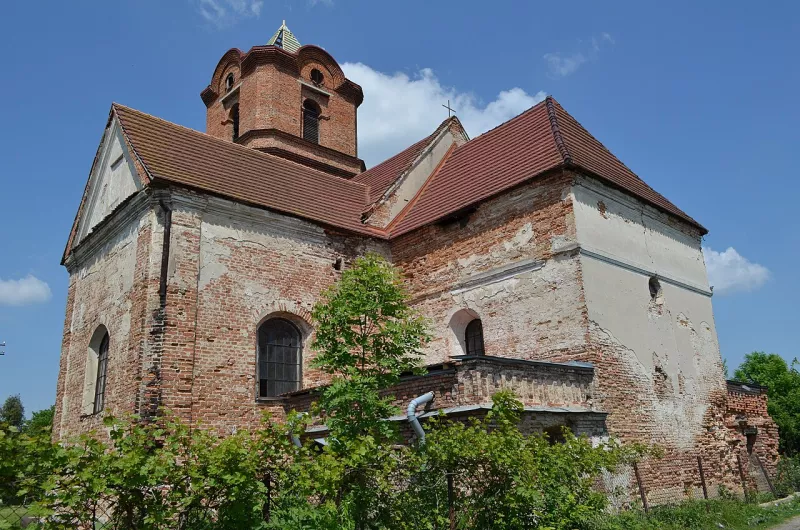
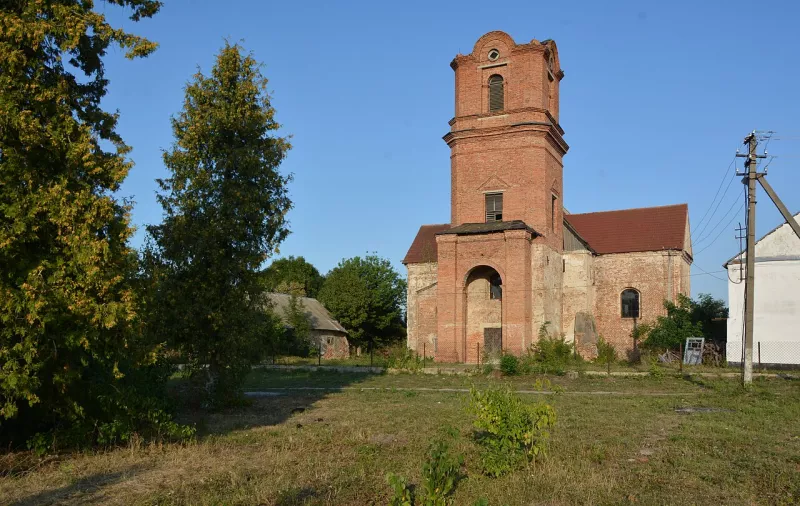
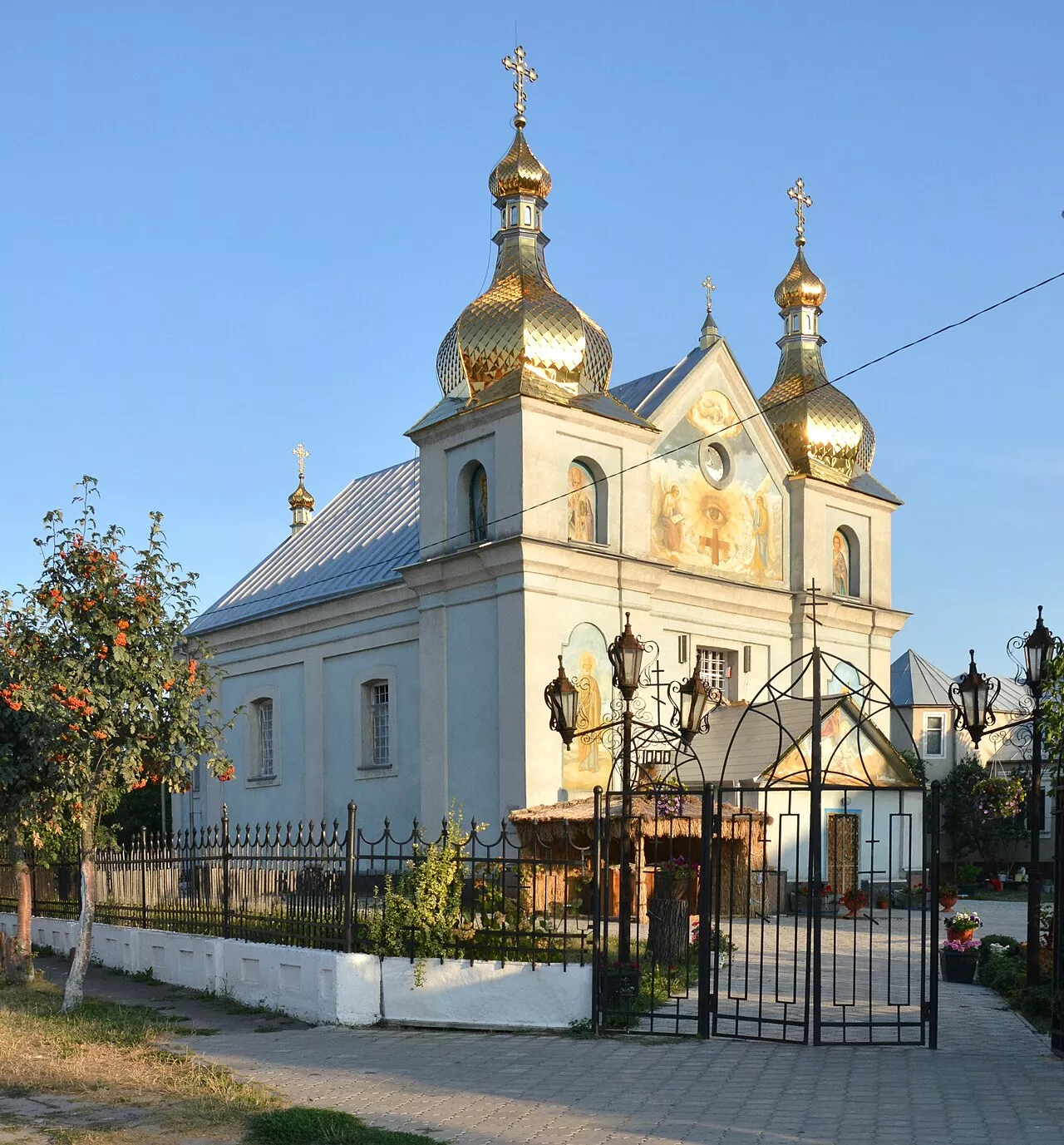
At the beginning of the 18th century, Holoby was owned by the Yeruzalskys. Under Józef Yeruzalsky in 1711–1728, the Baroque Church of the Archangel Michael was built on the site of an old one, presumably burned by the Swedes. In 1786, lightning struck its tower, and in 1793, the church was rebuilt by Voivode Ludwik Vilha.
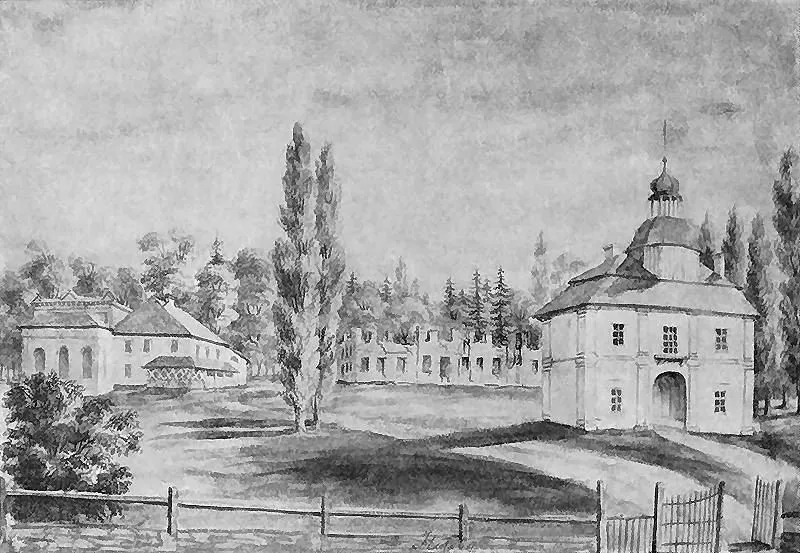
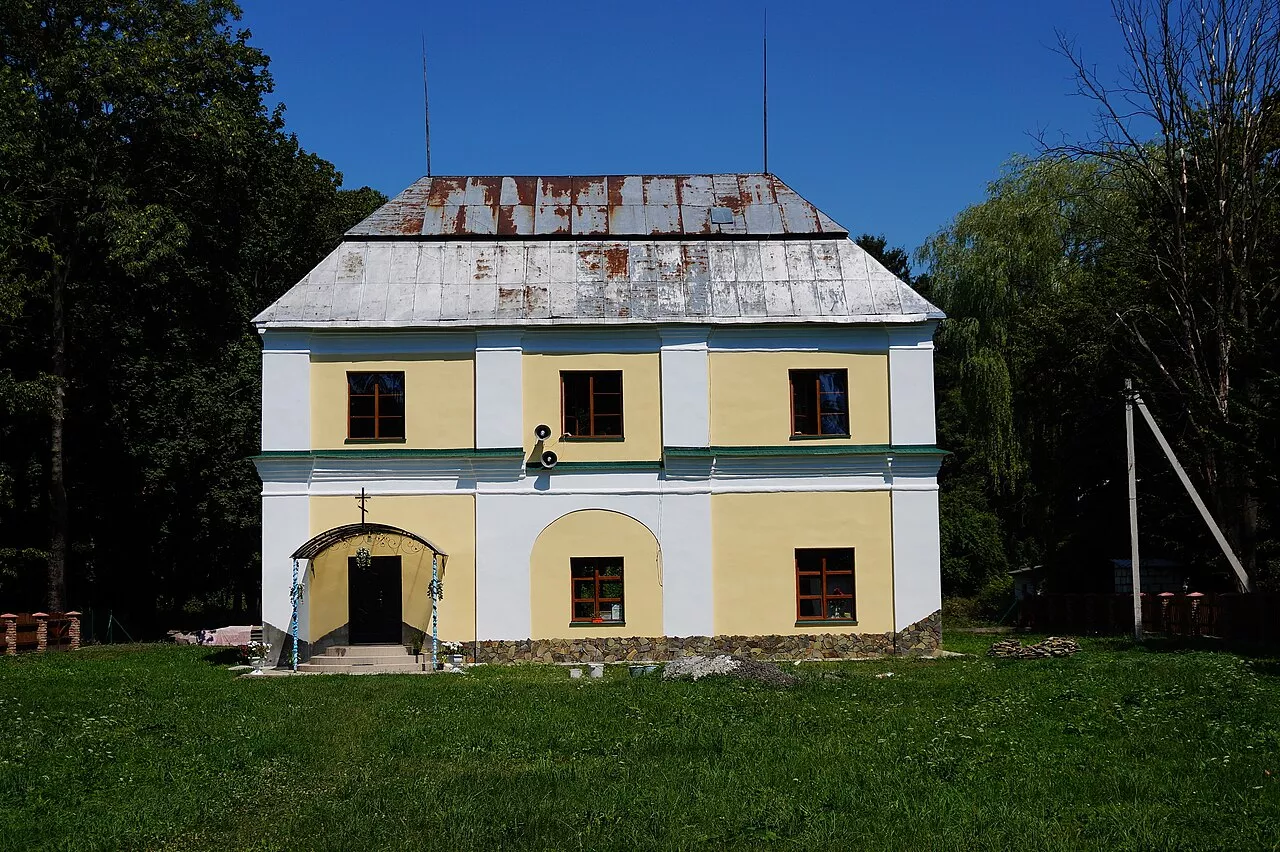
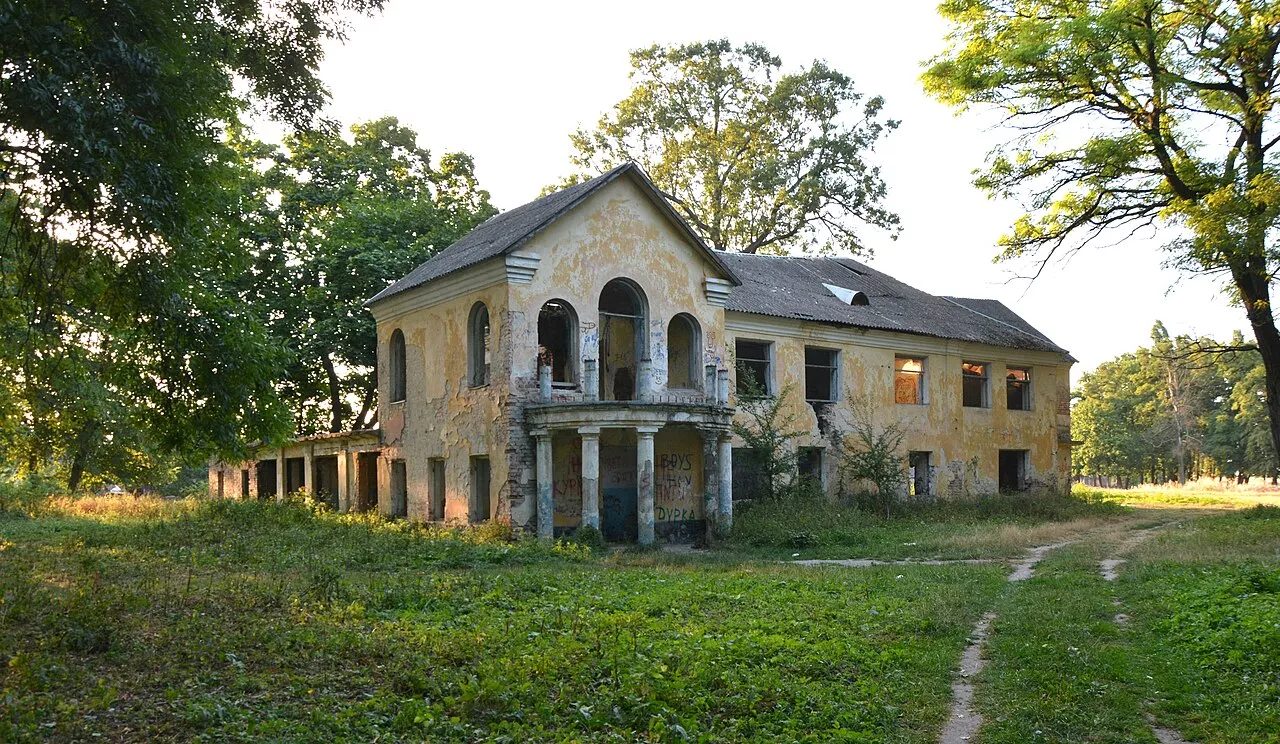
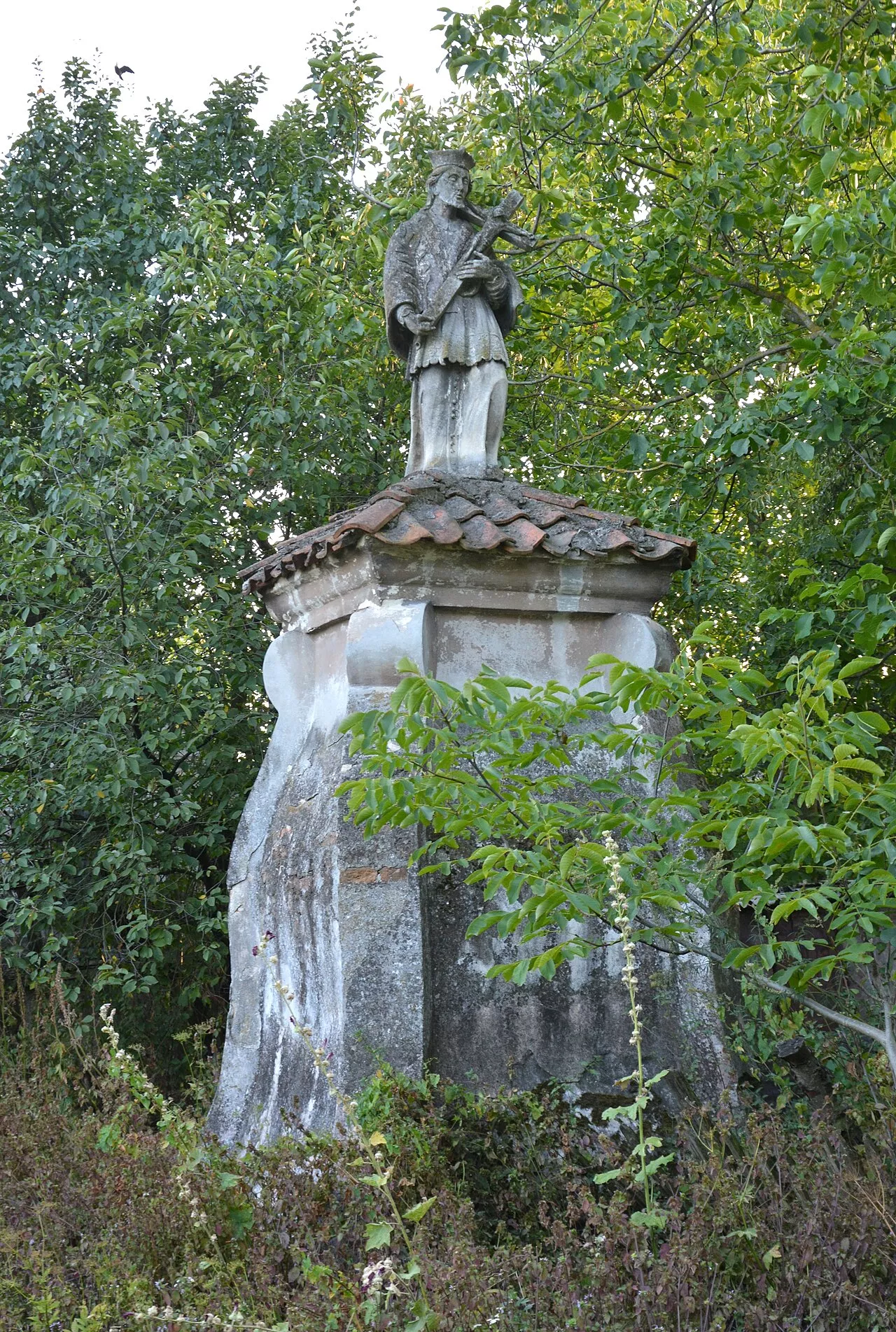
In the first half of the 18th century, the Vilha-Yeruzalsky palace arose in the middle of the park, featuring the Vilha coat of arms on the pediment. Its exterior resembled the Czartoryski Palace in Lublin. In the middle of the 19th century, the palace burned down, leaving only an earthen mound behind. The park contained an area fenced off with palisades where wild animals roamed freely, so it was long called the menagerie. Reminding visitors of its former luxury are a stone tower — the entrance gate — and a two-story 19th-century building. Near the gate stand figures of saints that once decorated the market square.
St. George's Church
In 1783, Ludwik Vilha built St. George's Church in Holoby with a wooden bell tower. That same year, he added two chapels to the church.
The Railway and the 20th Century
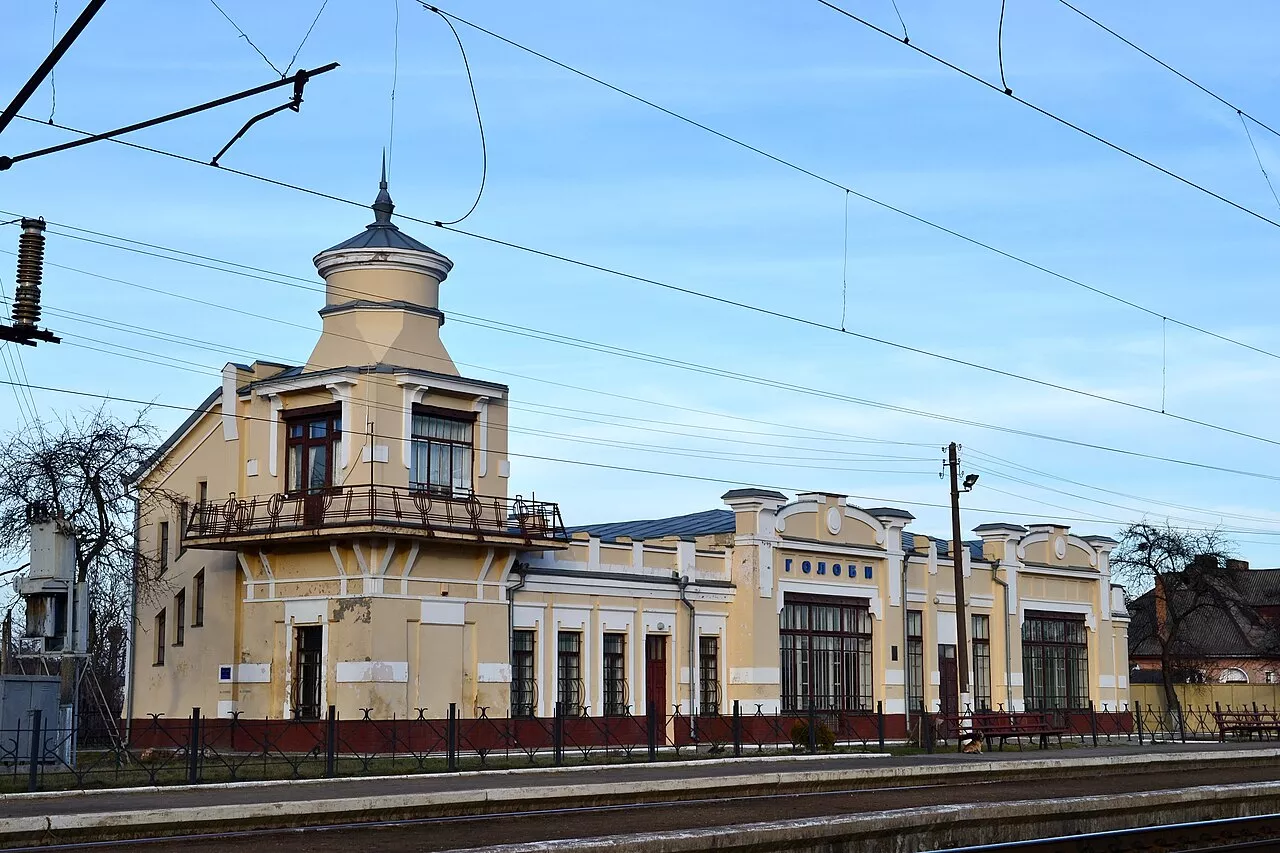
In 1871, a railway was laid through Holoby, and the new road to Kovel cut the large pond in the park in half. The brick Holoby station building was constructed in 1903 and has survived to this day. In 1918, the 2nd Bluecoat Division of the UPR Army was formed in Holoby. During World War II, the Nazis destroyed the Jewish community of Holoby and Melnytsia. Today, a local history museum operates in the urban-type settlement.
Holoby on Video
When to Go
Holoby is convenient to explore on the way from Lutsk to Kovel: the church, the gate, and the station are within a few minutes' walk of each other.
Nearby
Kovel is half an hour to the north, and Lutsk is to the south. More can be found in the article Kovel Raion.
How to Get There
Holoby lies on the M19 highway Lutsk — Kovel and on the Kovel — Kivertsi railway. Buses and commuter trains run frequently.