
Sosnowsky's hogweed in Polissia
Heracleum sosnowskyi
Caution: its sap causes severe skin burns in sunlight
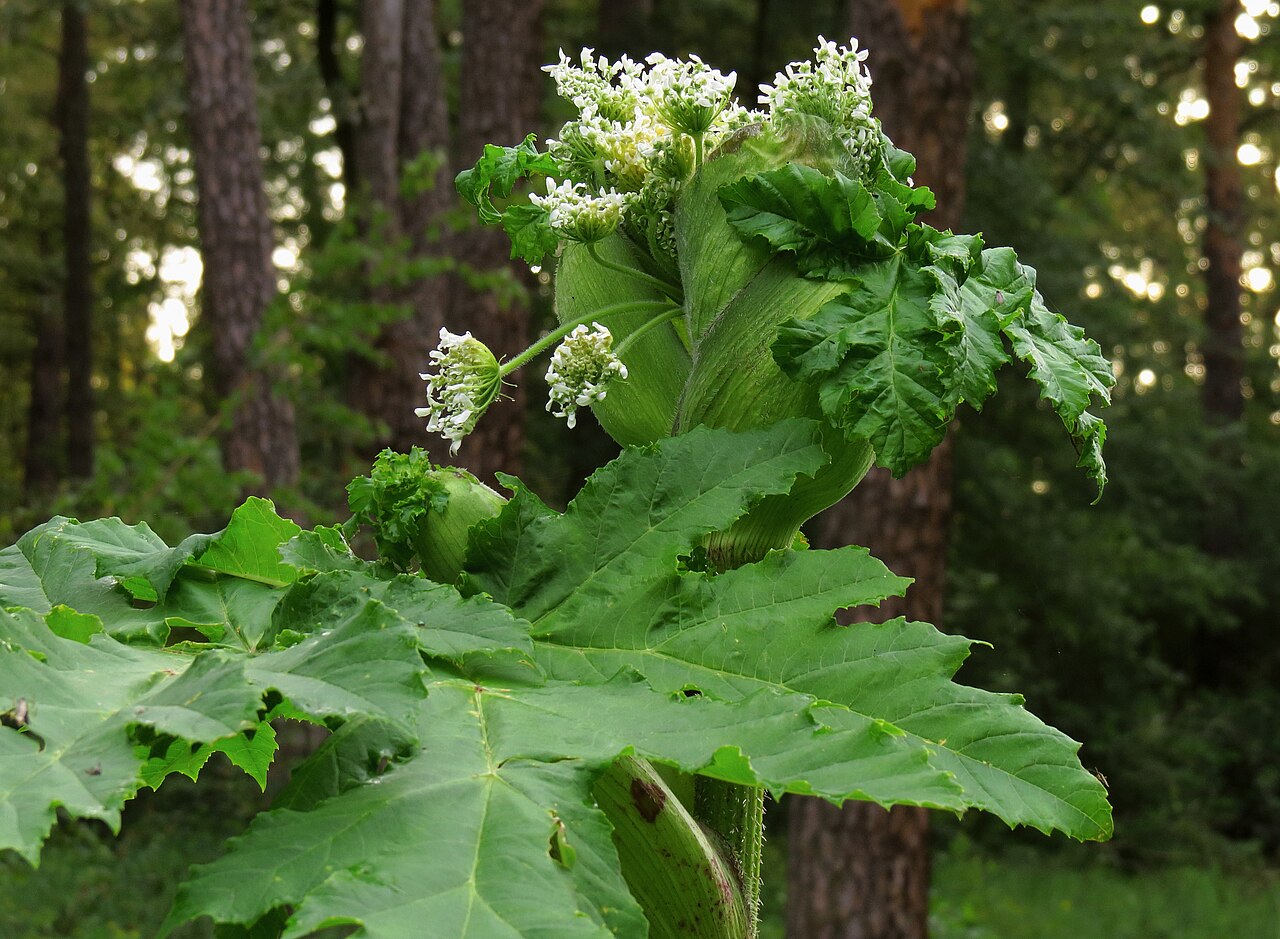
Sosnowsky's hogweed is a giant plant up to three metres tall or more. The stem is thick, hollow and ribbed, with purple blotches. The leaves are huge and deeply divided. In June–July it produces white umbels several tens of centimetres across.
The plant was brought from the Caucasus as a fodder crop, but it went wild and is now spreading aggressively across abandoned fields, roadsides, riverbanks and the outskirts of villages. In Polissia hogweed forms thickets, in particular in Chernihiv, Zhytomyr and Kyiv regions and in Volyn.
The sap contains substances that make the skin extremely sensitive to sunlight. After contact and exposure to the sun, redness and blisters like those from a burn appear within a few hours. The marks can remain for months.
Do not touch the plant, do not break the stems and do not let children play with the hollow “pipes”. If sap gets on your skin, wash it immediately with soap and water and protect it from the sun for several days; if you get a burn, see a doctor. Thickets should only be removed wearing protective clothing and gloves.
When to see: May–August; flowers in June–July
Where it was seen in Polissia
Observations from the open scientific database GBIF since 1990.
More in “Plants”
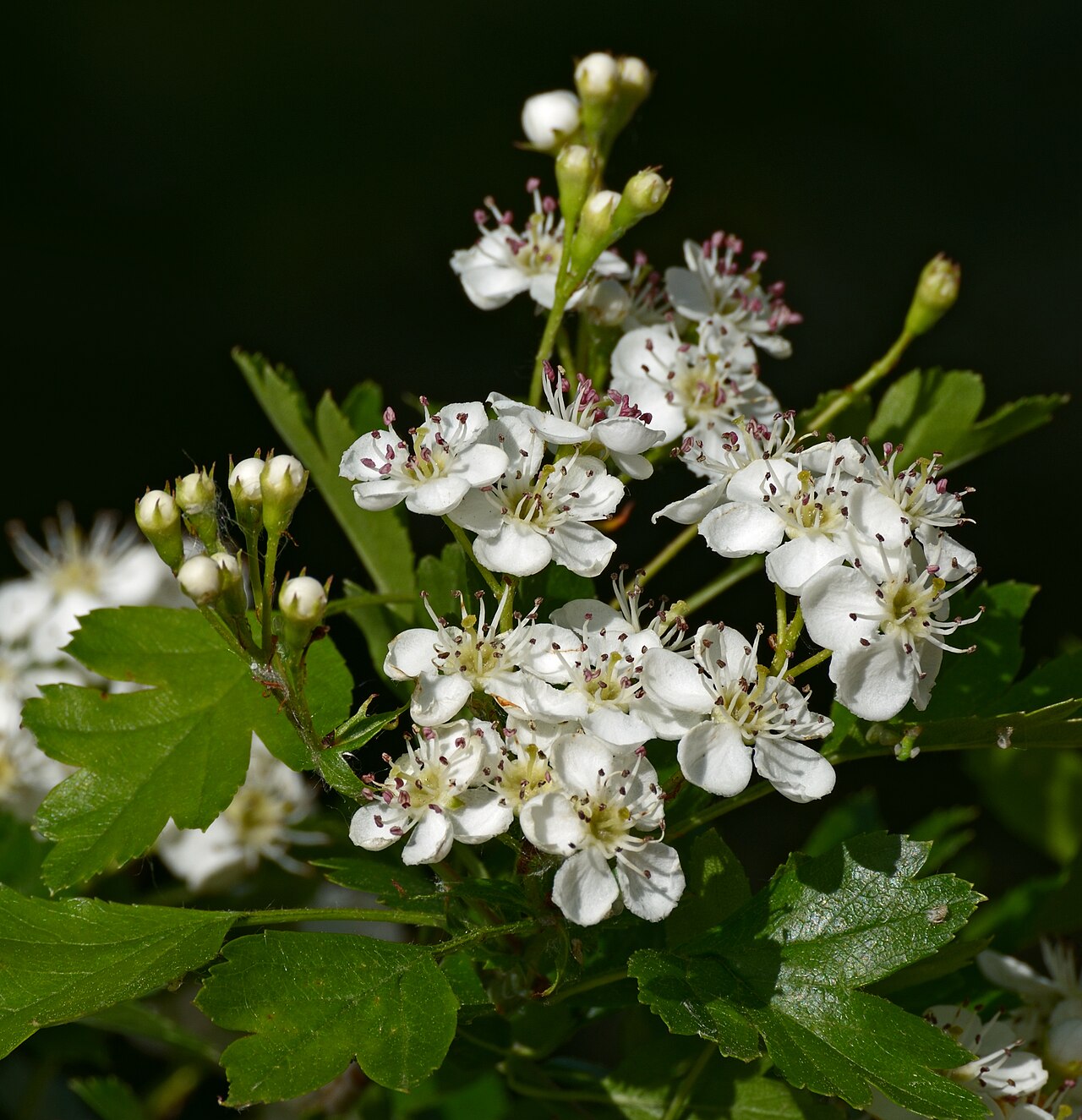 Common hawthorn
A thorny shrub of Polissia's forest edges and hedgerows with white flowers in spring and red fruit in autumn.
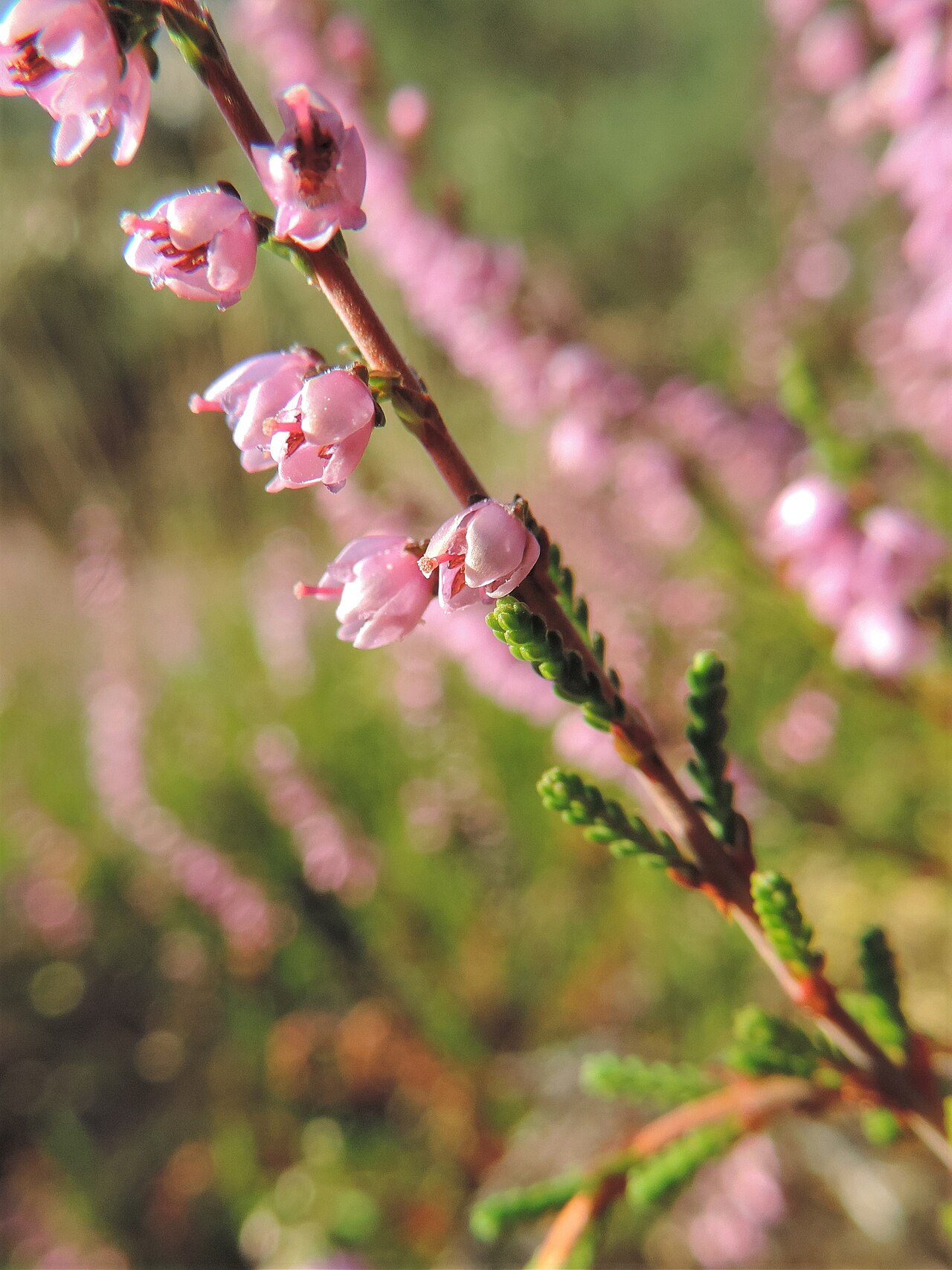 Heather
A low shrub that at the end of summer colours Polissia's pine forests and heaths lilac.
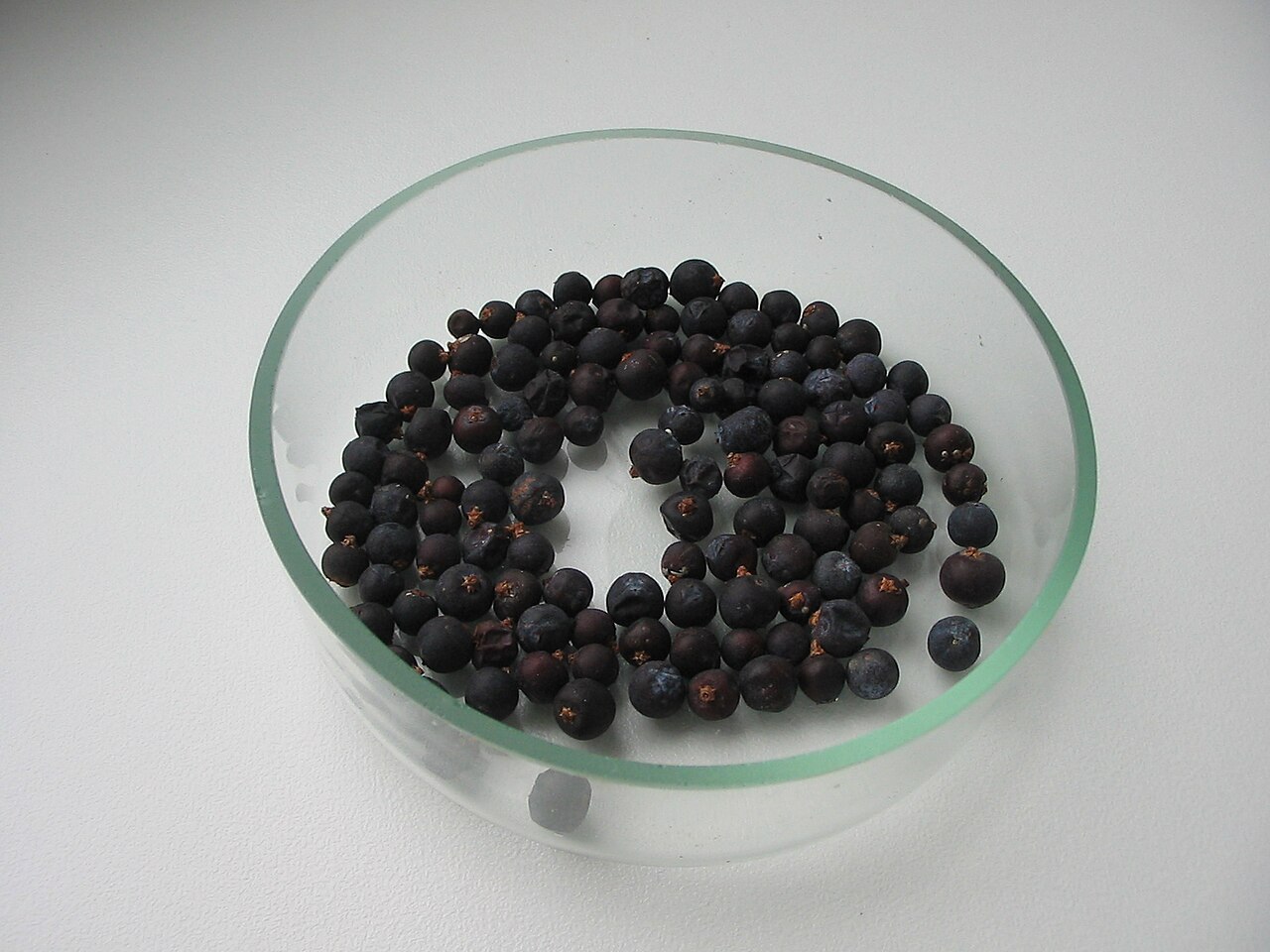 Common juniper
A coniferous shrub of Polissia's pine forests with prickly needles and blue “berries” (berry-like cones).
 Silver birch
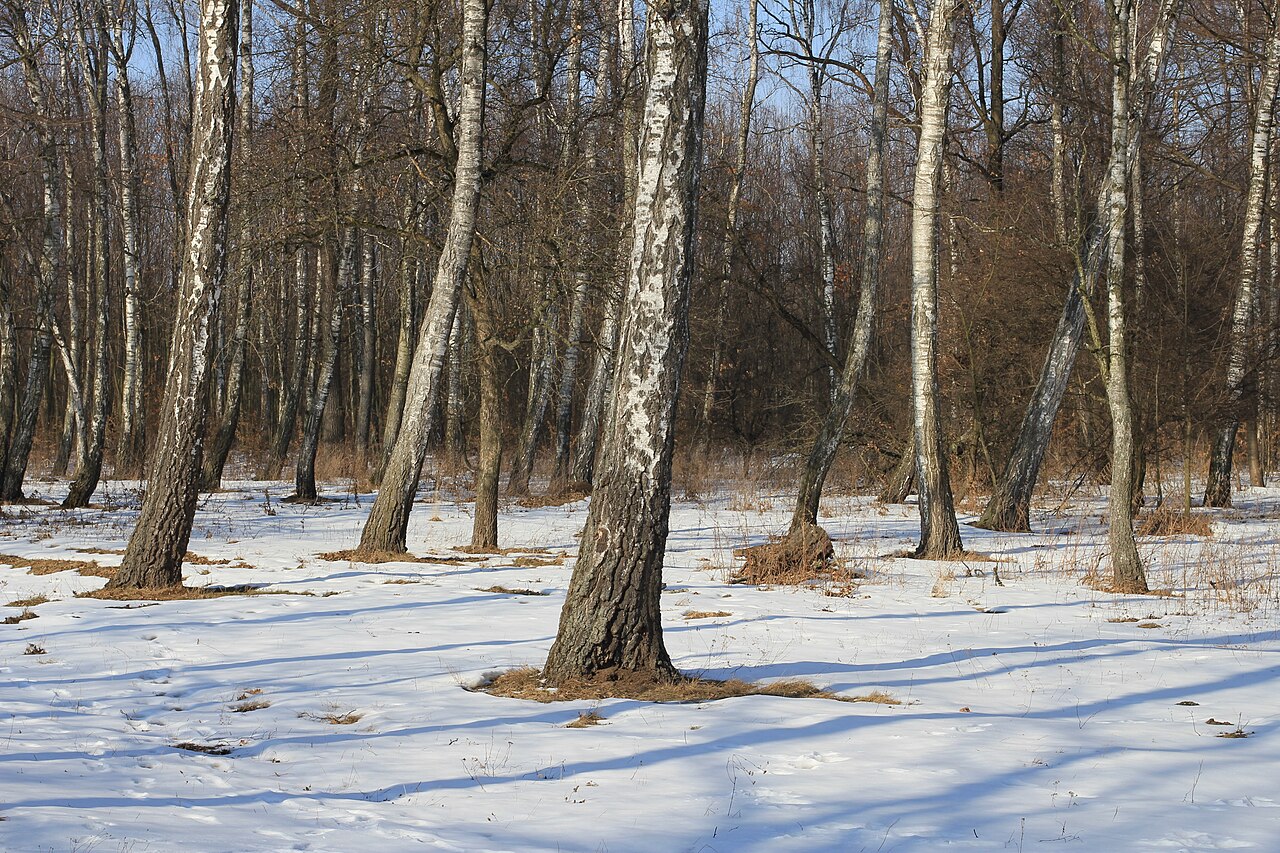
One of the most widespread trees of Polissia: it colonises clearings and abandoned fields and forms light birch groves.