
Animals and plants of Polissia
Moose and lynx in the Polissian forests, cranes and black storks in the marshes, cranberries and marsh tea on the peat bogs — 64 species travellers meet most often in the Volyn, Rivne, Zhytomyr, northern Kyiv, Chernihiv and Sumy regions. How to recognise them, where and when to see them, what the Red Data Book of Ukraine protects and what to beware of.
Red Data Book protected species: do not catch, pick or disturb. Caution poisonous or dangerous.
Mammals
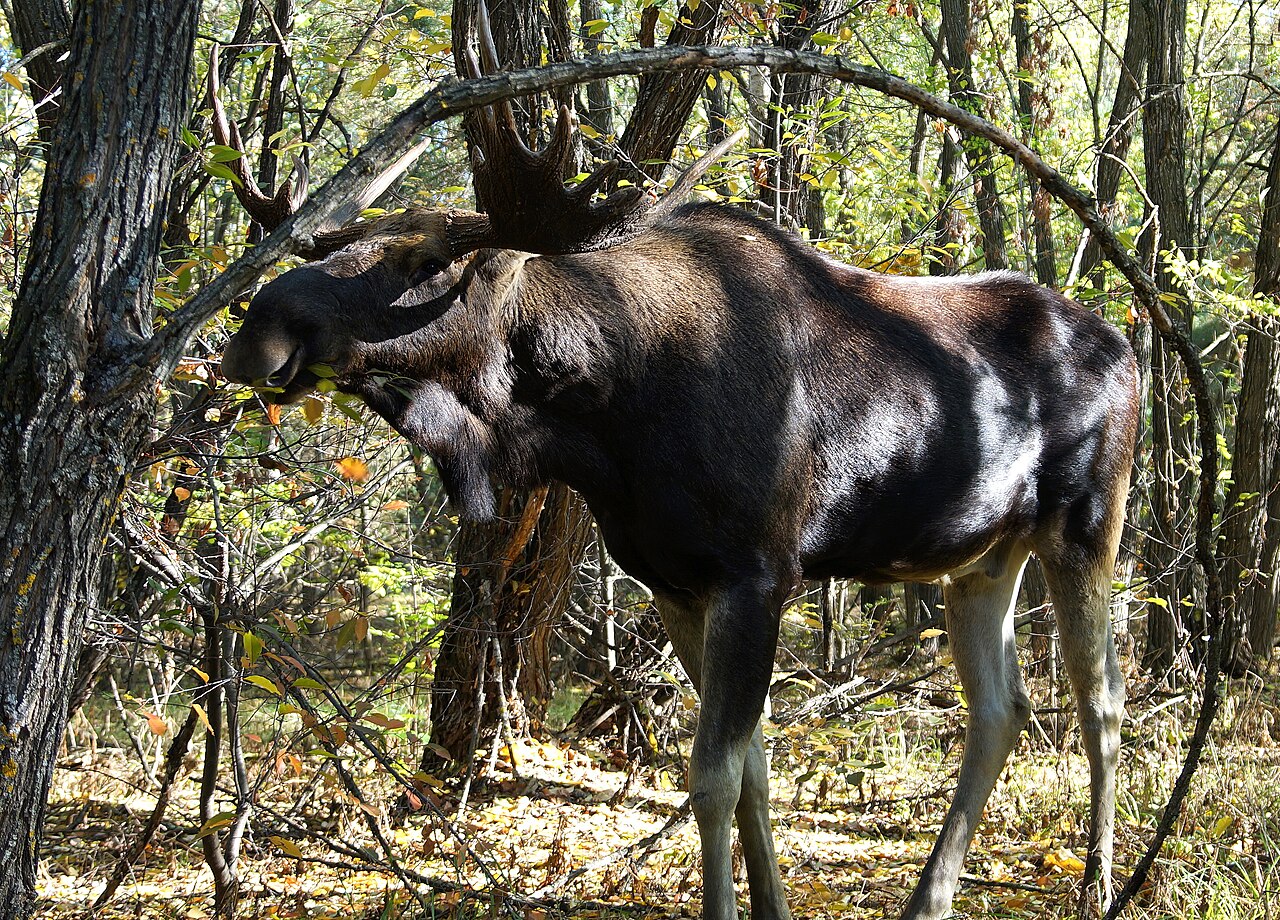 Moose
Red Data Book Europe's largest deer, a common resident of Polissia's bogs, alder woods and young pine forests.
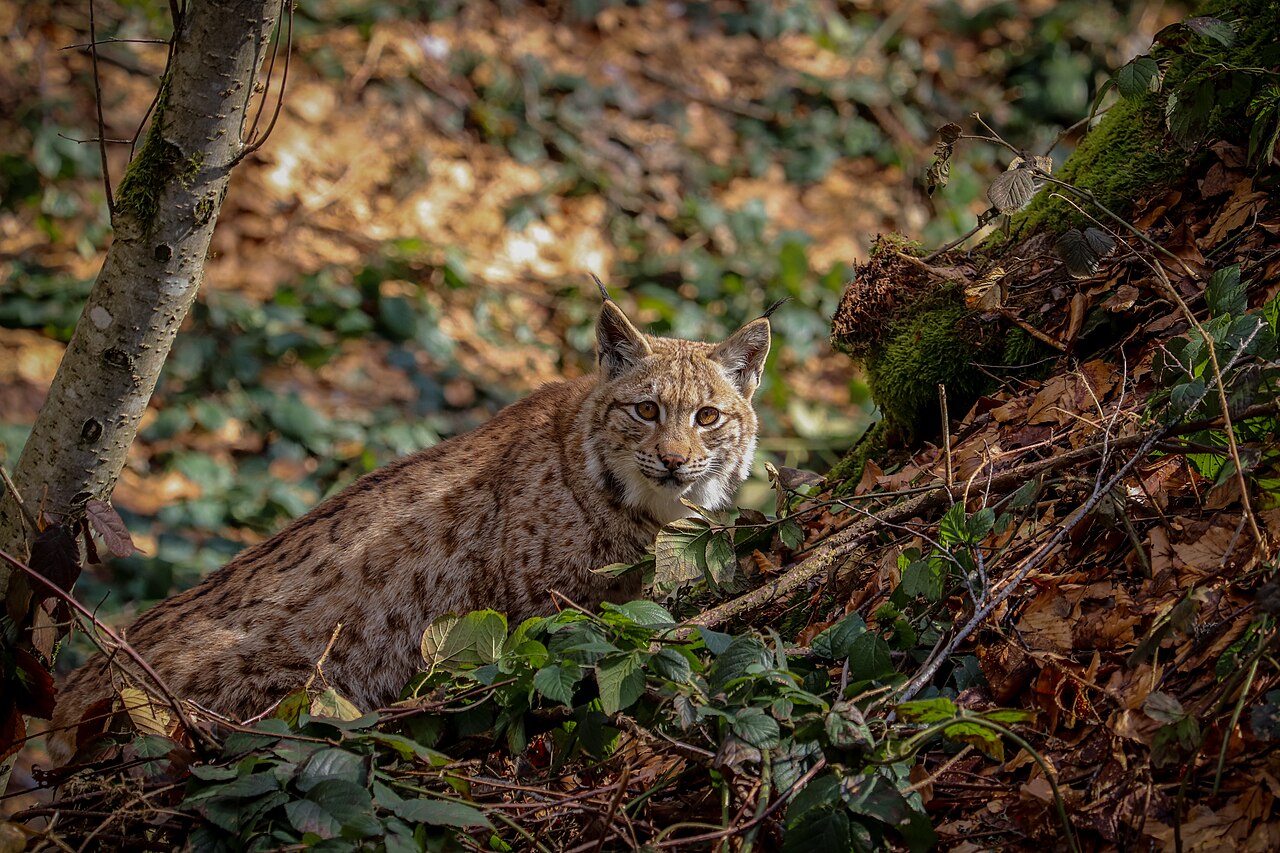 Eurasian lynx
Red Data Book Polissia's only large wild cat: a secretive predator of remote forests, found far more often by its tracks than seen.
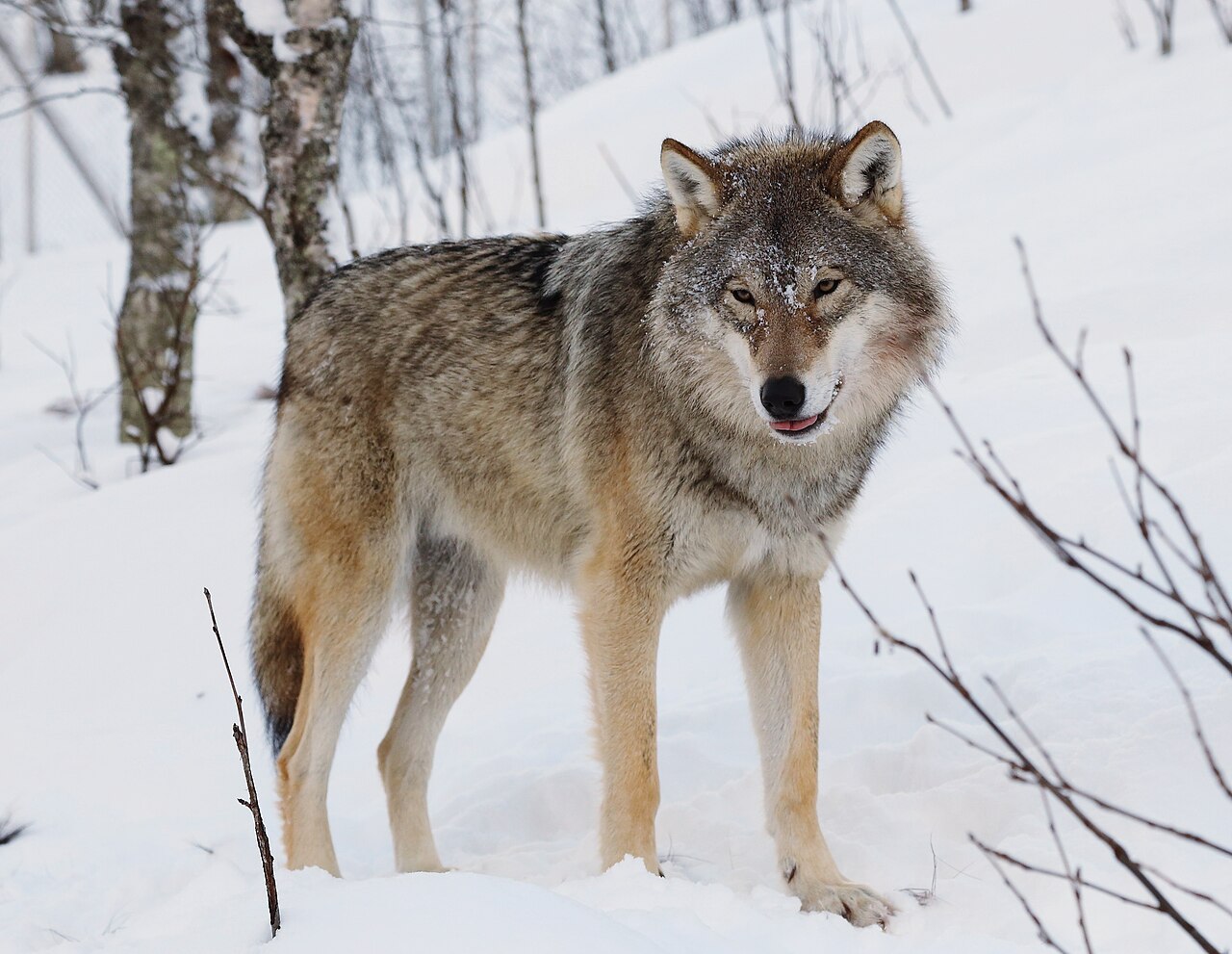 Grey wolf
Caution The top predator of Polissia's forests and bogs, keeping numbers of wild boar, roe deer and red deer in check.
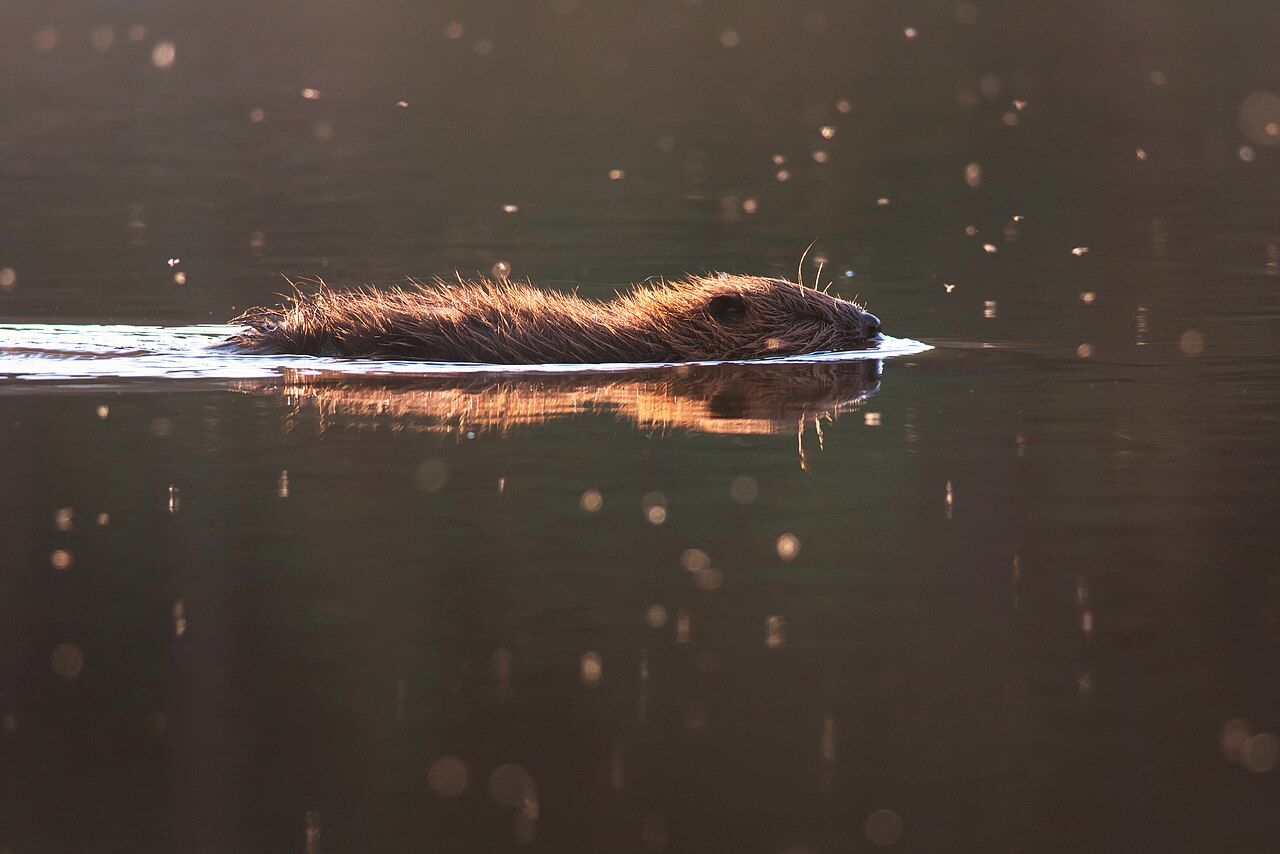 Eurasian beaver
The natural engineer of Polissia's rivers: its dams and lodges reshape floodplains and create new ponds.
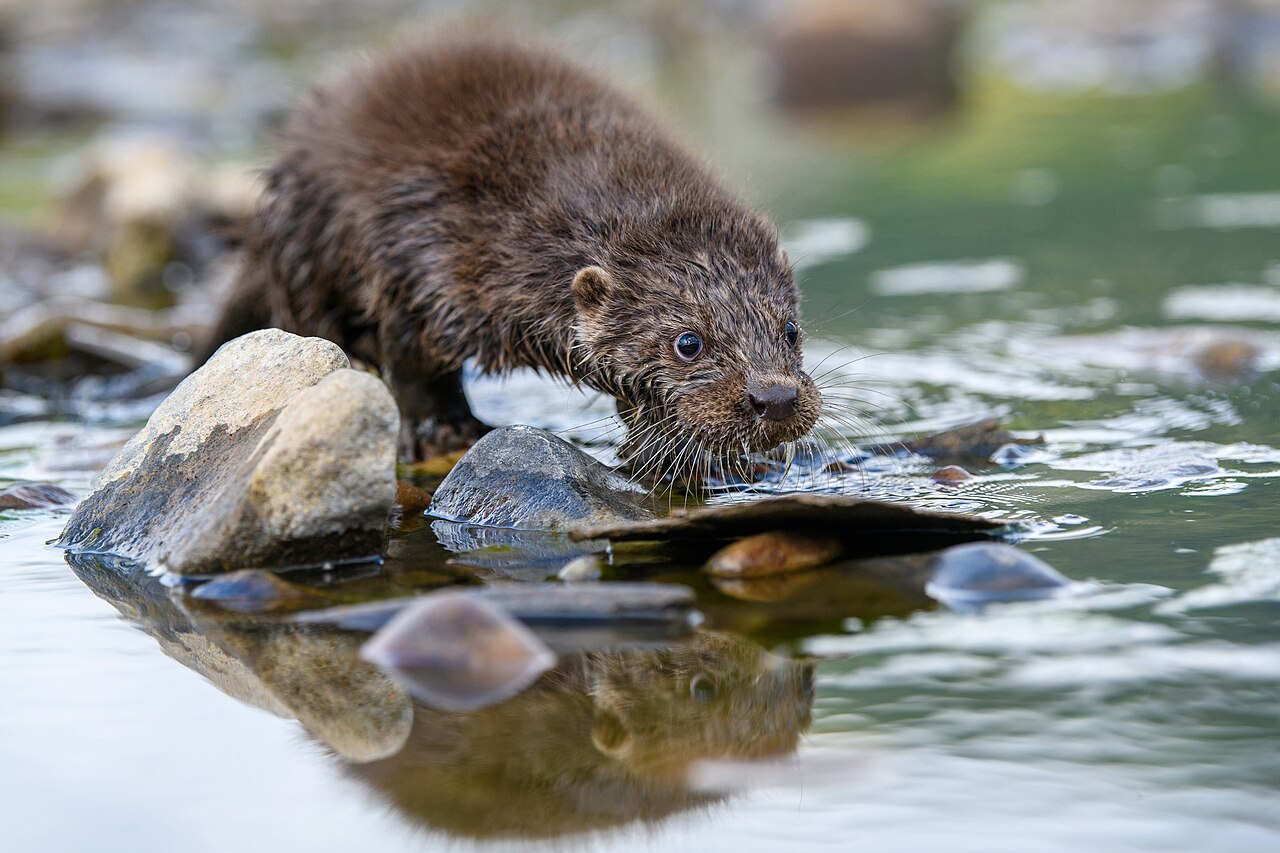 Eurasian otter
Red Data Book An agile semi-aquatic predator of the weasel family that lives on the clean rivers and lakes of Polissia.
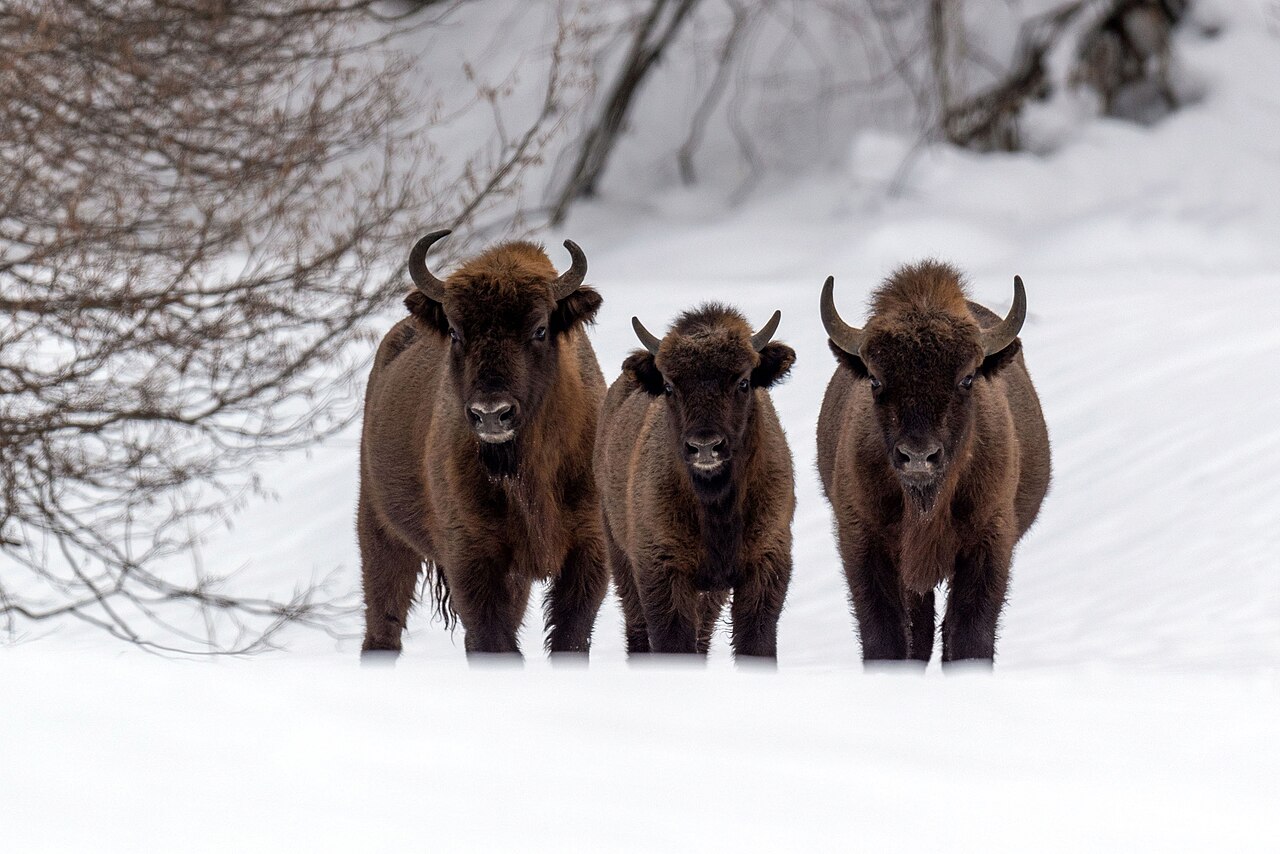 European bison
Red Data Book Europe's largest land mammal. In Polissia it lives in the Tsuman Forest, the Zubr reserve and Zalissia National Park, and enters the Chornobyl zone.
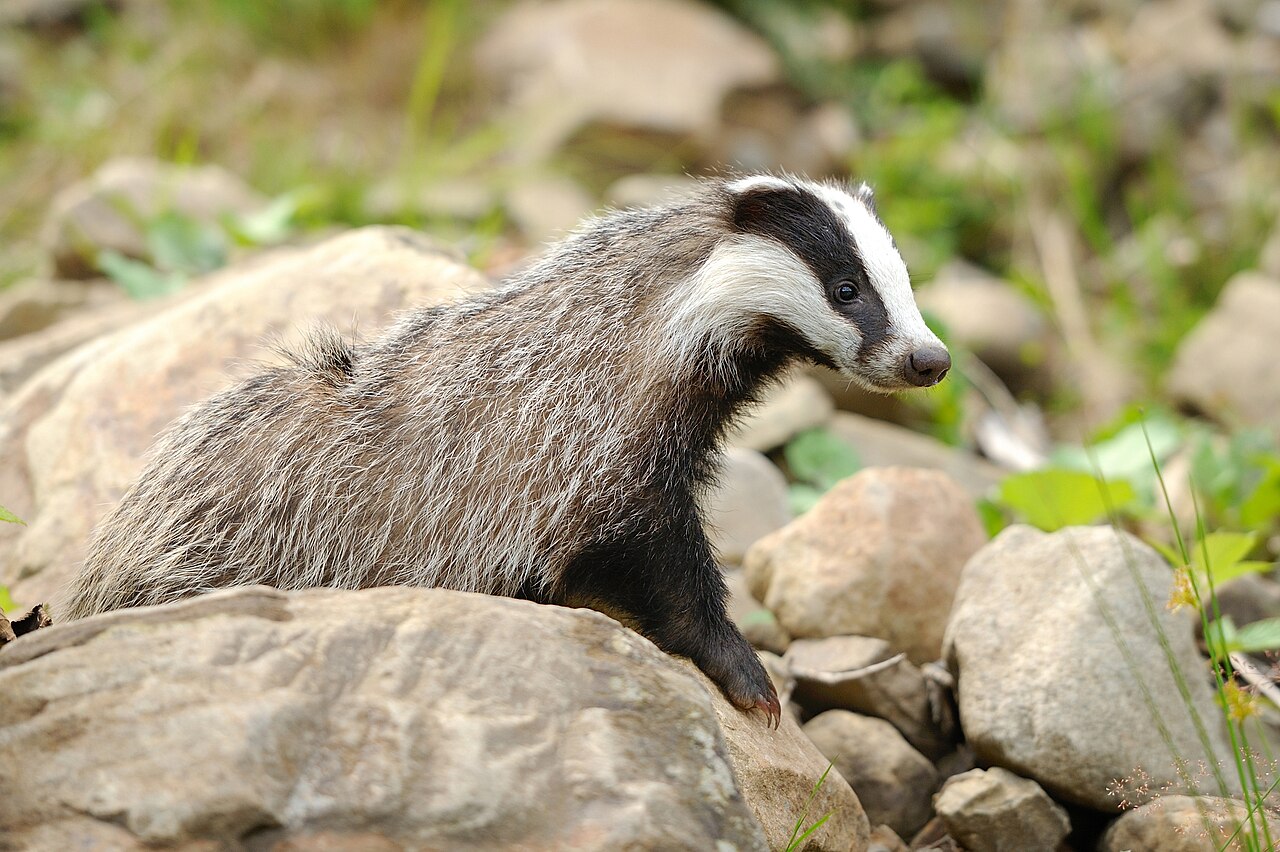 European badger
A nocturnal dweller of Polissia's pine and mixed forests, known for multi-entrance setts that are several decades old.
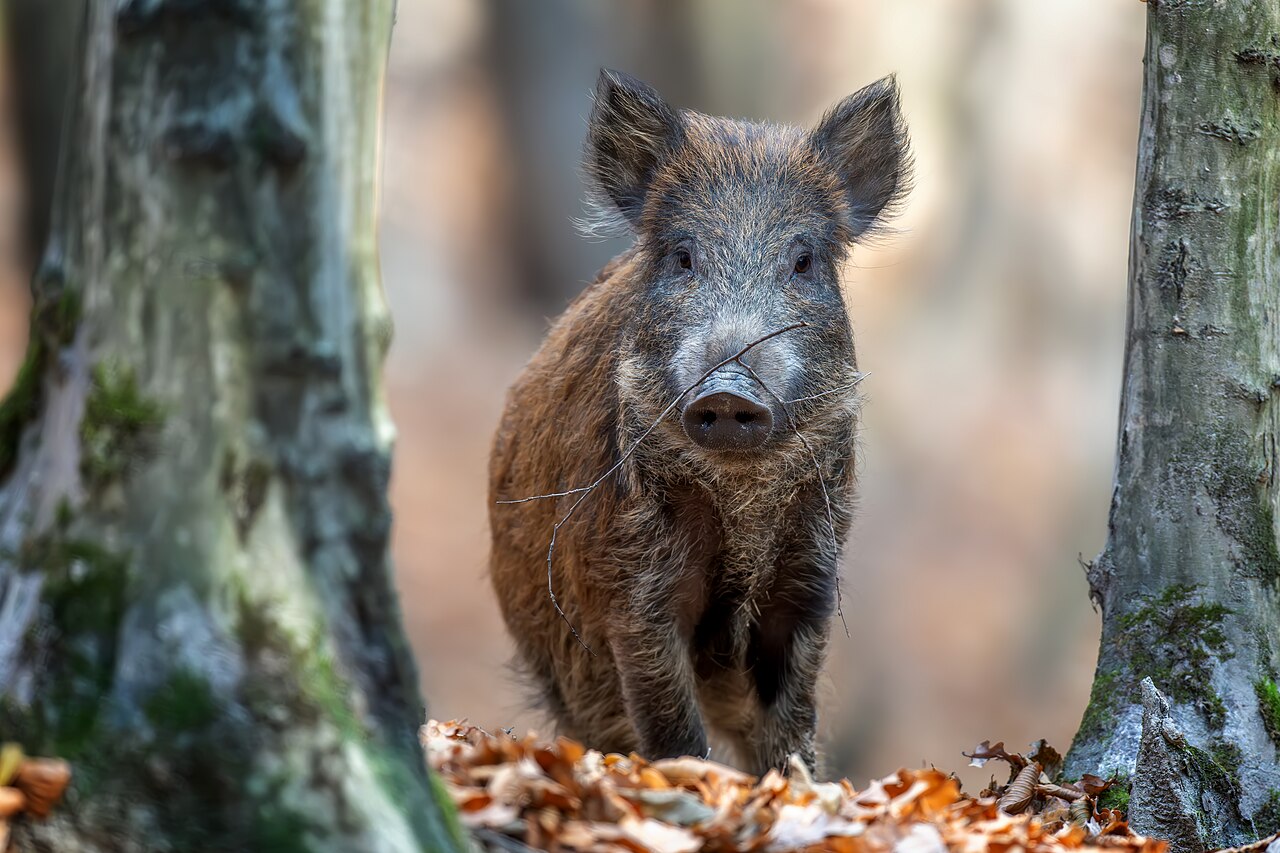 Wild boar
Caution The wild pig of Polissia's forests and floodplains, whose signs – rooted-up earth and mud wallows – are found almost everywhere.
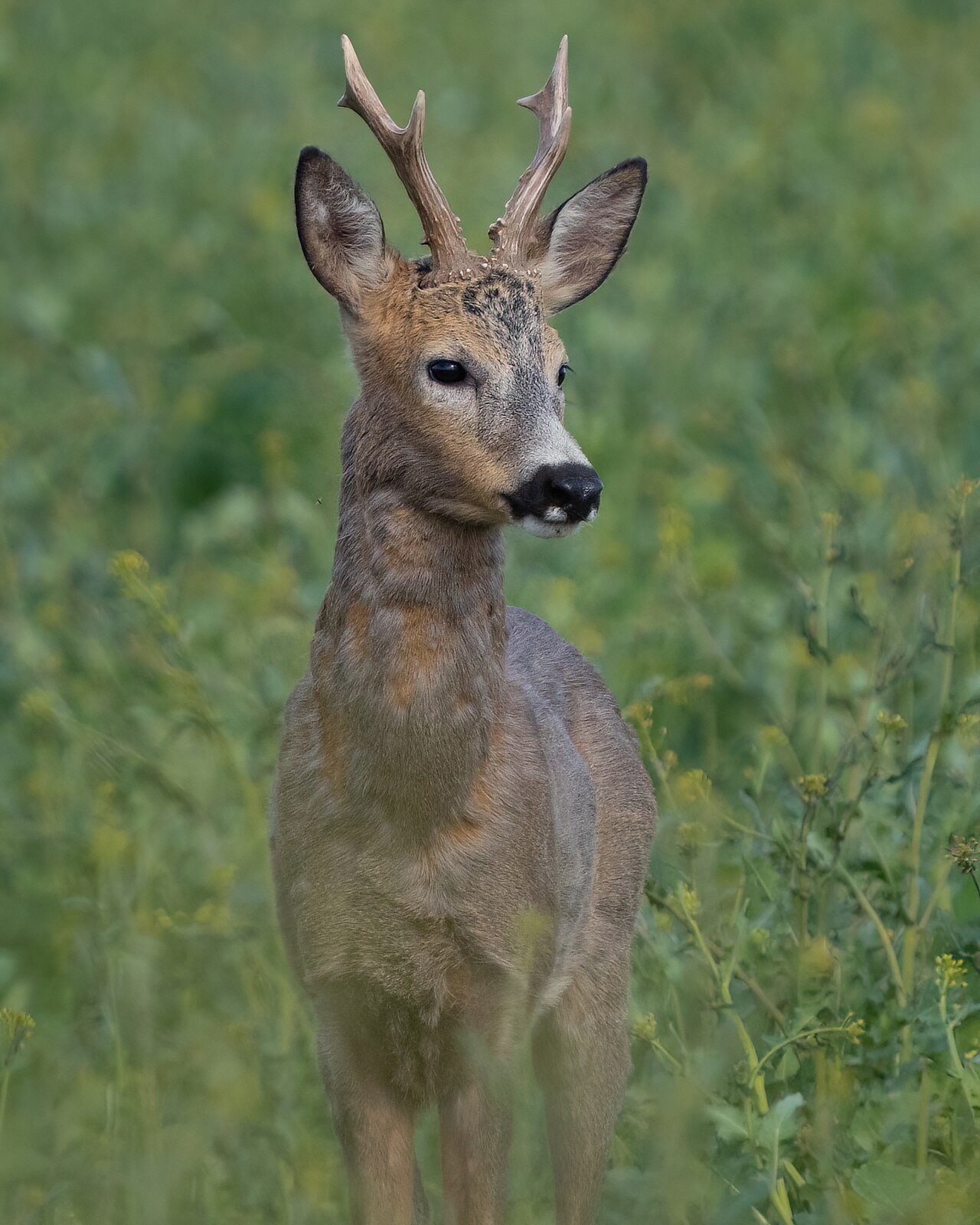 Roe deer
A small, graceful deer of Polissia's forest edges and fields, most easily met at dawn on the edge of the woods.
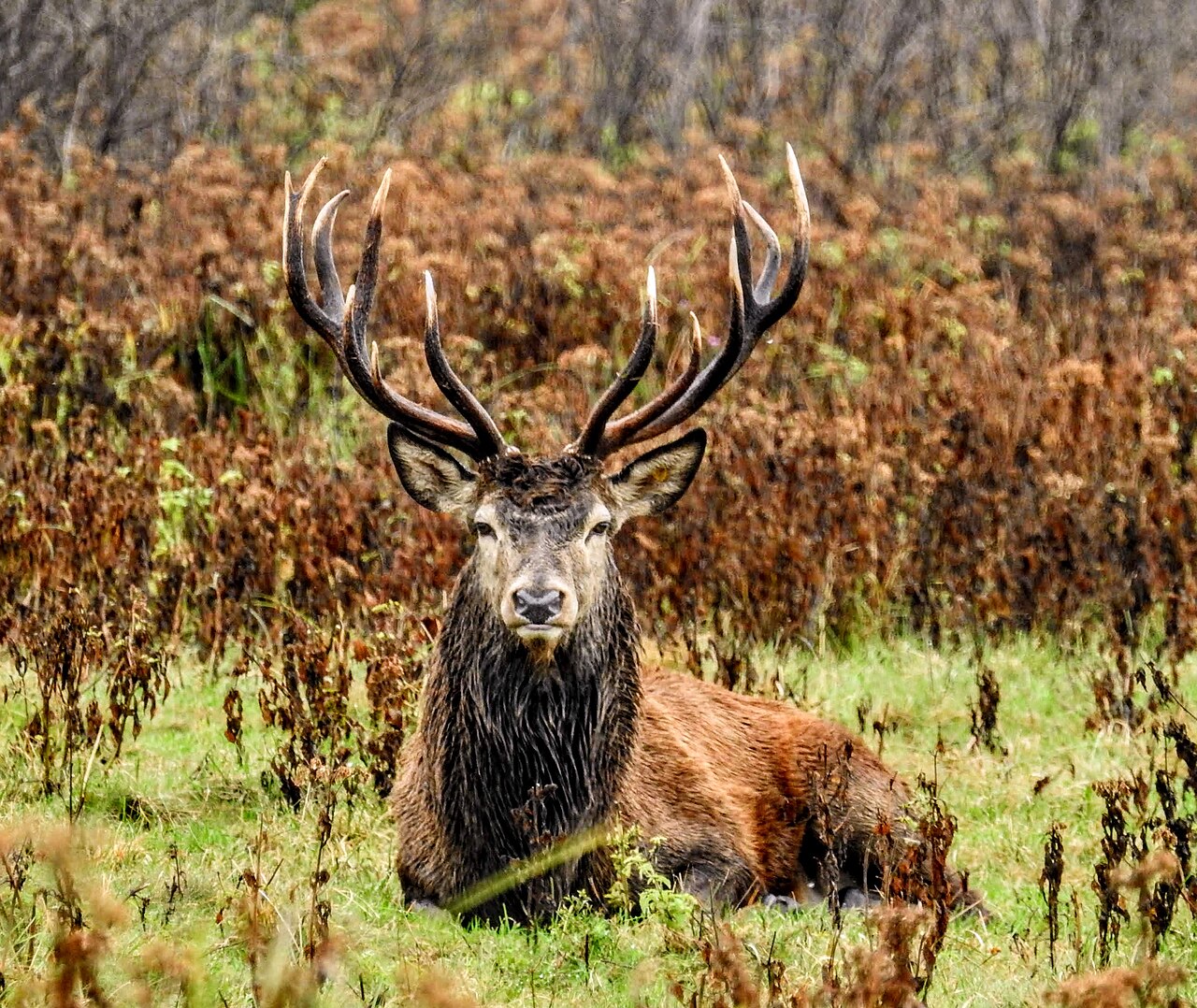 Red deer
Caution A large deer with spreading antlers, whose autumn roaring is one of the most striking events of the Polissia forest.
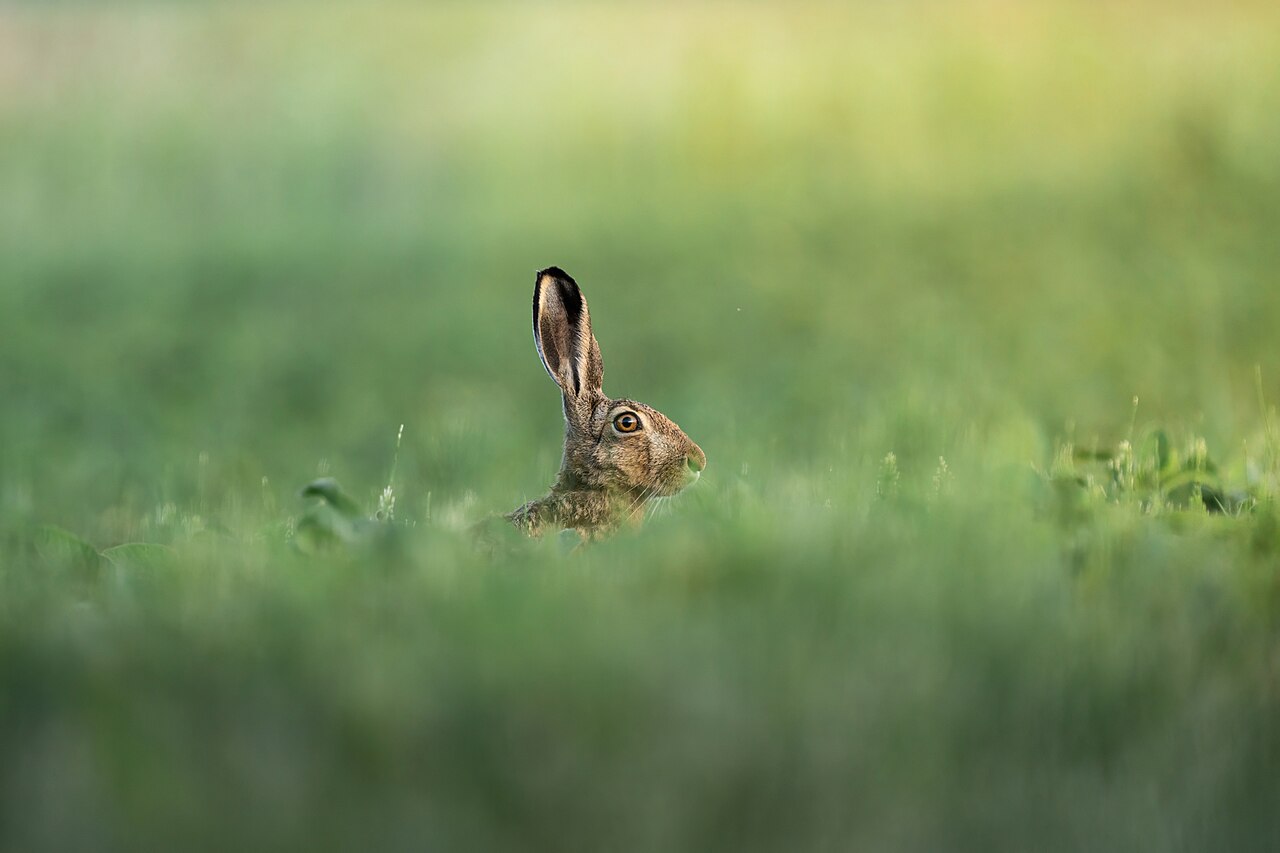 European hare
A common inhabitant of Polissia's fields, meadows and forest edges that does not change colour in winter.
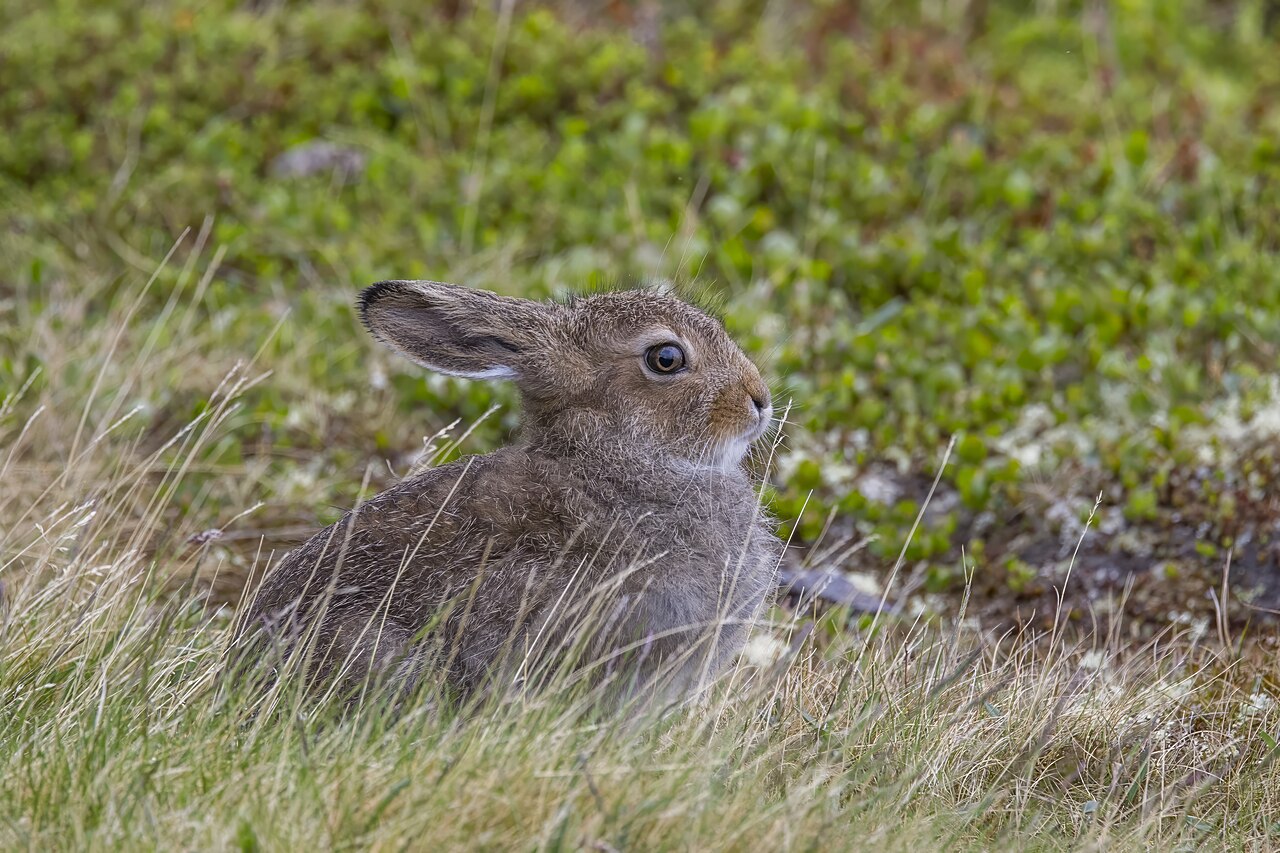 Mountain hare
Red Data Book A northern hare that turns white in winter; in Ukraine it occurs only in Polissia.
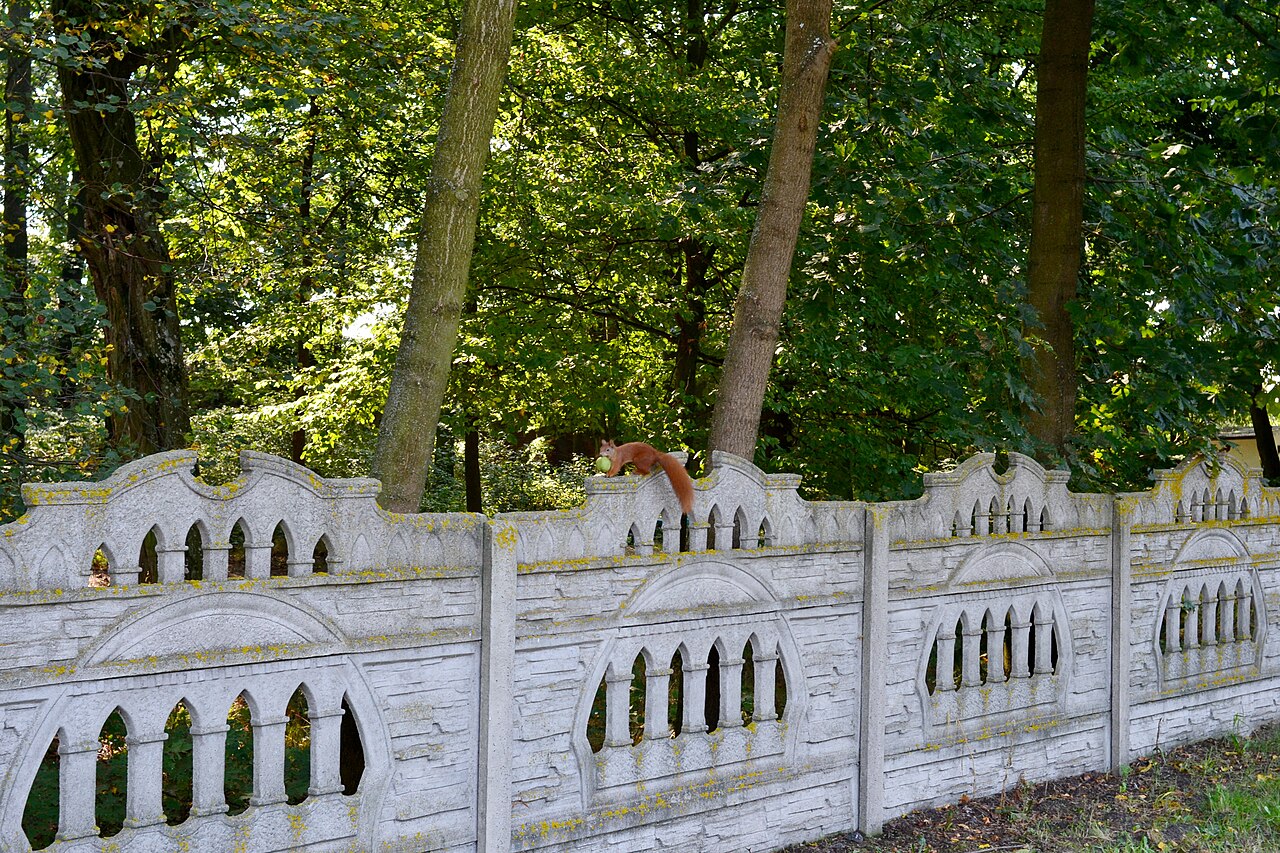 Red squirrel
The red forest squirrel, common in Polissia's pine forests; easy to spot by its gnawed cones.
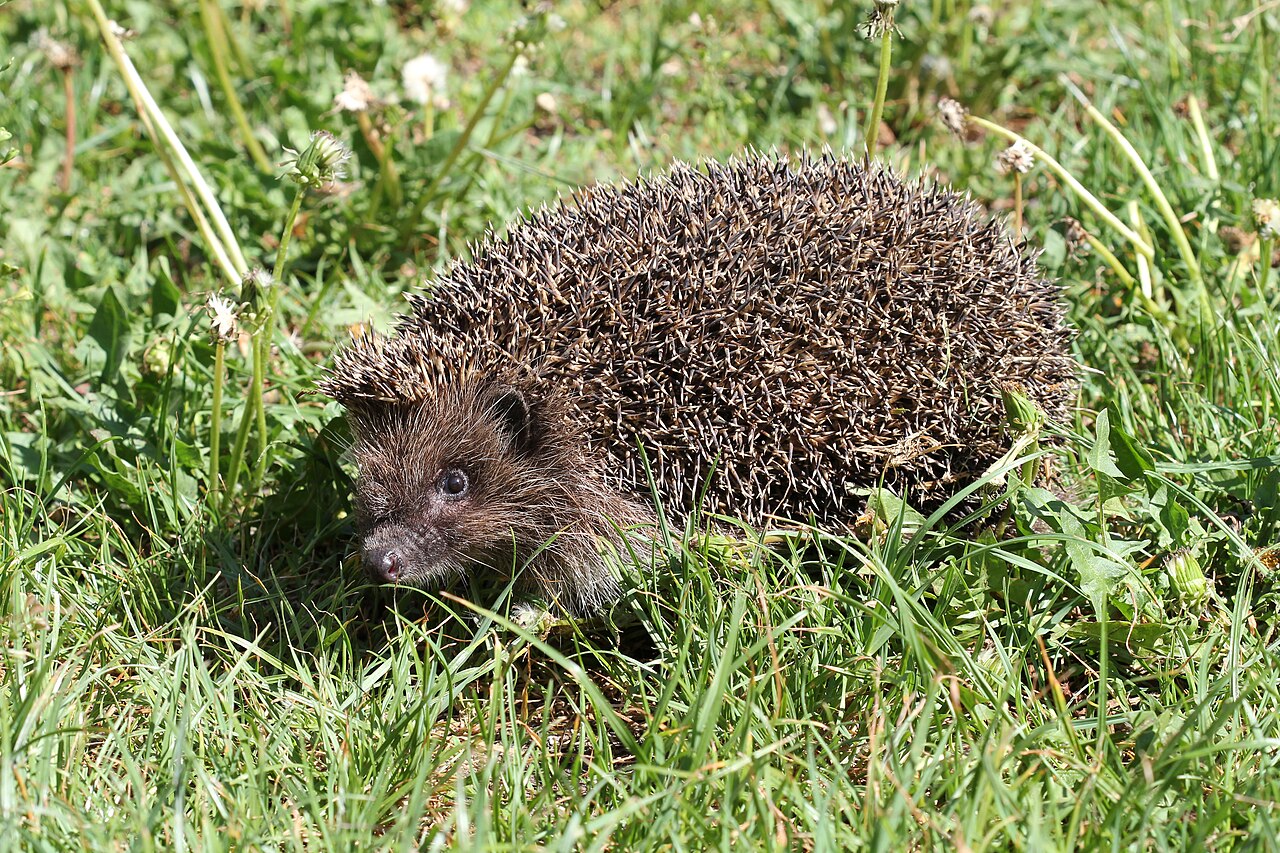 Northern white-breasted hedgehog
Caution A nocturnal dweller of forest edges, gardens and villages in Polissia that hibernates in winter.
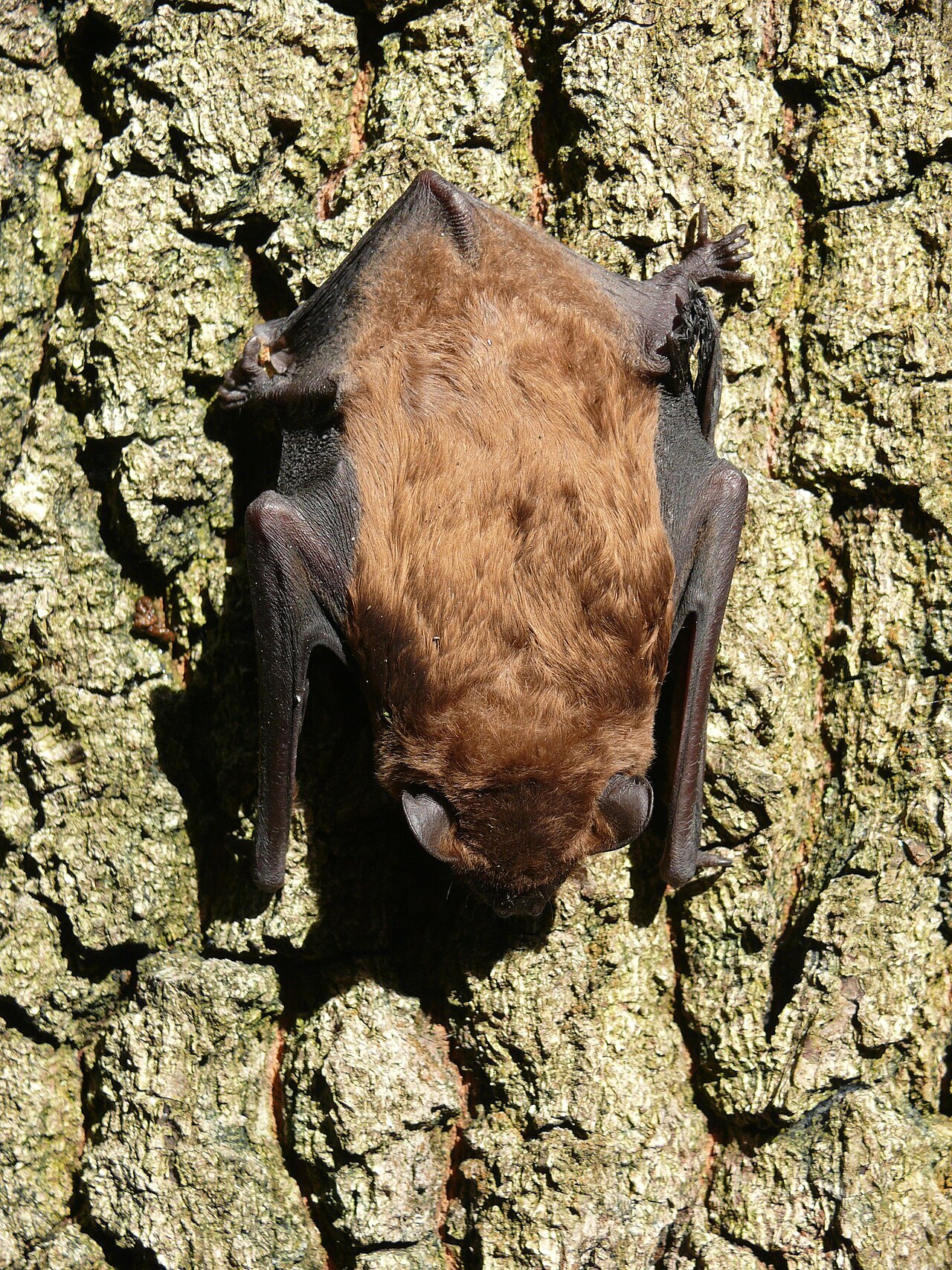 Common noctule
Red Data BookCaution A large bat that sets out to hunt while it is still light and lives in hollows of old trees.
Birds
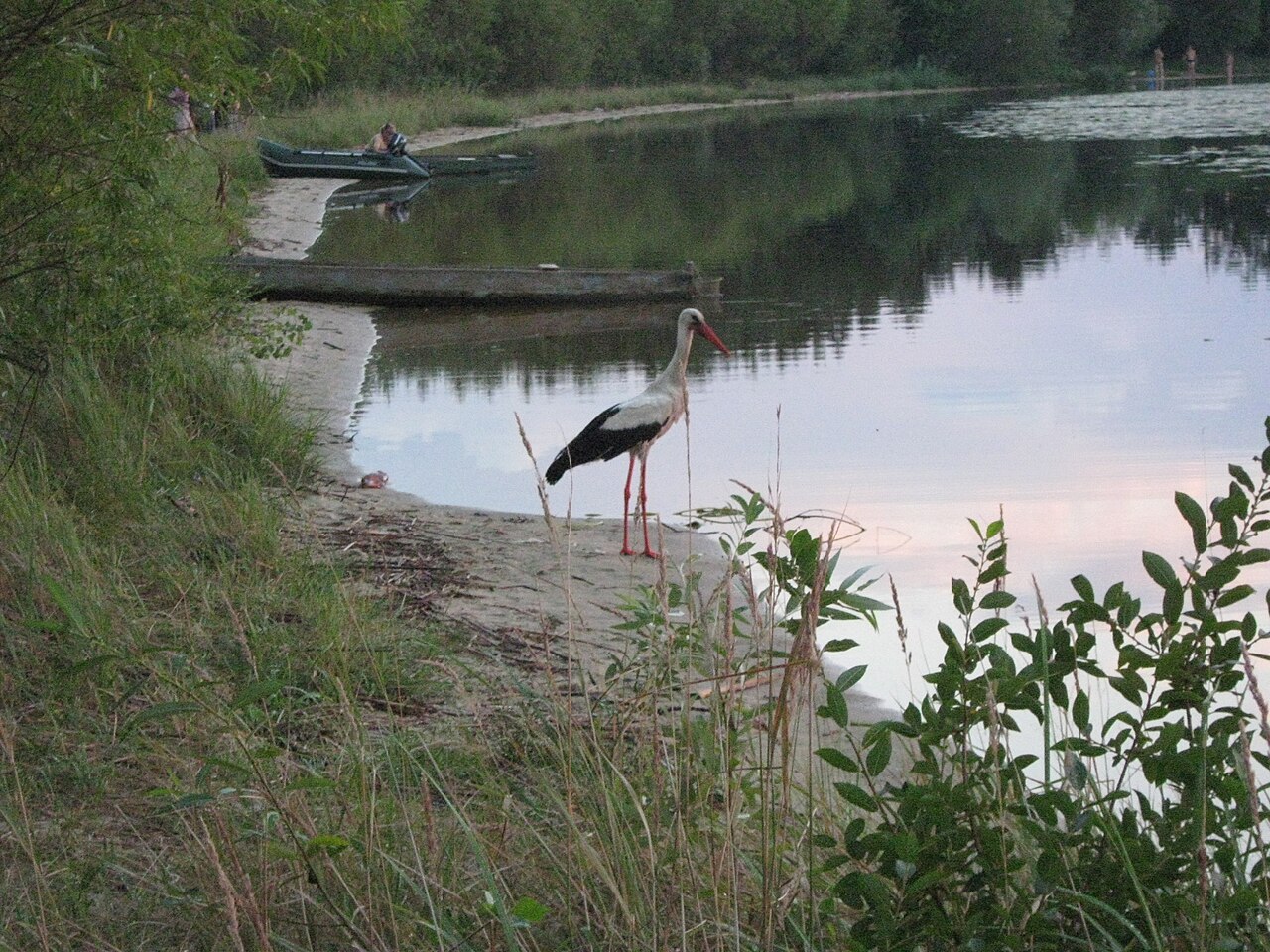 White stork
The symbol of the Polissia village: white stork nests on poles, trees and roofs are found in almost every settlement.
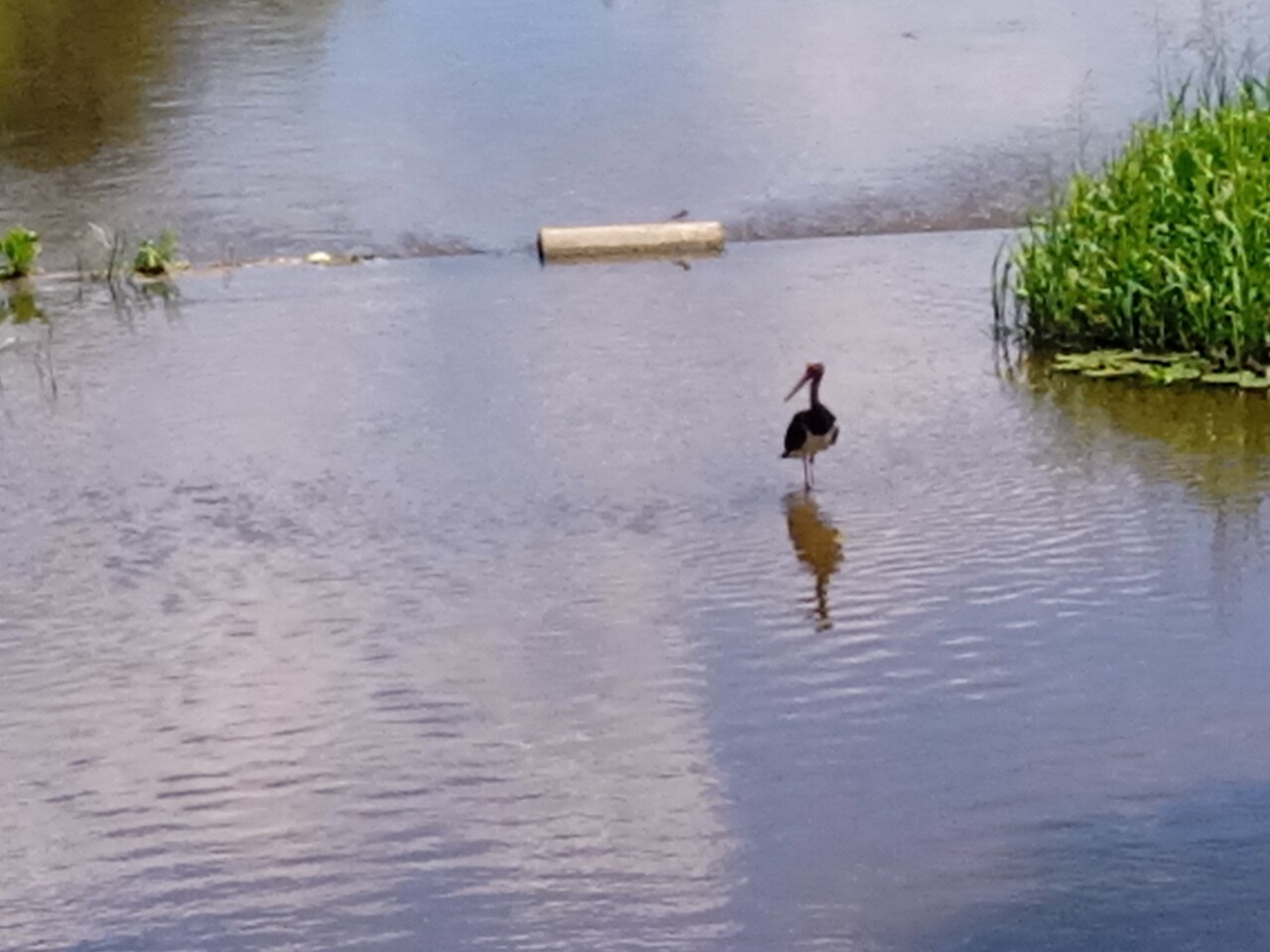 Black stork
Red Data Book A secretive relative of the white stork that nests in Polissia's remote old forests near bogs and forest rivers.
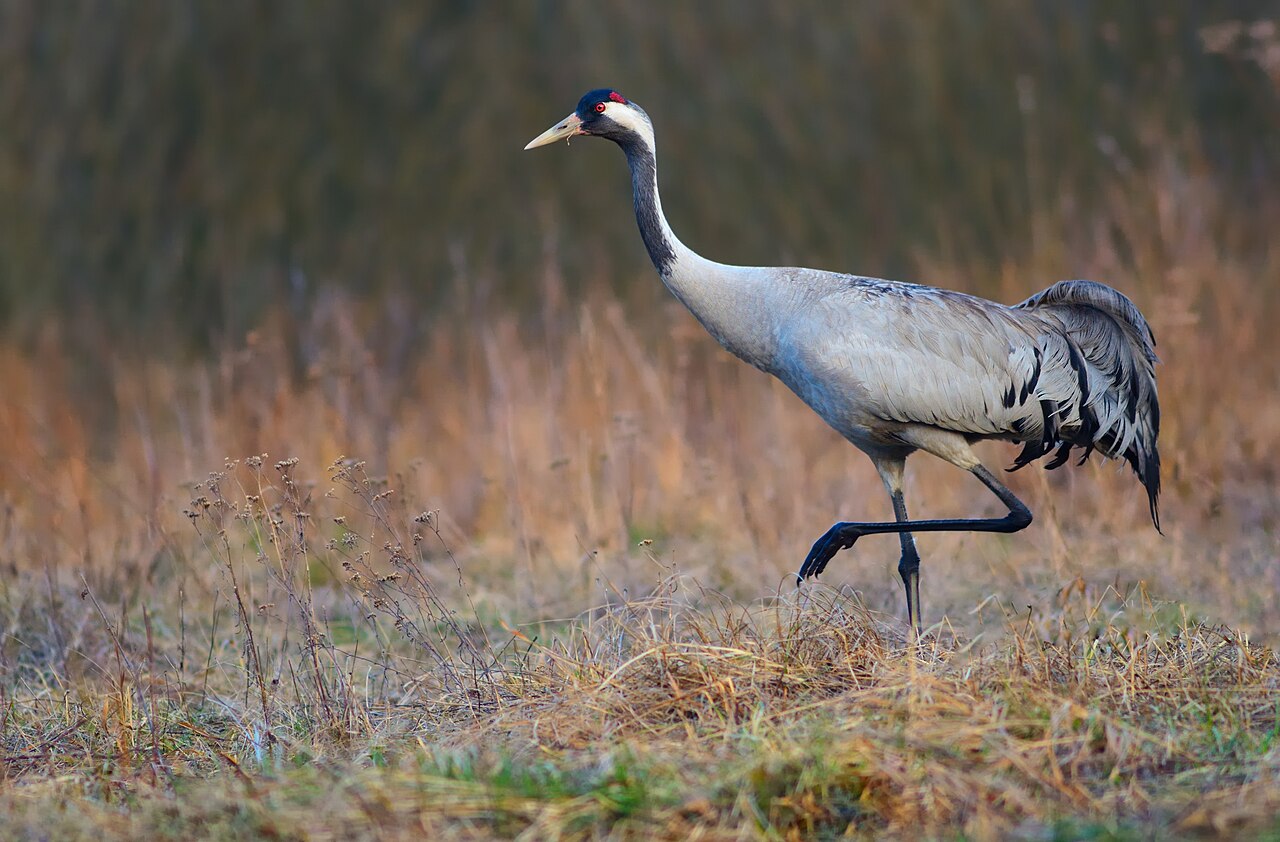 Common crane
Red Data Book A large bird of Polissia's bogs, whose trumpeting call in spring is one of the most distinctive sounds of Polissia.
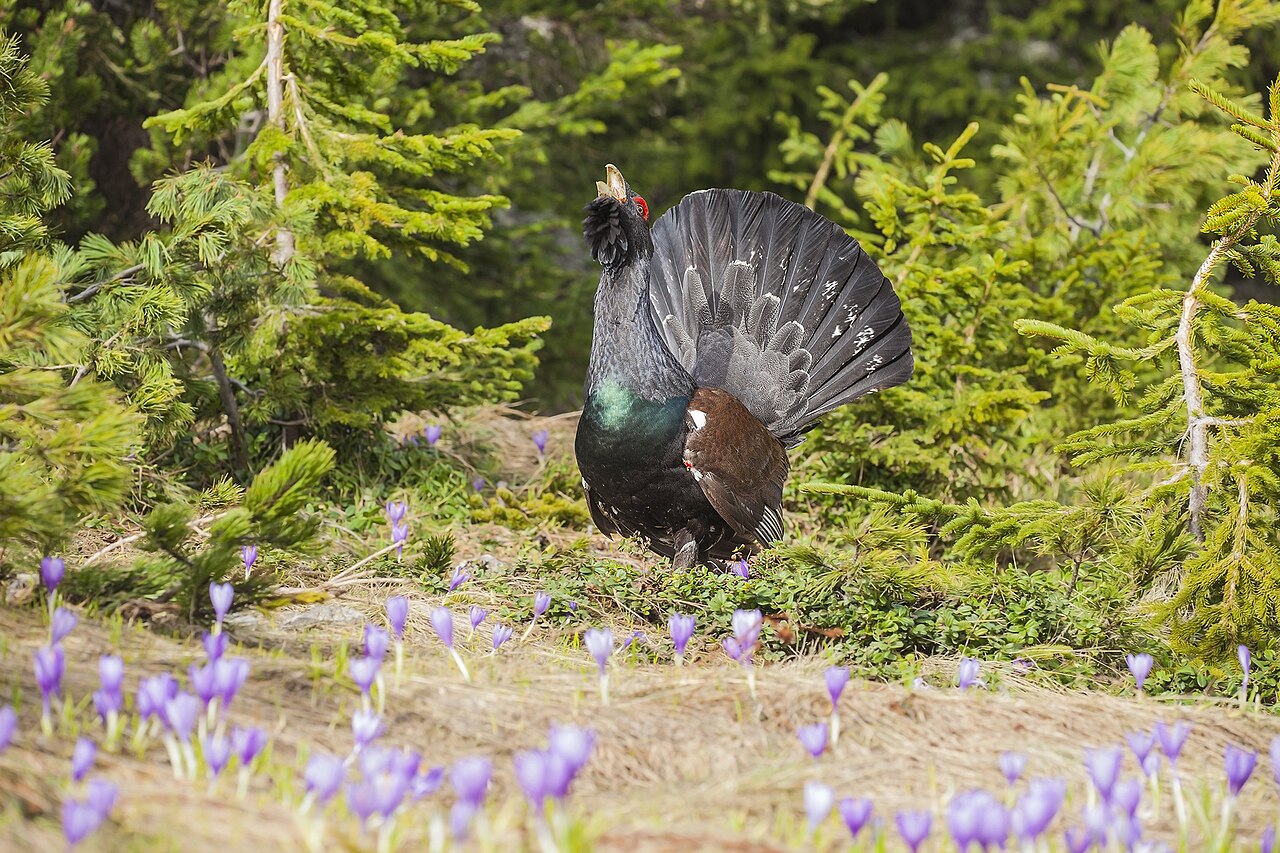 Western capercaillie
Red Data Book Europe's largest forest grouse, a dweller of the old pine forests with bogs in Polissia.
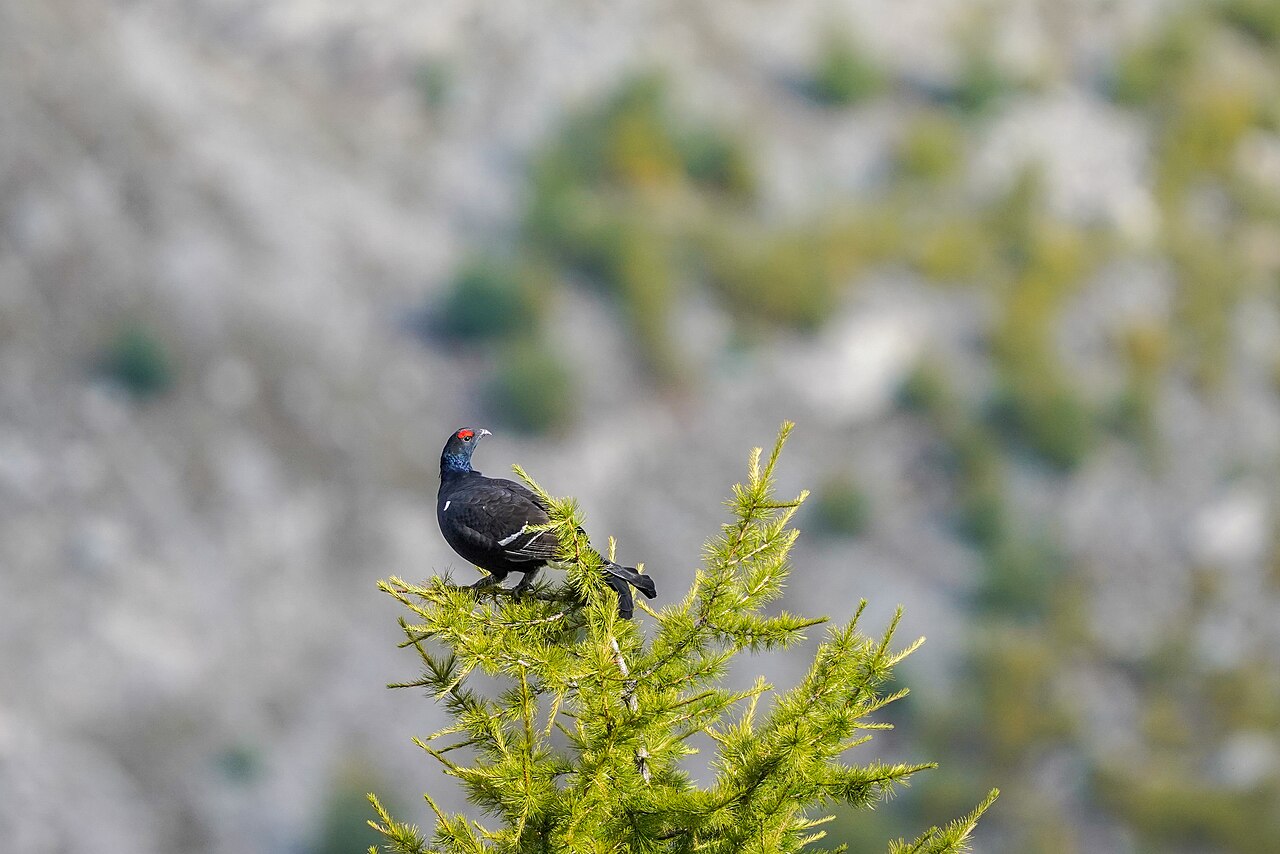 Black grouse
Red Data Book A forest grouse of Polissia's bogs and clearings; the black grouse's spring leks can be heard from afar at dawn.
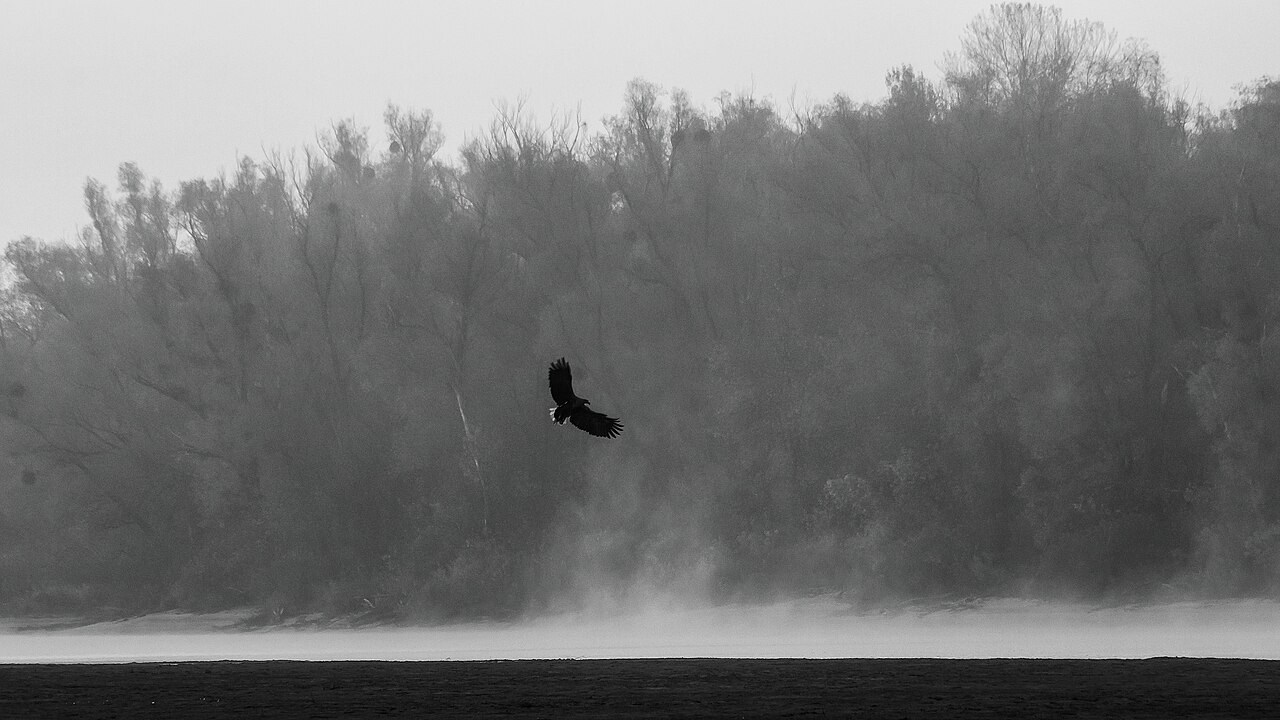 White-tailed eagle
Red Data Book Polissia's largest bird of prey, with a white wedge-shaped tail, keeping to large rivers and lakes.
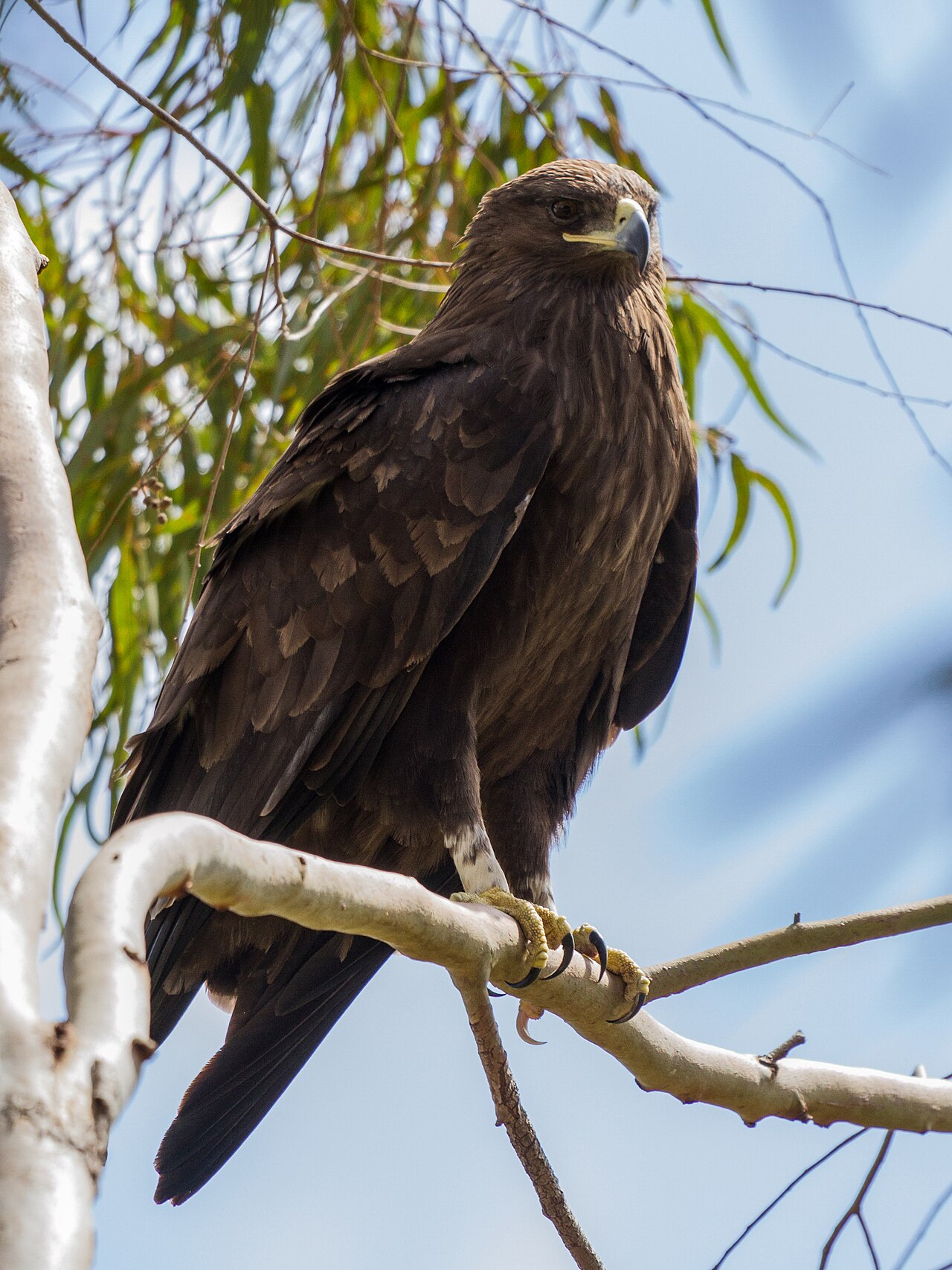 Greater spotted eagle
Red Data Book A rare eagle of Polissia's swampy forests and floodplains, one of the rarest birds of prey in Europe.
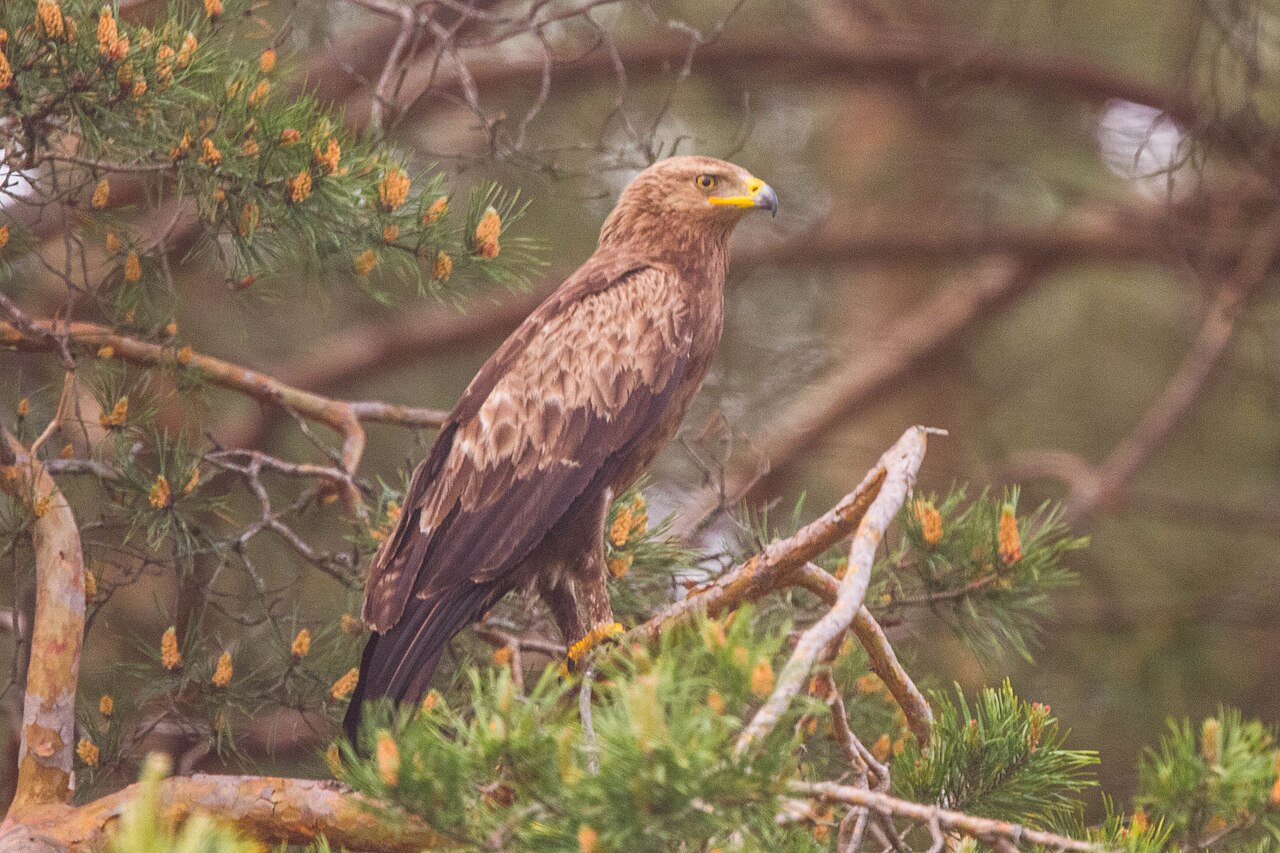 Lesser spotted eagle
Red Data Book A small eagle that nests in Polissia's forests near meadows and hunts rodents and frogs.
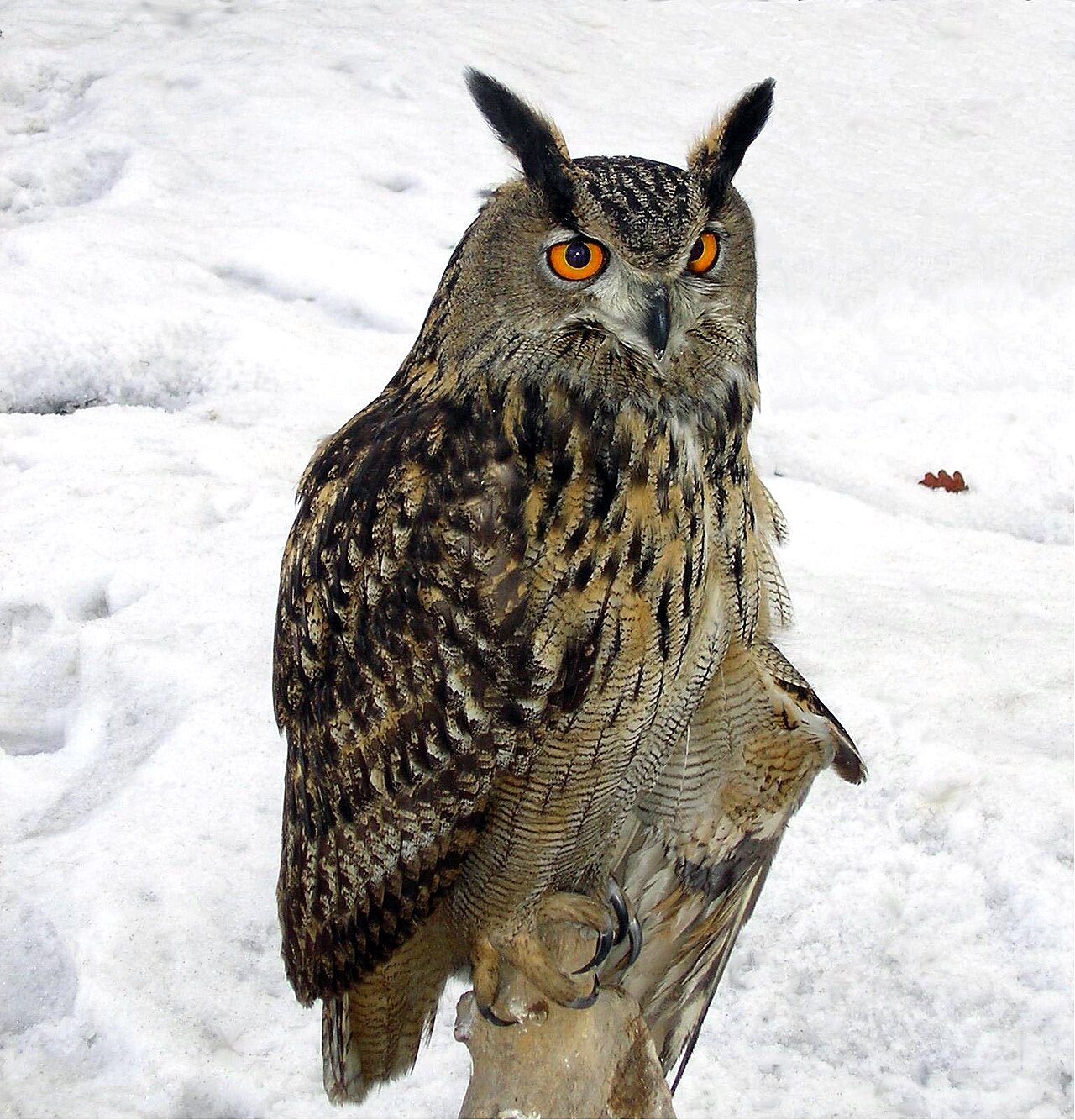 Eurasian eagle-owl
Red Data Book Europe's largest owl, with orange eyes and feathered “ears”, a dweller of Polissia's remote forests.
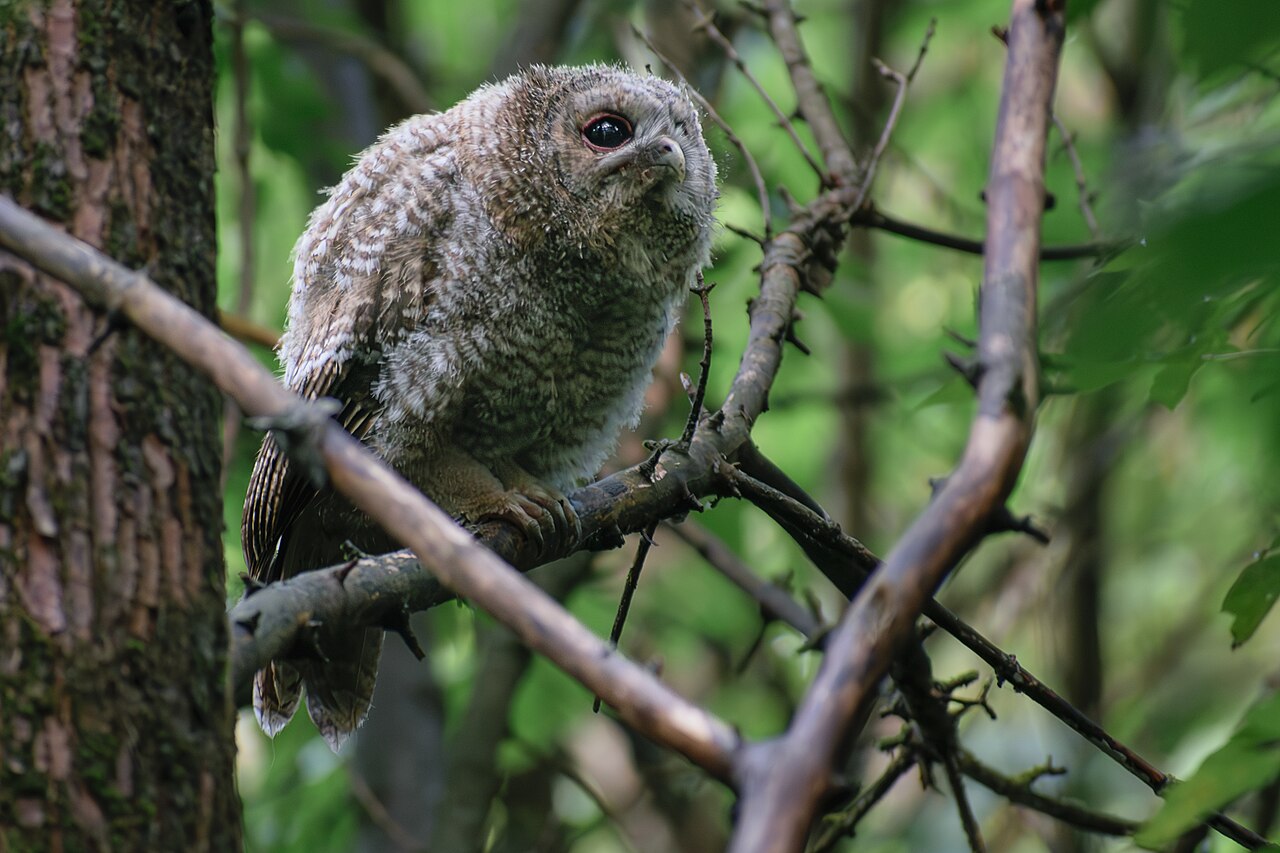 Tawny owl
Polissia's commonest forest owl, whose drawn-out hooting can be heard in old forests and parks.
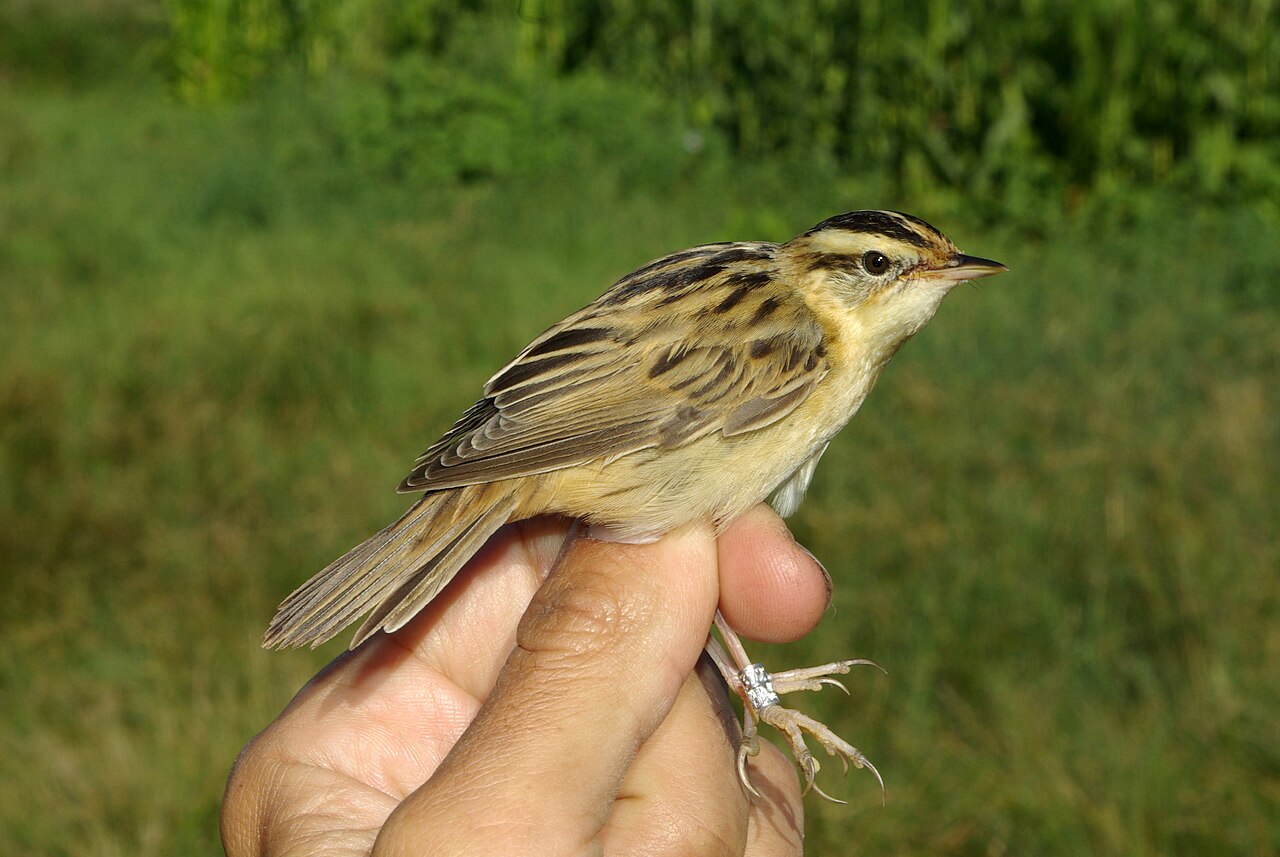 Aquatic warbler
Red Data Book A small warbler that nests only in sedge fens; the bogs of Polissia are one of its main places in the world.
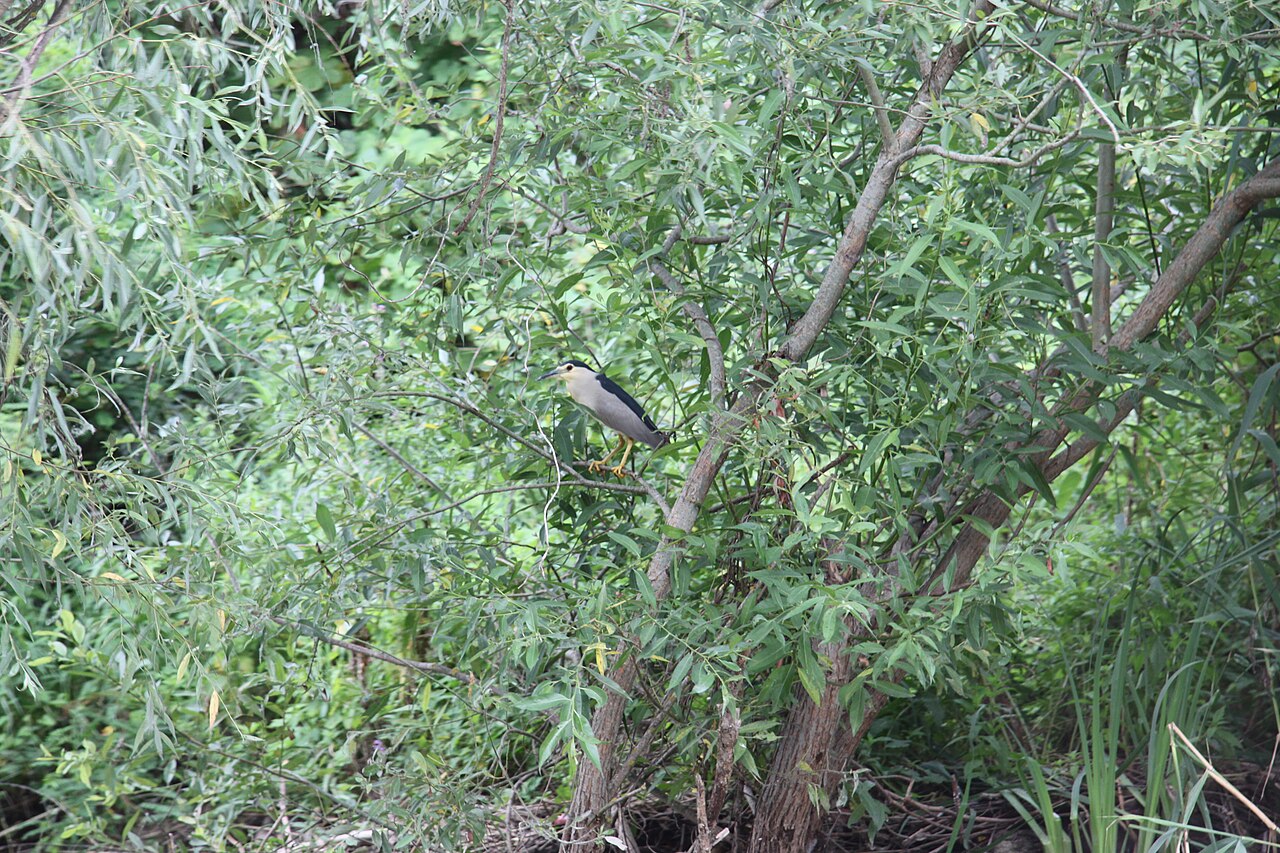 Eurasian bittern
A secretive heron of the reedbeds, rarely seen but easily heard in spring: its deep “boom” sounds like a bellowing bull.
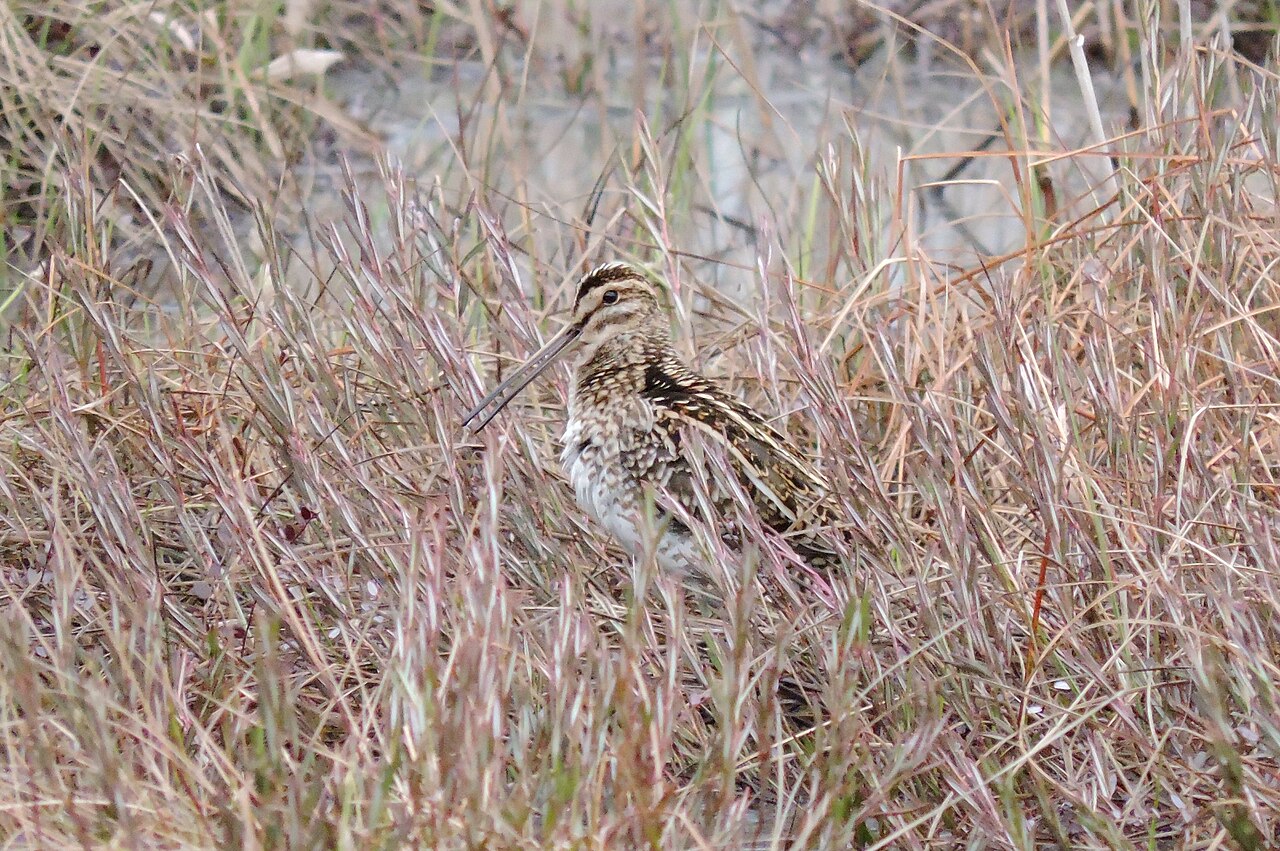 Common snipe
A long-billed bog wader whose spring display flight sounds like bleating – hence its Ukrainian folk name “baranets” (little ram).
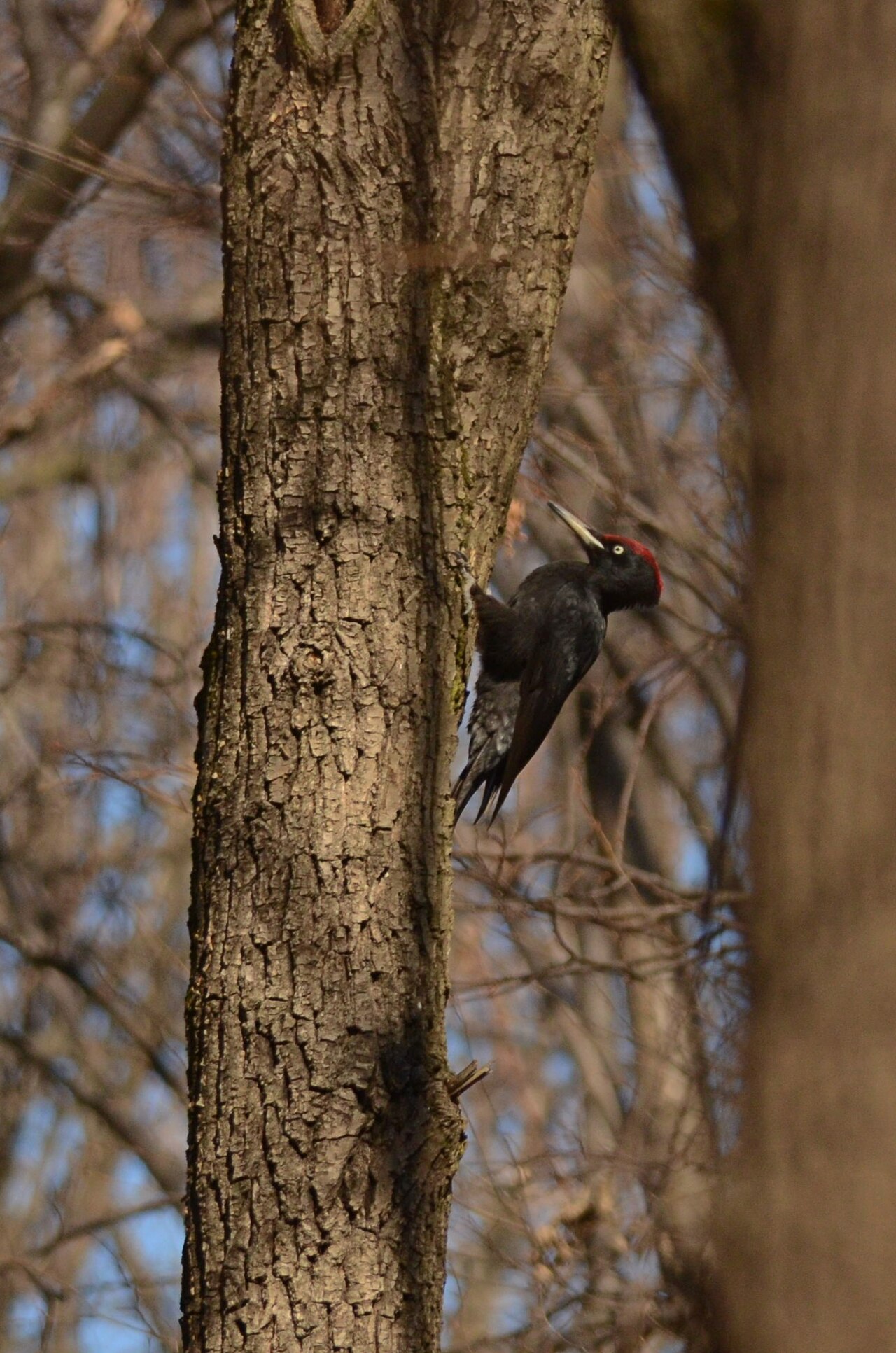 Black woodpecker
Europe's largest woodpecker, black with a red cap, a dweller of old pine and mixed forests.
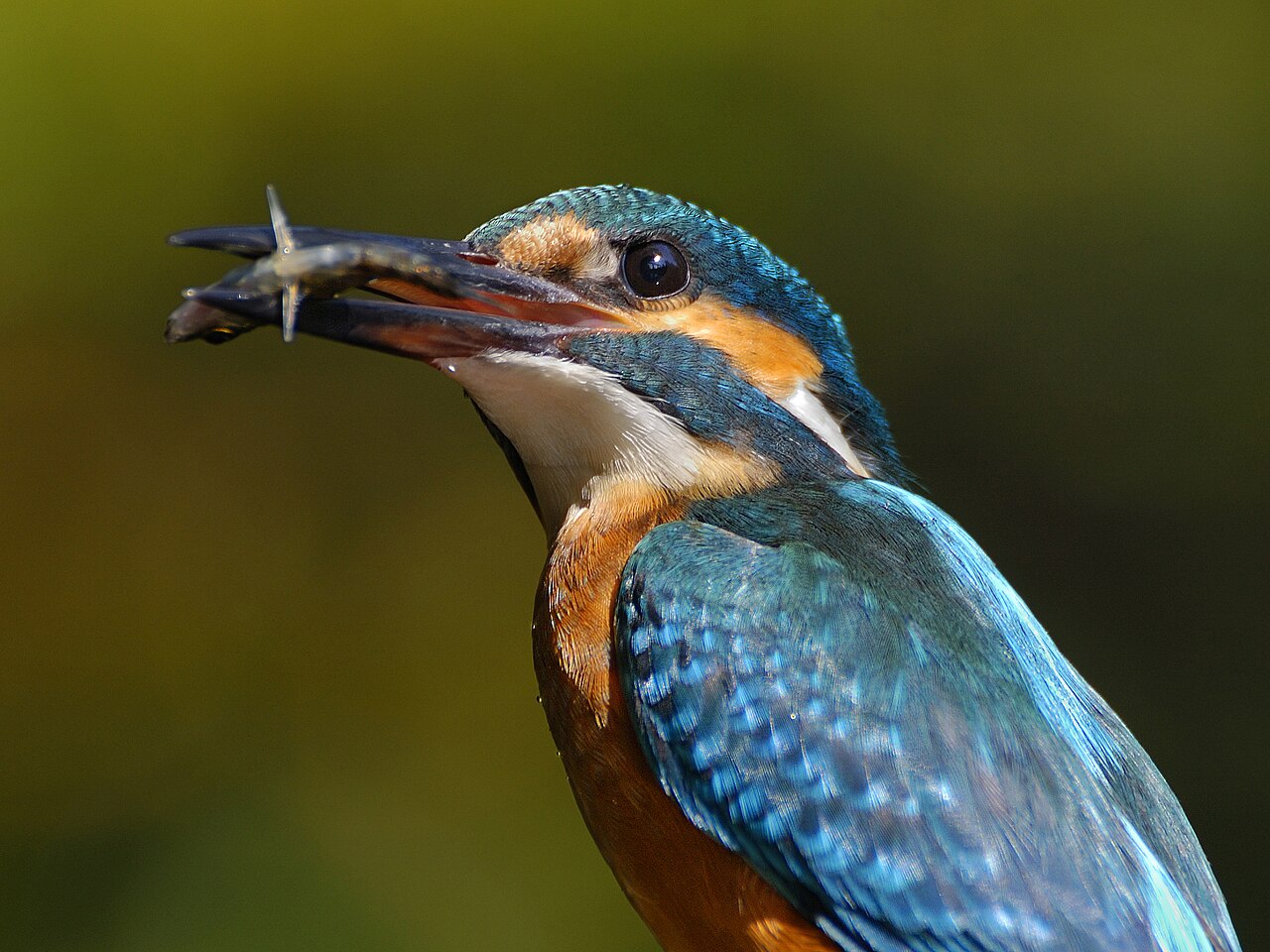 Common kingfisher
A small, brightly coloured bird of Polissia's rivers that dives for fish from a branch above the water.
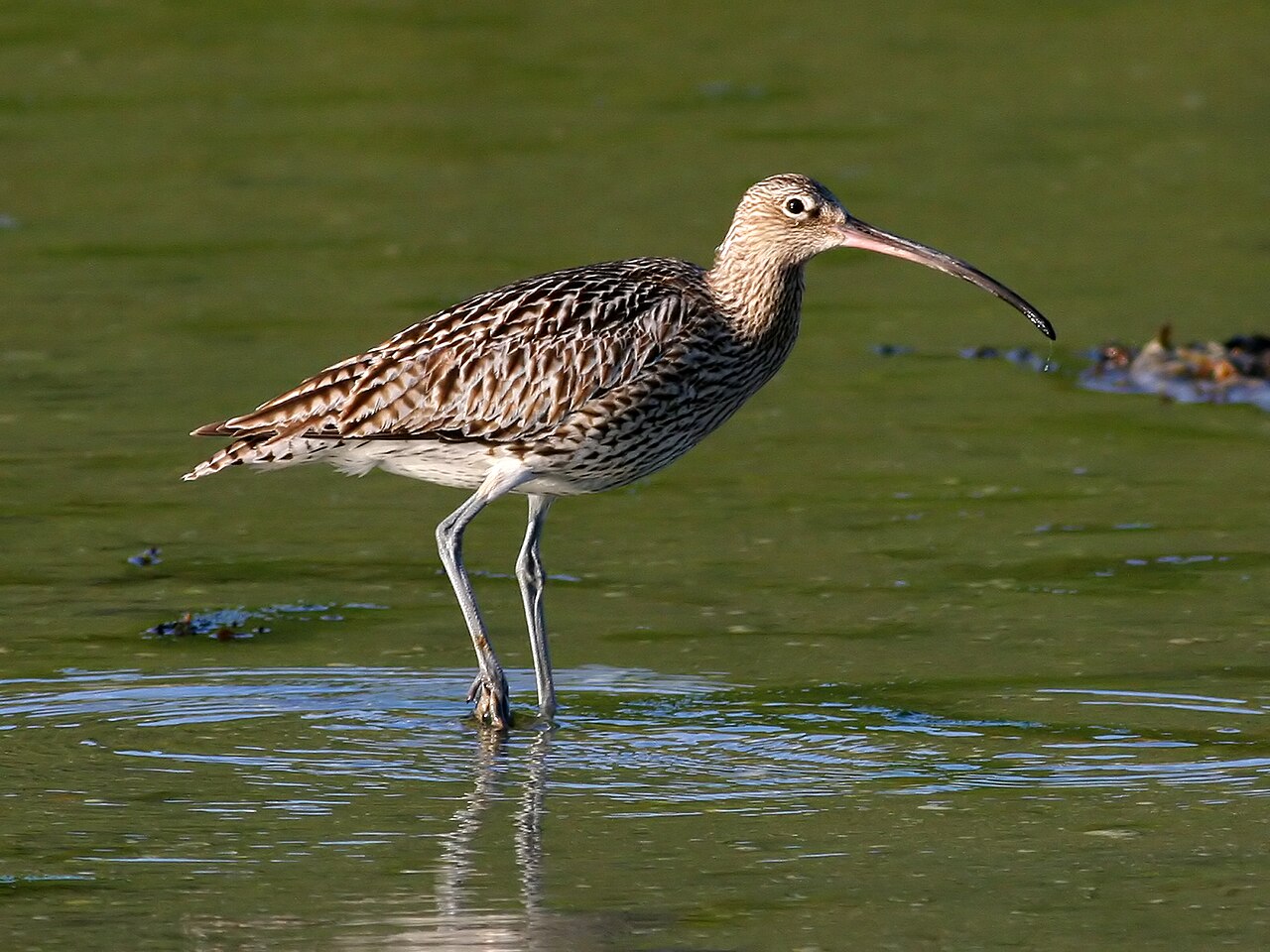 Eurasian curlew
Red Data Book A large wader with a long, down-curved bill, a dweller of Polissia's meadows and raised bogs.
Reptiles and amphibians
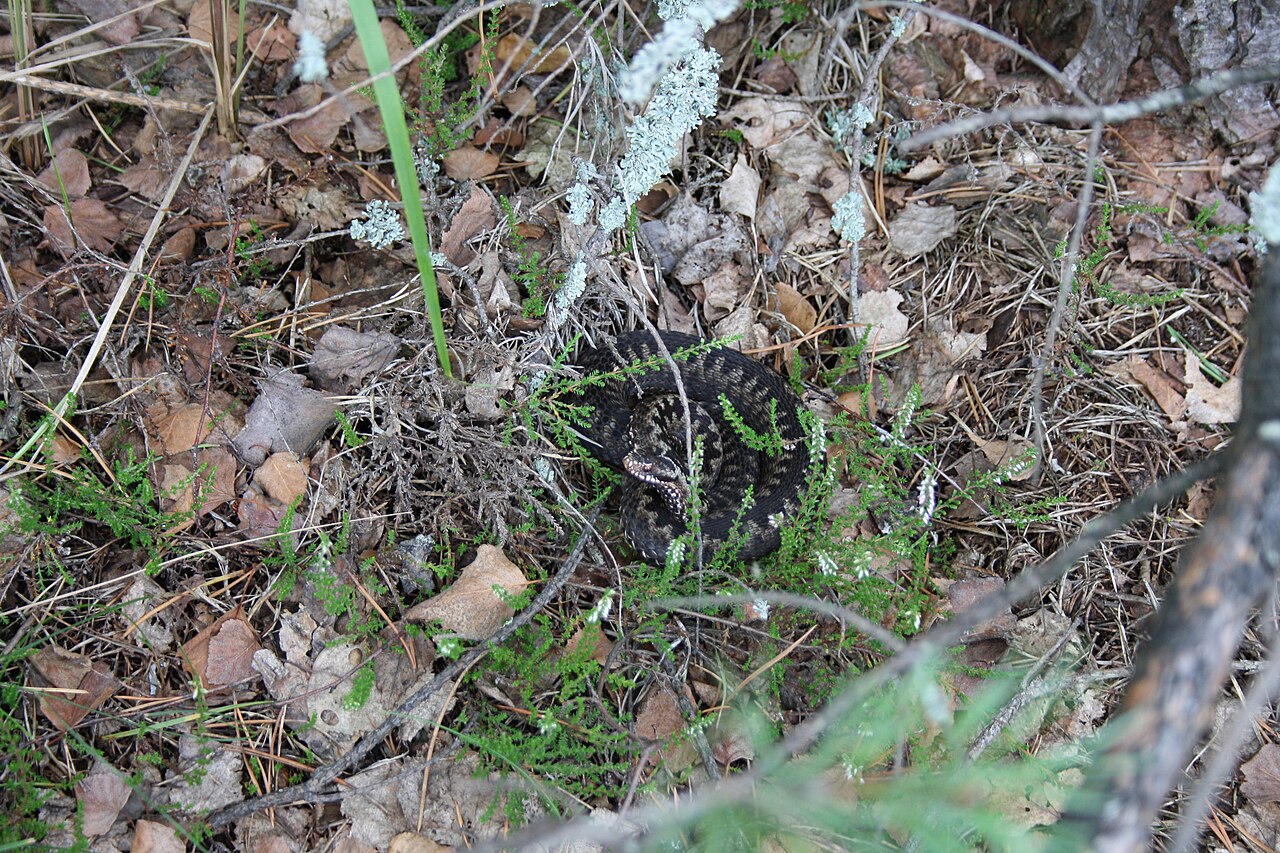 Common European adder
Caution Polissia's only venomous snake: it lives in bogs, clearings and forest edges and attacks people only in self-defence.
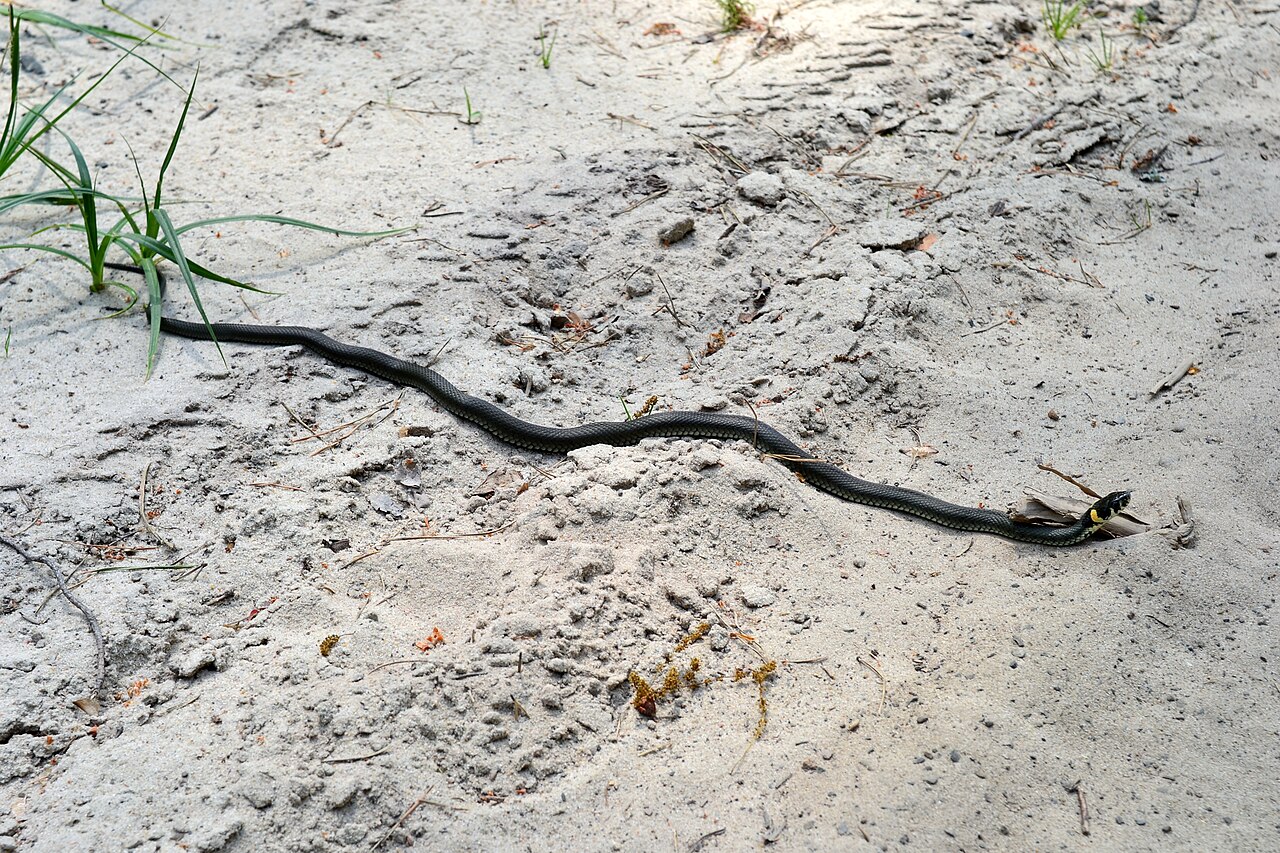 Grass snake
A harmless snake of Polissia's lakes and rivers, easy to recognise by the yellow or orange patches on its head.
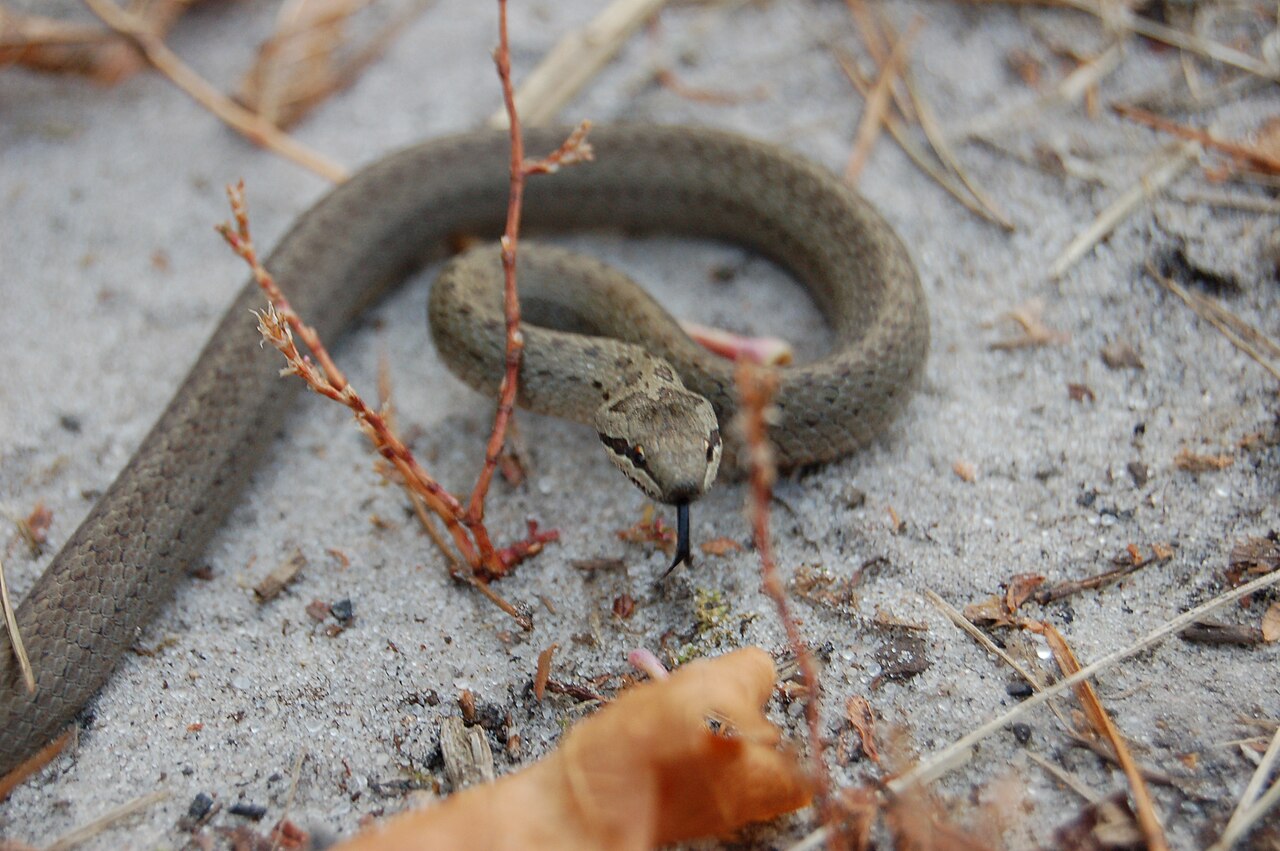 Smooth snake
Red Data Book A rare, harmless snake of dry pine forests, often mistaken for an adder because of its zigzag-like pattern.
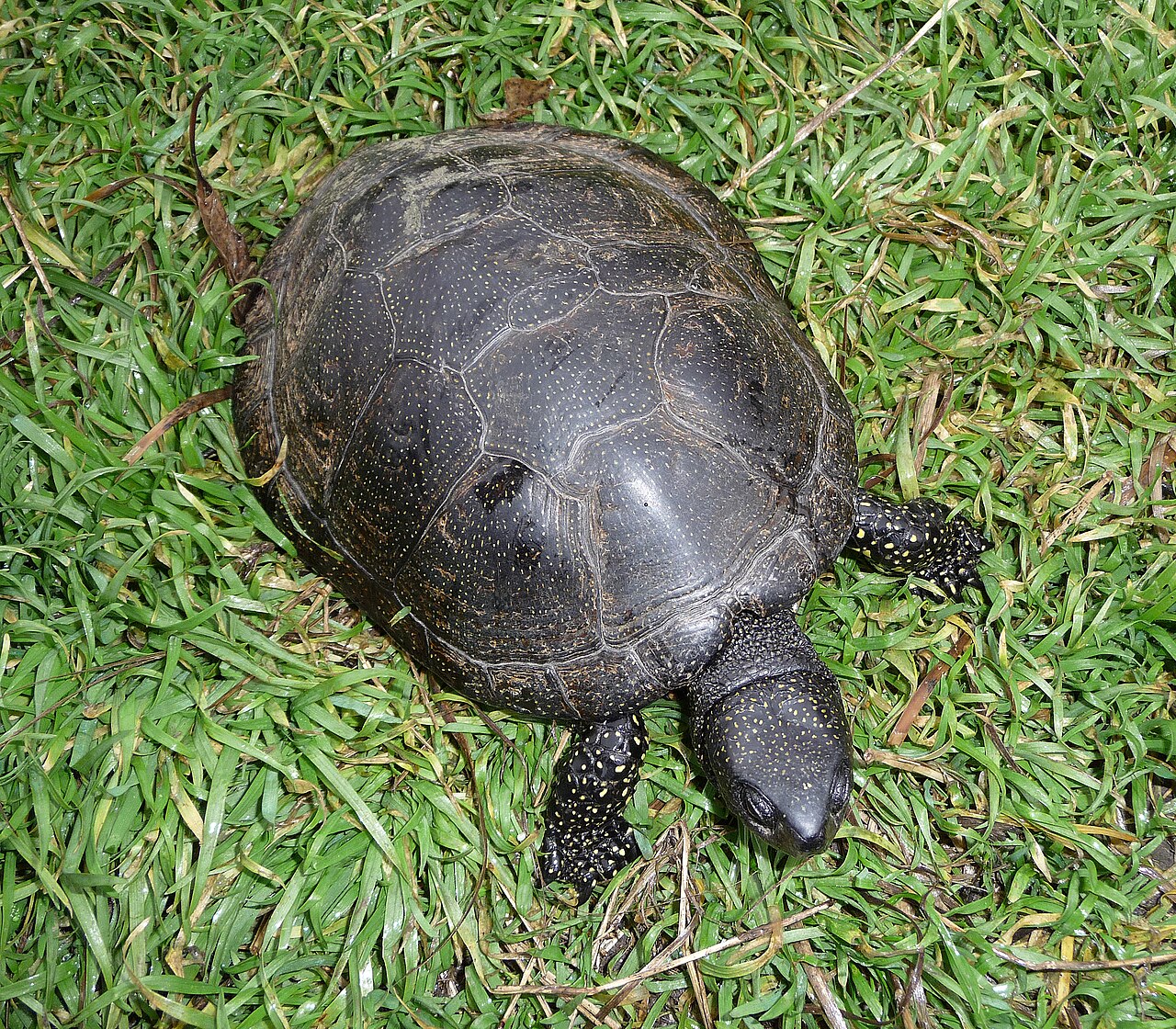 European pond turtle
The only native freshwater turtle, living in the oxbows, ponds and bogs of Polissia.
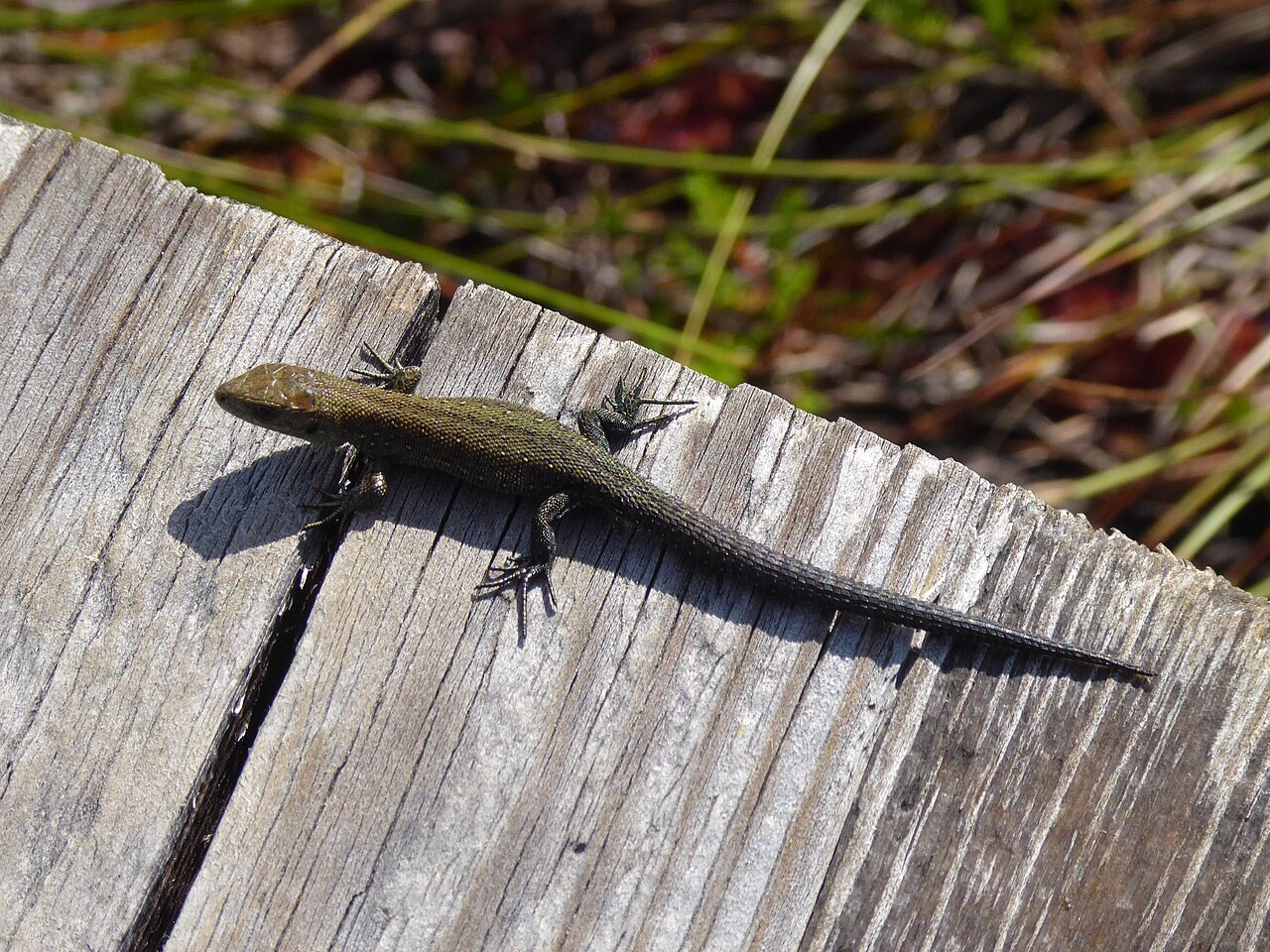 Viviparous lizard
A small lizard of Polissia's bogs and damp forests that gives birth to live young instead of laying eggs.
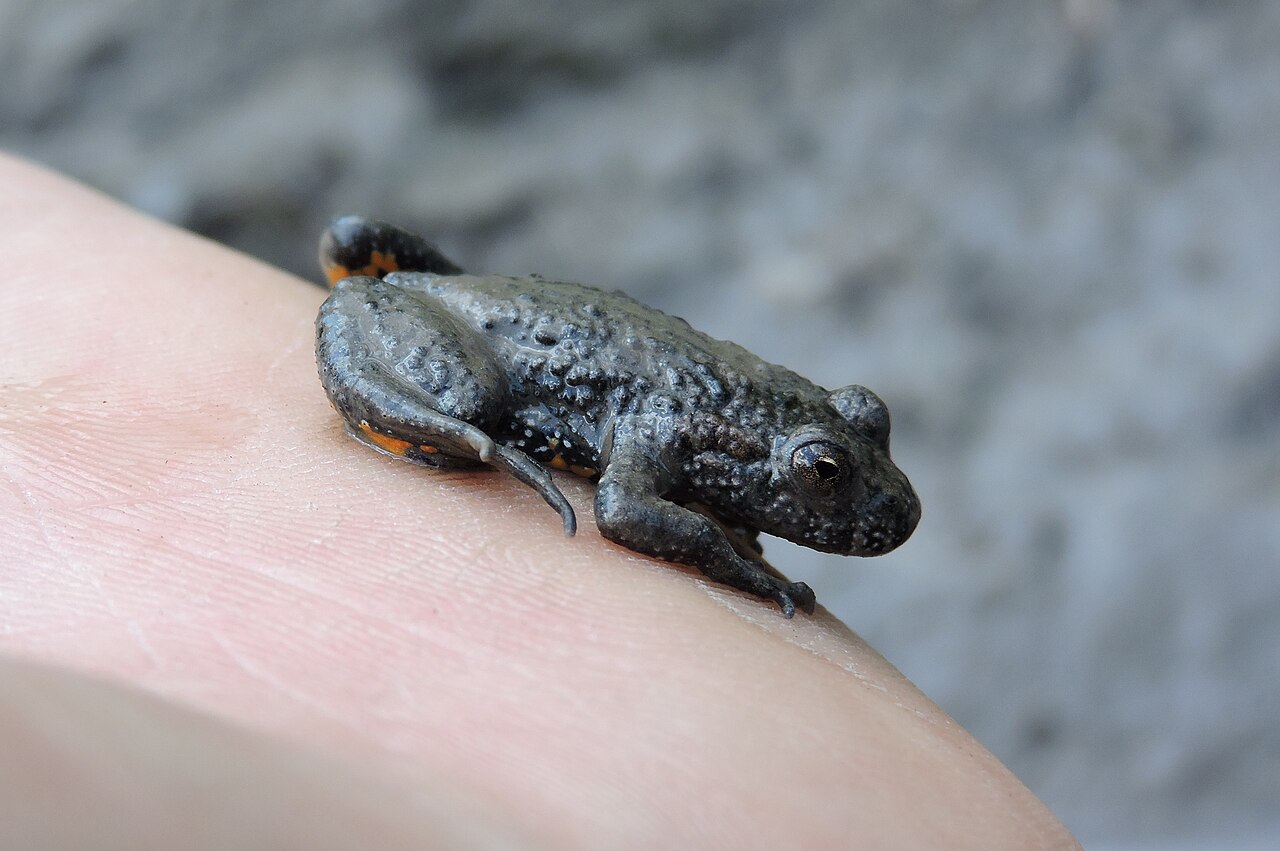 European fire-bellied toad
Caution A small toad of Polissia's ponds and bogs with a bright red-and-black belly; its soft “oom-oom” is heard in spring.
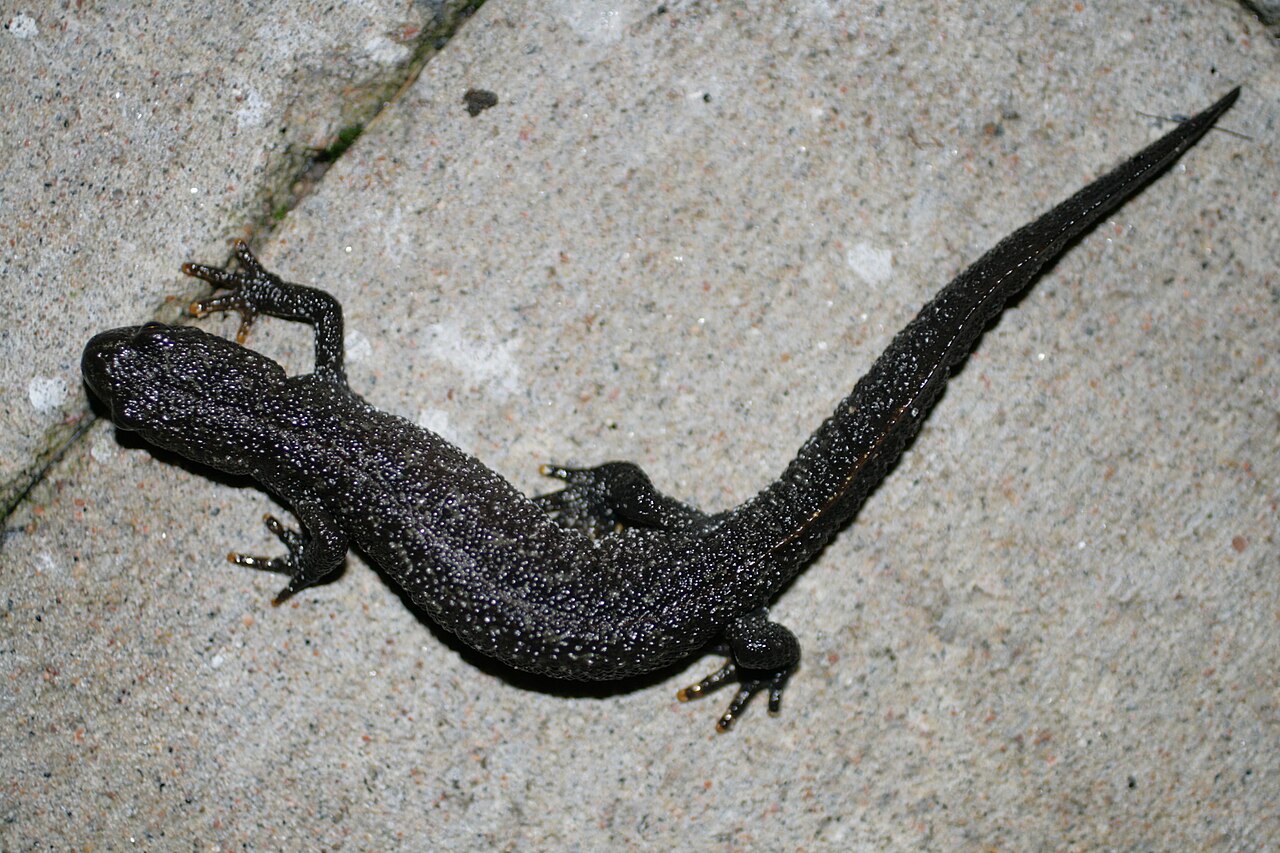 Great crested newt
Red Data Book A large newt of Polissia's ponds; in spring the male grows a tall, jagged crest.
Plants
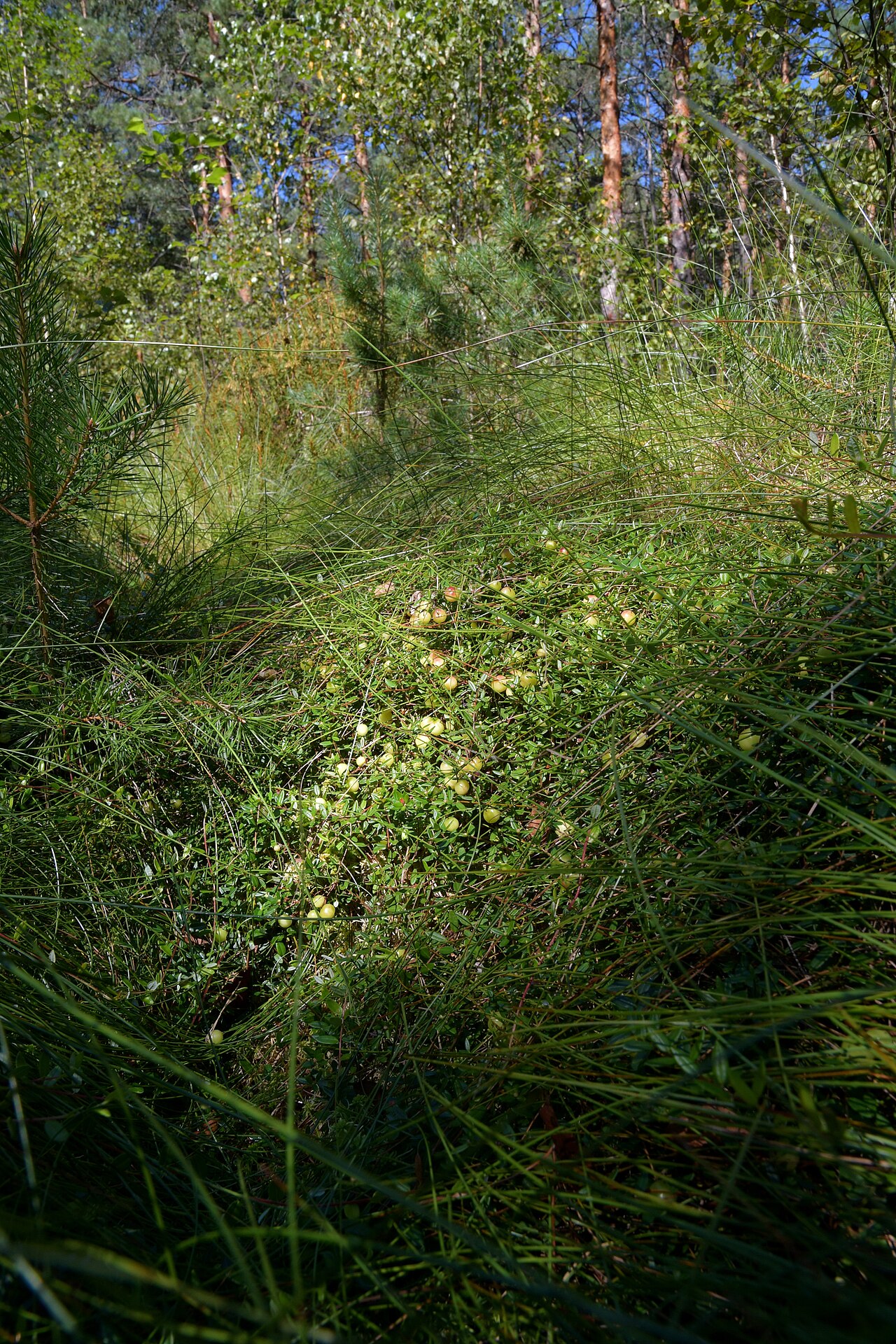 Cranberry
A bog berry of Polissia with thin creeping stems that ripens in autumn and gets sweeter after the first frosts.
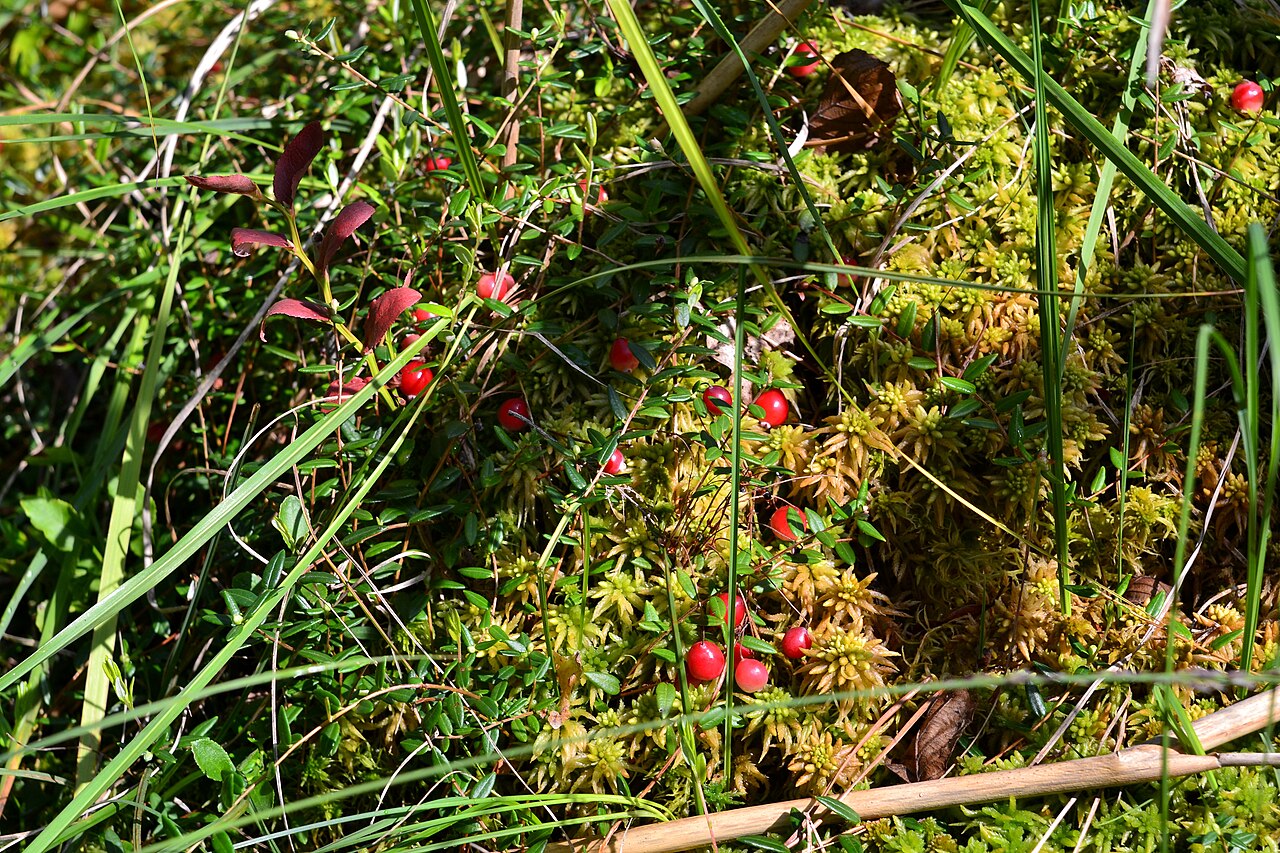 Lingonberry
An evergreen dwarf shrub of Polissia's dry pine forests with glossy leaves and red, bitter-sour berries.
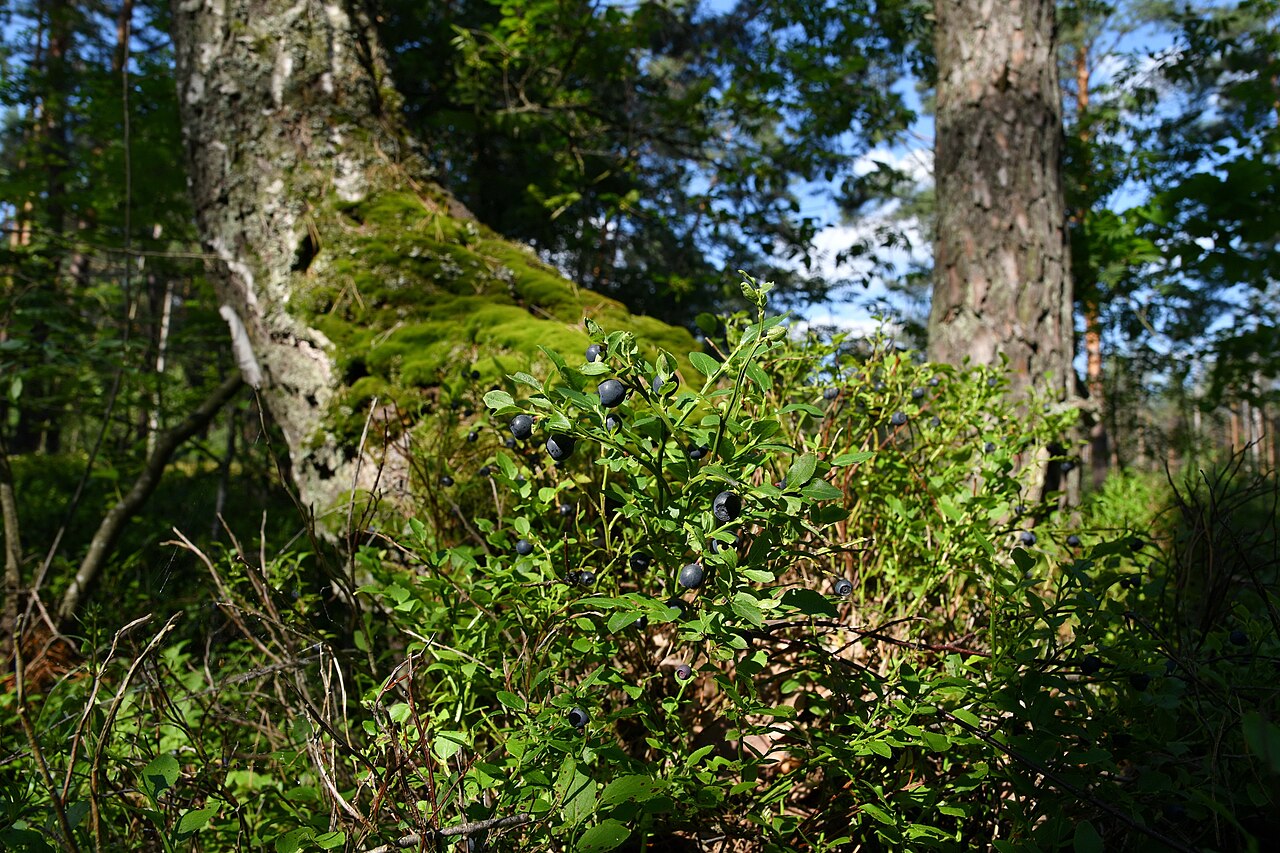 Bilberry
Polissia's most widespread forest berry, forming continuous carpets under the pines.
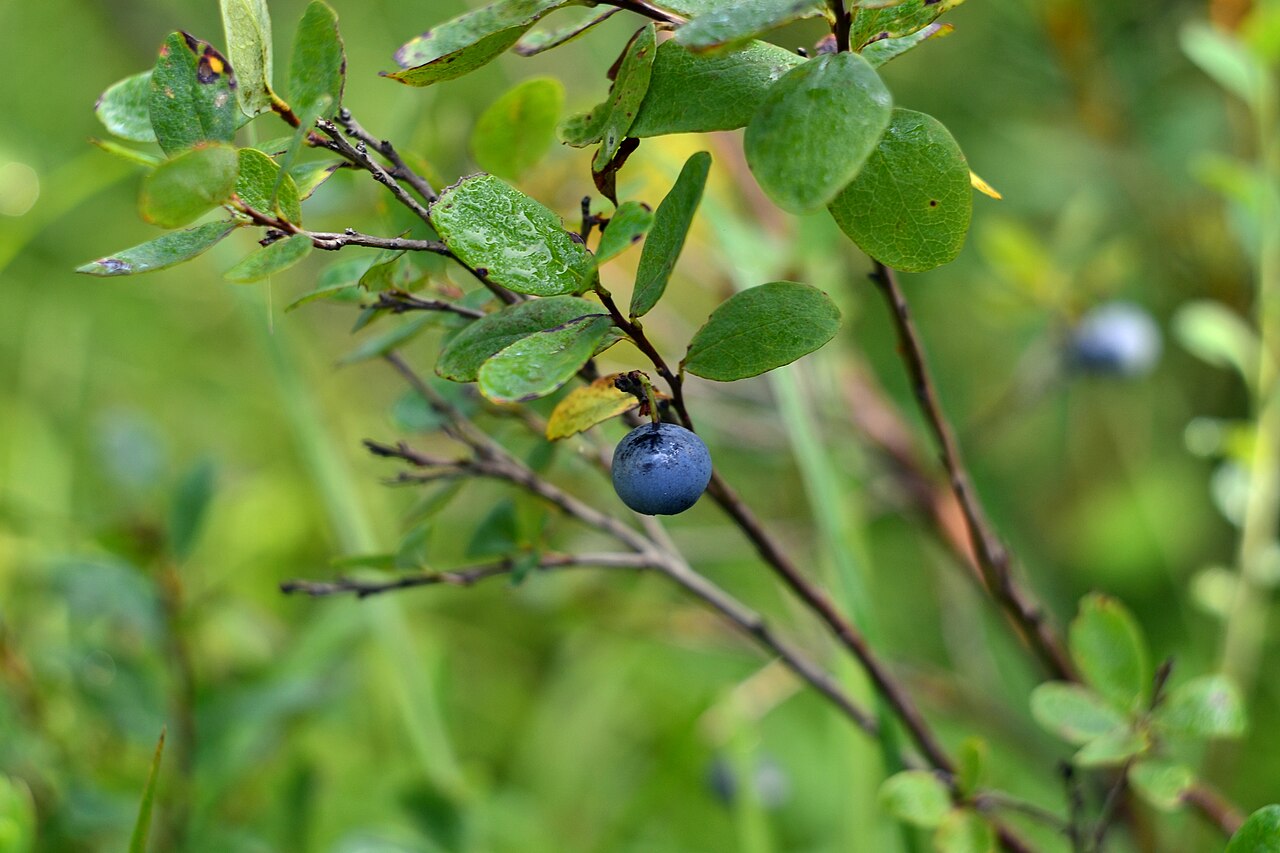 Bog bilberry
A bog berry similar to the bilberry but with white flesh; it grows on Polissia's bogs next to marsh Labrador tea.
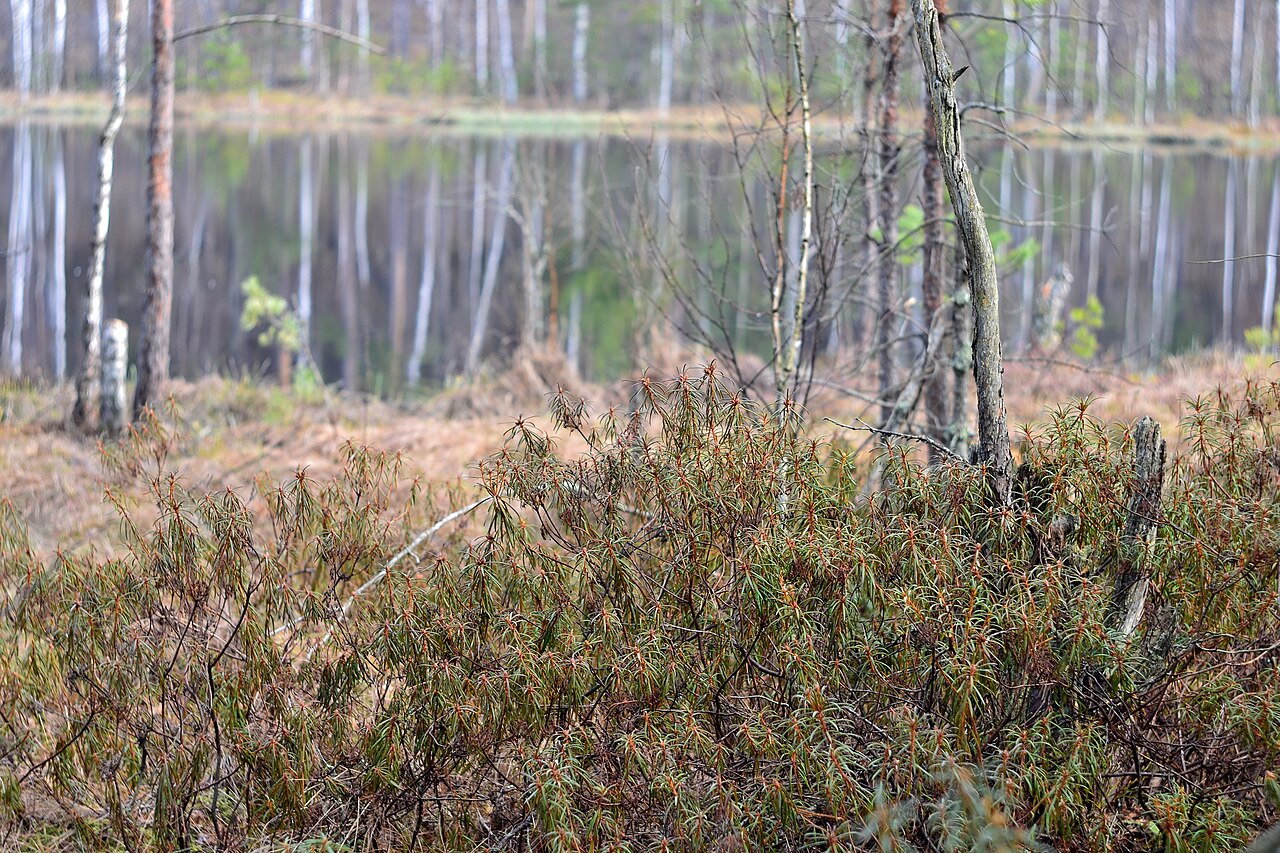 Marsh Labrador tea
Caution A strong-smelling evergreen shrub of Polissia's bogs that can give you a headache in hot weather; the whole plant is poisonous.
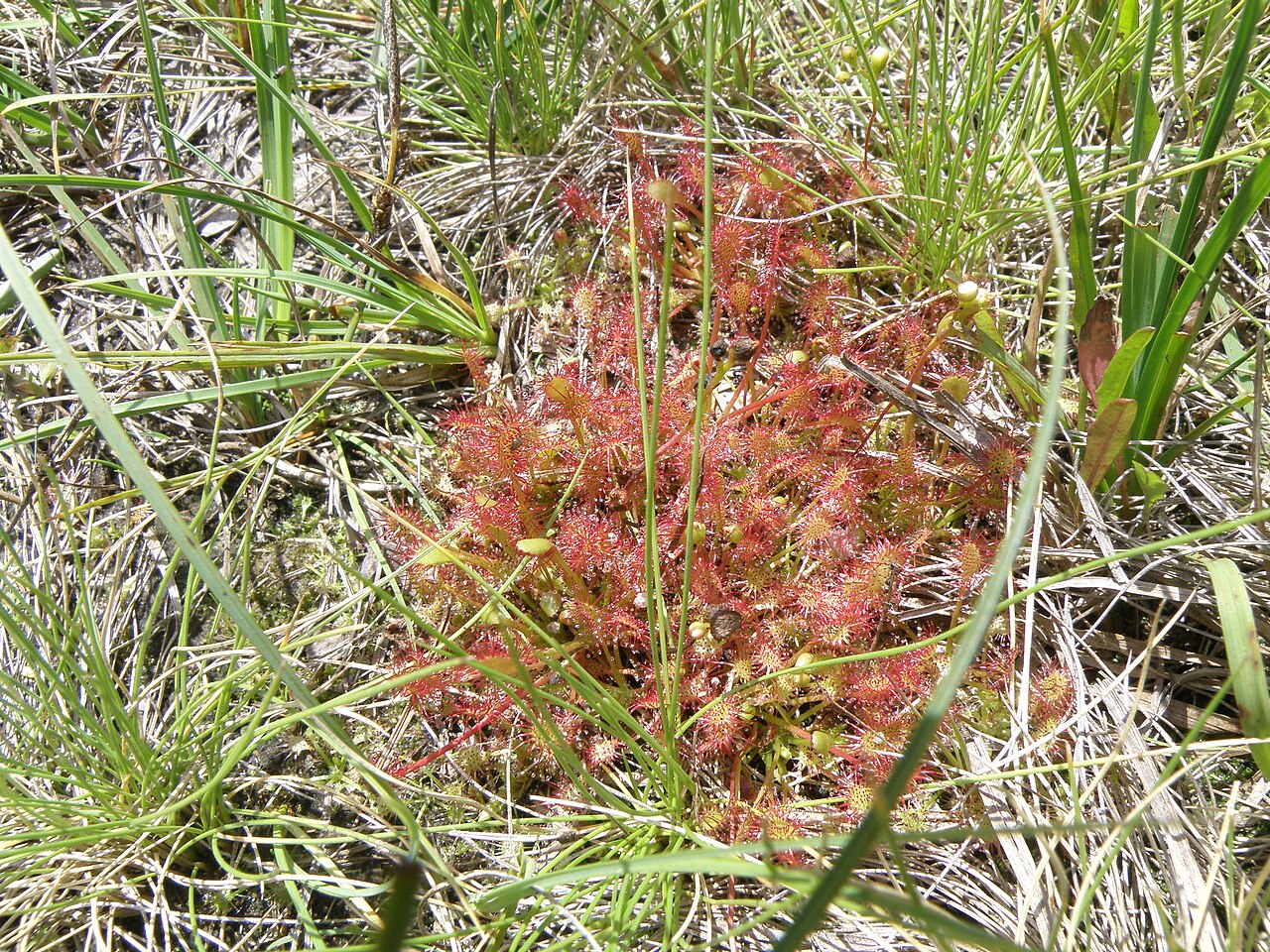 Round-leaved sundew
A small insect-eating plant of sphagnum bogs whose leaves are covered in sticky droplets.
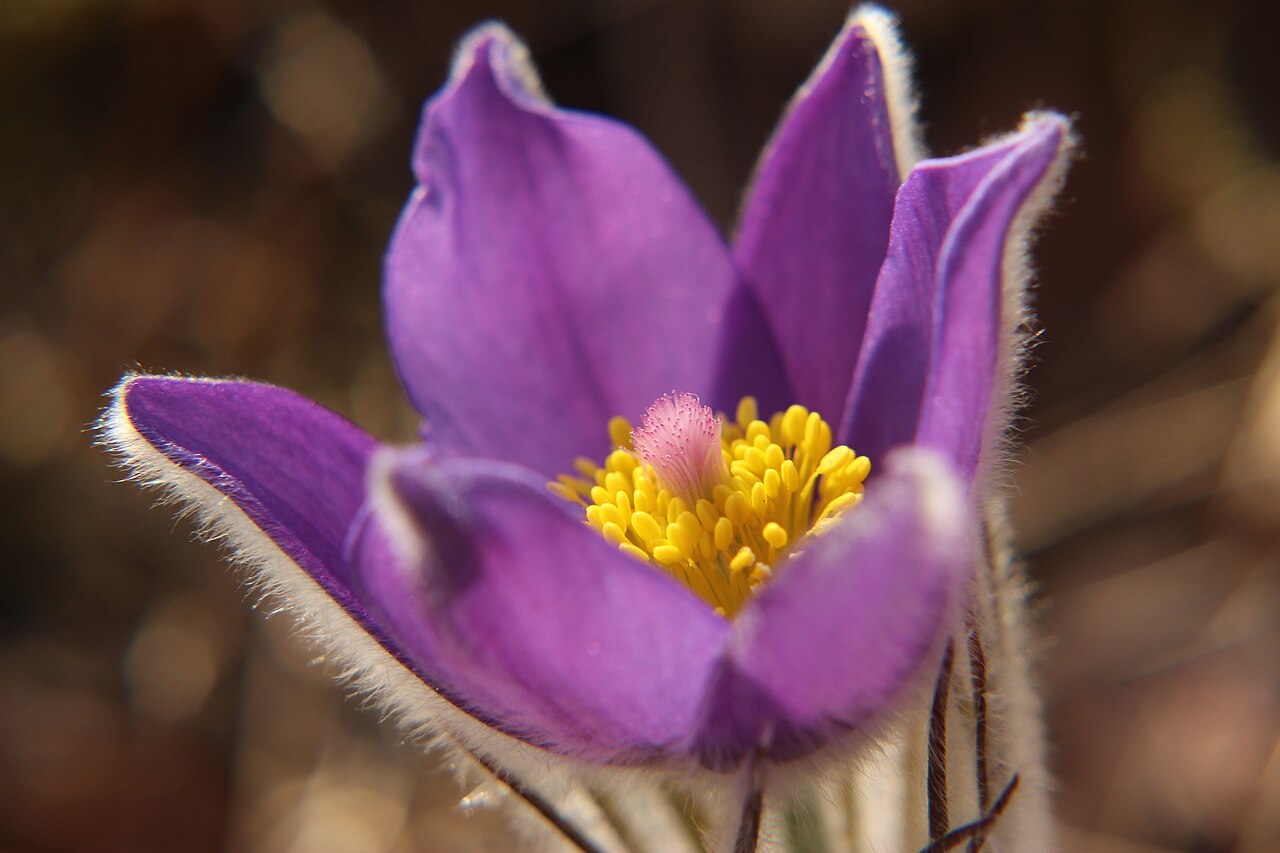 Eastern pasqueflower
Red Data BookCaution An early spring flower of Polissia's pine forests with fluffy violet bells; it is protected.
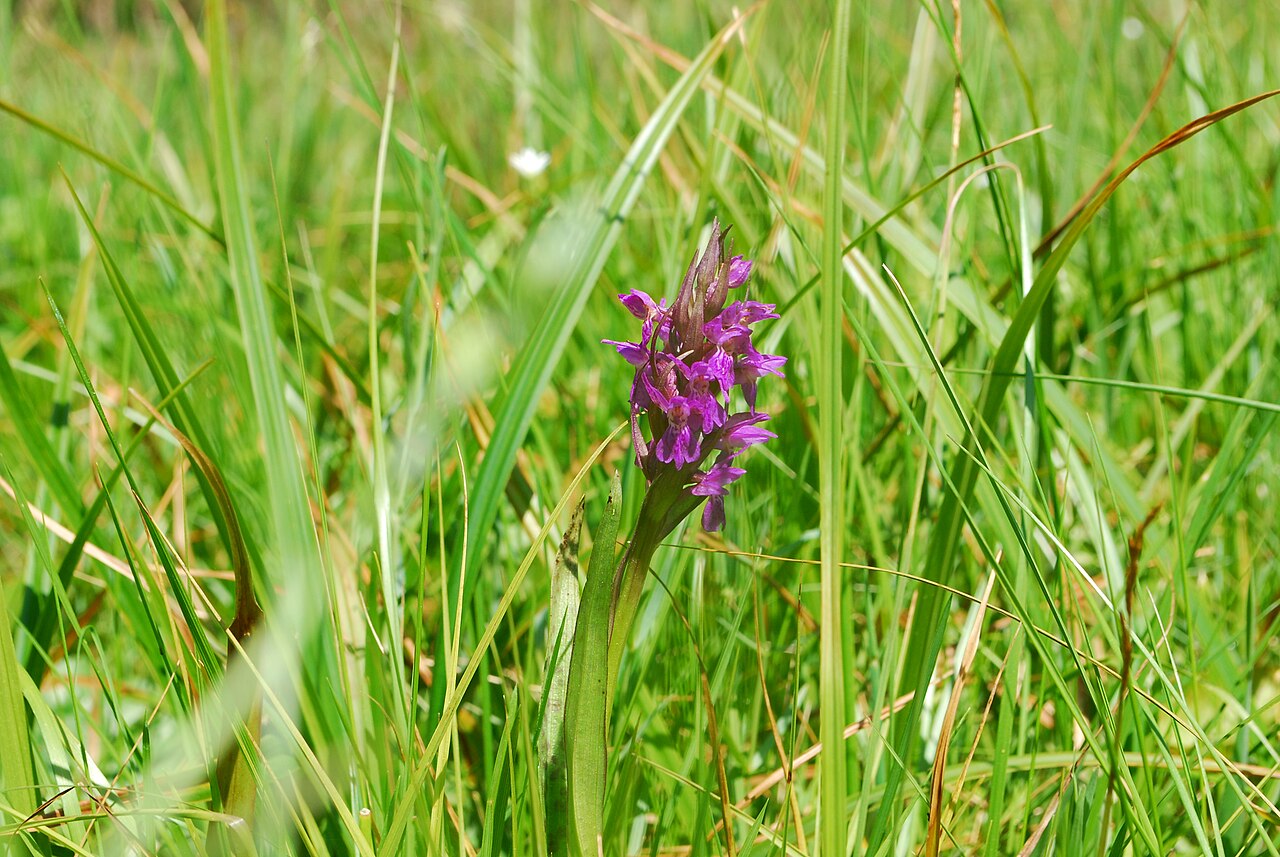 Broad-leaved marsh orchid
Red Data Book A wild orchid of Polissia's wet meadows with dense purple flower spikes and spotted leaves.
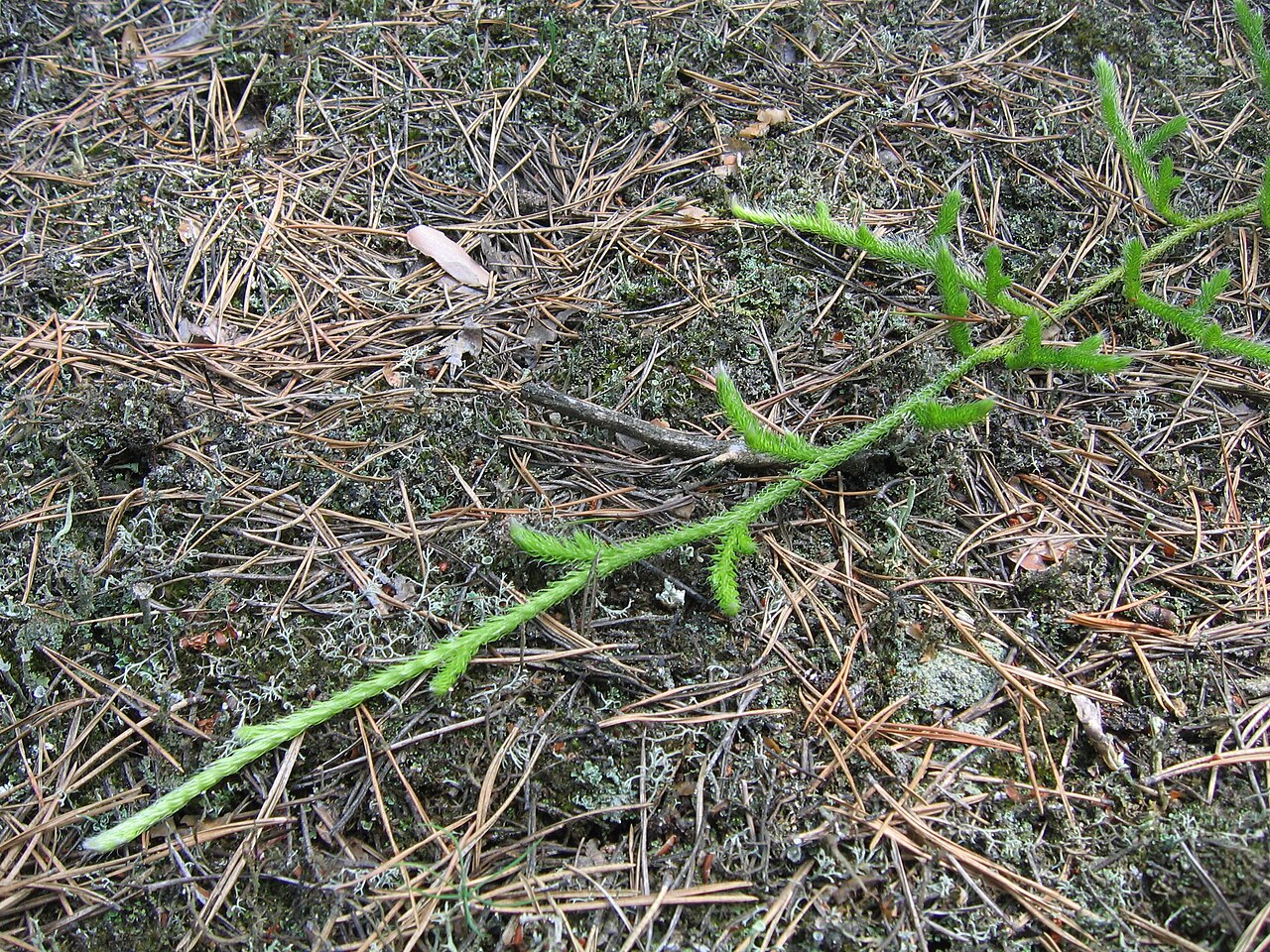 Stag's-horn clubmoss
Caution An ancient spore-bearing plant that trails along the ground in Polissia's pine forests in long “ropes”.
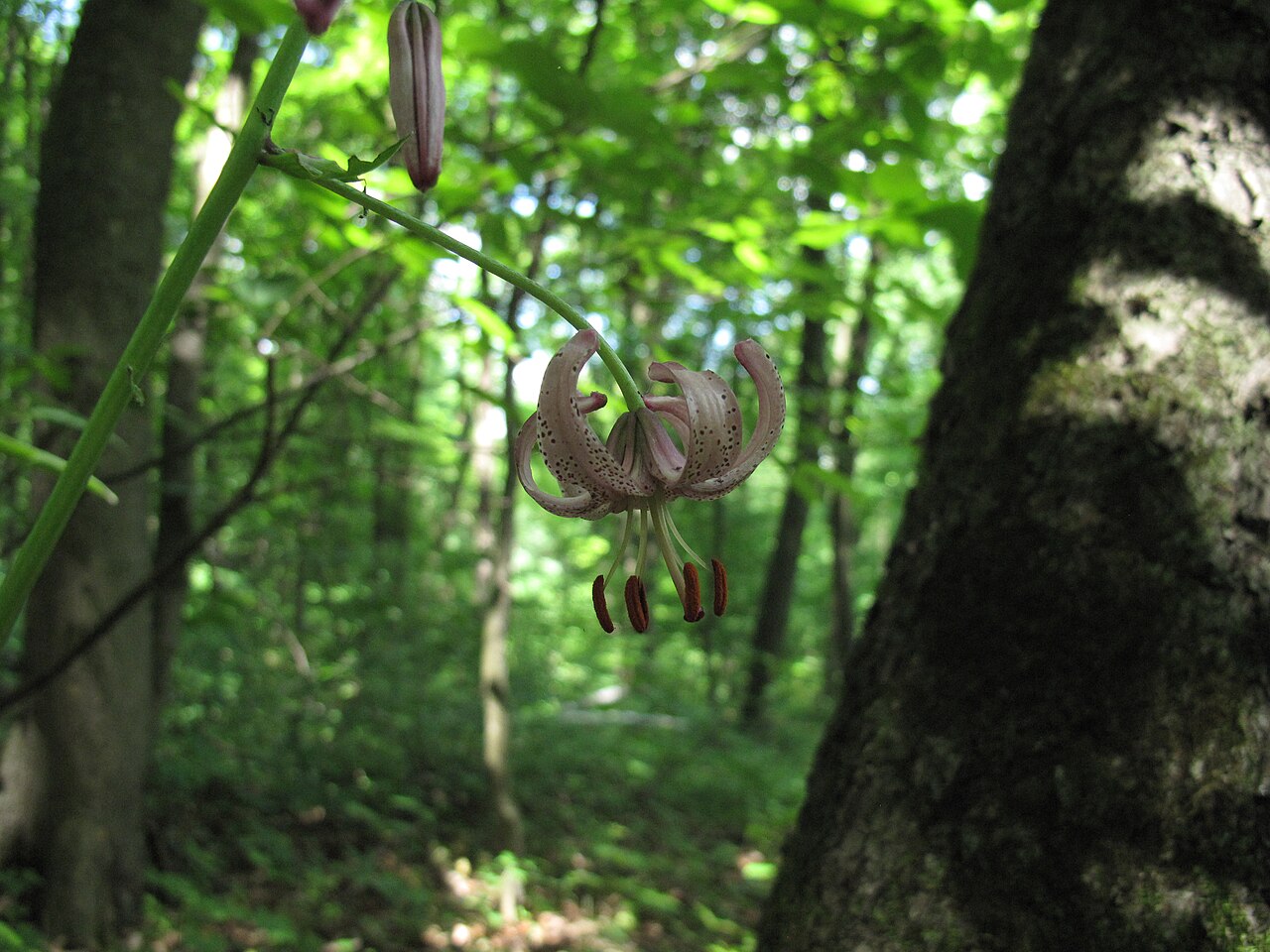 Martagon lily
Red Data Book A tall forest lily with nodding pinkish-lilac “turban” flowers, found in Polissia's broadleaved forests.
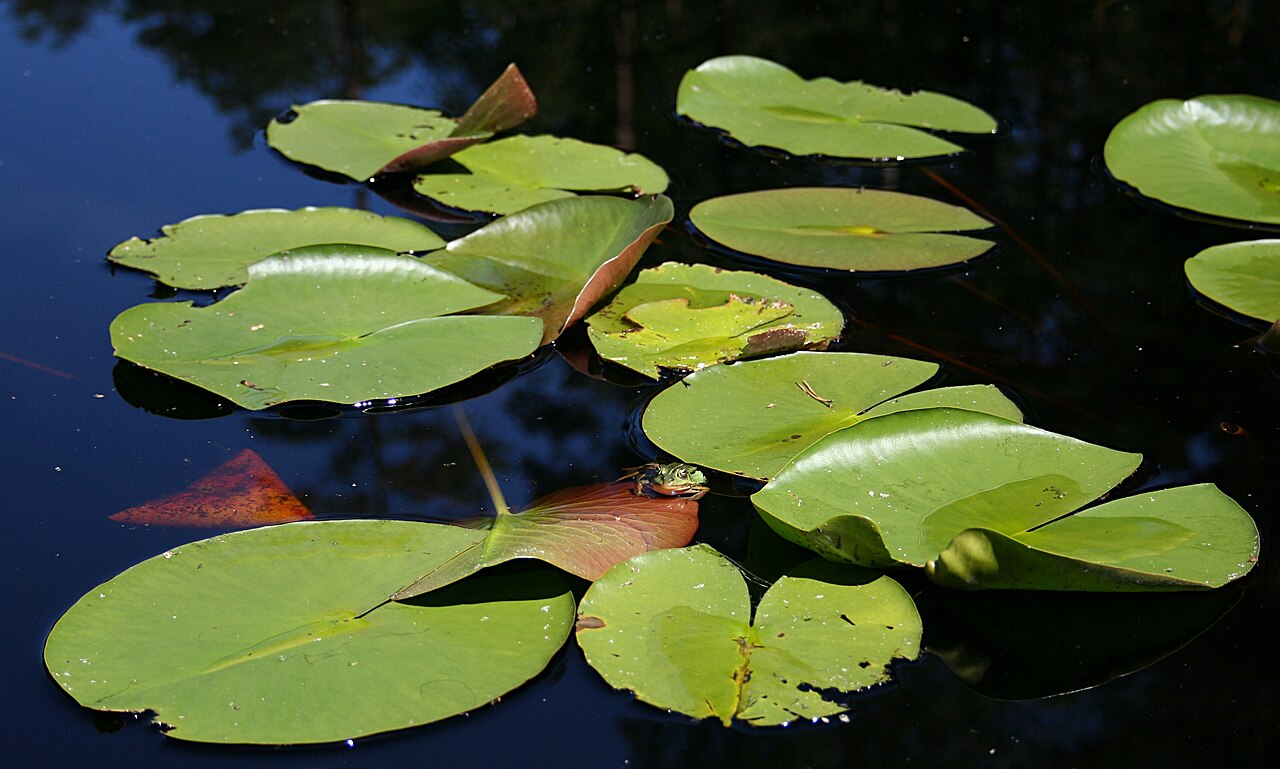 White water lily
The white water lily, with large flowers among floating leaves, adorns the lakes and oxbows of Polissia.
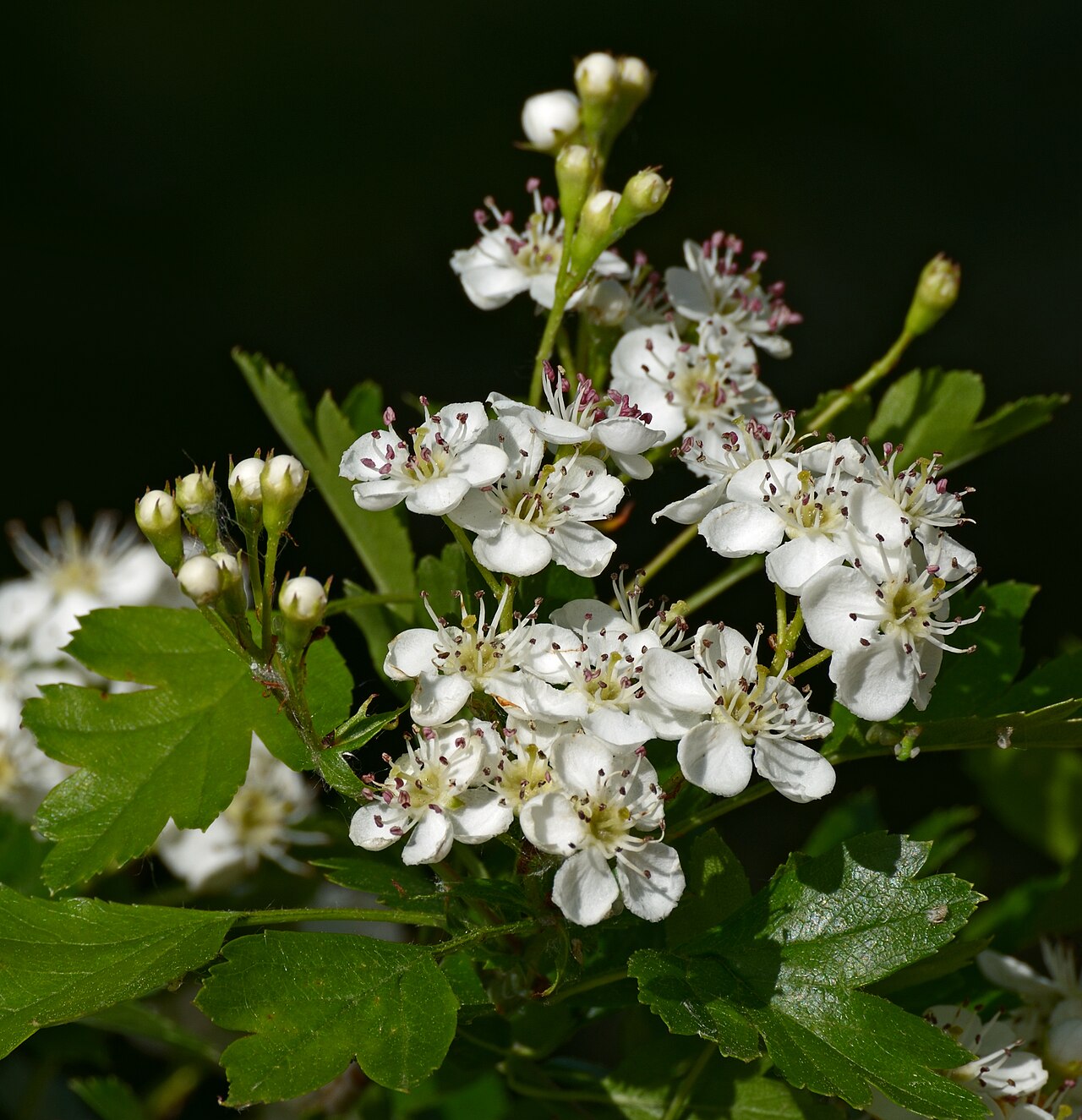 Common hawthorn
Caution A thorny shrub of Polissia's forest edges and hedgerows with white flowers in spring and red fruit in autumn.
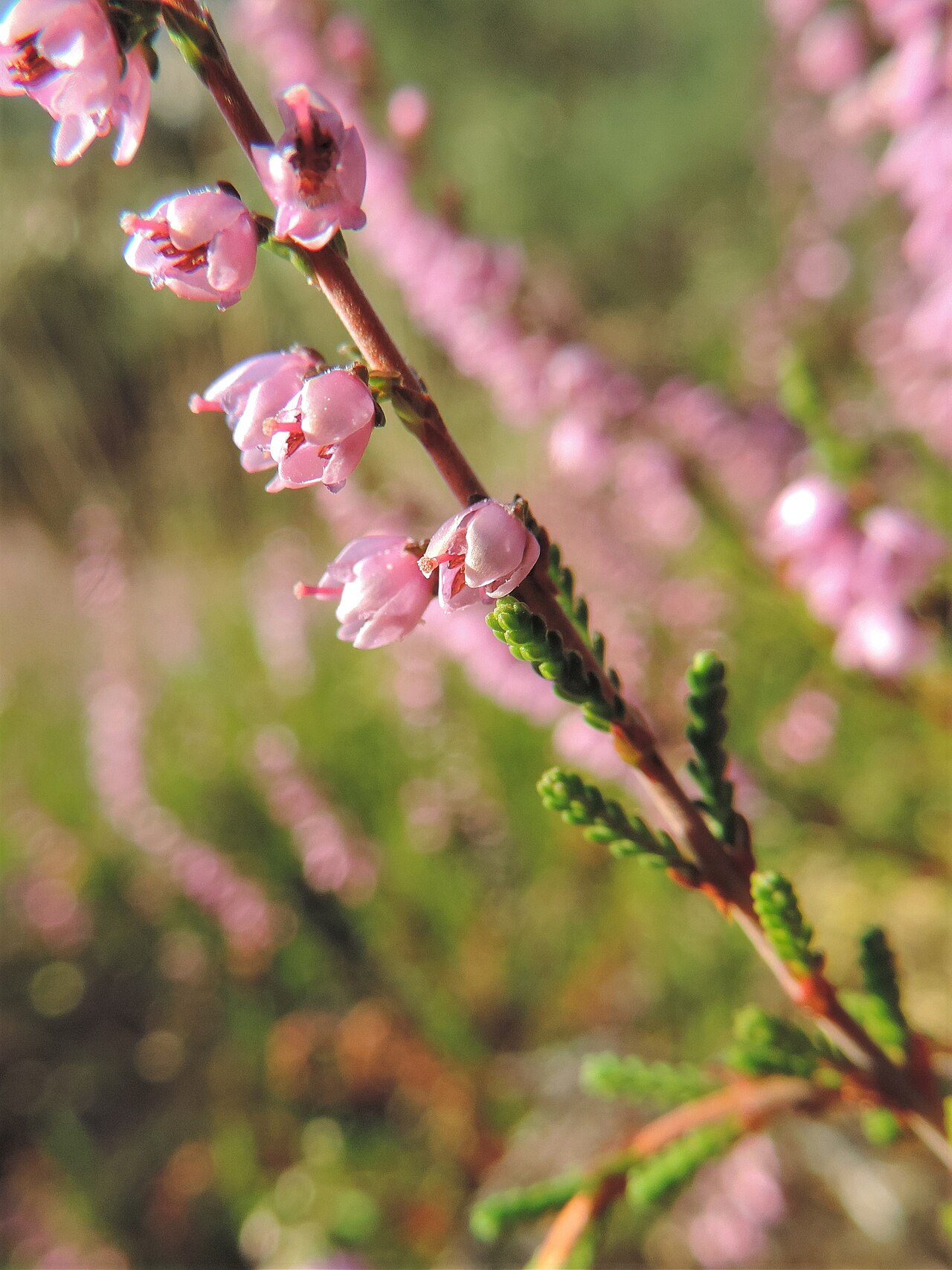 Heather
A low shrub that at the end of summer colours Polissia's pine forests and heaths lilac.
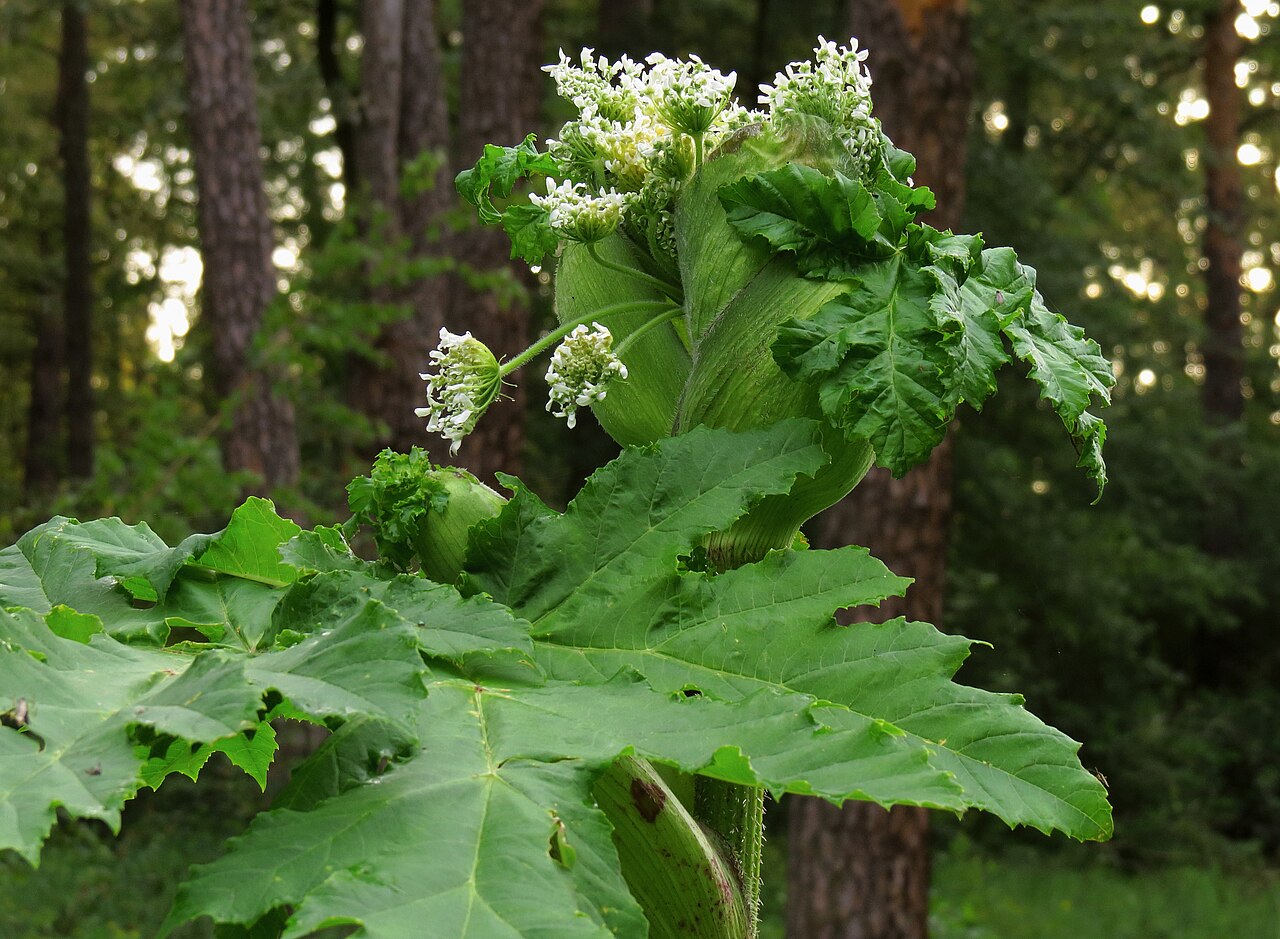 Sosnowsky's hogweed
Caution An invasive giant plant whose sap causes severe burns in sunlight; it is spreading in Polissia along roads and rivers.
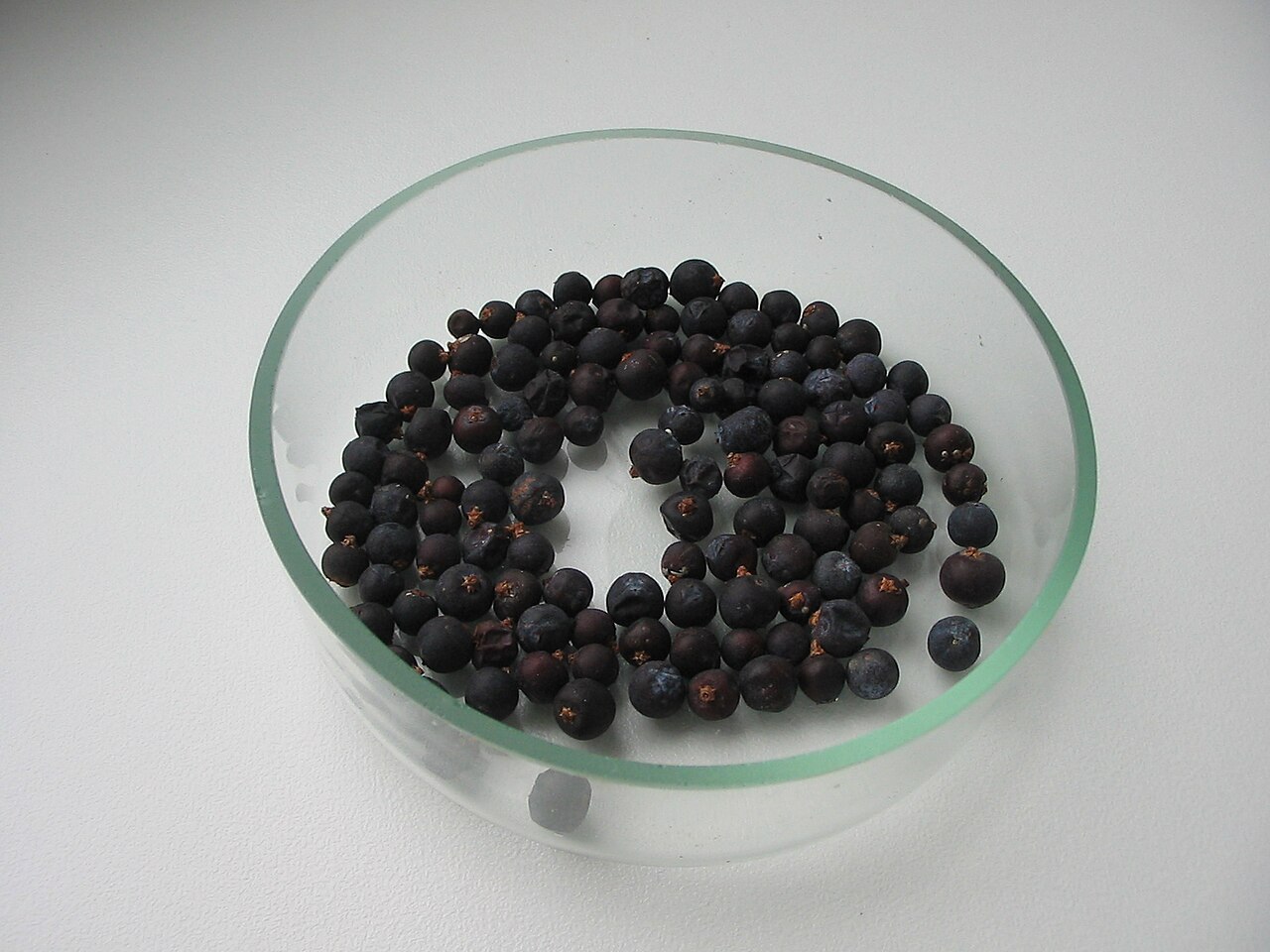 Common juniper
A coniferous shrub of Polissia's pine forests with prickly needles and blue “berries” (berry-like cones).
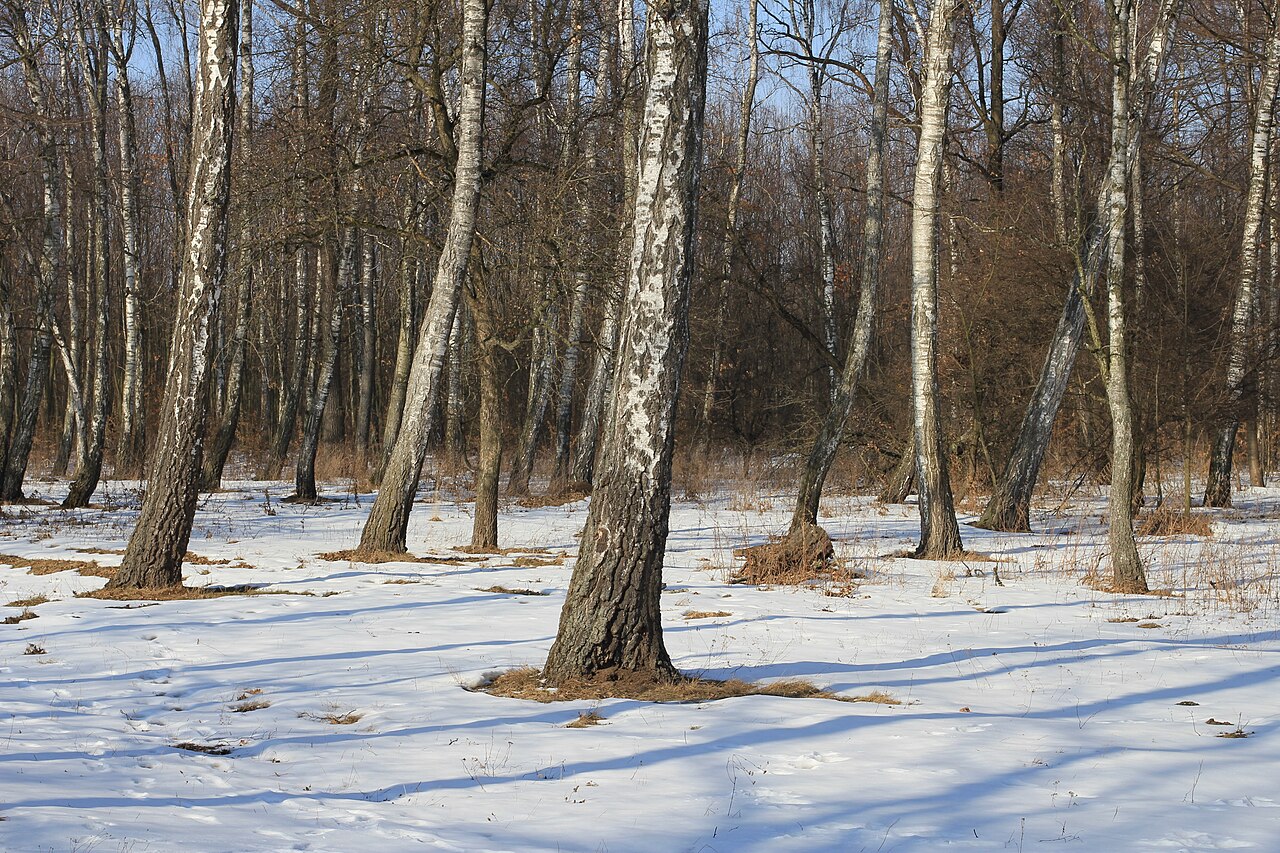 Silver birch
Caution One of the most widespread trees of Polissia: it colonises clearings and abandoned fields and forms light birch groves.
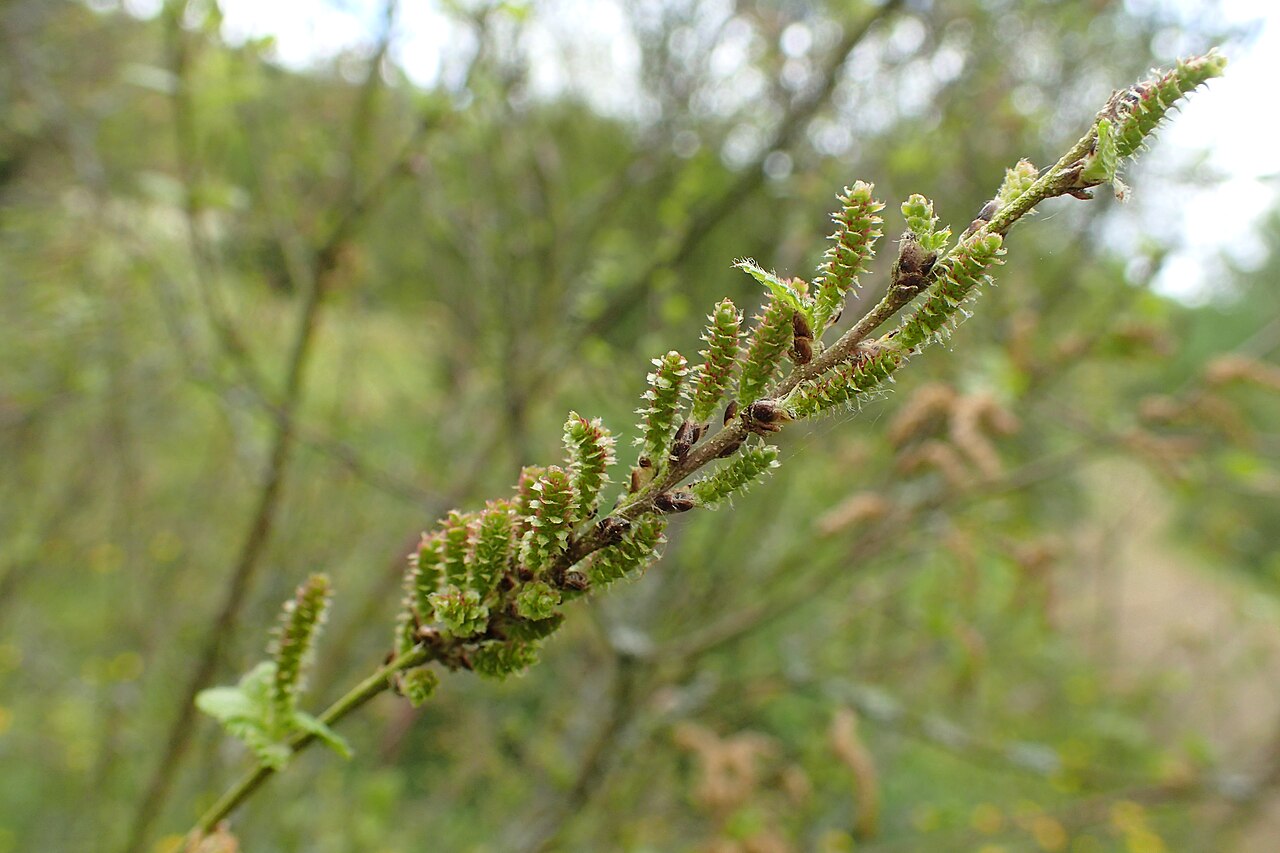 Shrubby birch
Red Data Book A low shrub of the birch family that grows on Polissia's bogs; a rare remnant of the Ice Age flora.
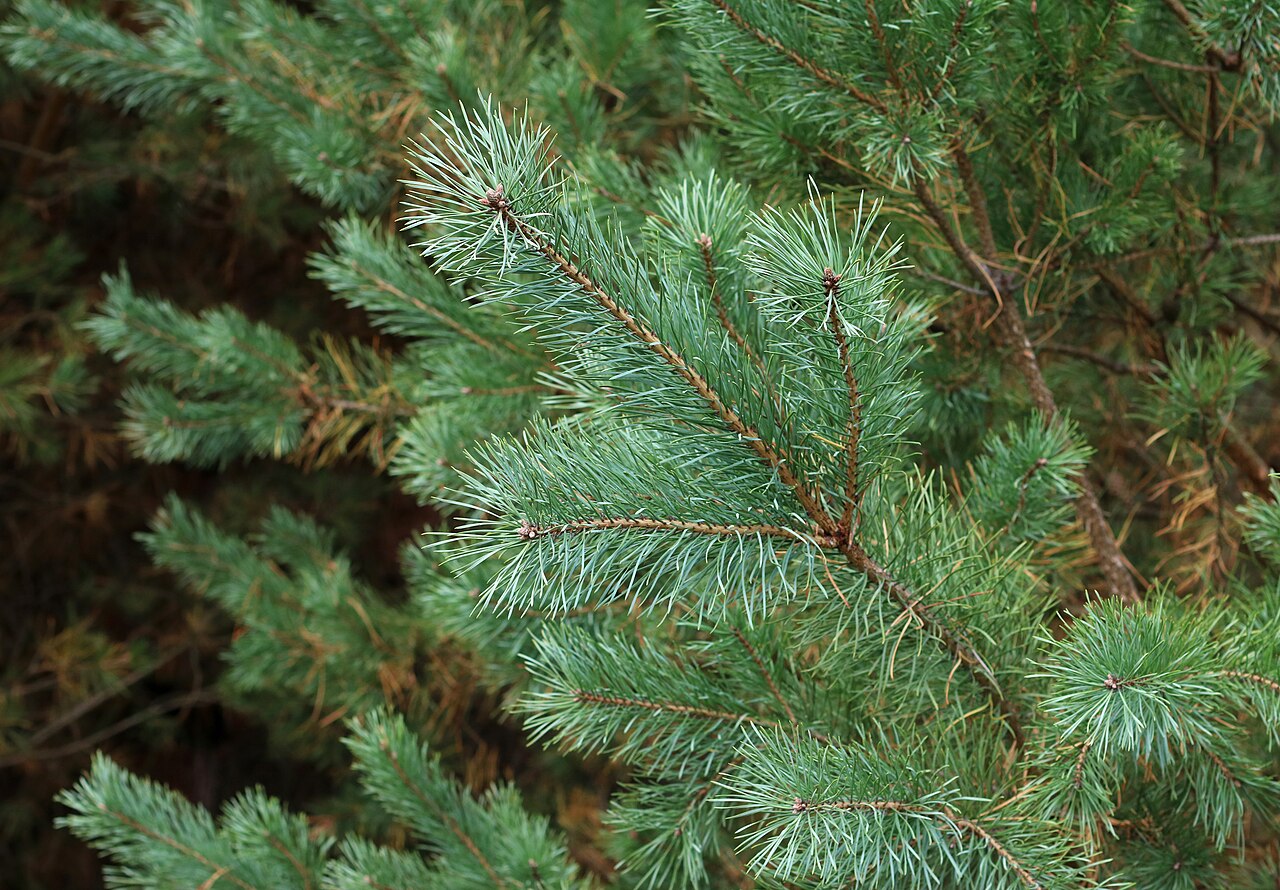 Scots pine
The main tree of Polissia: pine forests on sand define the look of the region from Volyn to Chernihiv region.
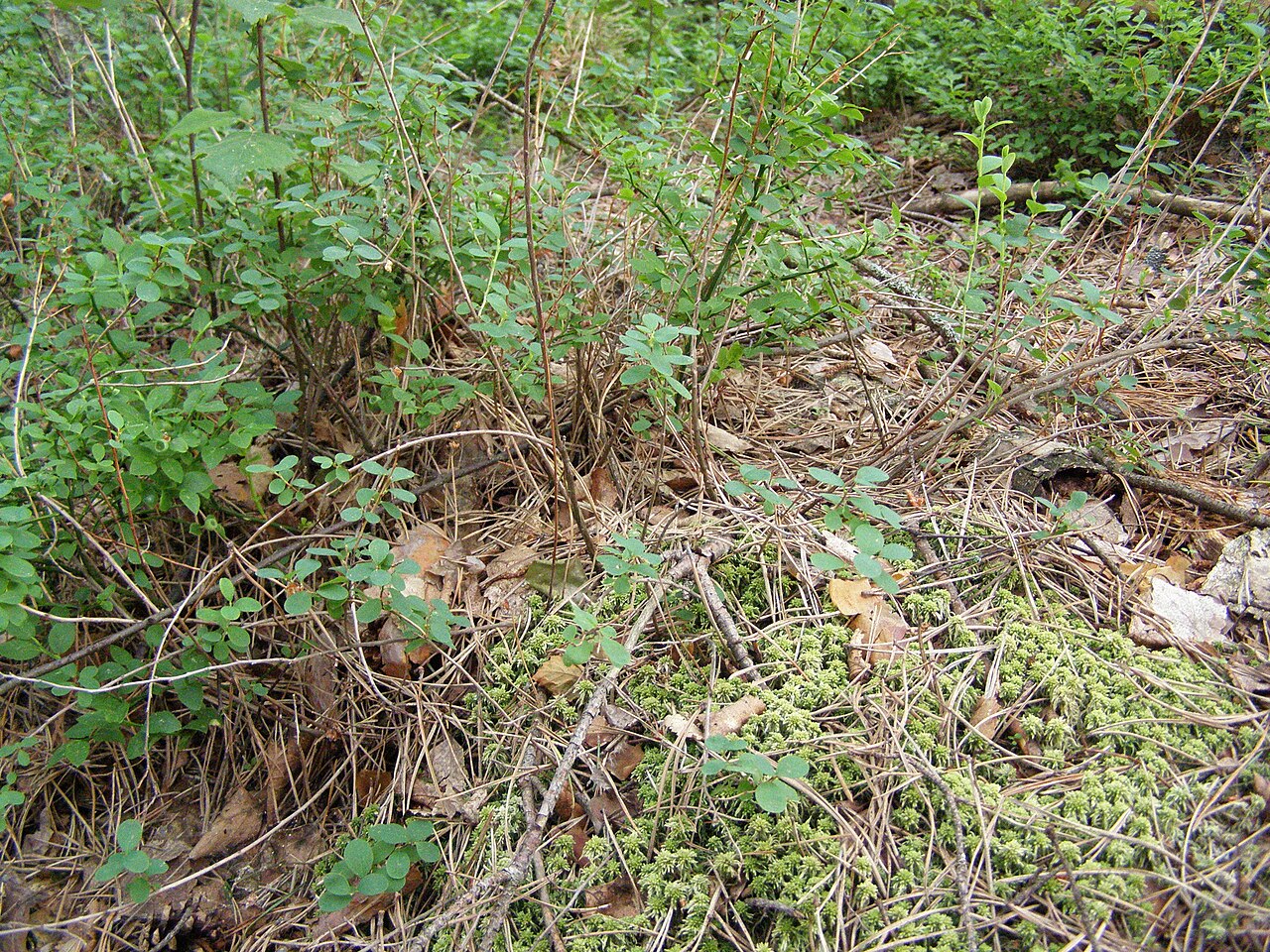 Sphagnum moss
The peat moss that Polissia's bogs are made of: it stores water and over millennia forms peat.
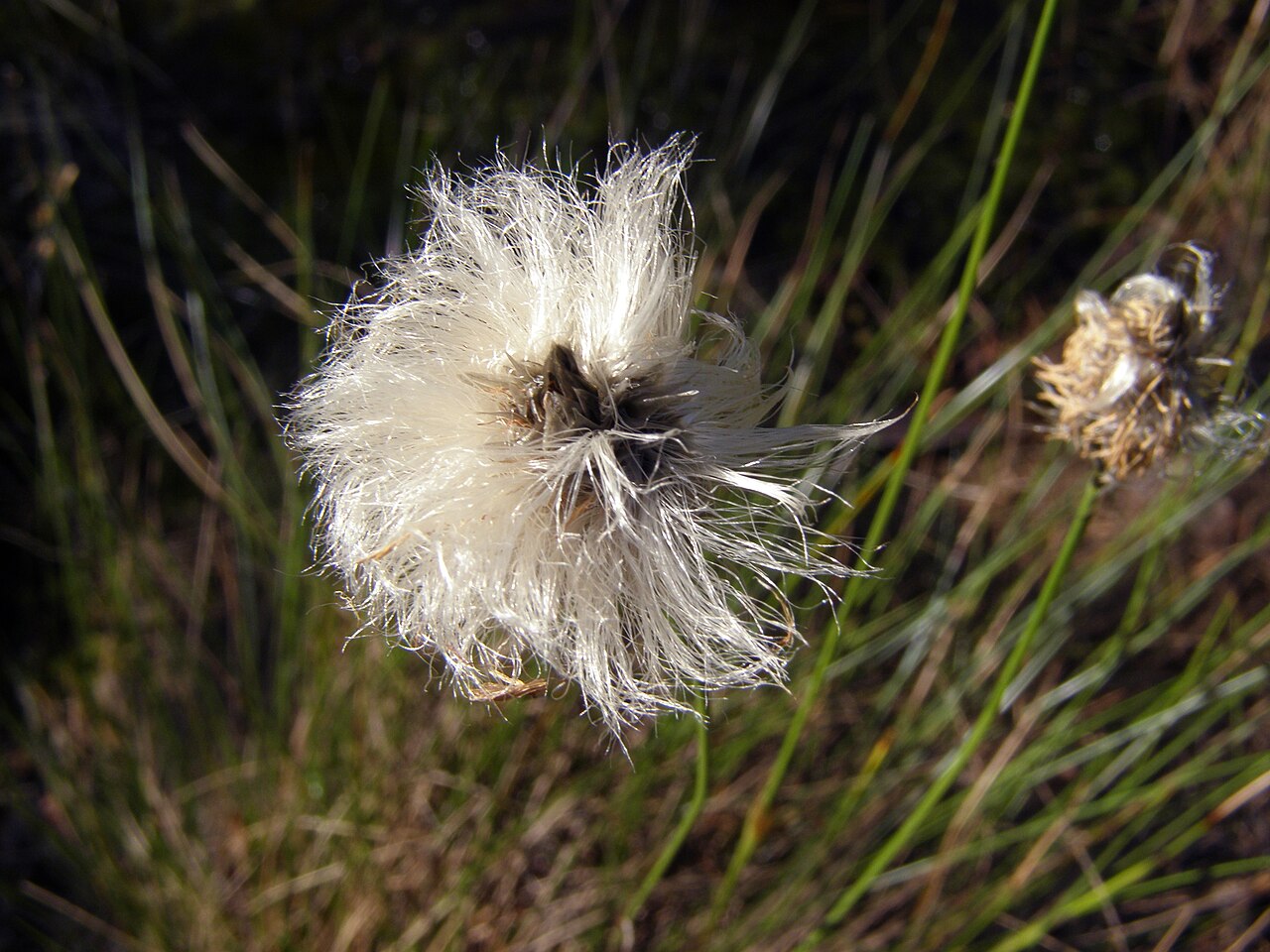 Hare's-tail cottongrass
A plant of raised bogs that in spring covers the peatlands with fluffy white “cotton balls”.
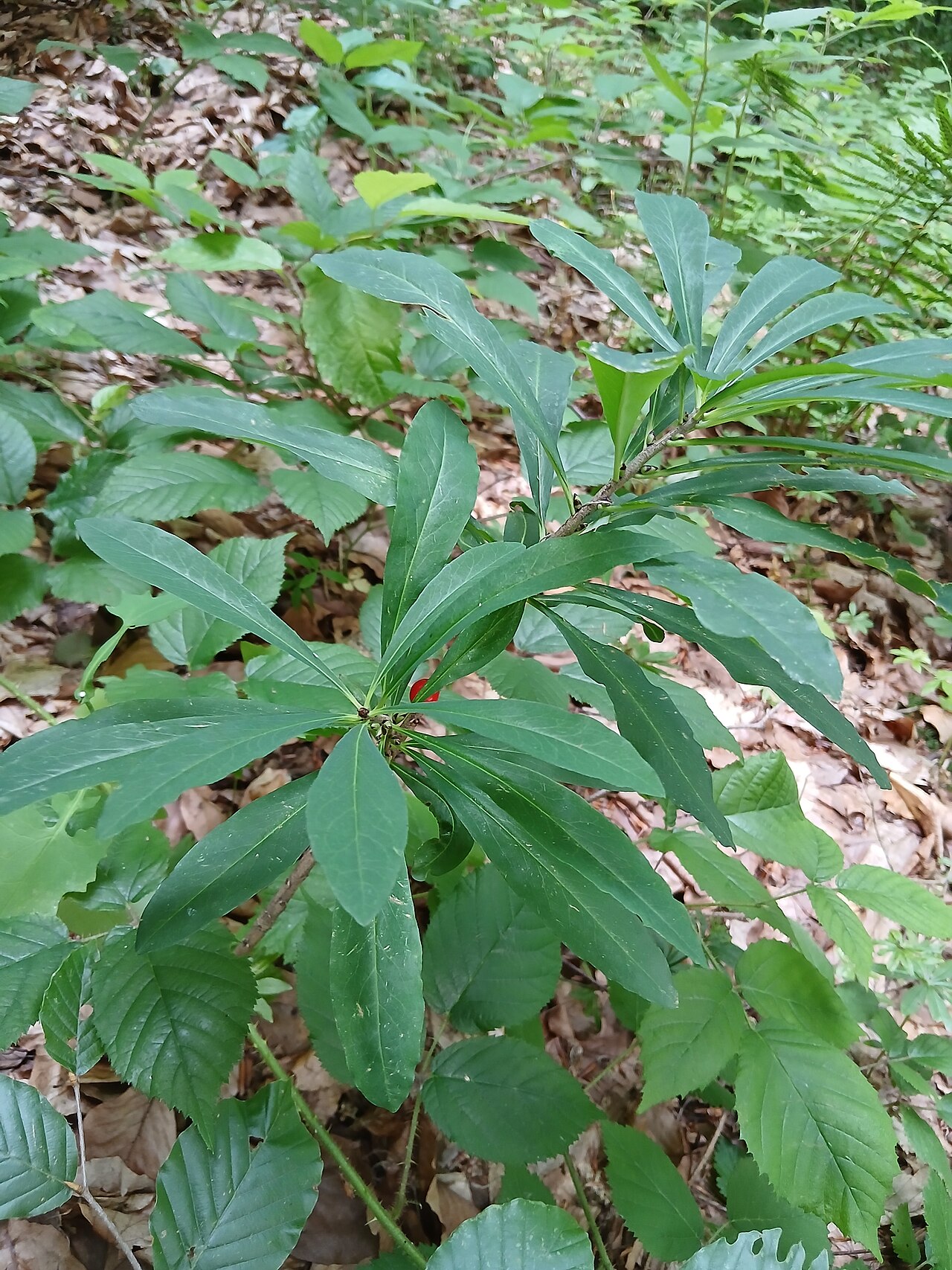 Mezereon
Caution A forest shrub that blooms pink before its leaves appear; its red berries are highly poisonous.
Insects and ticks
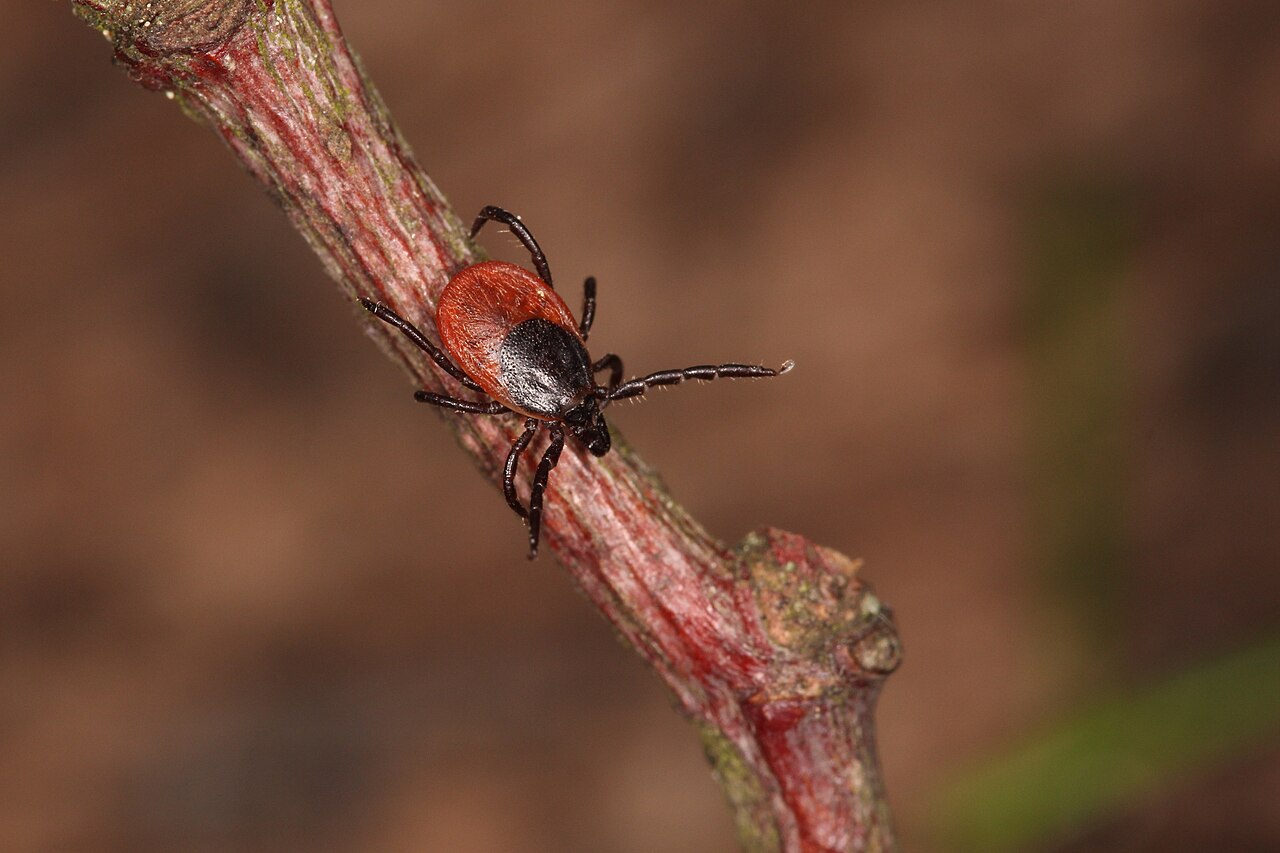 Castor bean tick
Caution The main small danger of Polissia's forests and meadows: the tick transmits Lyme disease and tick-borne encephalitis.
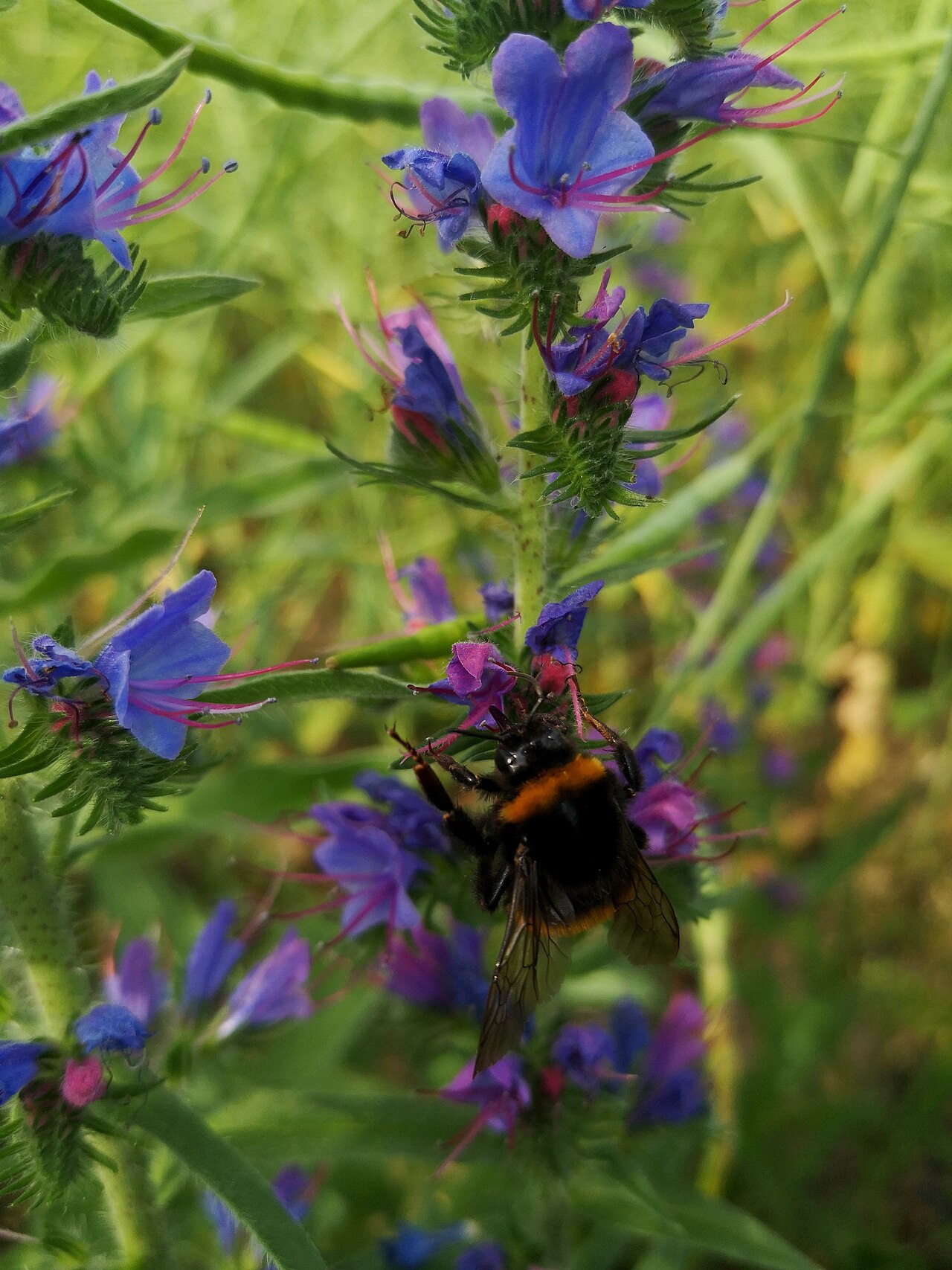 Buff-tailed bumblebee
Caution A large, furry pollinator that flies even in cool weather; several bumblebee species occur on Polissia's meadows.
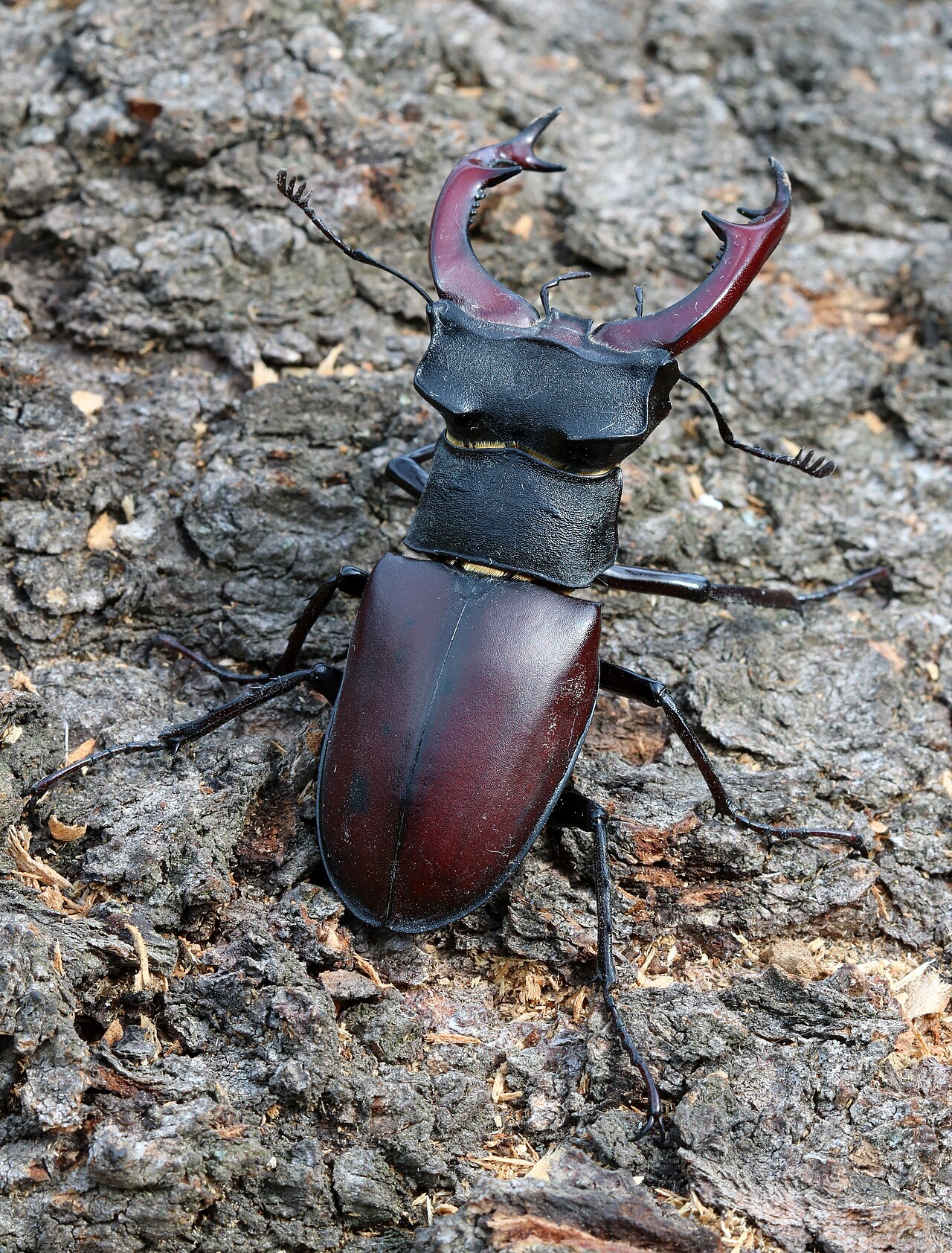 European stag beetle
Red Data Book Europe's largest beetle: males have huge antler-like jaws, and the larvae live for years in rotting oak stumps.
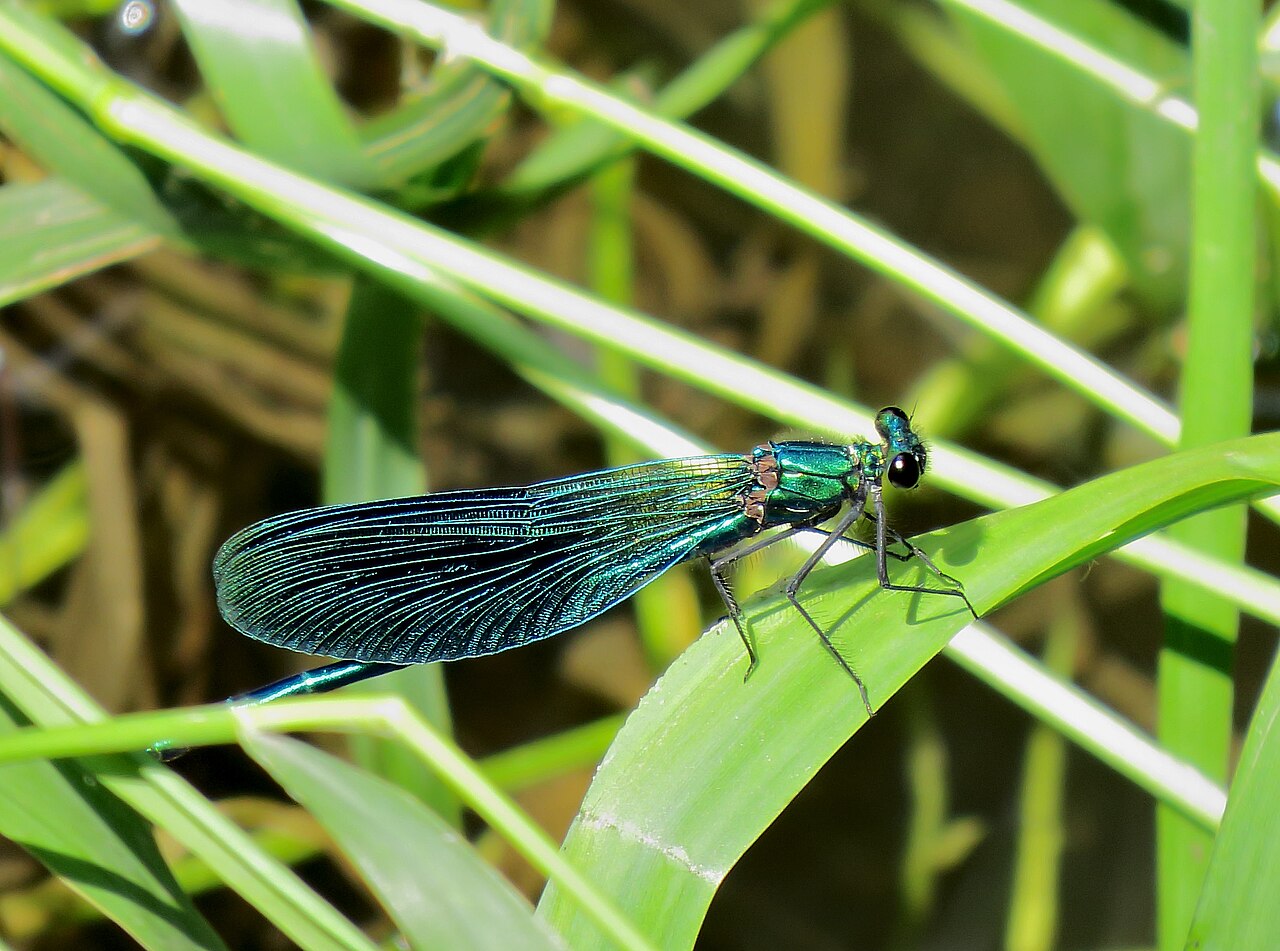 Beautiful demoiselle
Red Data Book A damselfly with dark blue metallic wings that flutters like a butterfly over the clean forest rivers of Polissia.
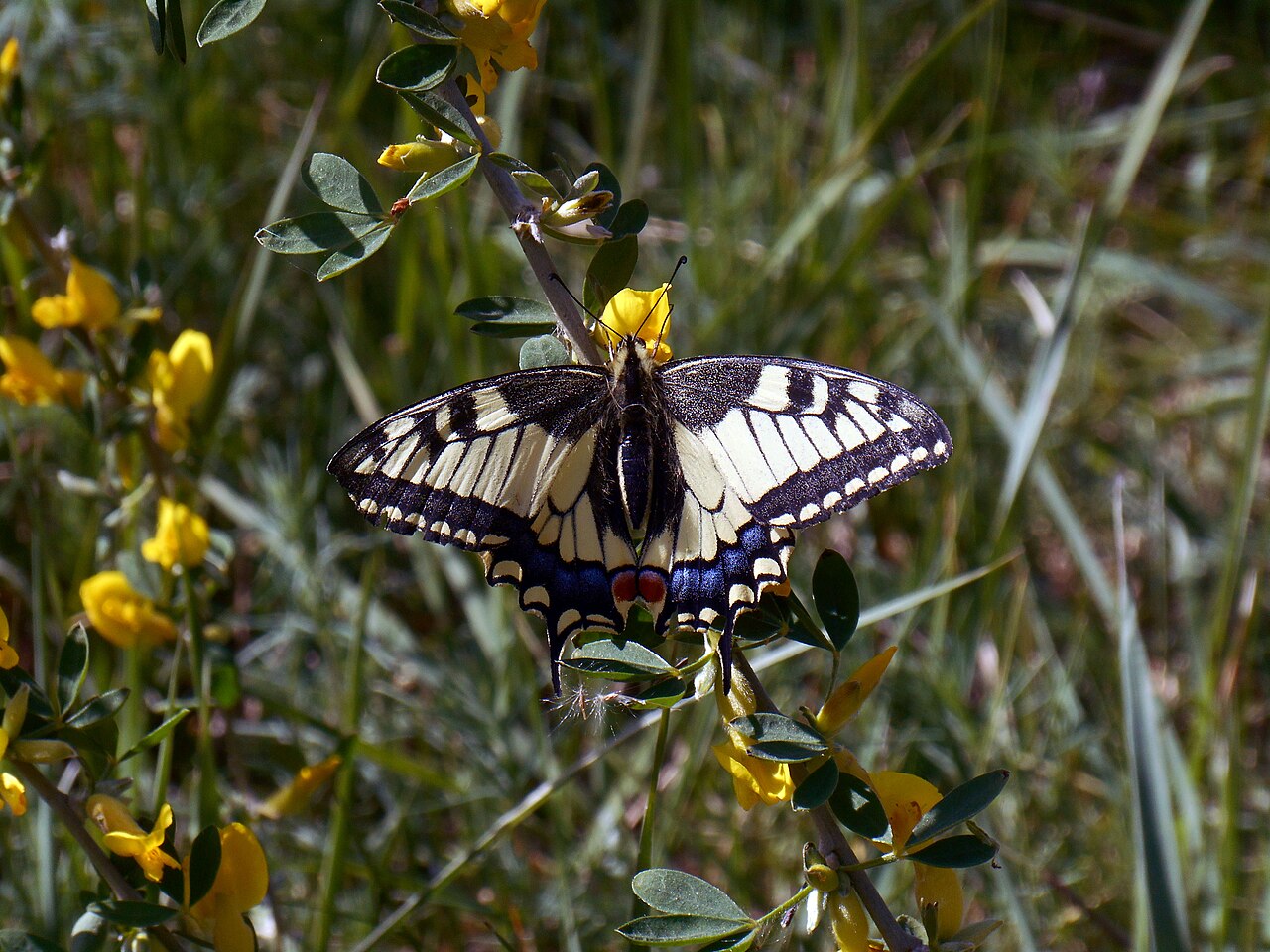 Swallowtail
A large yellow-and-black butterfly with “tails” on its hindwings, found on the meadows and forest edges of Polissia.
Photos — Wikimedia Commons, authors and licences are given on each species page. Observation maps — the open GBIF database. Locations of rare species are shown approximately.