
Western capercaillie in Polissia
Tetrao urogallus
Red Data Book of Ukraine: endangered
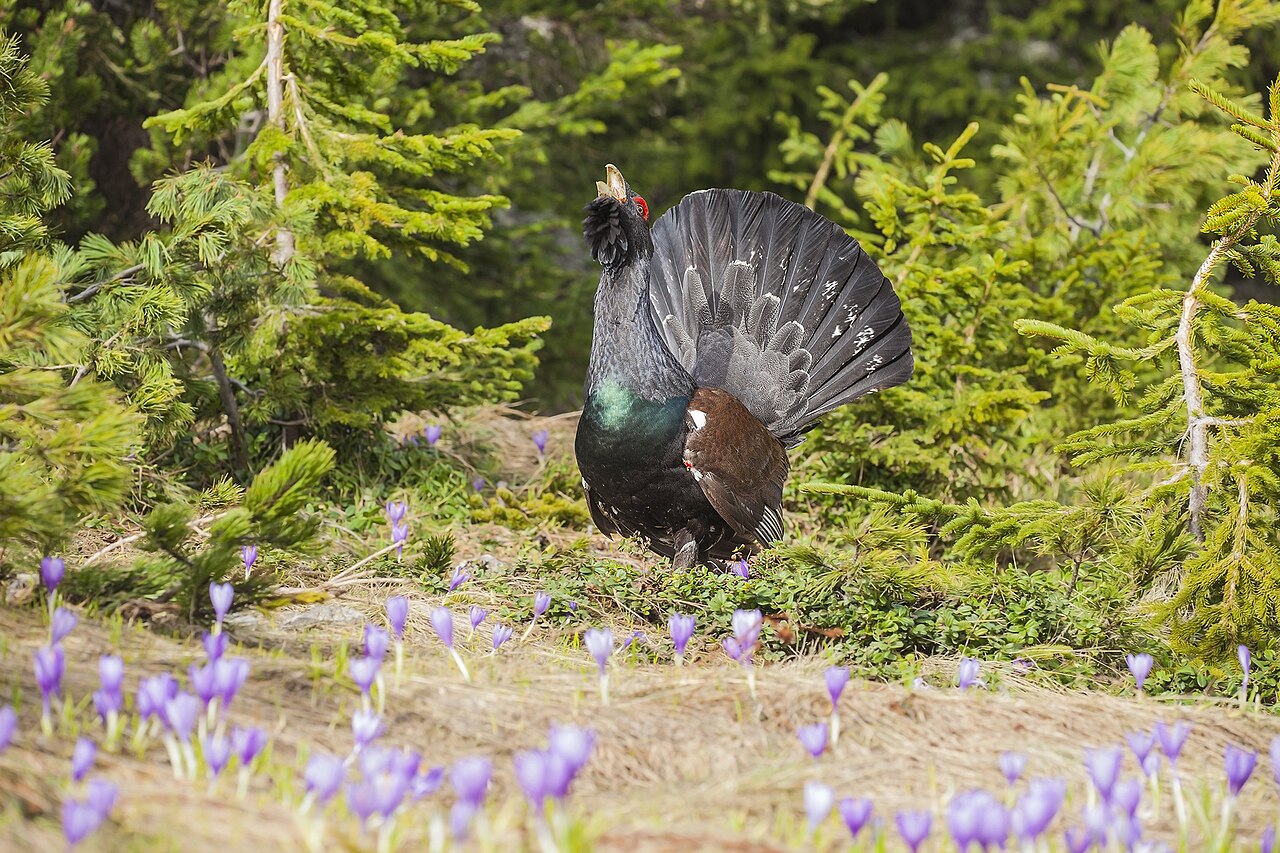
The capercaillie is a large bird. The male is the size of a turkey, dark grey with a greenish breast, red “eyebrows” above the eyes, a beard and a broad, fan-shaped tail. The female is much smaller, mottled reddish-brown.
The capercaillie lives in old pine forests with bilberry, sphagnum bogs and moss. In Ukraine it has survived in Polissia and the Carpathians, and in Polissia some of its main strongholds are the Polissia and Rivne nature reserves.
In spring, at dawn, males gather at leks. Their song consists of clicks and a “whetting” phrase during which the male seems to go deaf for a few seconds – hence the bird's Ukrainian name, which means “the deaf one”. In winter the capercaillie feeds on pine needles, in summer on berries, shoots and insects.
The capercaillie is listed in the Red Data Book of Ukraine and is very sensitive to disturbance. Leks may not be visited without scientists, and the felling of old pine forests is the main threat to the species.
When to see: April – spring leks at dawn (only with scientists); rarely the rest of the year
Where it was seen in Polissia
Observations from the open scientific database GBIF since 1990. Locations are shown approximately, to within 10 km.
More in “Birds”
 Black grouse
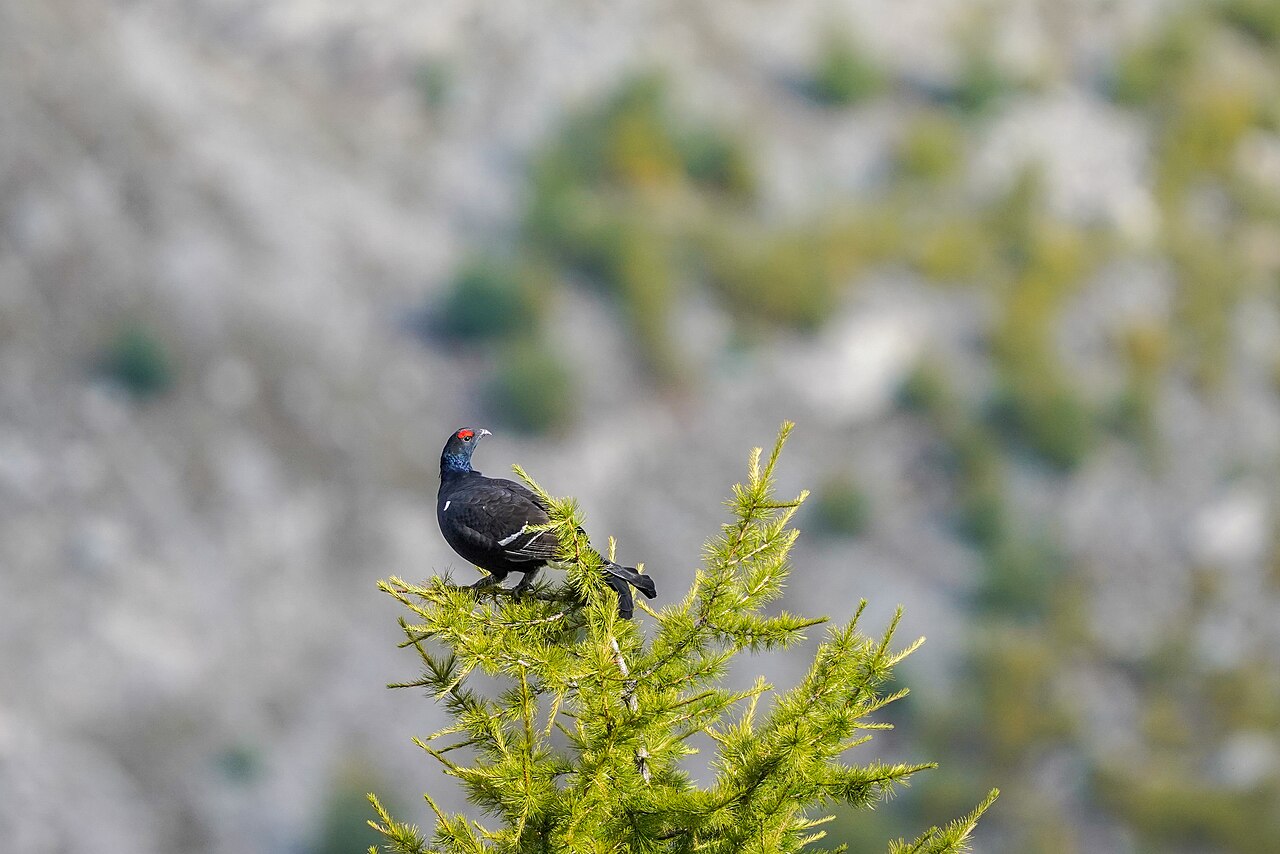
A forest grouse of Polissia's bogs and clearings; the black grouse's spring leks can be heard from afar at dawn.
 White-tailed eagle
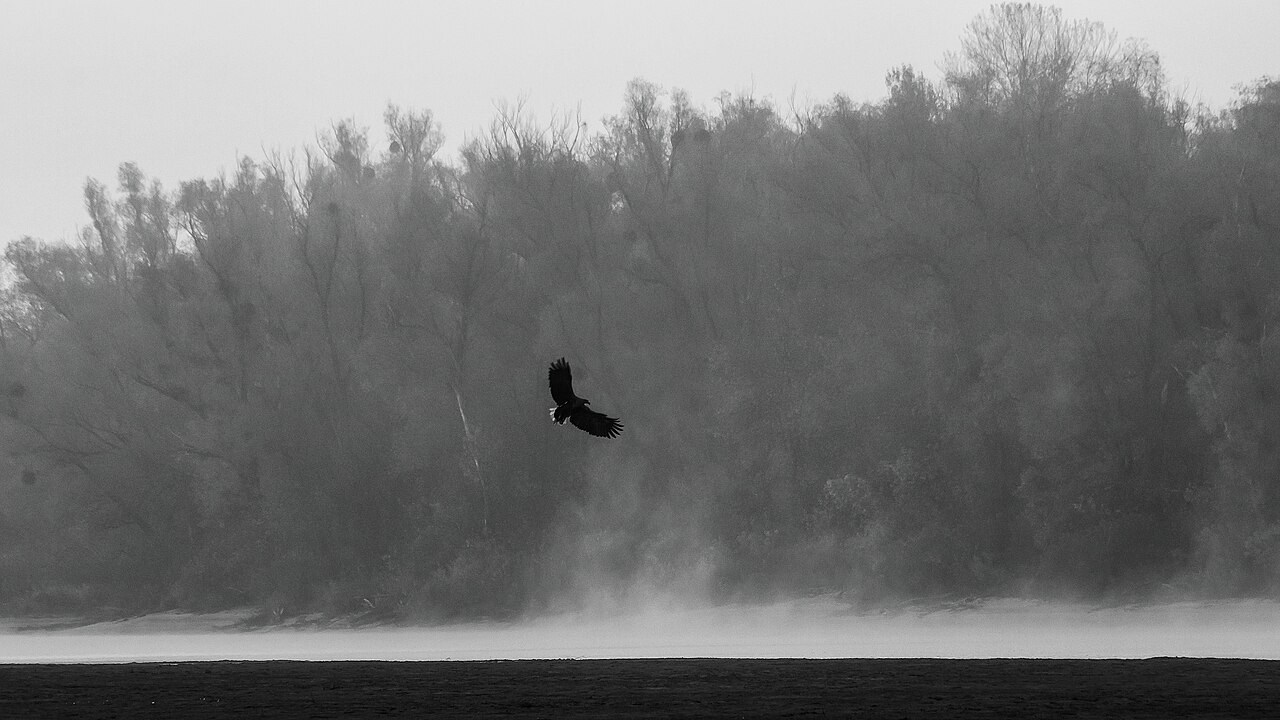
Polissia's largest bird of prey, with a white wedge-shaped tail, keeping to large rivers and lakes.
 Greater spotted eagle
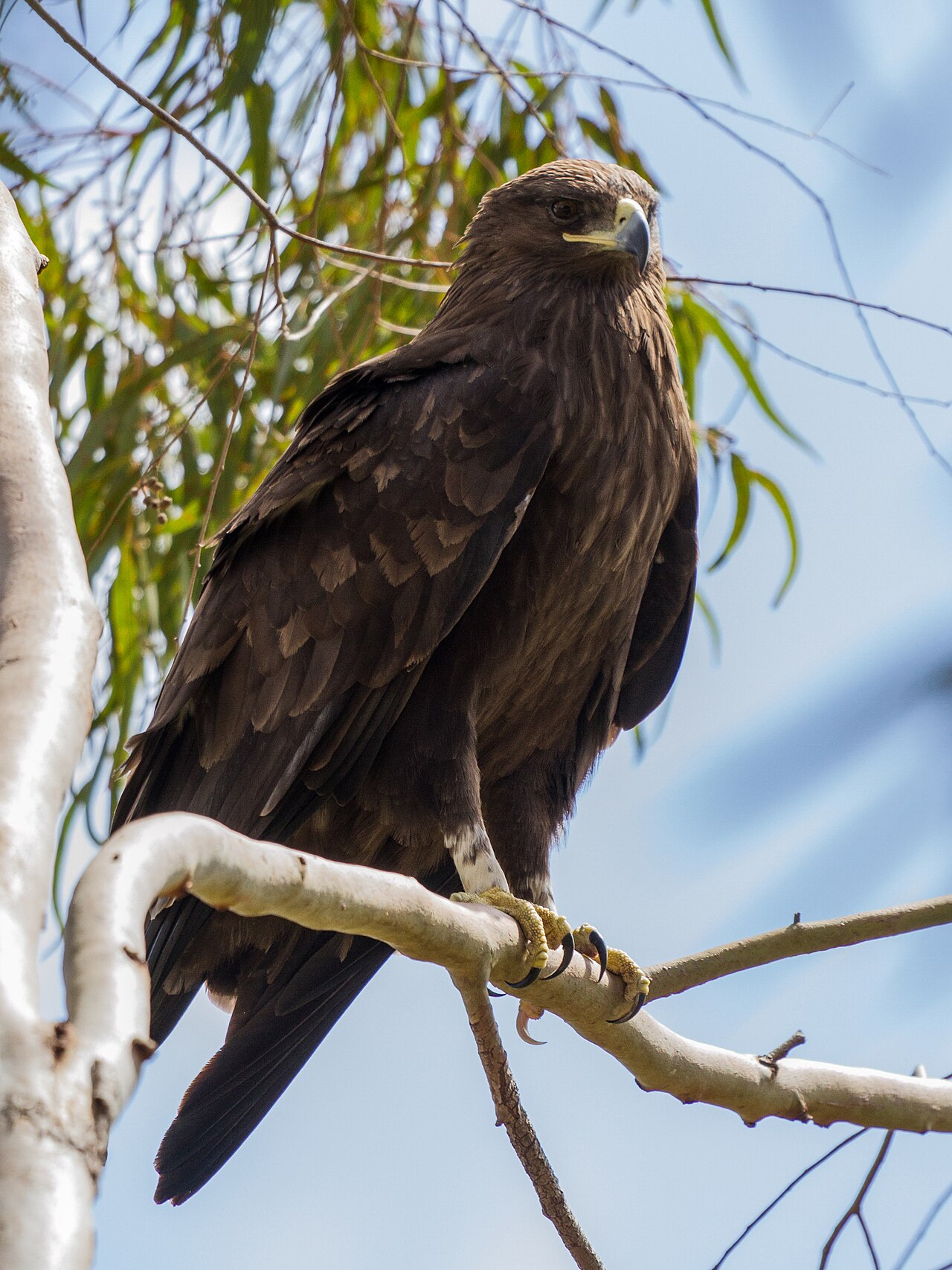
A rare eagle of Polissia's swampy forests and floodplains, one of the rarest birds of prey in Europe.
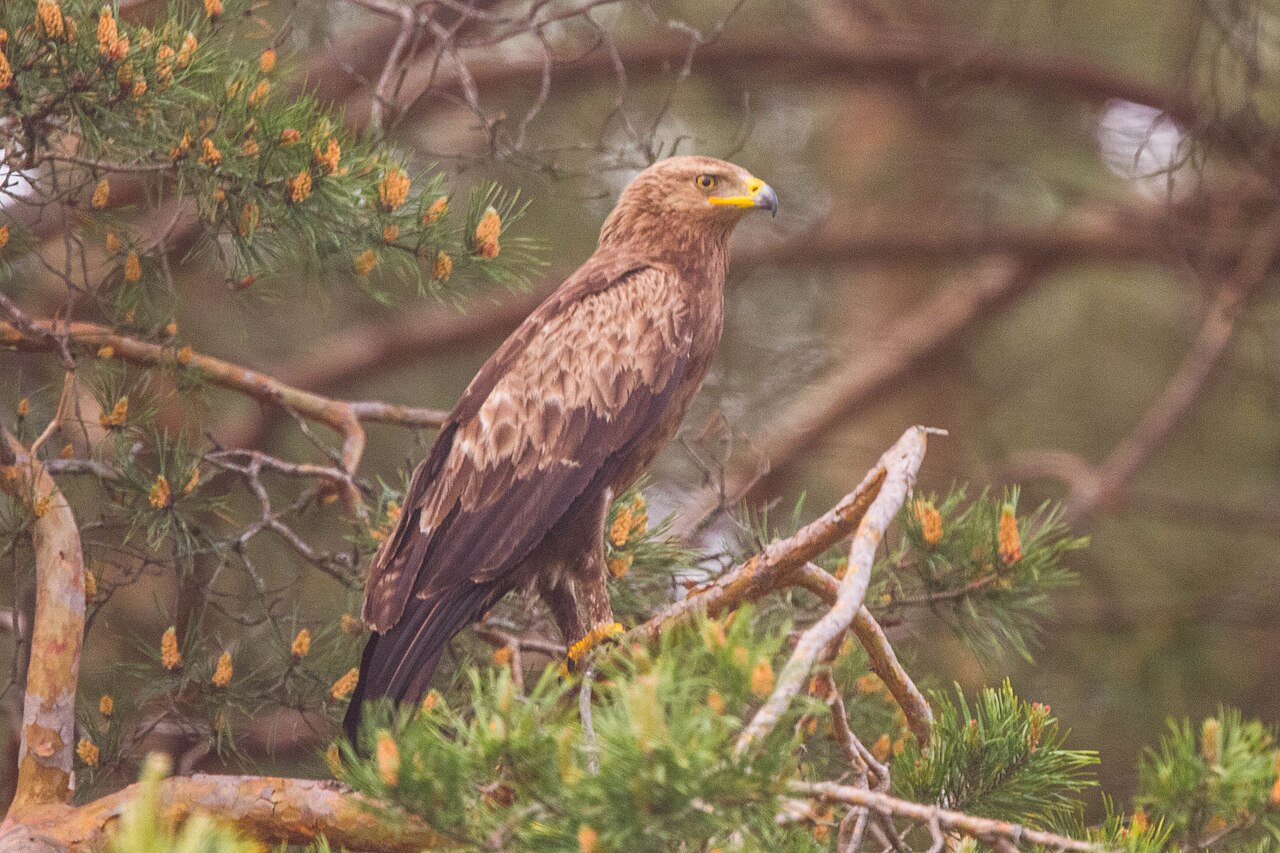 Lesser spotted eagle
A small eagle that nests in Polissia's forests near meadows and hunts rodents and frogs.