
Castor bean tick in Polissia
Ixodes ricinus
Caution: transmits tick-borne encephalitis and Lyme disease (borreliosis)
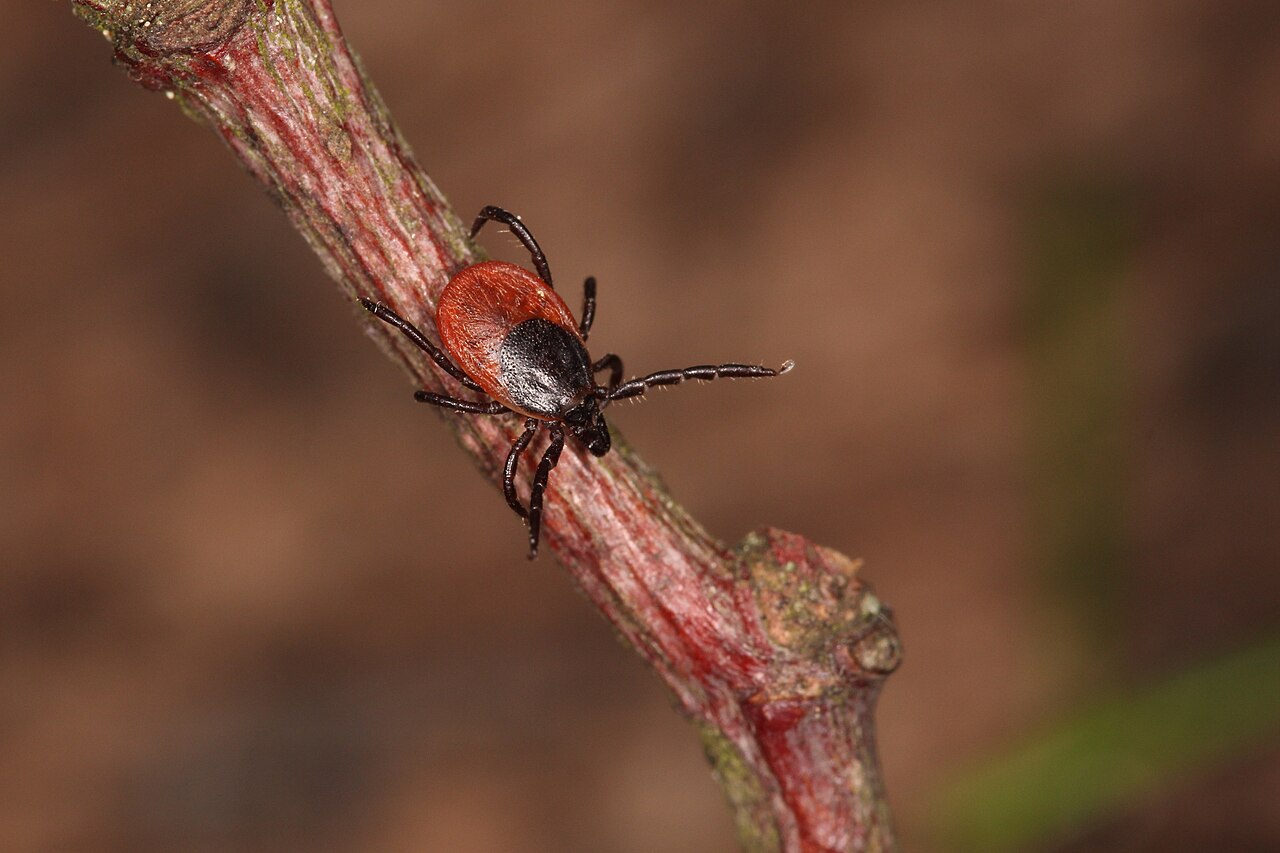
The castor bean tick is a tiny arachnid with eight legs. An unfed female is the size of a poppy seed, with a dark shield and a reddish-brown body; after feeding on blood, she swells to the size of a pea and turns grey. Ticks do not jump or fall from trees, but wait on grass and bushes at knee or waist height.
In Polissia ticks are common in mixed and broadleaved forests, on forest edges, in tall grass on meadows, along forest paths and in city parks too. They are most numerous in damp places with dense undergrowth.
The tick can transmit Lyme disease (borreliosis), tick-borne encephalitis and other infections. The bite is usually painless, so the tick is noticed only once it has attached. The sooner it is removed, the lower the risk of infection.
Wear light-coloured clothing with long sleeves in the forest, tuck your trousers into your socks, use tick repellents and after a walk check your body carefully, especially the armpits, groin, neck and hair. Remove an attached tick with tweezers or a special tick loop with a twisting motion, without oil and without crushing it. Disinfect the bite. If within a few weeks an expanding red patch appears or you develop a fever, see a doctor.
When to see: most active in April–June and September–October, but found from early spring to late autumn
Where it was seen in Polissia
Observations from the open scientific database GBIF since 1990.
More in “Insects and ticks”
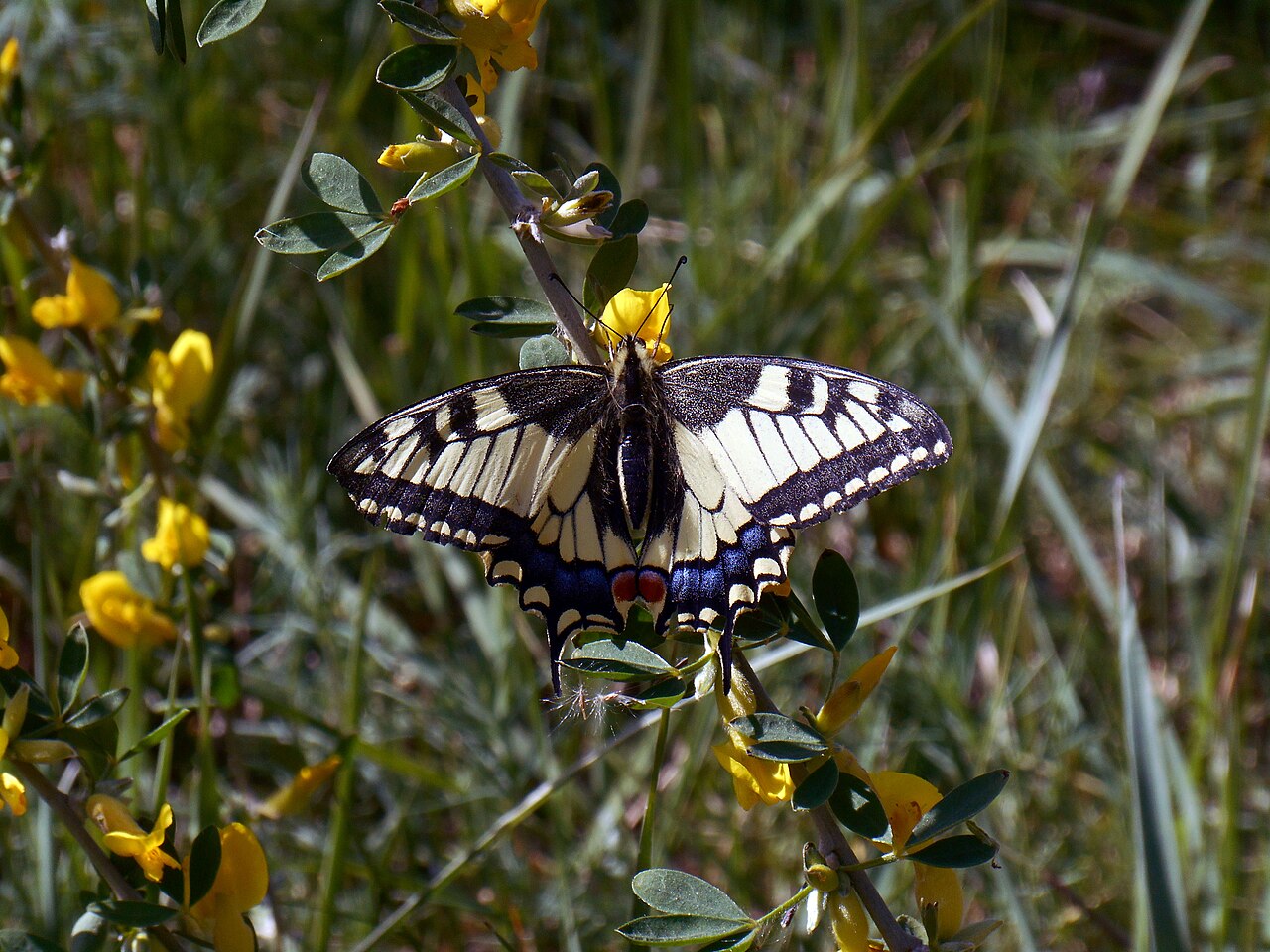 Swallowtail
A large yellow-and-black butterfly with “tails” on its hindwings, found on the meadows and forest edges of Polissia.
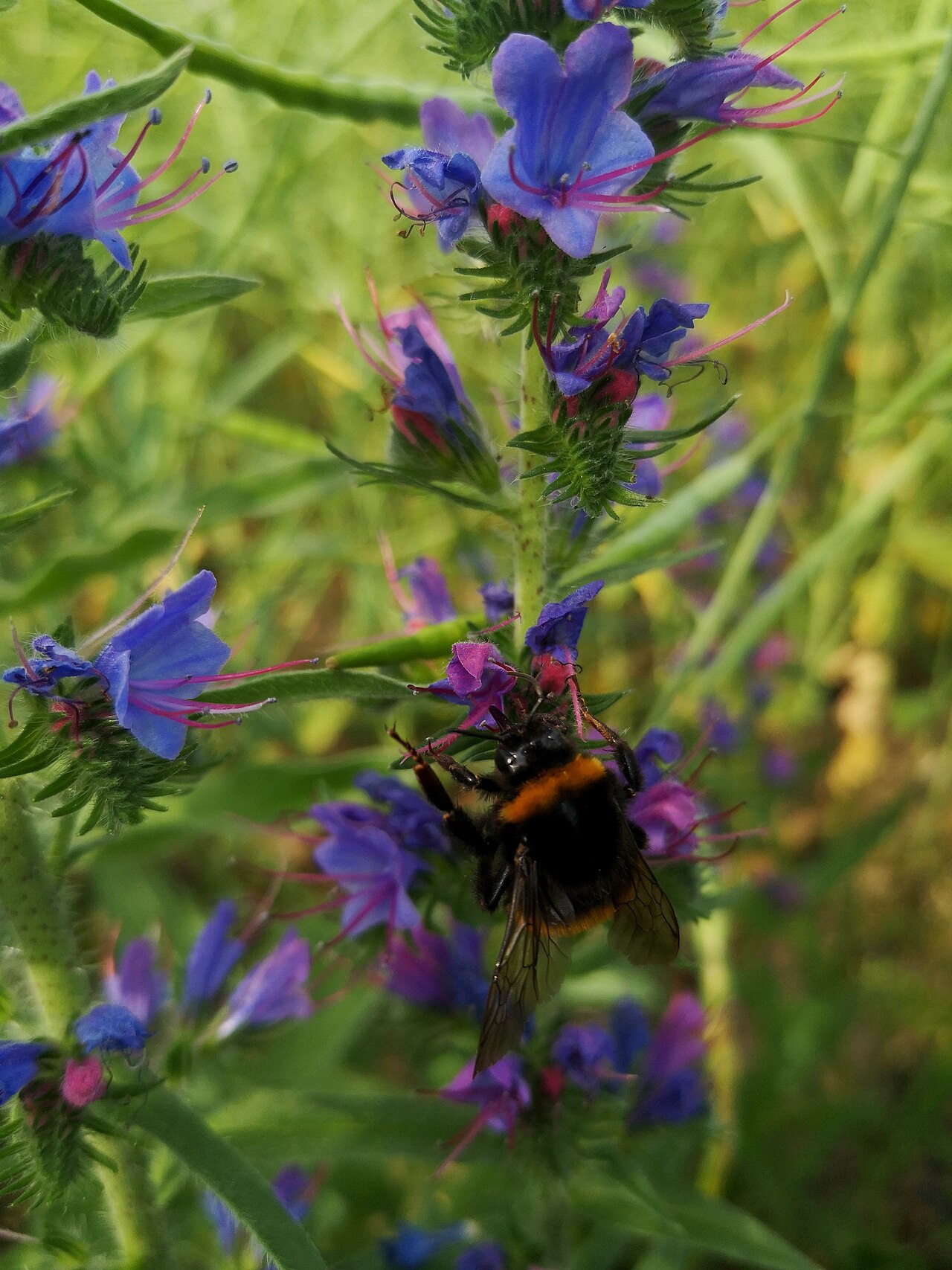 Buff-tailed bumblebee
A large, furry pollinator that flies even in cool weather; several bumblebee species occur on Polissia's meadows.
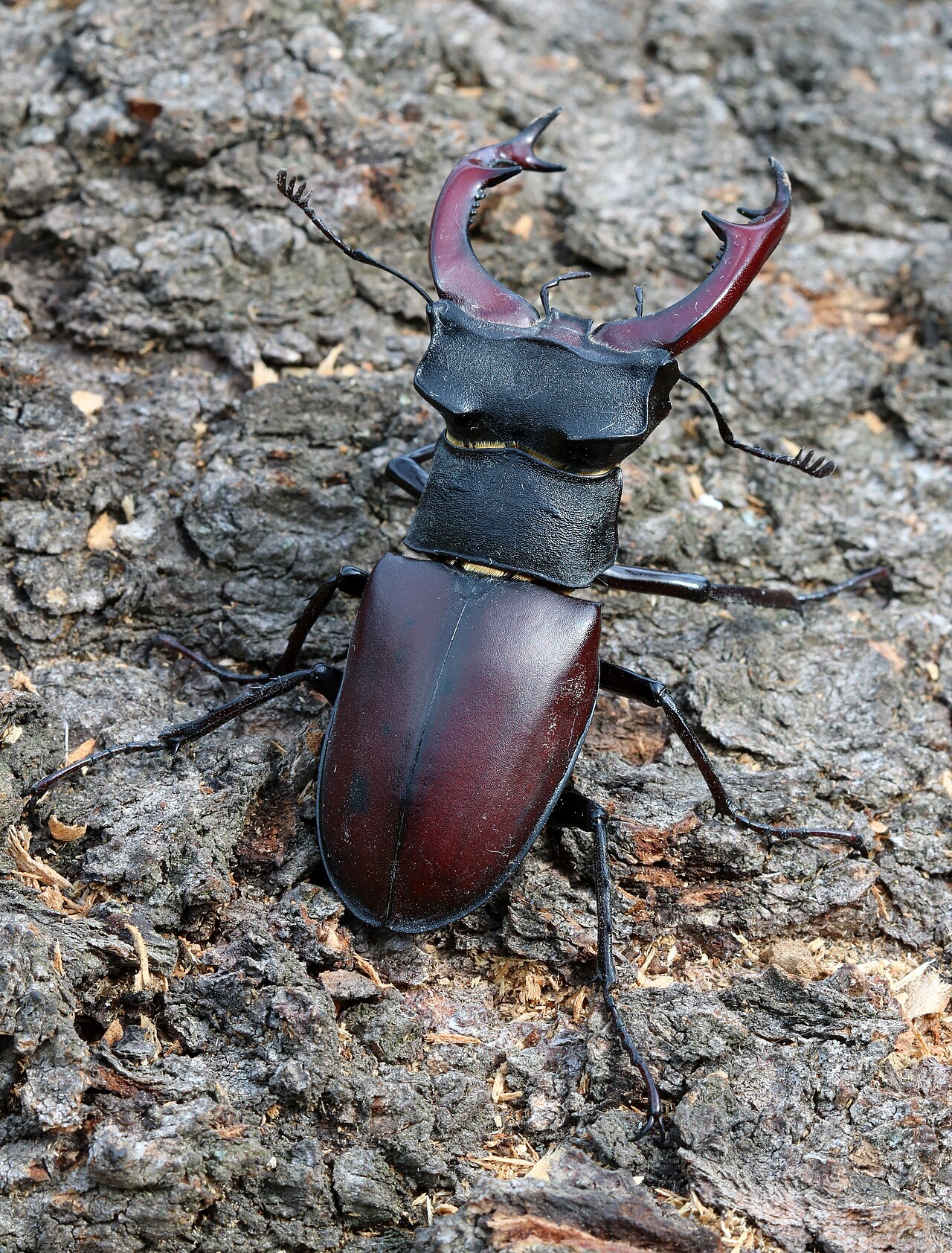 European stag beetle
Europe's largest beetle: males have huge antler-like jaws, and the larvae live for years in rotting oak stumps.
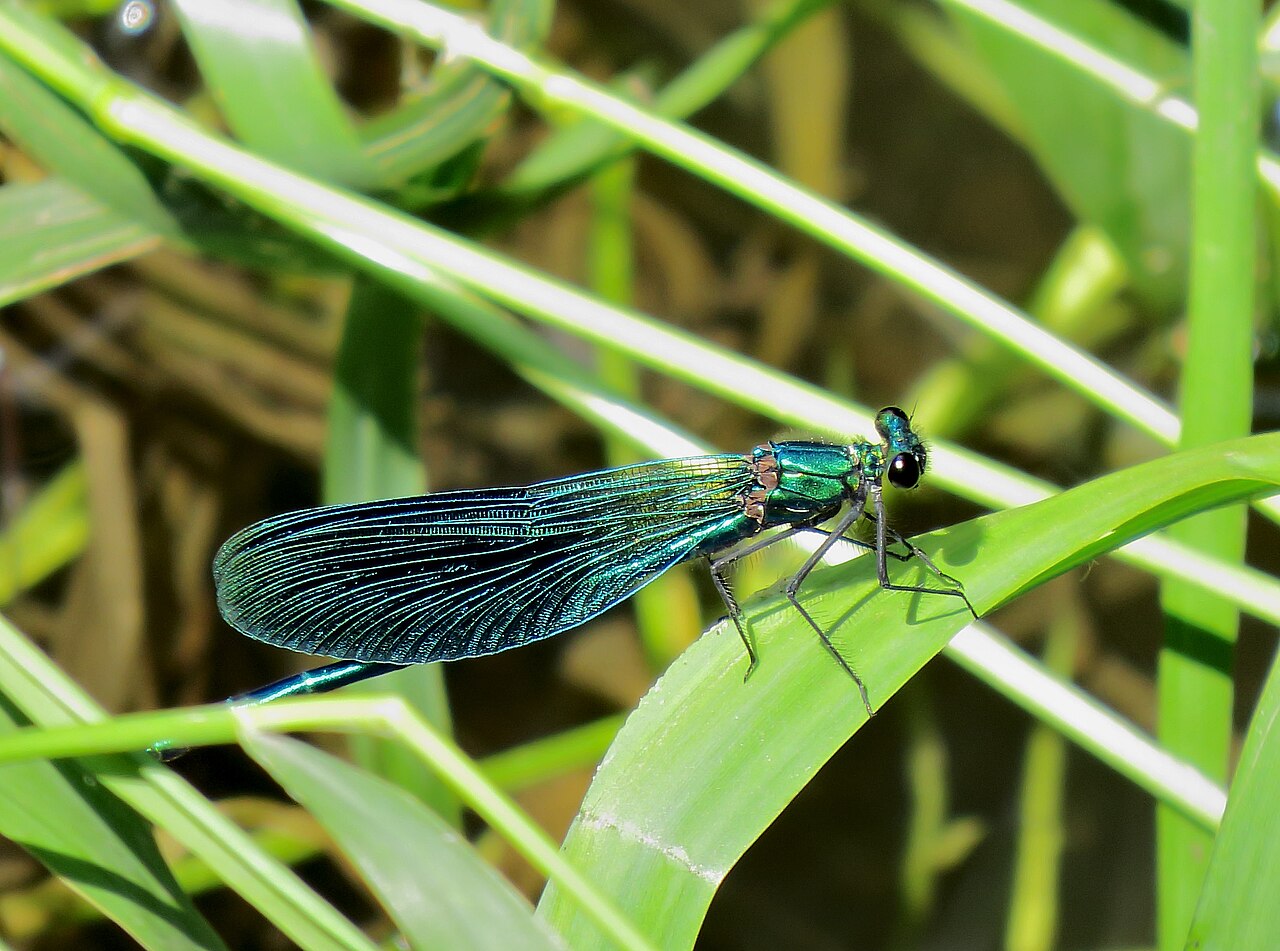 Beautiful demoiselle
A damselfly with dark blue metallic wings that flutters like a butterfly over the clean forest rivers of Polissia.