
European hare in Polissia
Lepus europaeus
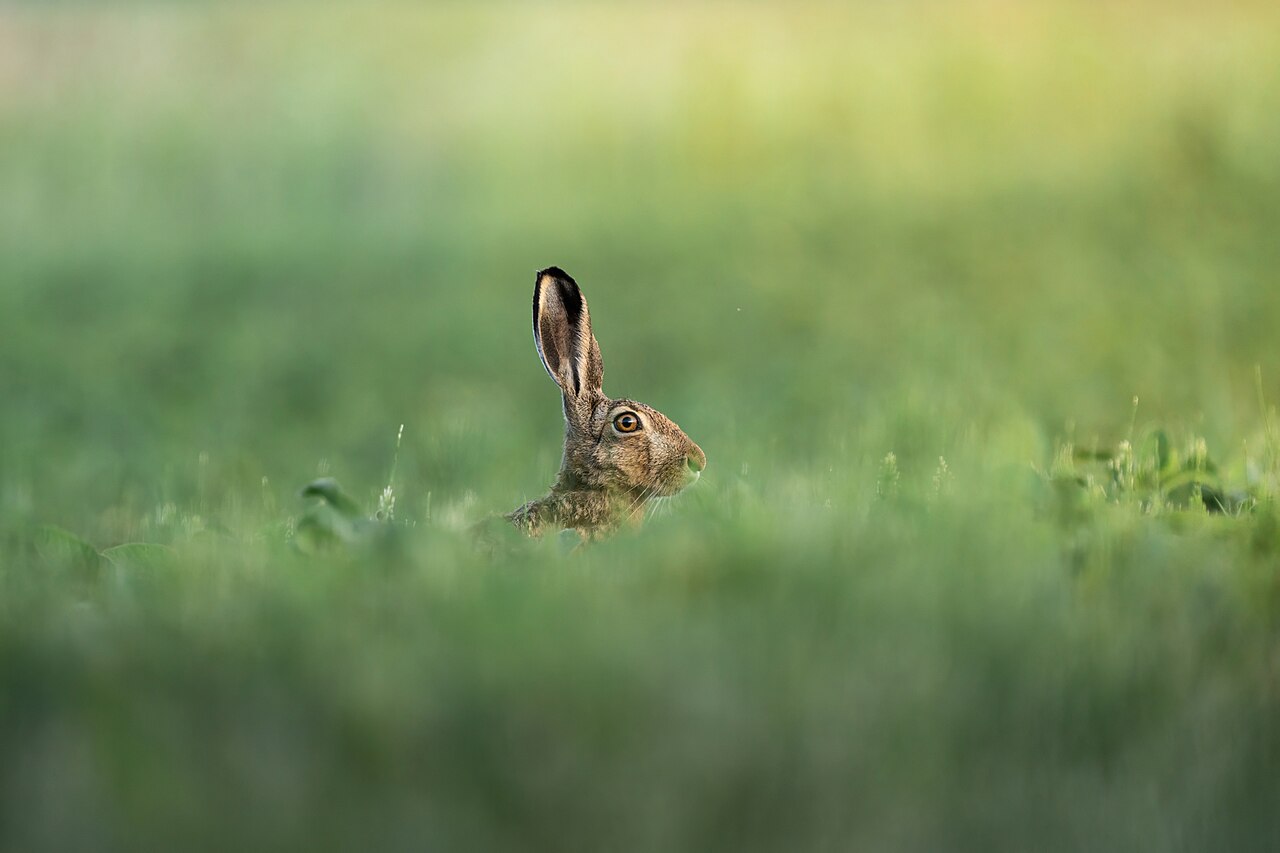
The European hare is a large hare with long, black-tipped ears and long hind legs. Its fur is grey-brown with a reddish tinge, the tail black on top. In winter it stays grey, which distinguishes it from the mountain hare.
In Polissia the European hare lives mostly in open places: fields, meadows, clearings and the outskirts of villages. There are fewer of them in deep forests and bogs. It occurs in all of Polissia's regions.
By day the hare lies in a shallow hollow, its “form”, in grass or ploughland, and lets a person come quite close before suddenly bolting. In early spring you can see hares chasing each other and “boxing” on their hind legs.
The mother visits her leverets only a few times a day. A leveret found in the grass has not been abandoned; do not pick it up or take it away.
When to see: all year; best in early spring in the fields, in winter by tracks
Where it was seen in Polissia
Observations from the open scientific database GBIF since 1990.
More in “Mammals”
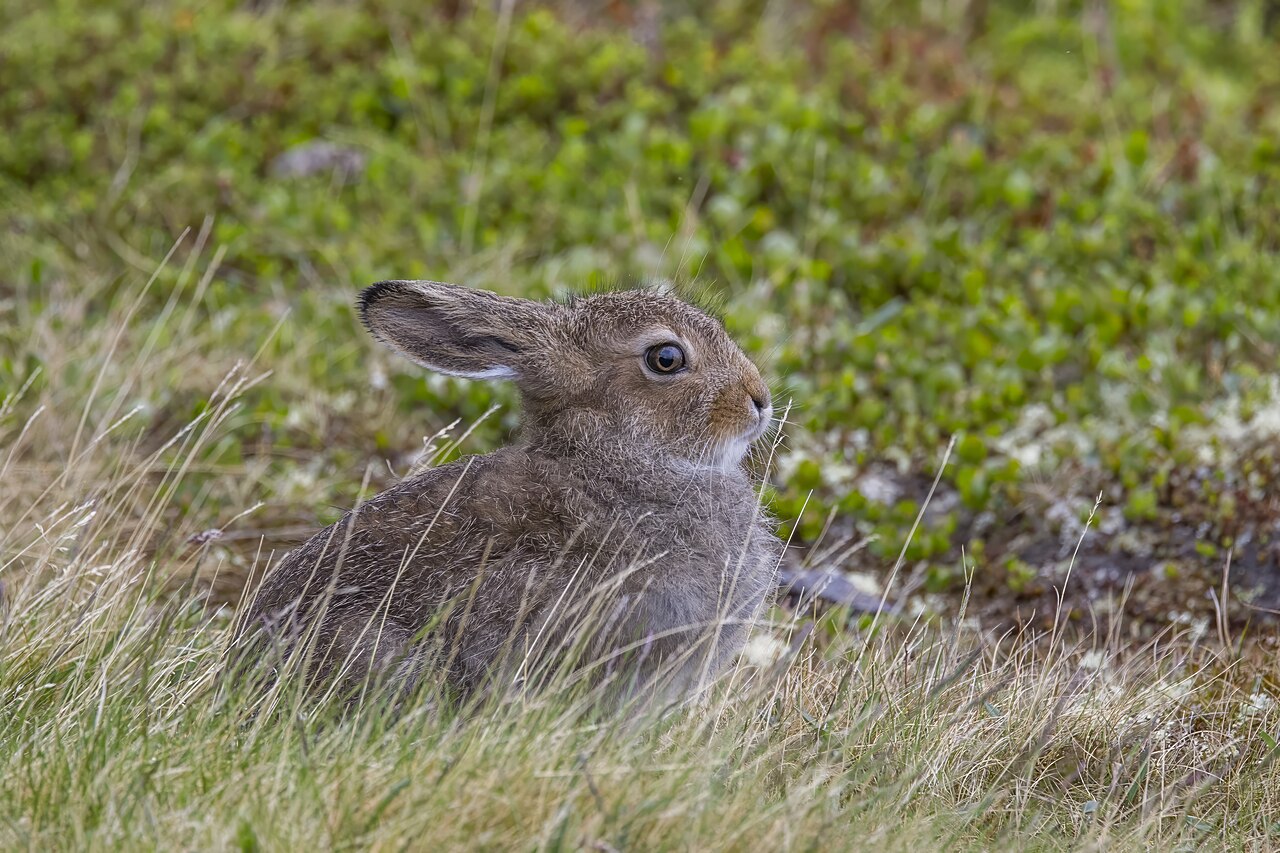 Mountain hare
A northern hare that turns white in winter; in Ukraine it occurs only in Polissia.
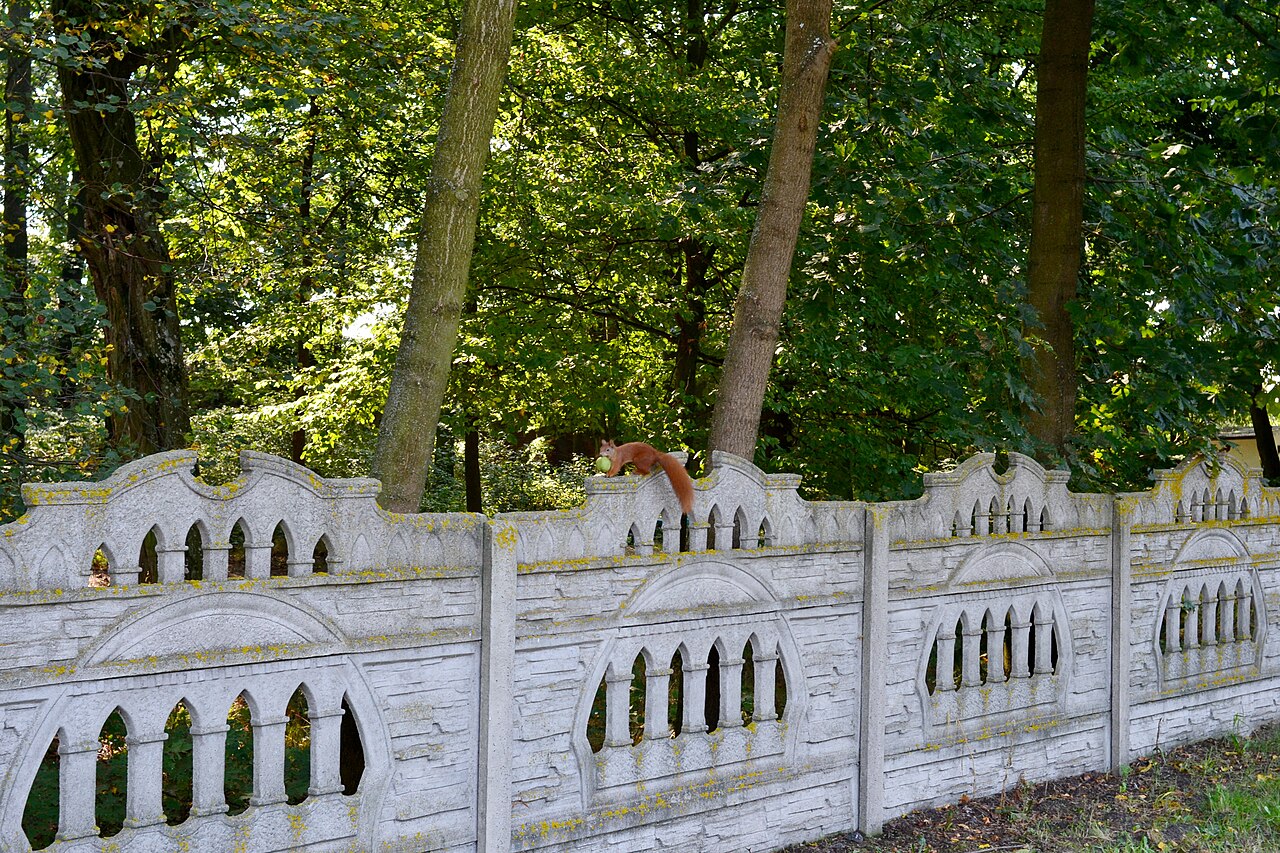 Red squirrel
The red forest squirrel, common in Polissia's pine forests; easy to spot by its gnawed cones.
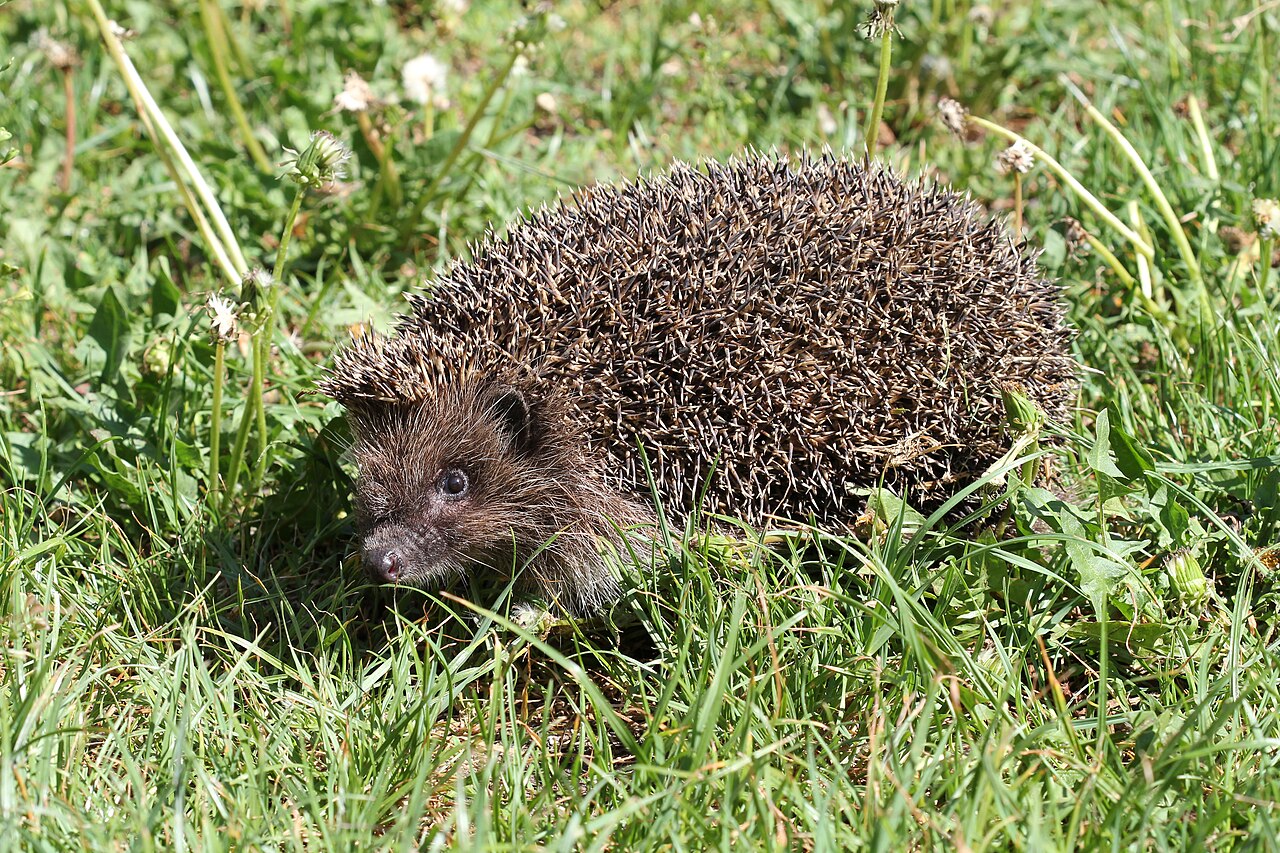 Northern white-breasted hedgehog
A nocturnal dweller of forest edges, gardens and villages in Polissia that hibernates in winter.
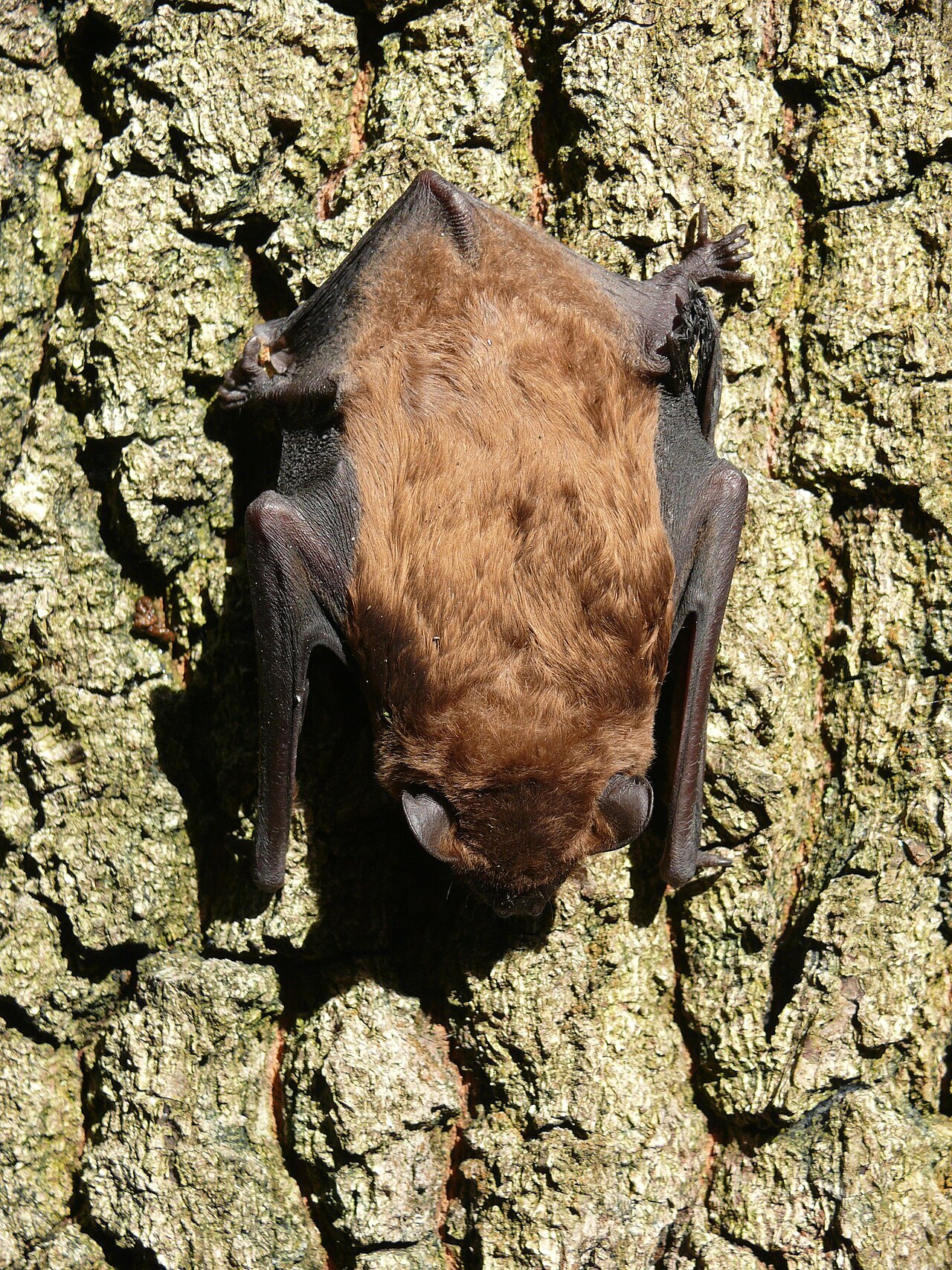 Common noctule
A large bat that sets out to hunt while it is still light and lives in hollows of old trees.