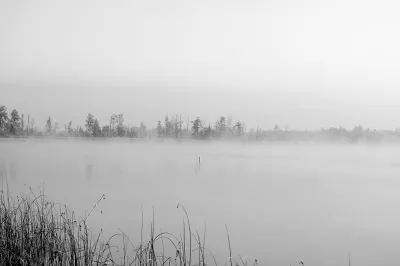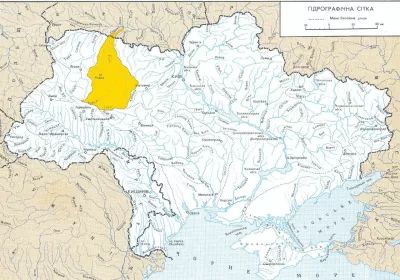
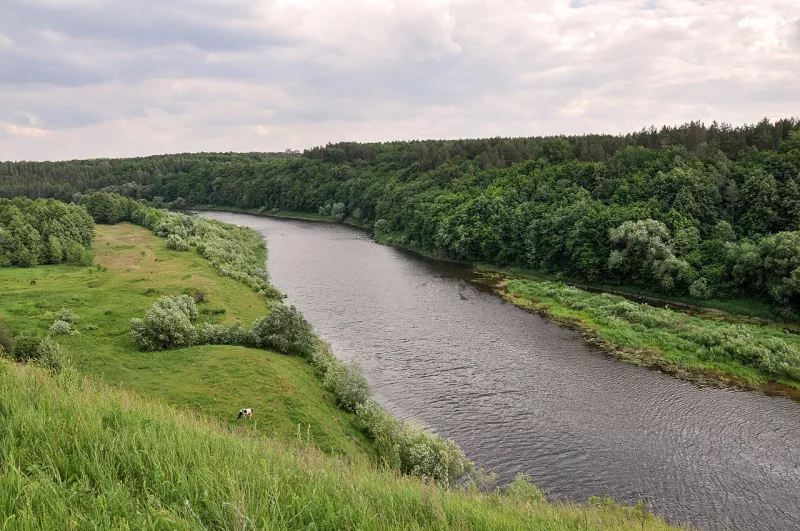
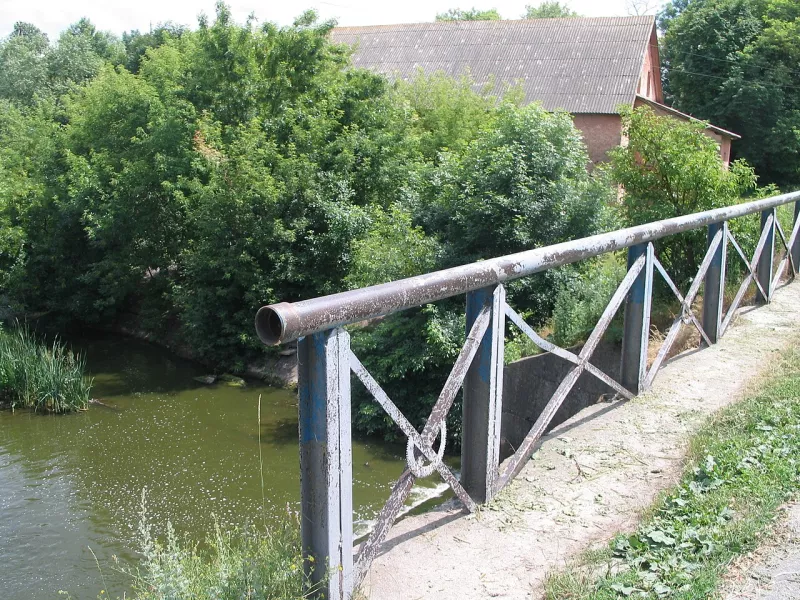
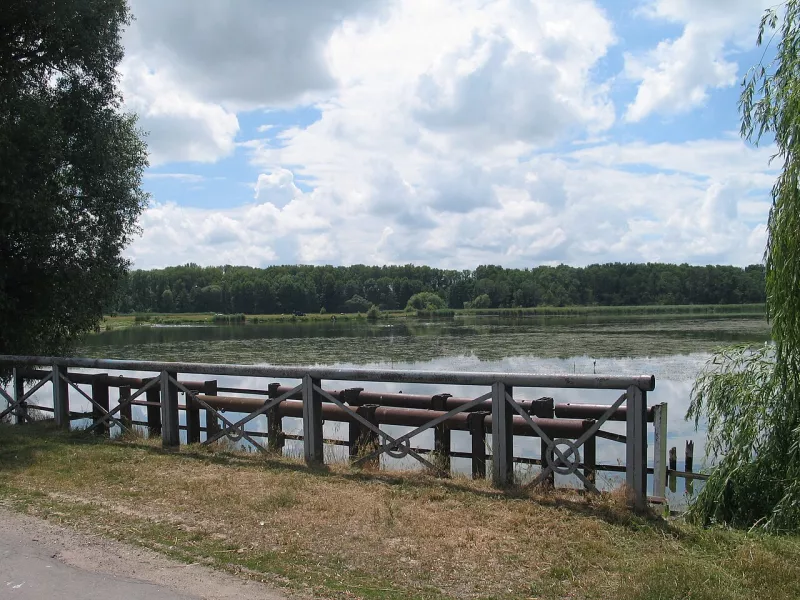
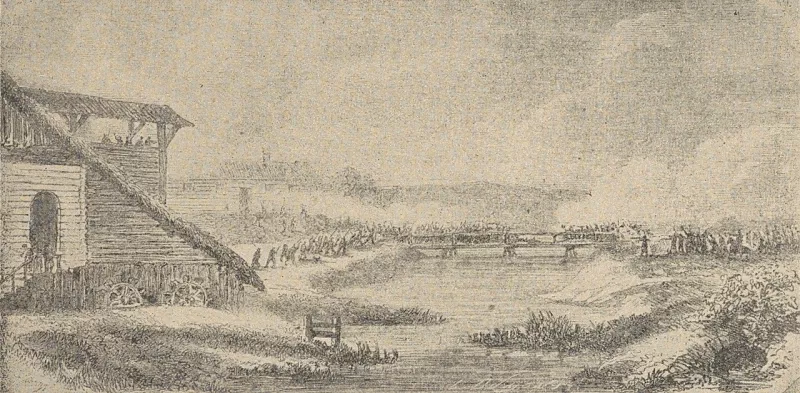
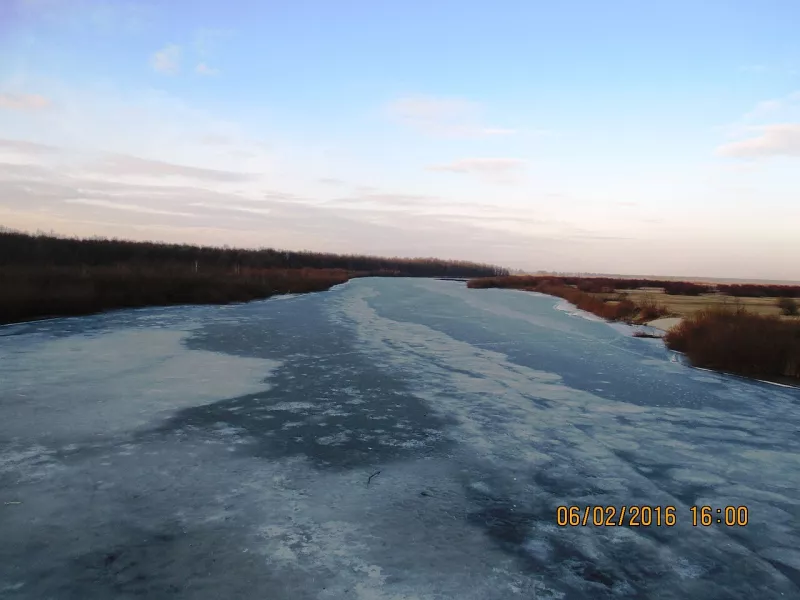
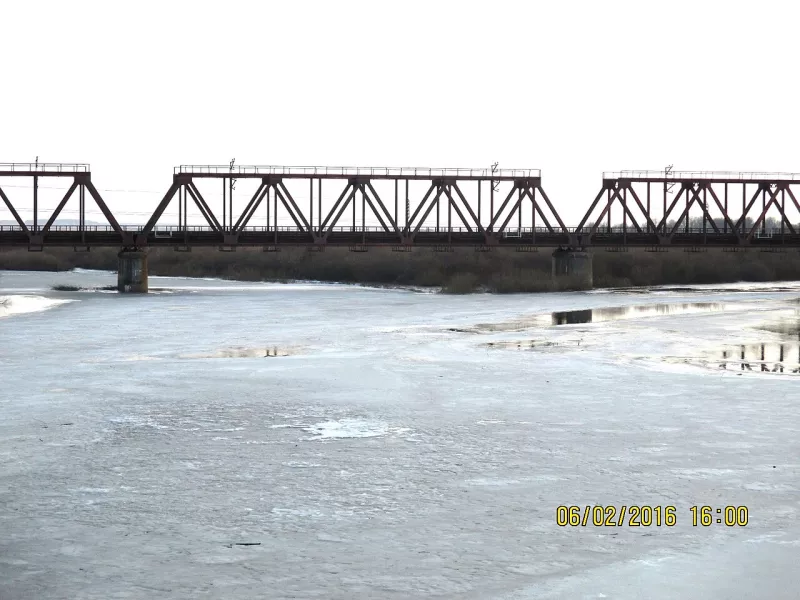
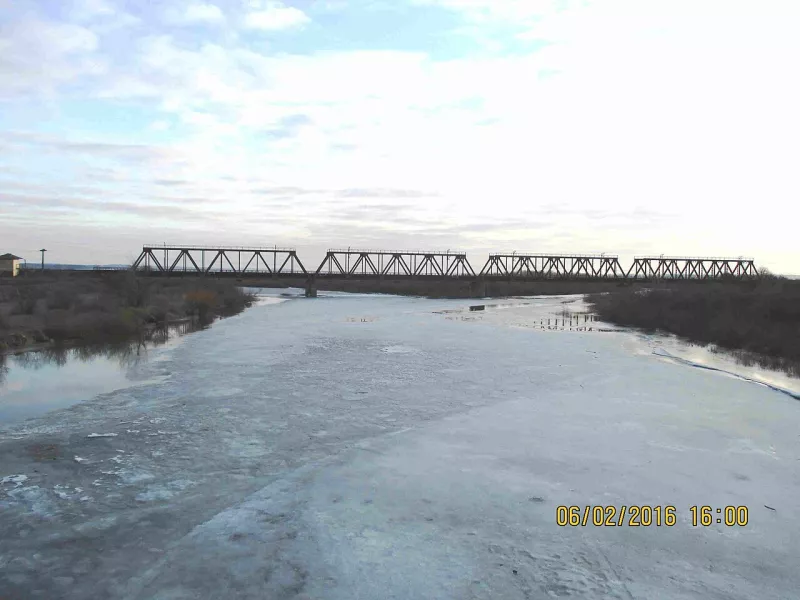
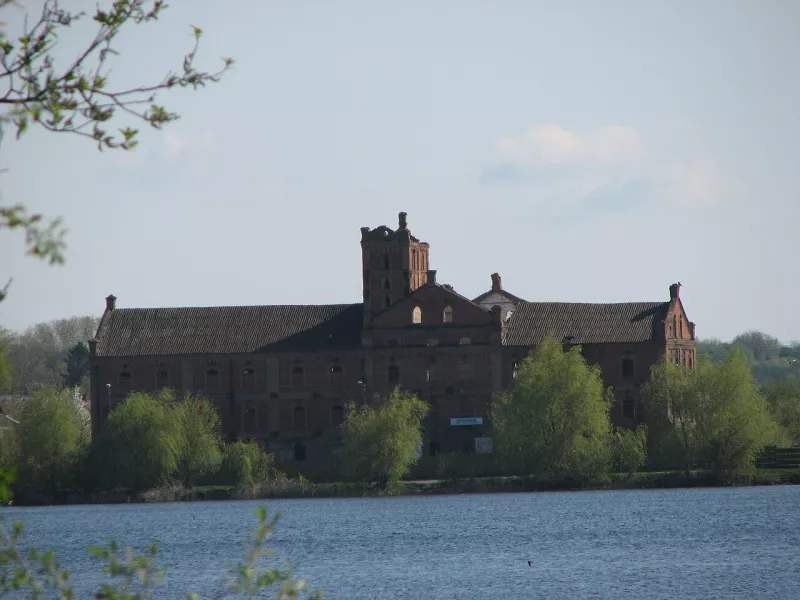
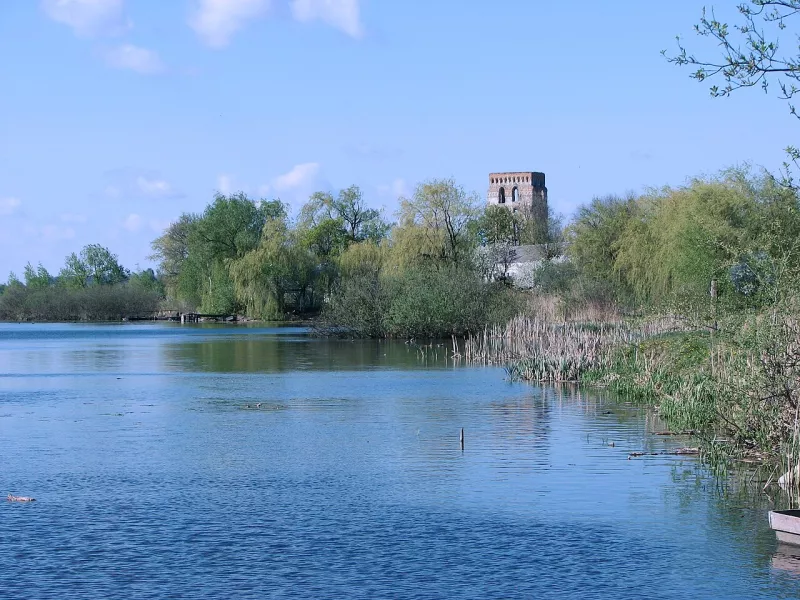
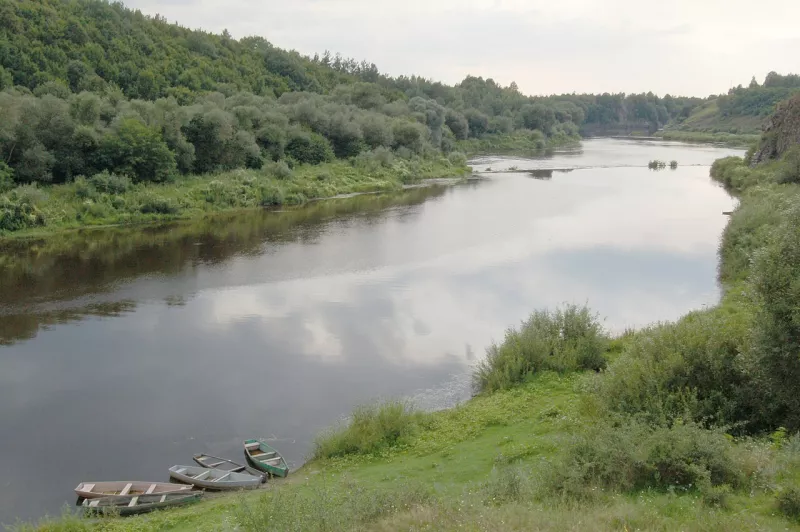
Sluch is one of the most beautiful rivers in Polissia. It originates in Podillia, crosses the Zhytomyr region and Rivne region, and flows into the Horyn near the village of Veliun. The length of the Sluch is 451 kilometres. Along its path, it forces its way through granite: in the middle course, the banks become rocky, and in the Rivne region, they form the famous Nadsluchanska Switzerland.
From Podillia to Polissia
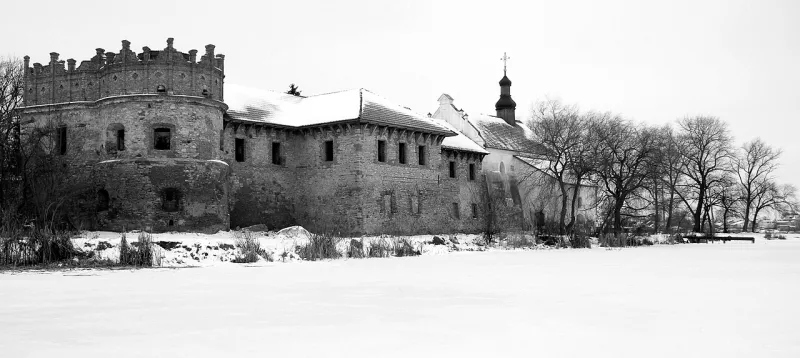
The Sluch flows from a small lake near the village of Slutske in the Khmelnytskyi region. At first, it flows east, then turns north, then northwest, and from Sarny — north again. Starokostiantyniv, Liubar, Myropil, Baranivka, Zviahel, Berezne and Sarny stand on the Sluch. It is navigable for 290 kilometres, and small hydroelectric power stations operate on it in the upper course.
Nadsluchanska Switzerland
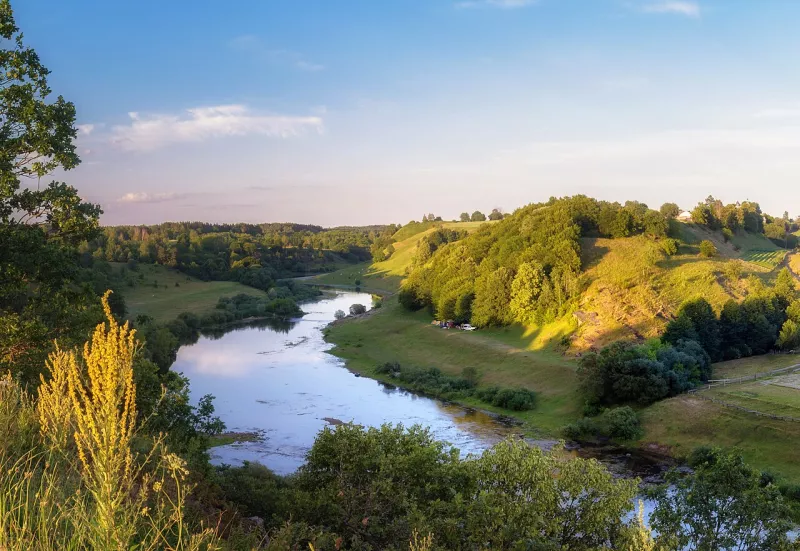
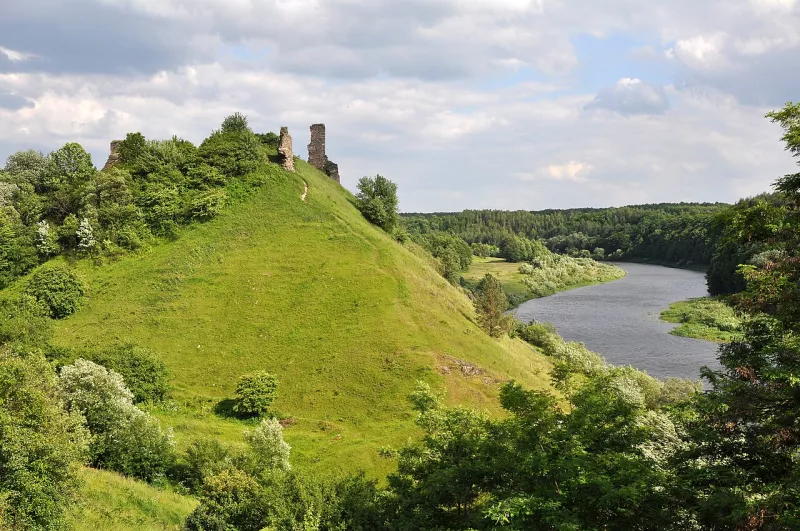
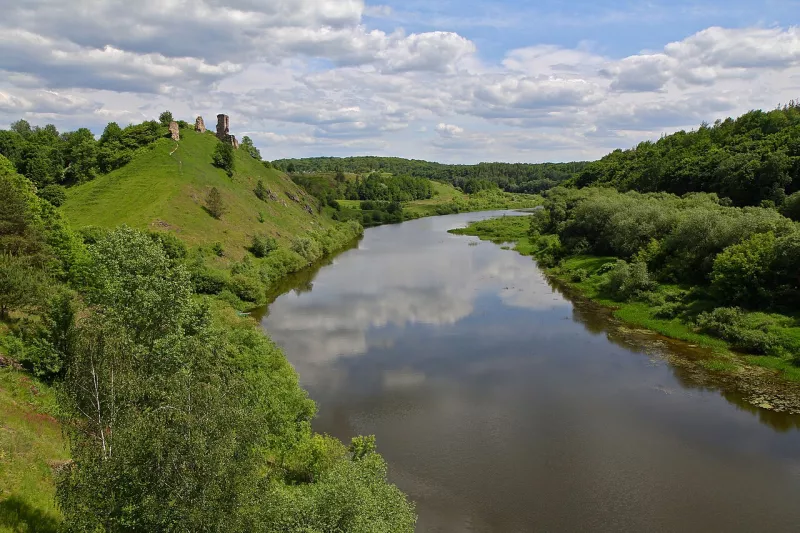
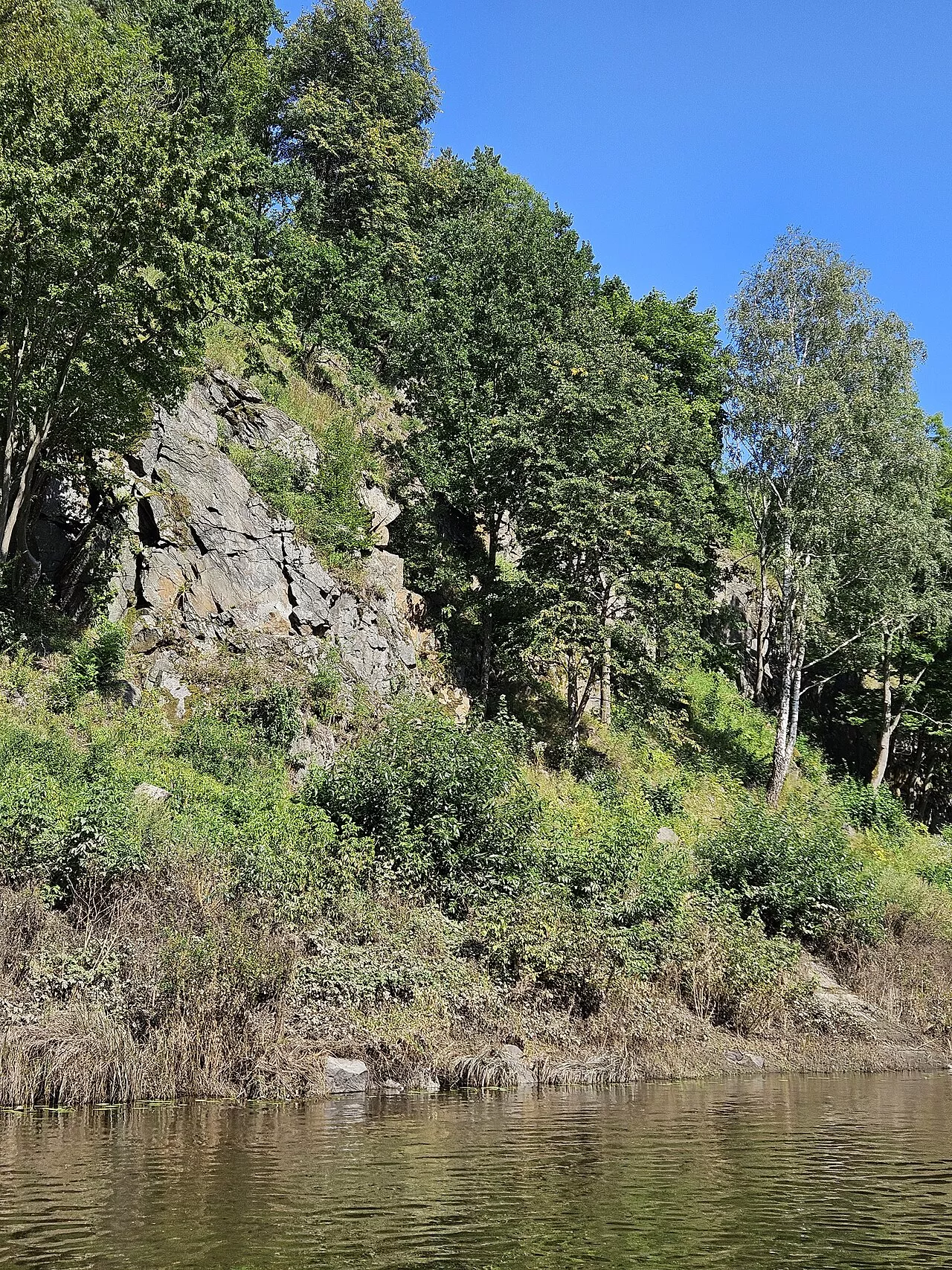
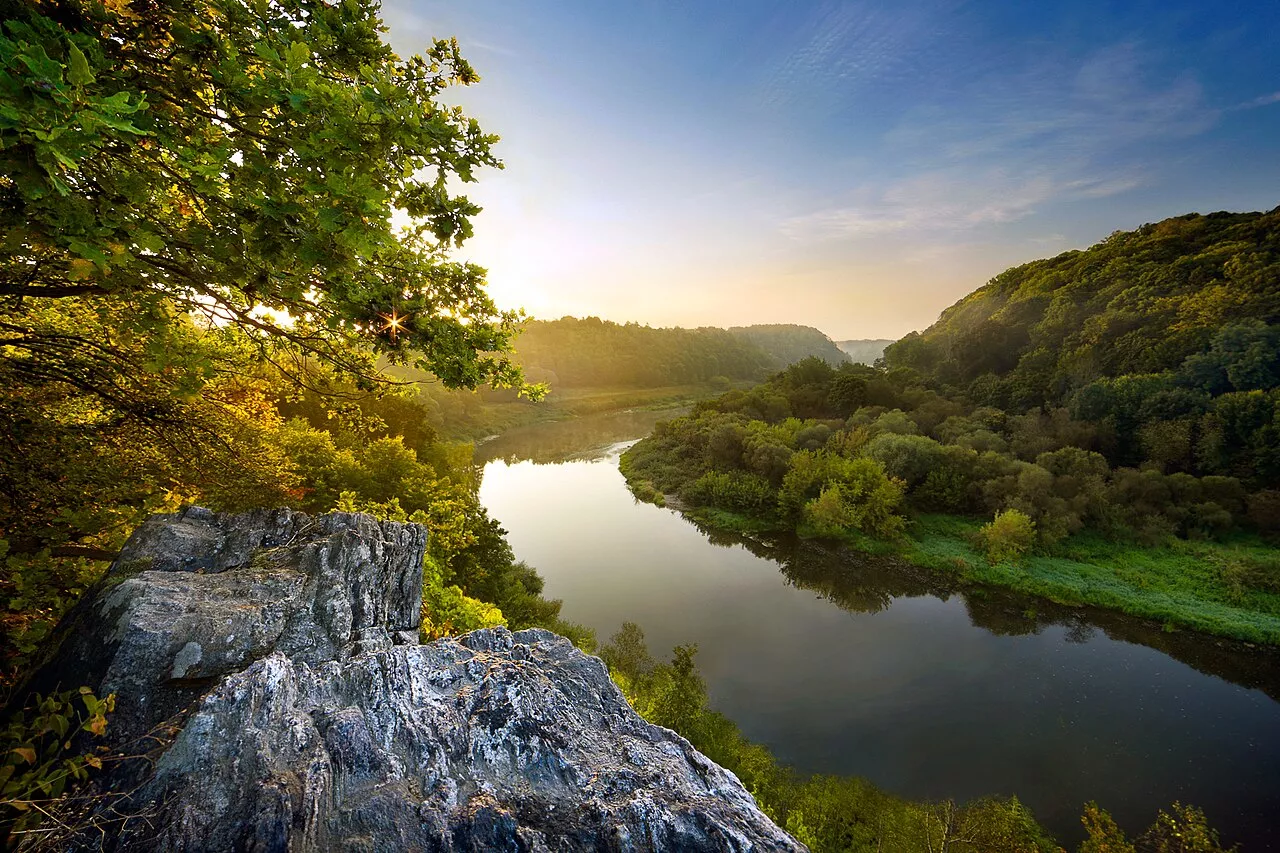
The most beautiful section of the Sluch is between Hubkiv and Sosnove in the Rivne region. Here the river flows between granite cliffs covered with pine forest, with rapids and pools. The banks are protected by the Nadsluchanskyi Regional Landscape Park and the Sokolyne Hory nature reserve, where the cliffs rise up to 25 metres, and pontic azalea blooms on the slopes.
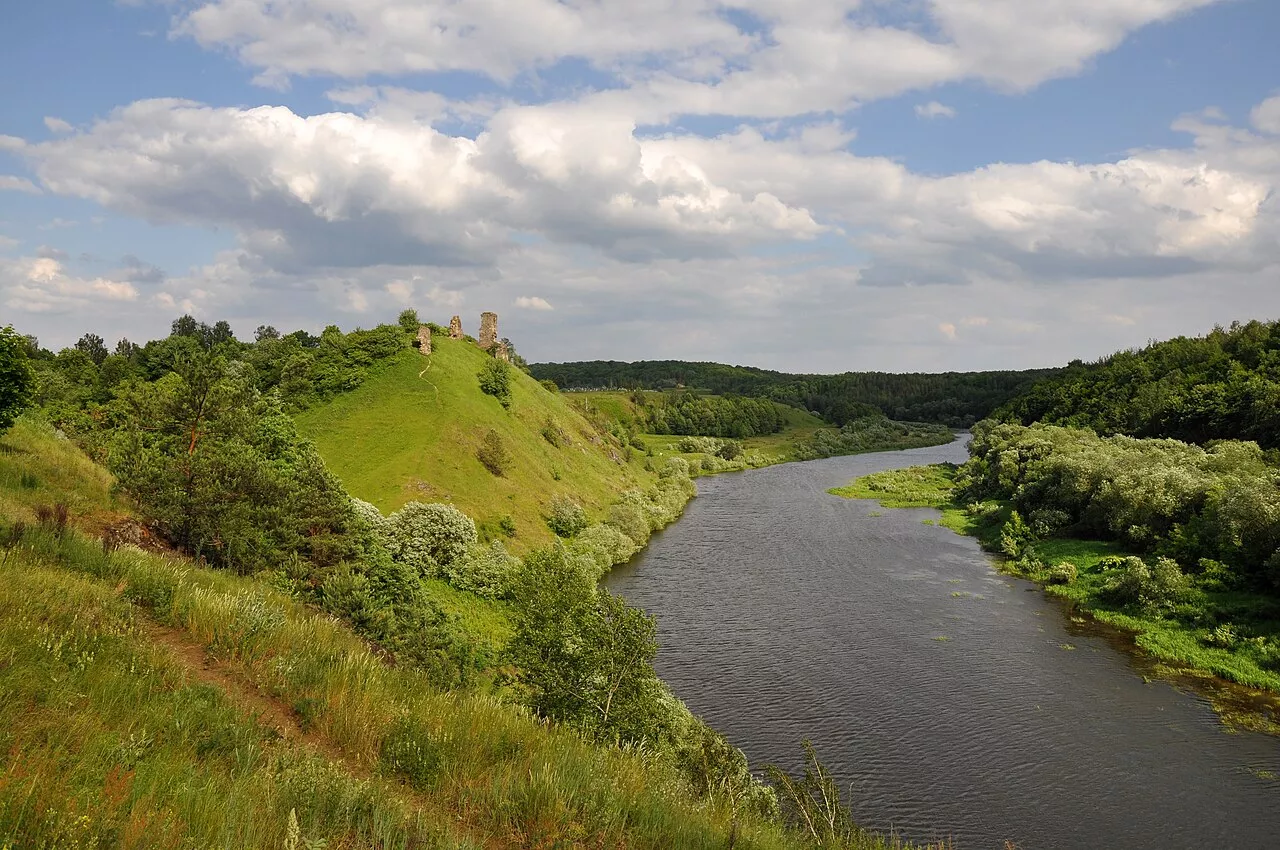
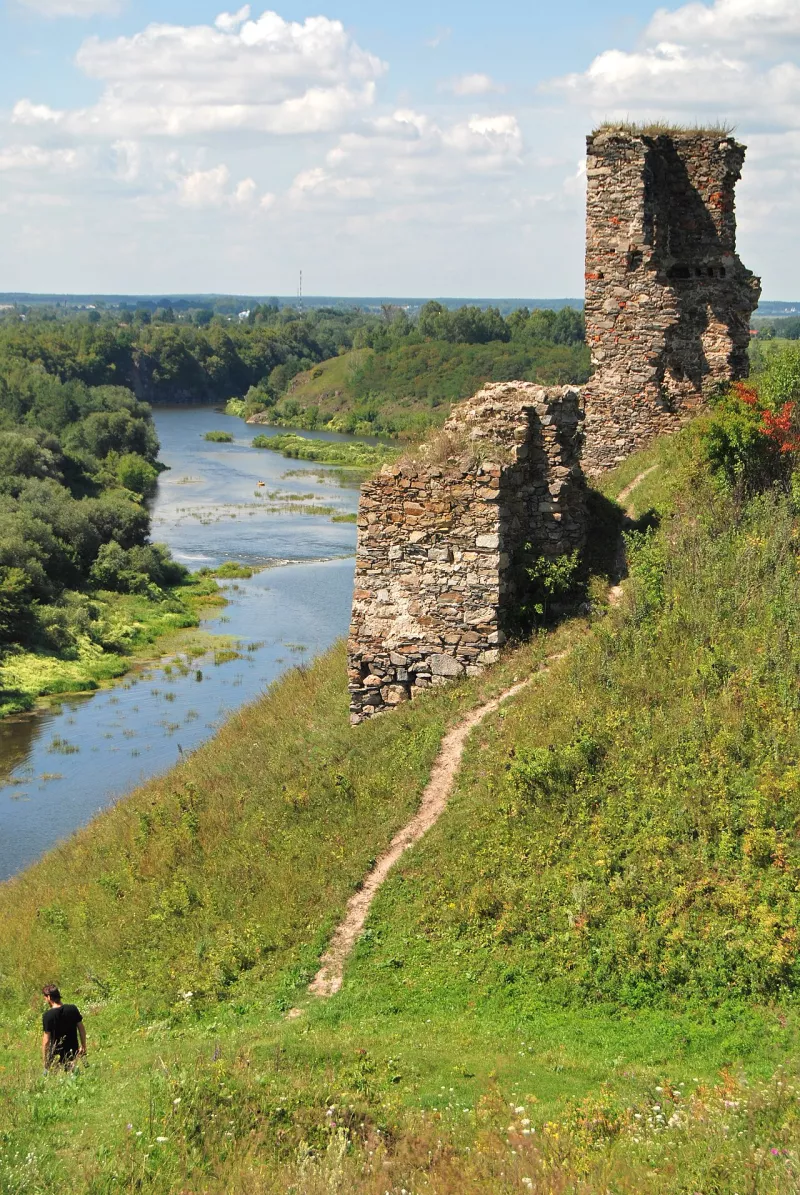
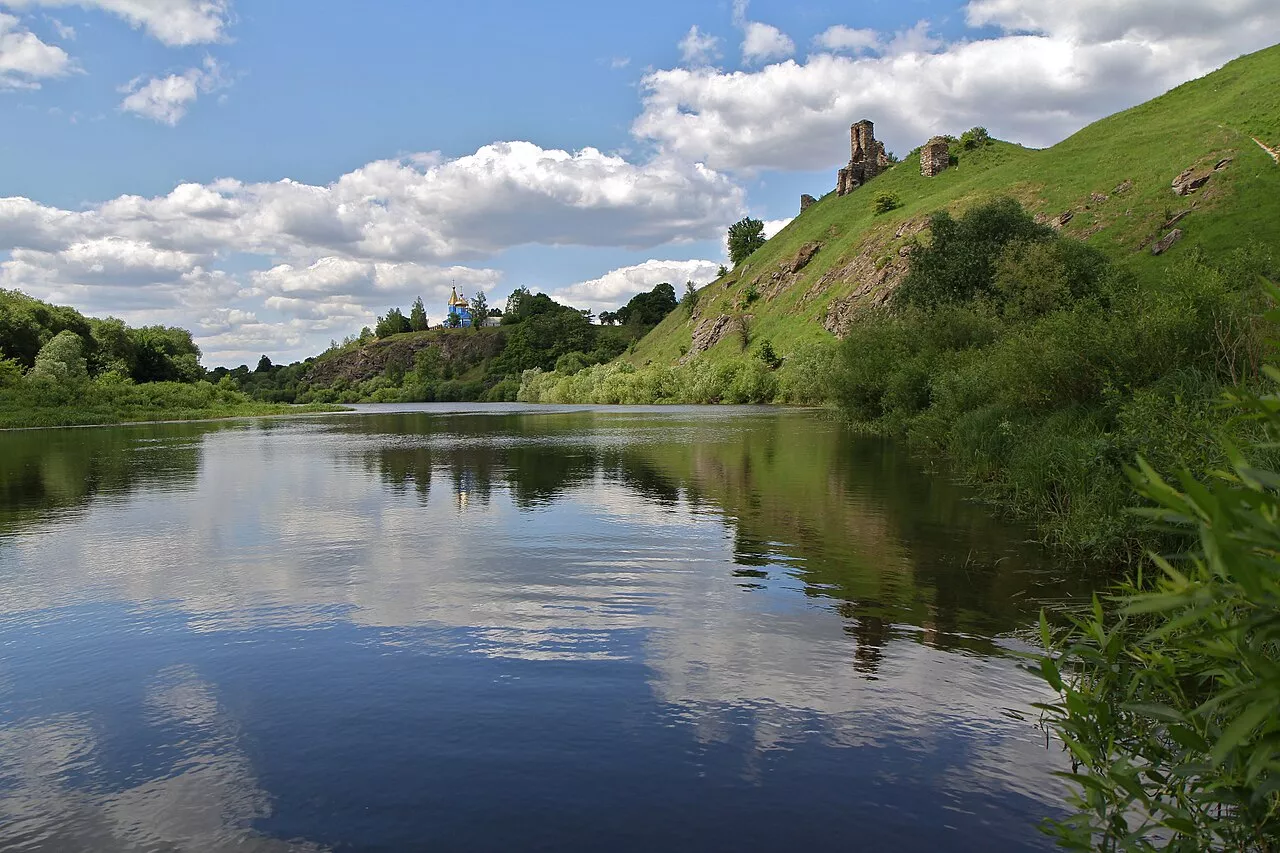
In the village of Hubkiv above the Sluch stand the ruins of a 16th-century castle, which offers a view of the river.
Stalin Line
Along the Sluch in the Zhytomyr region, the Novohrad-Volynskyi fortified region of the "Stalin Line" was built in 1932–1939. Its pillboxes still stand above the river, with the most famous being the "Hulsk Mine" in the village of Hulsk.
Fish and kayaking
37 species of fish and cyclostomes live in the Sluch — most of all near Marynyn in the Berezne area. Among them are rare dace, burbot, Dnieper barbel and Ukrainian lamprey. The current is brisk, the water is clean, so the Sluch is one of the favourite rivers for kayaking trips in Polissia.
Fishing
There are 37 species of fish in the Sluch — most of all near Marynyn in the Berezne area. Pike, roach, rudd, bream, perch and loach are most commonly caught. The current is brisk, with rapids and pools between the rocks, so predators are sought below the riffles and under stones. General fishing regulations apply, and from November 1 fishing is prohibited in wintering pits — list and map of pits.
Sluch on video
When to go
May to September is best for kayaking trips. In spring, the Sluch can be very full of water and overflows its banks.
Nearby
Berezne and Sarny are towns on the Sluch River in Rivne Region, Zviahel is in Zhytomyr Region.
How to get there
Buses run to Berezne and Sarny from Rivne. For rafting, it is convenient to start near Hubkiv.