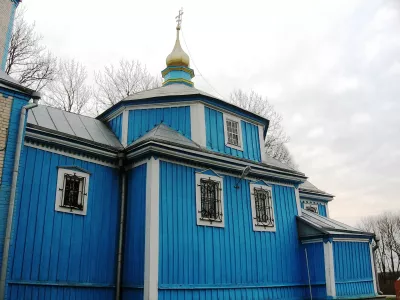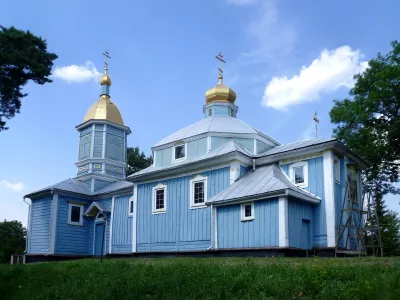

Zaturtsi is a village in the south of Volyn, the center of the Zaturtsi hromada in Volodymyr District, 19 kilometers from Lokachi. About two thousand people live here. Zaturtsi is known primarily as the ancestral nest of Viacheslav Lypynsky — a historian, politician, and one of the most profound Ukrainian thinkers of the 20th century. But the village has other things as well: a 17th-century Catholic church, an ancient hillfort, and the springs where the Turiia River begins.
Horodets and the Zaturetskyi Lords
In Kievan Rus' times, a hillfort stood here, and later a castle with stone walls and a water-filled moat was built in its place. Locals still call the remains of this castle "horodets". Zaturtsi is first mentioned in the early 16th century: the owner of the village, B. Zaturetskyi, collected tolls from merchants — half a grosh per cart — without royal permission. In 1557, protesting against enserfment, the peasants tried to burn down the estate of the land judge.
In 1570, Vasyl Hulevych, the voyskiv of Volodymyr, acquired Zaturtsi and established a folwark here. Halshka Hulevychivna hailed from this family; she was the founder of the Kyiv Brotherhood, from which the Kyiv-Mohyla Academy grew. Later, the village was owned by the Lahodovskyis: the younger brothers killed the elder one in Lviv and forcibly took Zaturtsi. In 1642, Andrii Lahodovskyi sold the village to the nobleman Pidhorodenskyi.
Holy Trinity Church
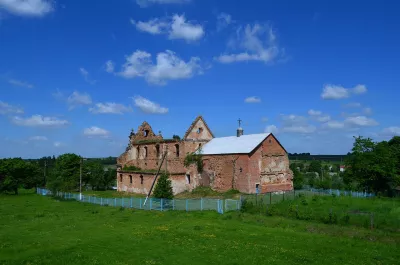
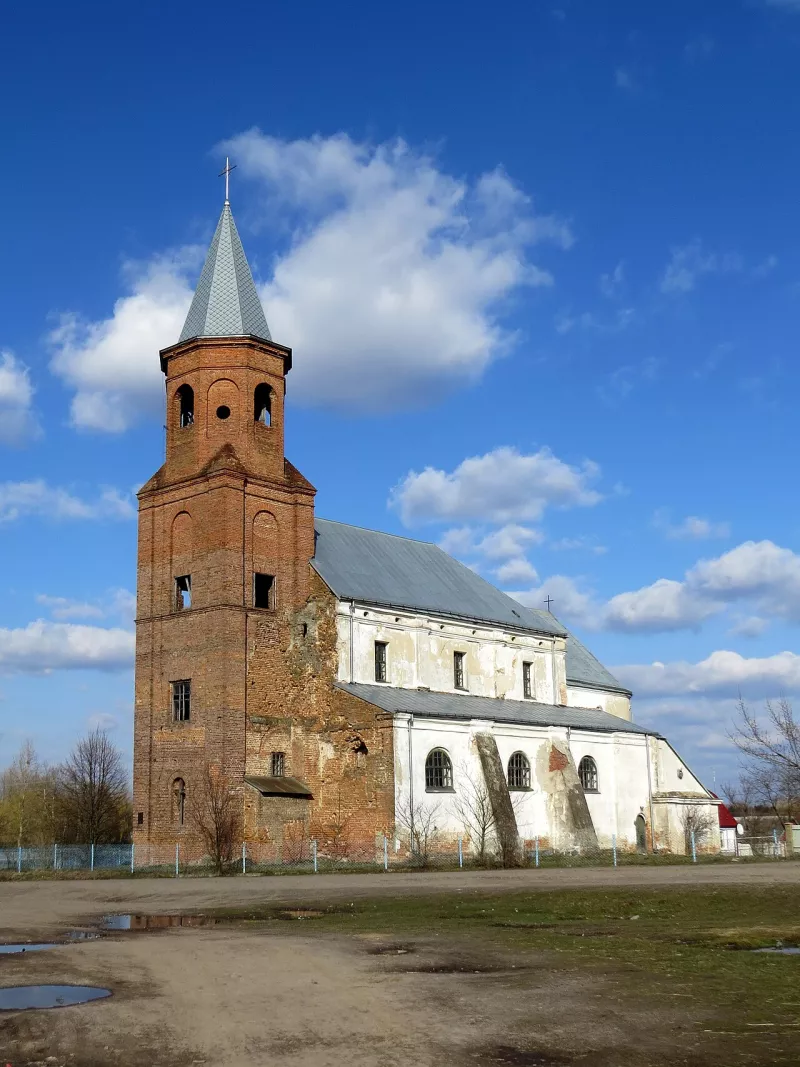
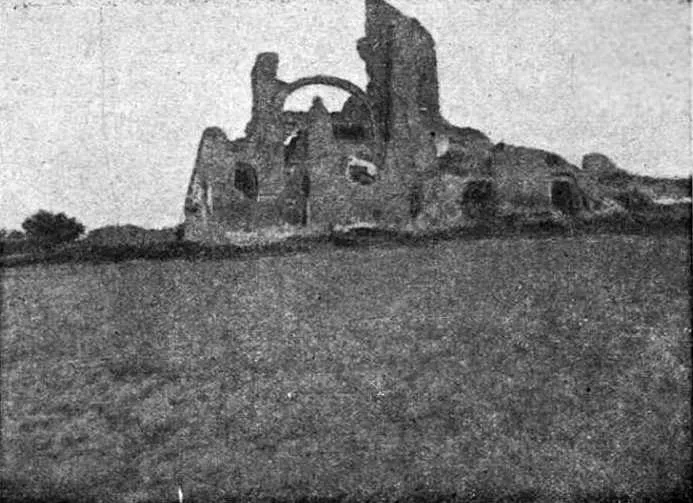
In that same year of 1642, at the expense of the Volyn sword-bearer Valerii Pidhorodenskyi, the Church of the Holy Trinity and Mary Magdalene was built in Zaturtsi, with an Augustinian monastery attached to it. Later, the church lay in ruins — it can be seen on an old Polish postcard. Today, the masonry church has a roof and crosses again and is visible from all ends of the village.
Lypynsky Estate
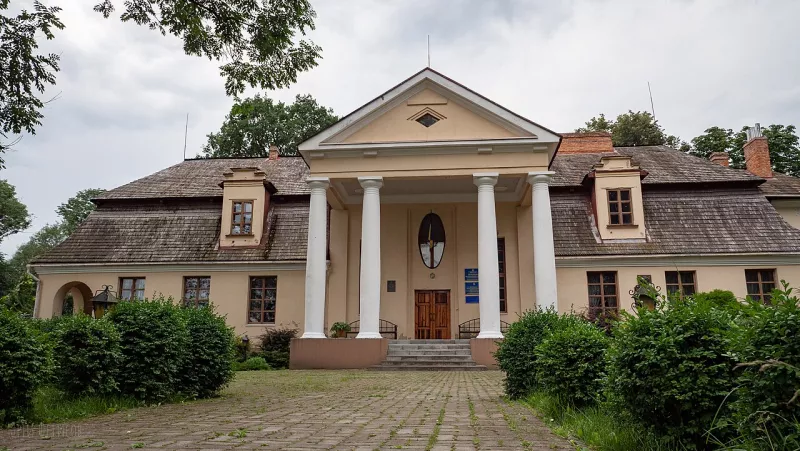
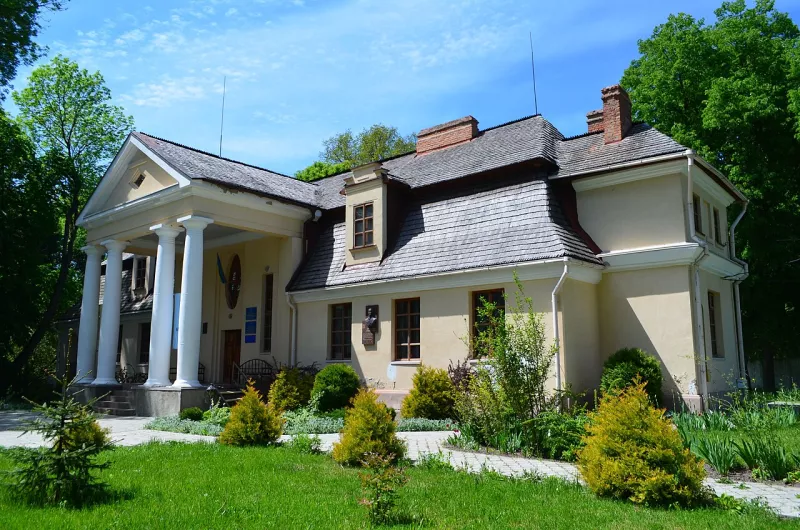
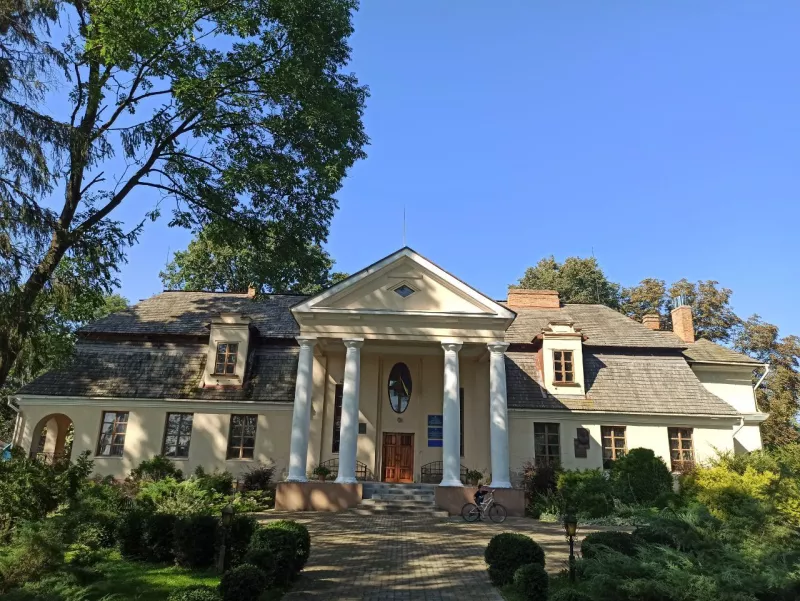
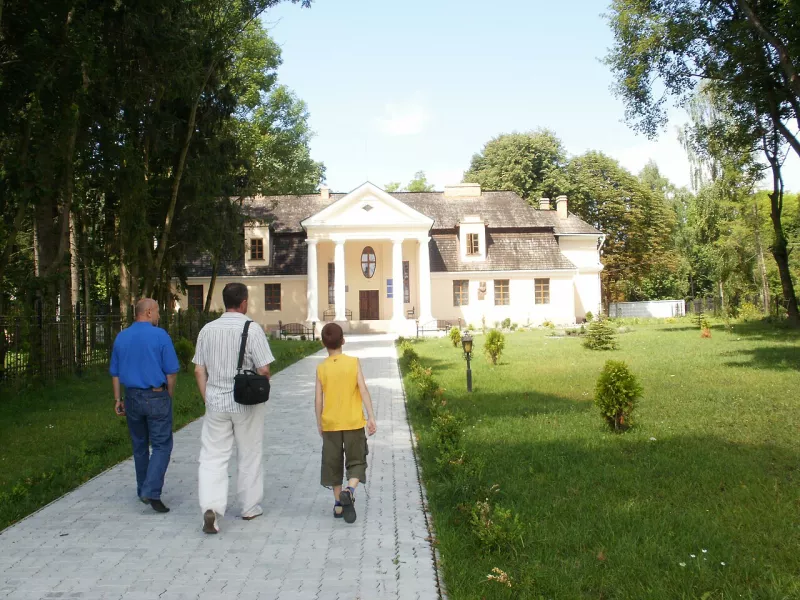
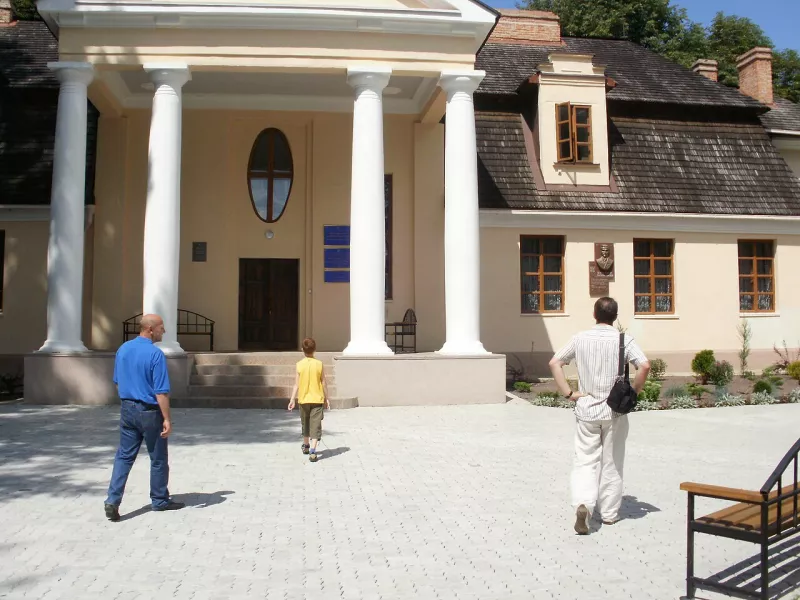
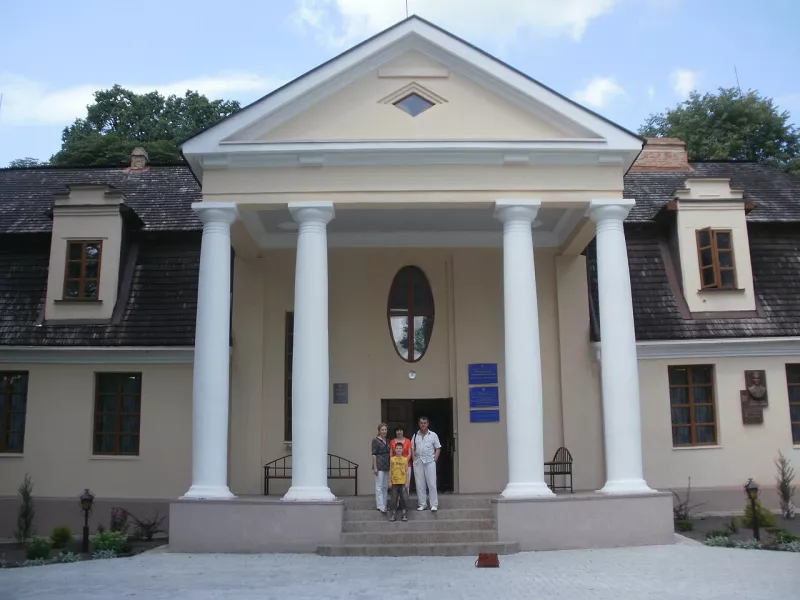
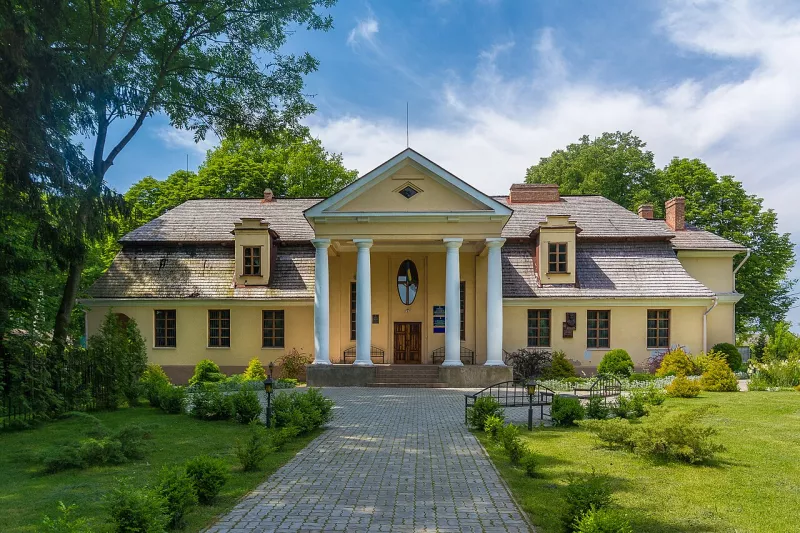
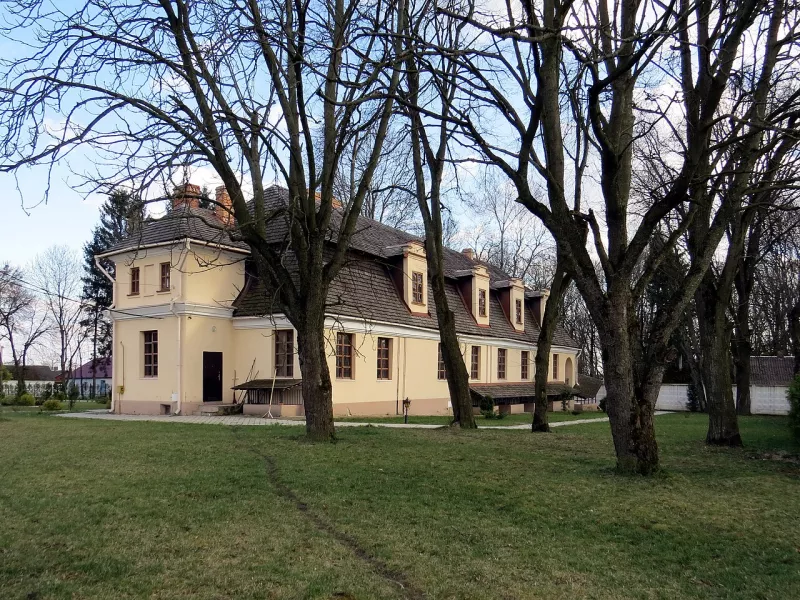
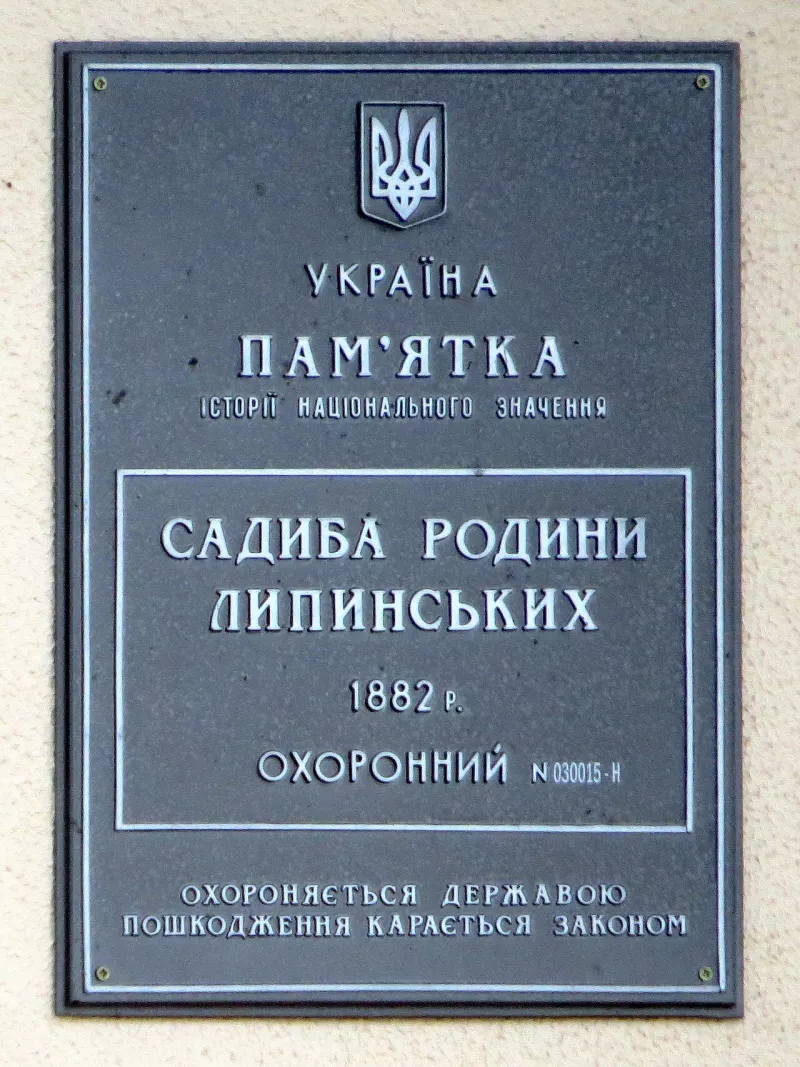
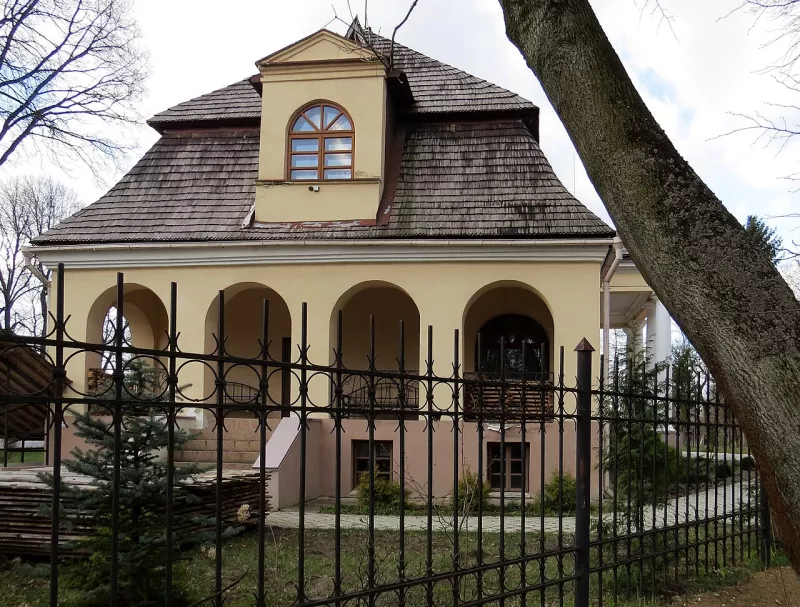
In Zaturtsi stands the masonry palace of the Lypynsky family. Viacheslav Lypynsky (1882–1931) — the author of "Letters to Brother-Farmers", a diplomat of the Ukrainian State, and the founder of the statist trend in Ukrainian historiography — lived here. He was born into a Polish noble family, but consciously chose Ukrainian identity. Lypynsky is buried in Zaturtsi, near the estate. In 2002, a monument to him was unveiled in the village.
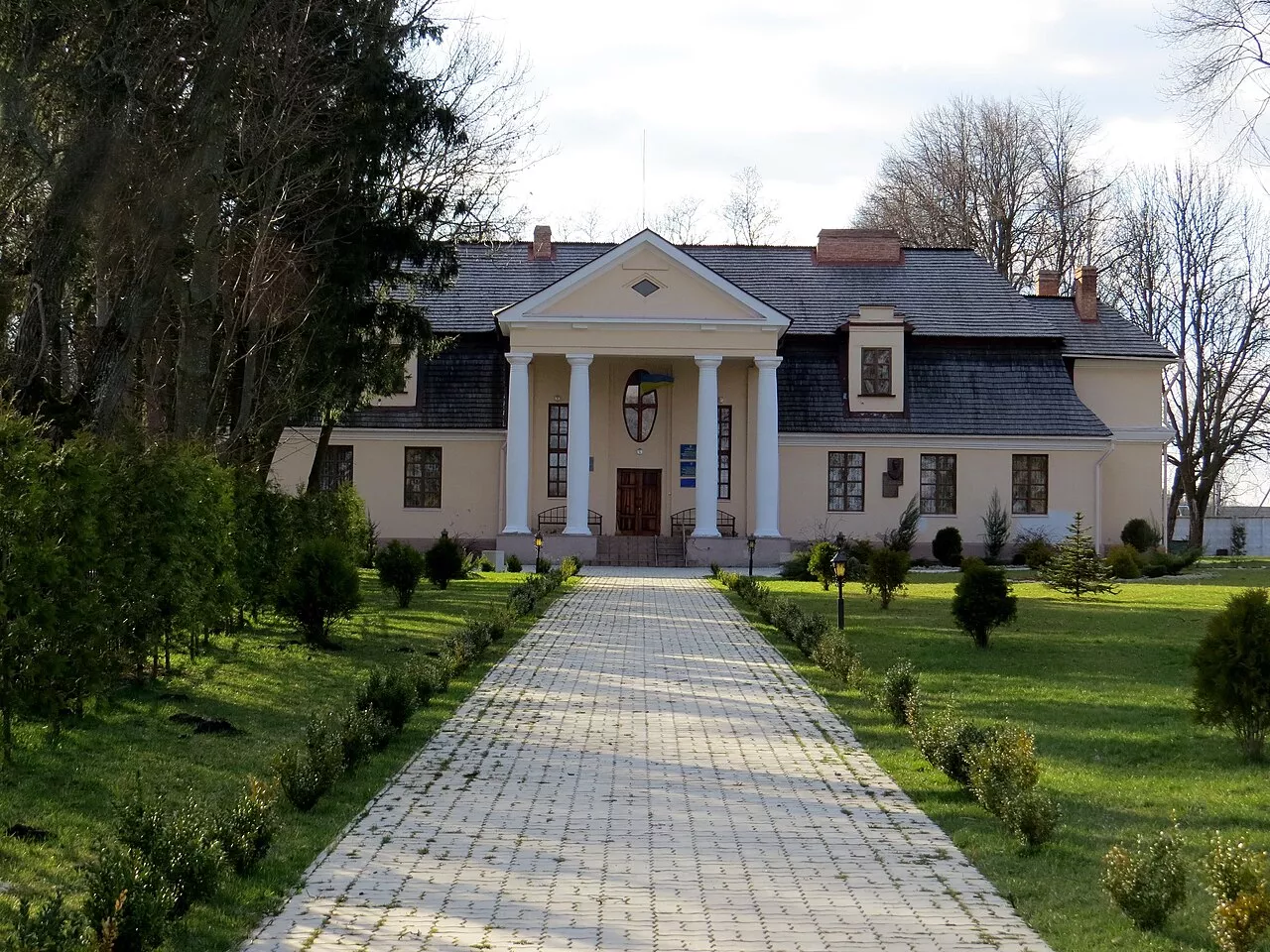
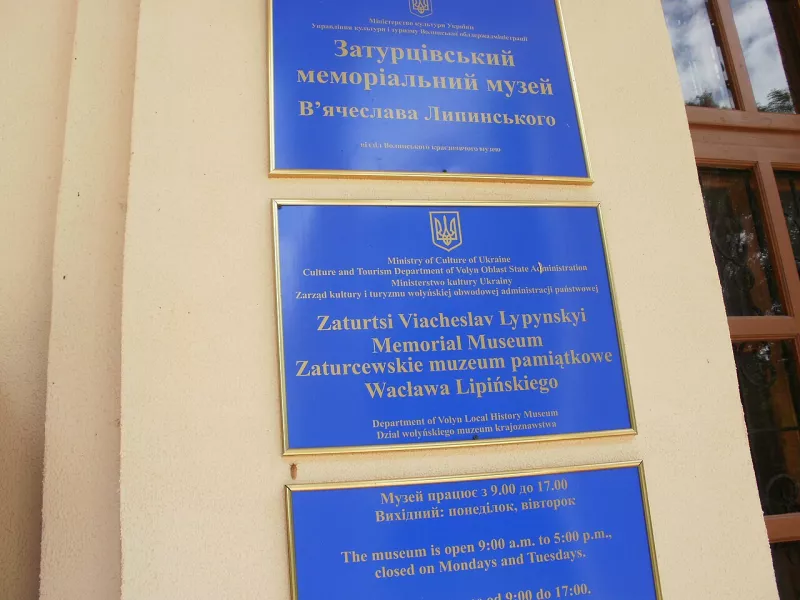
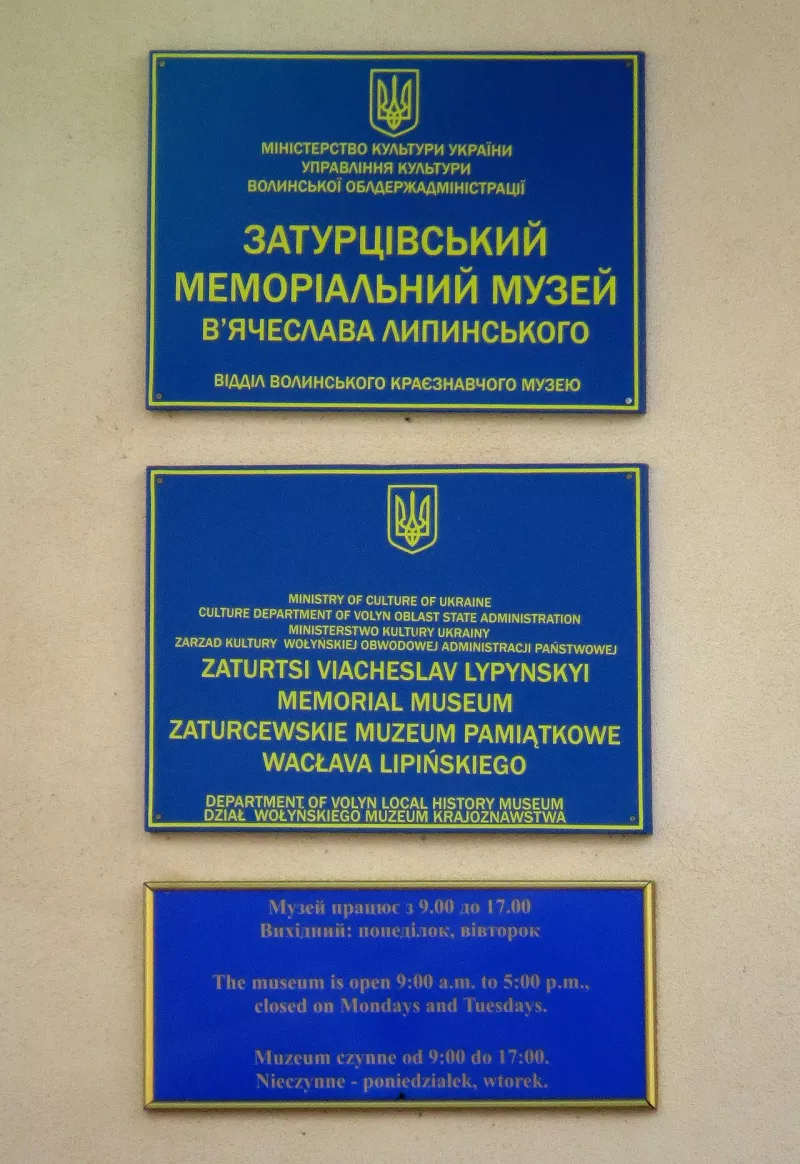
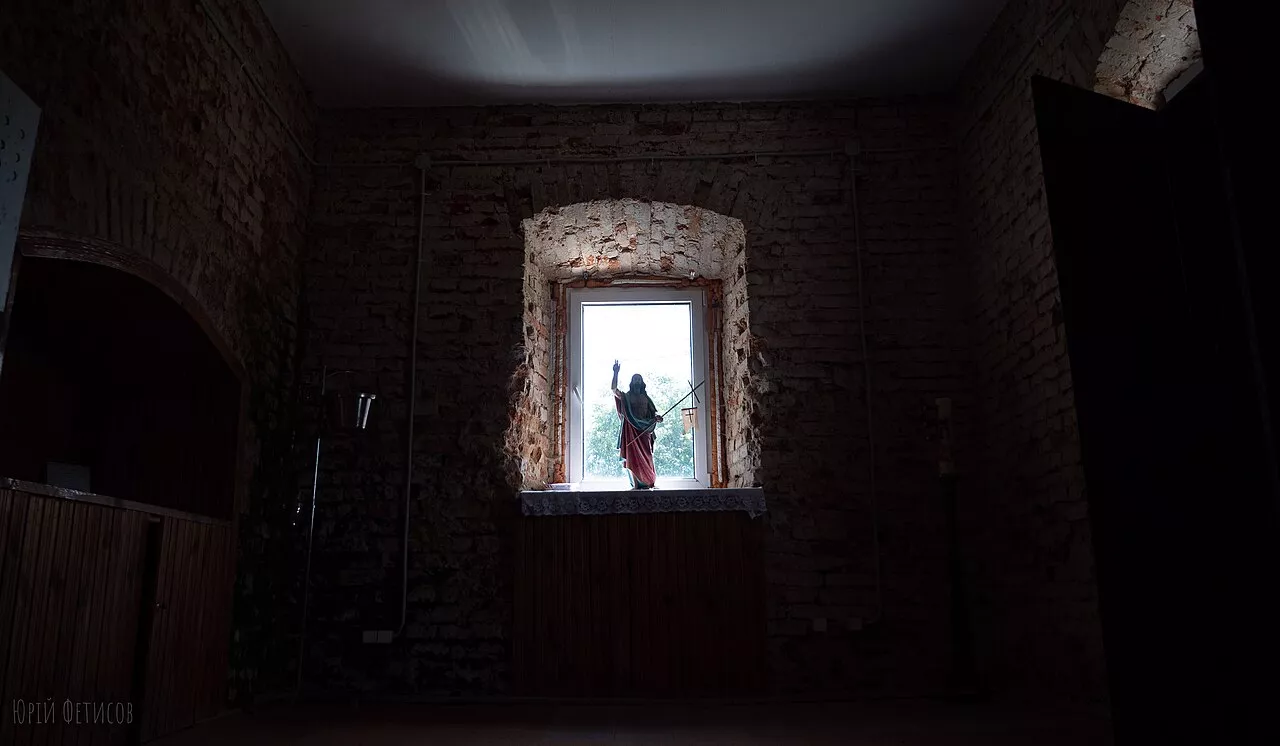
Today, a memorial museum operates in the estate — the only one in the world dedicated to Lypynsky. The building has long been in need of restoration, but the exhibition is open to visitors. Read more in the article Viacheslav Lypynsky Memorial Museum.
Source of the Turiia and Springs
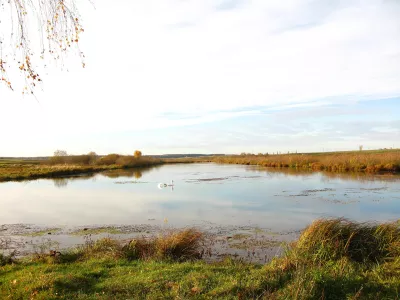
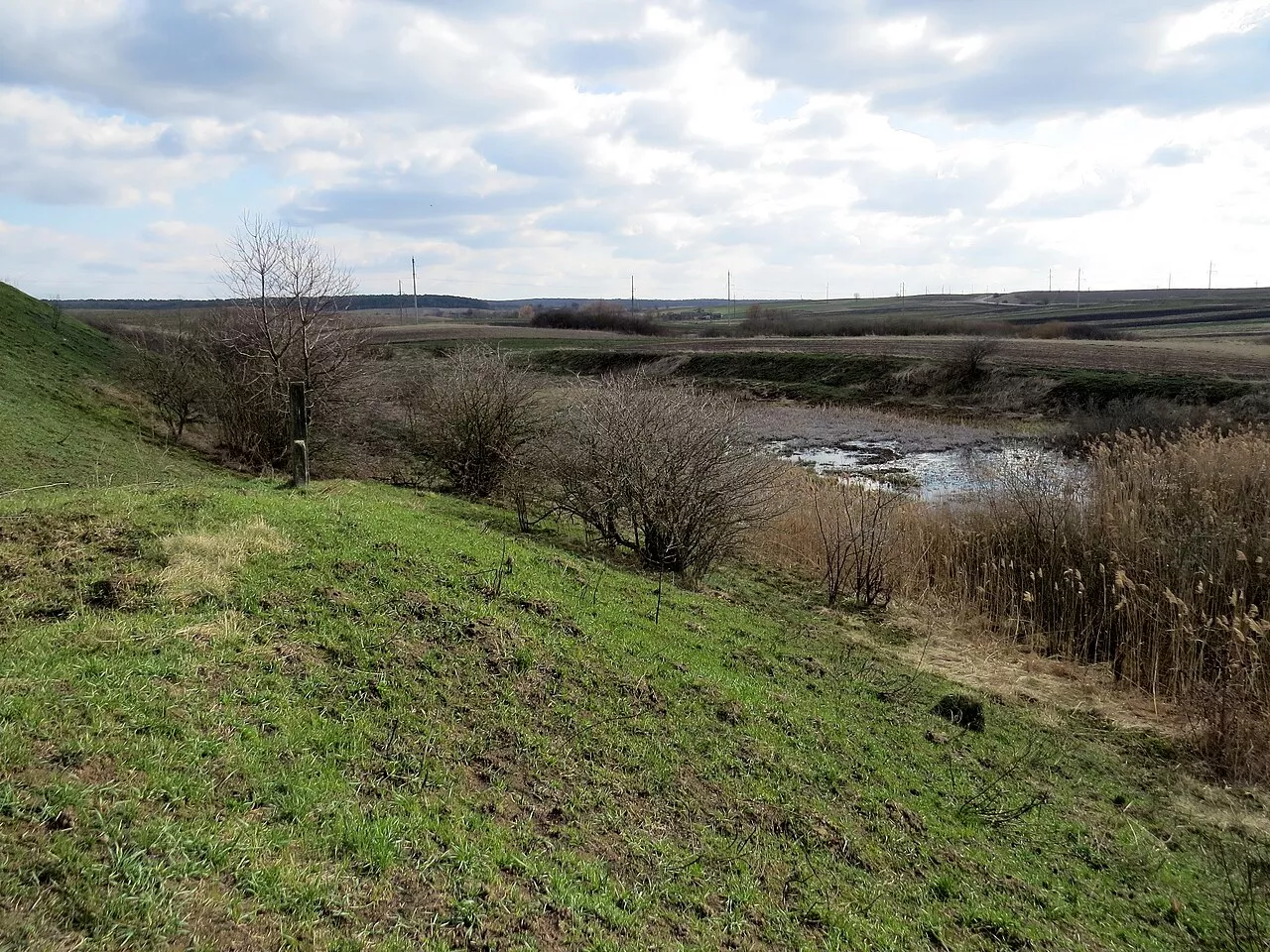
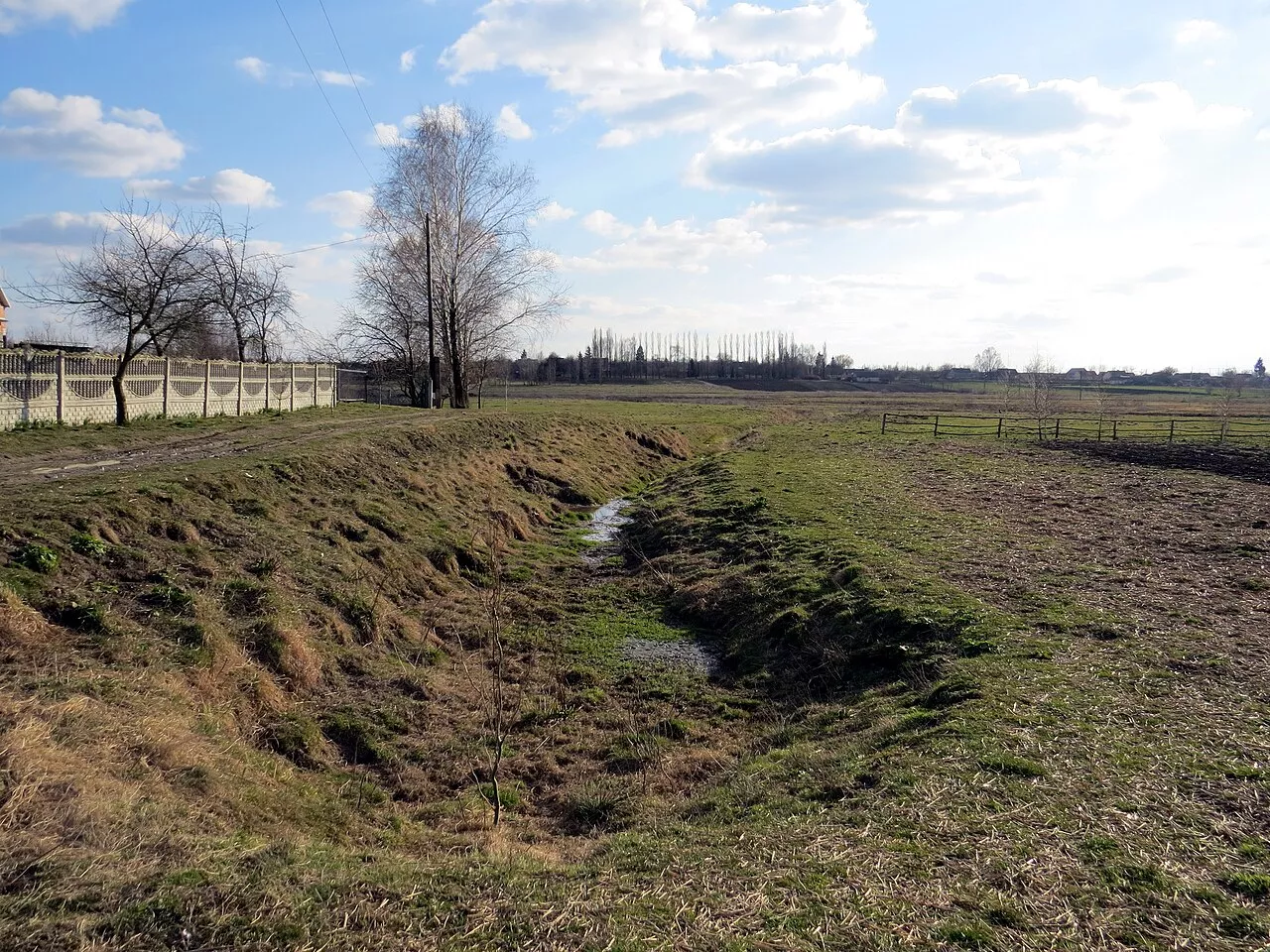
Near the ancient hillfort in Zaturtsi begins the Turiia River — the very one that flows through Turiisk and Kovel toward the Prypyat. The source of the Turiia and the Zaturtsi Springs are natural landmarks. Transparent water bubbles up from underground among grass and willows — a quiet place where it is nice to stop after the museum.
Zaturtsi on Video
When to Go
The best time is from May to October. The museum is worth visiting on a weekday, and you can finish your walk by the springs.
Nearby
Lokachi is the center of the former district, and Volodymyr is further to the west. Find more in the article Volodymyr District.
How to Get There
Zaturtsi lie not far from the H22 highway Lutsk — Ustyluh. Buses run from Lutsk and Lokachi, and driving from Lutsk takes about an hour.