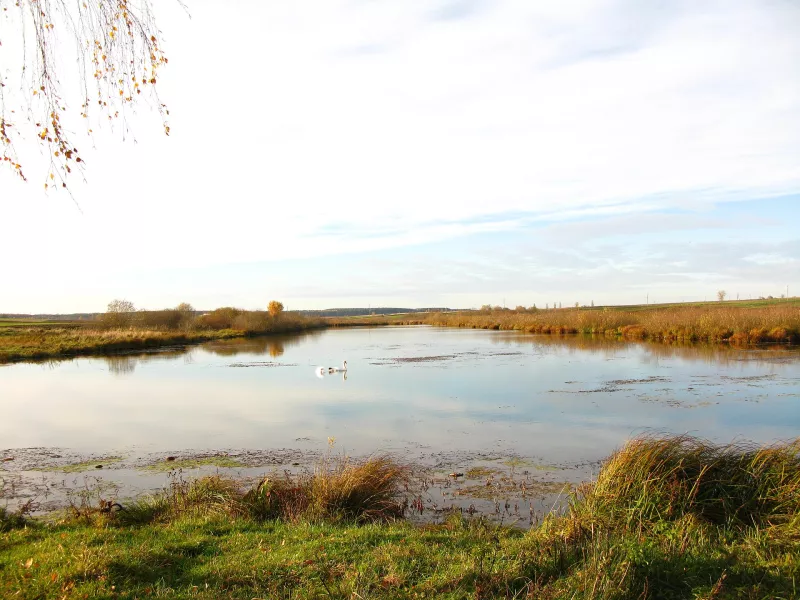
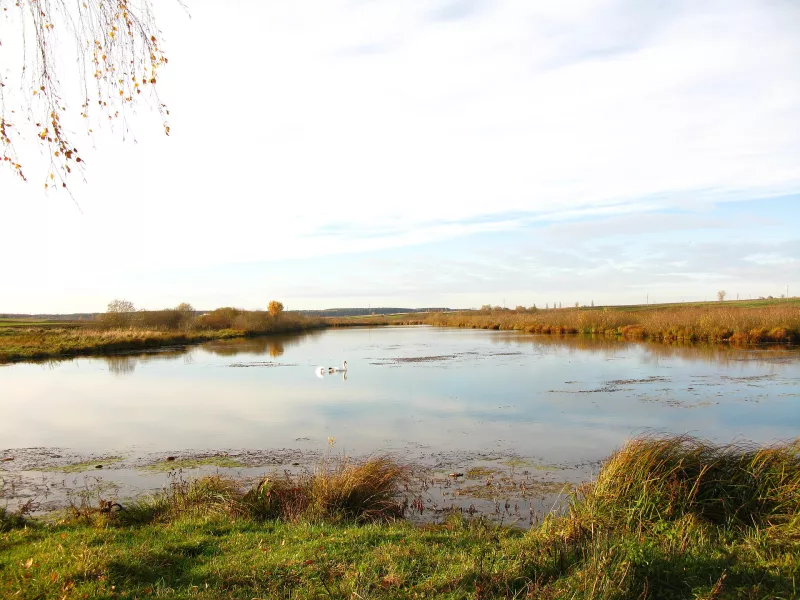

Serna is a small river in the south of Volyn, a left tributary of the Styr. It flows through Torchyn, where it is called Sarna, and empties into the Styr in the Lutsk region. The Serna valley is deep, with springs, ponds, and marshes in the floodplain, and archaeologists have found dozens of ancient settlements on its banks.
Where the name comes from
The name is connected to the word "sarana", which once meant a bog or quagmire. Another version attributes it to roe deer (sarny) that used to come here to water. In every village, the river is called differently: in Torchyn, it is Sarna. The villages of Sarnivka and Syrnyky presumably got their names from it.
What it is like
The length of the Serna is 34 kilometres. The river originates near the village of Yunivka, west of Torchyn. The valley is trough-shaped, up to three kilometres wide and twenty to forty metres deep. The riverbed is meandering, two to three metres wide and up to a metre deep. There are spring outlets in the floodplain.
Nature
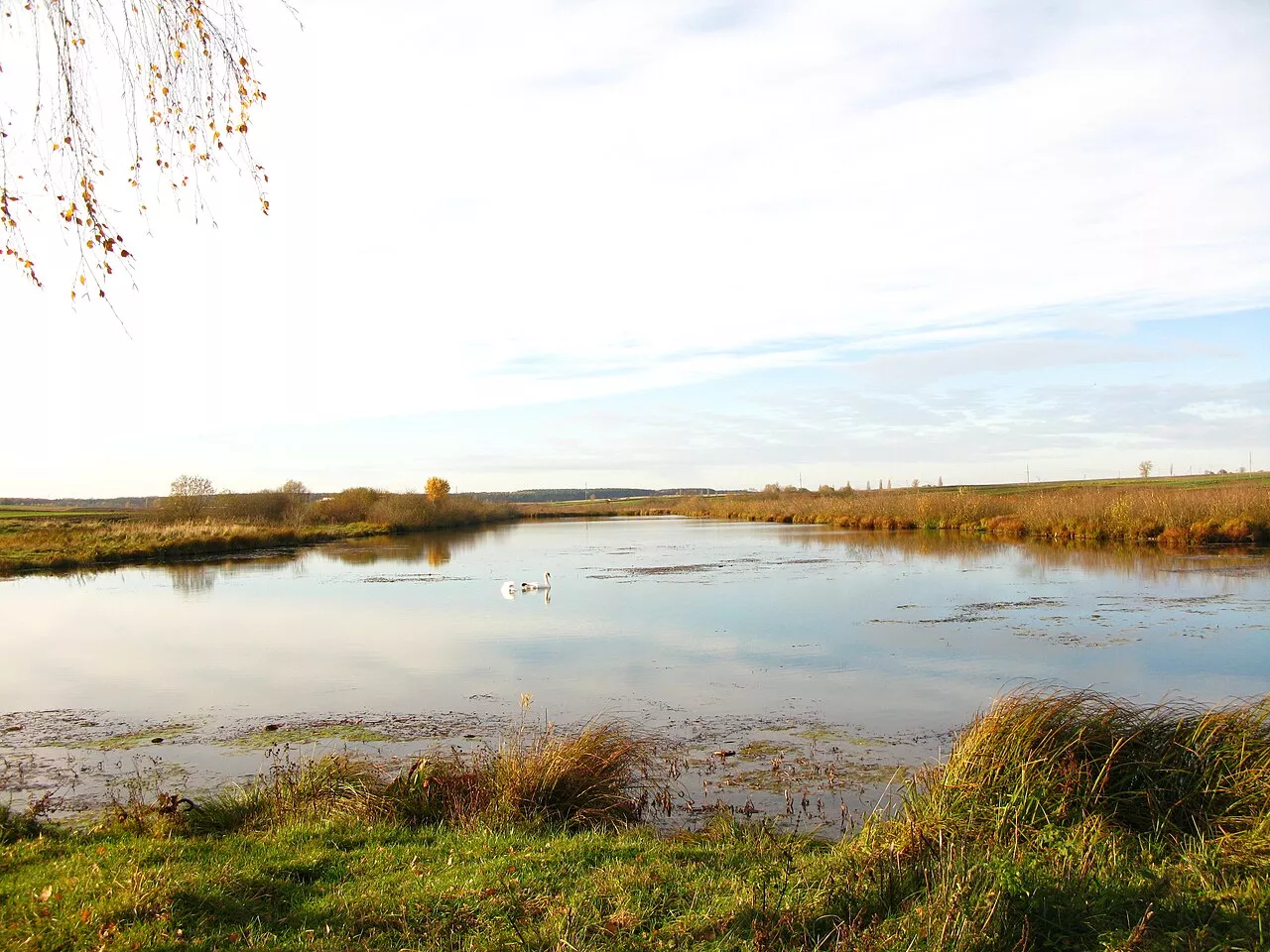
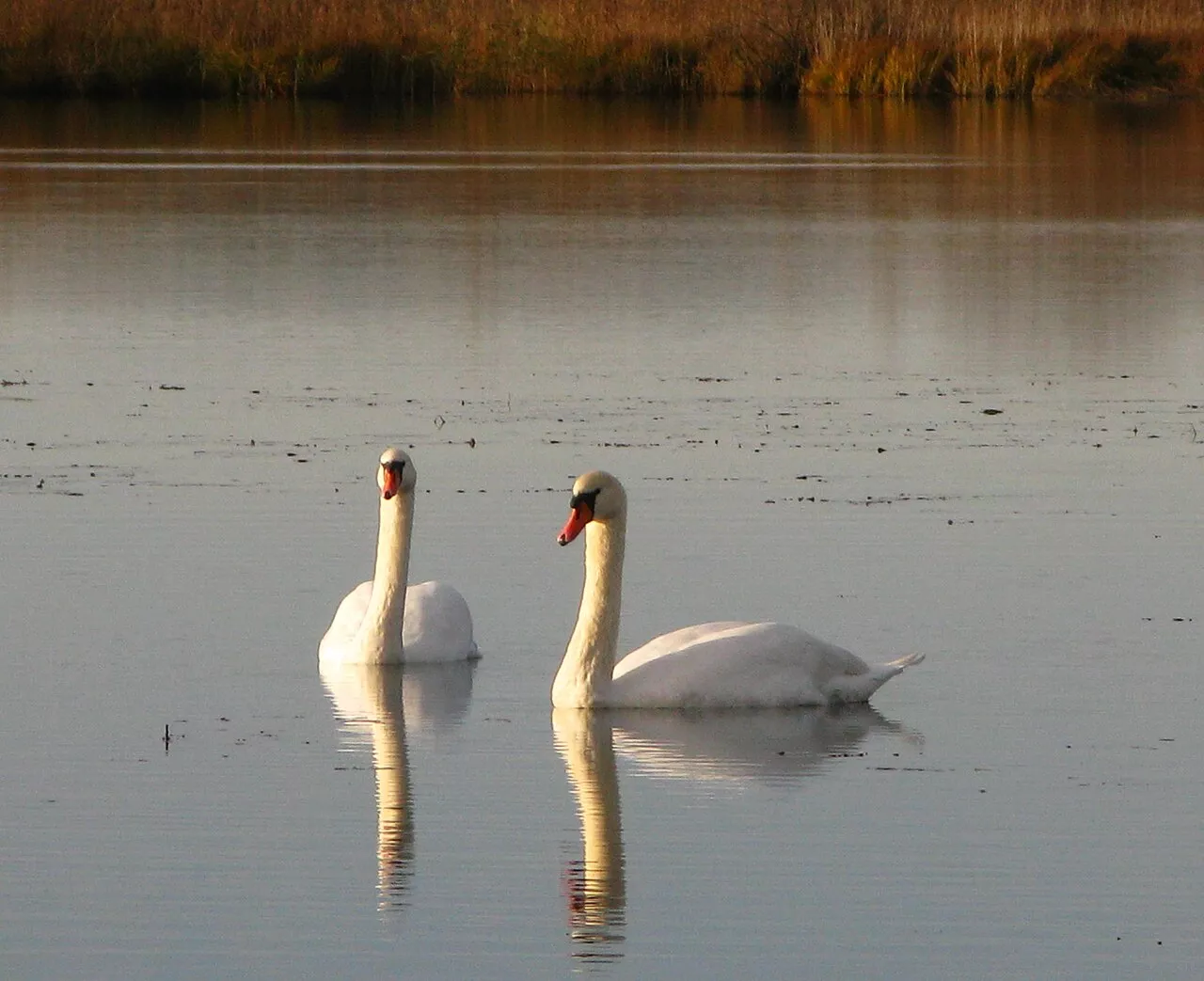
The Serna floodplain features a valuable natural complex with ponds, marshes, meadows, shrubs, and fifteen springs. Waterfowl, fish, amphibians, and mammals live and breed here, including Red Data Book species. Swans and ducks frequently swim on the river in Torchyn.
Ancient settlements
The banks of the Serna have been settled since the Stone Age. Bronze Age settlements, ancient Rus settlements, and even a hoard of Lithuanian coins have been found along its banks in Torchyn, Shepel, and Usychi.
Fishing
The Serna is small, so fishing is mainly done in the floodplain ponds and stretches of water in Torchyn. General fishing regulations apply.
Serna on video
Nearby
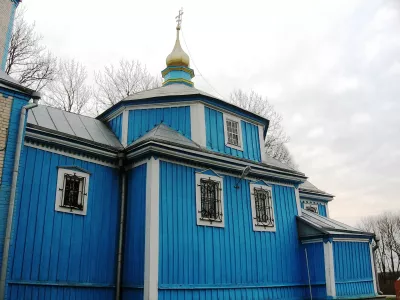
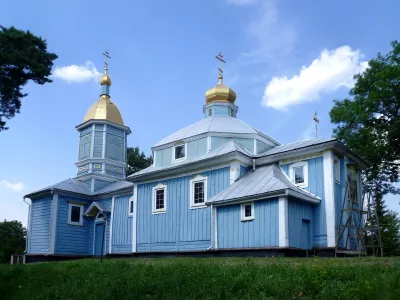
Torchyn, Shepel with the Church of the Assumption, Usychi are situated along the Serna.
How to get there
The easiest way to see the Serna is in Torchyn, which lies along the Lutsk — Volodymyr highway.