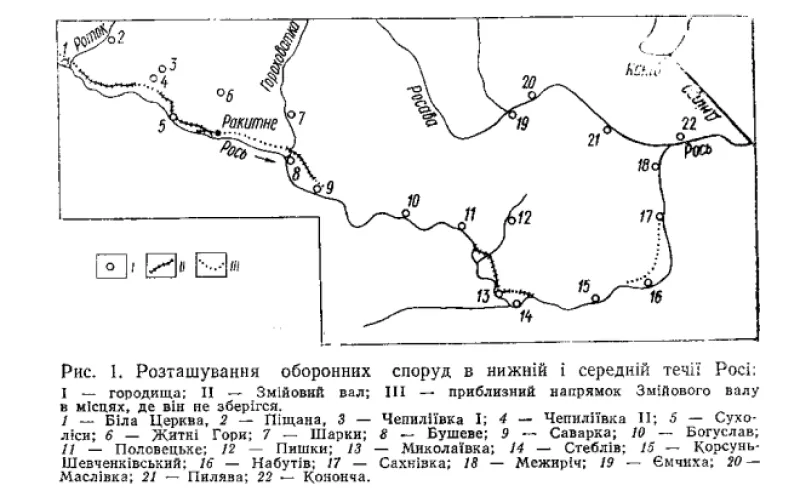
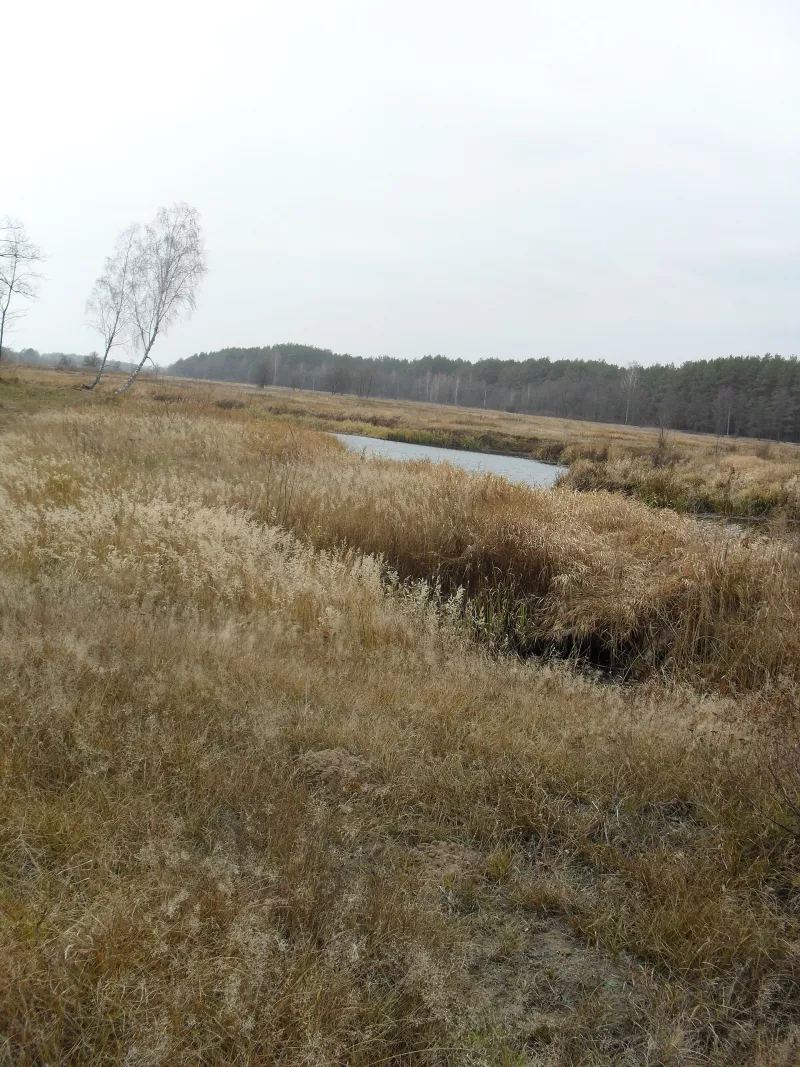
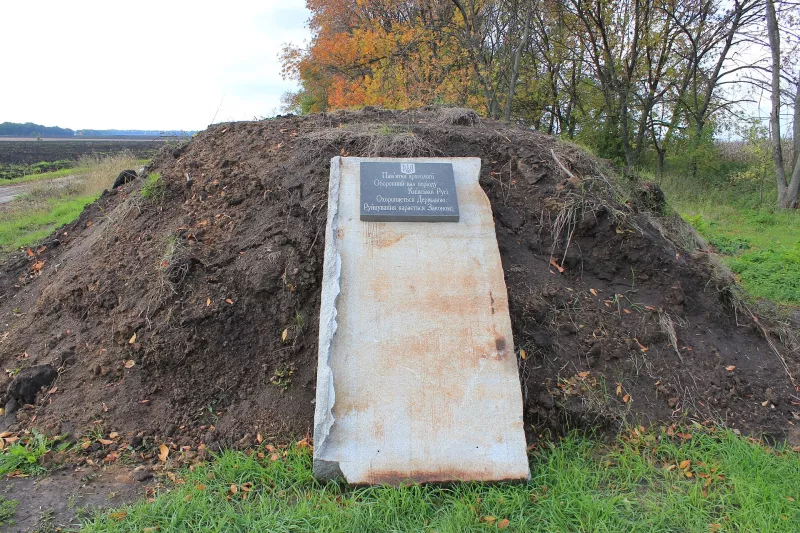
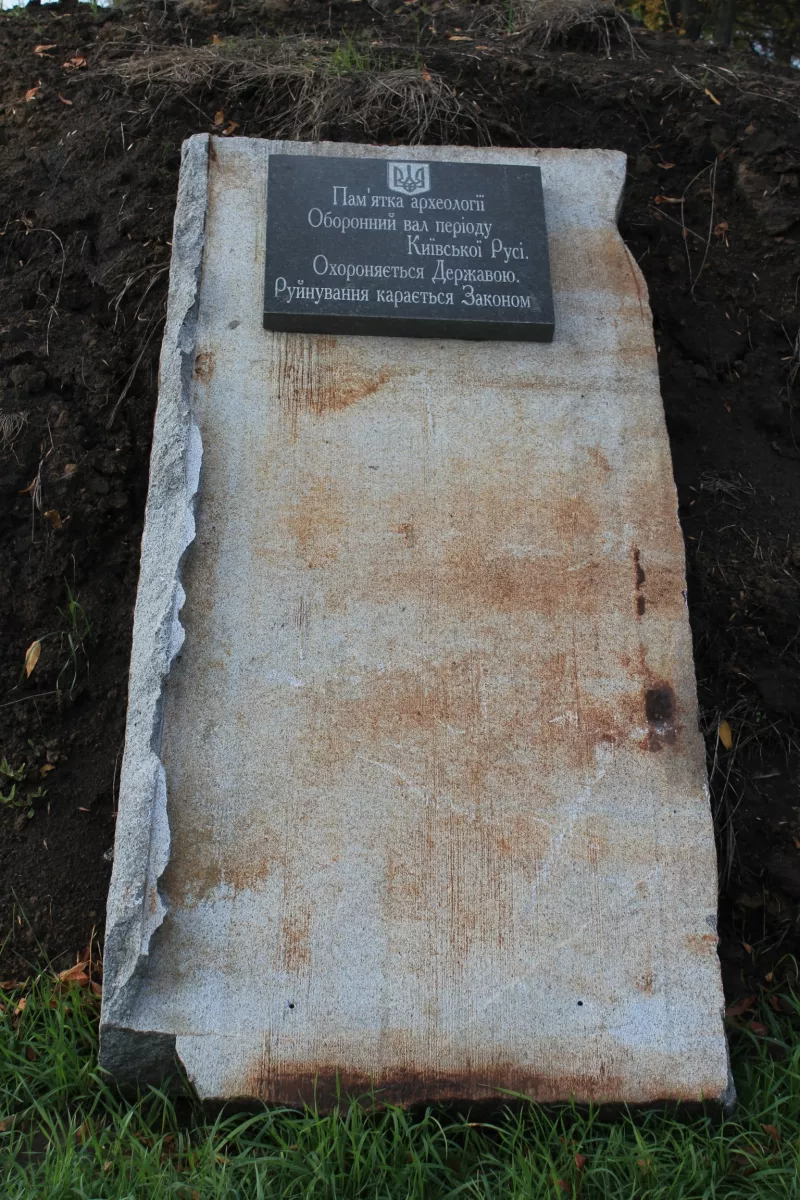
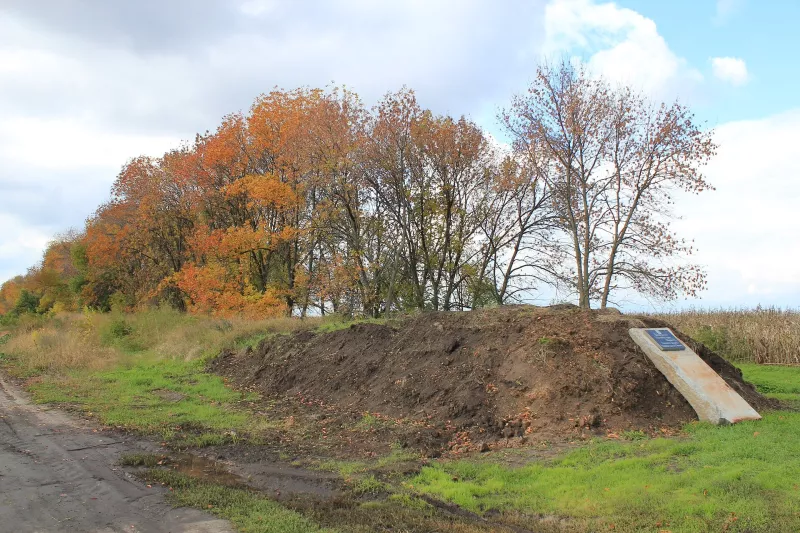

The Serpent's Walls (Zmiievi Valy) is the folk name for long earthen ramparts that in ancient times encircled the lands around Kyiv. Their total length is over 950 km: this is the largest defensive structure of the Middle Dnieper region. Near Bila Tserkva, along the Ros, as well as along the Stuhna, Irpin, Trubizh, and Vita, the ramparts are in places preserved to this day — in some areas up to 15 meters high and tens of kilometers long.
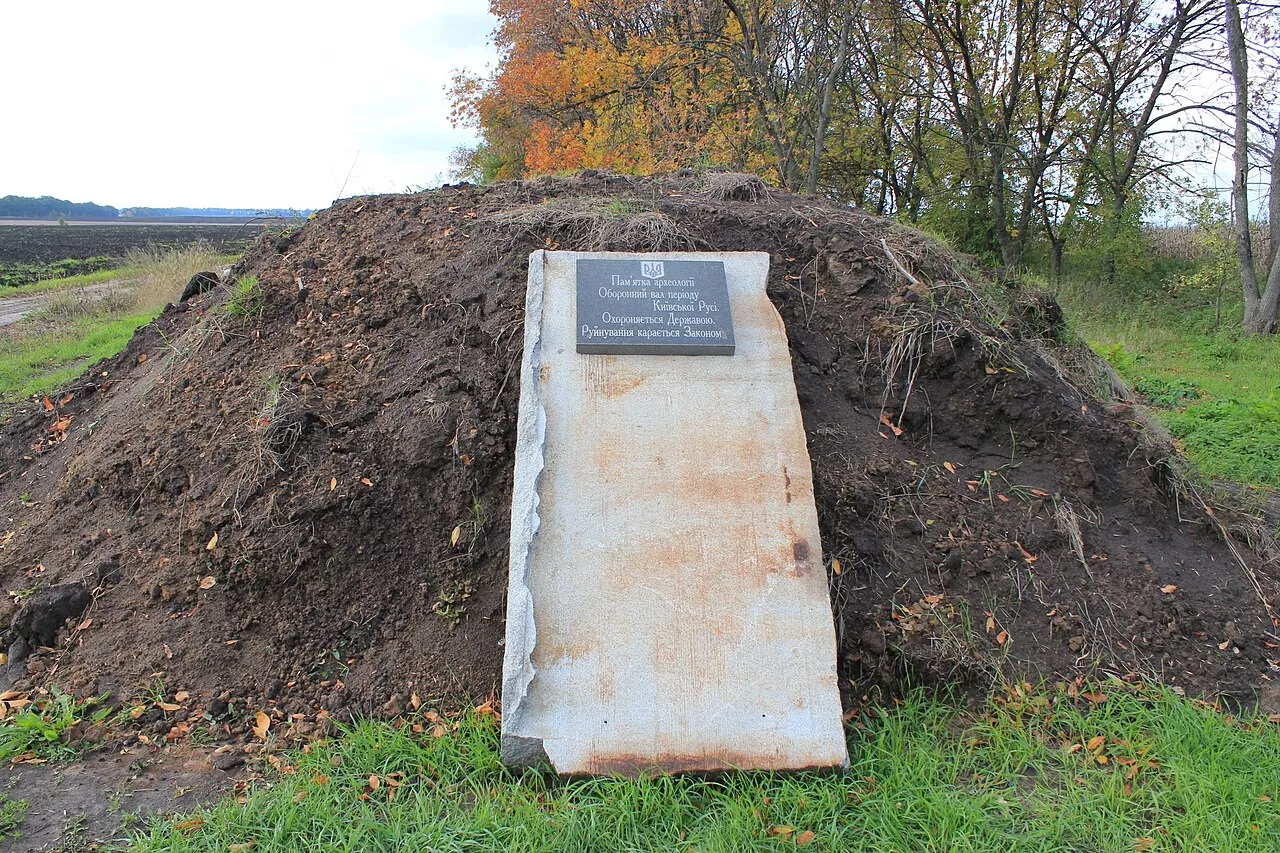
Nine Lines of Defense
Usually, the Serpent's Walls refer to the ramparts piled up in the 11th–12th centuries. Researcher Mykhailo Kuchera in the early 1980s counted 23 sections with a total length of about 970 km; 234 km were available for study at that time. The ramparts form nine lines: Vitianskyi-Bobrytskyi, Stuhnyanskyi-Irpinskyi-Teteriwskyi, Dnipro-Teteriwskyi, Dnipro-Kamianskyi, the Middle and Great Poros ramparts, Rosko-Huyvynskyi, the Dnieper Left-Bank, and Posulskyi. For comparison: the Roman limes in Germania was 568 km, and Offa's Dyke in Britain was about 240 km.
Who Piled Them Up and Why
The earliest testimony about the ramparts was left by Archbishop Bruno of Querfurt, who traveled through Kyiv to the Pechenegs in 1008. He wrote that Prince Volodymyr Svyatoslavych escorted him for two days to the border of his state, which he had surrounded against the nomadic enemy with a "very strong and very long fence." The chronicle mentions the ramparts near Trypillia under the year 1093, and the Pereiaslav ramparts under 1095. Thus, the ramparts were part of Rus' defense against the Pechenegs and Polovtsians: fortresses and hillforts stood behind them, from which armed forces could emerge.
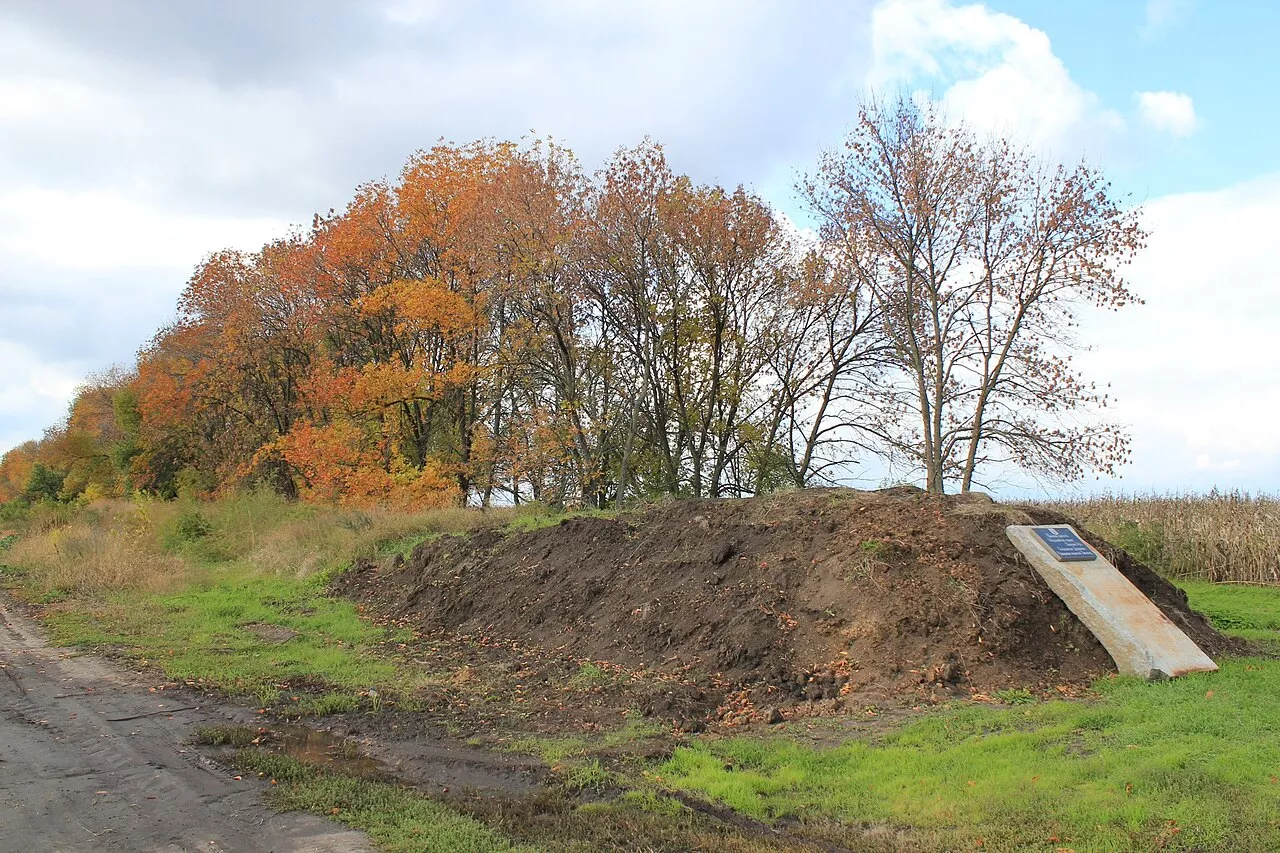
The Legend of the Serpent
The folk name is associated with a legend: a blacksmith (in various versions — the saints Cosmas and Damian or Kyrylo Kozhumyaka) defeated a serpent, harnessed it to a plow, and plowed a giant furrow from which the ramparts grew. Because of this, the people dubbed the ramparts the Serpent's Walls.
Where to See Them
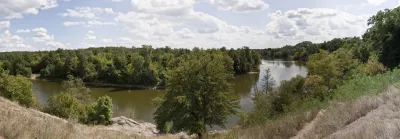
The ramparts are best seen in the Kyiv region along the Vita, Krasna, Trubizh, Stuhna, and Ros rivers, as well as near Pereiaslav, where a double line has been preserved. Near Bila Tserkva, fragments of the Poros ramparts stretch along the Ros. Another ancient line runs through Nizhylovychi in the Makariv region, near the Tsezarivskyi Reserve.
Tip
The ramparts are archaeological monuments, so do not dig them up or drive heavy machinery over them. The relief is best seen in spring and late autumn, when the grass is short. Combine your trip near Bila Tserkva with Yuriiv on Castle Hill and Oleksandriya Park.