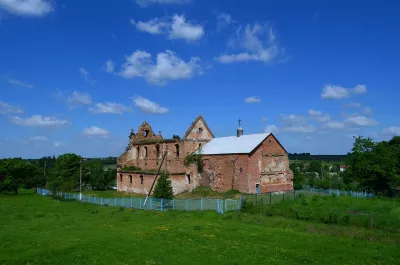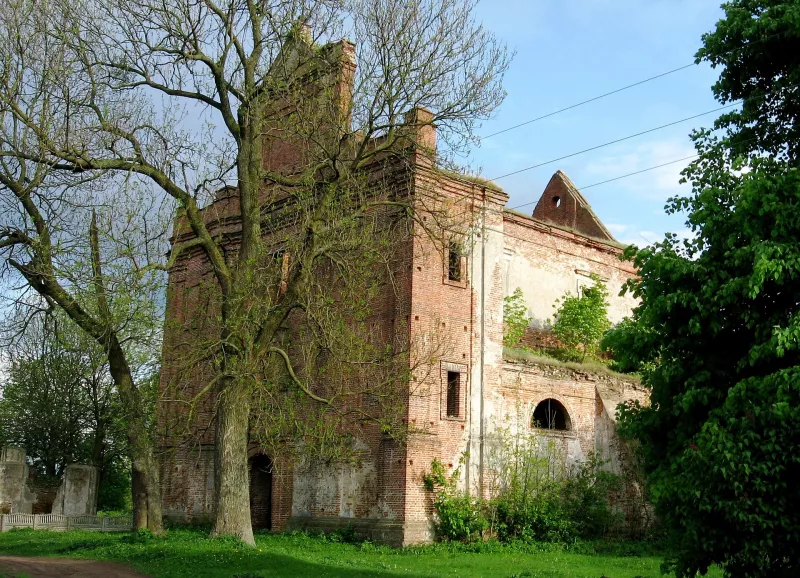
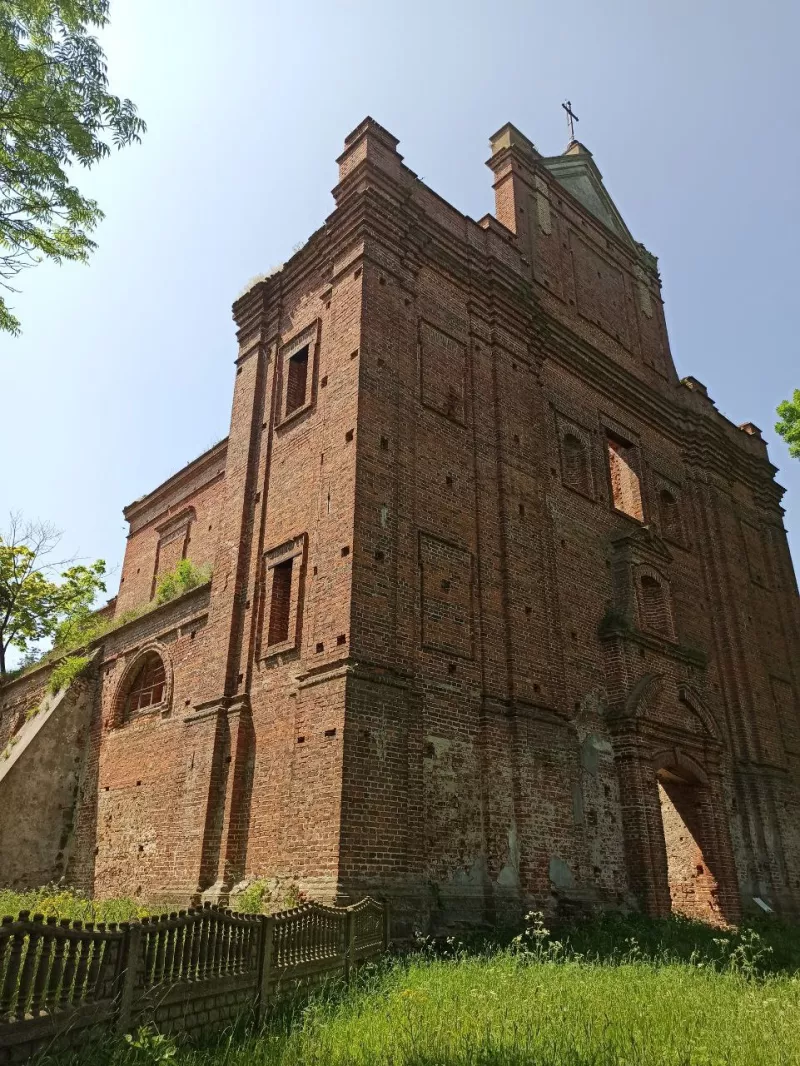
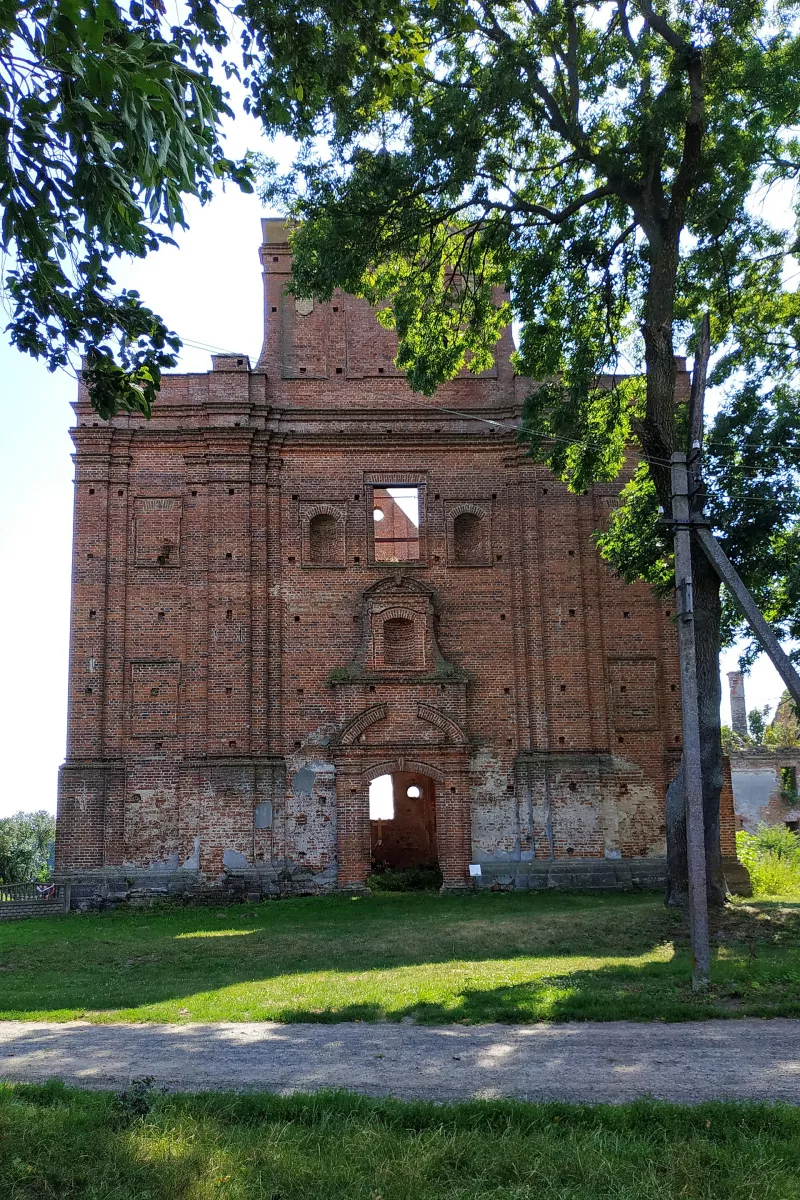
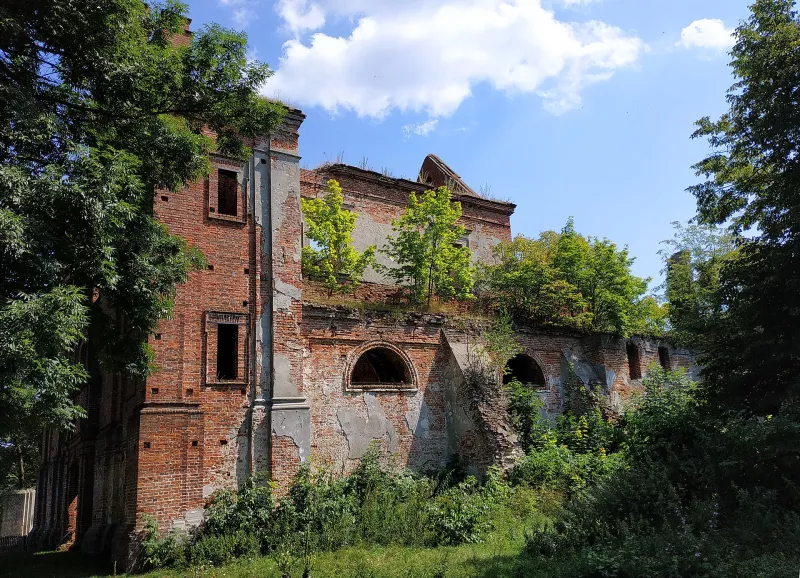
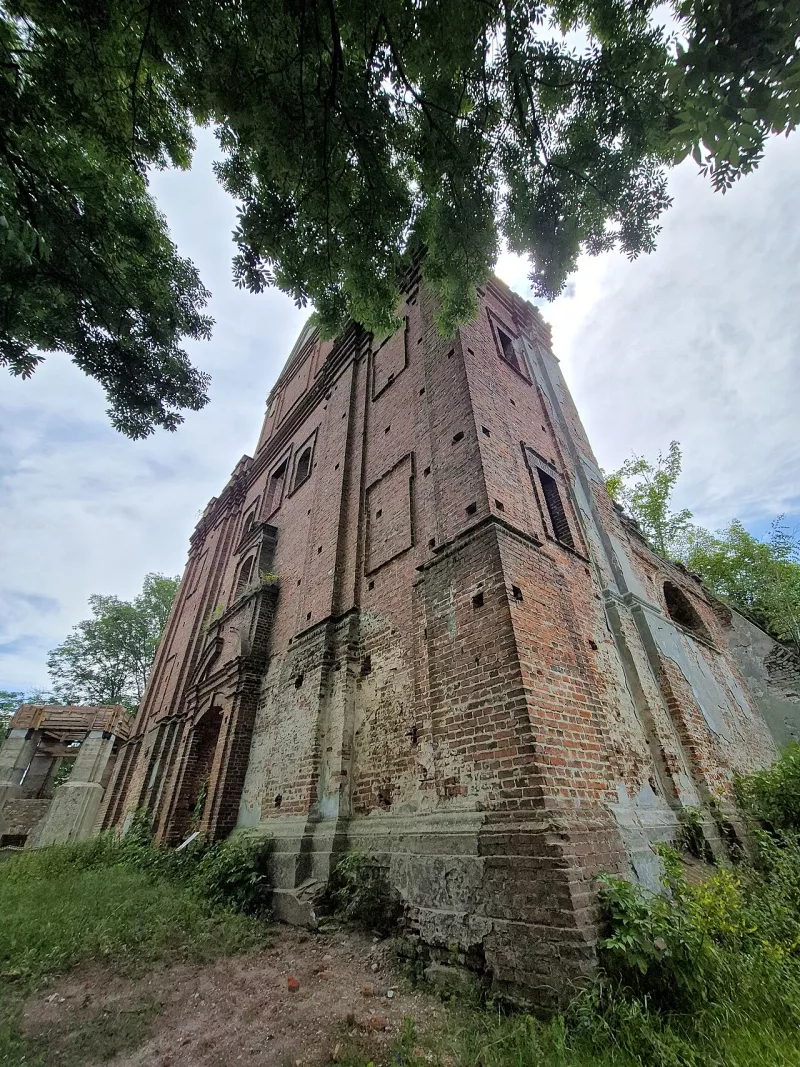
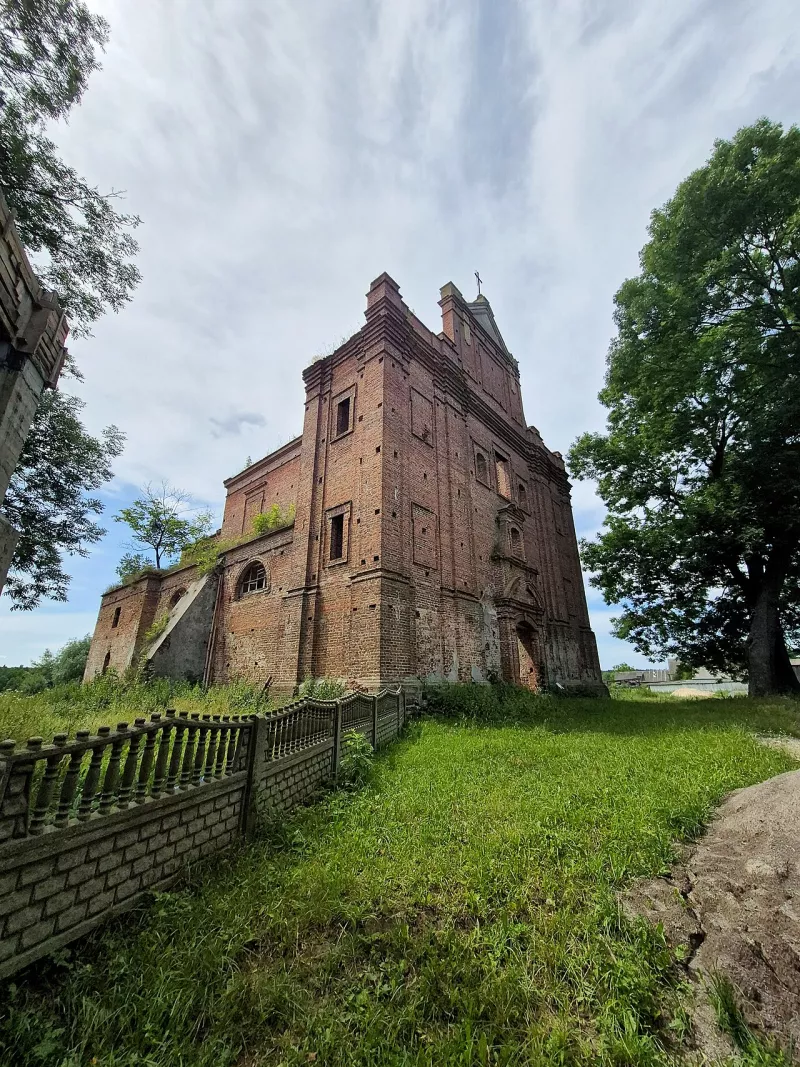
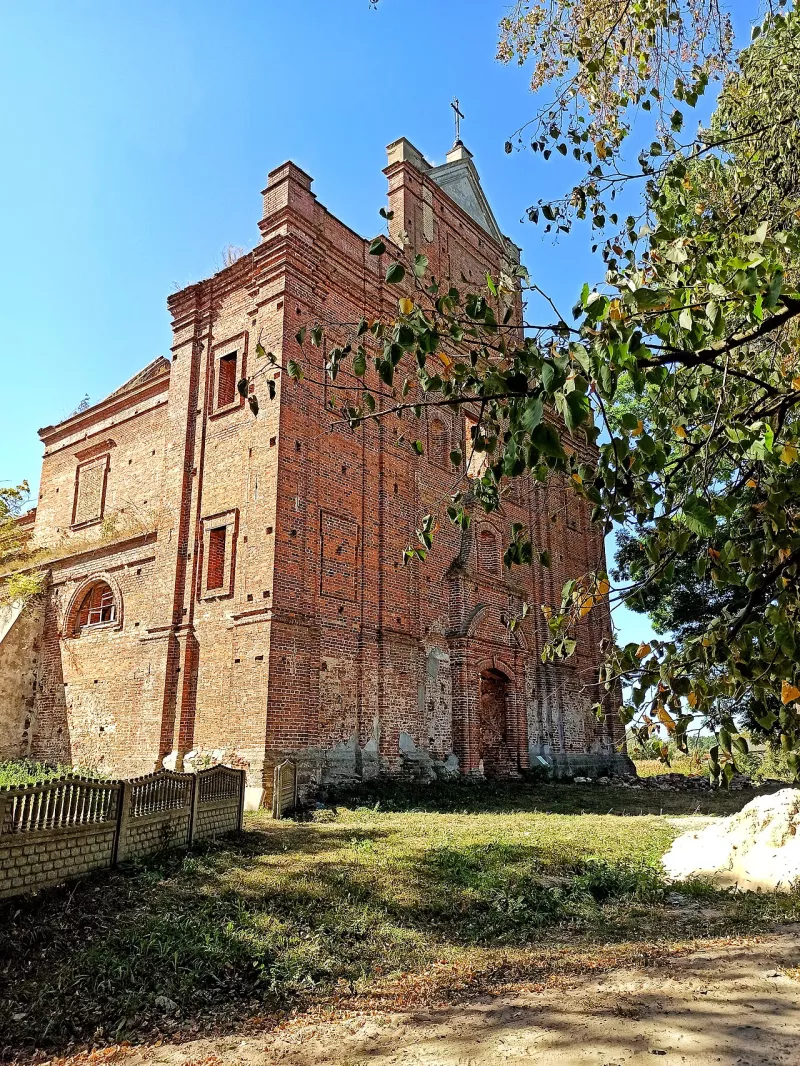
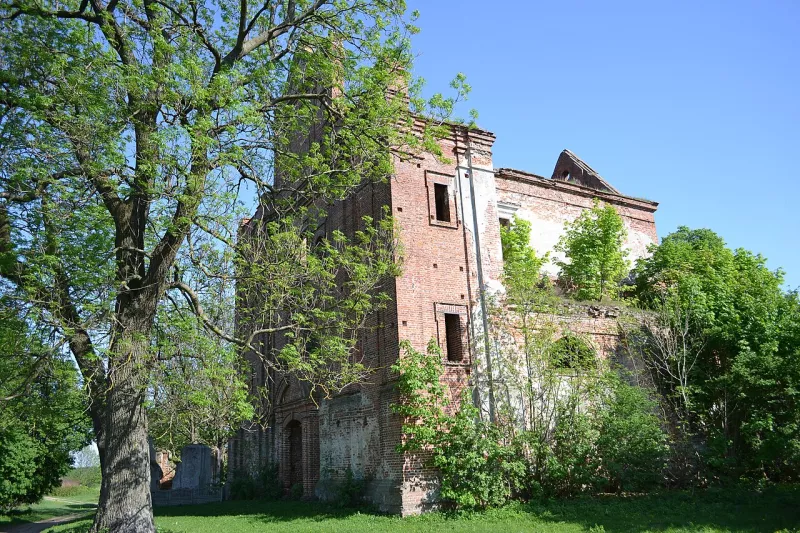
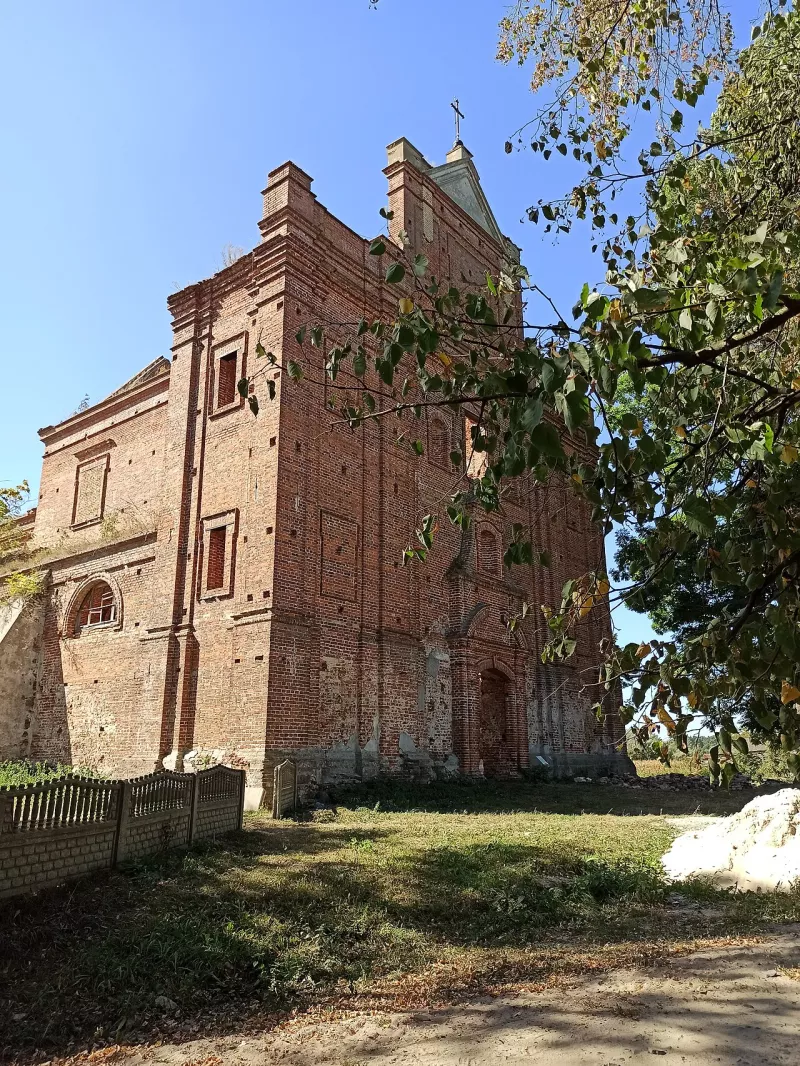
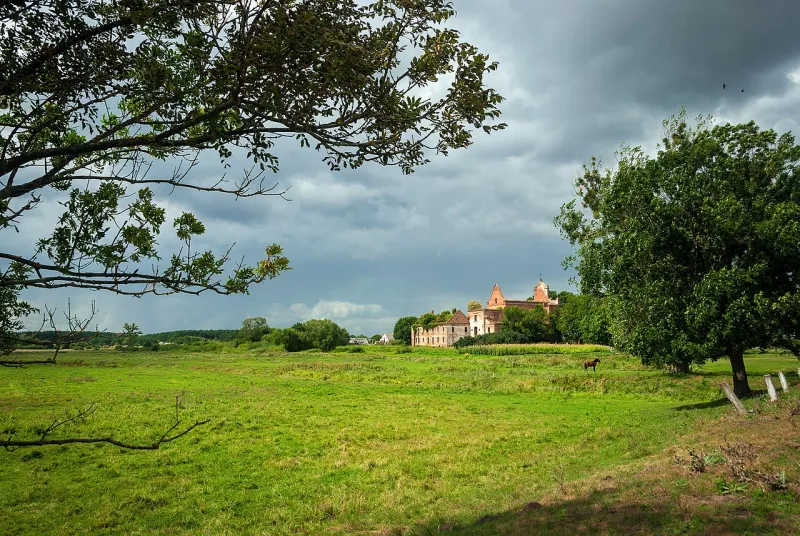
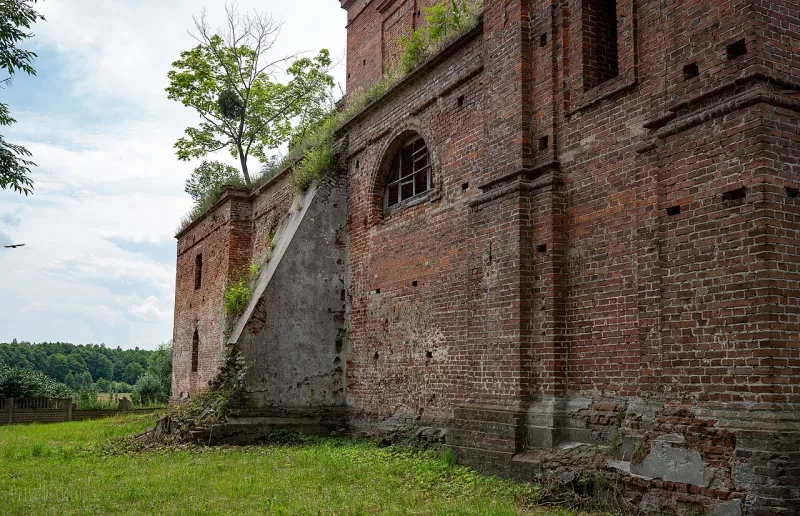
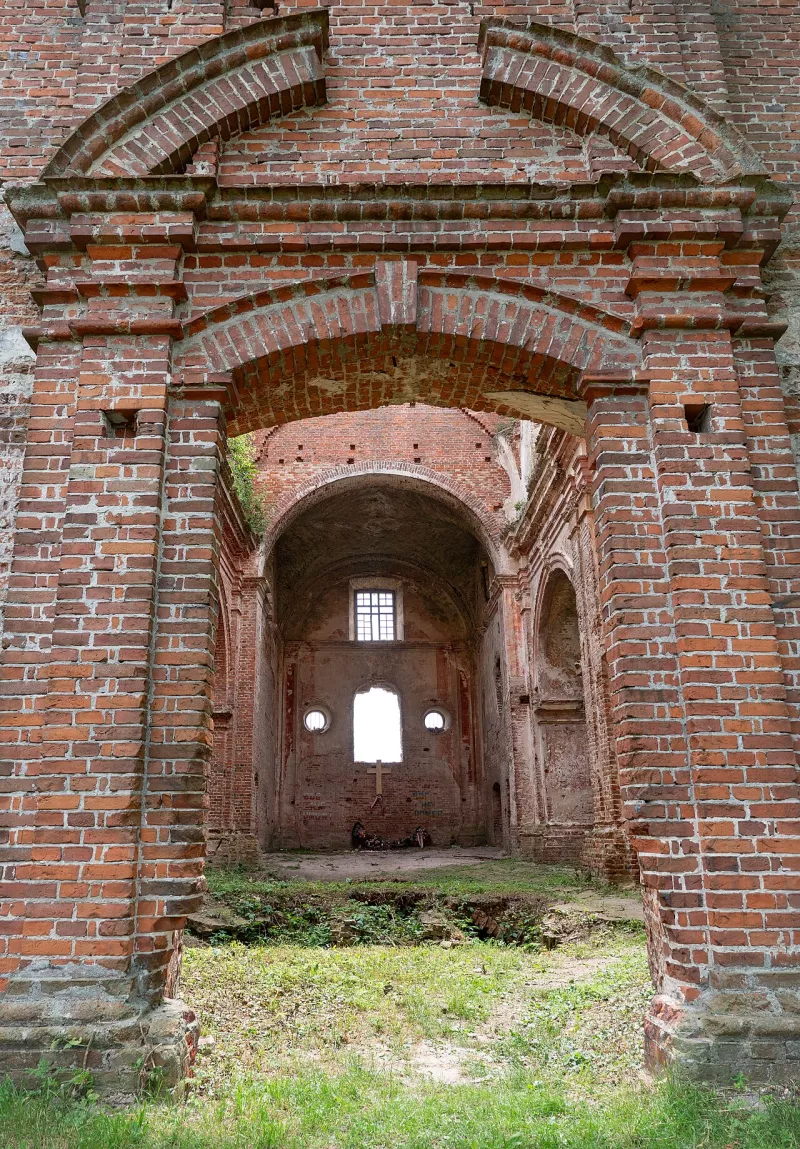

The Church of the Immaculate Conception of the Blessed Virgin Mary in Kysylyn consists of the 18th-century ruins of a Carmelite church and monastery in the village of Kysylyn in Volhynia. The tall brick building without vaults stands amidst a field and is visible from afar. It is one of the region's most tragic landmarks, intertwining the history of Catholic Volhynia, World War I, and the events of 1943.
Carmelite Church
In 1720, a masonry church and monastery complex was built in Kysylyn at the expense of the Hołuchowski family. A parish was established in 1726, and in 1746 the church was consecrated by Bishop Franciszek Kobielski. After the tsarist authorities liquidated the monastery in 1832, the parish was served by secular clergy. By the mid-1930s, the parish numbered over two and a half thousand faithful from seventy surrounding villages.
Destruction and Tragedy
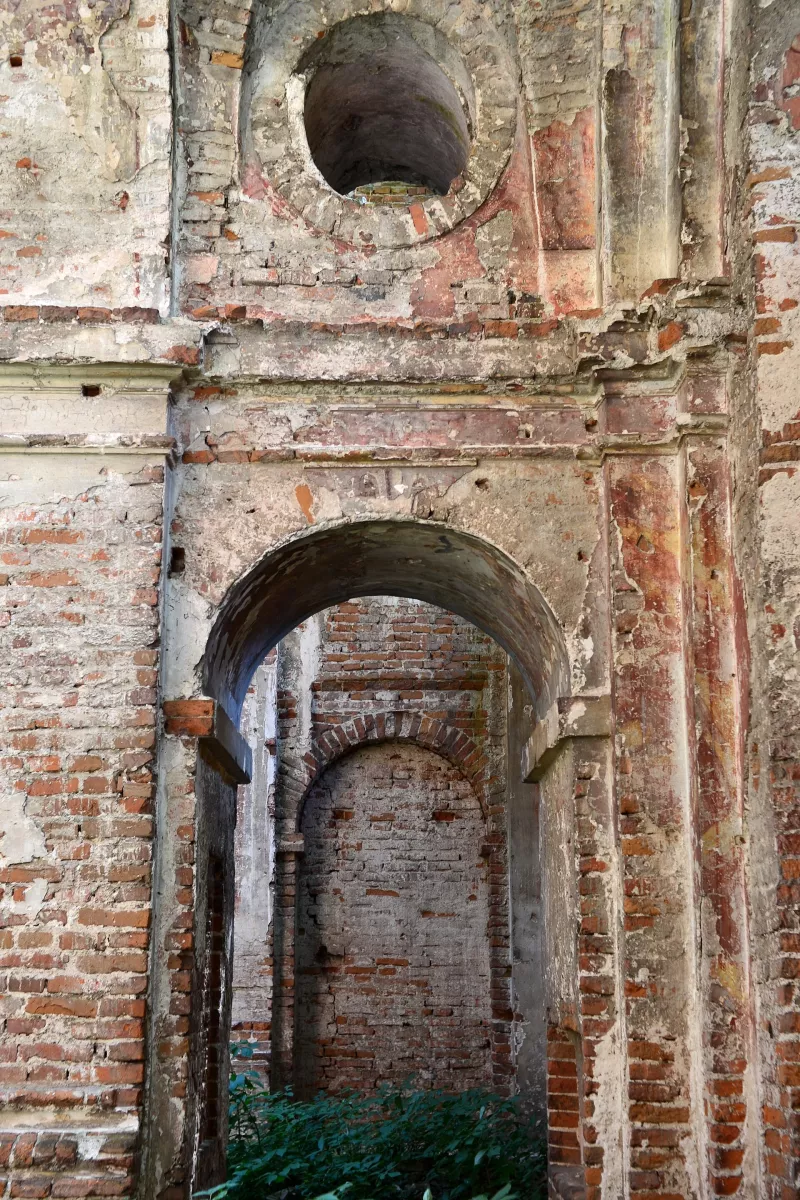
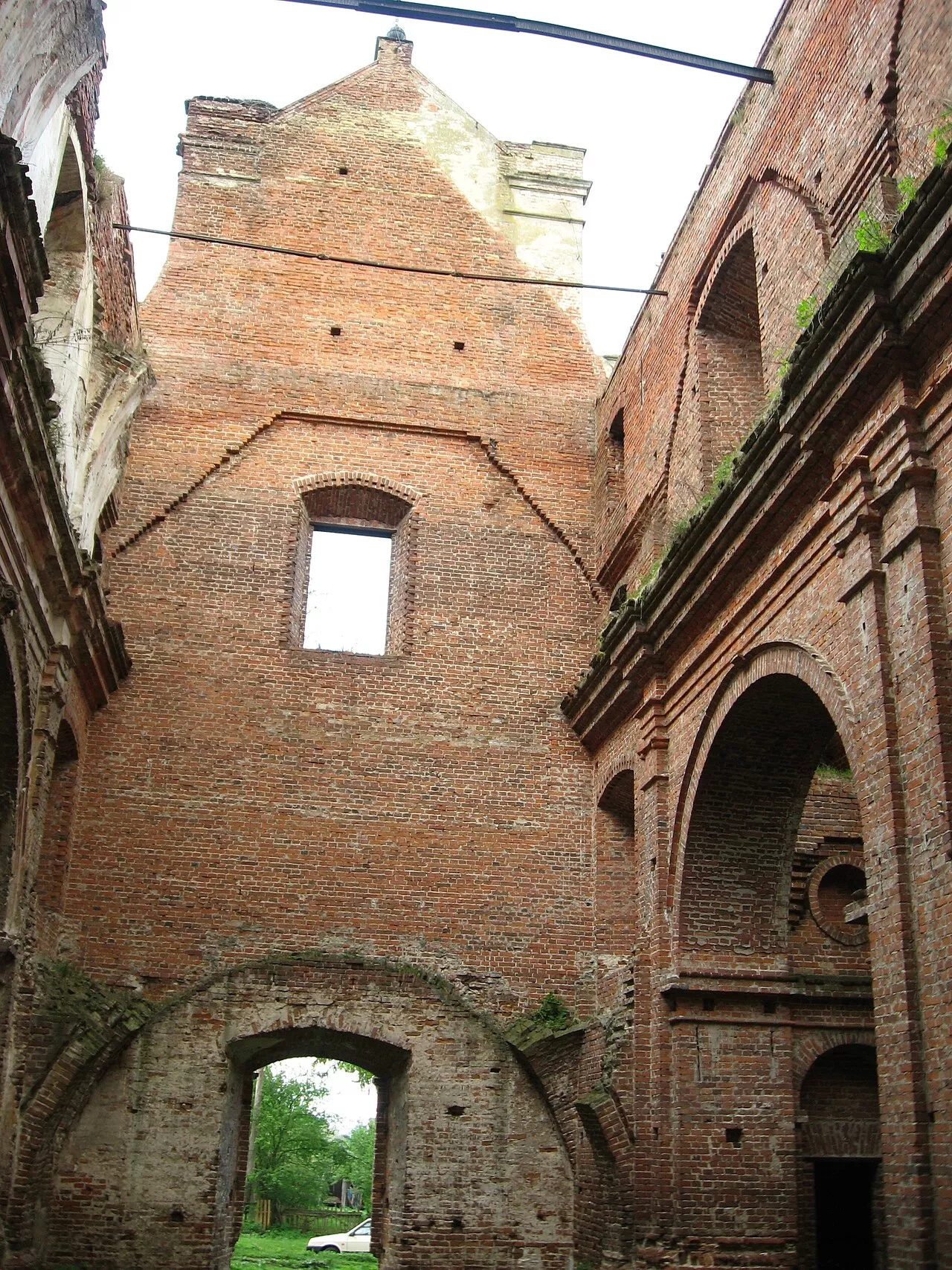
In 1915, during World War I, Russian artillery almost completely destroyed the church. It was rebuilt by 1939, but the vaults over the main nave were never constructed.
On July 11, 1943, during the Volhynian tragedy, UPA units surrounded Polish parishioners gathered in the church for a service and killed some of them — according to various sources, from 30 to 90 people. About two hundred people barricaded themselves in a section of the church and defended themselves for 10–11 hours until the attackers withdrew. The last parish priest, Father Witold Kowalewski, was severely wounded at the time. Since 1945, the church has been used as a warehouse.
What to See
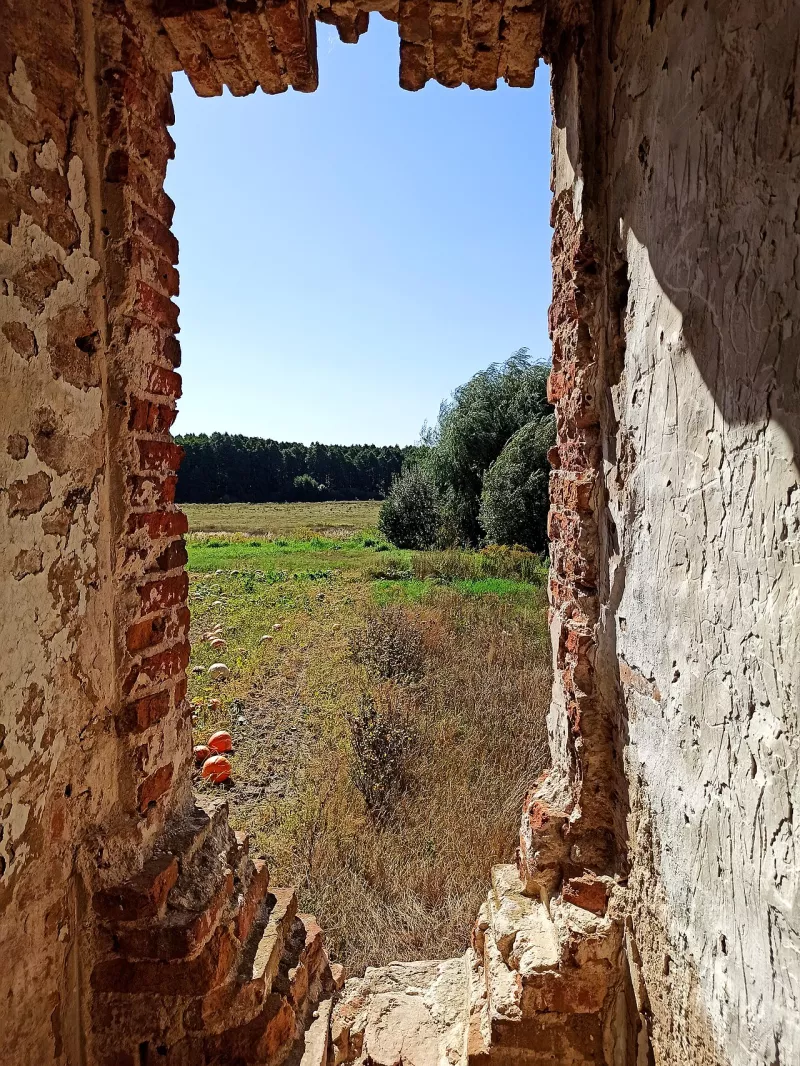
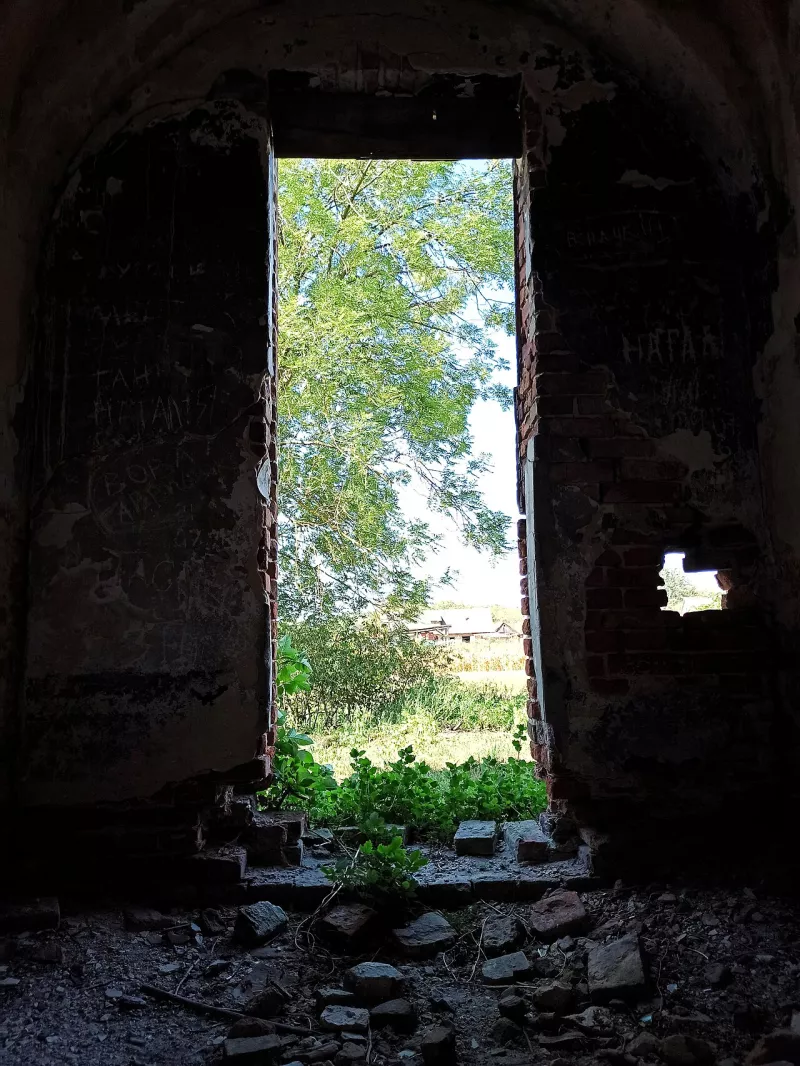
Today, only the walls of the church without a roof or vaults remain of the complex. The place is quiet and sorrowful — historians and the families of the victims alike visit here. Please behave respectfully, and enter the ruins with caution, as the walls are old.
How to Get There
Kysylyn is in Volodymyr Raion, near Zaturtsi. Read more about the region in the article Volodymyr Raion.