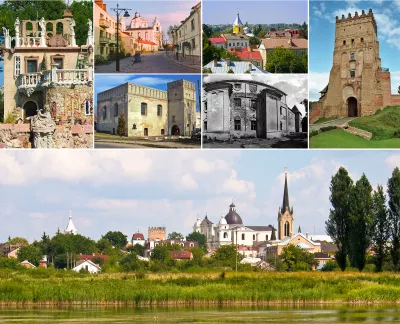
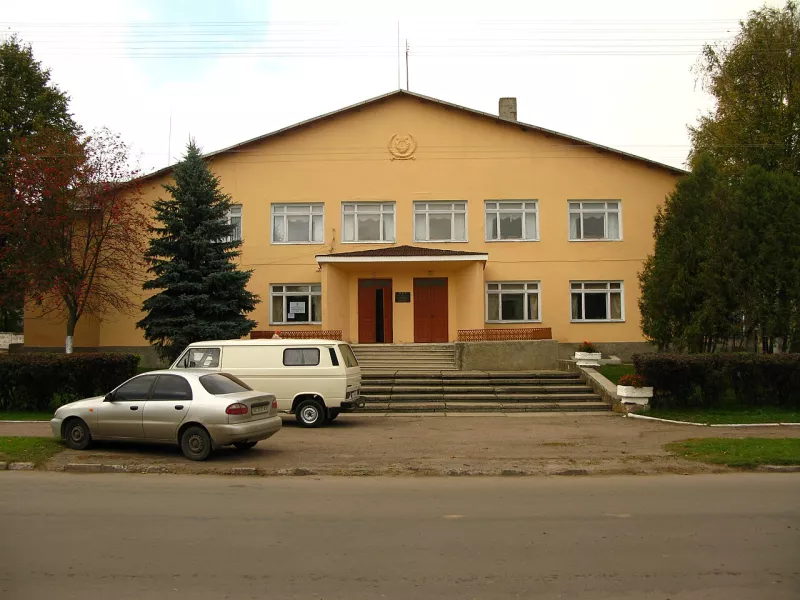
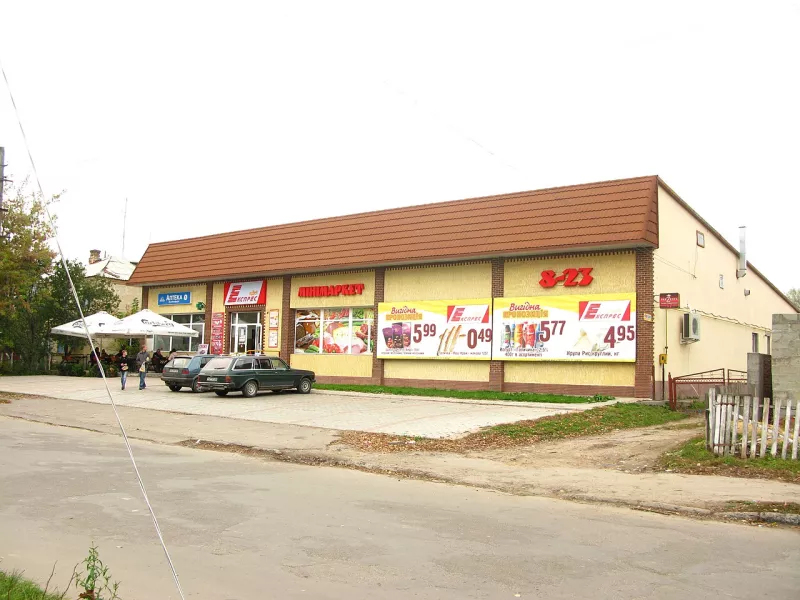

Torchyn is a urban-type settlement on the Serna River in southern Volhynia, the center of the Torchyn hromada in Lutsk Raion. About 4.5 thousand people live here. Today, the name is associated with a well-known trademark, but the town itself has a thousand-year history: Magdeburg rights, a bishops' castle, the Cossacks of Nalyvaiko, and a document that became a precursor to Koliivshchyna.
The Legend of Ioann Torchyn
According to ancient church tradition, the name comes from the name of Ioann from the Tork tribe, the groom of the Lutsk prince Davyd, whom the druzhyna warriors nicknamed Torchyn. In his old age, he settled with two sons on the Zastryzhzhia island and built the first wooden church of Saint Ioann. His family owned Torchyn until 1480.
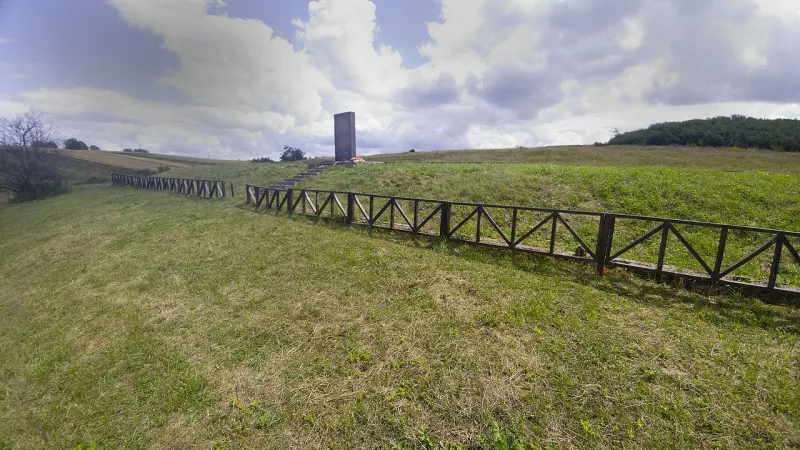
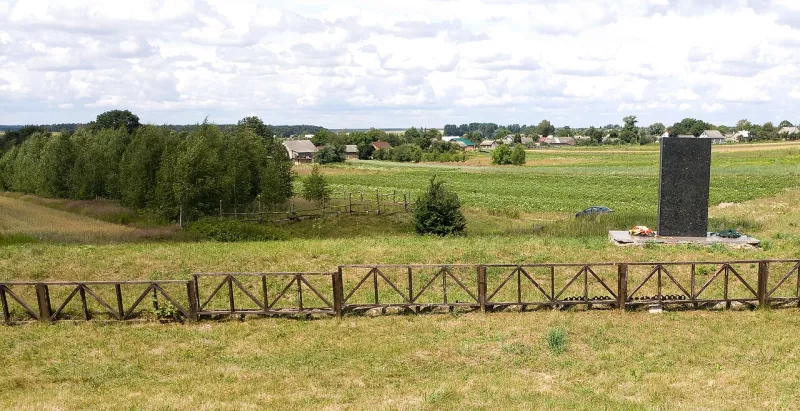
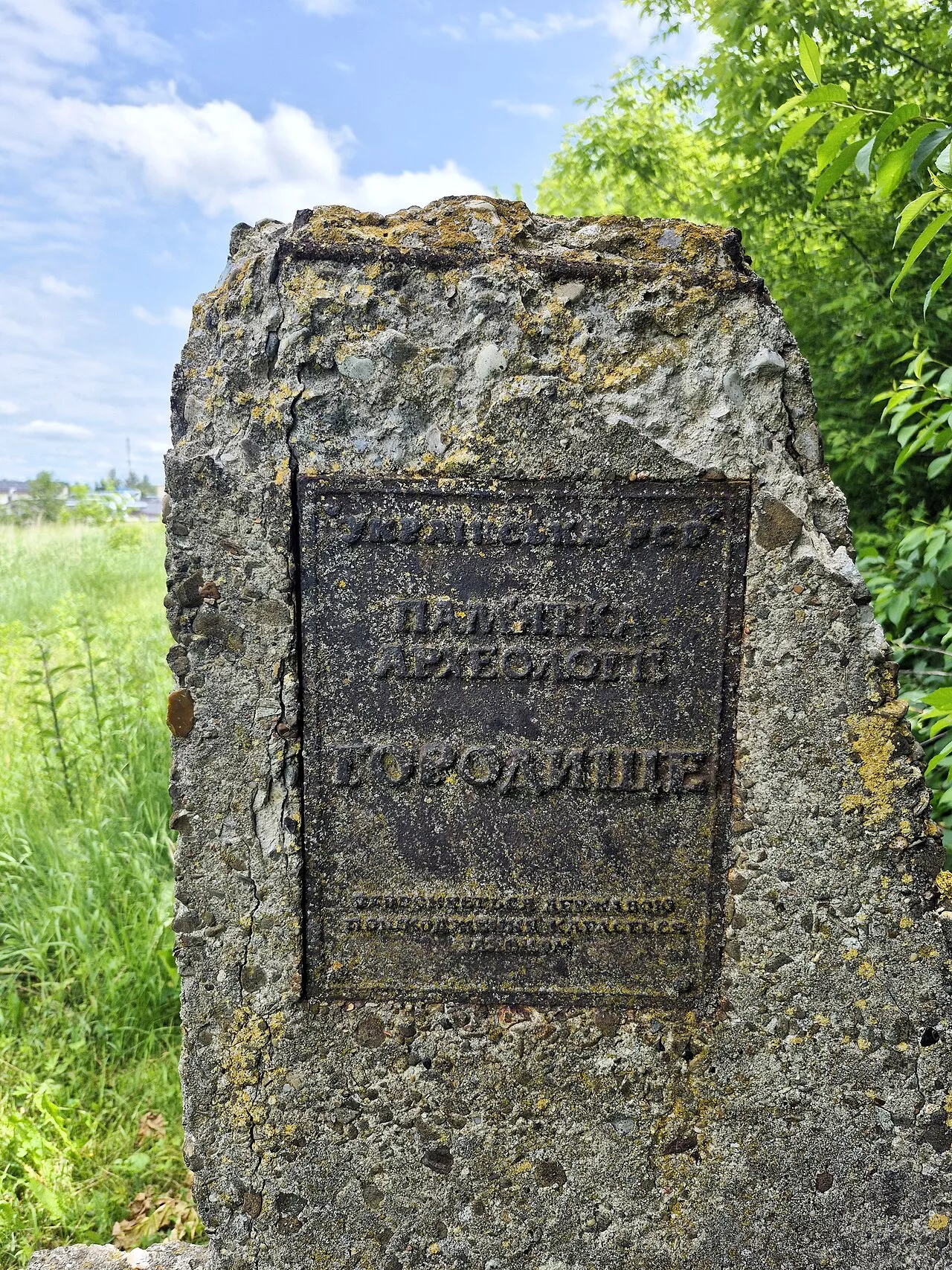
Archaeologists have found dozens of settlements in and around Torchyn — from the Stone Age to the princely era. In the center, near the church, there was an ancient Rus settlement, and on the banks of the Serna in 1966, a treasure trove of 915 Lithuanian coins of the 15th–16th centuries was found. The first mention of Torchyn as a fortified town on the Zastryzhzhia island dates back to 1093, and in 1230, the Hypatian Codex calls it a fortress of the Principality of Galicia-Volhynia.
Town of the Lutsk Bishops
In 1480, Torchyn passed to the Lutsk Catholic bishops. In 1538–1540, Bishop Yurii Falchevskyi built castle fortifications here, and on July 10, 1540, King Sigismund I granted Torchyn Magdeburg rights, allowing weekly bazaars and three fairs a year. In the 16th century, 16 craft guilds operated here, skomorokh actors performed at the fairs, and a vertep puppet show was displayed. Bread from the Torchyn estates was exported by the bishops via Gdańsk to Western Europe, and the "Torchyn measure" was known throughout the surrounding area.
The town weathered sieges more than once: in 1601, a three-week Tatar assault; in 1687, a twenty-day siege by the horde; in 1708, a two-week assault by a Swedish detachment. The people of Torchyn also fought in the detachments of Severyn Nalyvaiko in 1595–1596. As of 1703, seven Orthodox churches operated here.
The Torchyn Manifesto
On June 14, 1767, during the Trinity Fair, a unique insurgent document was found in Torchyn — the "Torchyn Manifesto." It is considered the precursor to Koliivshchyna, the great Haidamak uprising of the following year. And at the end of the 18th century, Vit Onufrii Horoshko defended the Magdeburg status of Torchyn in the St. Petersburg Senate and saved the townspeople from enserfment.
Churches
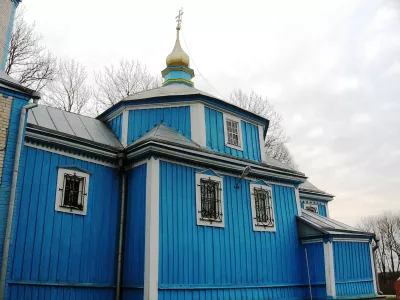
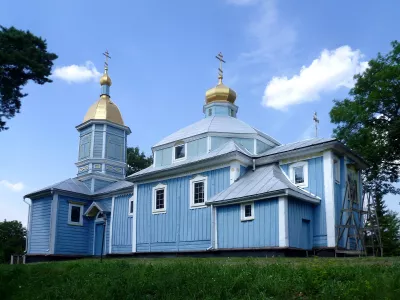
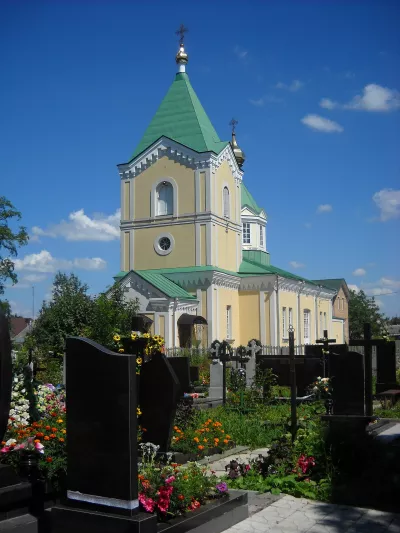
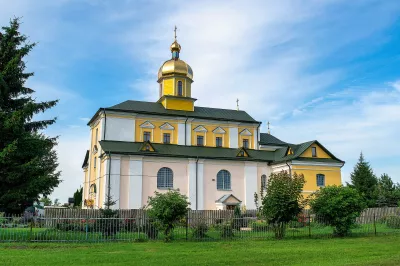
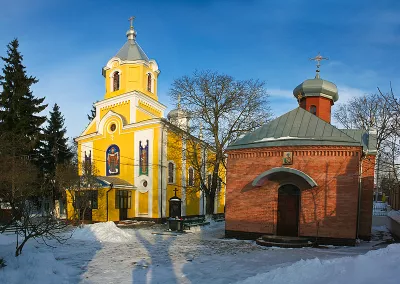
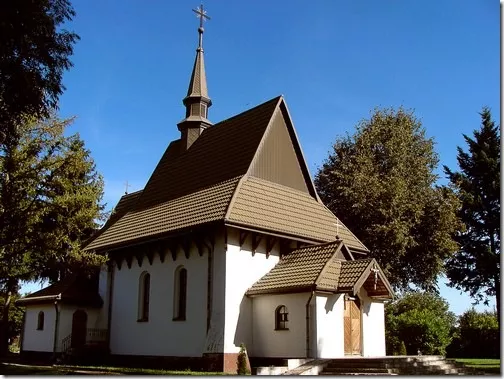
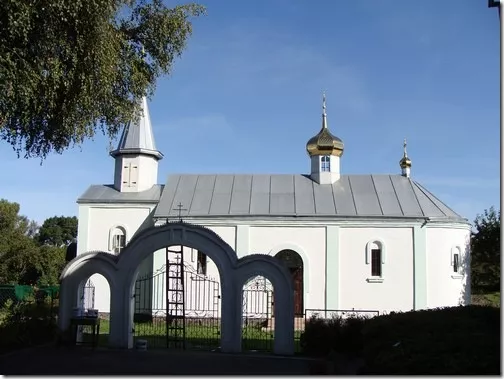
Church of the Holy Trinity and Saint John the Baptist is the most prominent building in the center, visible from the highway. Saint Stephen's Church was built in 1850 by Priest Stefan Tymynskyi, who founded a library at the parish. The Tymynskyis served here for three generations — right up to 1916.
Lesia Ukrainka and the Lypynskis
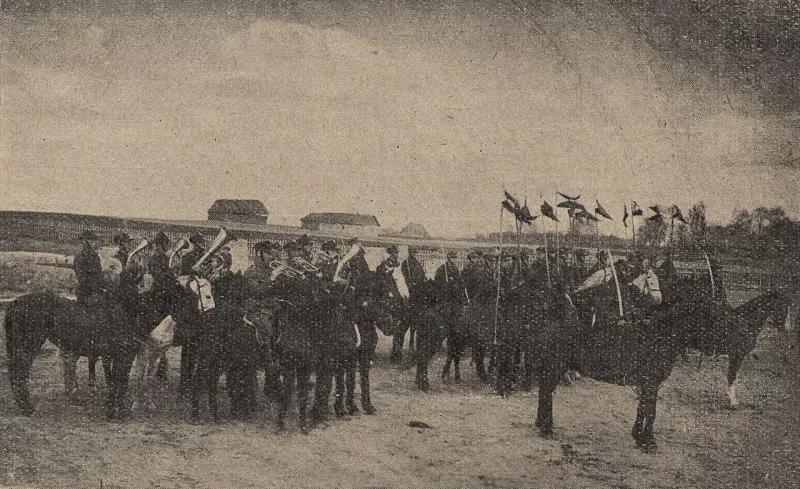
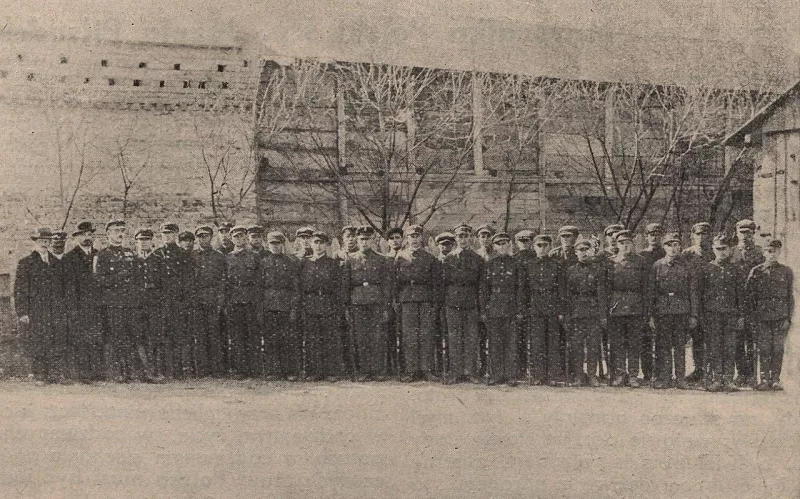
In 1904–1907, Lesia Ukrainka owned a land plot in Torchyn of over 72 desiatynas. The family of Kazimierz Lypinski, father of the historian and politician Viacheslav Lypinski, also owned land here, and his sister Wanda lived in Torchyn until 1939. In 1916, a school of the Ukrainian Sich Riflemen was opened in the town, where teaching was conducted in Ukrainian for the first time.
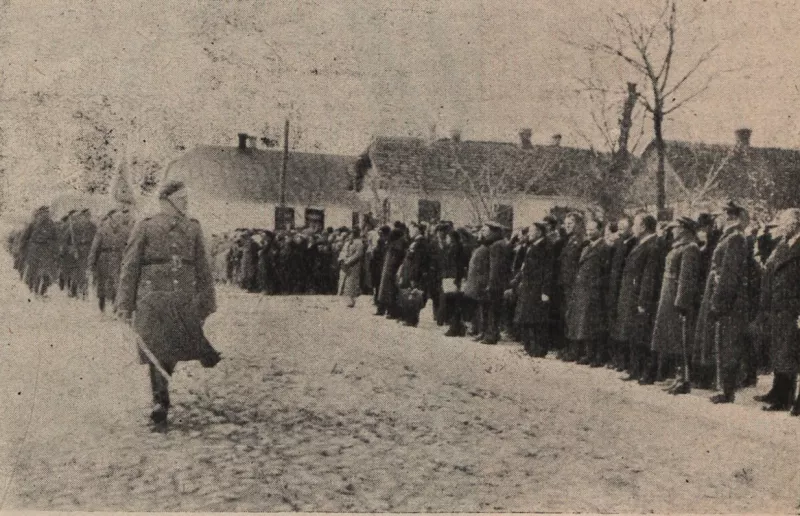
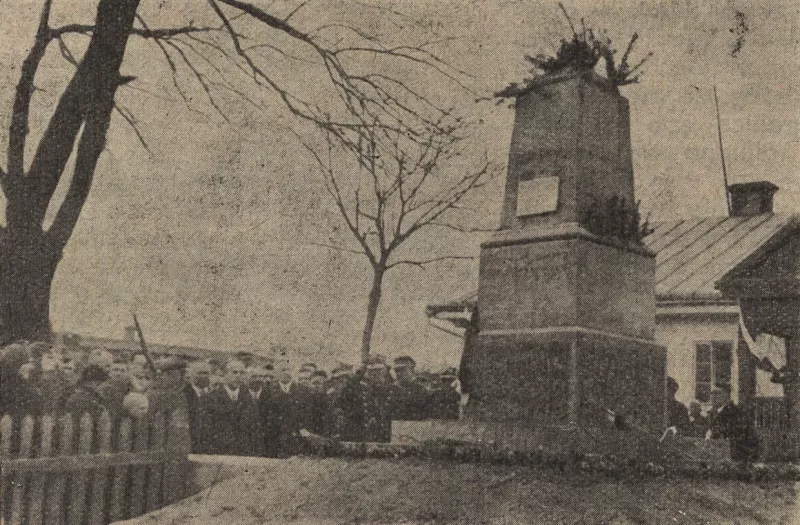
In 1918–1919, the headquarters of the UNR support base of Colonel Hnat Porokhivskyi was stationed in Torchyn, and in the spring of 1919, according to old residents, Symon Petliura spoke at a rally here. In March 1919, during the Polish offensive, the Polish commander Leopold Lis-Kula was killed near Torchyn.
Museum
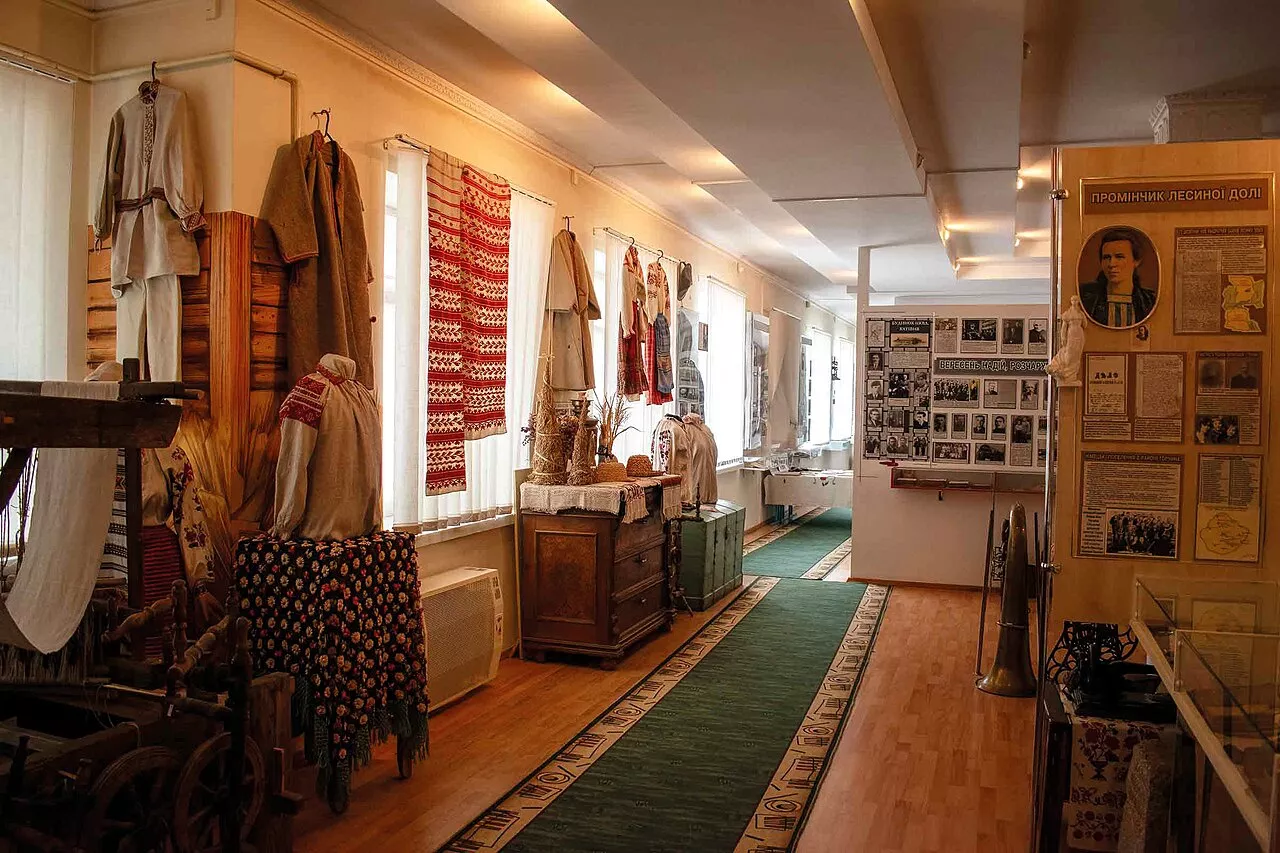
A history and local lore museum operates in Torchyn. It tells about the ancient hillfort, crafts, fairs, and the town's people — from Ioann of Torchyn to the 20th century.
World War II
During the occupation, the Nazis created a ghetto in Torchyn, where about 1,500 local Jews and prisoners from surrounding villages were driven. In August 1942, the ghetto was destroyed, with about two thousand people shot. Local resident Oleksandr Krut, risking his family's lives, saved twelve Jews from execution.
Nature
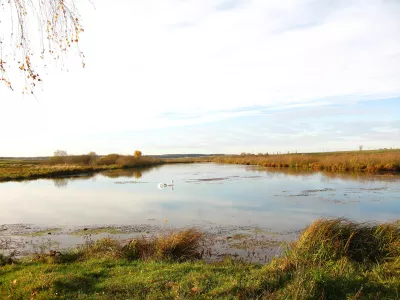
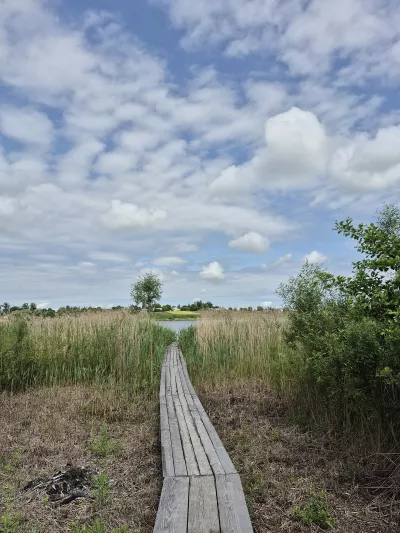
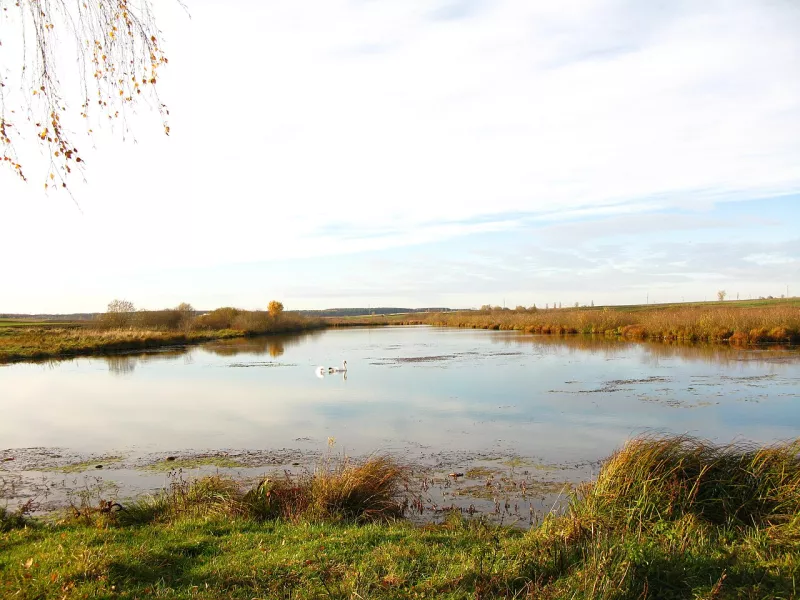
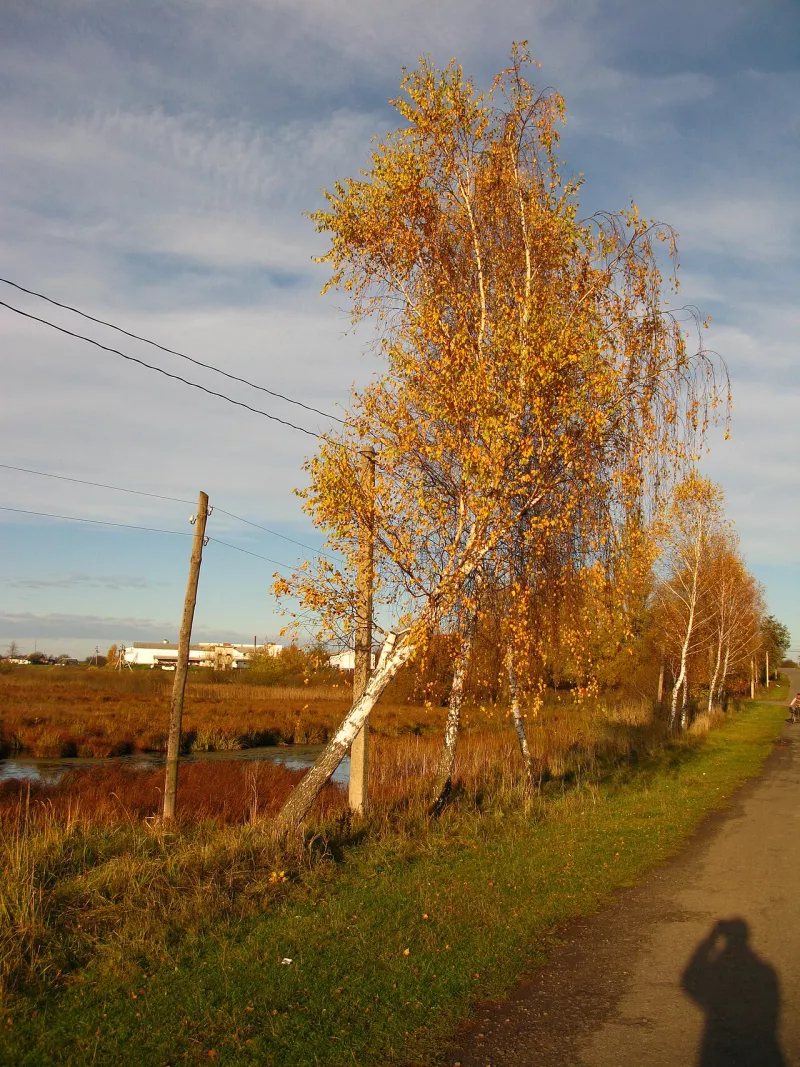
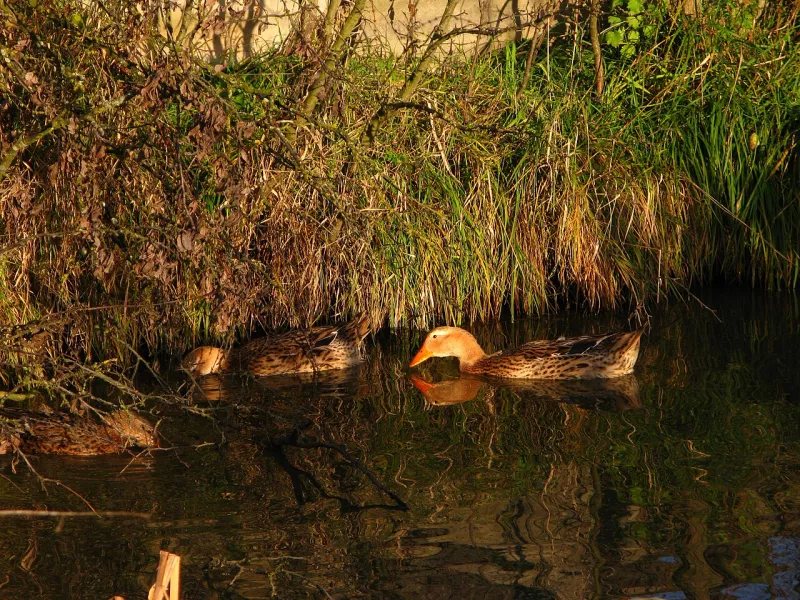
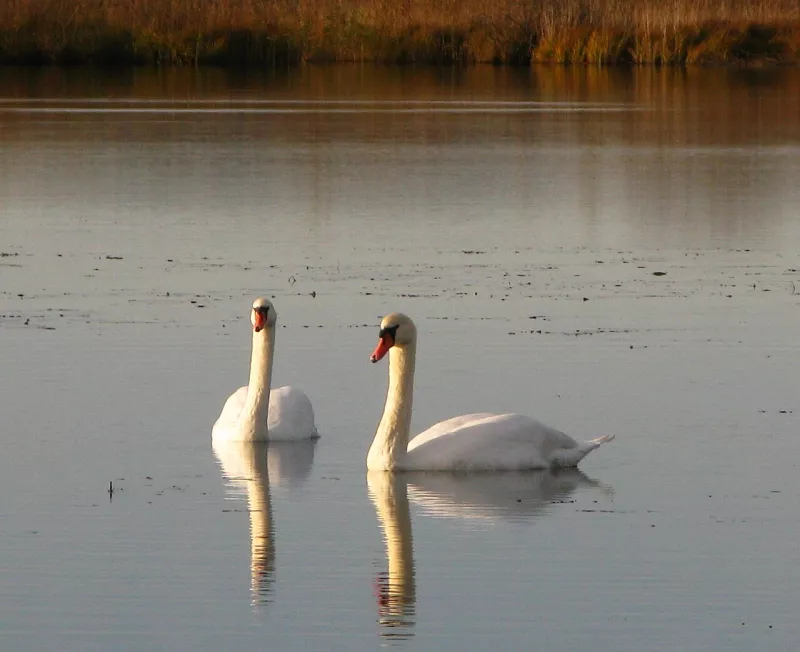
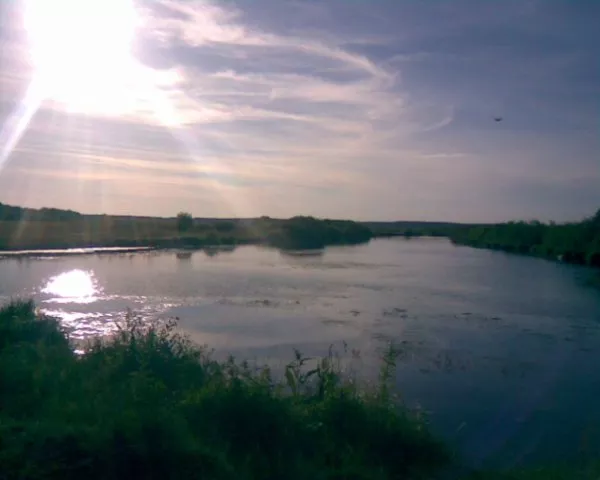
The Serna flows through Torchyn in a narrow valley with meadows and willows. To the south of the settlement begins the Volyn Upland with fields and small groves — it is a great place for walking and cycling.
Torchyn on Video
When to Go
Torchyn is pleasant from spring to autumn. It is convenient to visit on the way from Lutsk to Volodymyr: two to three hours are enough to explore the center, churches, and museum.
Nearby
Lutsk is half an hour to the east. More about the surroundings can be found in the article Lutsk Raion.
How to Get There
Torchyn lies on the Lutsk — Volodymyr highway. Buses and marshrutkas run frequently from Lutsk, and it takes about 30 minutes by car.