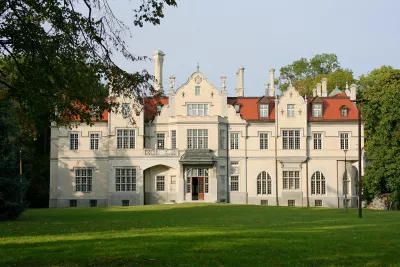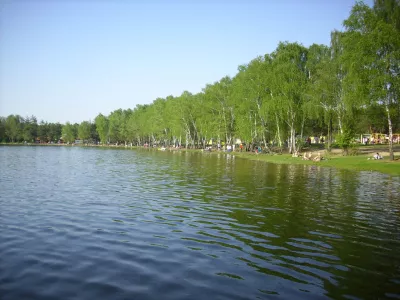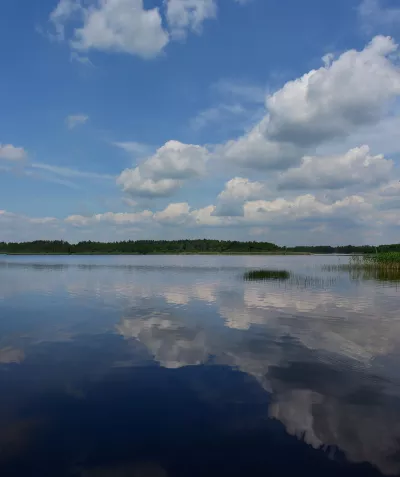
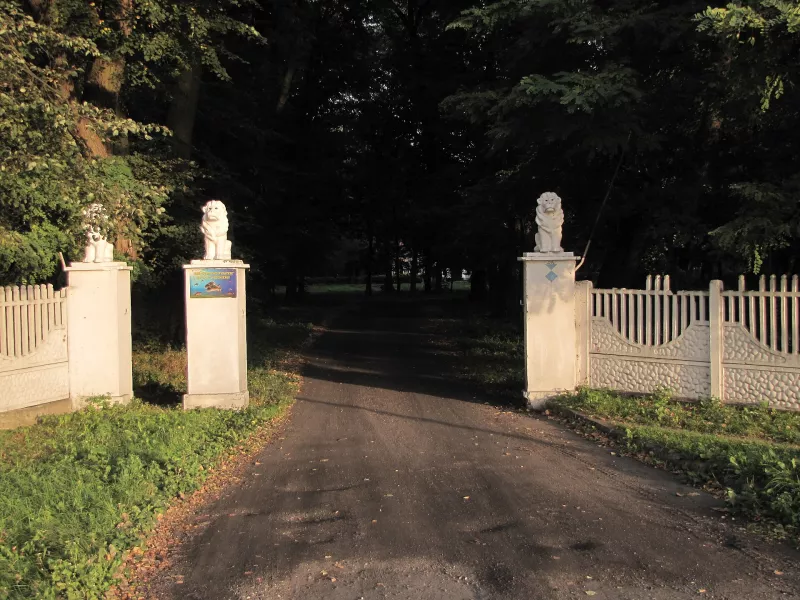
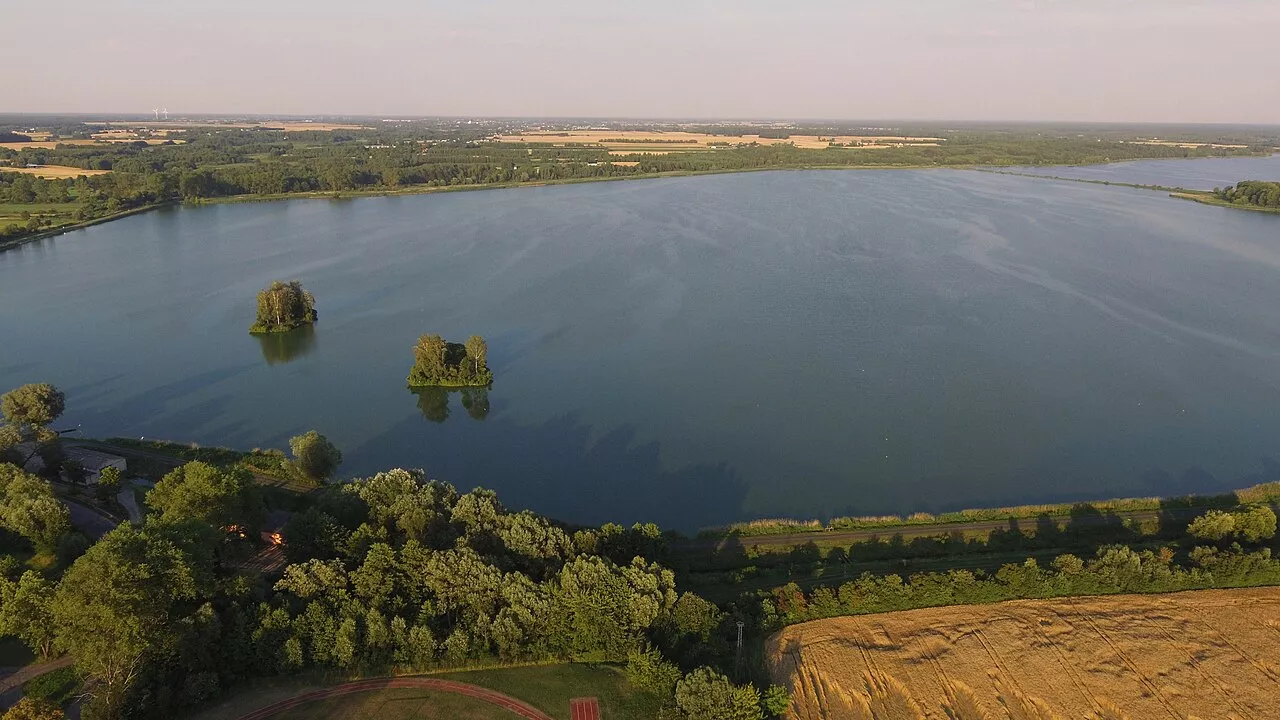
Siemień is a village in Parczew County, about 9 km west of Parczew, where the Pivonia River flows into the Tysmenytsia. Here lies the largest complex of fish ponds in Lublin Voivodeship: the “Gospodarstwo Rybackie Siemień” farm breeds fish on over 700 hectares of water surface. Its office is located in the Zaorski estate from around 1870, which is listed in the register of monuments, and around the ponds there is a nature trail and a paid fishing area.
The Pond Built by Prisoners
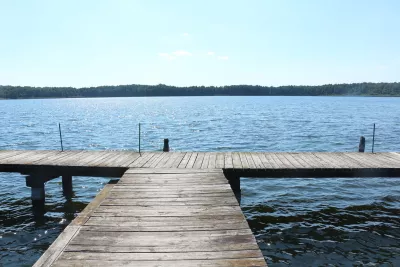
The Siemień pond was created by damming the Tysmenytsia with a dam. According to legend, it was built by captive Tatars; the date is variously given as the late 16th or mid-17th century. The reservoir, covering 1192 morgs (about 670 ha), survived almost unchanged until the 20th century. Among the estate owners were the Lubomirski, Malachowski, and Bernacki families, and in 1872 it was bought by August Zaorski; until 1939 the ponds were managed by his descendants, and fish was the main source of income for the estate.
The pond twice entered aviation history. In 1932, the Polish aerostat “Polonia,” which was competing for the Gordon Bennett Cup, landed on it — this landing earned the crew fourth place. On 6 September 1939, the modern Polish seaplane CANT Z.506, evacuated from Pułtusk, landed here. Despite camouflage, German aviation detected it and destroyed it on 11 September, and the wreckage sank to the bottom.
After the war, a state fish farm was created based on the estate. In the 1950s, the large pond was divided into several smaller ones; in the 1970s, the Tysmenytsia was diverted to a channel outside the ponds; and in 2001, employees founded a society that rents the ponds from the state.
The Zaorski Estate and Mill
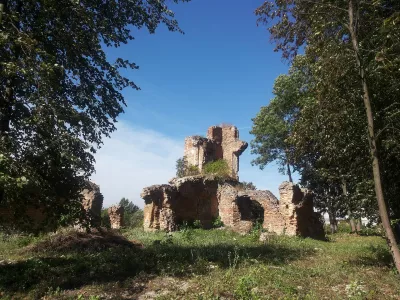
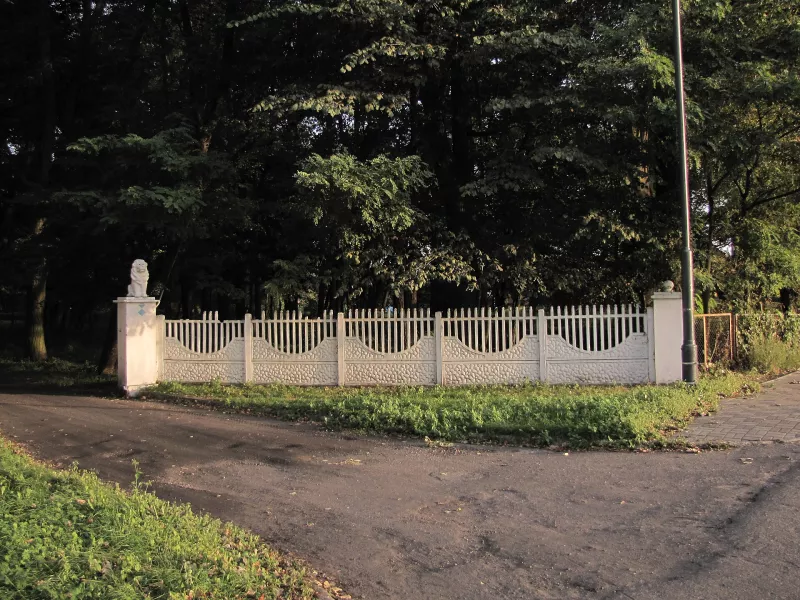
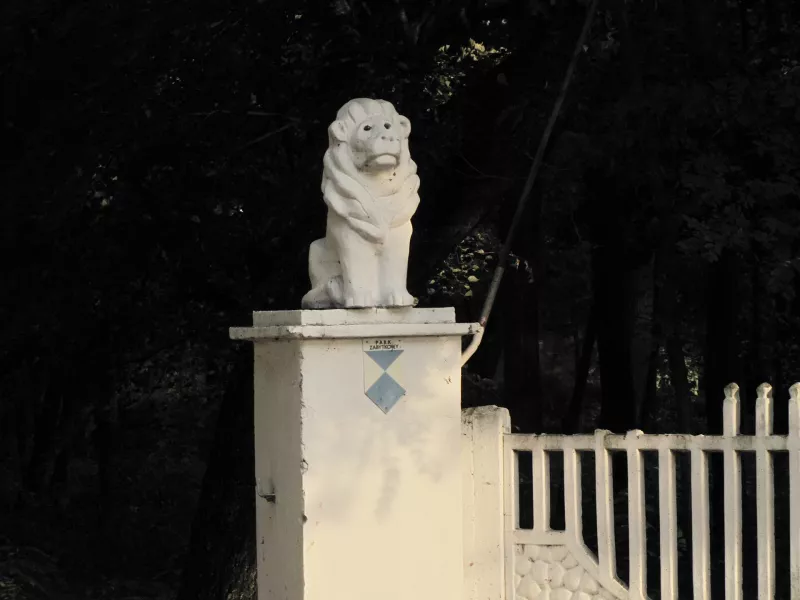
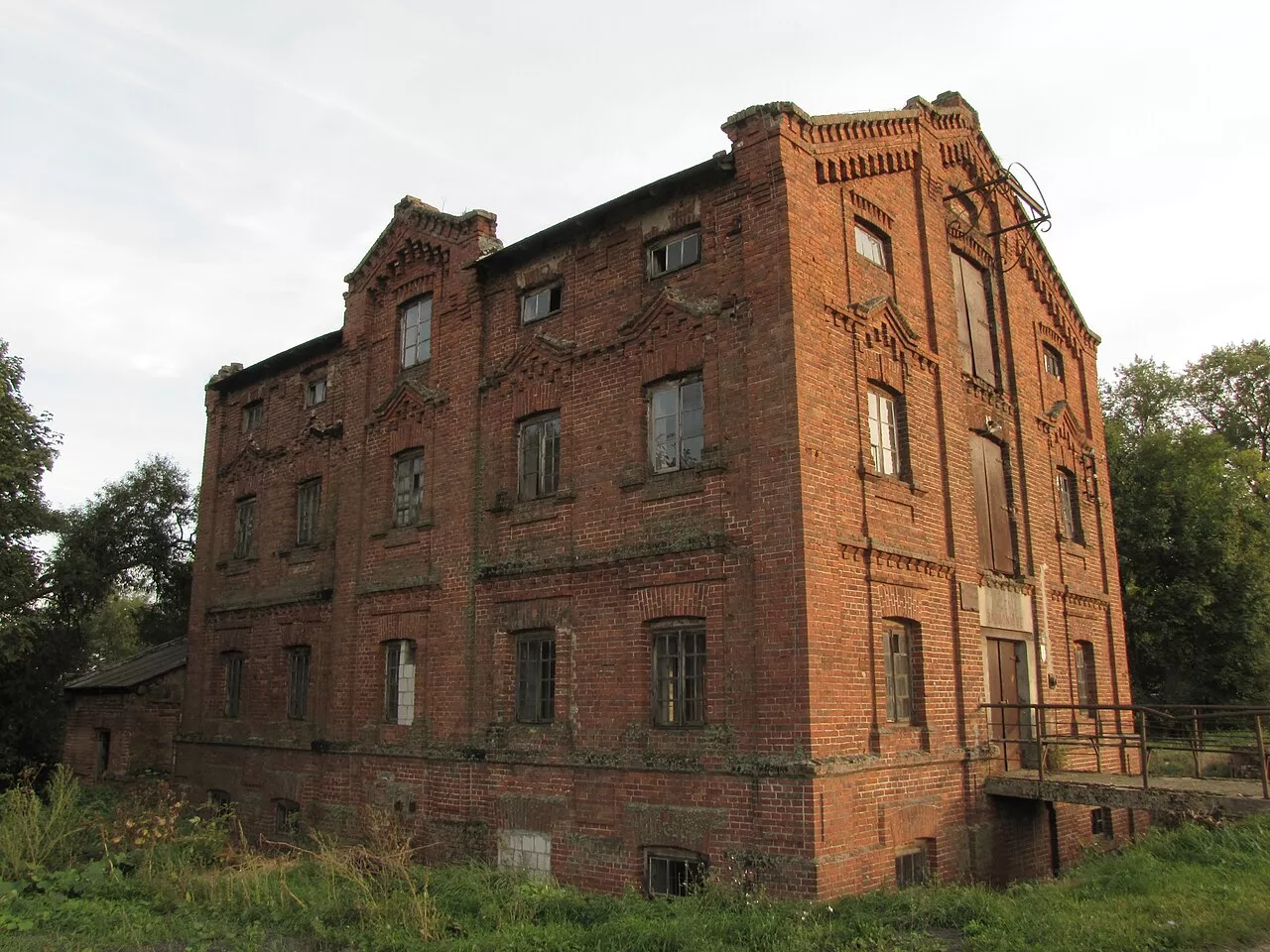
The brick Zaorski estate was built around 1870 in the middle of a landscape park. In 1915 it was burned down by Cossacks; after 1920 it was rebuilt and expanded; during World War II it was partially burned again and restored in 1945. Since then, it has housed the fish farm’s office. After a recent renovation, one room was converted into a Fishing Memory Room with old fishing and poaching equipment: it can be visited daily from 7:00 to 15:00 by prior telephone arrangement. On the Tysmenytsia stands also a brick water mill from 1899 with complete equipment from the first half of the 20th century; it is not operational but is listed in the register of monuments.
Birds over the Ponds
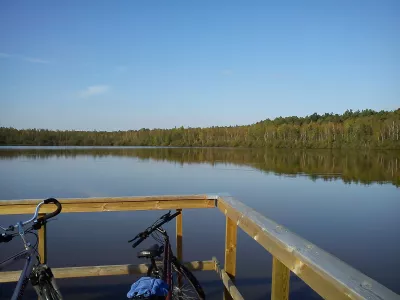
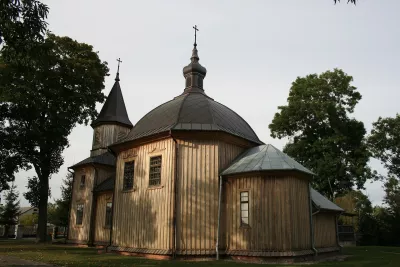
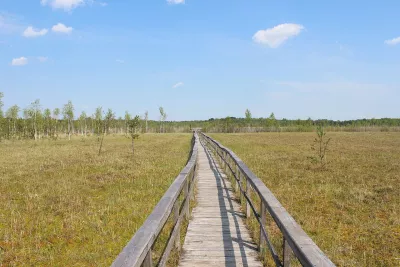
The ponds together with the Tysmenytsia valley are part of the Natura 2000 bird area “Tysmenytsia Valley”; ornithologists call this region the “Lublin Biebrza.” Thousands of ducks, geese, and grebes nest and stop here during migrations; white-tailed eagles, ospreys, great bitterns, cranes, and even the rare for Lublin Voivodeship rufous heron have been seen at the ponds. Around the ponds there is a nature-educational trail with six stops — from the chapel of Saint Cajetan through the “Derkach Meadows” to the Komarne, Kolejowy, and Dobosh ponds; it can be explored on foot or by bicycle. There are no observation towers or hides, so binoculars or better a spotting scope are needed.
Fishing
The farm primarily breeds carp—from roe to market-sized fish weighing 1.2–2 kg over three years on natural feed—as well as white amur, spotted silver carp, catfish, pike, and crucian carp. The production ponds for free fishing are closed, but since May 1, 2026, the paid “Łowisko Siemień” operates: on Fridays, Saturdays, and Sundays from 7:00 to 19:00, 25 zlotys for three hours or 50 zlotys for a day with two rods. Fishing is allowed only from the shore, with two rods, no spinning reels, barbless hooks, a landing net, and a mat; night fishing is prohibited. Wild fish up to 2 kg can be taken free of charge, the rest according to the price list, and specimens over 5 kg may be kept in the pond by the farm. Polish fishing regulations apply: a fishing card and a water user permit are required.
How to get there
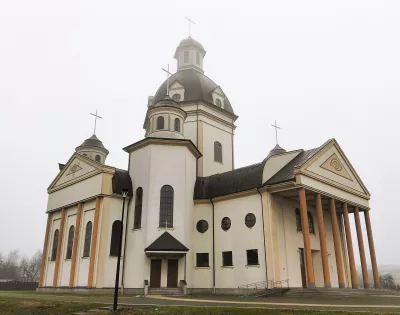
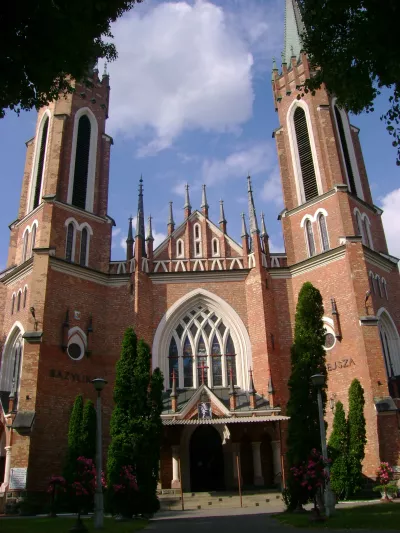
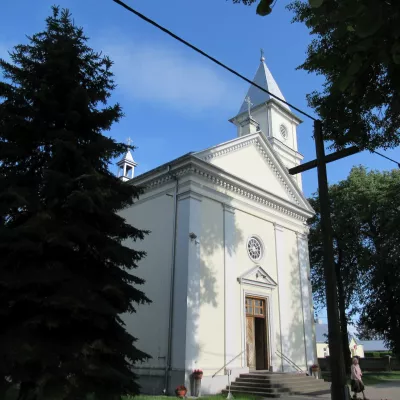
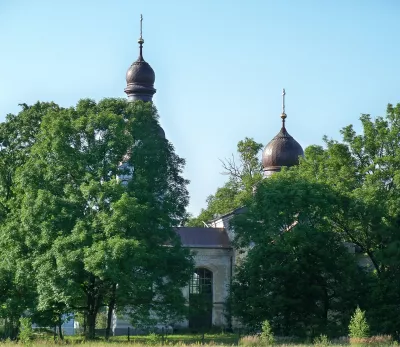
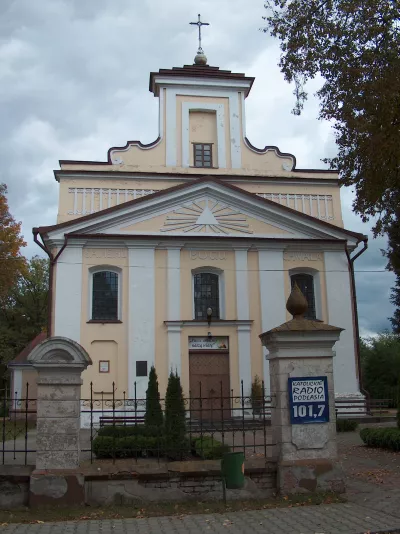
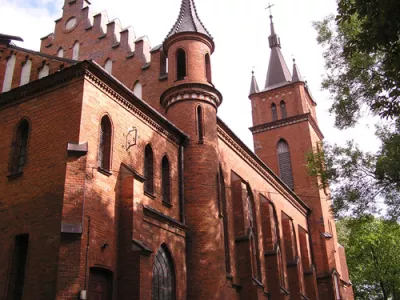
Siemień is located 9 km west of Parczew, which can be reached from Lublin (about 60 km) by buses and trains; there is parking in the village, but from there to the ponds only on foot or by bicycle. Fishing permits are purchased and spots reserved from the łowisko caretaker. Nearby is the church in Siemień, in Parczew — the Basilica of Saint John the Baptist, and south of the town — the Obradowo Lake in the Parczew Forests. The best time for birds is spring and autumn. This is Poland: Ukrainian citizens need a foreign passport.