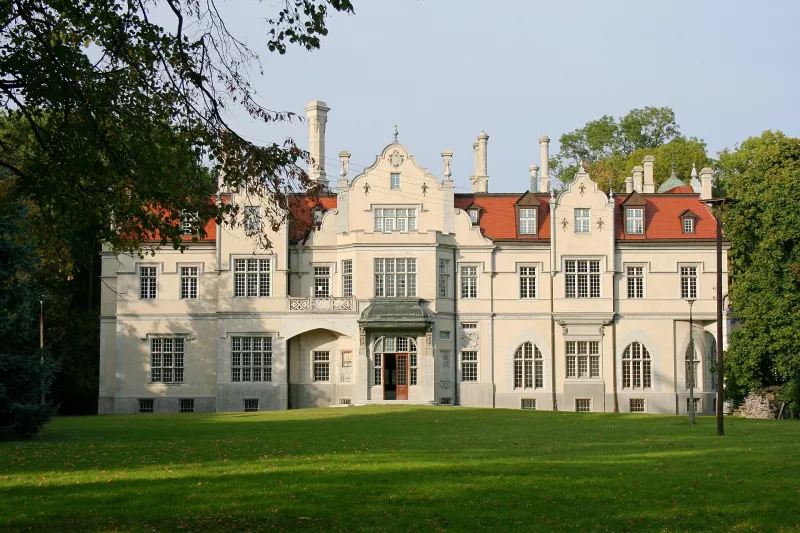
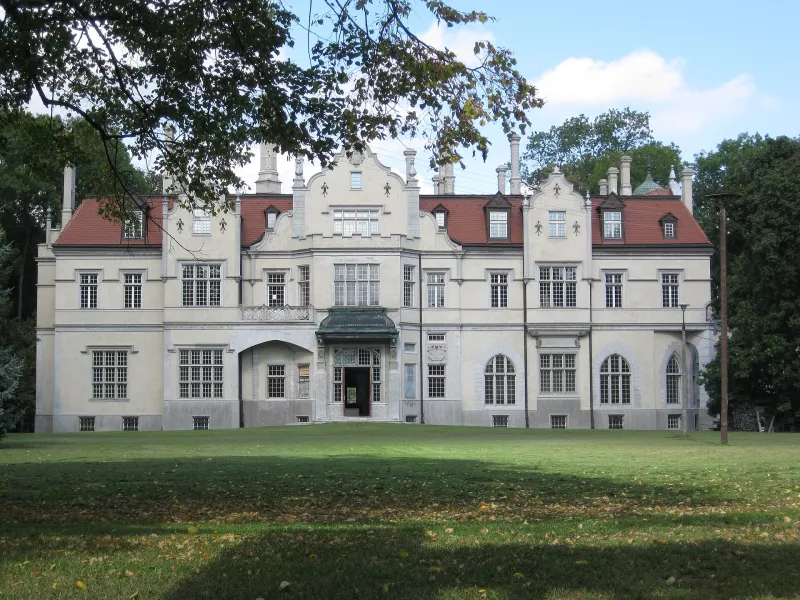
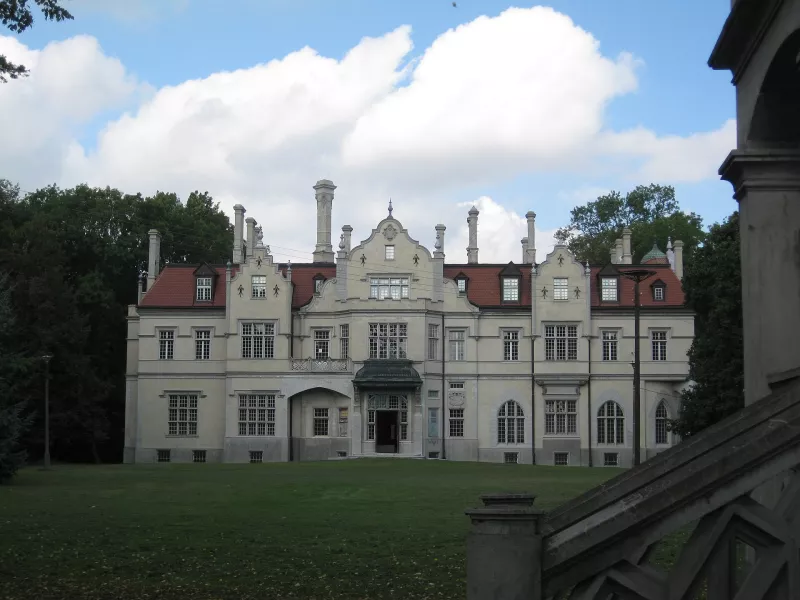
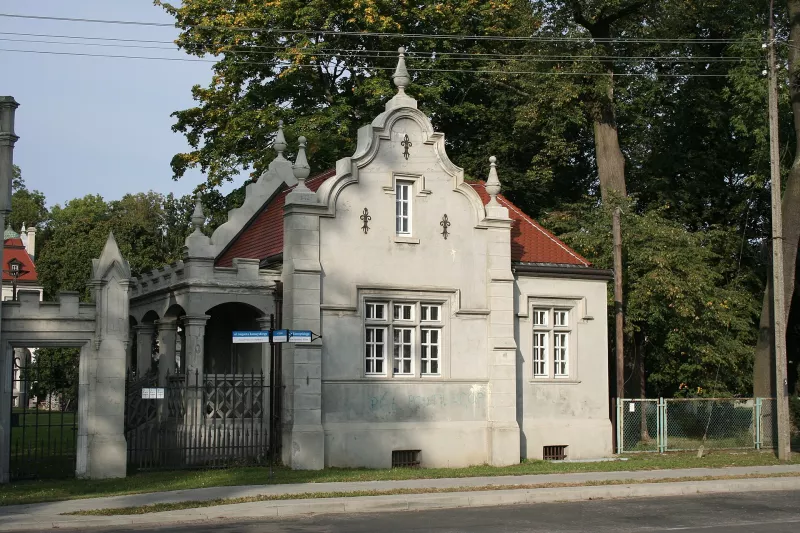
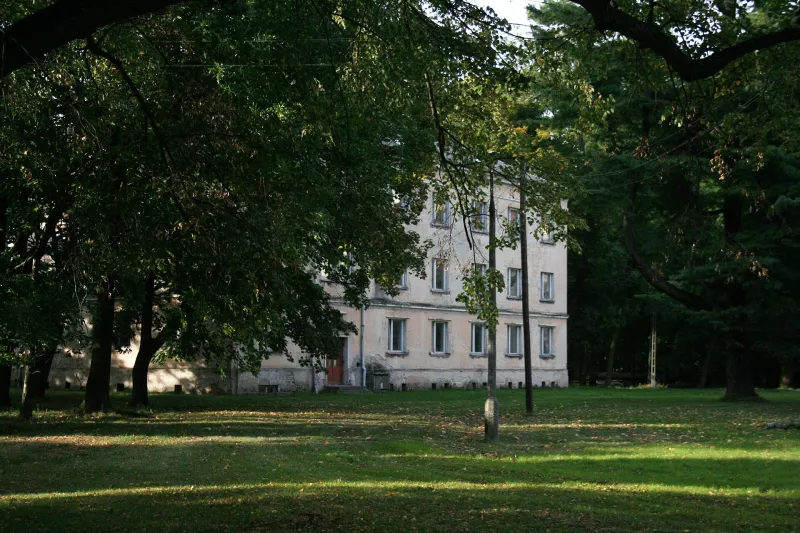

The Zamoyski Palace in Jablon is a neo-Gothic residence in the north of Parczew County, in the village of Jablon, the centre of the eponymous gmina, about 16 km northeast of Parczew. It was built in 1904–1905 for Count Tomasz Zamoyski according to a design by the Vienna-based firm Fellner & Helmer, famous for theatres across Central Europe, including the Odessa Opera House. Researchers consider the palace one of the best examples of English neo-Gothic architecture in Poland, and it had conveniences unknown to most estates at the time: central heating, an elevator, and even air conditioning.
The estate bought for a son
Jablon has been known since the 15th century. At first, it was royal property, then belonged to the Połubiński family, in the 17th century to the Firlej family, and at the end of the 18th century to Aleksander Sapieha. In 1815, his granddaughter Emma Potocka settled here with her husband Piotr Strzyżowski. He developed a tree nursery: the saplings from Jablon were used to line the avenues in Warsaw. In 1856, the estate was inherited by Amelia Lubieńska, and in 1884 Count August Zamoyski from Ruzhanka bought it for his son Tomasz.
Tomasz Zamoyski first, in 1891, built a small late-classical palace designed by Ksawery Makowski — now it serves as an outbuilding. The old Strzyżowski palace was dismantled, and the current one was built in its place.
English neo-Gothic
The two-storey brick palace is covered with a high mansard roof with dormers and a dozen slender chimneys. The southern façade has three projections with mannerist shields, in the shield is the Zamoyski family coat of arms "Eliita", and on the northeast corner of the rear façade stands a round tower. The palace is connected to the small palace by a gallery in the shape of a quarter circle, in which a chapel was arranged, and the library-gallery led to the orangery. Most of the decoration of the ceremonial halls — wooden panels, parquet floors, balustrades, fireplace frames — were brought from England, and much of it has been preserved.
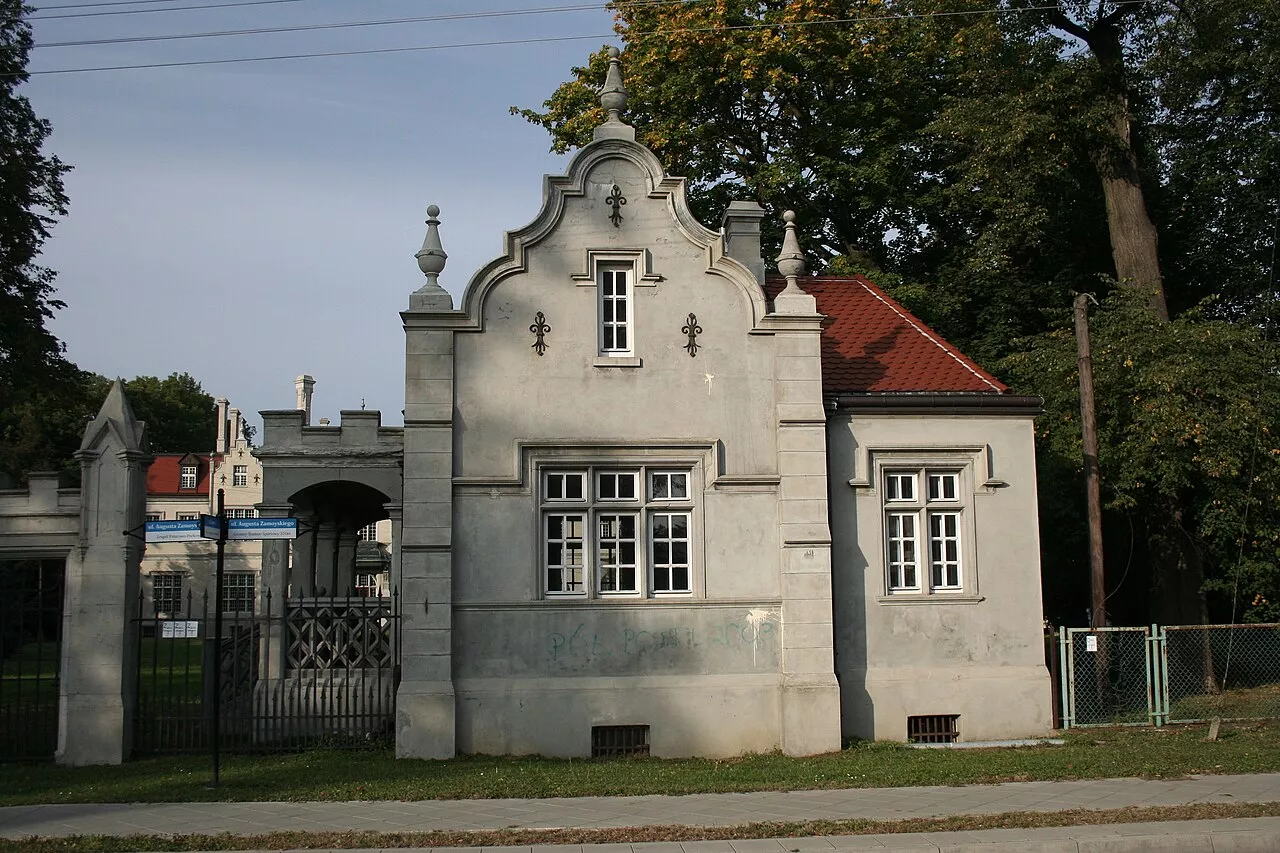
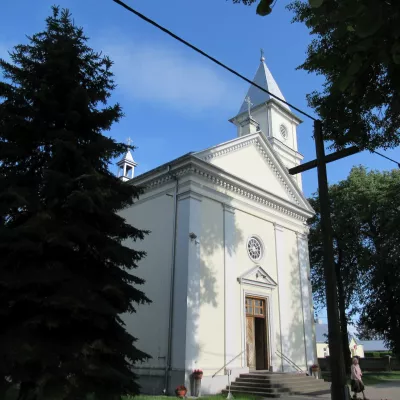
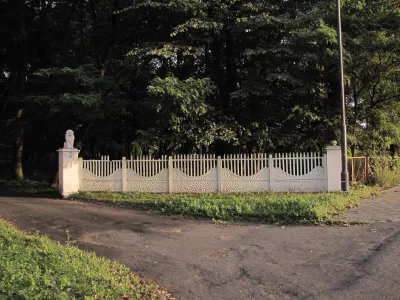
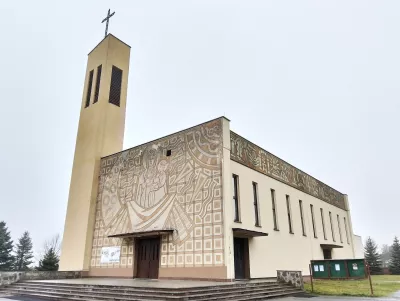
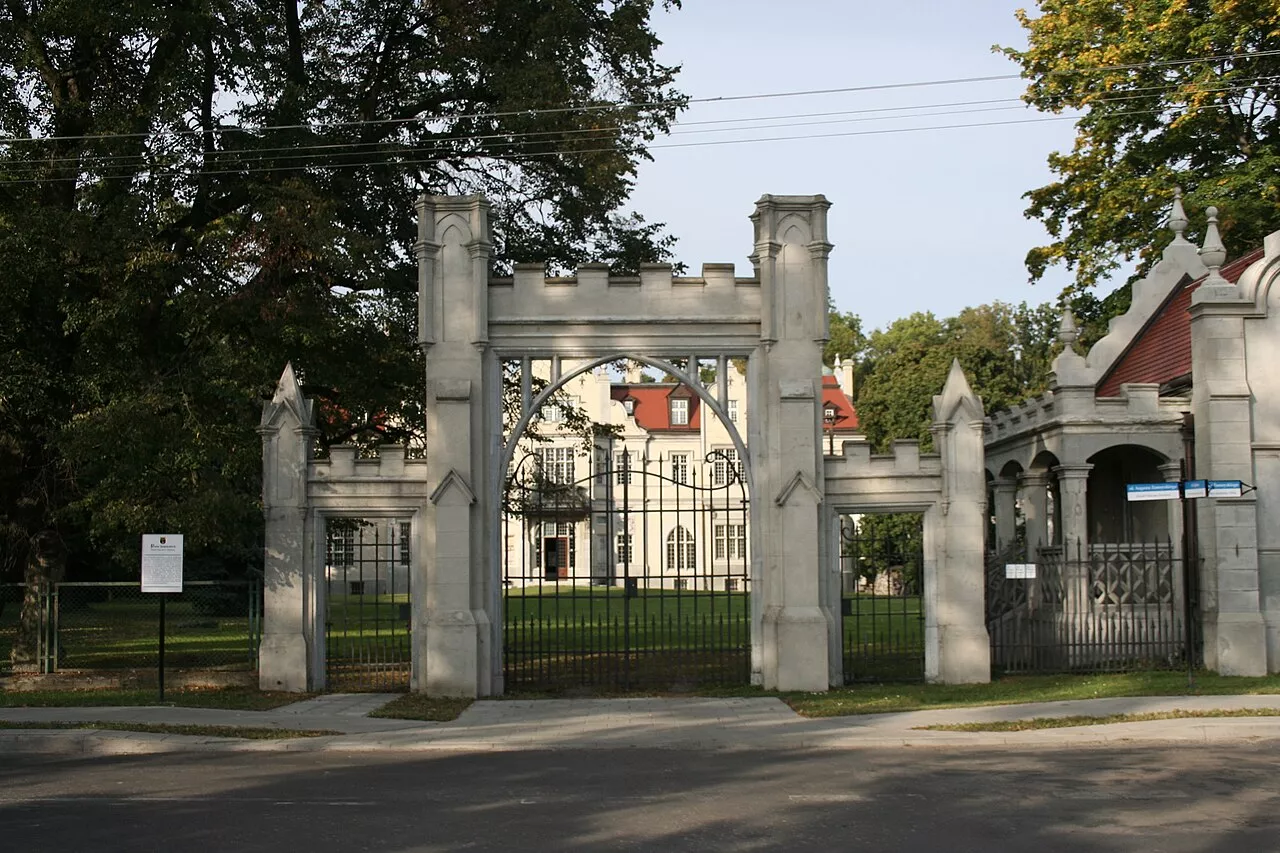
Together with the palace, a garde-corps and a neo-Gothic entrance gate with a gatehouse were built in the same style, and to the south of the residence, a farmstead with a dozen or so residential and utility buildings. The old landscape park was significantly expanded and redesigned with the participation of the famous garden architect Franciszek Szanior; the park has an "English" character, with views of the neighbouring forests and meadows. In 1912, the parish church was completed in the village, whose architecture echoes that of the palace.
Sculptor August Zamoyski
In 1893, the only son of Tomasz, August Zamoyski, was born in Jablon; he later became a famous sculptor. He made his first works here, and in 1935, after his father’s death, he inherited the estate and set up a workshop in the gallery near the palace. Today, a museum dedicated to his life and work operates in one of the residential buildings of the farmstead.
In 1944, the estate was nationalised, and from 1952 the palace housed an agricultural school. In 1968, the building was severely damaged by fire; it was restored between 1969 and 1971. Since 1999, the palace has belonged to a private owner who is gradually restoring it, so it is only partially accessible to visitors.
How to get there
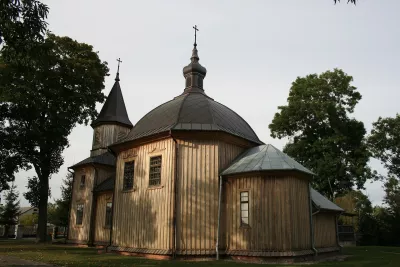
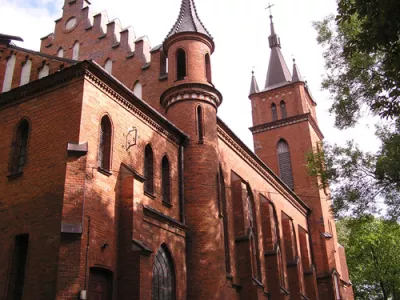
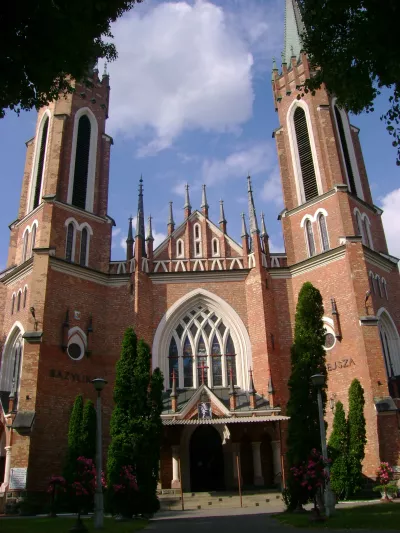
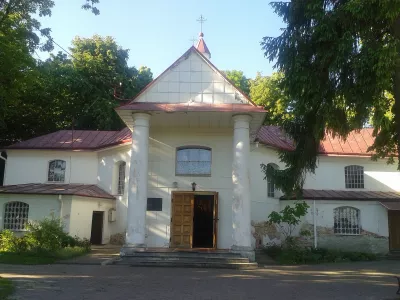
Jabłoń is located about 16 km northeast of Parczew, where buses run from Lublin (about 60 km); from there, it is more convenient to travel by car. The palace is visible from Augusta Zamoyski Street through the gate, and it is advisable to arrange visits to the park and the August Zamoyski museum in advance. 3 km to the east stands the former church in Paszenki, 9 km away is the red church in Podedwórze, and in Parczew — the Basilica of Saint John the Baptist. More about the region in the article Polish Polissia. This is Poland: Ukrainian citizens need a foreign passport.