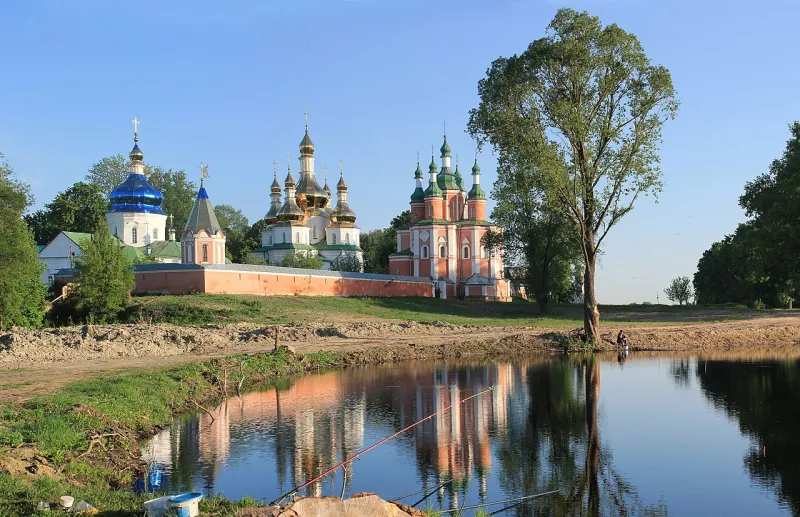

The Hustyn Holy Trinity Monastery stands on the right bank of the Udai River in the village of Hustynia, just a few kilometers from Pryluky. It is one of the most famous monasteries of the Left Bank: once in wealth it was second only to the Kyiv Pechersk Lavra, and its ensemble with a five-domed cathedral and gate churches remembers the hetmans Samoylovych and Mazepa.
An Island in a Dense Forest
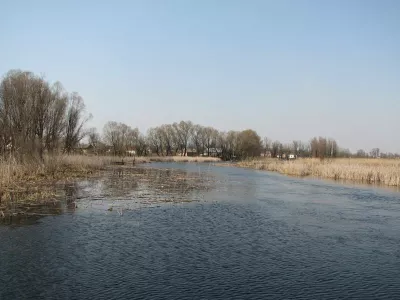
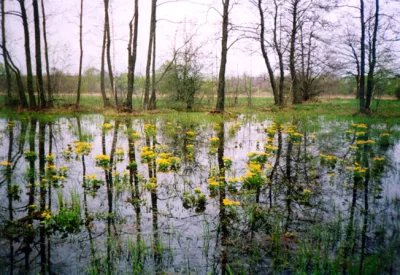
The history of the monastery begins around 1600. The monk Joasaph, who came from Athos, with the blessing of the archimandrite of the Kyiv Pechersk Lavra, Yelysei Pletenetskyi, settled with his disciples on an island in the middle of the Udai, overgrown with dense forest. Hence the name — Hustynia. The lands belonged to the Vyshnevetsky princes, and in 1615 Mykhailo Vyshnevetsky granted the monastery a charter for the island with forests, meadows, and arable land. The monastery was developed by Isai Kopynskyi, later the Metropolitan of Kyiv.
Among the first monks were many old Cossacks who came here feeling their death was near but, as it was said, lived for a long time — thanks to the healing air and spring water. In 1620, the Jerusalem Patriarch Theophanes visited Hustynia at the invitation of Hetman Petro Sahaidachnyi; he soon restored the higher hierarchy of the Orthodox Church in Ukraine.
Fires and Reconstruction
Fires in 1625 and 1636 destroyed almost all the buildings, so the monks rebuilt the monastery in a new location near the dam across the Udai. In 1639, Metropolitan Petro Mohyla visited here and ordered the construction of a large church, which was consecrated in 1644. In 1654, the Antiochian Patriarch Macarius visited Hustynia, and his son Pavlo Aleppskyi left an admiring description of the monastery, especially the iconostasis.
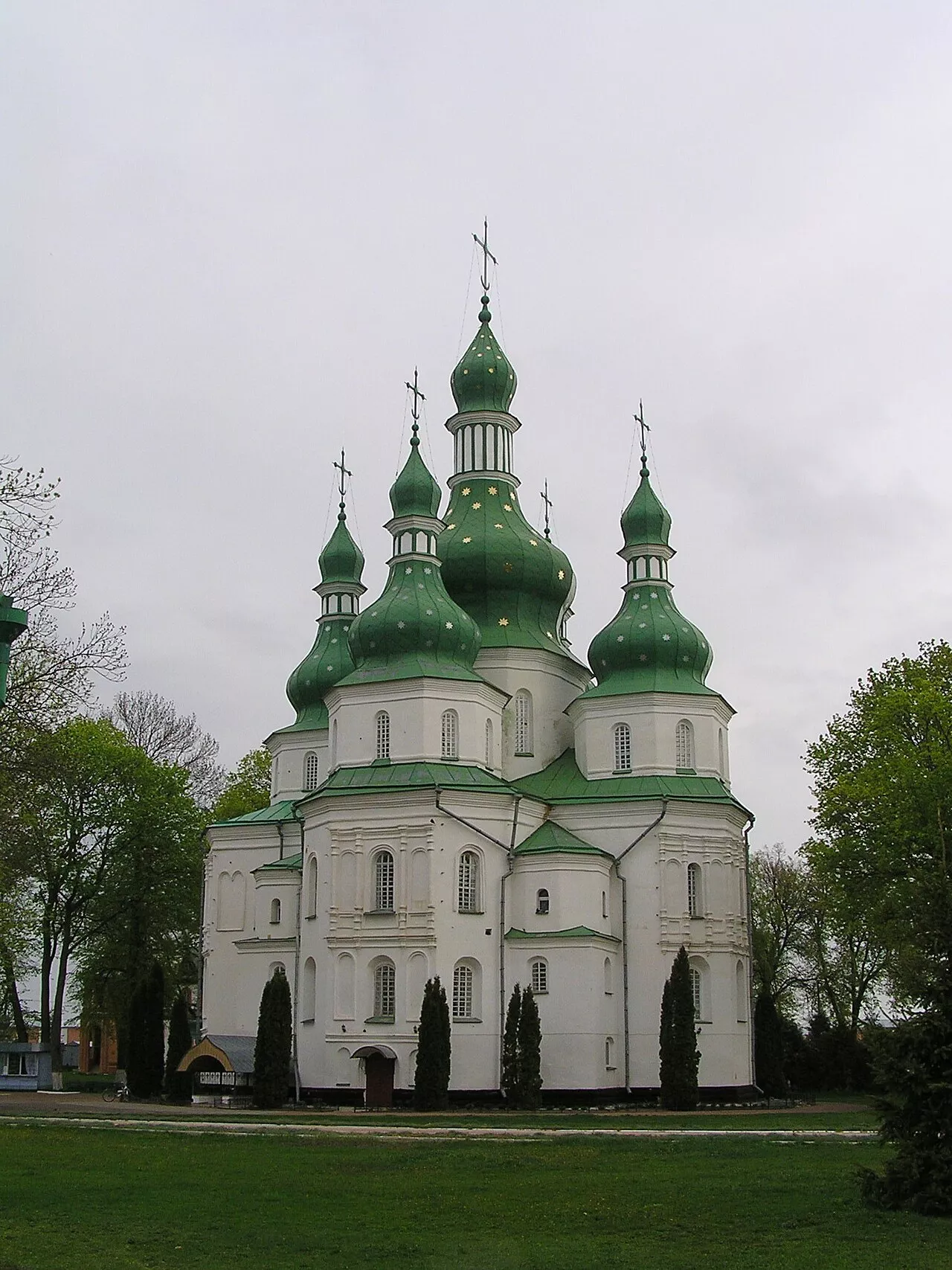
After the fire of 1671, Hetman Ivan Samoylovych built a new masonry five-domed Holy Trinity Cathedral at his own expense between 1674 and 1676, which still stands today. It was consecrated in 1675 by Archbishop Lazar Baranovych.
The Horlenko Walls and Flourishing
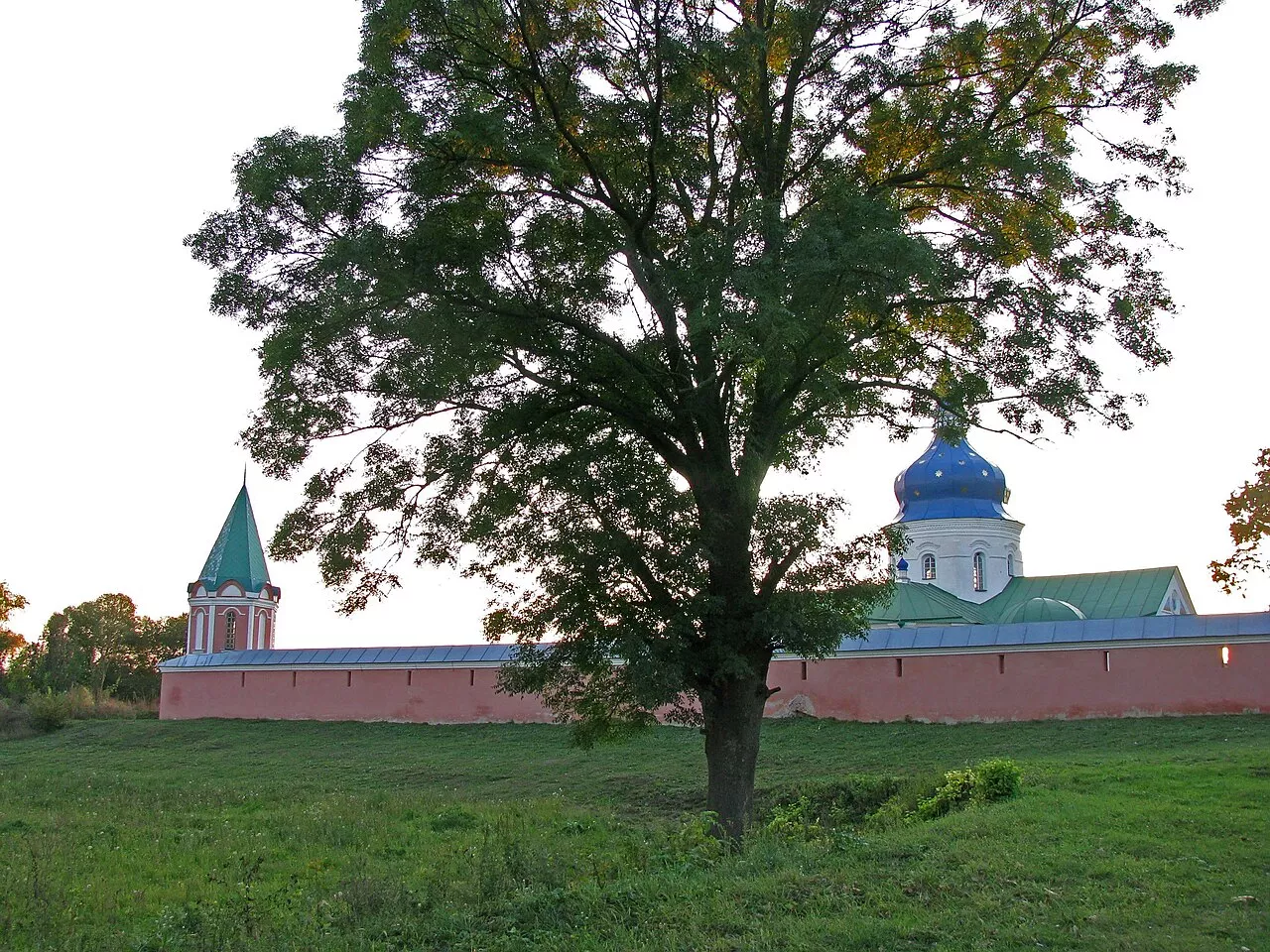
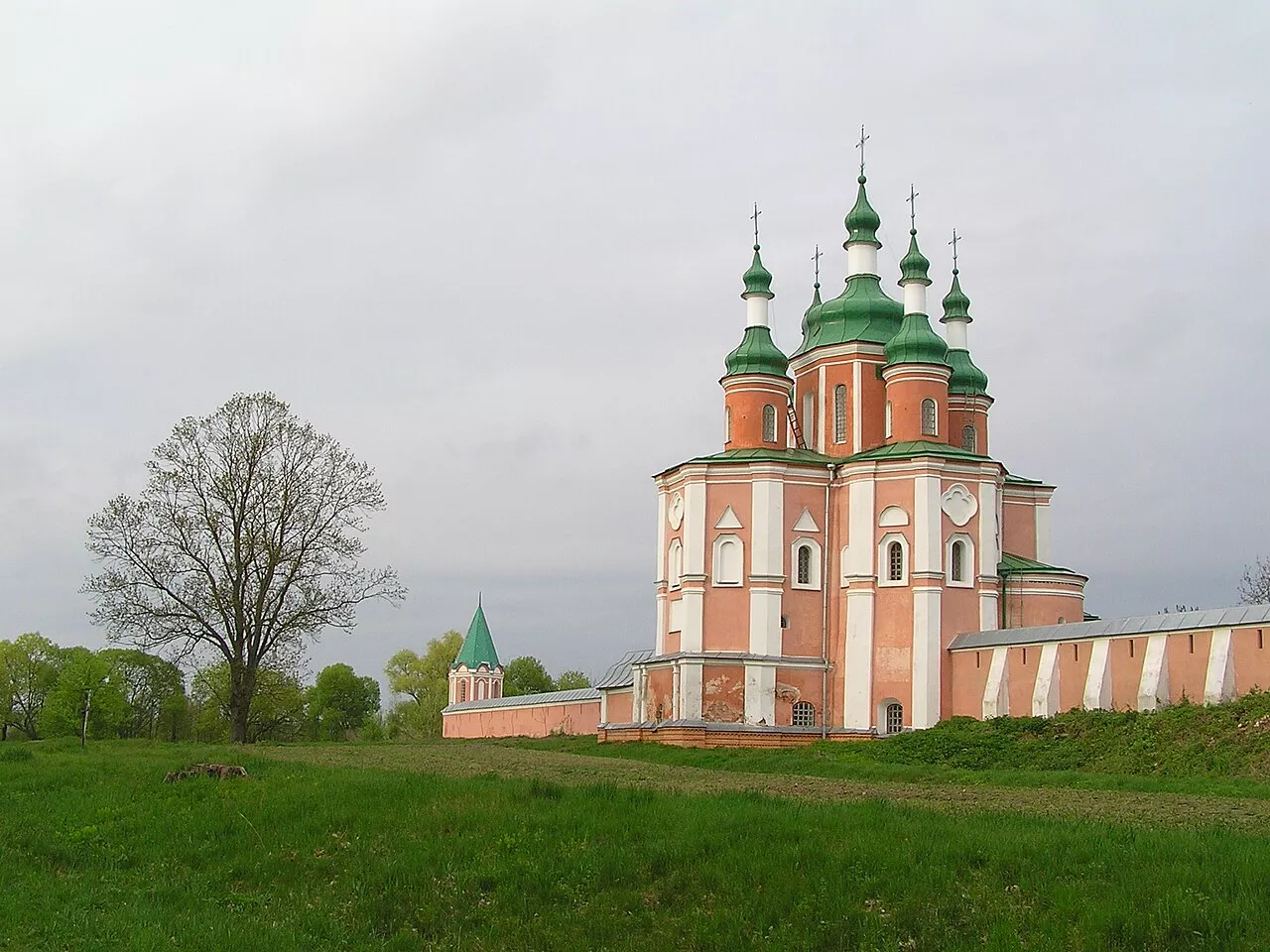
The greatest flourishing of Hustynia came in the 1670s–1690s. The monastery was supported by Hetmans Samoylovych and Mazepa and Pryluky colonels Lazar and Dmytro Horlenko. At the expense of Dmytro Horlenko, high brick walls with towers, two-tier arcades, and loopholes were built around the monastery, as well as gate churches — St. Nicholas from the west and the Saints Peter and Paul from the east. Mazepa built the masonry Assumption Church. By the mid-18th century, the monastery owned over three thousand dessiatinas of land.
In 1786, the Russian government secularized the monastery lands, and in 1793 the monastery was closed. For more than half a century, it stood abandoned and fell into ruin. The monastery was restored only in 1844, but during the “renewal” the portraits of Vyshnevetsky and Mazepa were destroyed, the Horlenko crypt was filled in, and the old Cossack iconostases were replaced. In 1845, Taras Shevchenko visited Hustynia and made several drawings of the monastery.
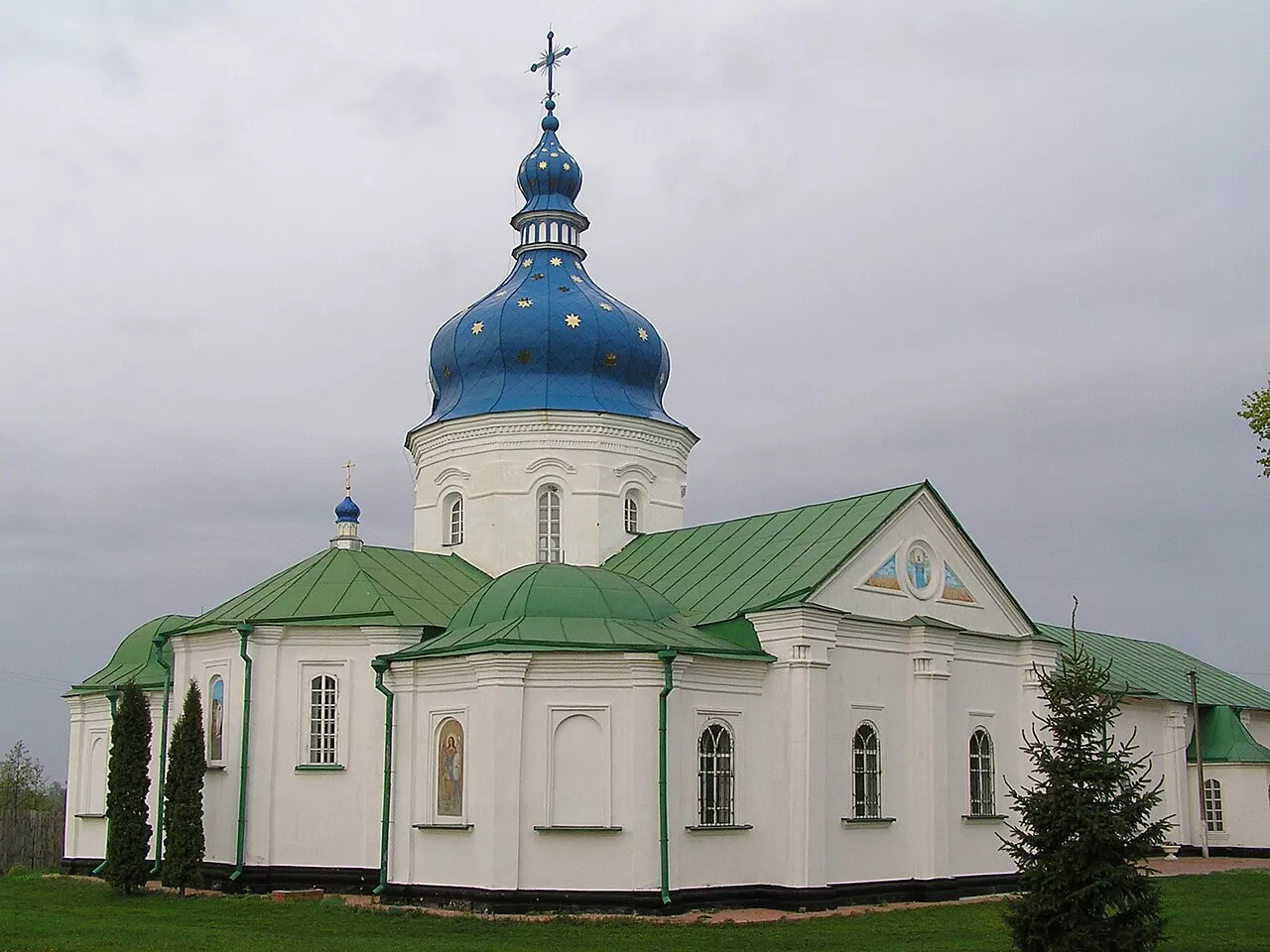
Today, there is a women’s monastery here. The walls of the ancient fortress are almost completely lost and are being rebuilt, but the cathedral, the gate churches, and the refectory well convey the spirit of the Cossack monastery.
How to get there
The monastery stands in the village of Hustynia, about 7 km from the center of Pryluky. You can get here from the city by bus or taxi. It’s worth combining the trip with a visit to Pryluky itself and the estates of the Pryluky region — Kachanivka and Trostianets.