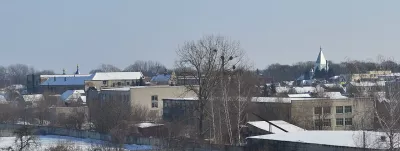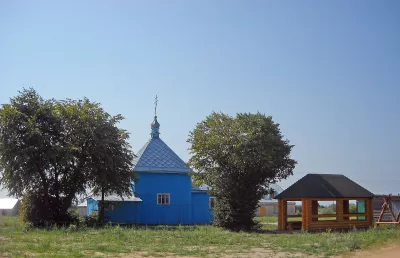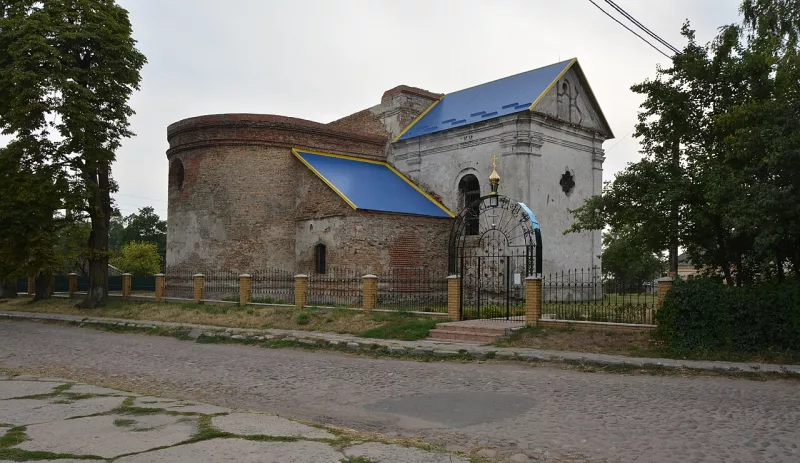
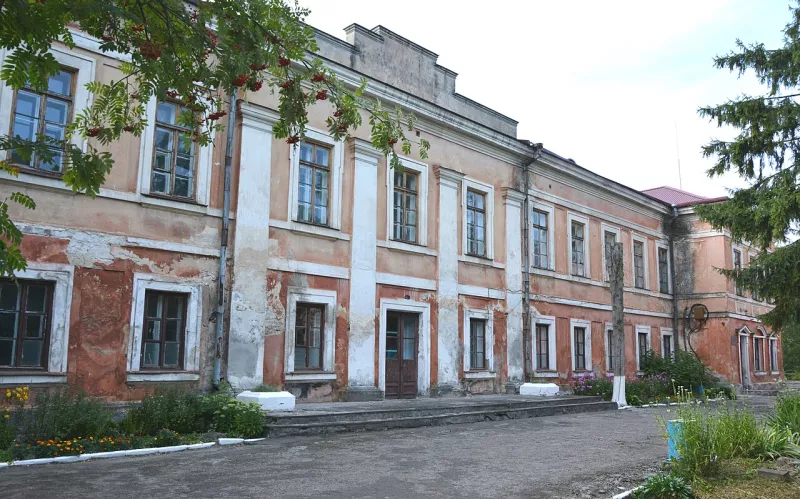
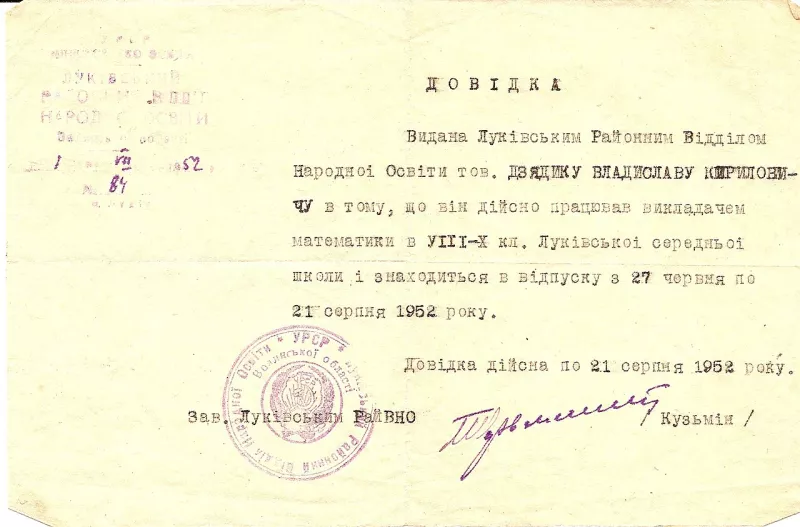

Lukiv is an urban-type settlement in Volyn Polissia, the center of the Lukiv hromada in Kovel district, 40 kilometers from the border with Poland. Over three thousand people live here. Until 1946, it had a different name — Matsiiiv, and the local railway station is still known by that name. Lukiv is included in the list of historic populated places of Ukraine: here there is the palace of the Miączyński counts, a 16th-century church, and a masonry church from 1723.
Three names
The first mention of the village of Lukove dates back to 1537. The name is explained by the old word "luka" — a river bend or flood meadow: the Vyzhivka flows nearby, and the surrounding area is boggy. In 1557, the owner Stanisław Maciejowski received permission from King Sigismund II Augustus to rename the village to Maciejowicze, Magdeburg rights, and the right to build a castle. In 1577, the town became Matsiiiv, and in 1946 the Soviet authorities returned the name Lukiv to it.
Vyshnevetskyi, Sapieha, and Miączyński
In 1568, Matsiiiv passed to Prince Andrii Vyshnevetskyi, and the Korybut sign, the ancestral coat of arms of the Vyshnevetskyis, is still depicted on the coat of arms of Lukiv. After the death of Princess Hanna Vyshnevetska, the town was inherited by the Sapiehas: Fryderyk Sapieha was buried here. In 1680, Matsiiiv was bought by Atanazij Miączyński, and for over two centuries the town was the center of this comital family's estates.
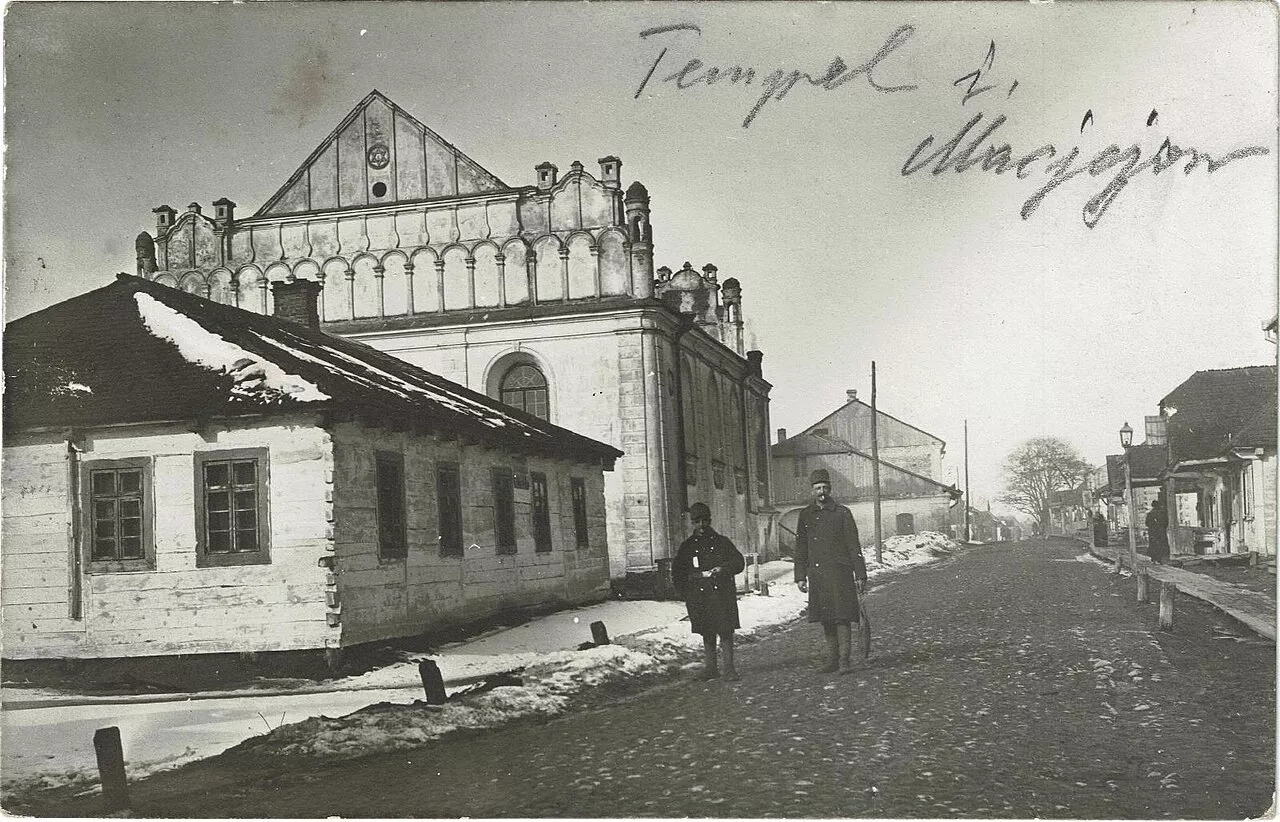
In 1870, Matsiiiv had a masonry church, two churches, a synagogue, and two chapels; brickworks, soap factories, a distillery, and a brewery operated here. In 1911, over four thousand people lived here, and a post office, telegraph, court, theological school, and 42 shops were in operation.
Miączyński Palace
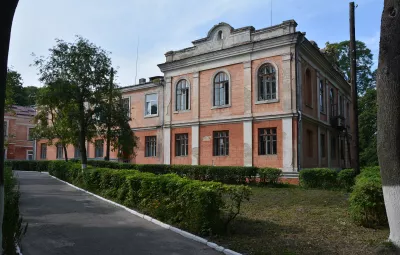
The most famous landmark of Lukiv is the 19th-century Miączyński Palace with a park. Once, according to the hypothesis of historian Borys Voznytskyi, a wooden 13th-century Templar fortress stood here. Only excavations can confirm this, and some scientists believe that the sources refer to the Polish Lukiv. Read more in the article Miączyński Palace.
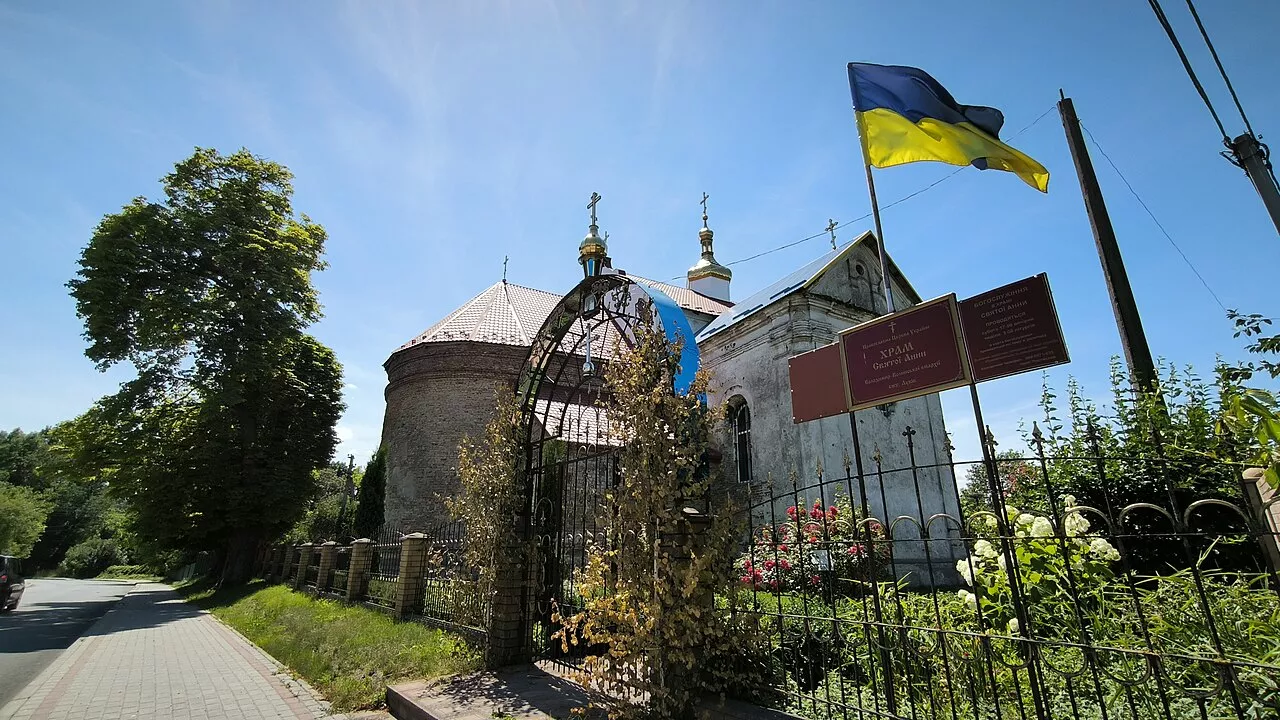
Church of Saint Anne
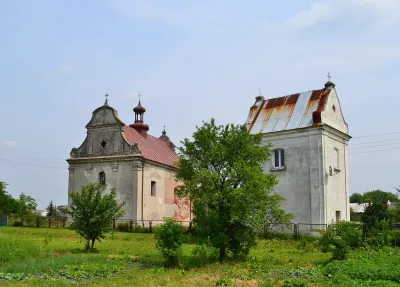
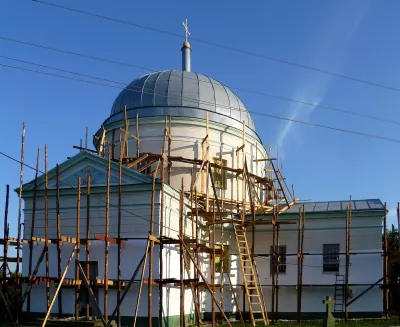
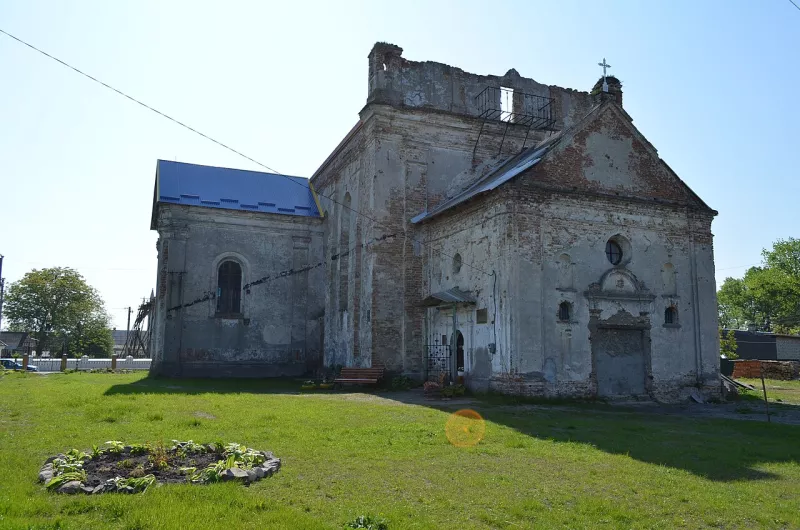
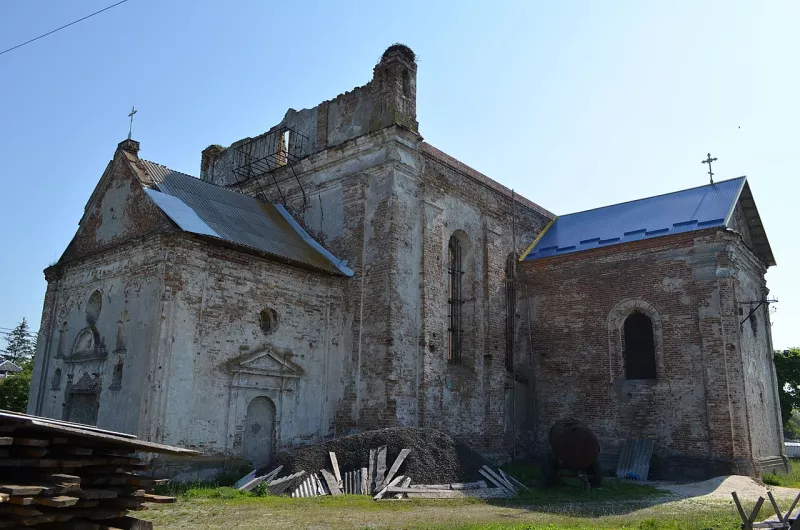
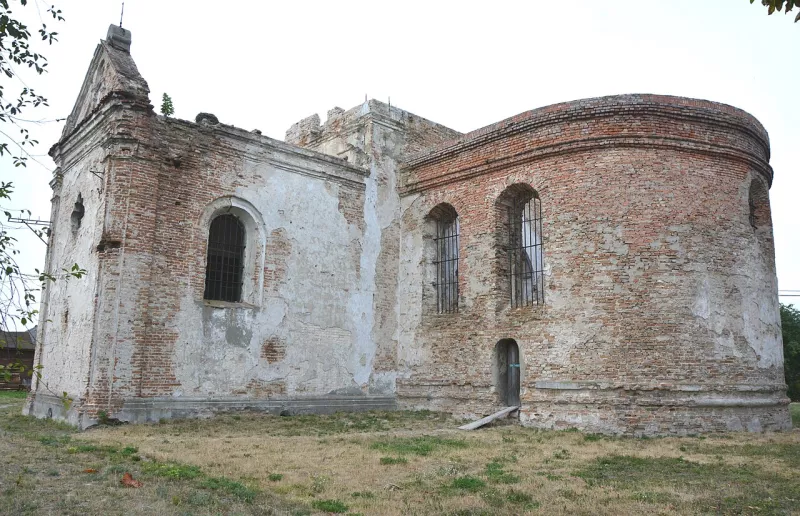
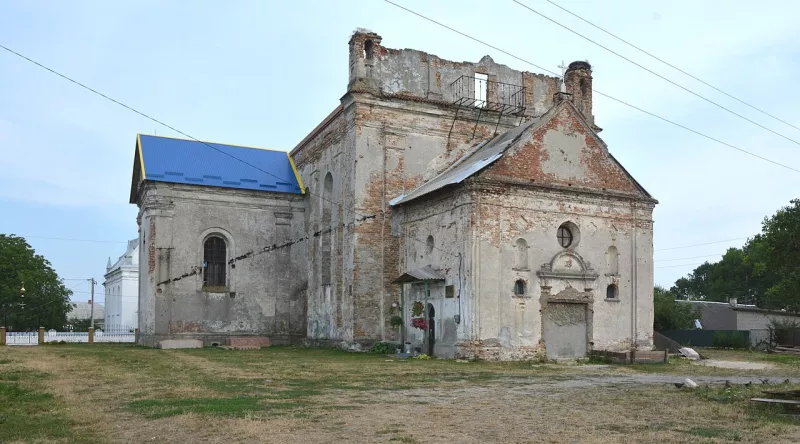
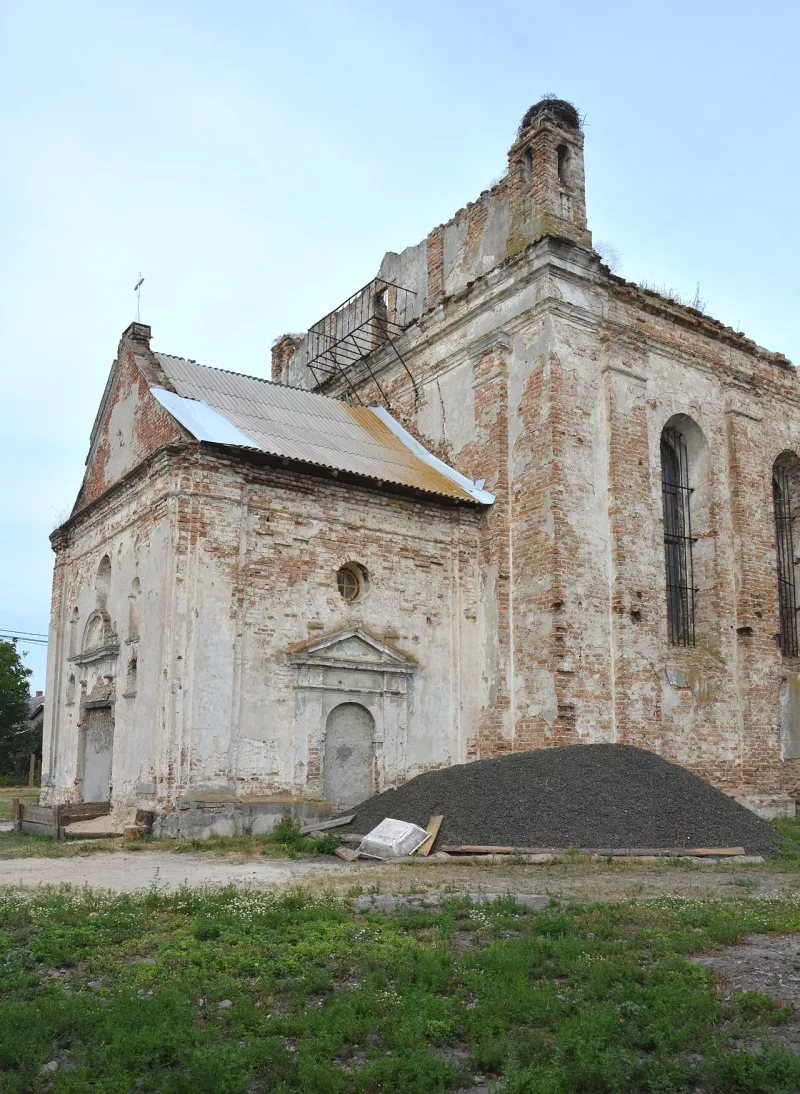
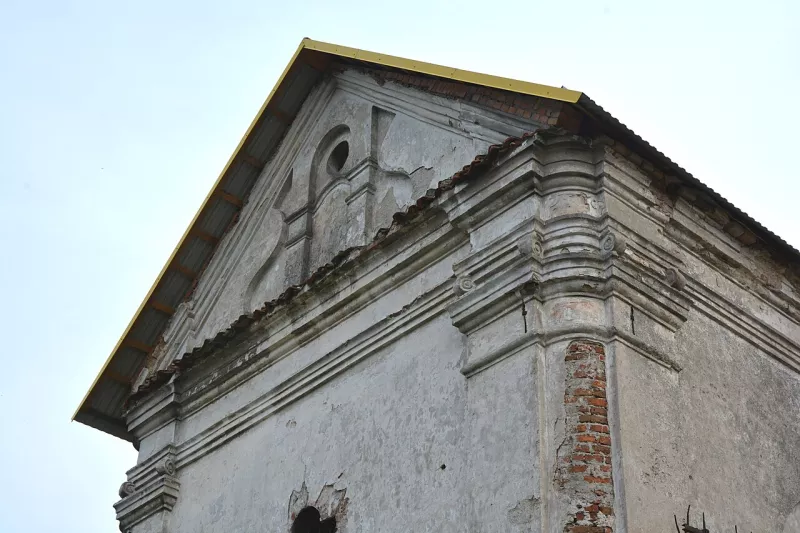
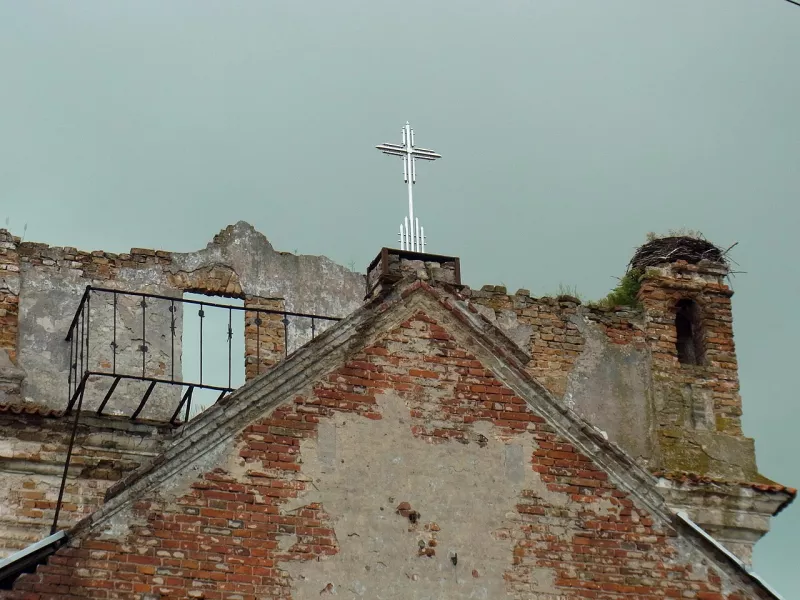
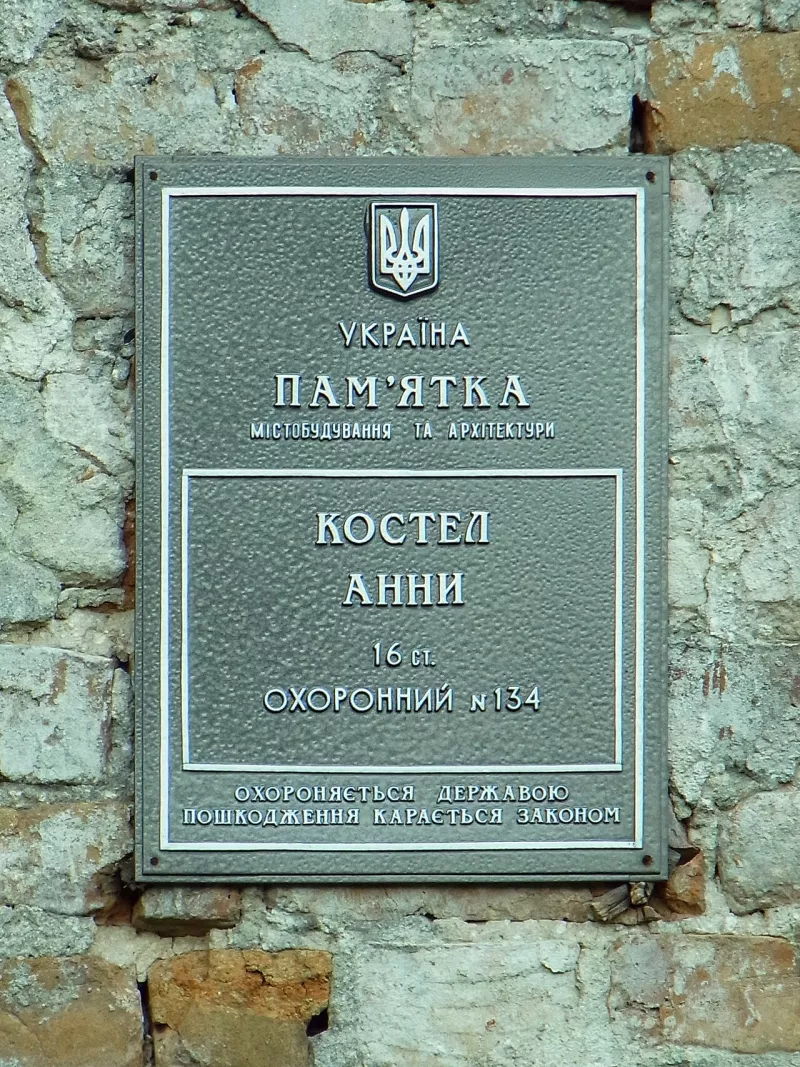
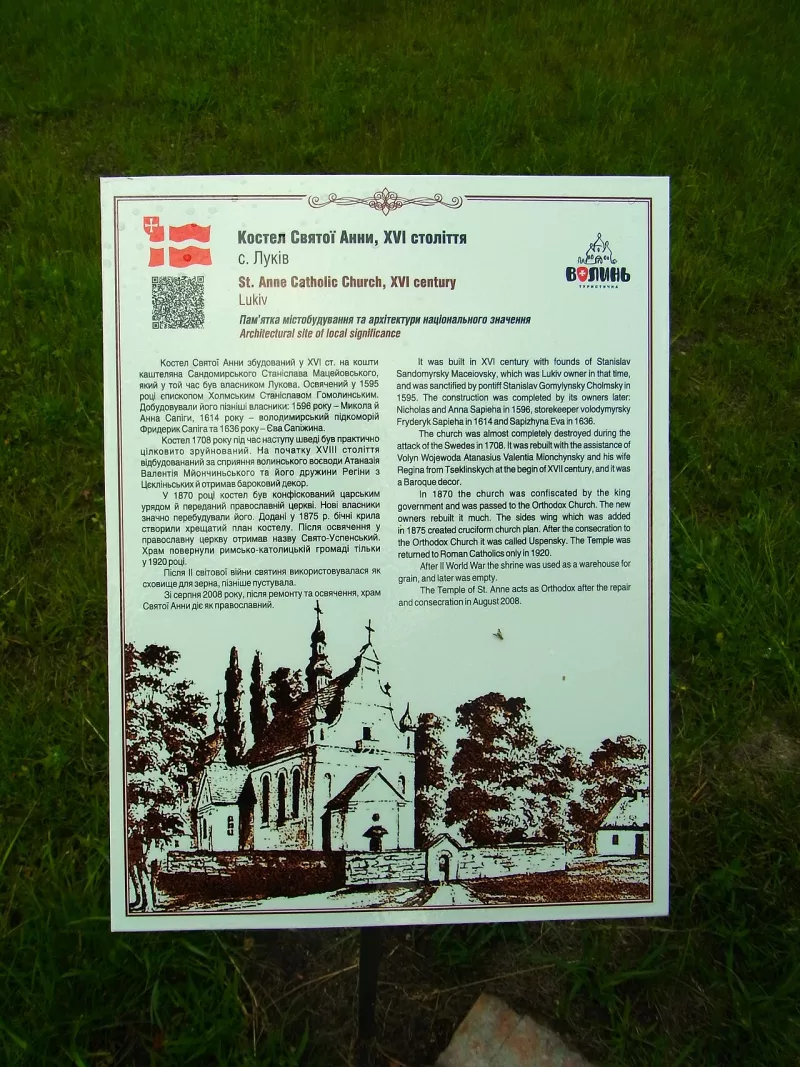
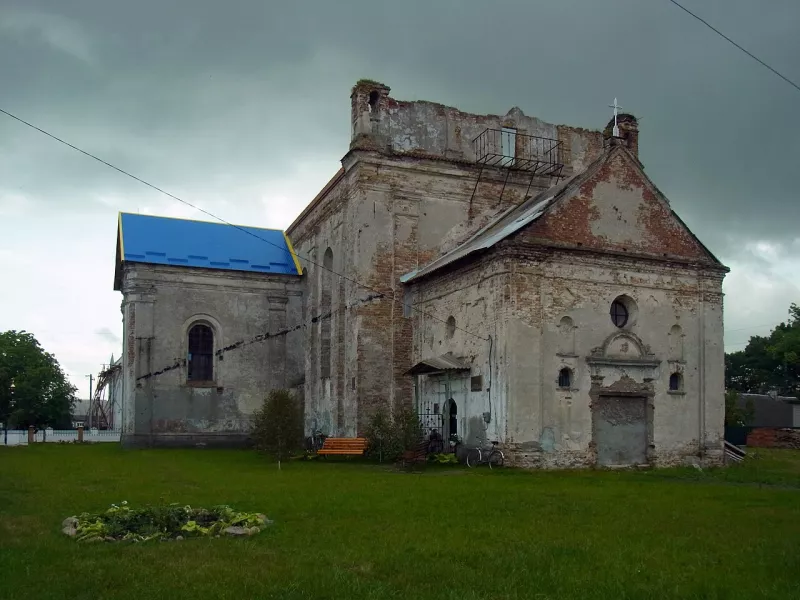
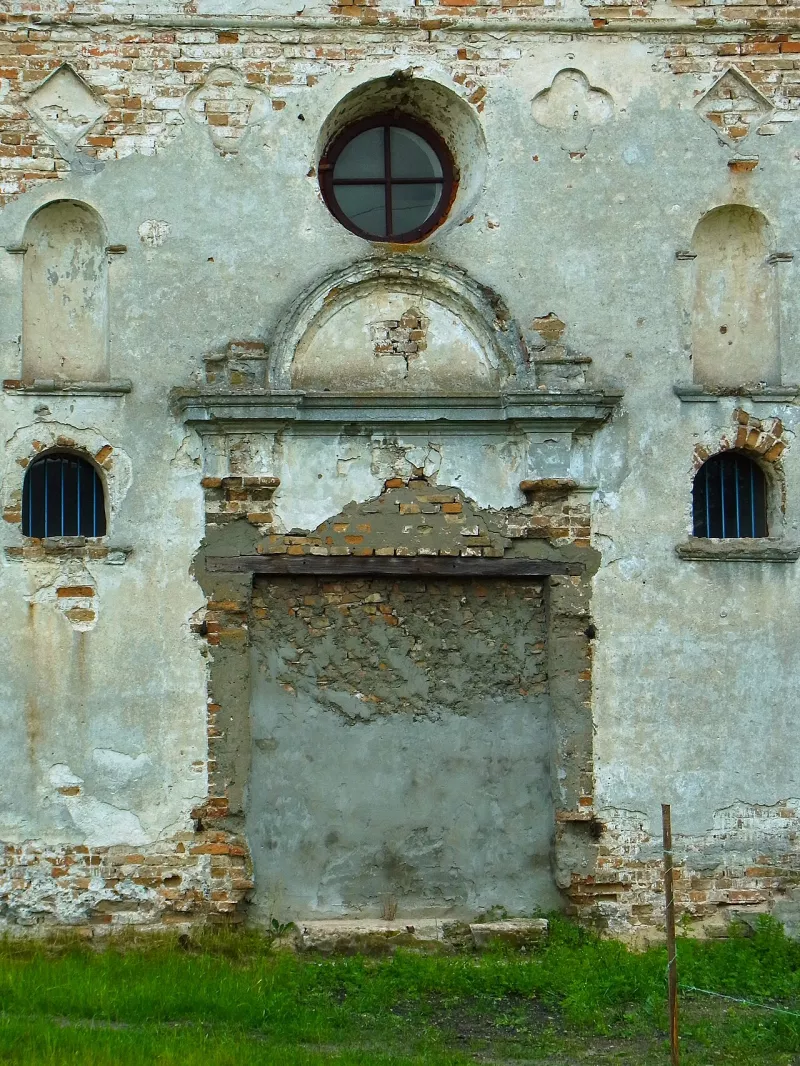
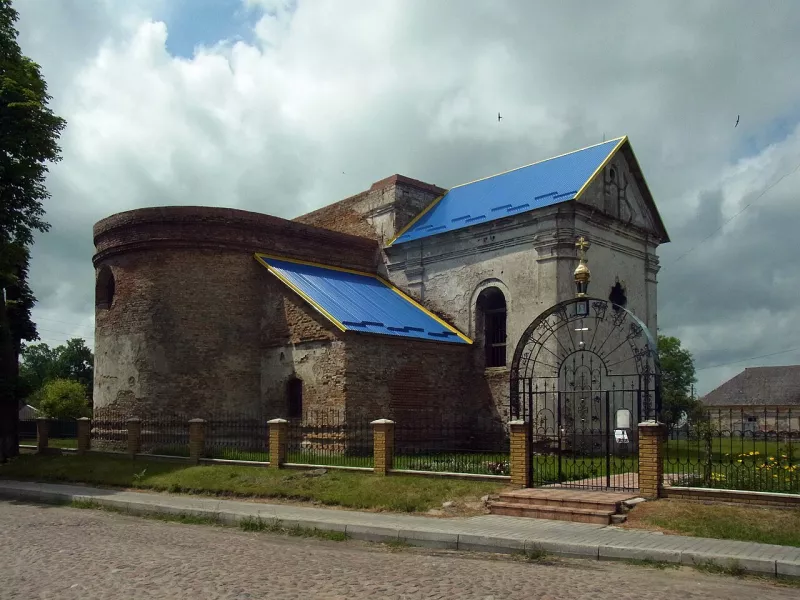
The Church of Saint Anne and Stanislaus from the 16th–18th centuries is brick-built, single-nave, with a crypt under the floor. In the 18th century, it received Baroque decoration. In 1870, the tsarist authorities transferred it to the Orthodox community, who added side wings. On the first day of World War II, when Matsiiiv was bombed, the church was turned into ruins. Today, part of the building is used for worship.
Church of Saint Paraskeva
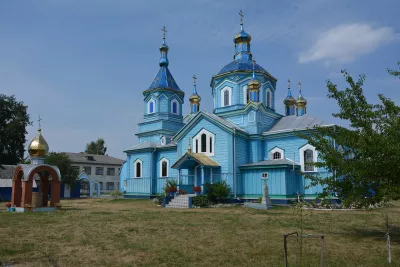
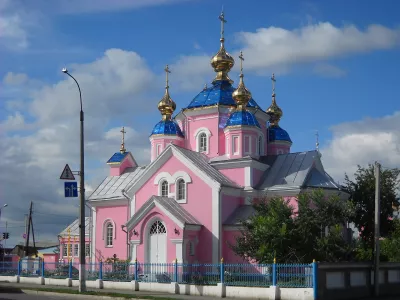
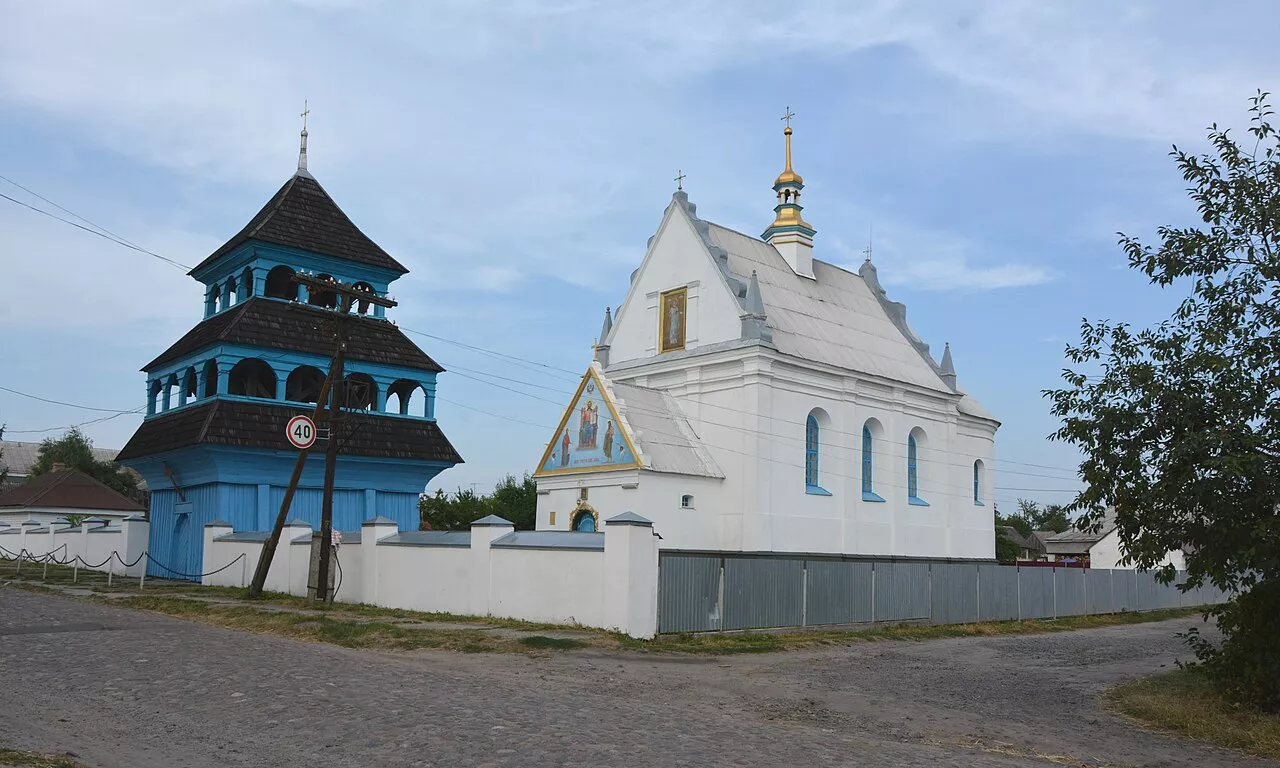
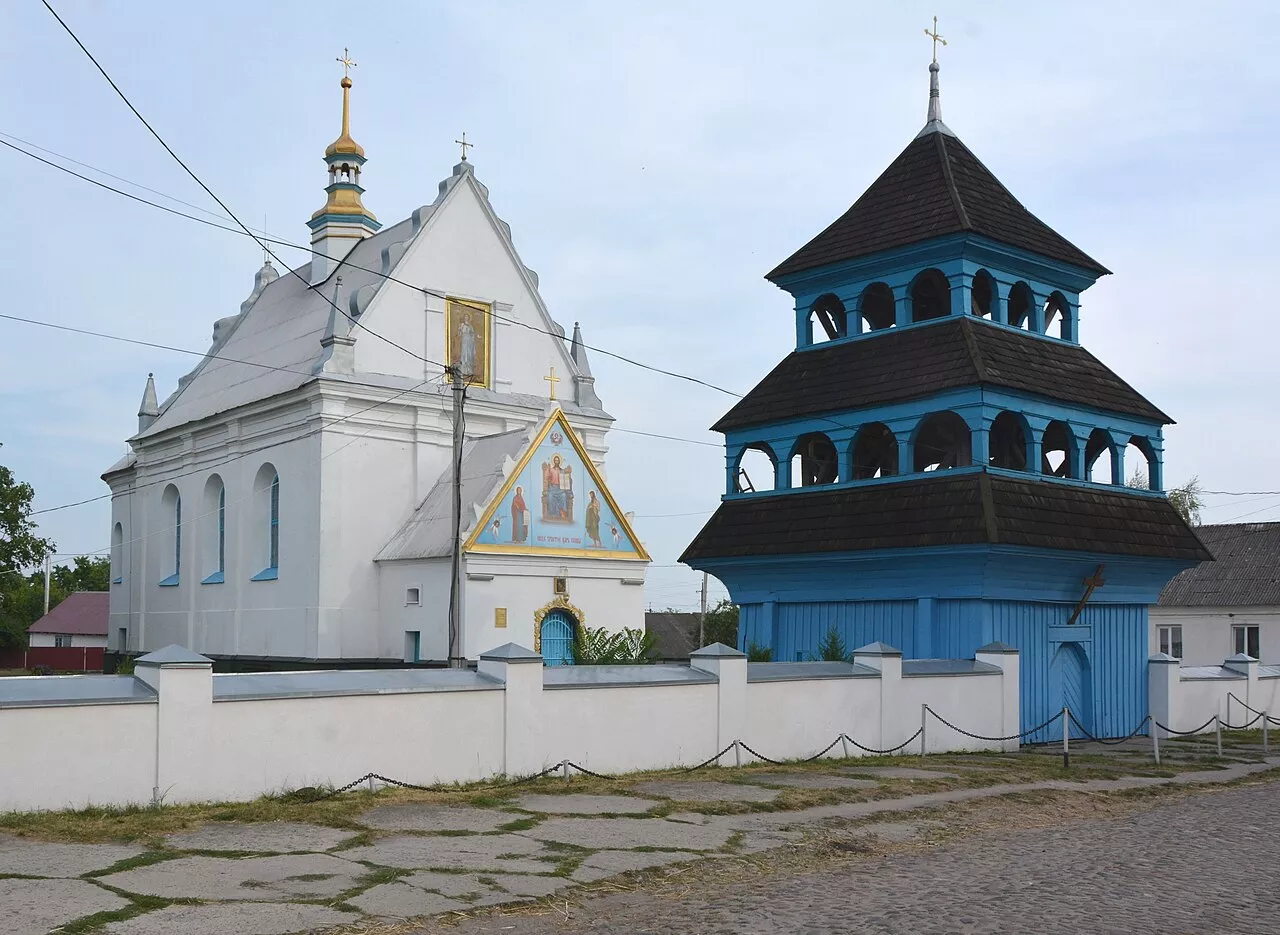
The masonry Church of Saint Paraskeva from 1723 is of the hall type, under a high roof with a flèche, with obelisk finials on the gables and pilasters on the facades. Nearby stands a wooden three-tier bell tower with arcading and a tented roof.
Chalk and the 20th century
Lukiv was famous for its chalk with a very high calcium content: it was mined before the war and sold even to France. In Soviet times, a building materials plant operated here, producing nearly two hundred thousand tonnes of chalk a year. Between 1940 and 1959, the urban-type settlement was a district centre. During the war, the Jewish community of Matsiiv perished.
Lukiv on video
When to go
Lukiv is convenient to combine with Turiysk and Kovel. Two to three hours will be enough to explore the palace, the church and the other church.
Nearby
Turiysk is half an hour to the south, Kovel is to the east. More can be found in the article Kovel Raion.
How to get there
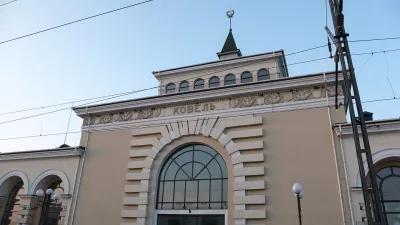
Lukiv lies 2 kilometres from the M07 highway Kovel – Yahodyn. Matsiiv railway station is on the Kovel – Yahodyn line, 2 kilometres from the centre.