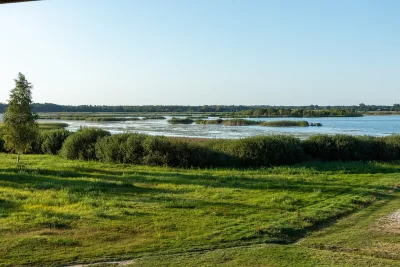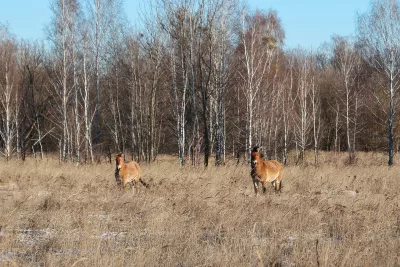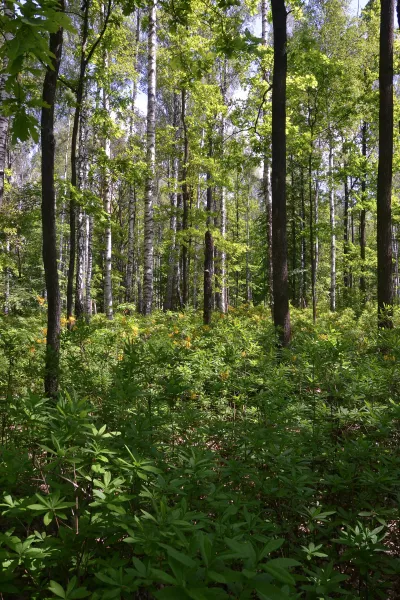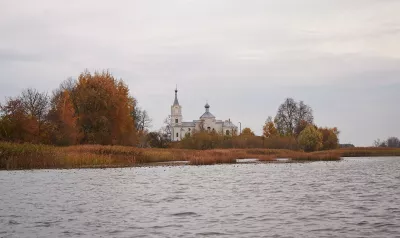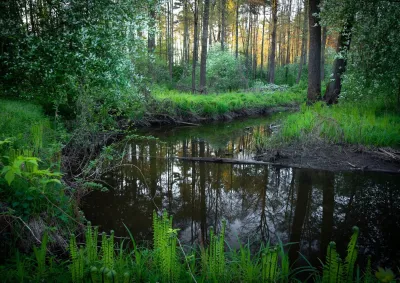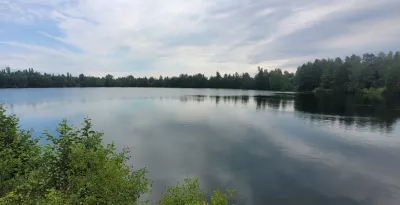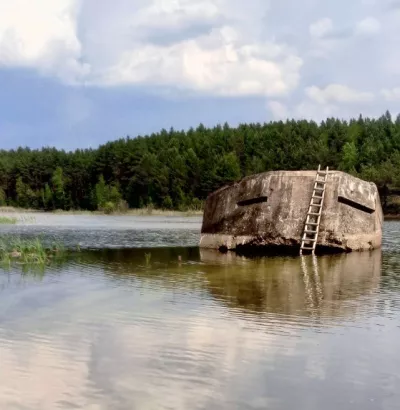

Volynian Polissia is a region where Ukraine feels most like its ancient self: pine forests, hundreds of lakes, slow rivers with dozens of branches, and villages where people still bake bread in wood-fired ovens and weave from straw. This is the natural region of Ukrainian Polissia between the Western Bug in the west and the Sluch in the east. It covers most of Volyn Region and the northwestern part of Rivne Region, bordering the Volyn Upland in the south — approximately along the line of Volodymyr — Lutsk — Rivne.
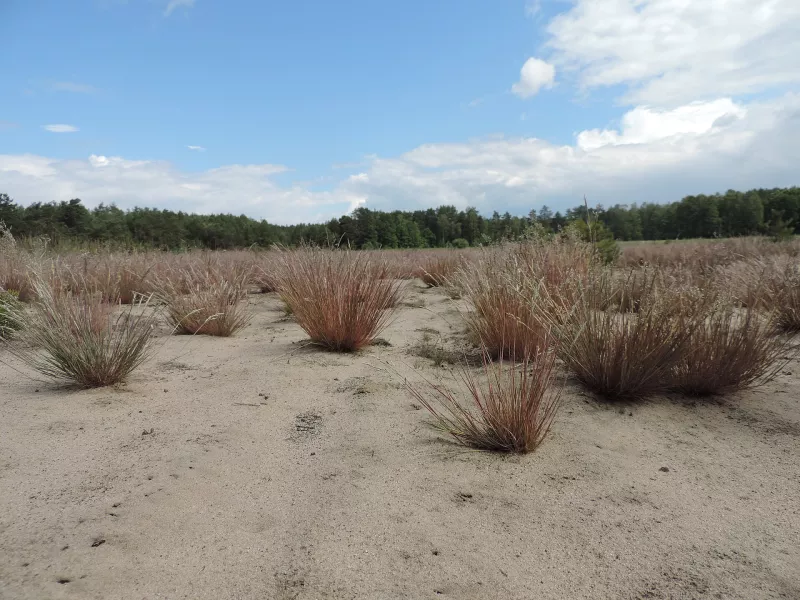
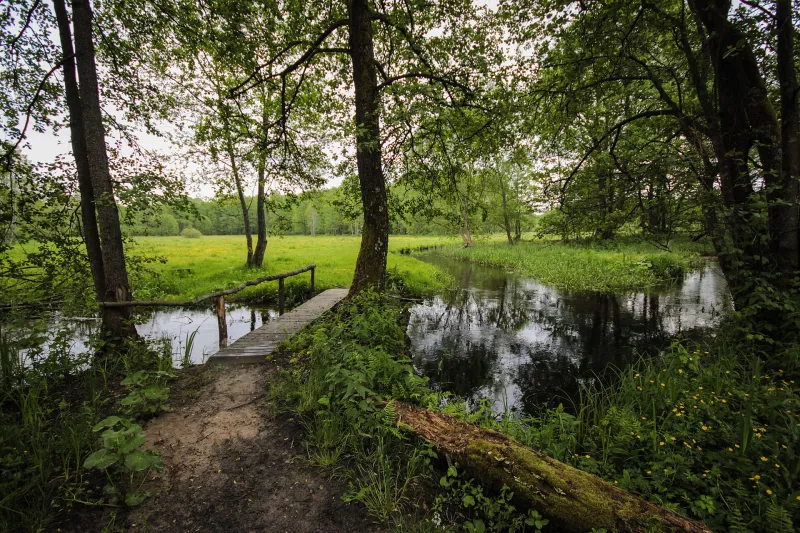
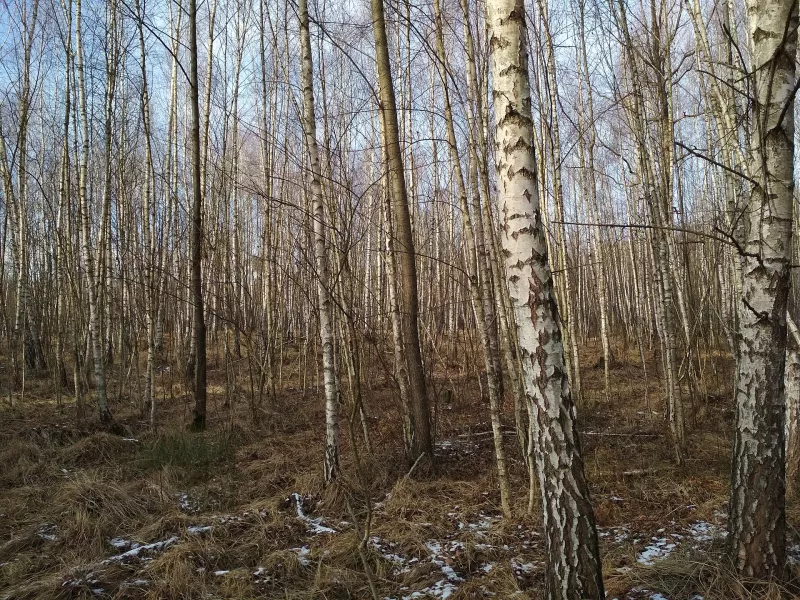
The main wealth of the region is its forests and water. Forests and shrubs cover about 40% of the territory: these are pine-oak and oak-hornbeam associations. Meadow-swamp floodplains occupy another 10% or so. There are over 200 lakes here, among them the famous Shatsk lakes, and the rivers belong to the Prypiat basin. The relief was shaped by glaciers and meltwater: sandy outwash plains, moraine ridges, karst lakes, and sinkholes.
In Brief
- Where: The north and center of Volyn Region and the northwest of Rivne Region — between the Western Bug and the Sluch.
- Nature: Shatsk, Prypiat-Stokhid, Tsuman Pushcha, and Nobel National Nature Parks, as well as Cheremsky and Rivne Nature Reserves.
- Lakes: Svityaz (Ukraine's deepest natural lake), Pisočne, Luky, Bilyi, Nobel.
- History and Culture: Lesya Ukrainka’s estate in Kolodiazhne, Nechymne tract, ancient hillforts, Liubeshiv, wooden churches.
- Natural Wonder: Basalt Columns in Rivne Region.
- To Taste: Svityaz doughnuts, cheese bombiks, Smidyn cabbage, smoked fish, forest blueberries and mushrooms.
Shatsk Lakes: Svityaz and Its Neighbors
The best-known place in Volynian Polissia is the Shatsk lakes in the northwest of the region, near the borders with Poland and Belarus. There are over two dozen lakes of glacial and karst origin here. To preserve them, the Shatsk National Nature Park was established in 1983, and later a UNESCO biosphere reserve, which is now part of the joint Ukrainian-Polish-Belarusian West Polissia reserve.
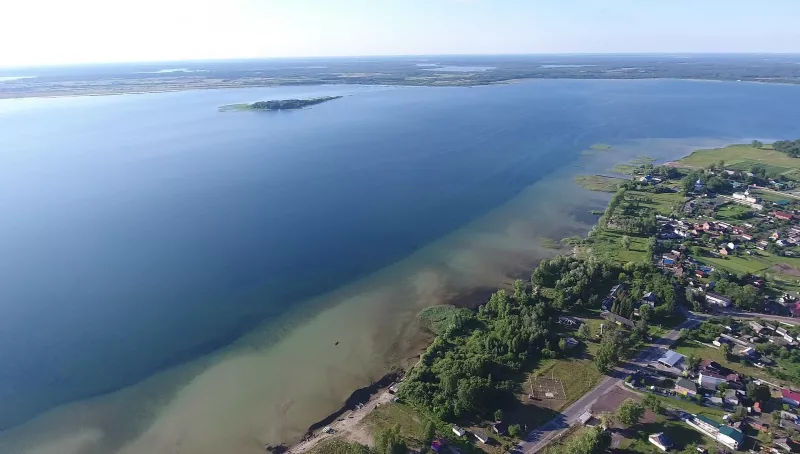
Svityaz is Ukraine's largest and deepest natural lake: its area is about 27 km², and its depth reaches 58 m. The water is clear, the bottom is sandy, and the shores are overgrown with pine forests. Many legends have been told about the lake, in particular about a city that sank underwater; one of them was retold in the ballad "Świteź" by Adam Mickiewicz. Nearby is the warm, shallow Pisočne with sandy beaches, ideal for vacations with children, as well as Luky, Pulemetske, Lucymer, and smaller forest lakes.
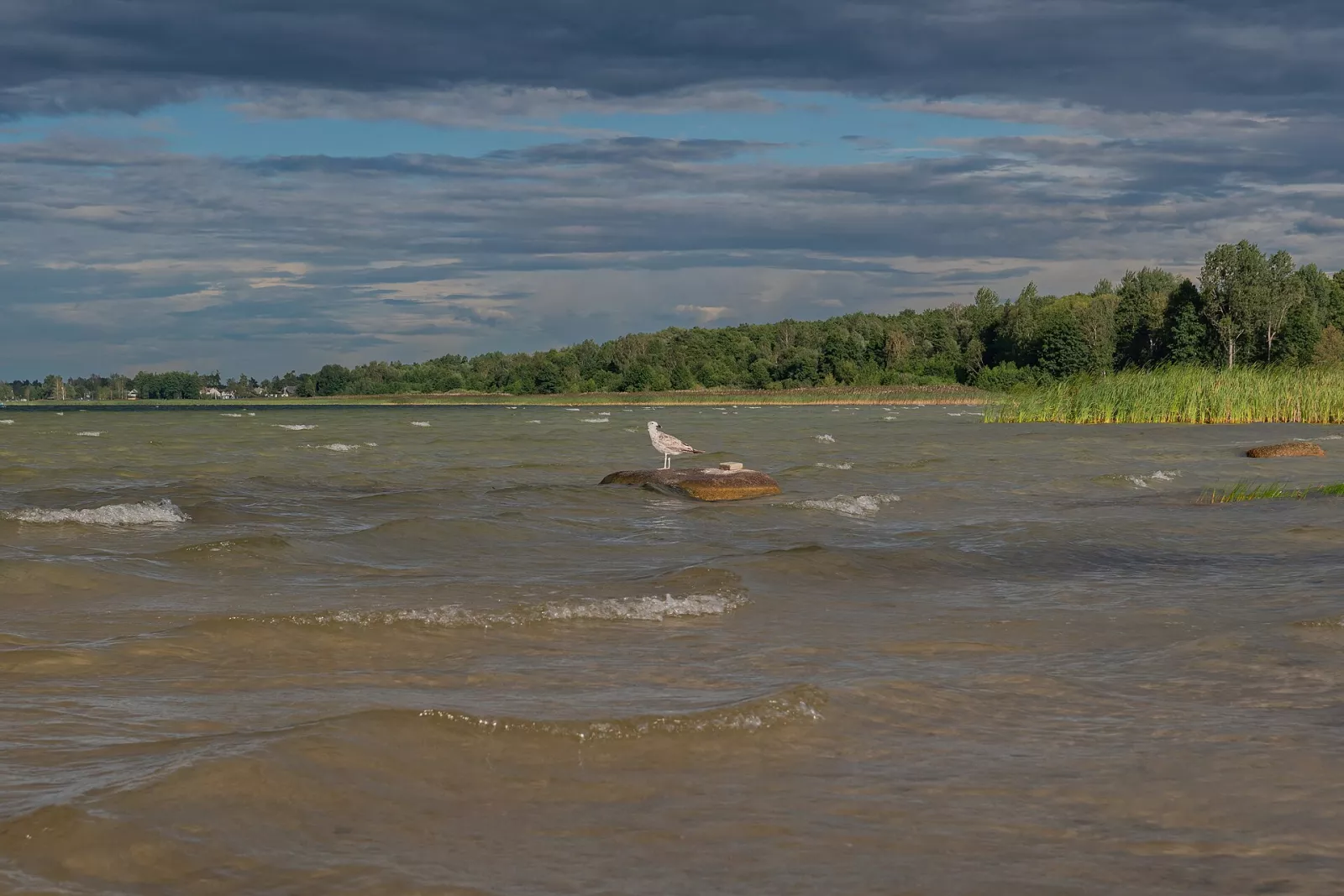
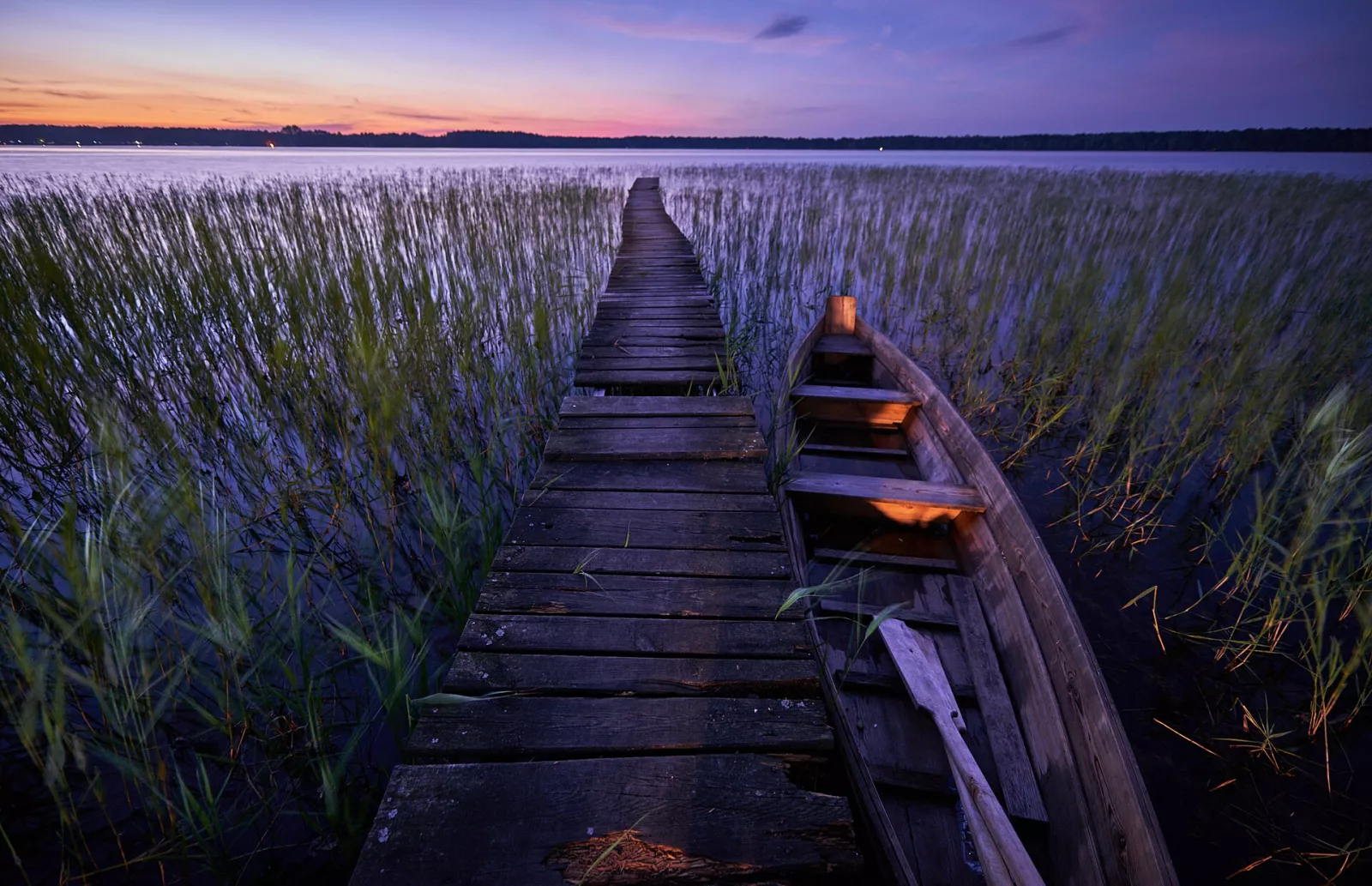
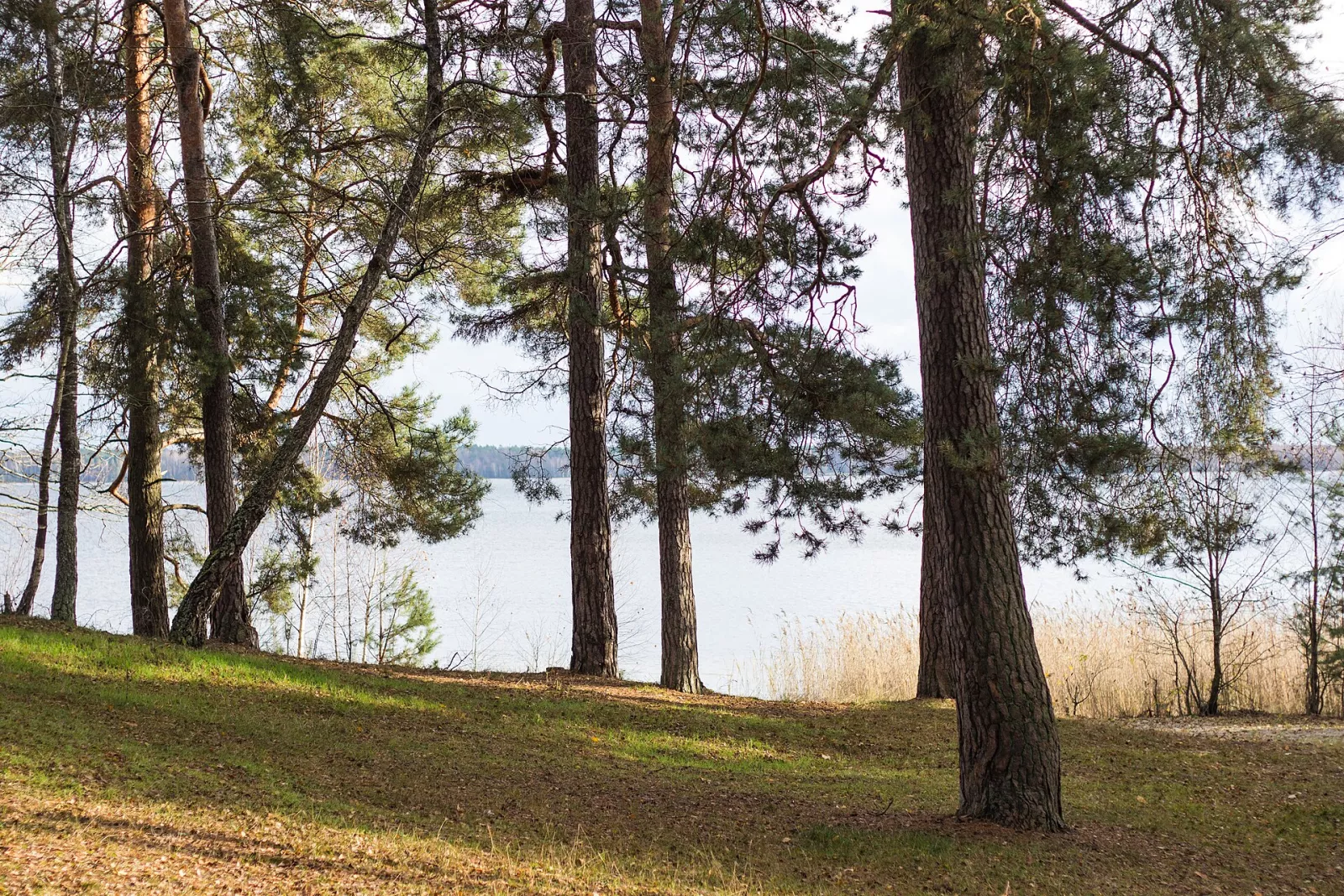
In summer, Svityaz is crowded: recreation centers, campgrounds, beaches, and markets selling smoked fish and the famous Svityaz doughnuts. If you want peace and quiet, go in September, when the water is still warm and the crowds are gone. The park has eco-trails and viewing platforms, surrounded by blueberry pine forests.
Video: "Why everyone is going to Svitiaz in 2026: prices, entertainment and food", Kyiv First Person channel.
Kovelshchyna: Kolodiazhne, Nechymne and Smidyn
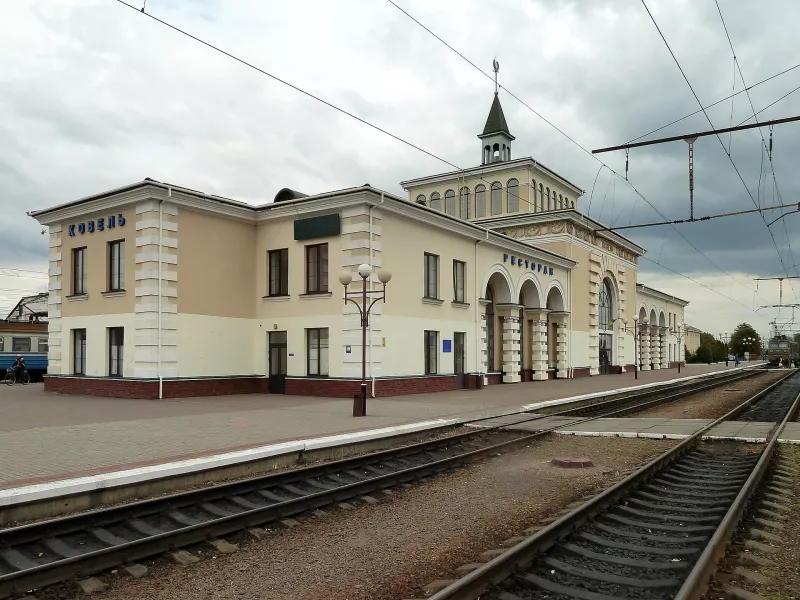
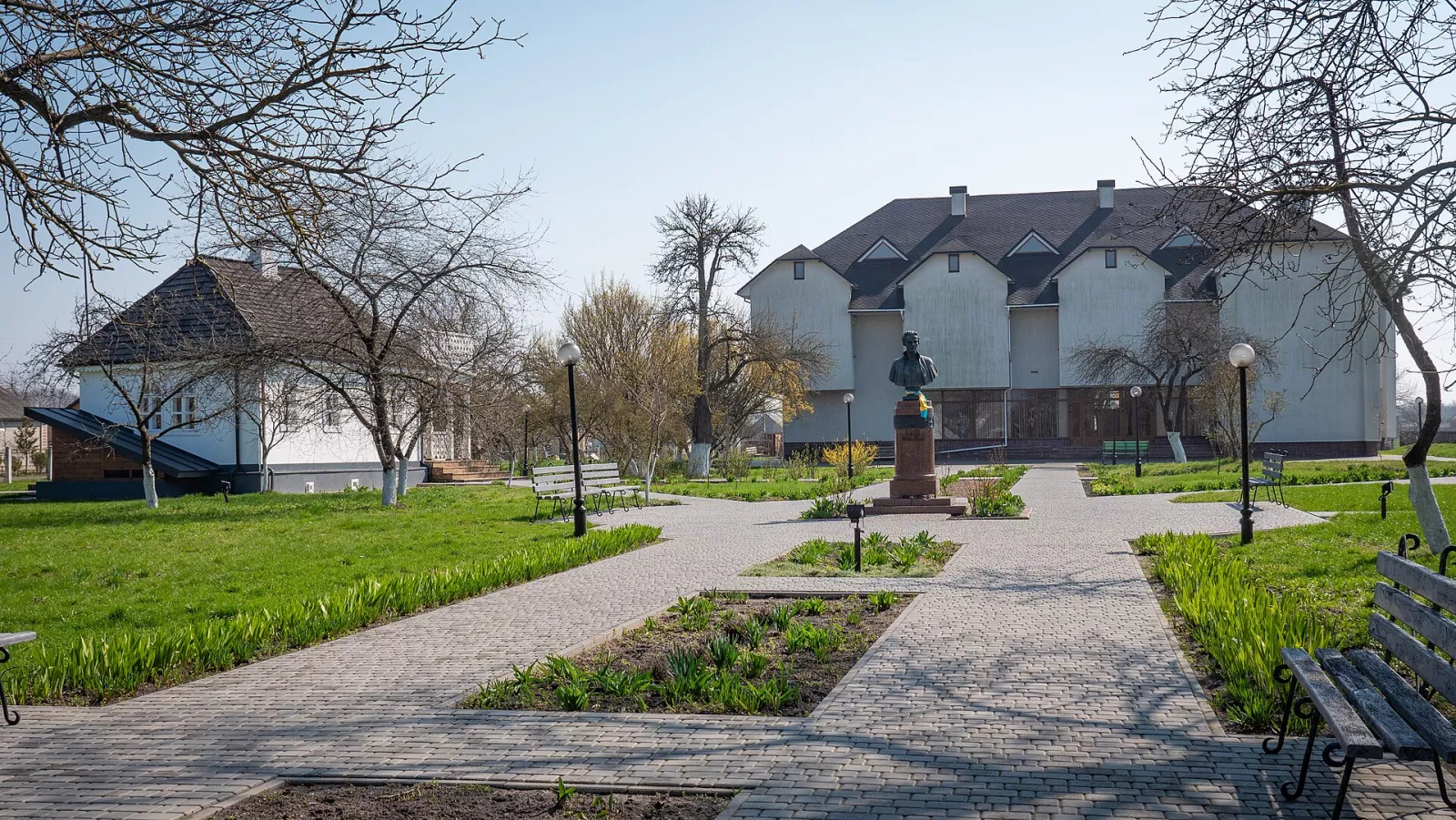
Kovel is the main railway hub of Volyn and a convenient base for traveling across Polissia. A few kilometers from the city lies Kolodiazhne, where the Kosach family has lived since 1882. The Lesya Ukrainka Literary and Memorial Museum-Estate operates here, featuring the "white" and "grey" houses, an old garden, and family belongings. It was in Kolodiazhne that Lesya spent many years of her youth and wrote some of her works.
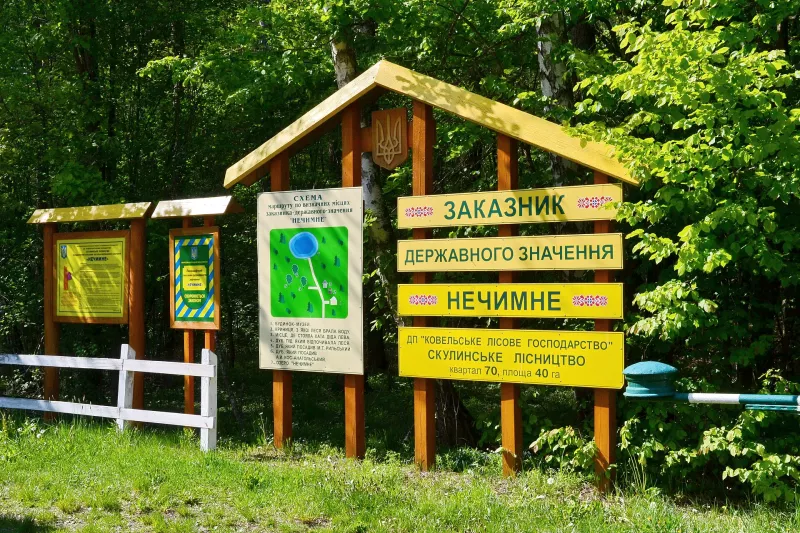
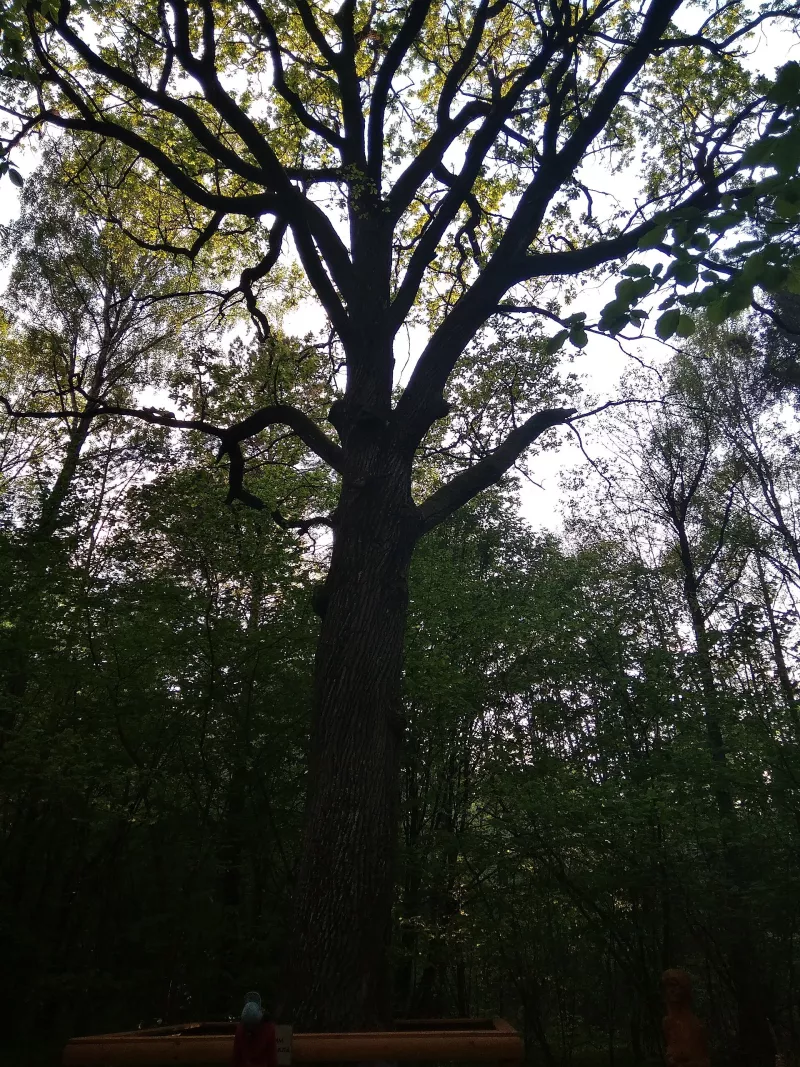
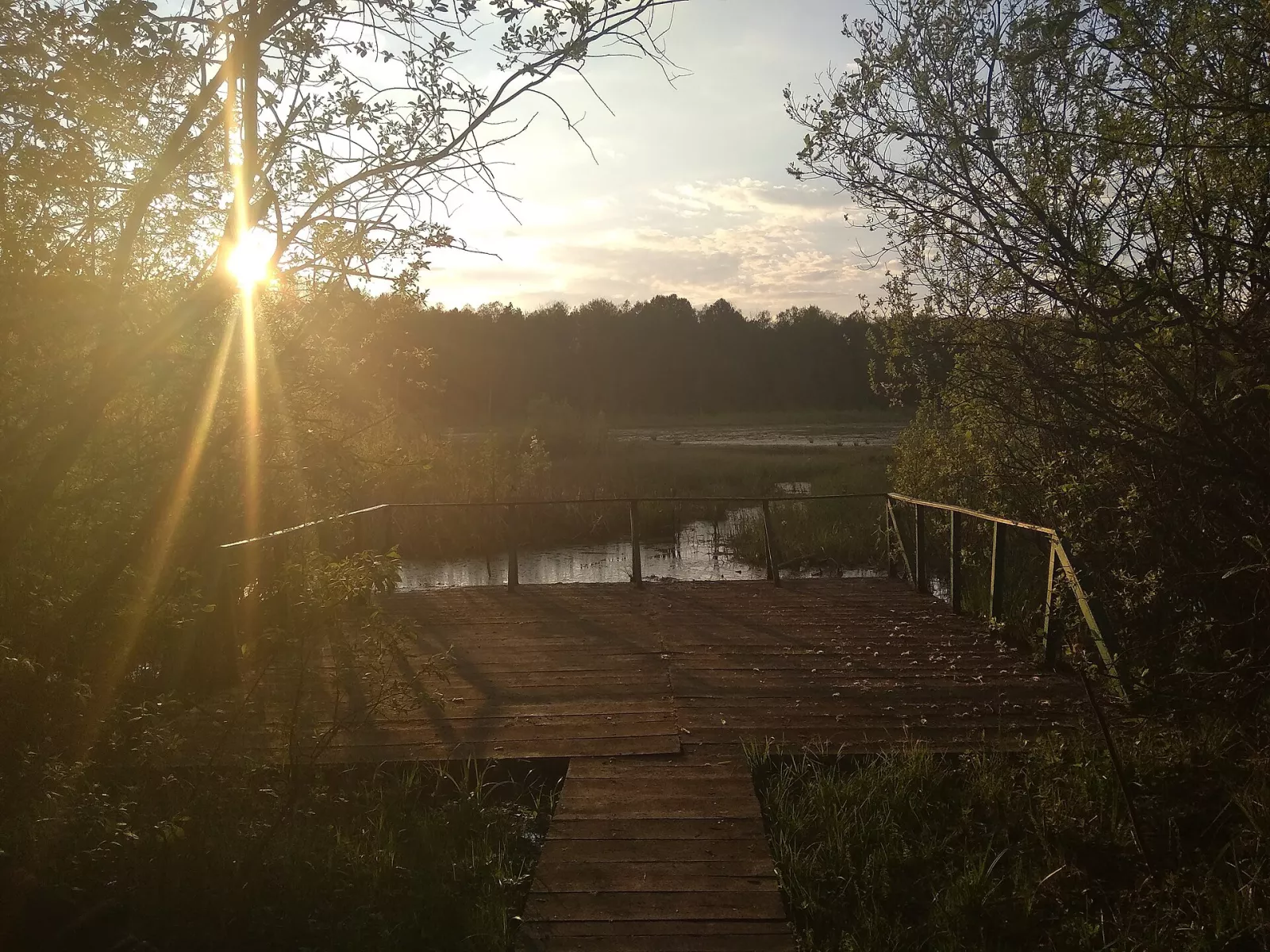
Nearby, close to the village of Skulyn, lies the Nechymne tract with a forest lake and mighty oaks. Here, Lesya visited her uncle in her childhood, and the impressions of these places formed the basis of "The Forest Song". The trail from the museum house leads to the lake — the most poetic walk in Volyn Polissia.
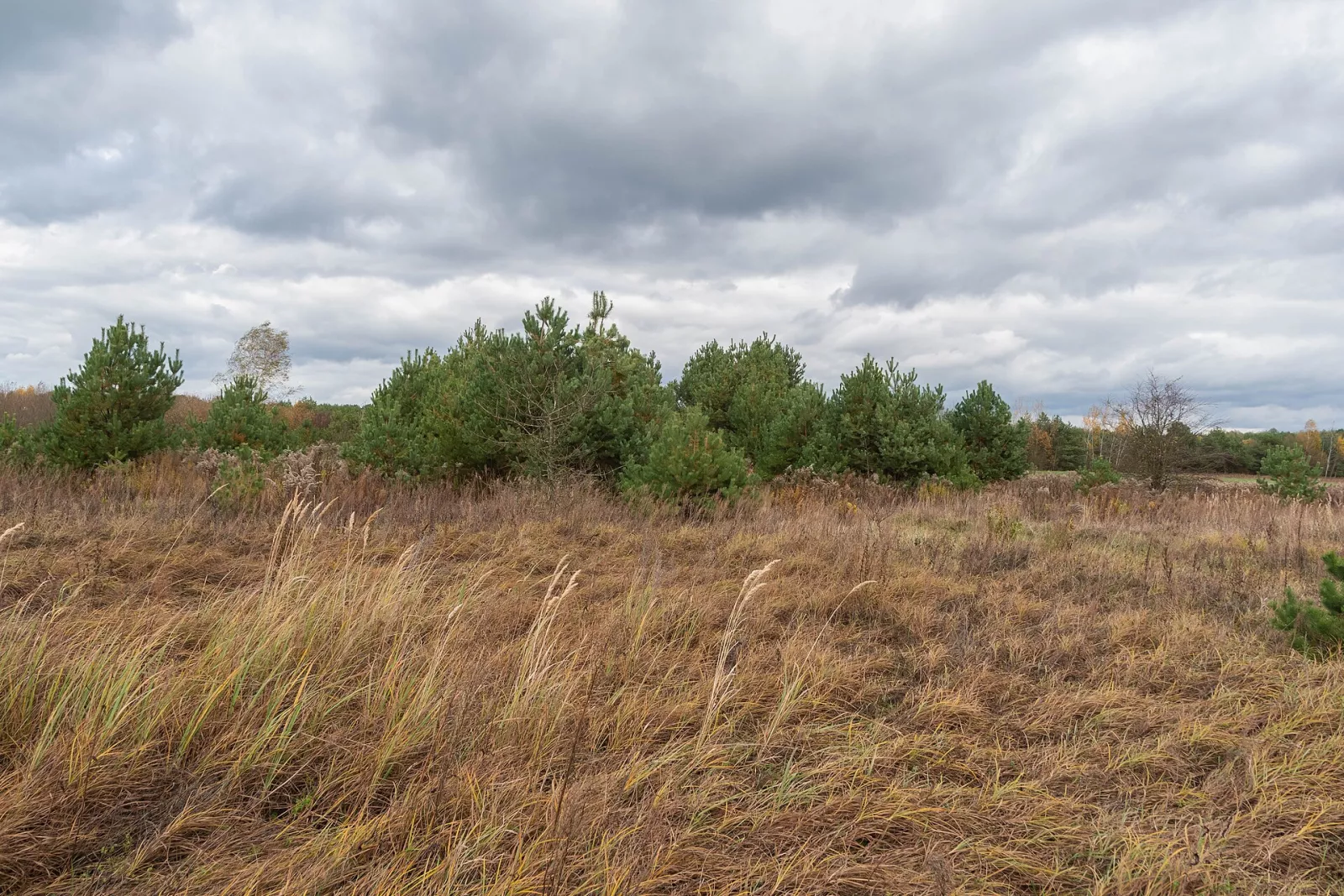
The village of Smidyn is famous throughout Ukraine for its sauerkraut — Smidyn sauerkraut even has its own festival. It also features an ancient Mesolithic settlement and an Old Rus hillfort that offers a view of the Polissian meadows.
Video: "Lesya Ukrainka Museum-Estate in Kolodiazhne", Ukrinform channel.
Stokhid and Liubeshiv: the river of "a hundred moves"
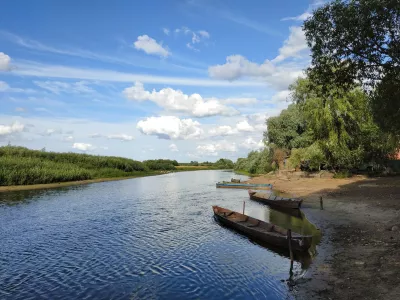
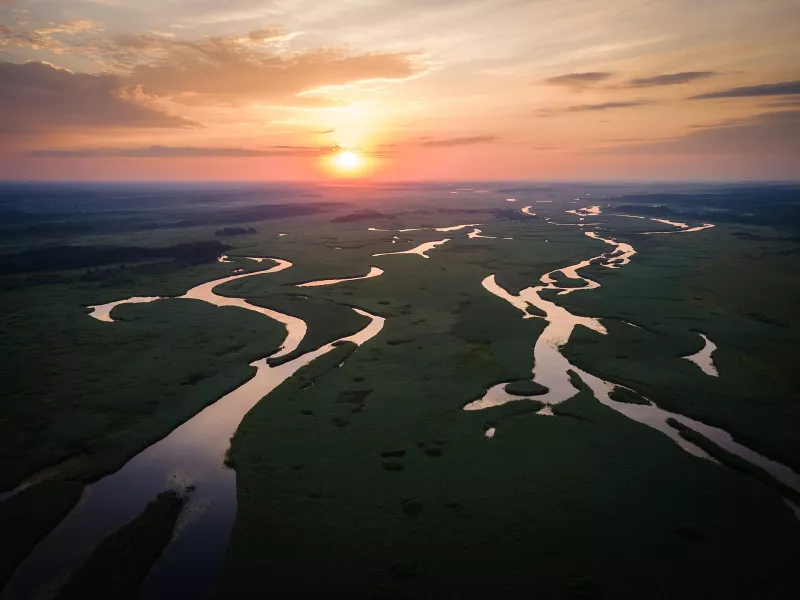
Stokhid is one of the most astonishing rivers in Ukraine. It got its name because it branches into dozens of streams, channels, and oxbow lakes: the floodplain sometimes reaches several kilometers in width, and the river itself resembles a network of water labyrinths. To preserve this land, the Prypiat-Stokhid National Nature Park was created in 2007 in the Liubeshiv region. Cranes, storks, and herons nest here, and the floodplain holds the status of a wetland of international importance.
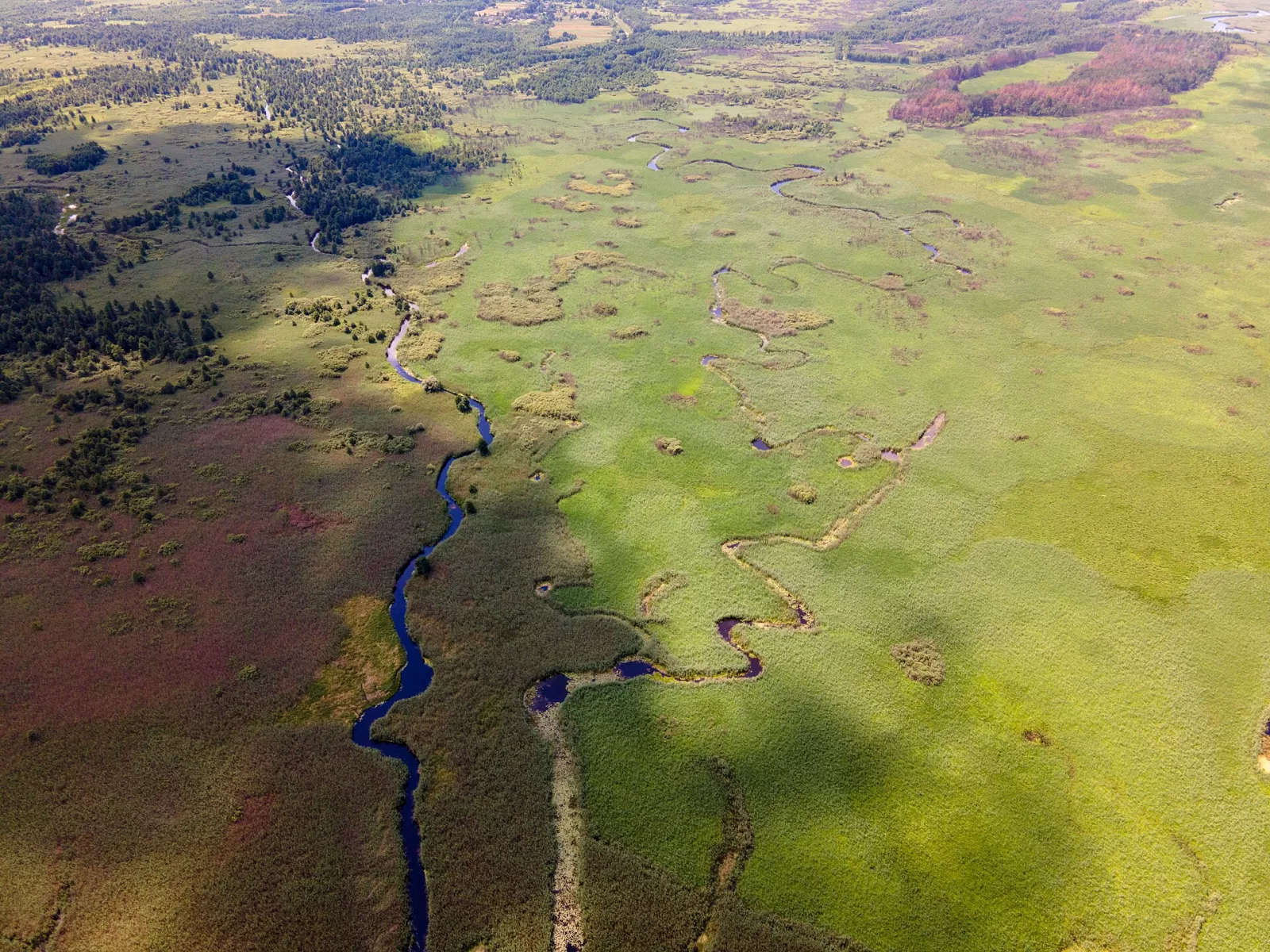
The best way to see Stokhid is from the water: canoe and kayak trips last from one day to several, with overnight stays on sandy islands. It is best to go with an experienced guide, as it is easy to get lost among the channels.
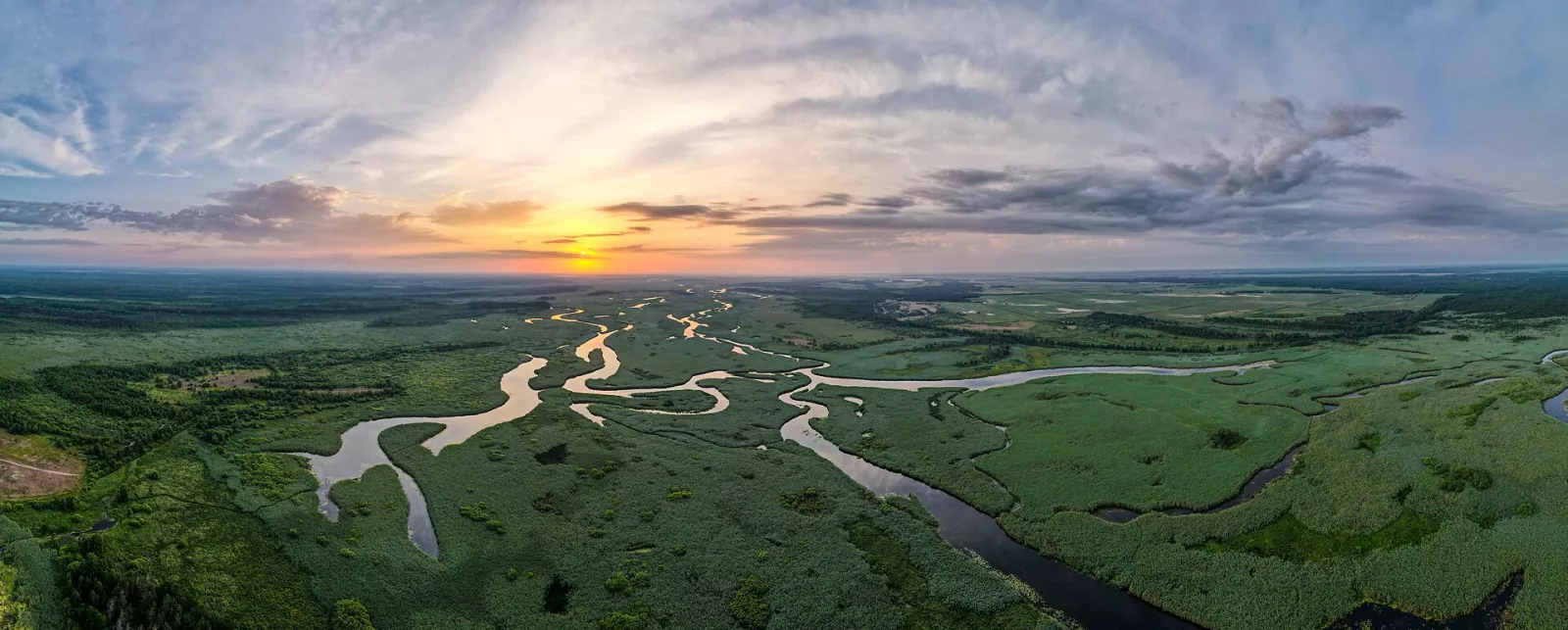
Liubeshiv is an ancient town on the Stokhid River where a Piarist collegium operated in the 18th century; Tadeusz Kosciuszko, the future hero of Poland and the USA, studied there. Ruins of the collegium and the church have been preserved. The Liubeshiv region is one of the hromadas participating in the "Polissia. Reboot" project, which develops rural tourism: here you can stay in a guesthouse, bake bread, and try local dishes.
Video: "Where to look for real Polissia? Liubeshiv region — Day 1", Polissia. Reboot channel.
Video: "Volyn: capital of witches, the Stokhid river of life and death", Khashchi channel.
Cheremsky Nature Reserve and Tsumanska Pushcha
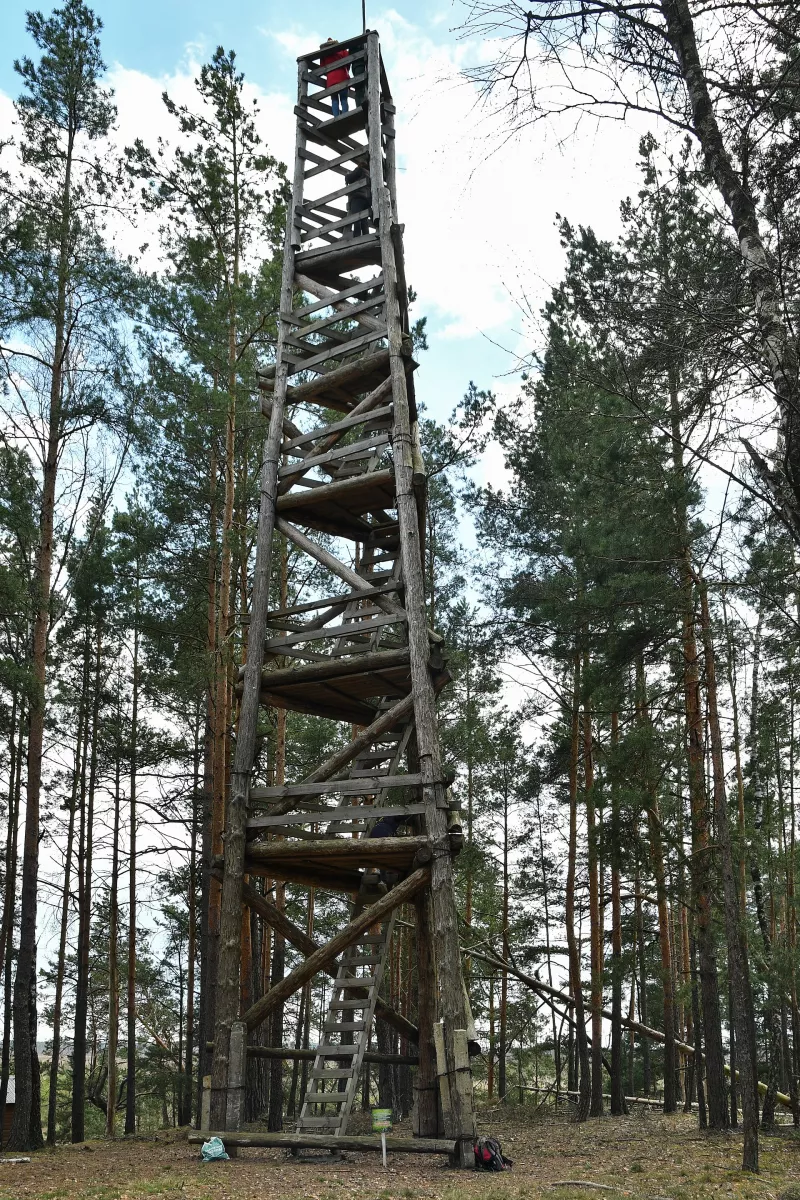
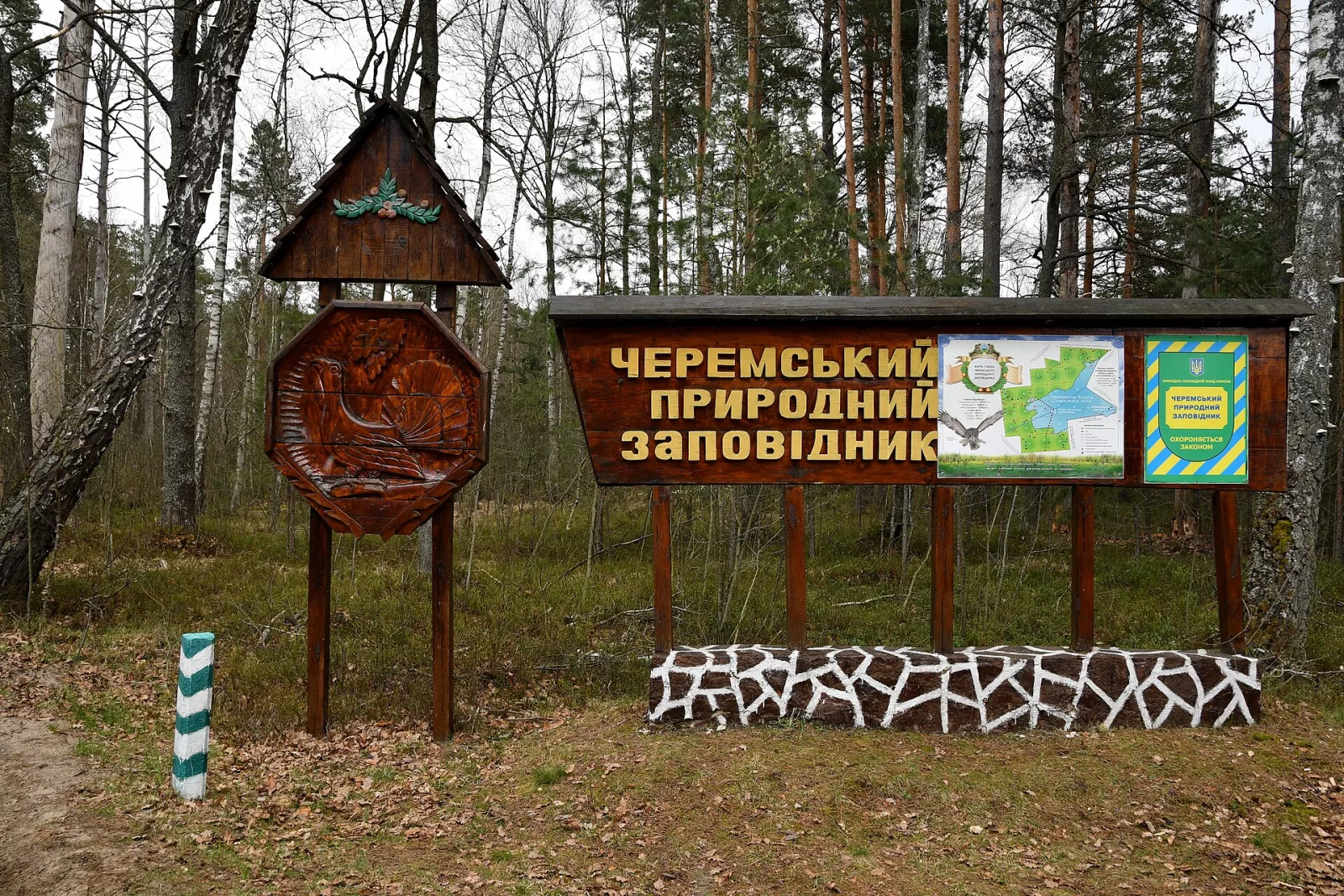
Cheremsky Nature Reserve in the Manevychi region was established in 2001 to protect vast Polissian bogs, lakes, and forests. An ecological trail with wooden boardwalks across the bog and an observation tower overlooking endless peatlands has been laid out for visitors. Cranberries and sundew grow here, and in spring, cranes circle over the bog.
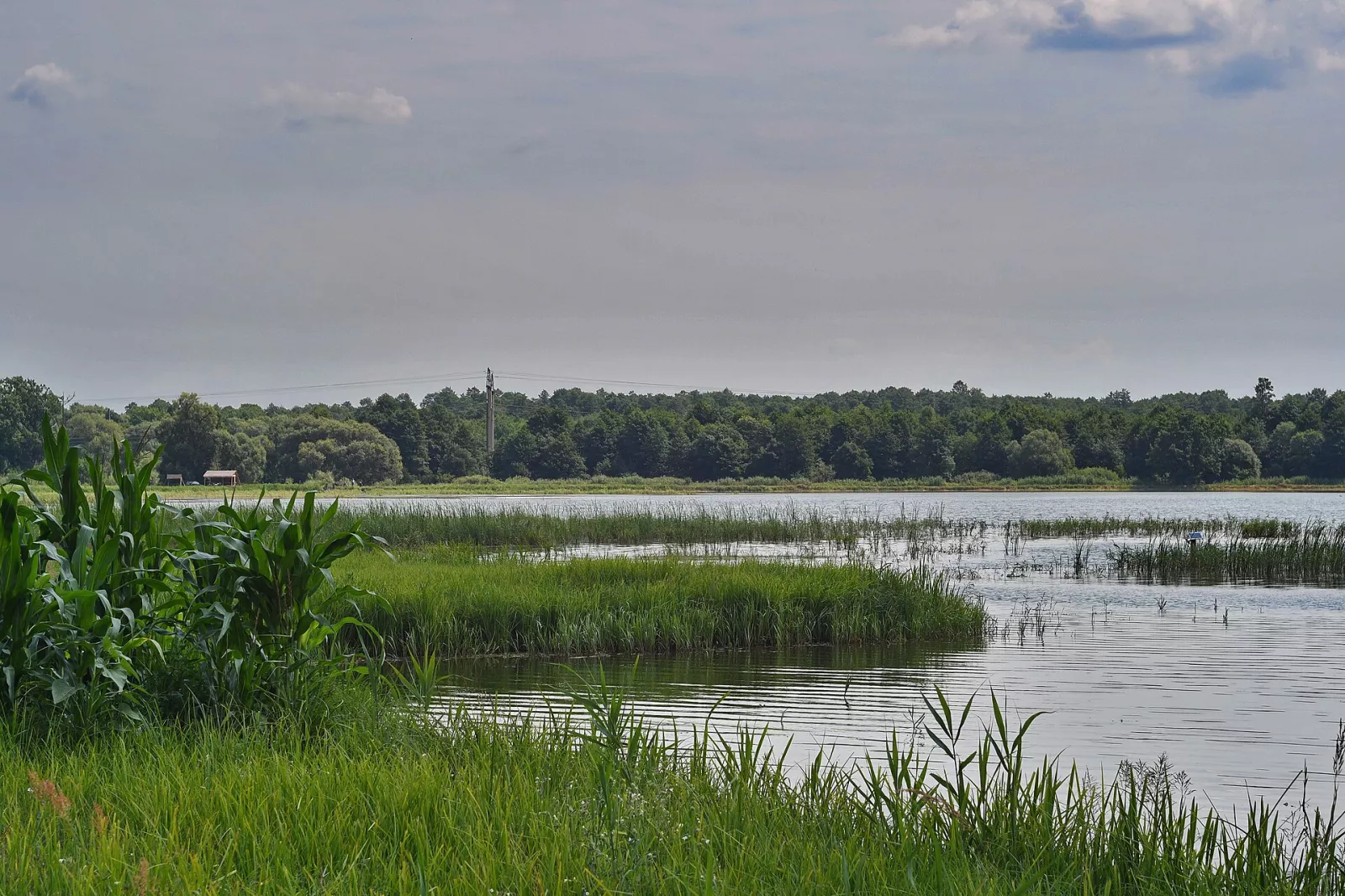
Tsumanska Pushcha is a large forest area in the Kivertsi region, designated as a national nature park since 2010. Pine-oak forests, forest lakes, ancient hunting grounds, and routes for hiking and cycling. This is the closest piece of "real" Polissia to Lutsk.
Video: "Spring in Tsumanska Pushcha National Park in Volyn", Suspilne Lutsk channel.
Video: "Expedition to the Cheremsky Nature Reserve", Supii Lake Explore Center channel.
Rivne Polissia: Bogs, White Lake, and Nobel
The northwestern part of Rivne region—Sarny, Zarichne, Volodymyrets, and Dubrovrytsia districts—is the most "wild" Polissia. Here, the Rivne Nature Reserve was established in 1999, protecting some of the largest raised bogs in Europe: Perebrody, Somyne, and the Bily Ozero massif. The natural water regime is being restored in the bogs so that they can accumulate water again and prevent fires.
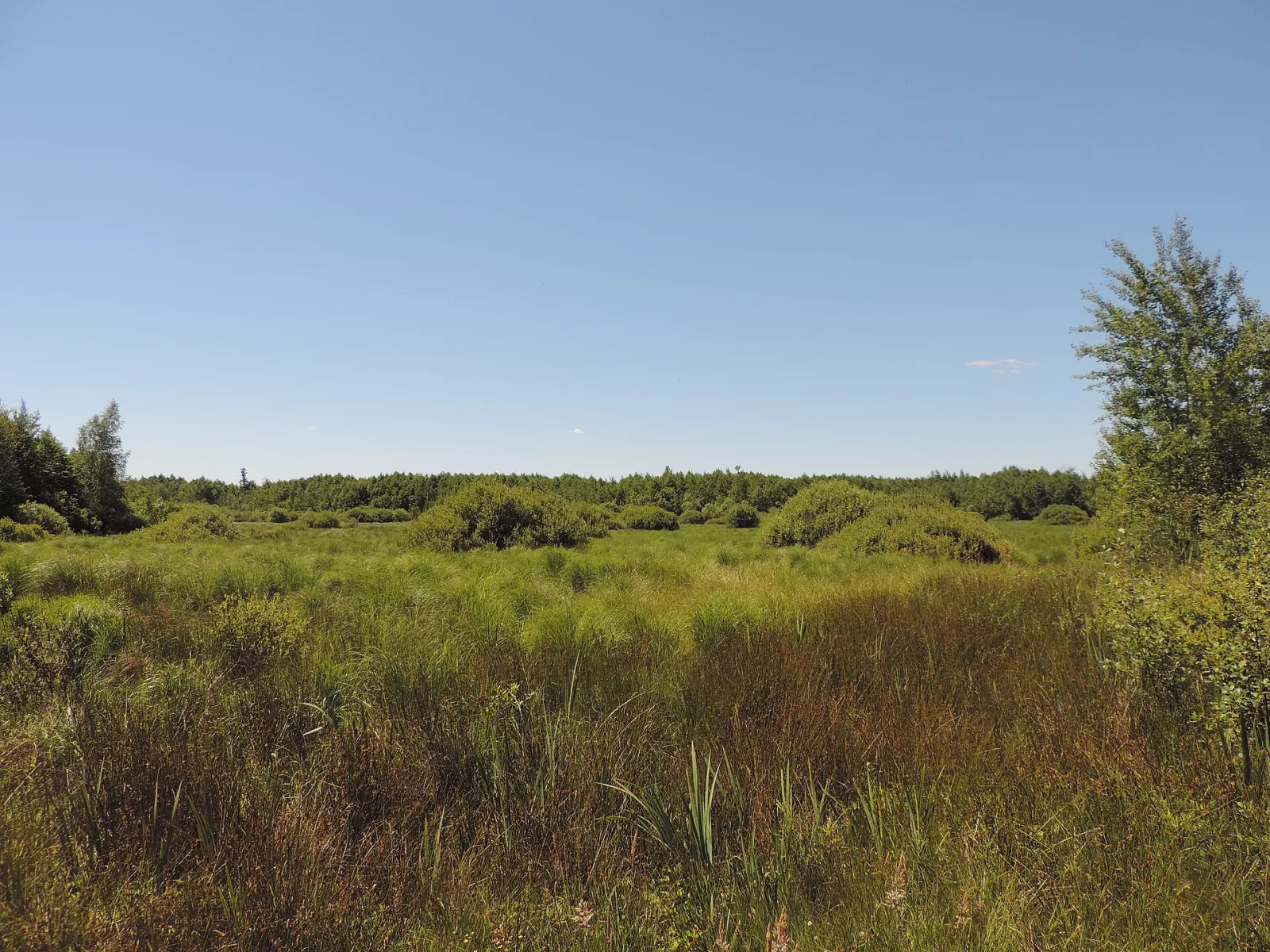
Bile Lake near Volodymyrets is one of the largest karst lakes in Ukraine, featuring very clean water and pine-lined shores. Part of the coastline belongs to the reserve, while another part is developed for recreation.
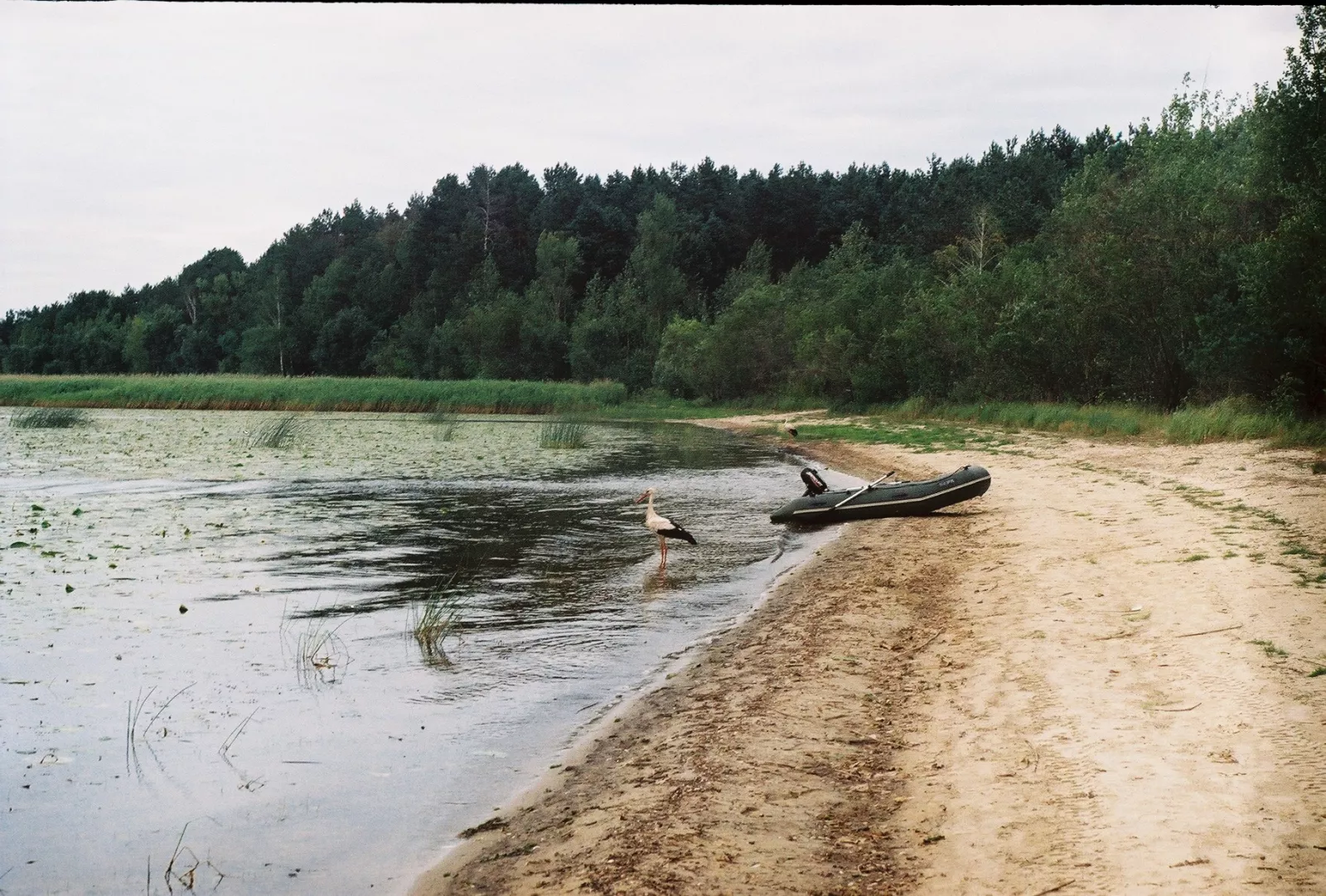
Nobel is a village on an island amidst the Prypiat River and the lake of the same name, which until recently could only be reached by boat. Here, at the "end of the earth", the Nobel National Nature Park was created in 2019. Nearby flow the Prypiat and Stokhid rivers, alongside fishing boats and a quietness hard to find elsewhere.
Video: "Bogs — lungs of the planet: how 20,000 hectares of mire are being restored in Rivne Polissia", Suspilne Rivne channel.
Video: "End of the world. Rivne region: Nobel, Prypiat, Stokhid", Khashchi channel.
Basalt Columns — A Wonder of Ancient Volcanoes
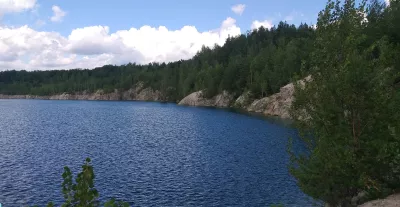
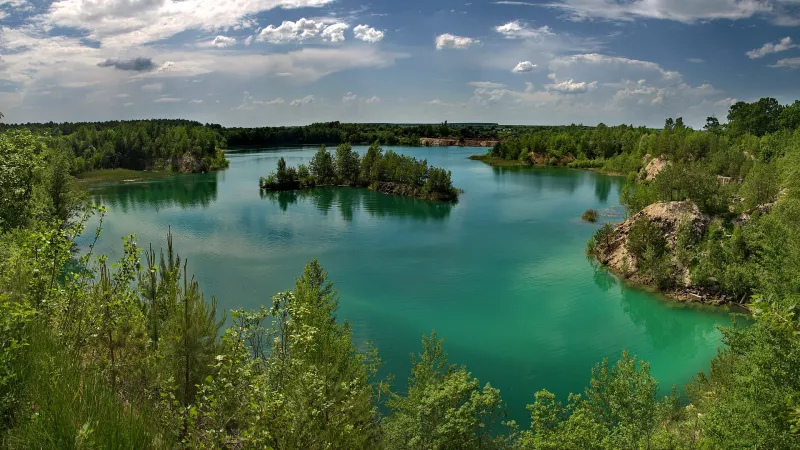
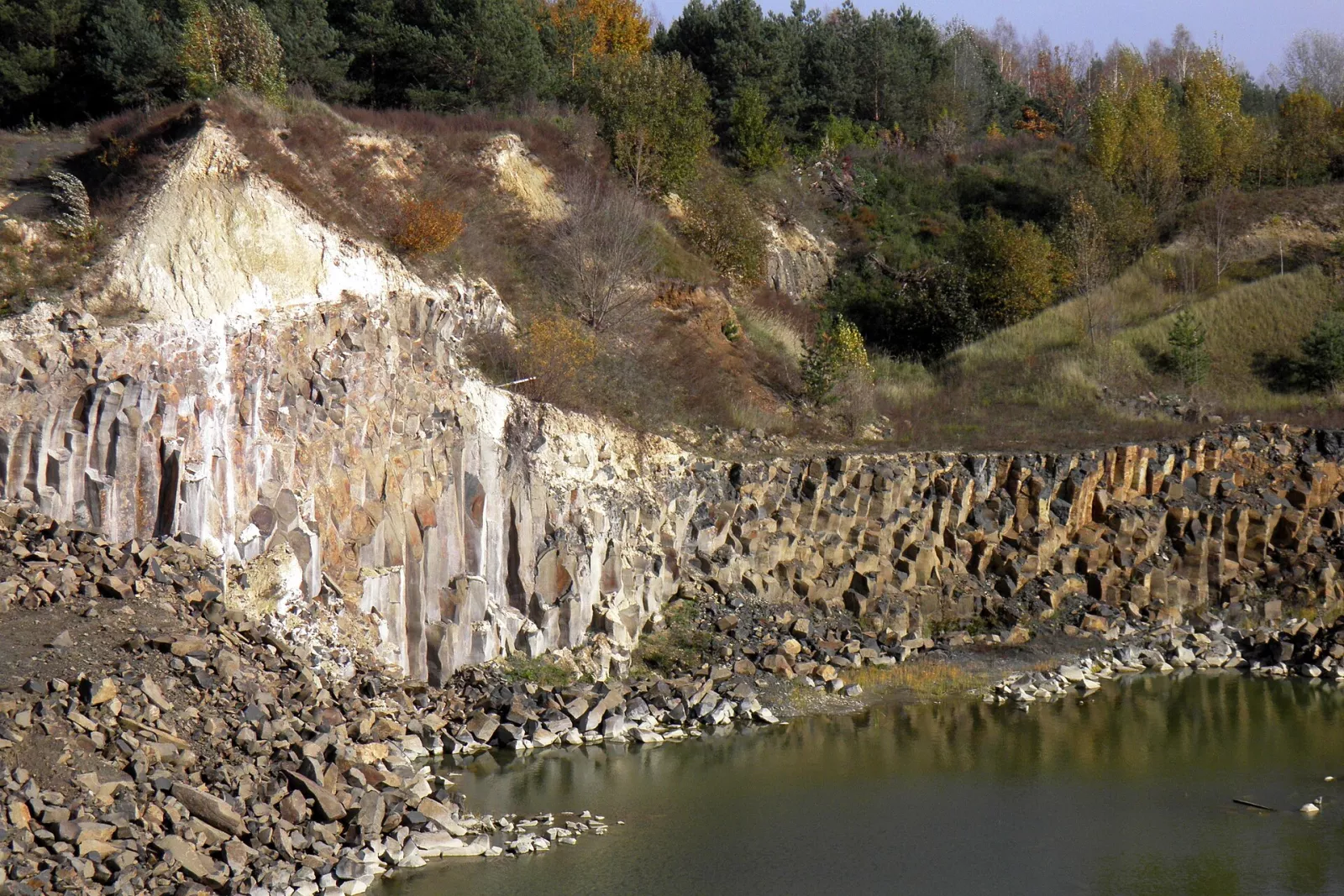
Near the village of Bazaltove (formerly Ivanchi) in Kostopil district, the walls of old quarries reveal hexagonal basalt columns—the solidified lava of ancient volcanoes dating back hundreds of millions of years. This landmark was a nominee in the Seven Natural Wonders of Ukraine contest. The flooded quarries have turned into lakes with turquoise water, making the quarry itself a favorite location for photography.
Video: "One of the Seven Wonders of Ukraine: Basalt Columns in Rivne Region", Fakty ICTV channel.
On the Edge of Polissia: Volodymyr, Lutsk, Ustylug
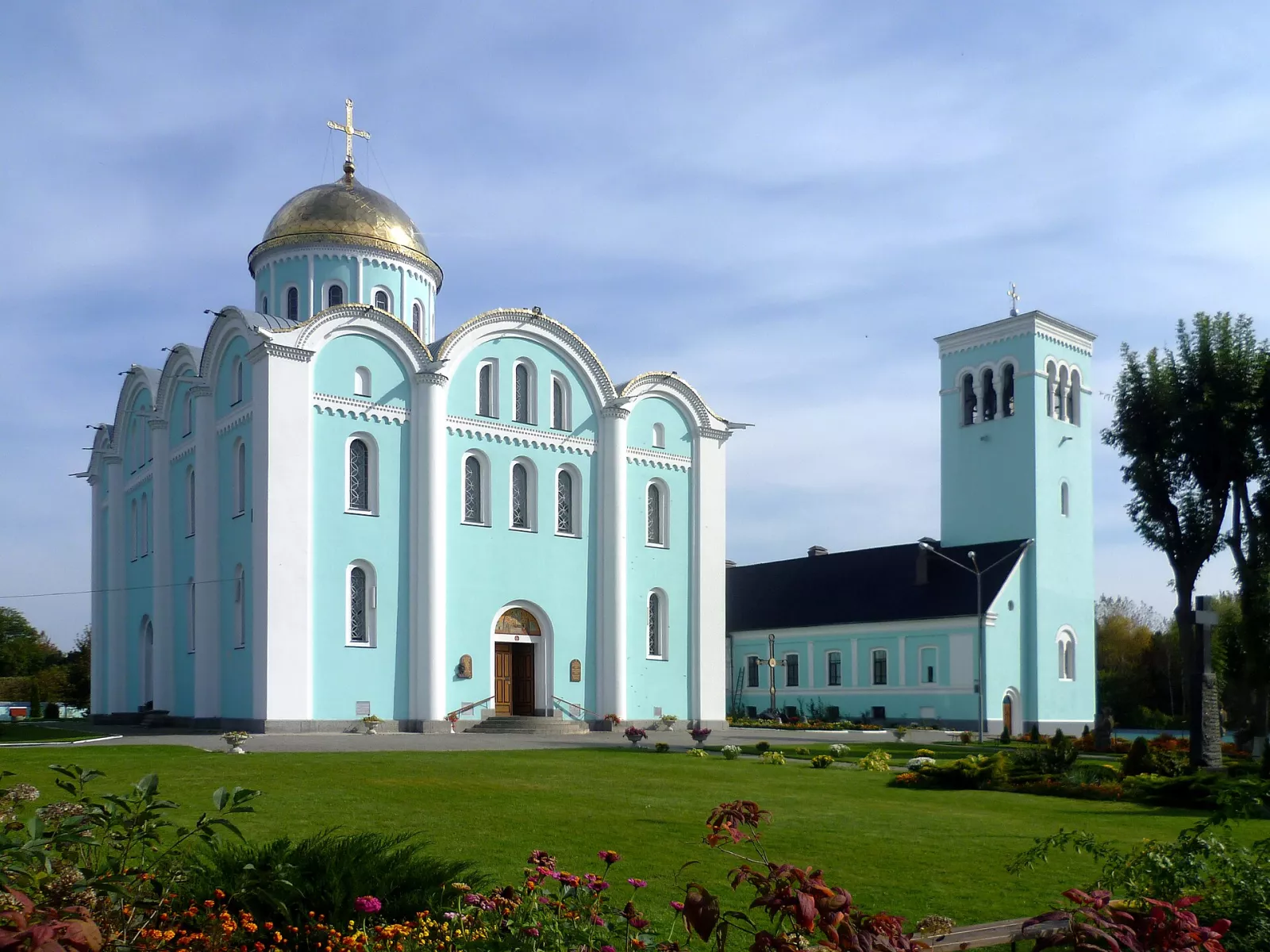
The southern border of Volyn Polissia runs through ancient towns. Volodymyr is one of the oldest towns of Rus', featuring the 12th-century Assumption Cathedral built by Prince Mstyslav Iziaslavych. Lutsk with Lubart's Castle serves as the gateway to Polissia for most travelers. In Ustylug on the Bug River, there is a museum dedicated to Igor Stravinsky, who lived and created his works here. These towns are well worth combining with trips to the north — into the forests and to the lakes.
Cuisine and Crafts
Polissian cuisine is simple and hearty: deruny (potato pancakes), babka, river fish soup, mushrooms, blueberries, and cranberries. At the Shatsk Lakes, be sure to try Svityaz donuts and smoked fish, in Smydyn — fermented cabbage, and in the villages — cheese bombs and baked bread from the oven. Traditional crafts have also been preserved: straw and wicker weaving, pottery, and the making of folk instruments such as the dudka-kolyanka.
The "Polissia. Reboot" project brings together communities, guesthouses, and craft producers of the region: through it, you can find places to stay, local food to try, and workshops to join.
Video: "Where to go for a weekend in Volyn? Turiisk Region", Polissia. Reboot channel.
3-Day Itinerary
Day 1. Shatsk Lakes. Svityaz and Pisochne, the national park eco-trail, dinner with smoked fish and donuts.
Day 2. Kovel and Liubeshiv Regions. Kolodiazhne and Nechymne, lunch in Smydyn, then Liubeshiv and an evening by the Stokhid River or a rafting trip the next morning.
Day 3. Rivne Polissia or Cherem Nature Reserve and Tsuman Primeval Forest. The northern option includes White Lake, the Basalt Columns, and Nobel Lake; the option closer to Lutsk features the bog from the observation tower and a walk through the primeval forest.
Distances between locations are large, and roads in the north can sometimes be poor — allow more travel time than your GPS suggests.
When to Go
- April–May: floods of the Stokhid and Prypiat rivers, cranes, blooming orchards in Nechymne.
- June–August: lakes, beaches, blueberries, rafting. Prepare for mosquitoes.
- September–October: mushrooms, cranberries, golden pine forests, silence on Svityaz.
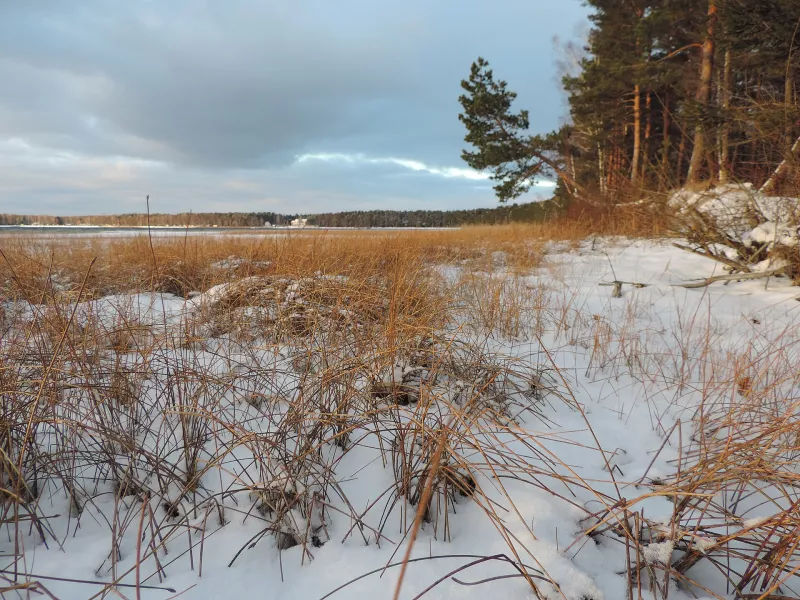
- Winter: snowy forests, frozen lakes, peaceful guesthouses.
Practical Tips
- Safety. The north of Volyn Polissia borders Belarus: there are restrictions on staying and movement in border hromadas; follow the announcements of the regional administrations and the State Border Guard Service.
- Nature reserves. Visiting is only possible on designated trails and according to the administration's rules in nature reserves — check in advance.
- Gear. Repellent, waterproof footwear, a power bank, and offline maps: mobile coverage in the forests is weak.
- Respect for nature. Do not light campfires on peatlands — bogs can burn for months.
Conclusion
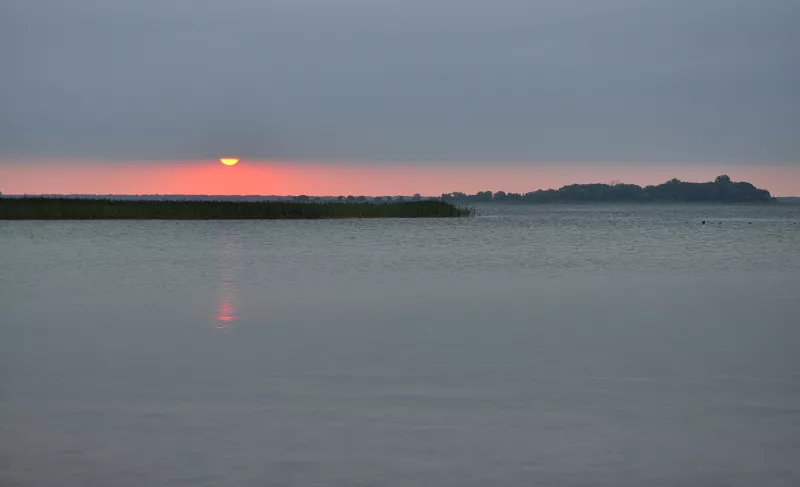
Volyn Polissia is not just Svitiaz. It is a river with a hundred channels, bogs that breathe with mist, the basalt of ancient volcanoes, and a land where Lesia Ukrainka heard her "Forest Song". Come here without haste: the best impressions here are given by a sunrise over a lake, a conversation with a homestead owner, and silence that you can listen to for hours.
Read also about neighbouring regions: "Polish Polissia: A Journey Between the Bug and the Lakes" and "Belarusian Polissia: Pripyat, Bogs and Ancient Cities", and find more places in our guidebook.