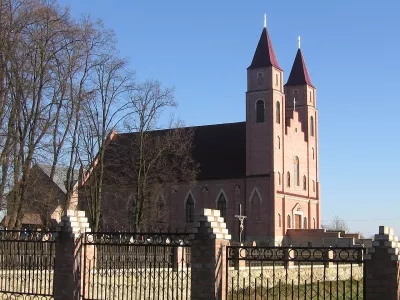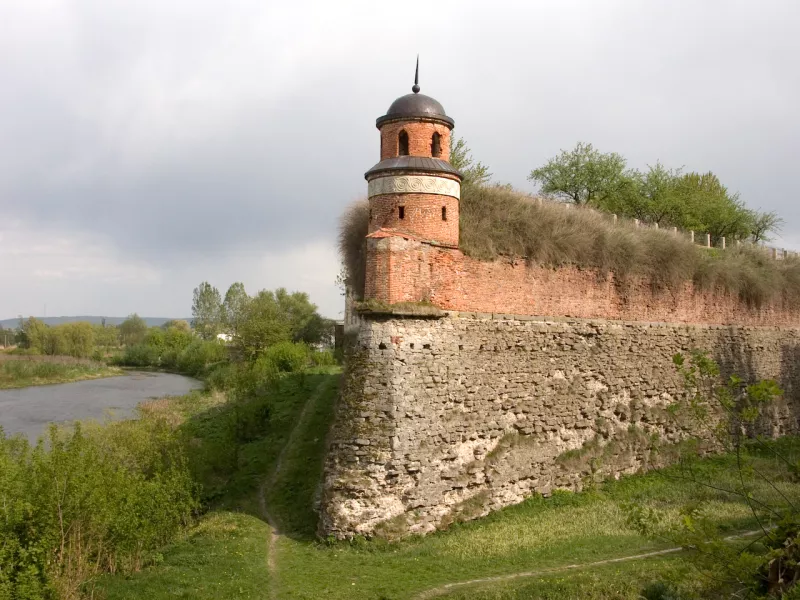

Dubno is a city on the Ikva River, 45 km southwest of Rivne, and the center of Dubno Raion. Around 39,000 people live here. Dubno is one of the oldest cities in Volhynia and one of the most popular tourist cities in Rivne Oblast, featuring the Ostrogski Princes Castle, old gates and monasteries, and nearby the Tarakaniv Fort and the battlefield of the Battle of Berestechko. The city is even mentioned in Hašek's "The Good Soldier Švejk", and the siege of Dubno is one of the main scenes in Gogol's "Taras Bulba".
From a Volhynian Detinets to the Ostrogski Princes
Fortifications on the cape above the Ikva appeared back in the 10th century as a fortress of the Volhynians, and in the 10th to 13th centuries, this was the detinets of chronicle Dubno. In 1240–1241, the Mongols destroyed it. In the late 14th and early 15th centuries, Prince Fedir Ostrogski built a wooden-earth fortification here, and in the late 15th century, the Ostrogski princes began building the masonry castle that still stands today.
Later, Dubno passed to the Zasławski and Lubomirski families, who rebuilt the castle into a luxurious residence with a palace. In 1795, the city passed to the Russian Empire, in 1915–1916 it was occupied by Austro-Hungarian troops, and in 1921 Dubno became part of Poland.
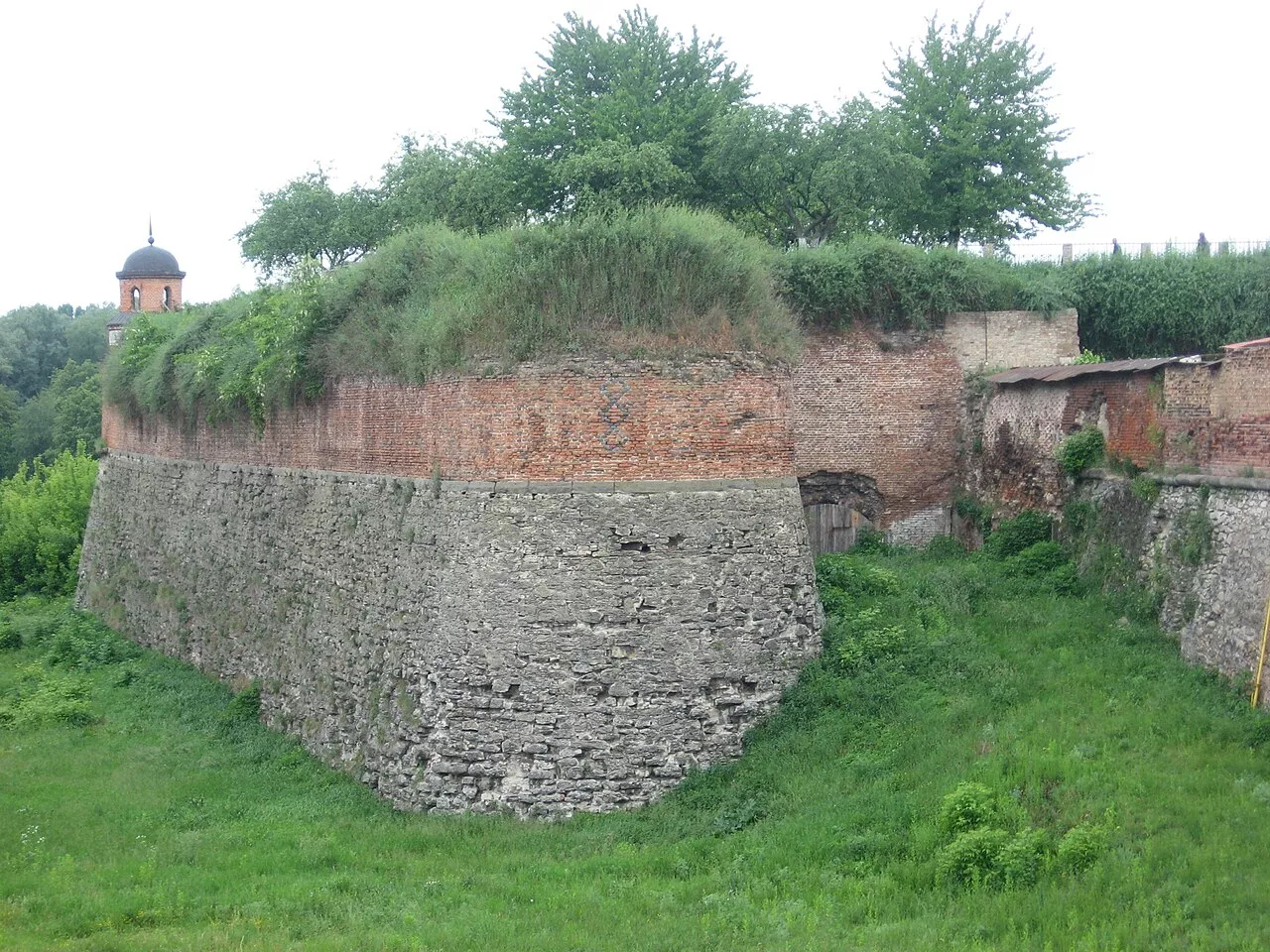
What to See
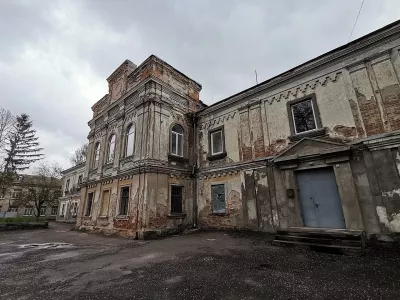
Dubno Castle is the main landmark of the city, featuring powerful bastions, the Ostrogski and Lubomirski palaces, underground passages, and museum exhibitions. The castle stands on a cape surrounded on three sides by the floodplains of the Ikva.
Lutsk Gate is a 16th-century gate-tower, part of the former city fortifications. Once, people entered the city through it from the direction of Lutsk, and today there is a small museum inside.
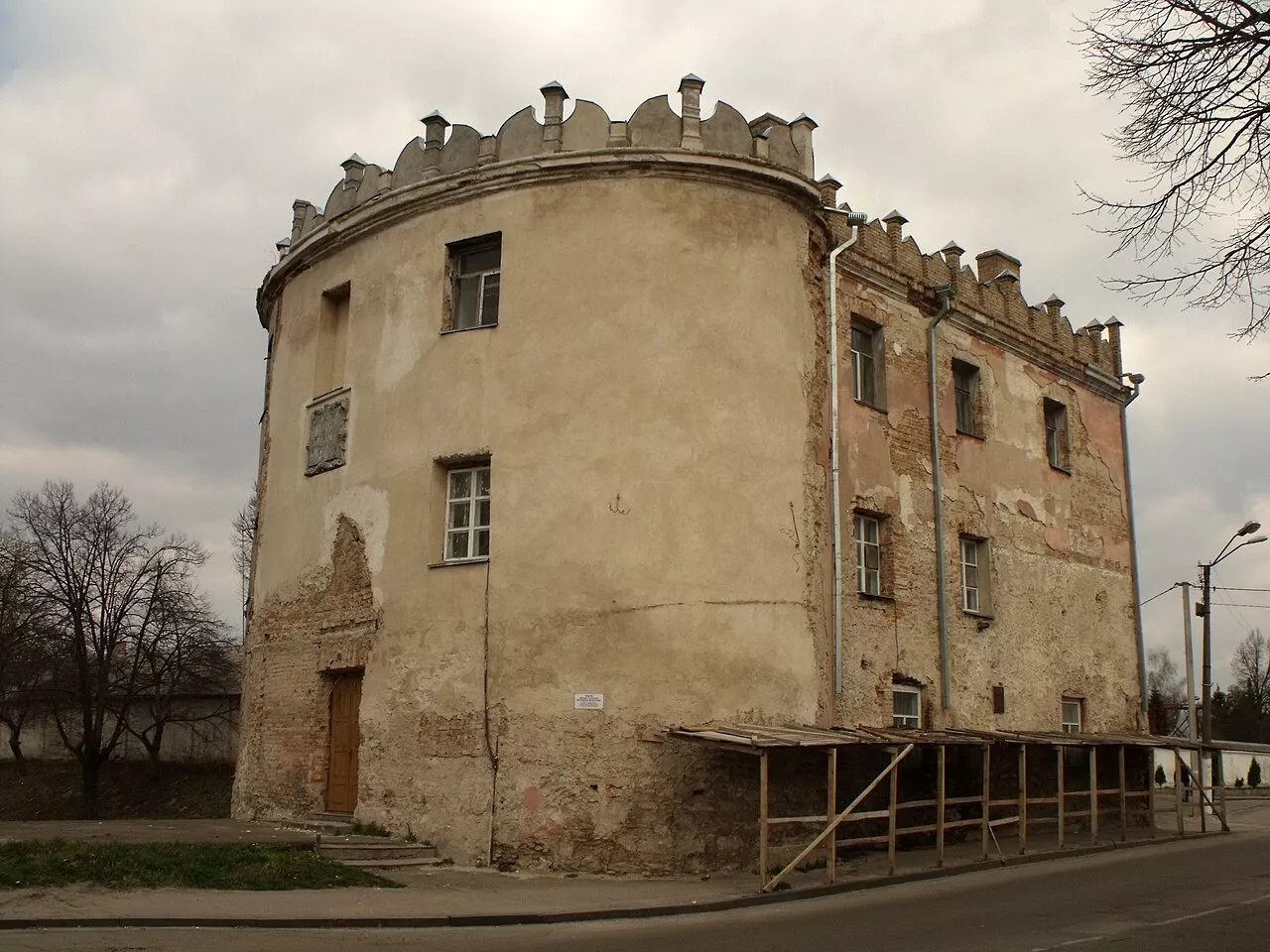
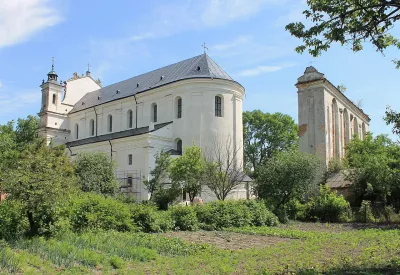
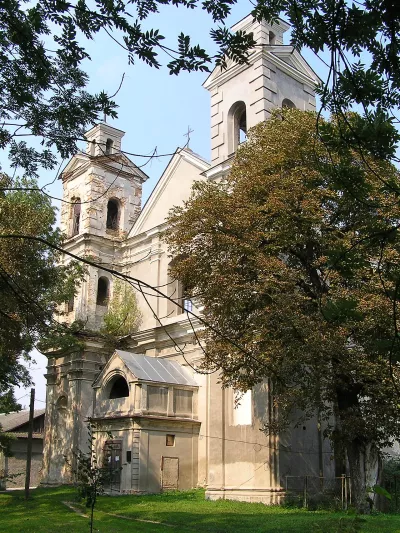
Bernardine Monastery with the Church of the Immaculate Conception is a large 17th-century complex on Halytskyi Street, next to the castle. It is visible from afar, and the walls offer a view of the Ikva.
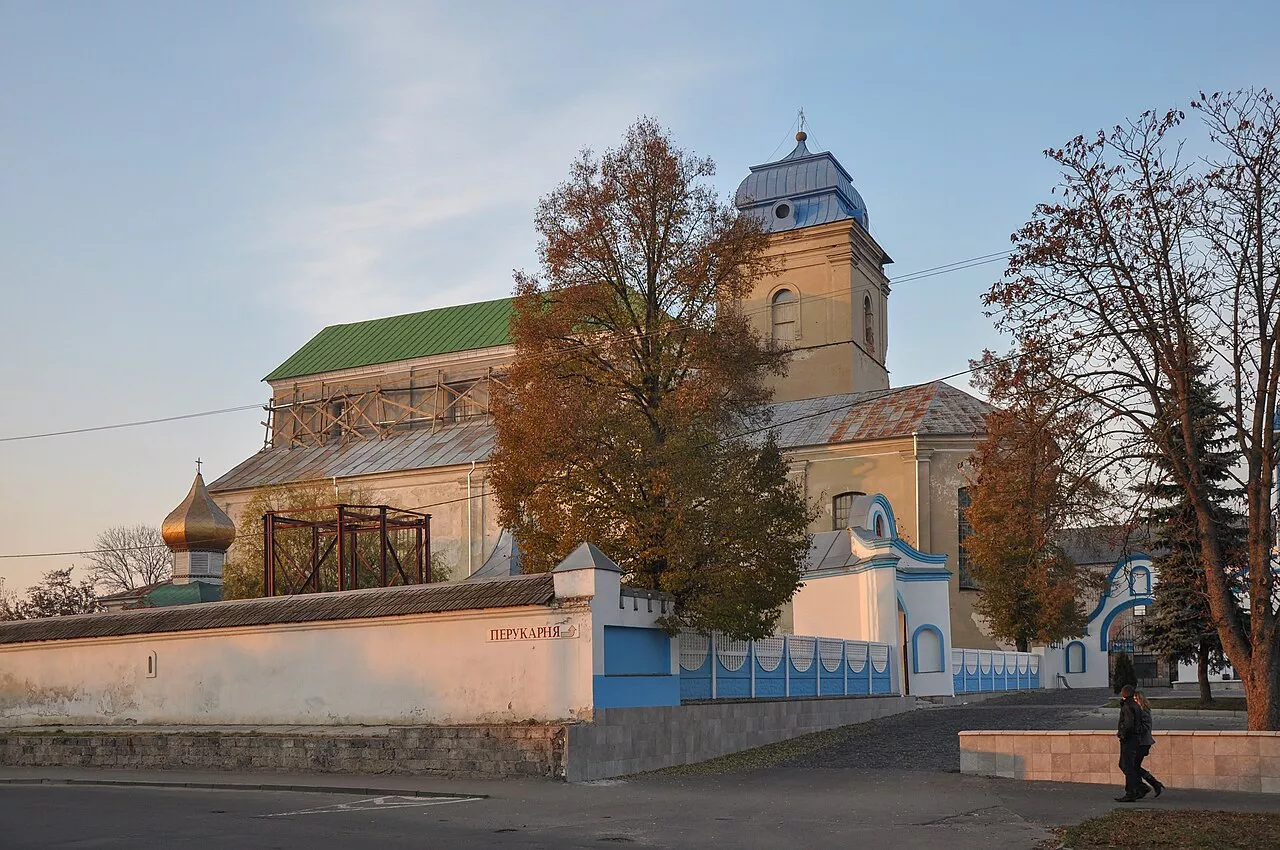
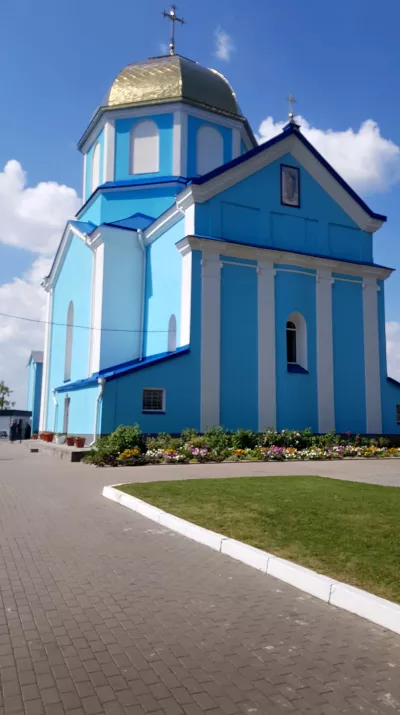
It is also worth walking through the old center with its 19th- and 20th-century churches and buildings, looking at the St. Elijah Cathedral and the "Castle" island on the Ikva, which is a nature monument.
One-Day Itinerary
Start with the castle — you should set aside two to three hours for it and its museums. Next is the Lutsk Gate and the Bernardine Monastery, followed by a walk along the Ikva embankment. In the afternoon, visit the Tarakaniv Fort, and if you have time left, Pliasheva with the "Cossack Graves".
Dubno on Video
Nearby
- Tarakaniv Fort is a 19th-century fortress on the Ikva, a few kilometers from the city.
- The "Cossack Graves" Memorial in Pliasheva is the site of the 1651 Battle of Berestechko.
- Northern Podolia National Nature Park in the southwest of the raion.
- The rest of the raion is covered in the article Dubno Raion: Complete Guide.
How to Get There
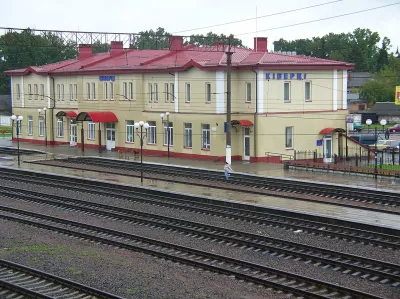
Dubno lies on the Zdolbuniv — Krasne railway line and the Kyiv — Chop highway, making it easy to reach by train or bus from Rivne, Lutsk, and Lviv. By car from Rivne, it is less than an hour. Allow a day for the city, and two days if you include the fort and Pliasheva.