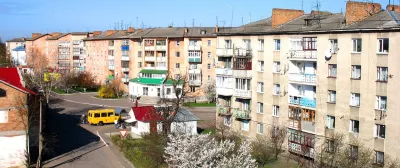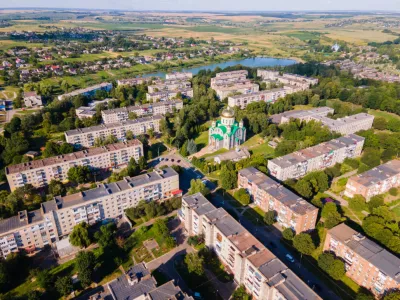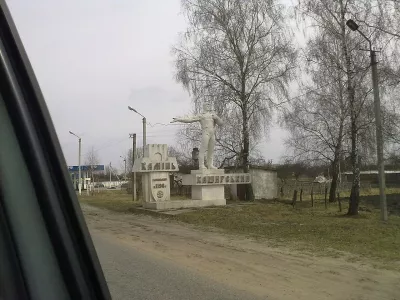

Baranivka is a town on the Sluch River in the Zviahel Raion of the Zhytomyr region, where about 11,000 people live. Until 2001, it held the status of an urban-type settlement. Baranivka is known far beyond the region thanks to porcelain: the local factory produced tableware for more than two centuries, which is now collected by enthusiasts.
From Potters to Porcelain
Baranivka is first mentioned in 1565 as a village of the Grand Duchy of Lithuania. Linguists trace the name back to the surname of the first settlers — Baran. Local legend explains it differently: since ancient times, decorative tableware with colored glaze was made here, in particular the so-called "barantsi" (little rams).
In 1593 and 1618, Baranivka was devastated by the Tatars. In the 16th–18th centuries, it was a town of the Volhynian Voivodeship, from 1793 — part of the Russian Empire, and from 1796 — the center of a volost in the Novohrad-Volynskyi uyezd. At that time, about 600 people lived here. In 1847, Baranivka had 177 peasant households, and they paid for the land to the landowner Haharyna.
The Porcelain Factory
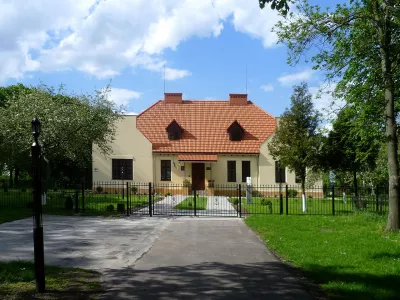
Pottery traditions turned into a porcelain industry: at the beginning of the 19th century, a factory started operating in Baranivka, which became one of the most famous in the region. In 1920, it was nationalized, but production continued throughout the entire 20th century. Baranivka tableware — sets, vases, figurines — now decorates museums and private collections. The local porcelain museum tells its story.
What to See
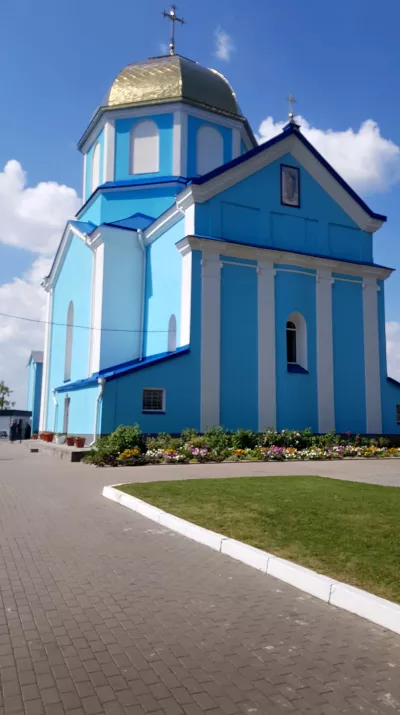
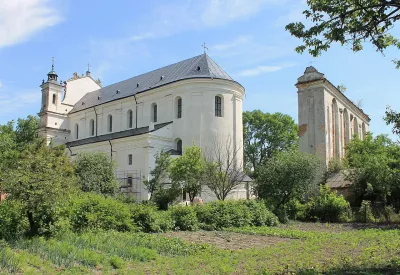
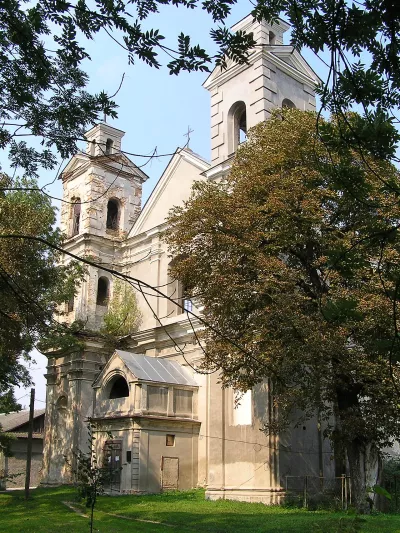
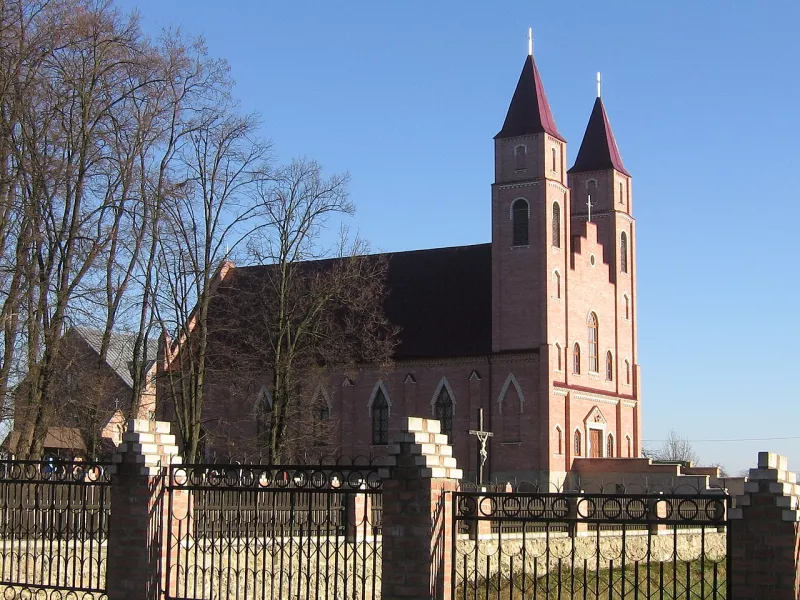
St. Stanislaus Church is the most prominent structure in the center. It is worth taking a walk along the banks of the Sluch and dropping by the porcelain museum to see the works of local masters from different eras.
Nearby
Horodnytsya is another porcelain town on the Sluch. Zviahel with the Lesia Ukrainka Museum is half an hour's drive away. More can be found in the article Zviahel Raion.
Baranivka Porcelain
Baranivka items are recognized by their thin white body and hand-painted designs: flowers, gold rims, and thematic scenes. Collectors look for sets and figurines from various decades — from old 19th-century marks to Soviet tableware that was found in every home. The porcelain museum shows how shapes and patterns changed, and also tells about the masters who worked at the factory for generations.
Day Itinerary
In the morning — Zviahel and the Lesia Ukrainka Museum, at noon — Baranivka with the church and the porcelain museum, in the afternoon — Horodnytsya on the Sluch. In the evening, you can return to Zhytomyr or stay in Zviahel.
How to Get There
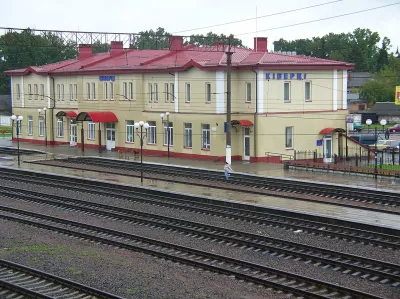
Buses run from Zhytomyr and Zviahel. By car from Zviahel — about 30 minutes.