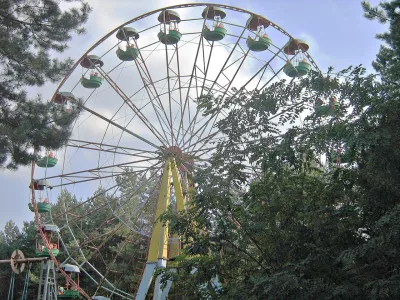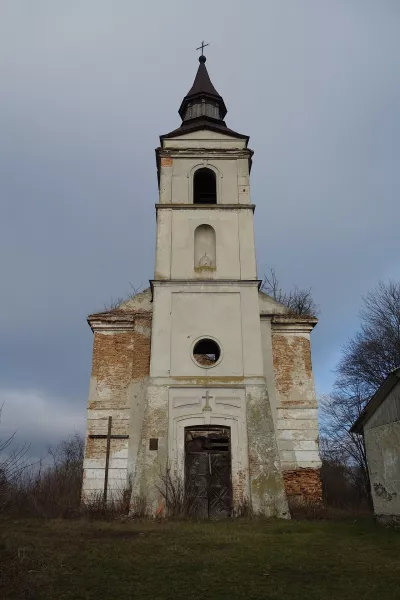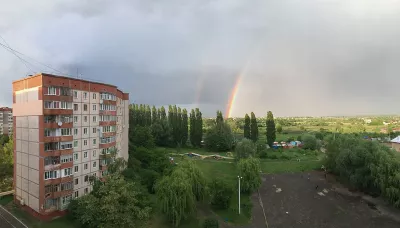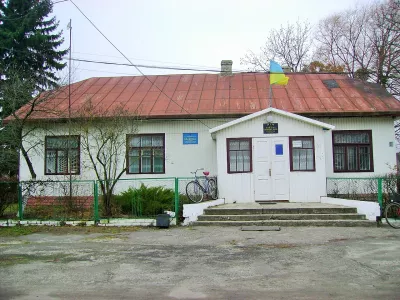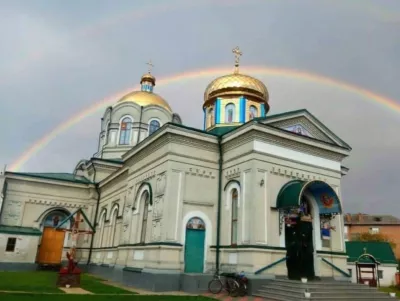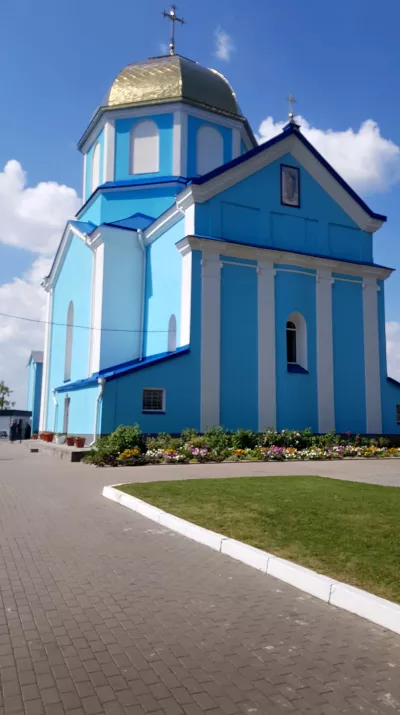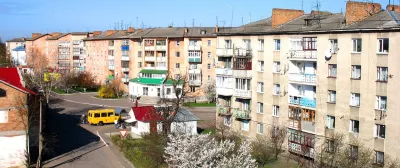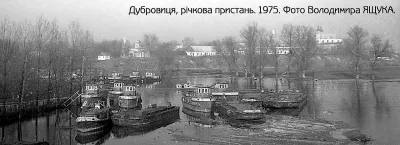
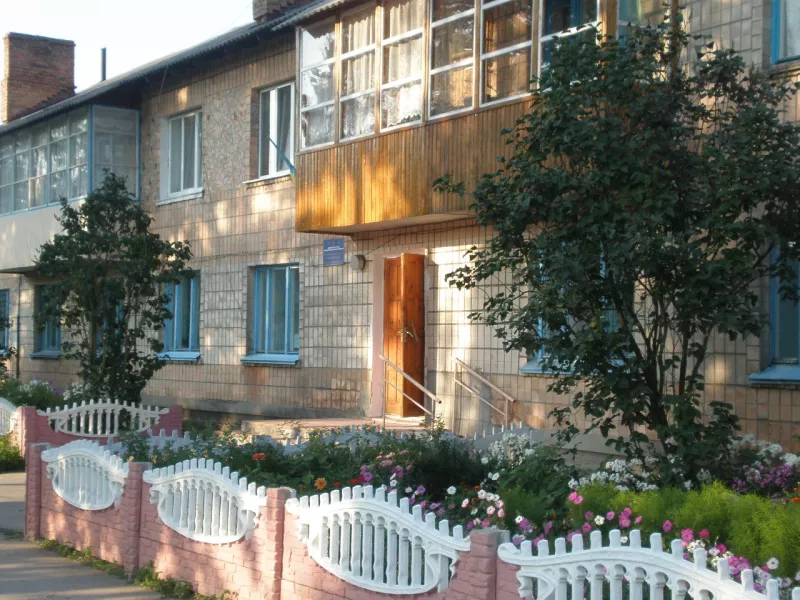

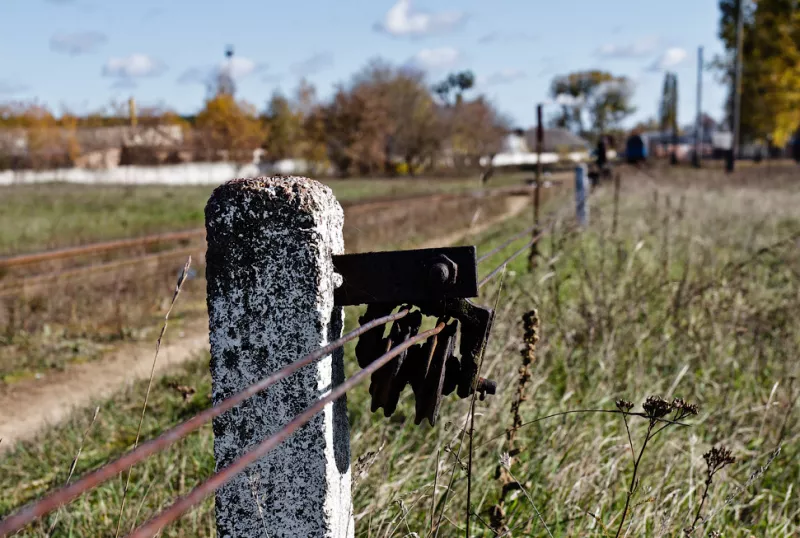

Zarichne is an urban-type settlement on the left bank of the Styr River in the very north of Rivne Oblast, and the administrative center of the Zarichne hromada in Varash District. About six and a half thousand people live here. It is 190 kilometers to Rivne, and a stone's throw to the border with Belarus. Zarichne is deep Polissia: forests, swamps, the wide Styr River, and the terminal station of the longest narrow-gauge railway still operating passenger trains.
Pogost Zarichnyi
Until 1946, the settlement was called Pogost, or Pogost Zarichnyi. In Kyivan Rus, pogosts were places where the prince and his retinue stopped to collect taxes, a tradition dating back to Princess Olha. "Zarichnyi" meant that the settlement lay beyond the river.
People have lived here since ancient times: archaeologists have found a Zarubintsi culture burial ground, and on the right bank of the Styr opposite the settlement, the remains of Old Rus settlements and a hillfort.
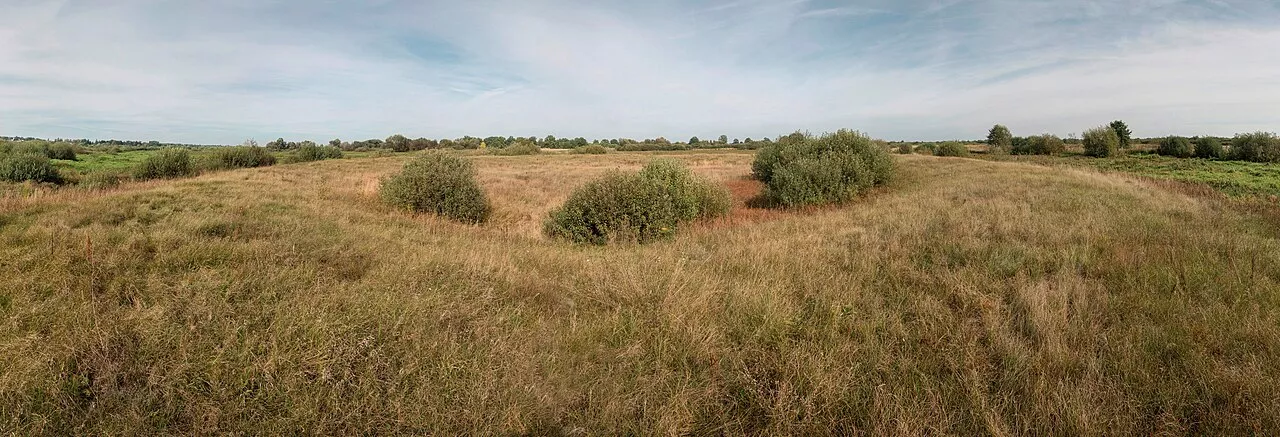
The first mention dates back to September 27, 1480, in a charter of King Casimir, who allowed Tereshkovych, a merchant from Minsk, to trade in the town of Pogost "by water and land" without customs duties. In 1545, Pogost belonged to the Polish Queen Bona, and later to the Zbarazhsky and Nelyubovych princes. After 1795, the town found itself in Pinsk County of Minsk Governorate, and in 1802, the tsar gifted it to Field Marshal Repnin-Volkonsky. In 1897, there were 108 households, a church, a synagogue, mills, and a distillery here.
A Land Without Roads
Between the wars, Pogost Zarichnyi belonged to the Polissia Voivodeship of Poland. There was a shortage of salt, flour, doctors, and schools, and epidemics raged. After the war, the settlement was renamed Zarichne, and the district center was moved here from Morochne. A normal road from Dubrovytsia and a bridge across the Styr were built only in 1985. Until then, traveling to Dubrovytsia and back on cobblestone roads took almost a week. In the 1960s, the local church was destroyed, and the Styr cafe was built in its place.
Antonovka — Zarichne Narrow-Gauge Railway
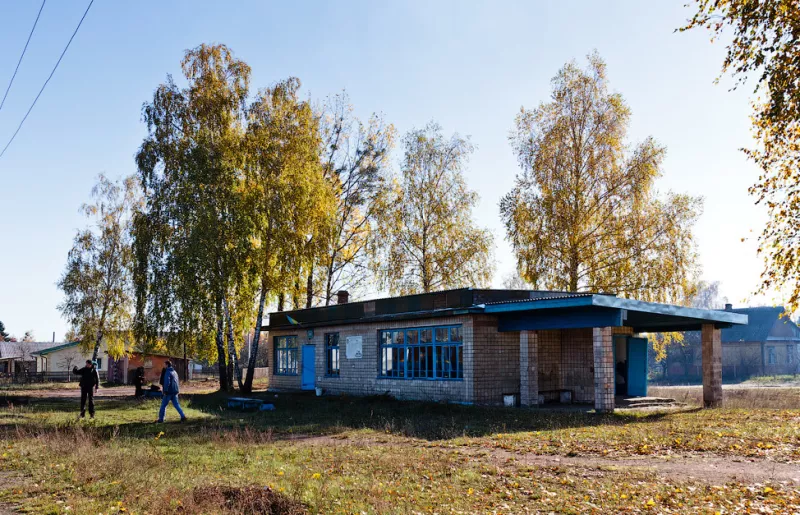
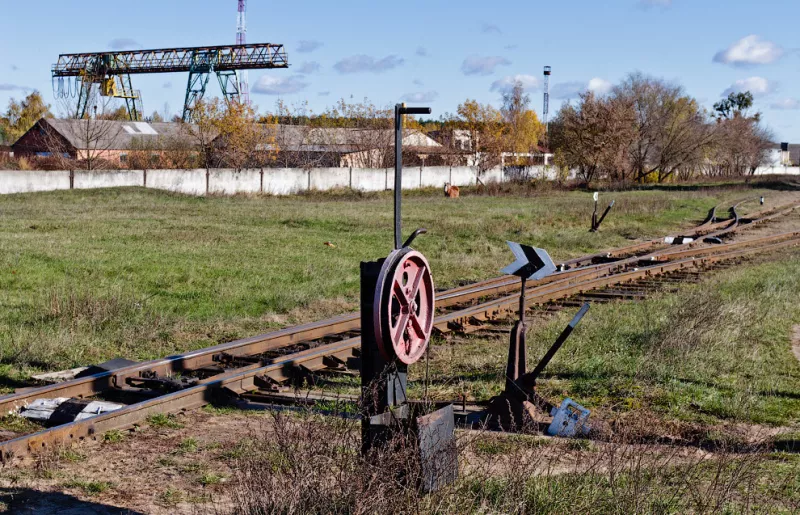
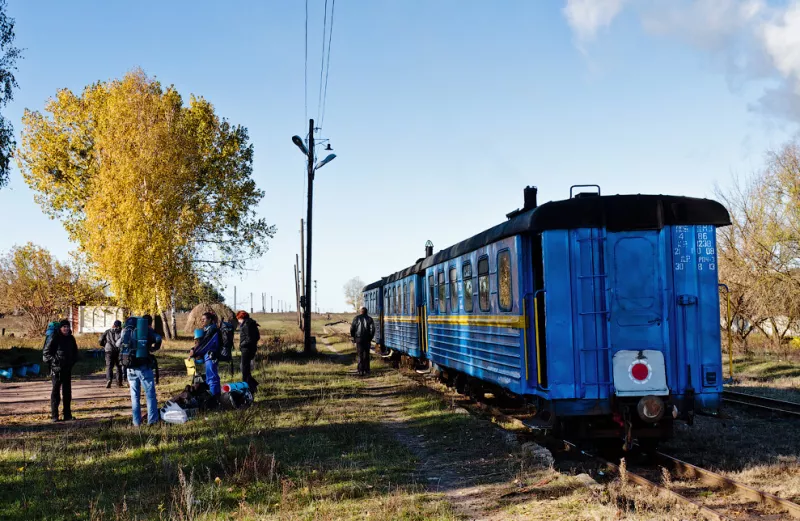
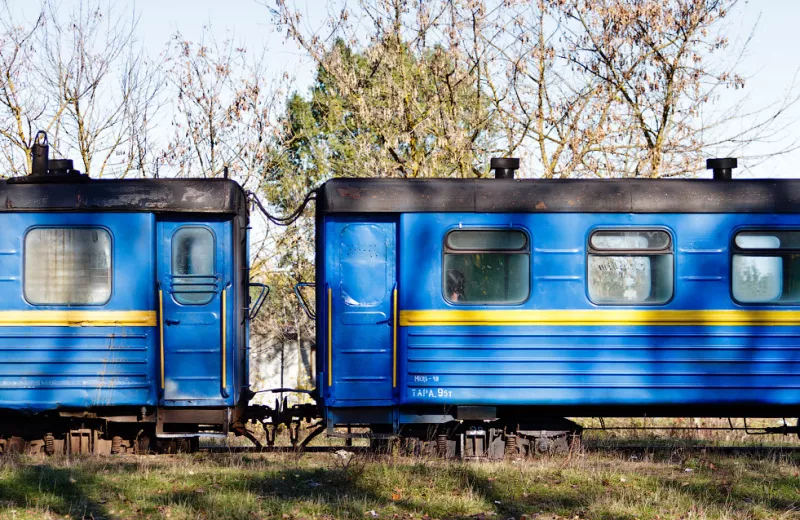
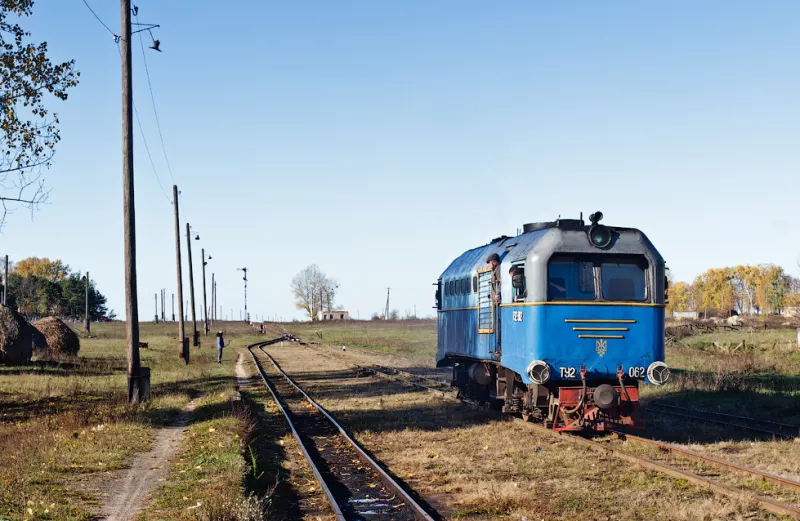
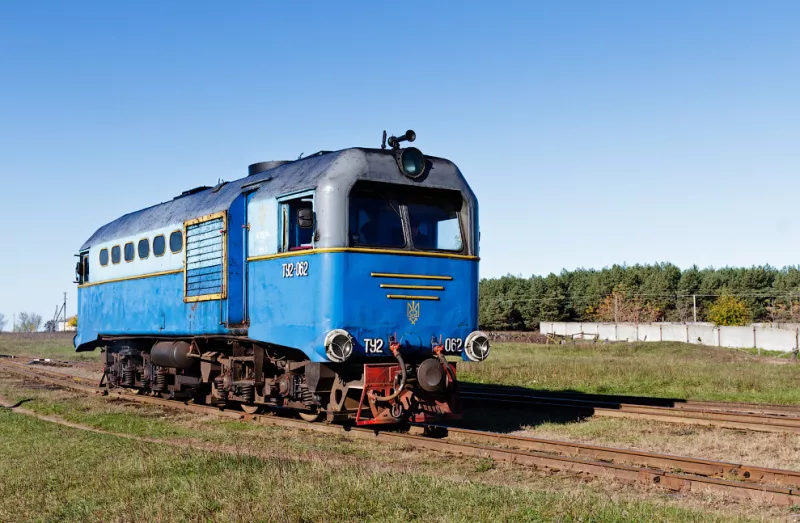
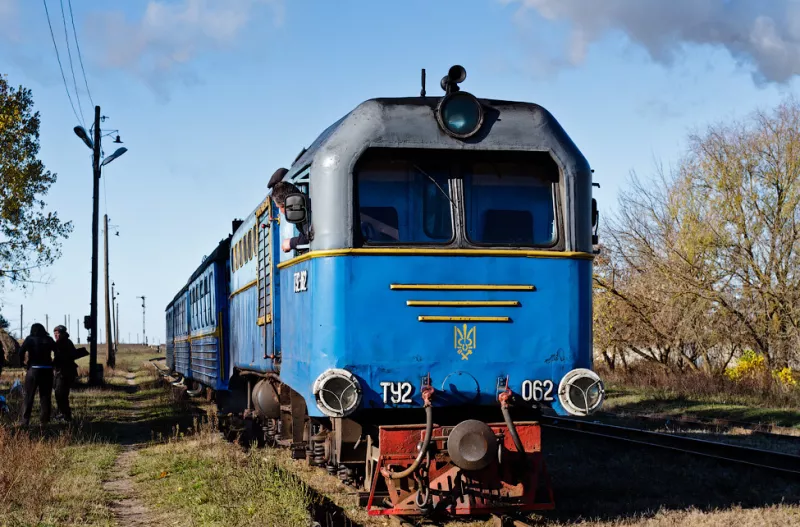
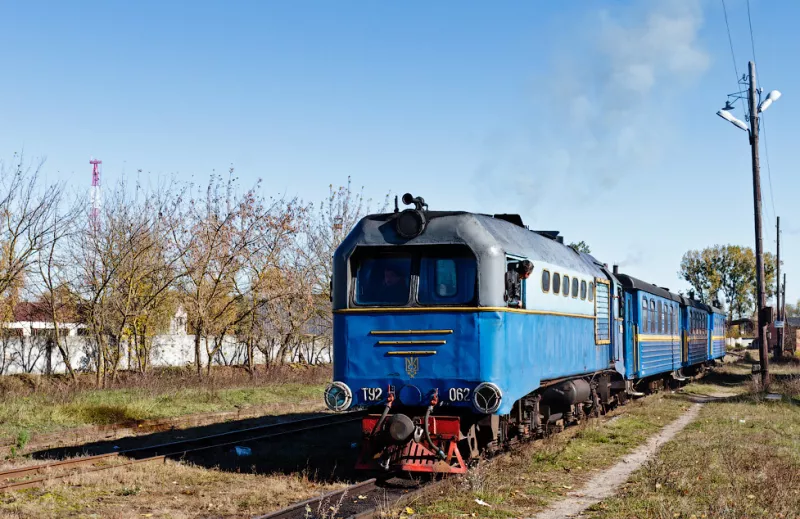
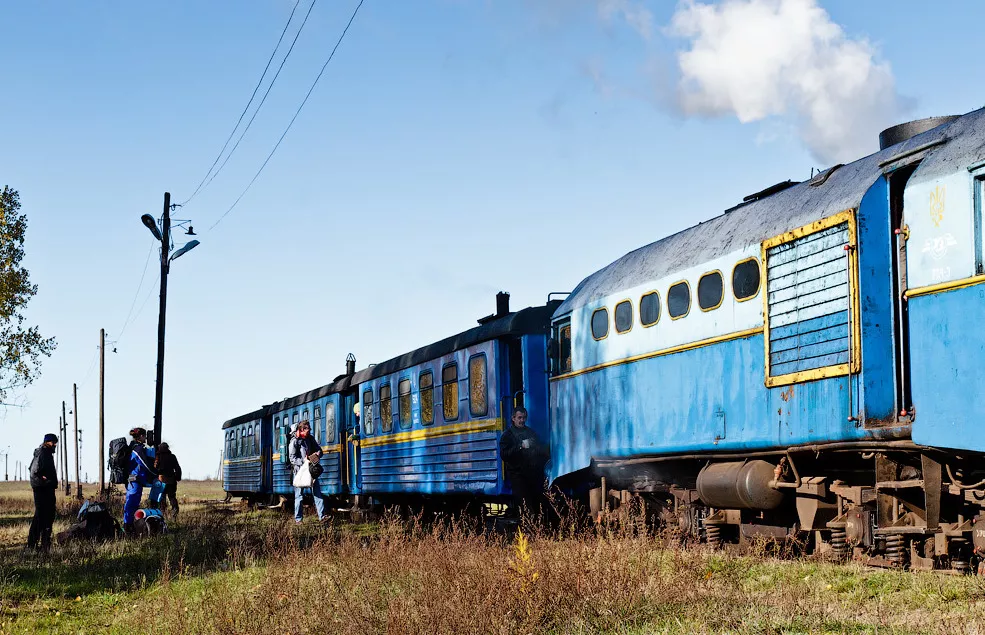
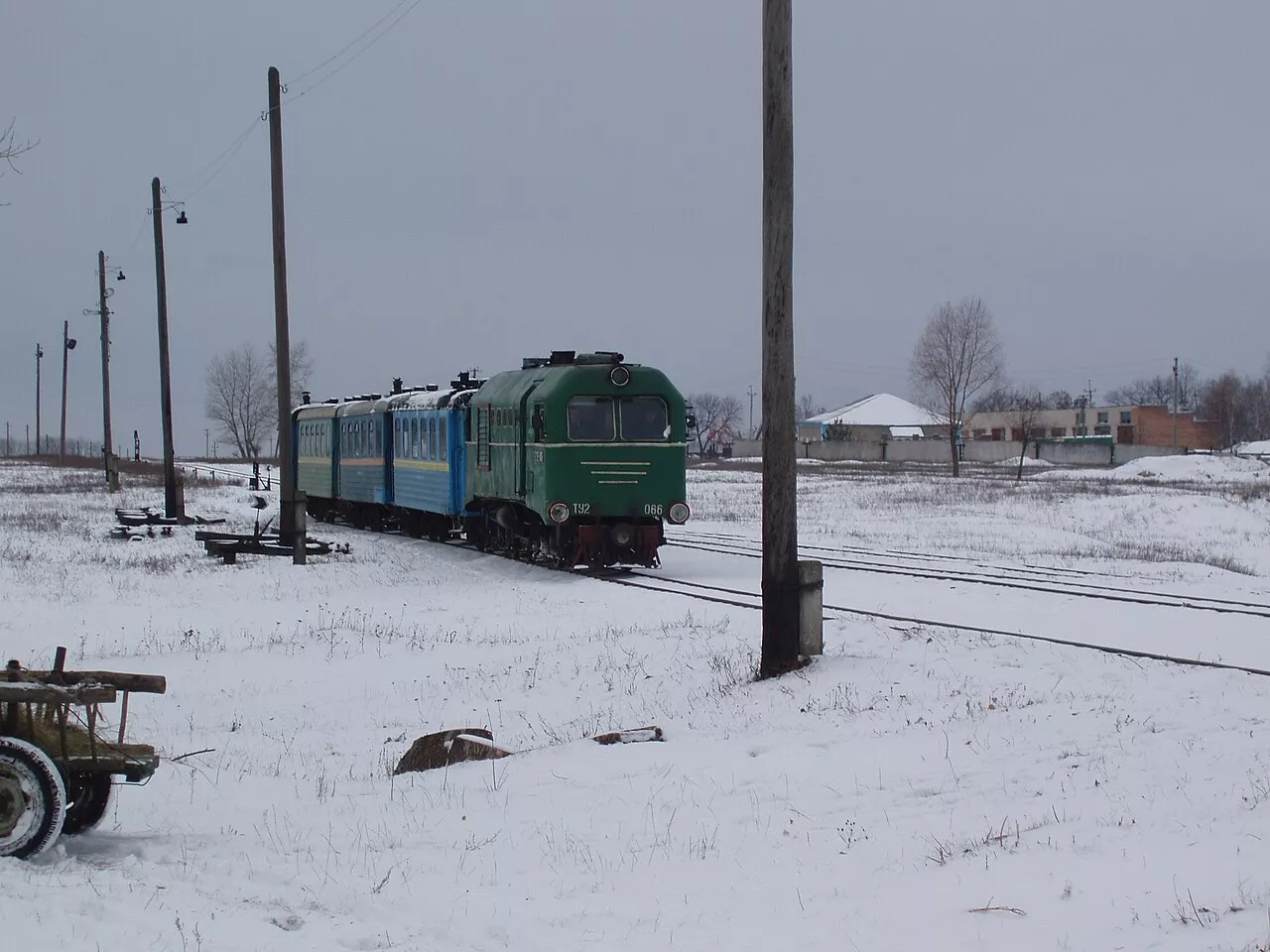
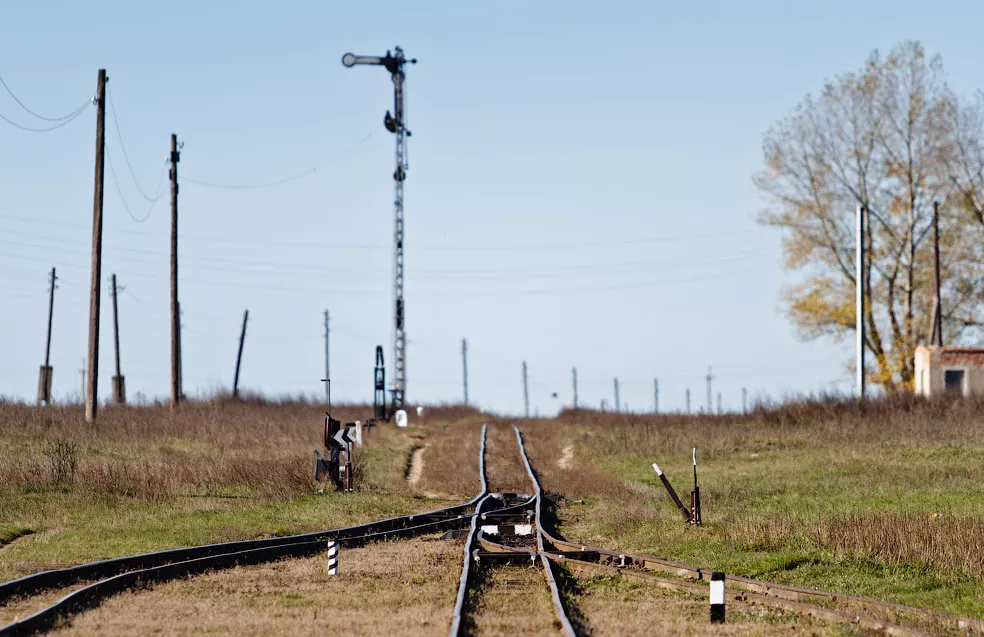
The most famous landmark in Zarichne is the narrow-gauge railway station Antonovka — Zarichne. The length of this track is over a hundred kilometers, and it is called the longest narrow-gauge railway in Europe where passenger trains still run. A small diesel locomotive pulls several small cars through forests and swamps, stopping at flag stops near villages that are otherwise unreachable. For tourists, this is a unique adventure: slow, swaying, and very much a Polissian one.
The Styr River and Nature
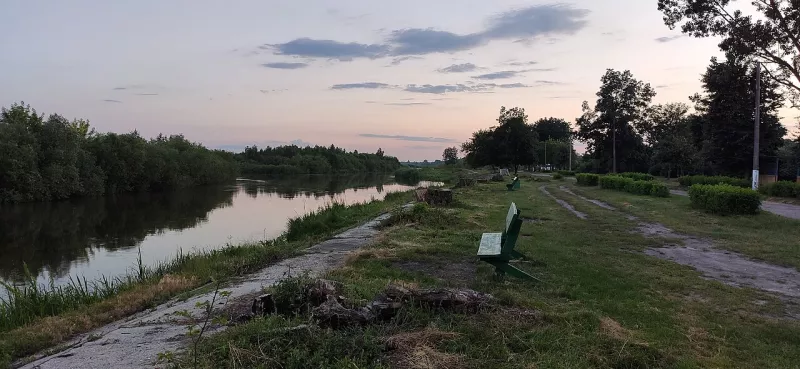
The Styr River near Zarichne is wide and full of water, featuring floodplains and oxbow lakes. People take evening walks along the embankment, and in summer, they swim and fish here. All around are forests and swamps rich in cranberries and blueberries.
Zarichne on Video
When to visit
The best time is in summer and early autumn. You should plan your trip so that you can ride the narrow-gauge railway in at least one direction.
Nearby
Volodymyrets is to the south, on the same narrow-gauge line. More can be found in the article Varash Raion.
How to get there
Buses run from Rivne, Varash, and Dubrovytsia. Another way is via the narrow-gauge railway from the Antonivka station, which is located on the Rivne — Sarny line.