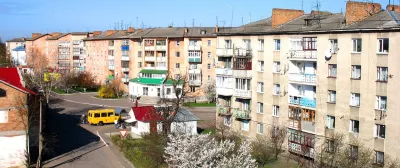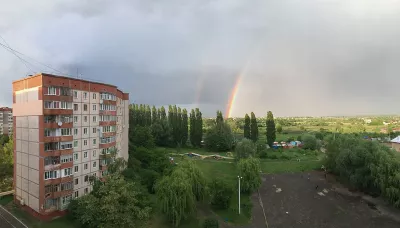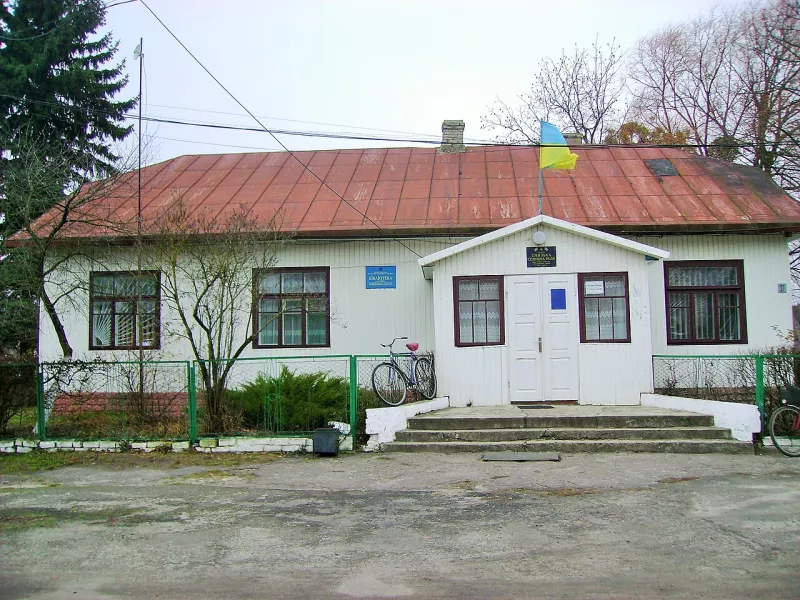
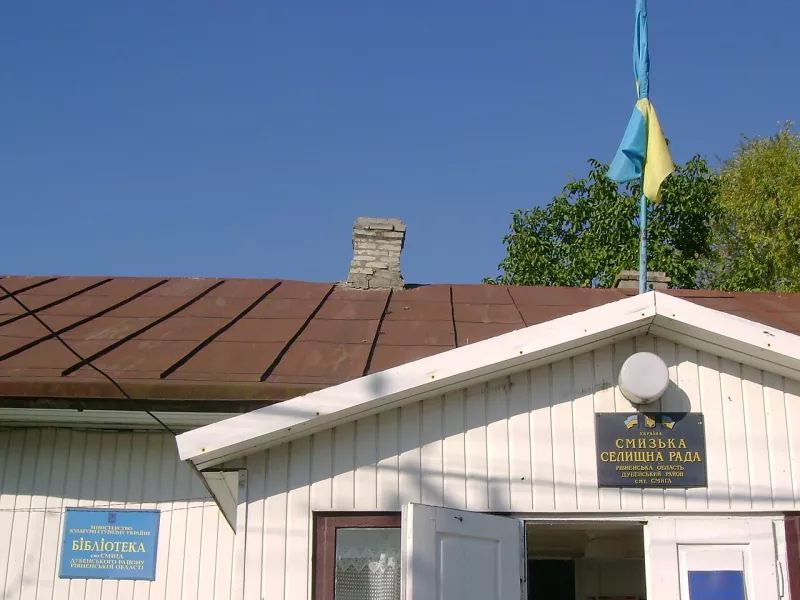

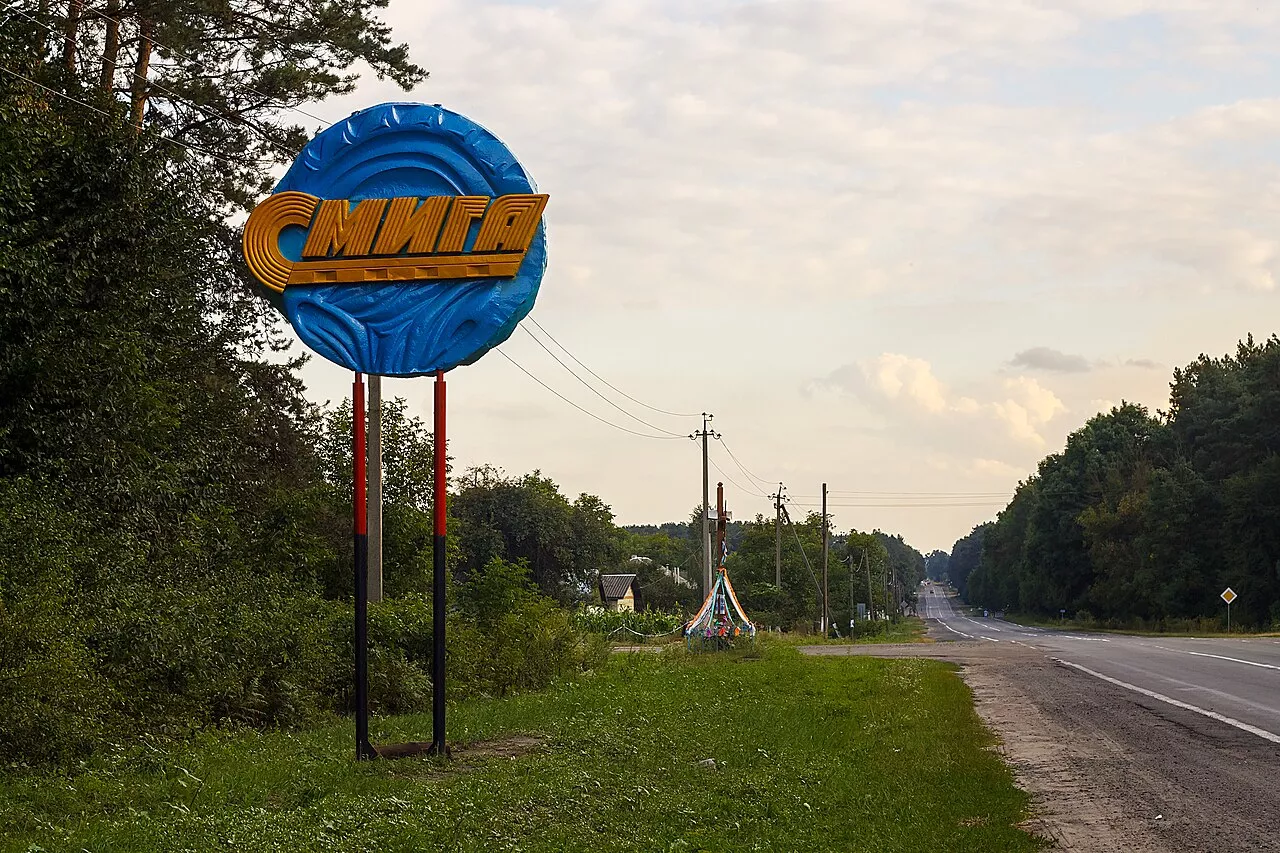
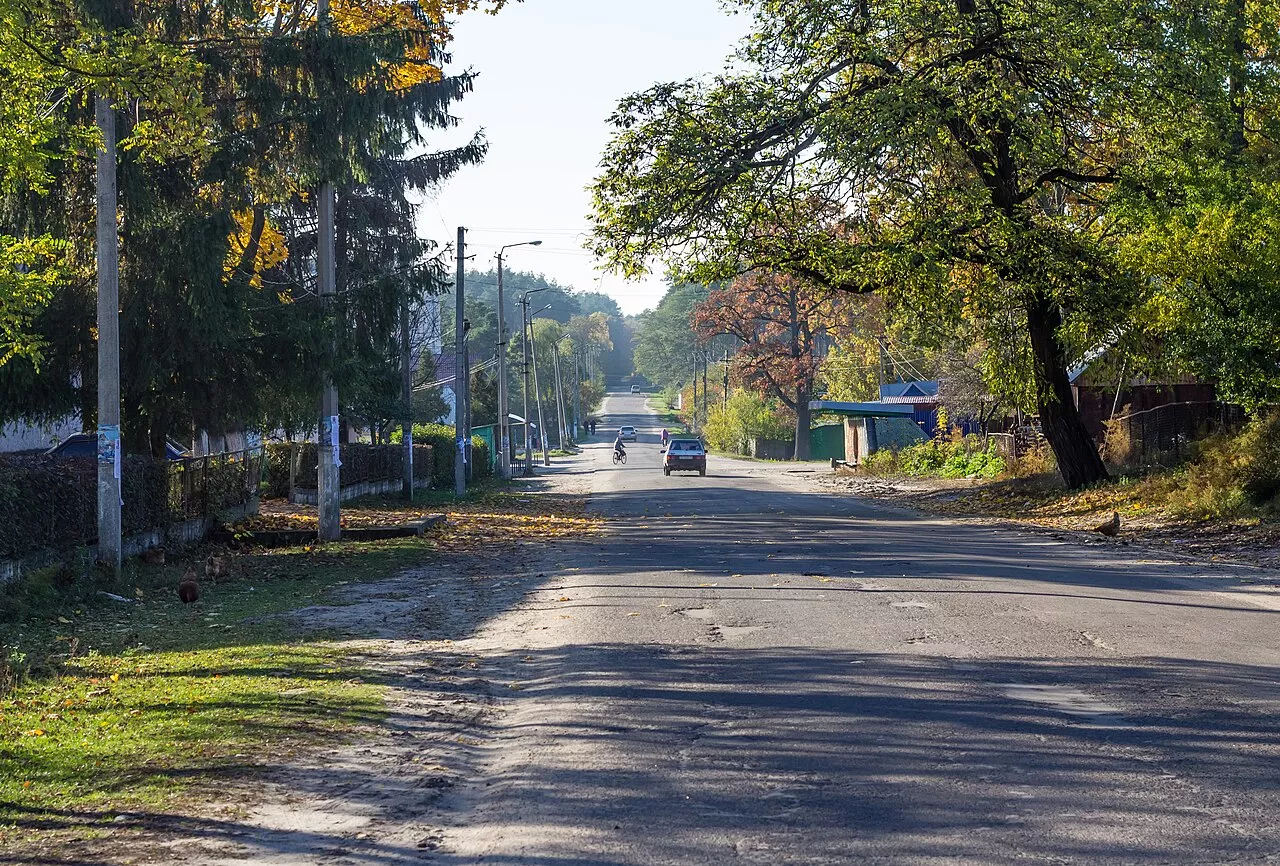
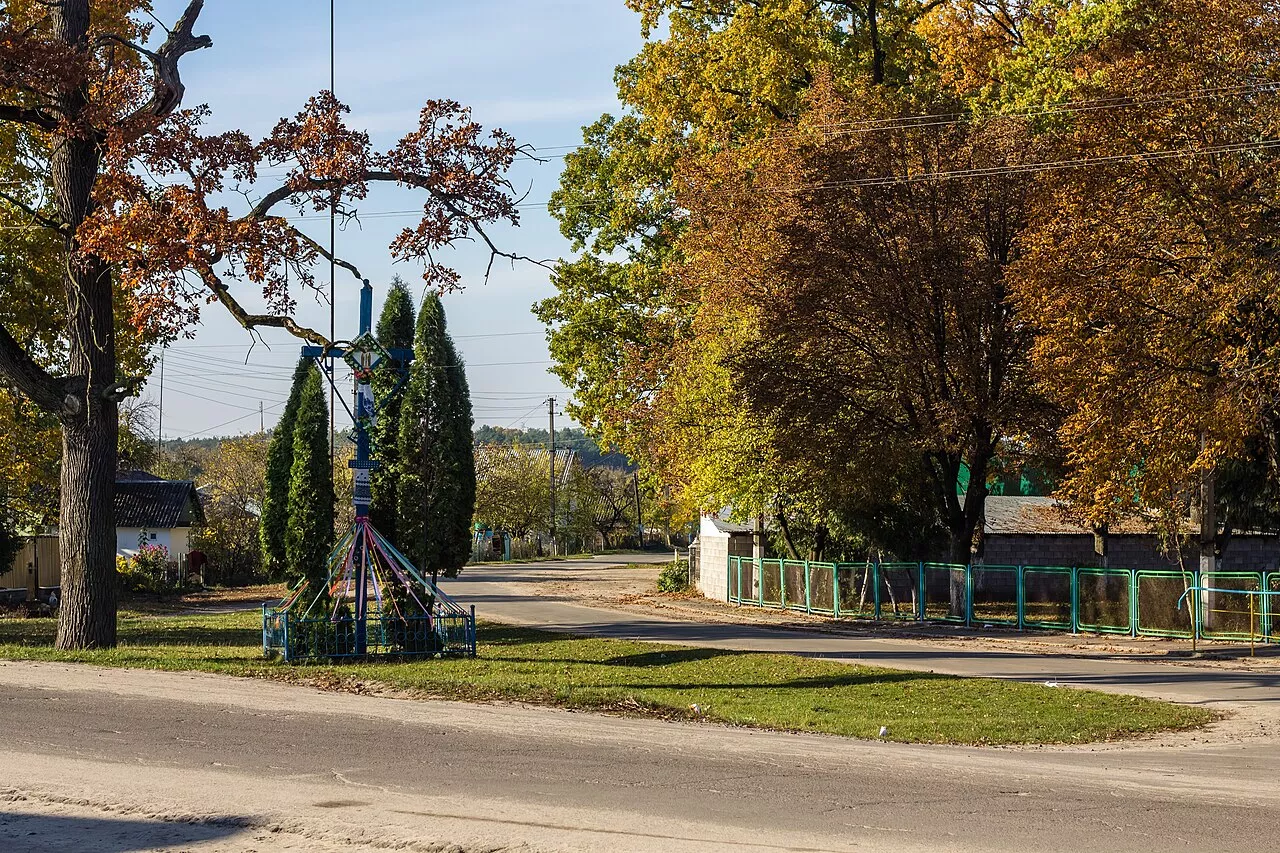
Smyha is an urban-type settlement amid forests in the south of the Dubno region, 24 kilometres from Dubno, on the Dubno — Kremenets road. Since 2016, it has been the centre of the Smyha hromada. Smyha is young: it is a little over a century and a half old, and its entire history is connected with the forest — oak, pine, and what can be made from it.
Cooper of Count Berg
The settlement emerged in the 1860s among the forests. In 1890, the owner of these lands, Count Berg, who lived in neighbouring Studianka, invited ten families of master stave-makers from Germany. From local oak, they made staves for barrels for beer, wine, and vodka. The settlement was named Kennenberg after the surnames of Berg and a German named Kenne, to whom the count sold the forest. Kenne built a sawmill and barracks for the workers.
At the beginning of the 20th century, a railway was laid here, and later Baron Struve of Denmark became the owner. He expanded the sawmill, built a narrow-gauge railway, a mill, and established the production of shingles. Before the First World War, the German coopers left, and new workers took their place. The new name came from the strip (smuha) of marshland between the forests through which the small Smyzhka River, a tributary of the Ikva, flowed: first Smuha, then Smyha. Kennenberg was officially renamed in 1928.
Furniture Factory and Carpentry School
Between the wars, the lands and forests were transferred to the Kremenets Lyceum. In Smyha, the sawmill workshop was expanded, a furniture factory, a parquet workshop, a school, an outpatient clinic, a club, and a wooden church with an organ were built. Until 1937, one of the largest vocational carpentry schools in Volyn operated here. In the post-war years, the woodworking plant became the foundation of the settlement: a new school, a house of culture, and a hospital appeared around it.
Church
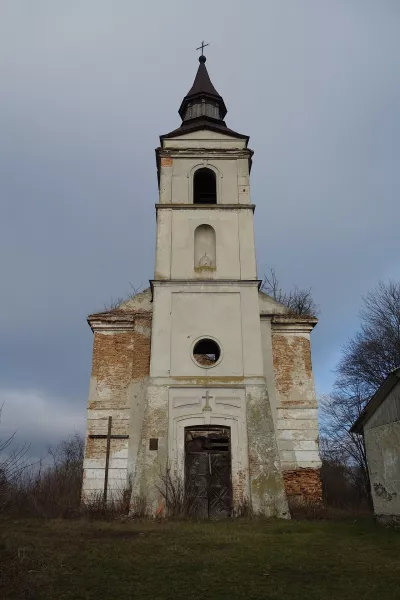
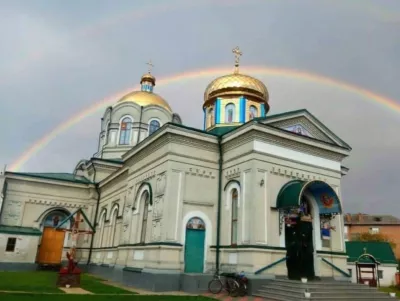
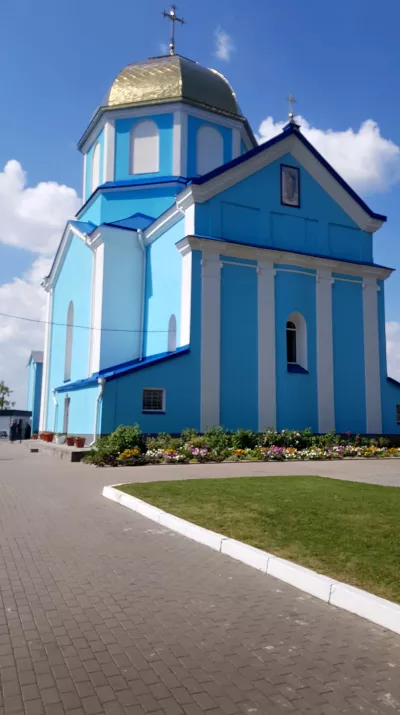
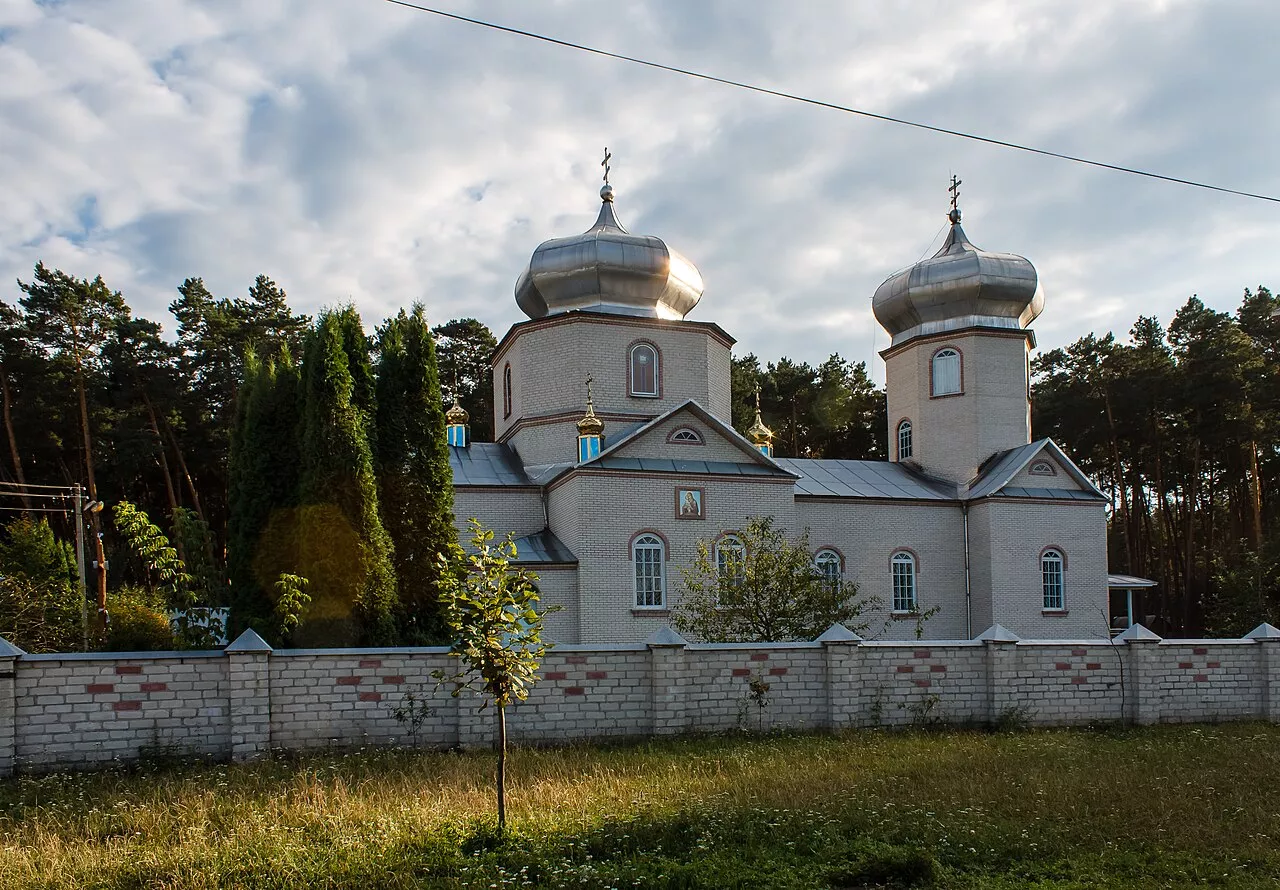
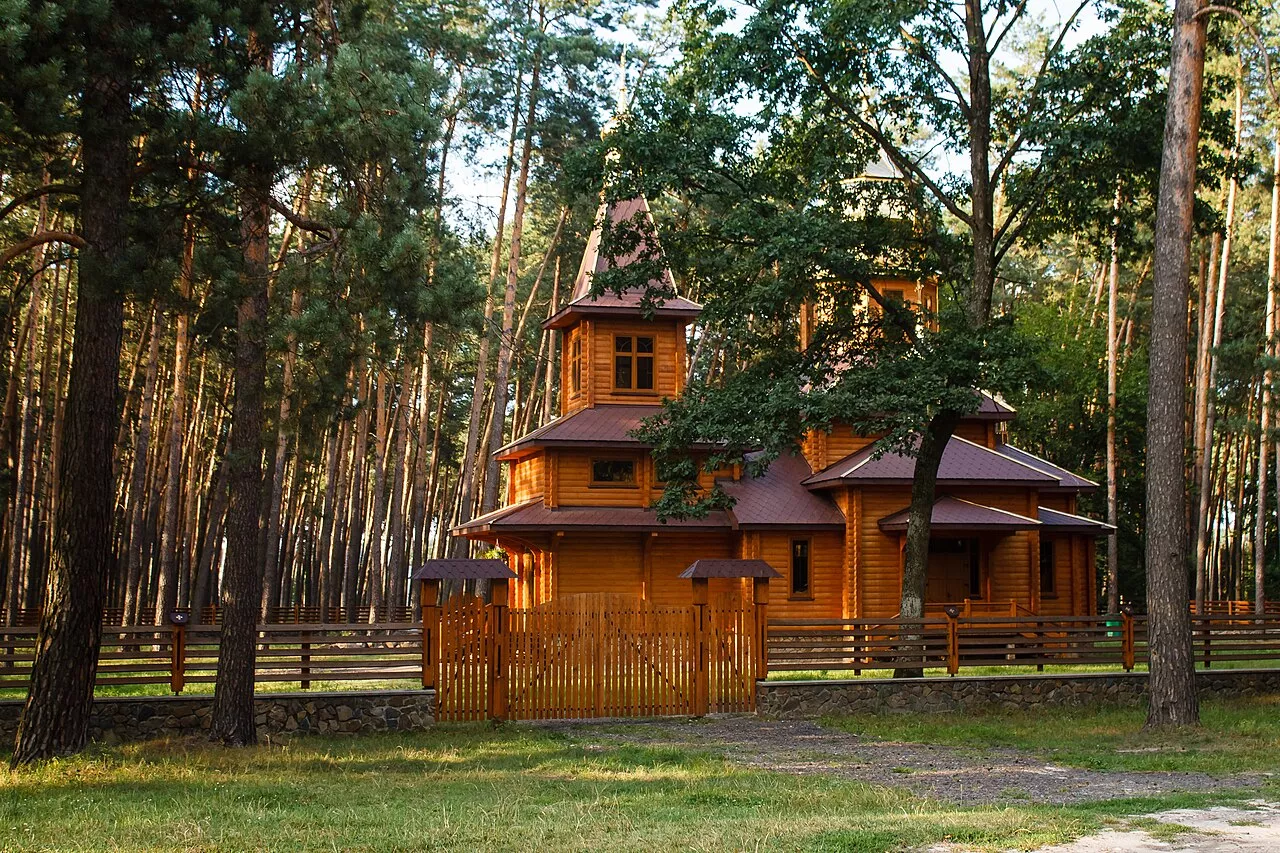
The Church of Saint Job of Pochaiv is a masonry church with a bell tower, built in 1990–1991 at the expense of parishioners. Nearby stands a wooden church of the same name.
Brass Band and Famous People
Smyha is known for its exemplary brass band, which has been led for years by Vasyl Haydaichuk. The band is a laureate of many international competitions. Singer Oksana Bilozir was born in Smyha, writer Yaroslav Melnyk grew up here, and public figure Yuriy Syrotiuk, who is considered the author of the name "Revolution of Dignity", also hails from Smyha.
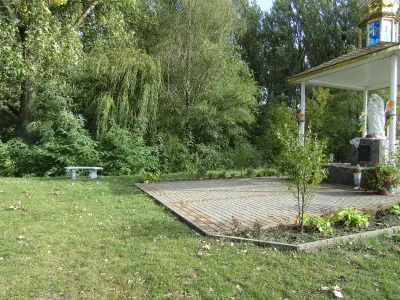
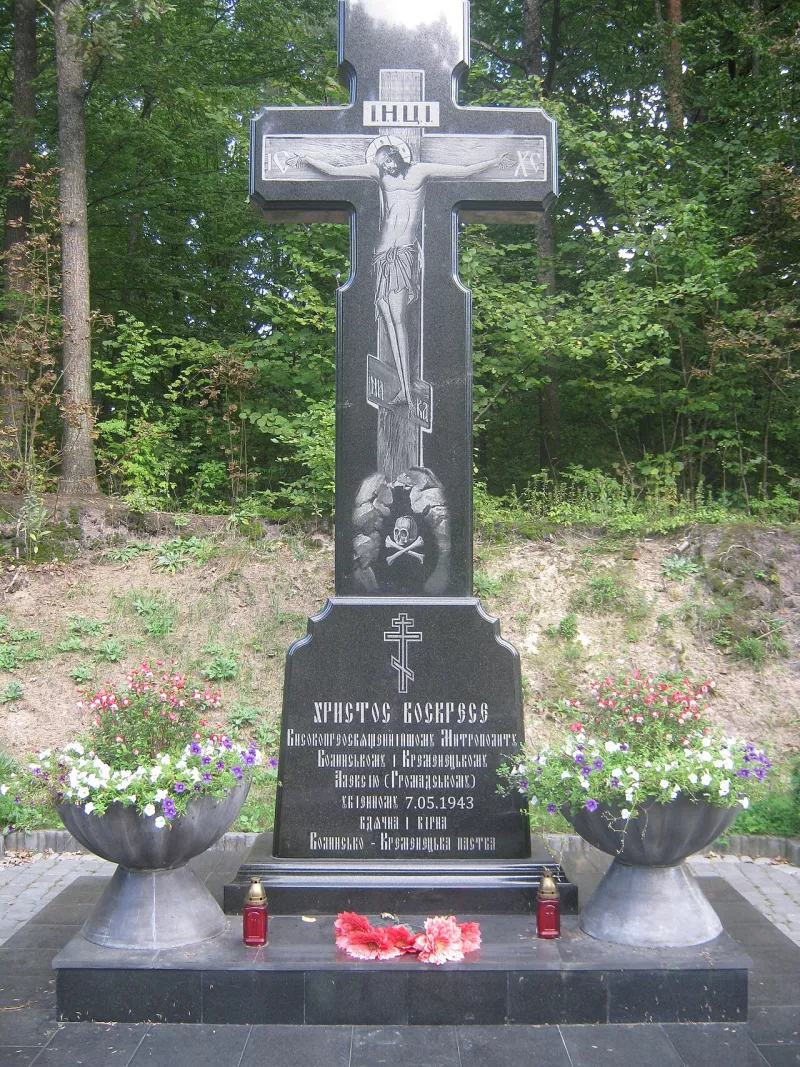
Near the settlement in 1943, Metropolitan Oleksiy (Hromadskyi), who headed the autonomous church of the Moscow Patriarchate during the occupation, died. A memorial sign stands at the site of his death.
Nature
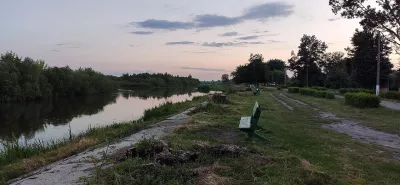
Smyha is surrounded by forests dominated by oak and pine. In autumn, mushroom season takes place here, and the forest roads are great for walking and cycling.
Smyha on video
When to visit
The best time is late spring and autumn. Smyha is convenient to combine with a trip to Dubno.
Nearby
Dubno is half an hour to the north. More can be found in the article Dubno Raion.
How to get there
Smyha is located on the Dubno — Kremenets road, and there is a railway station. Buses run from Dubno and Rivne.