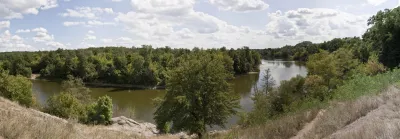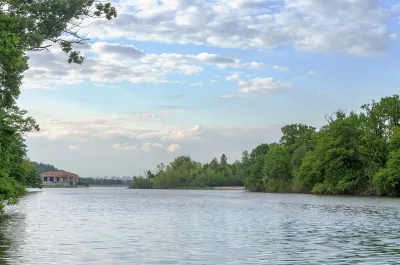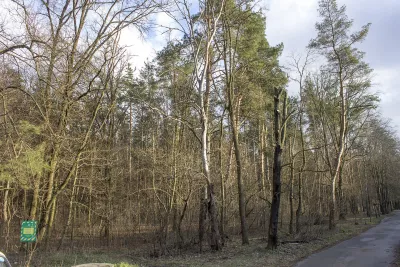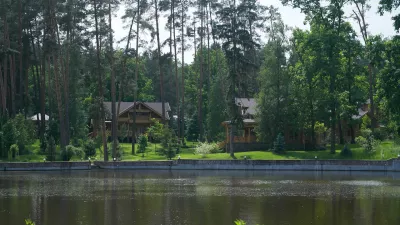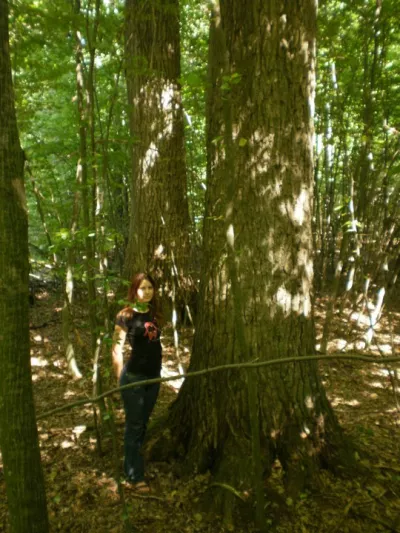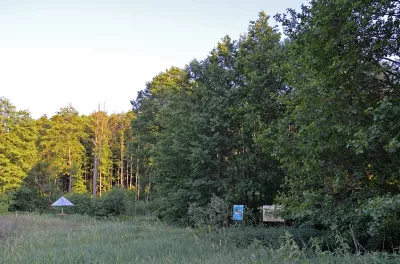

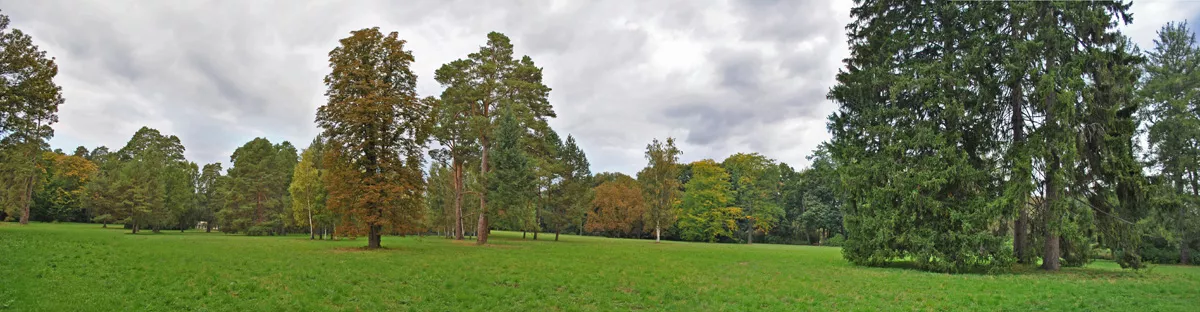
On the northwestern outskirts of Bila Tserkva, on the banks of the Ros River, lies the Oleksandriya Dendrological Park — the largest architecturally landscaped park in Ukraine. It covers over 400 hectares, featuring 25 water bodies and over 20 km of alleys. The park was founded in the late 18th century by Countess Oleksandra Branitska, and it still preserves the pavilions, bridges, colonnades, and ruins of her summer residence, the Austeria Palace. Today, Oleksandriya belongs to the National Academy of Sciences of Ukraine.
The Park of Countess Branitska
In 1774, the Bila Tserkva starosta district — Bila Tserkva, Skvyra, and 134 villages — was granted to the Grand Crown Hetman Franciszek Ksawery Branicki. In 1781, he married Oleksandra Engelhardt, niece of Prince Grigory Potemkin and favorite maid of honor to Catherine II. In 1784, the countess received the Bila Tserkva estate as a gift from her husband and decided to create a park here that would be no worse than those she had seen in European capitals. She named it Oleksandriya in her own honor.
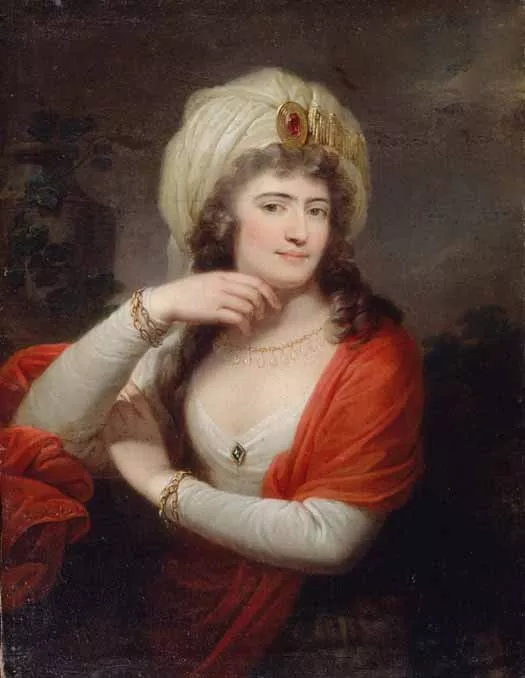
After Potemkin's death in 1791, Branitska intended to dedicate the park to his memory and even commissioned the architect Ivan Starov to design a mausoleum. However, Emperor Paul I did not like Potemkin, and the mausoleum had to be abandoned. The first works began in 1793 according to the master plan of the French architect Muffot; later, the gardeners Botani, Stange, Barteцкий, Witt, and Jens worked here. Plants were brought from Poland, other European countries, and overseas.
Austeria and Pavilions
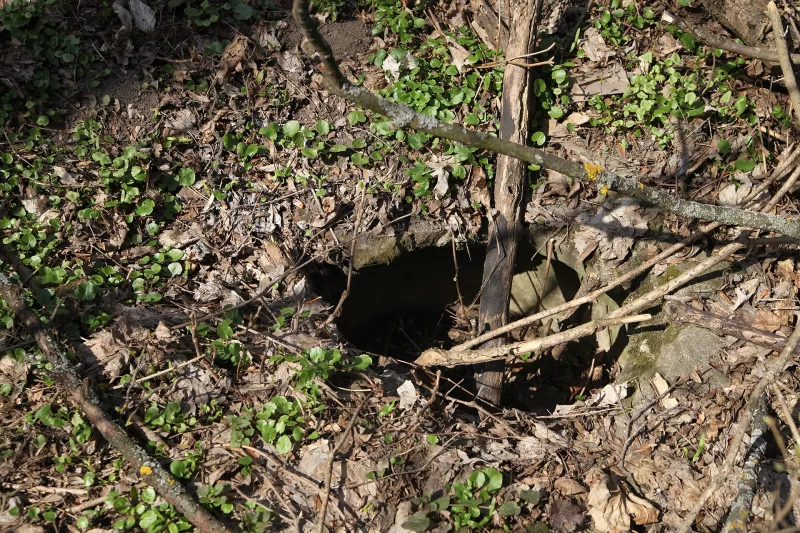
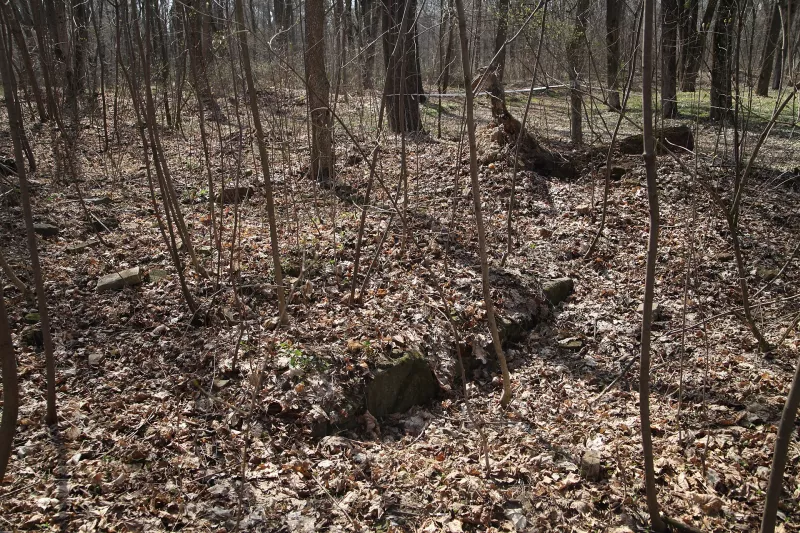
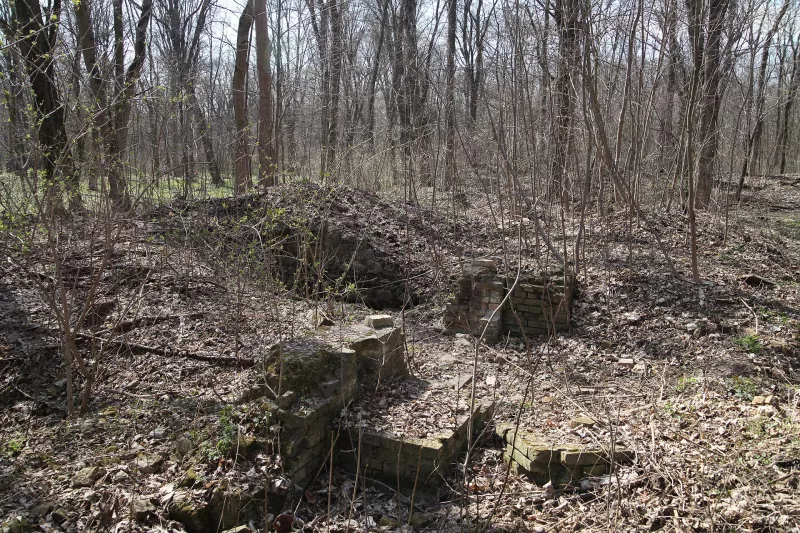
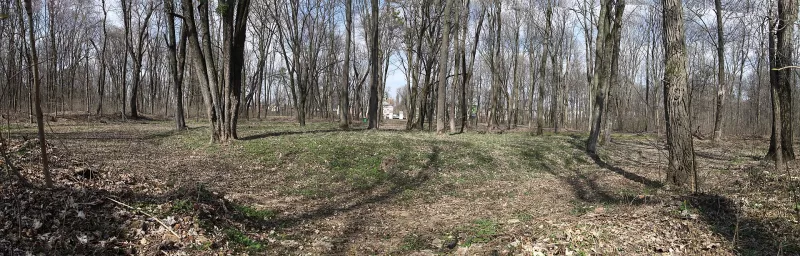
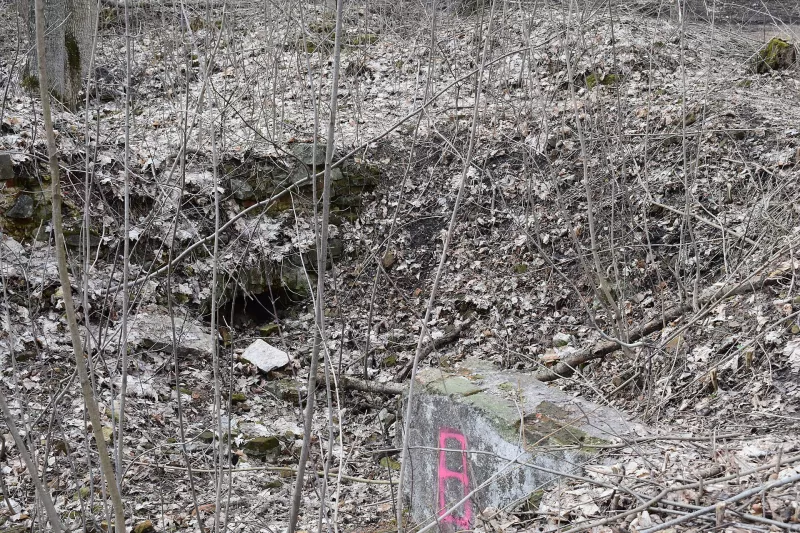
The Austeria Palace initially served as the summer residence of the Branickis, and later as their winter residence as well. Around it stood the Monarch Pavilion, the Ballroom, and outbuildings enclosing a courtyard measuring 92 by 74 meters. In the 20th century, these structures were destroyed, and only ruins remain of the palace.
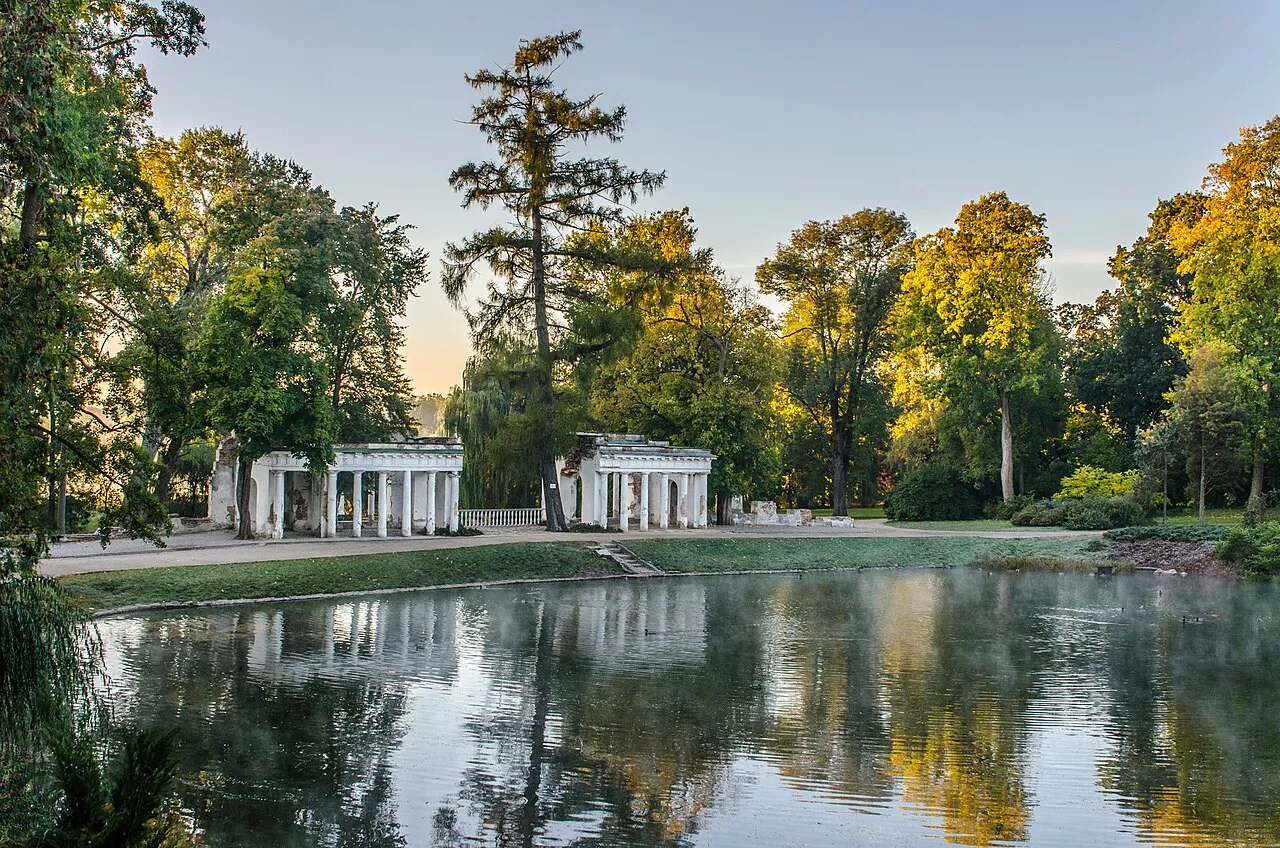
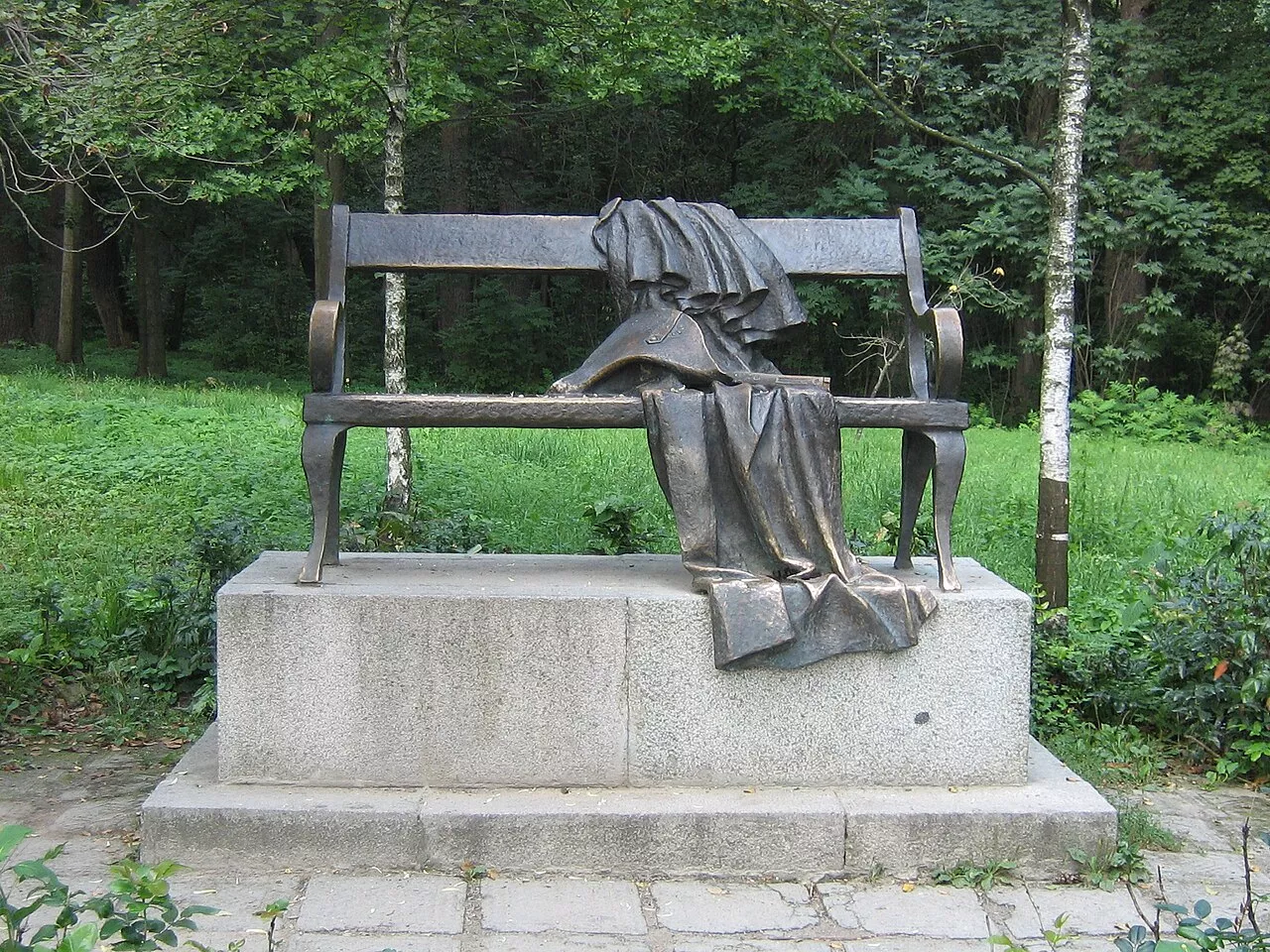
Instead, the park's follies have survived: the Luna colonnade, the Chinese Bridge, the artificial Ruins, the Arched Bridge, Maria's and Roses' islands, fountains, and waterfalls. Oleksandriya also features the Tsar's Garden, where trees were planted by emperors, and nearby are the St. Petersburg Meridian and the Column of Sorrow. The most famous spring is the Lion near the lion sculpture; its water maintains a constant temperature and contains radon. The park was visited by Taras Shevchenko, Alexander Pushkin, Gavrila Derzhavin, as well as the Decembrists — in their honor, the Decembrists' Bench was installed in 1992.
Destruction and Revival
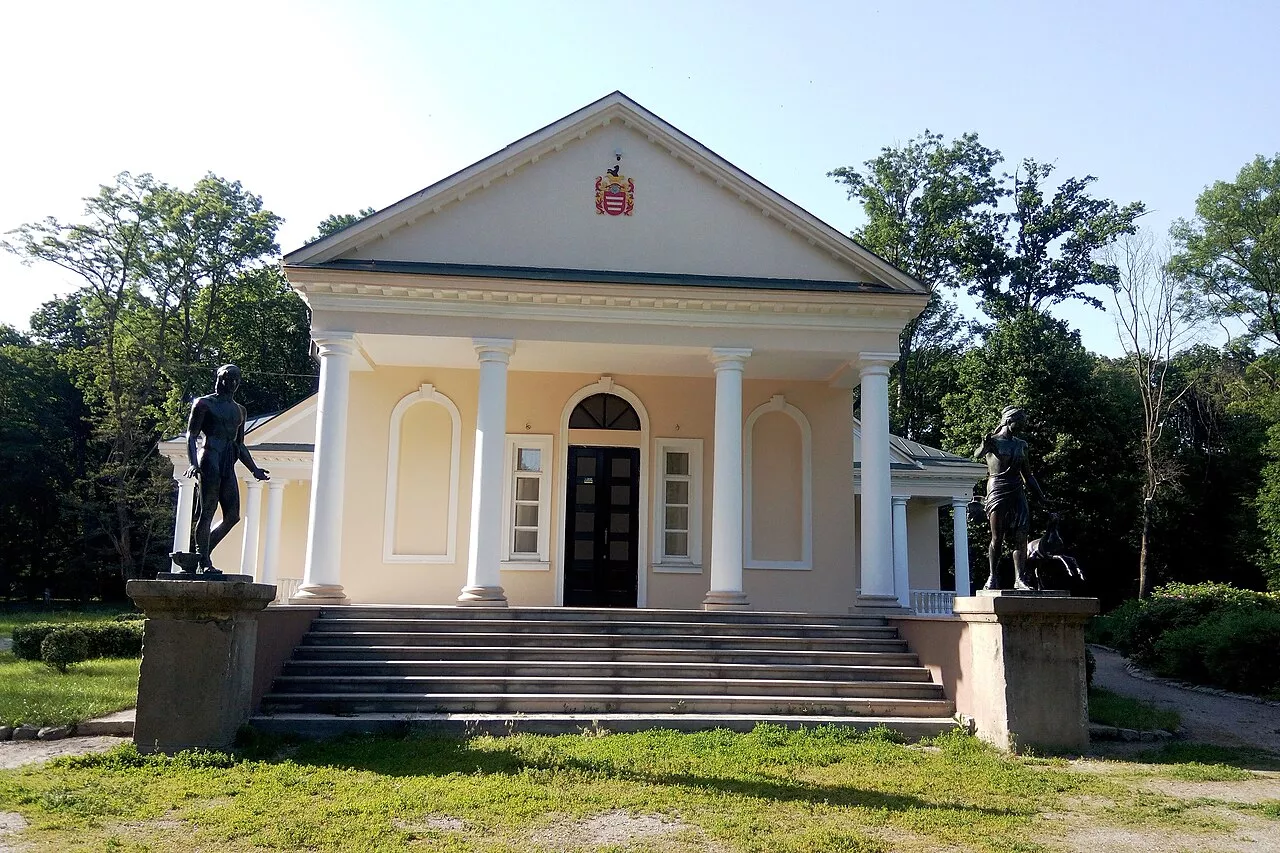
During the wars of 1918–1921, most of the structures were destroyed, and the marble and bronze sculptures were removed. In 1922, the park was declared a reserve, but in the 1920s it was renamed Rakovsky Park and its ruins were dismantled for bricks. World War II brought new losses: in 1943, the occupiers cut down over 3 hectares of old pines. In 1946, Oleksandriya was handed over to the Academy of Sciences, and the park has been restored ever since. In 1962, a museum featuring 18th-century marble sculptures was opened.
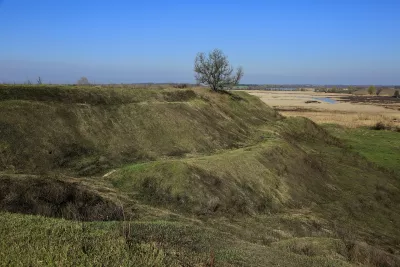
In the west of the park rises Palii Mountain, the highest point of Oleksandria, where Semen Palii's detachment camped in the early 18th century.
How to get there
Bila Tserkva is 80 km south of Kyiv along the highway to Odesa (M-05). The park is on the northwestern outskirts of the city, near the Skvyra Highway; city minibuses run here from the center. Admission to the park is paid.
Tip
Allow at least half a day for your visit: the park is large, and the most interesting spots are scattered around. It is most beautiful here in May, when lilacs and chestnuts bloom, and in October. Combine the trip with the Old Post Office in the city center.