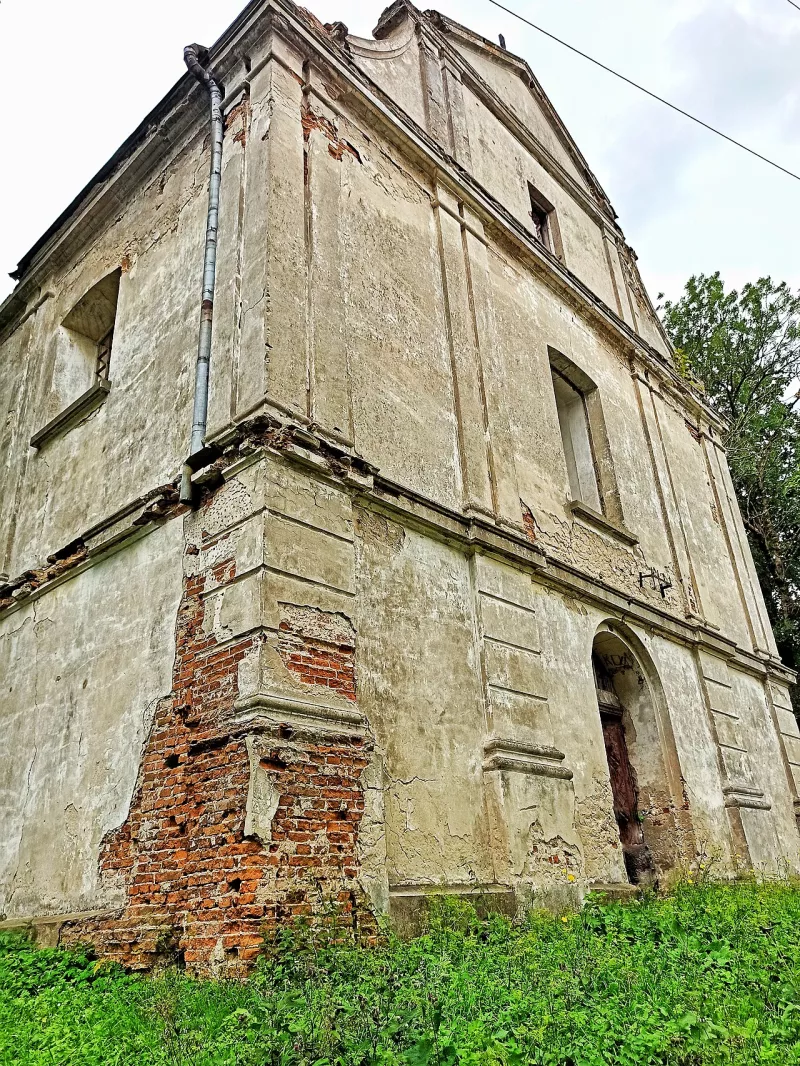
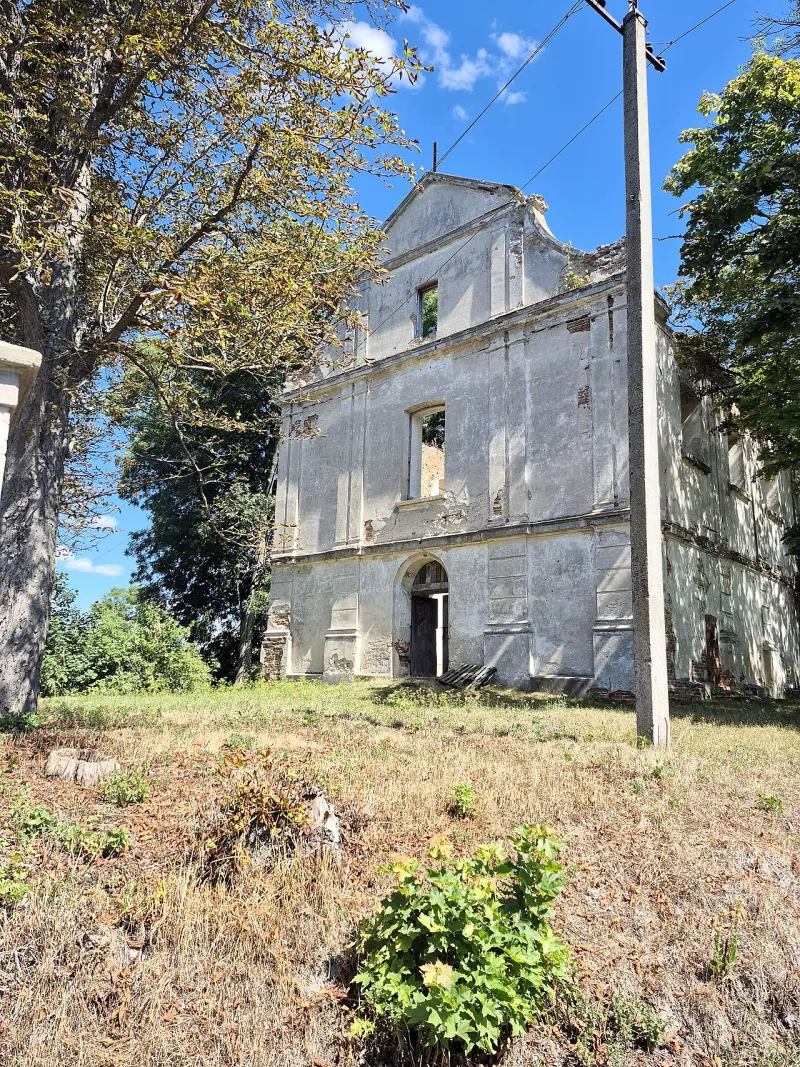
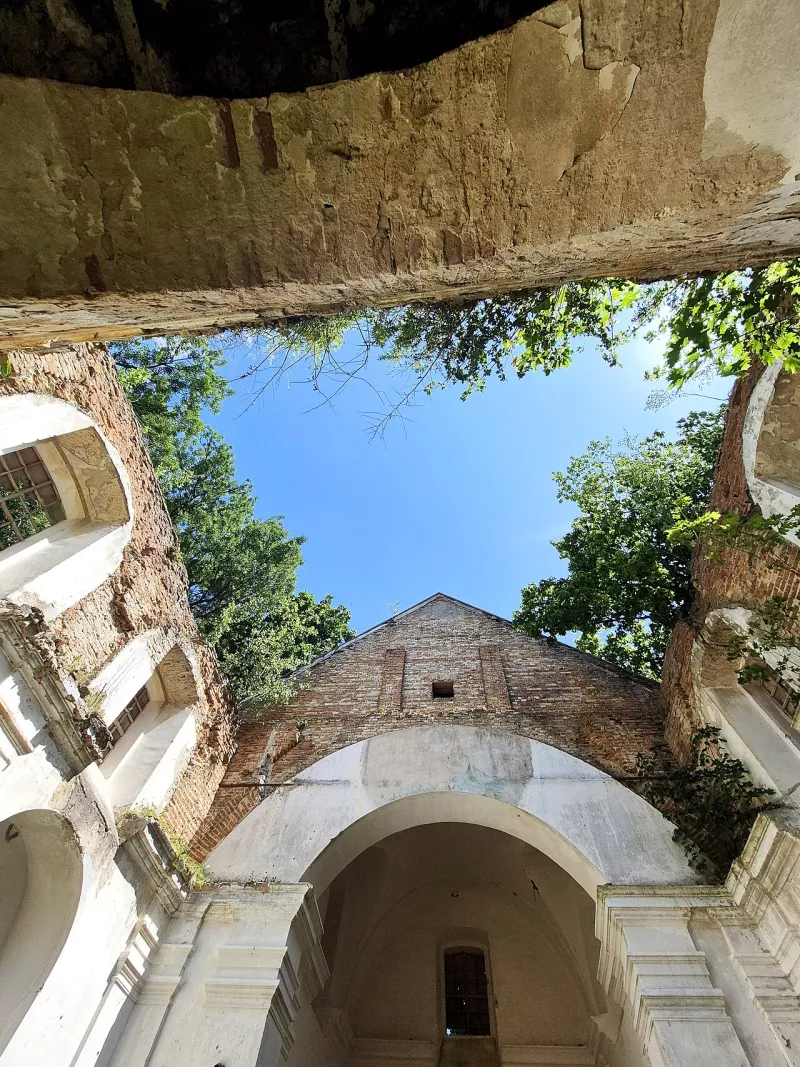
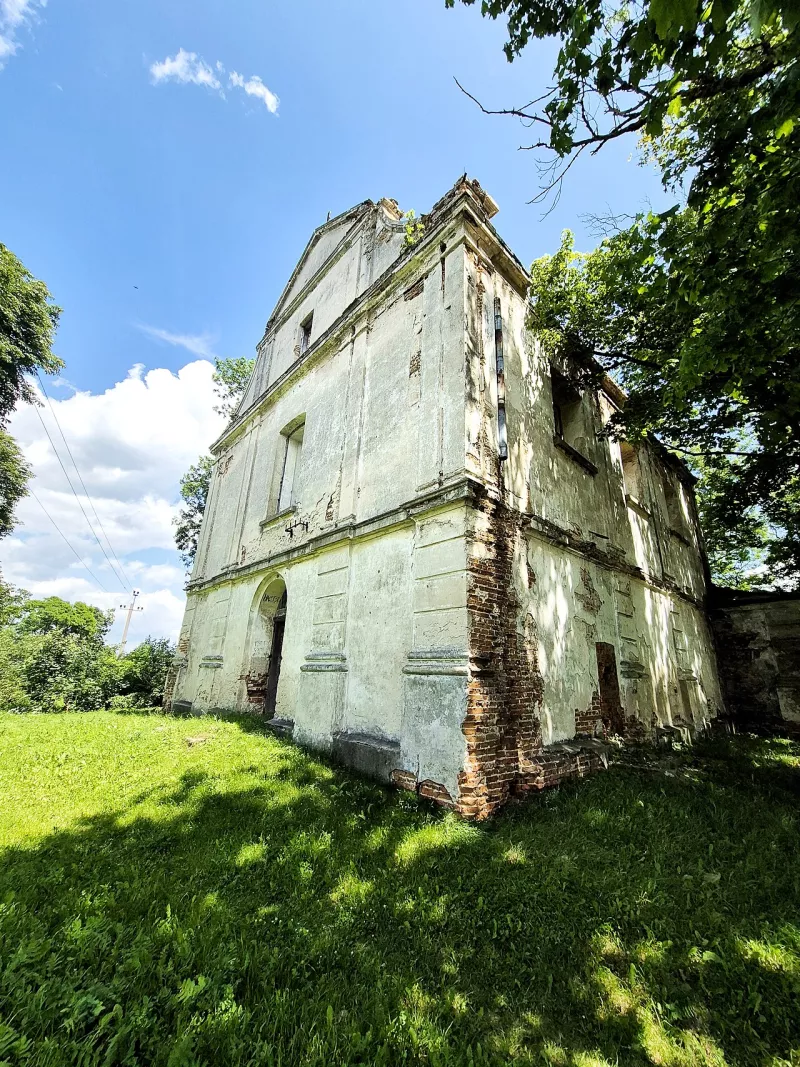
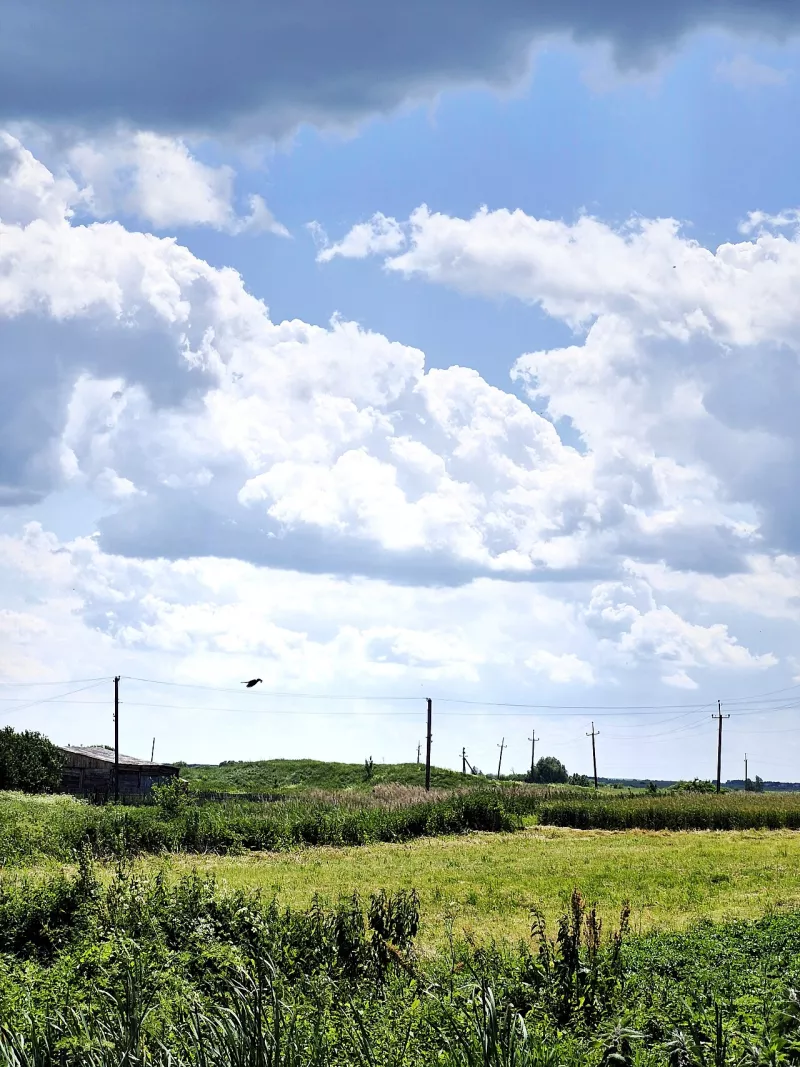

Melnytsia is a village in the Kovel region, within the Velytsk hromada, where the Stavok River originates. About six hundred people live here. Yet once, Melnytsia was a bustling town with two and a half thousand residents, featuring a market, a guesthouse, and a majestic church that over the course of two centuries managed to be a Roman Catholic church, a seven-domed Orthodox church, and a Roman Catholic church once again.
From the hillfort to Queen Bona
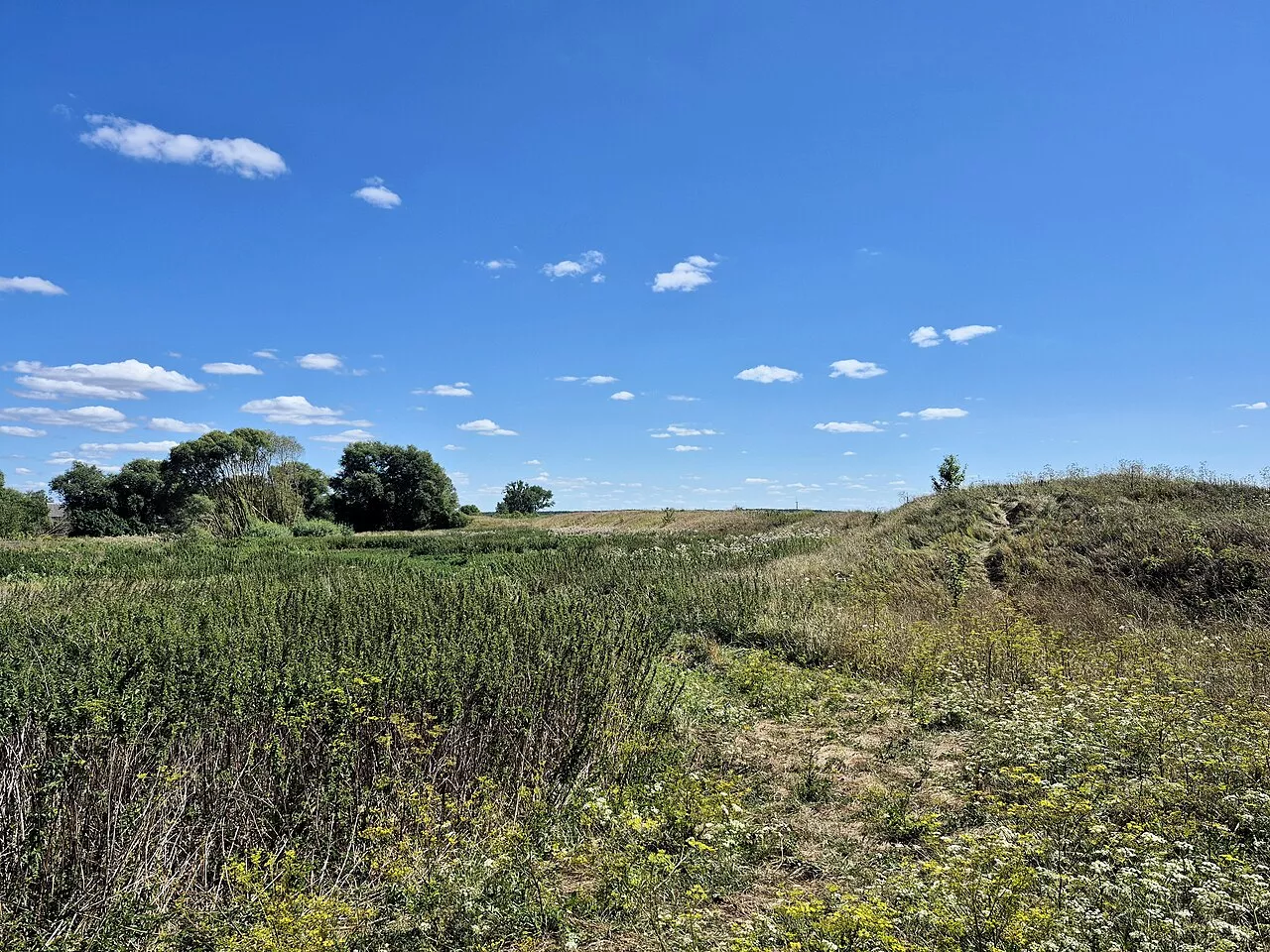
Near the village, in the Derkachi tract, an Old Rus hillfort has survived. The first written mention of Melnytsia dates likely to 1245. At the end of the 14th century, the Grand Duke of Lithuania Švitrigaila gifted the village to his archer Zub. Later, Melnytsia belonged to Queen Bona Sforza, and then to the Lutsk starost Andriy Semashko. The Melnytsia volost was large at the time: it also included neighbouring Holoby.
The church that became a temple
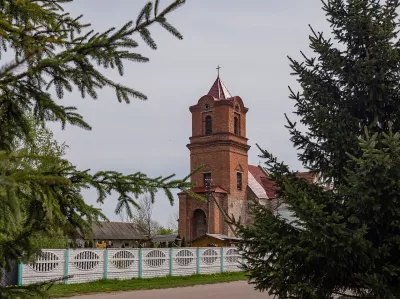
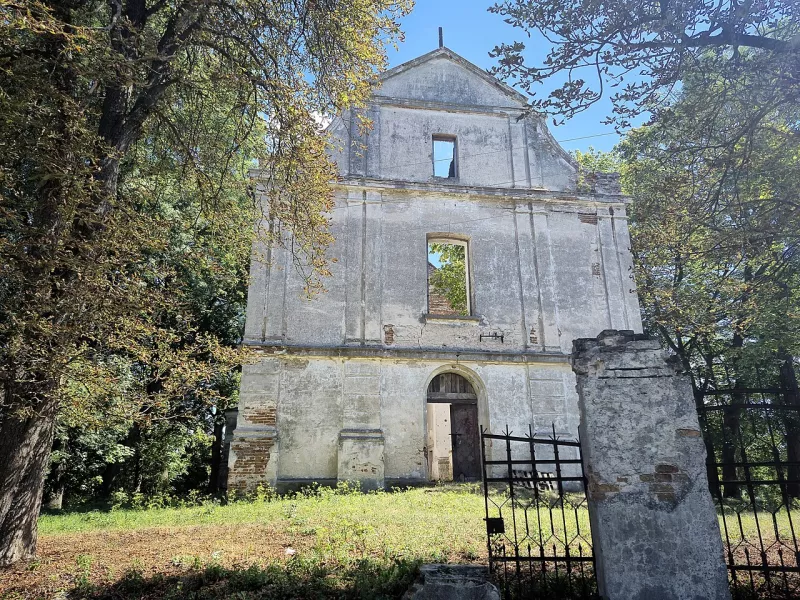
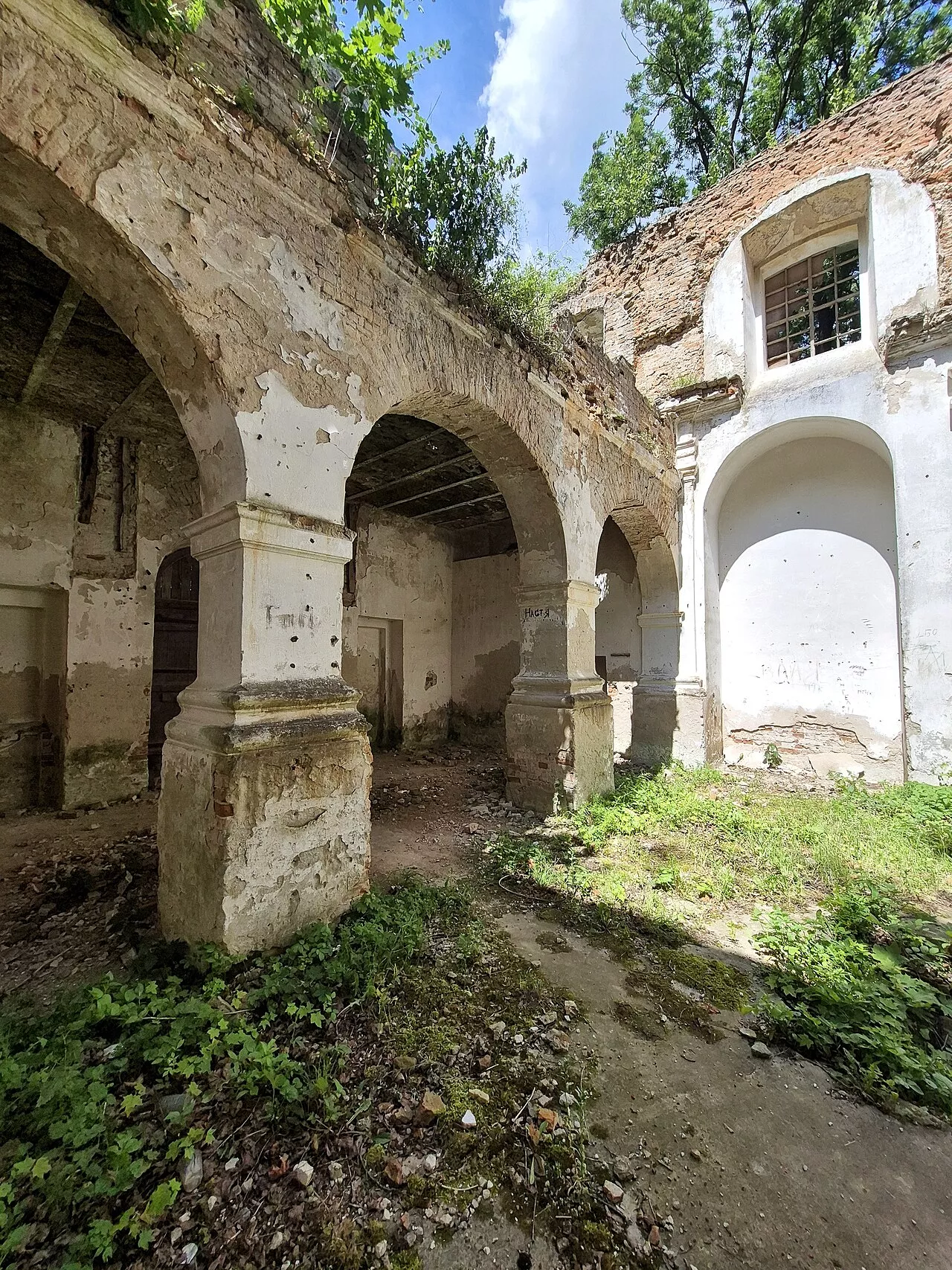
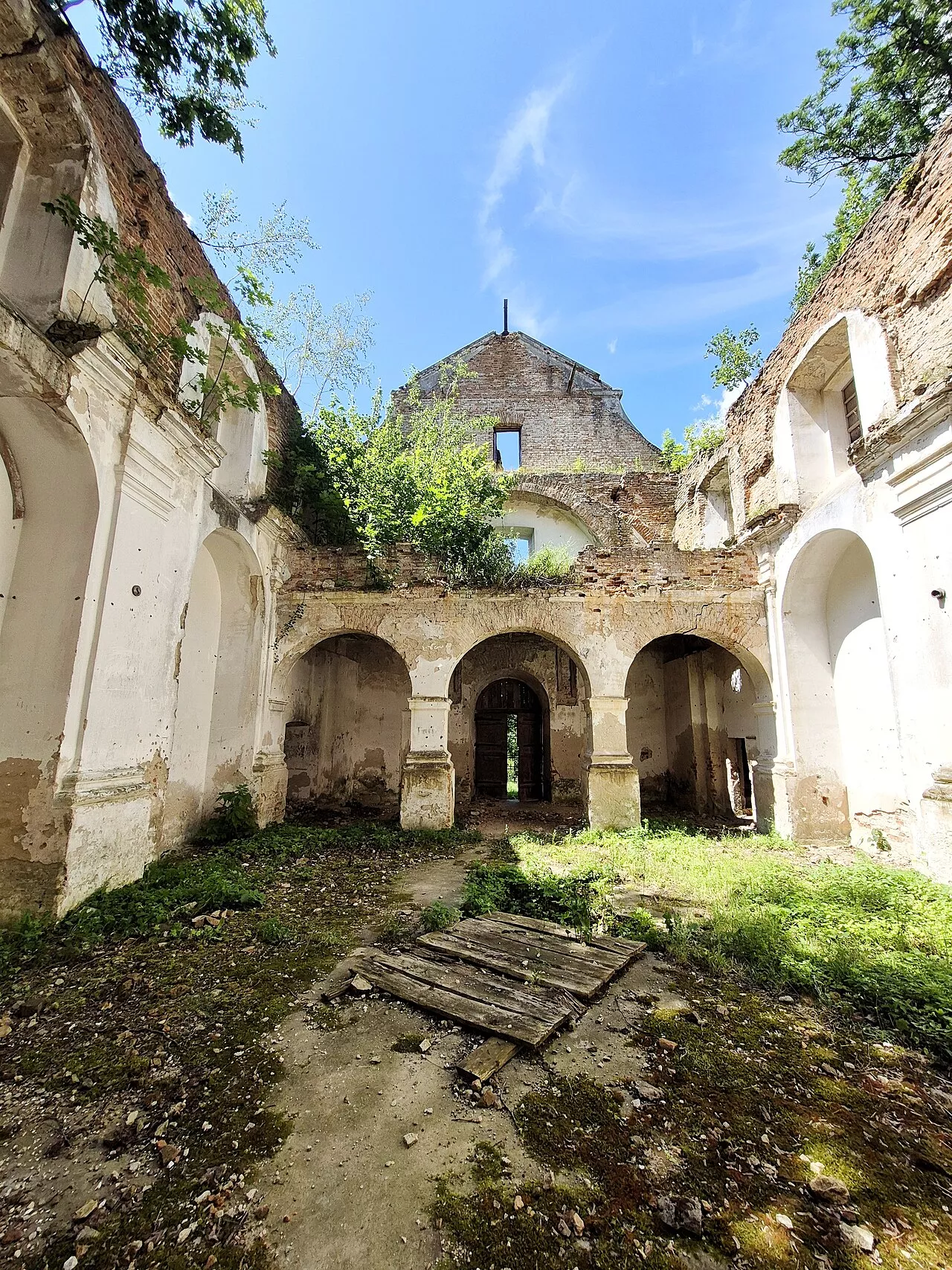
The main landmark is the masonry Baroque church. It was built in 1749 (according to another version, in 1802) at the expense of the Lutsk podkomoriy Jerzy Olshansky and the Grocholski noble family. In 1875, the authorities of the Russian Empire turned the church into a seven-domed Orthodox church, which struck everyone with its grandeur.
In 1916, the temple, like the entire town, was destroyed by German artillery. In 1923, it was returned to the Catholics, and in 1929 Count Stanisław Czarnecki rebuilt Saint Joseph's Church in its original Baroque appearance. The miraculous icon of the Mother of God of Melnytsia was returned here, drawing pilgrims from the entire surrounding area. In 1946, as they resettled to Poland, local Catholics took it away to Chełm, where it is kept to this day. Small copies of the icon can still be found in many homes in Melnytsia.
Brusilov Church
The Orthodox Saint Michael's Church is wooden, painted in the blue colour traditional for Volyn. It was built during the First World War in Troianivka in the Manevychi region, amid fierce battles on the Stokhid River, and was moved to Melnytsia in 1925. Around the temple, people have carefully laid out tombstone cross-slabs gathered from destroyed military cemeteries: on some, the names of the fallen can still be read in the Latin alphabet. The church is still called the "Brusilov" church—named after General Brusilov, commander of the Southwestern Front.
The 20th century
In 1897, 2,588 people lived in Melnytsia, over half of whom were Jews. On August 23, 1942, the Nazis killed 1,200 Jews of the town. After the war, Melnytsia became an ordinary village, and the church, temple, and old cemeteries are what remain to remind of the former town.
Melnytsia on video
When to go
Melnytsia is convenient to visit along with Holoby, as they are close by. It is most beautiful here in late spring and summer.
Nearby
Holoby — a few kilometres, Kovel — about half an hour. More — in the article Kovel Raion.
How to get there
Buses run to Melnytsia from Kovel and Holoby. By car — from the M19 highway near Holoby.