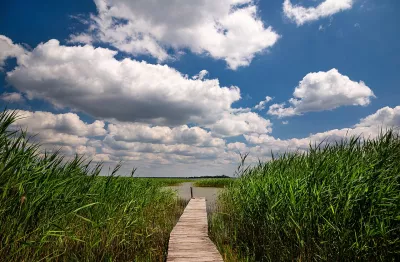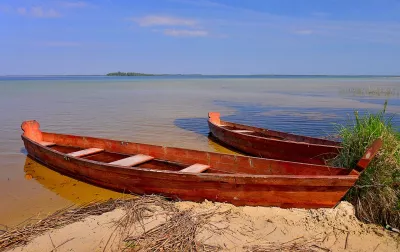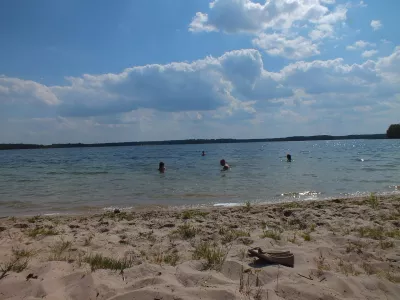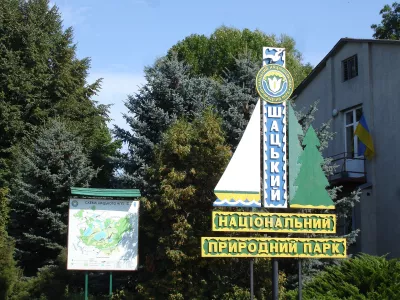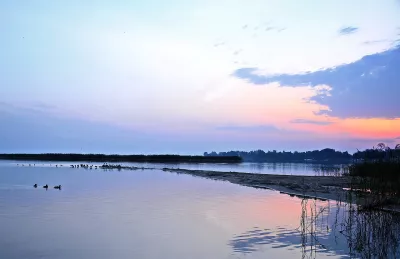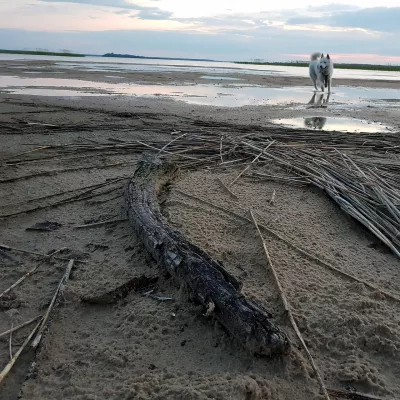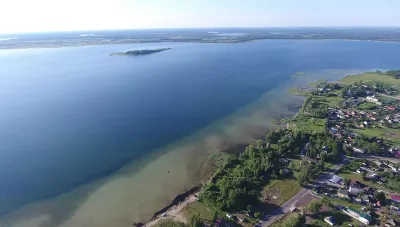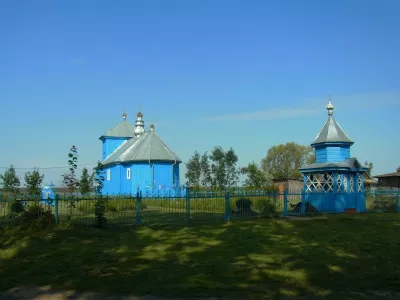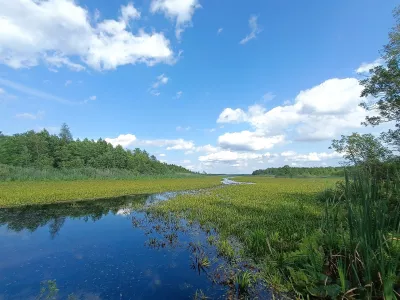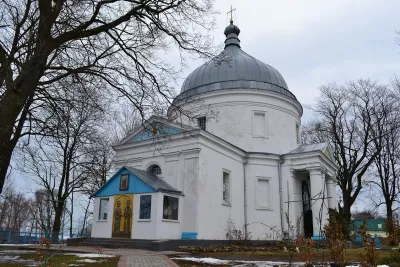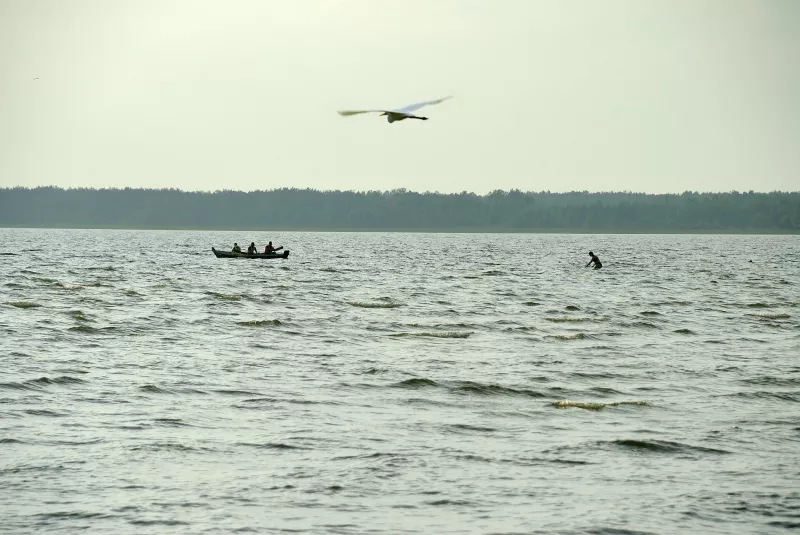
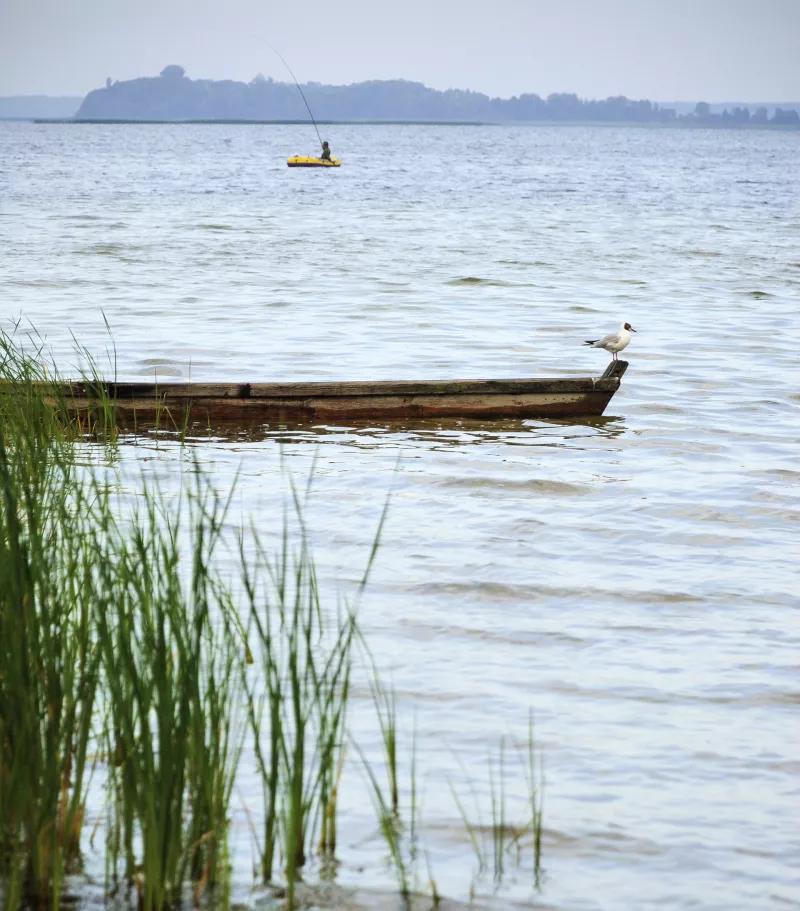
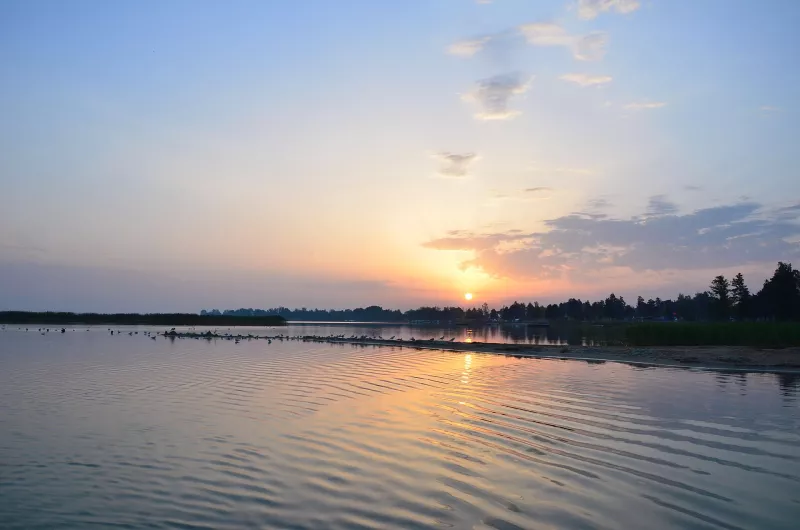
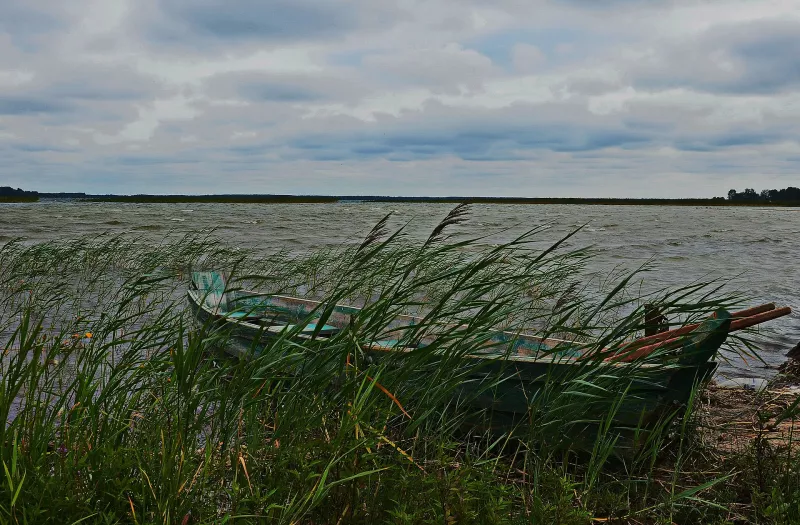
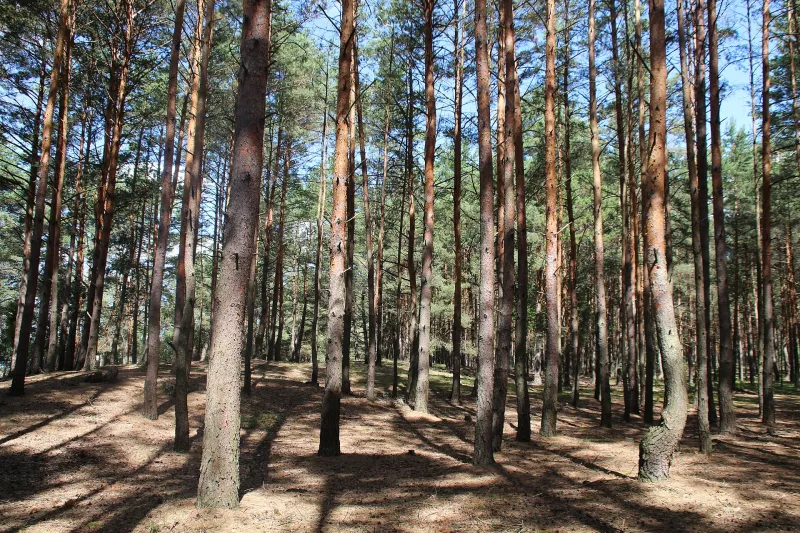
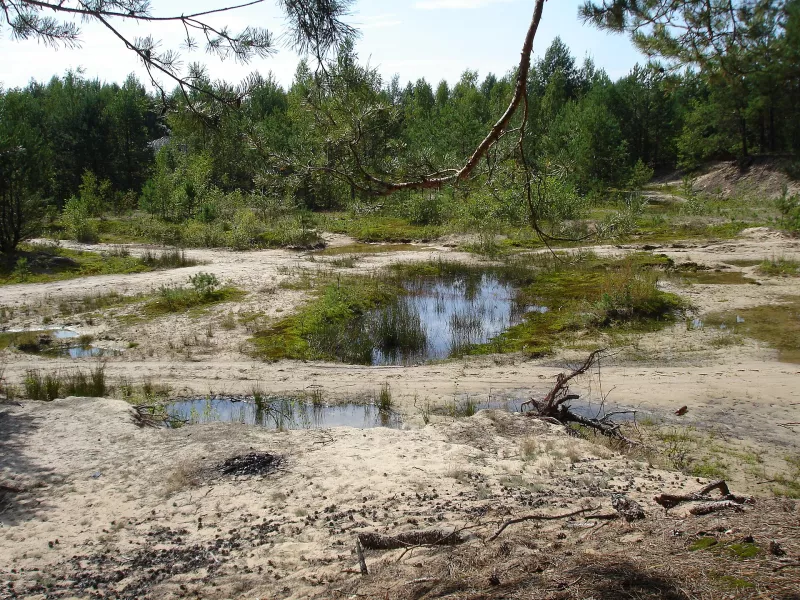
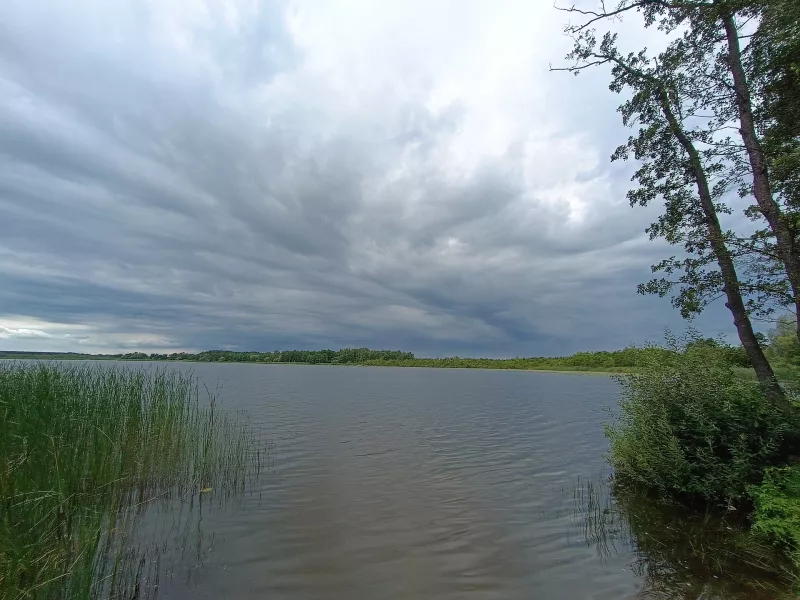
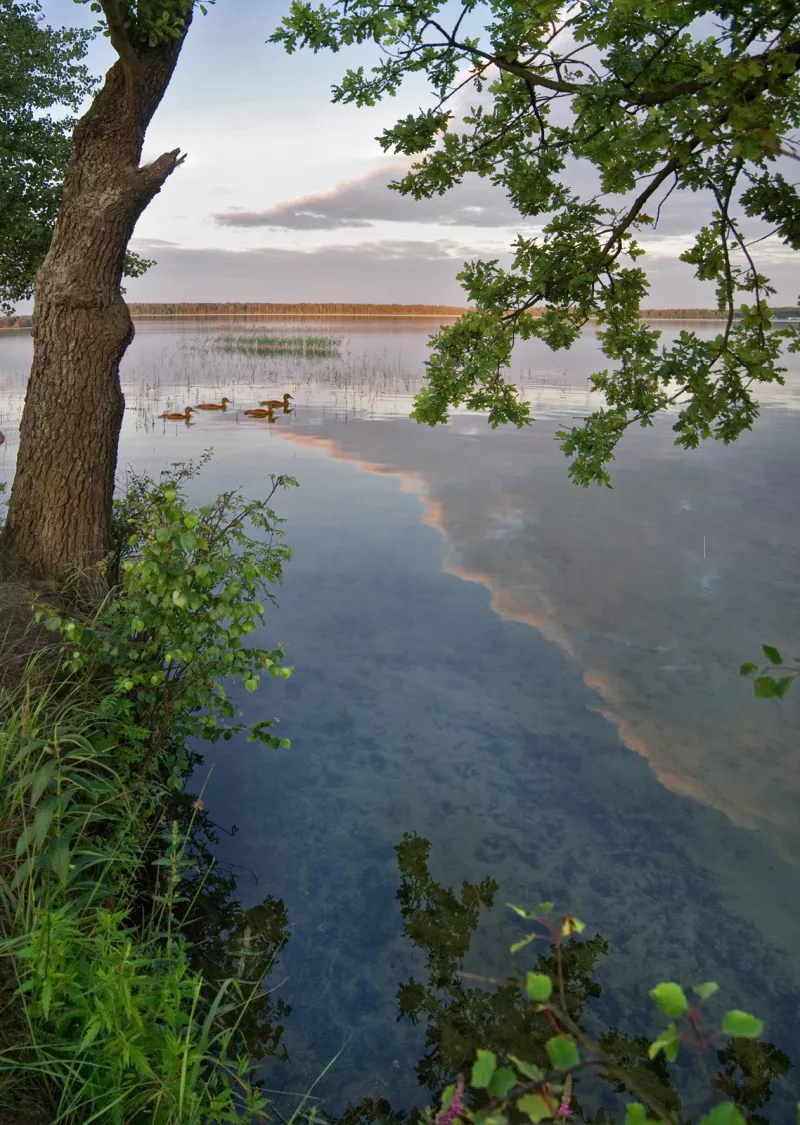
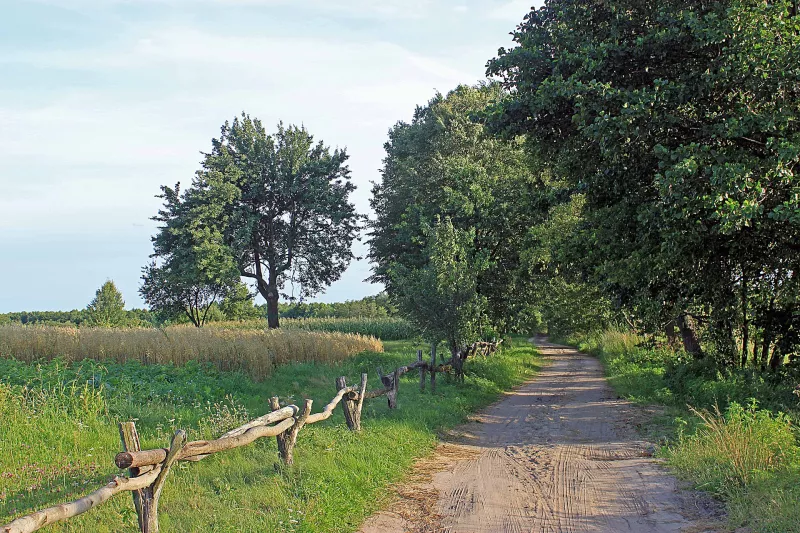
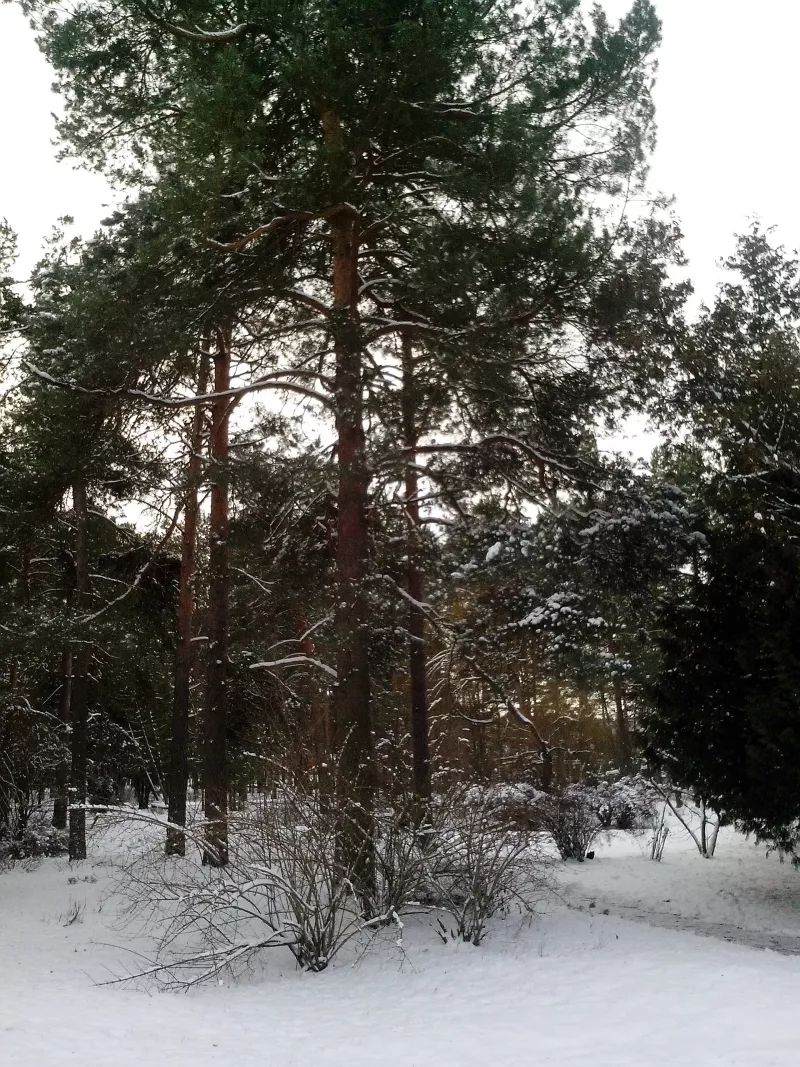
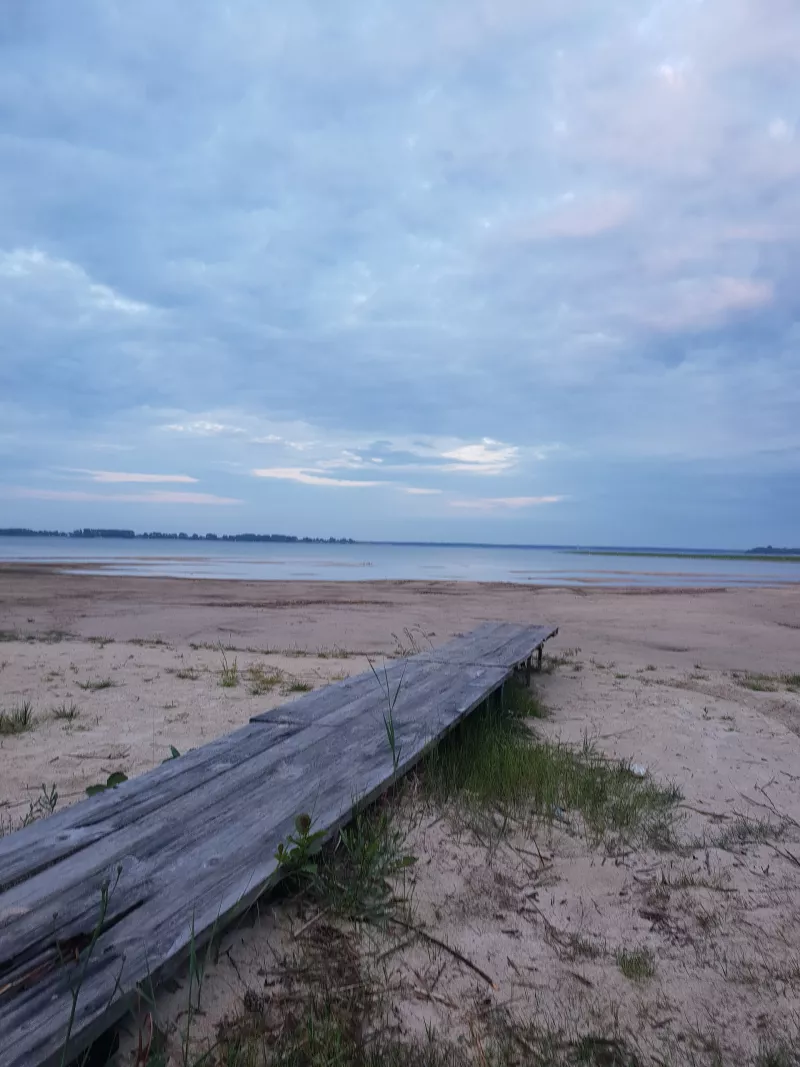

Most people go to the Shatsk Lakes in July and August for the warm water and the beaches of Svityaz. But every season has its own charm here: May with its birds and quiet, June without the crowds, September with its mushrooms, and winter with ice fishers. In short: swimming is from late June to late August; peace, quiet, and nature are in May, June, and September; and ice fishing is in frosty winters.
The climate here is temperate, with mild winters and cool summers: Atlantic western winds soften both the heat and the frosts. The average annual air temperature is about 8 °C, in June it is about 19 °C, and in January it is about minus 5 °C. Precipitation amounts to 550–600 millimeters per year, with the most falling in summer, often in short showers with thunderstorms.
Spring: birds and empty shores
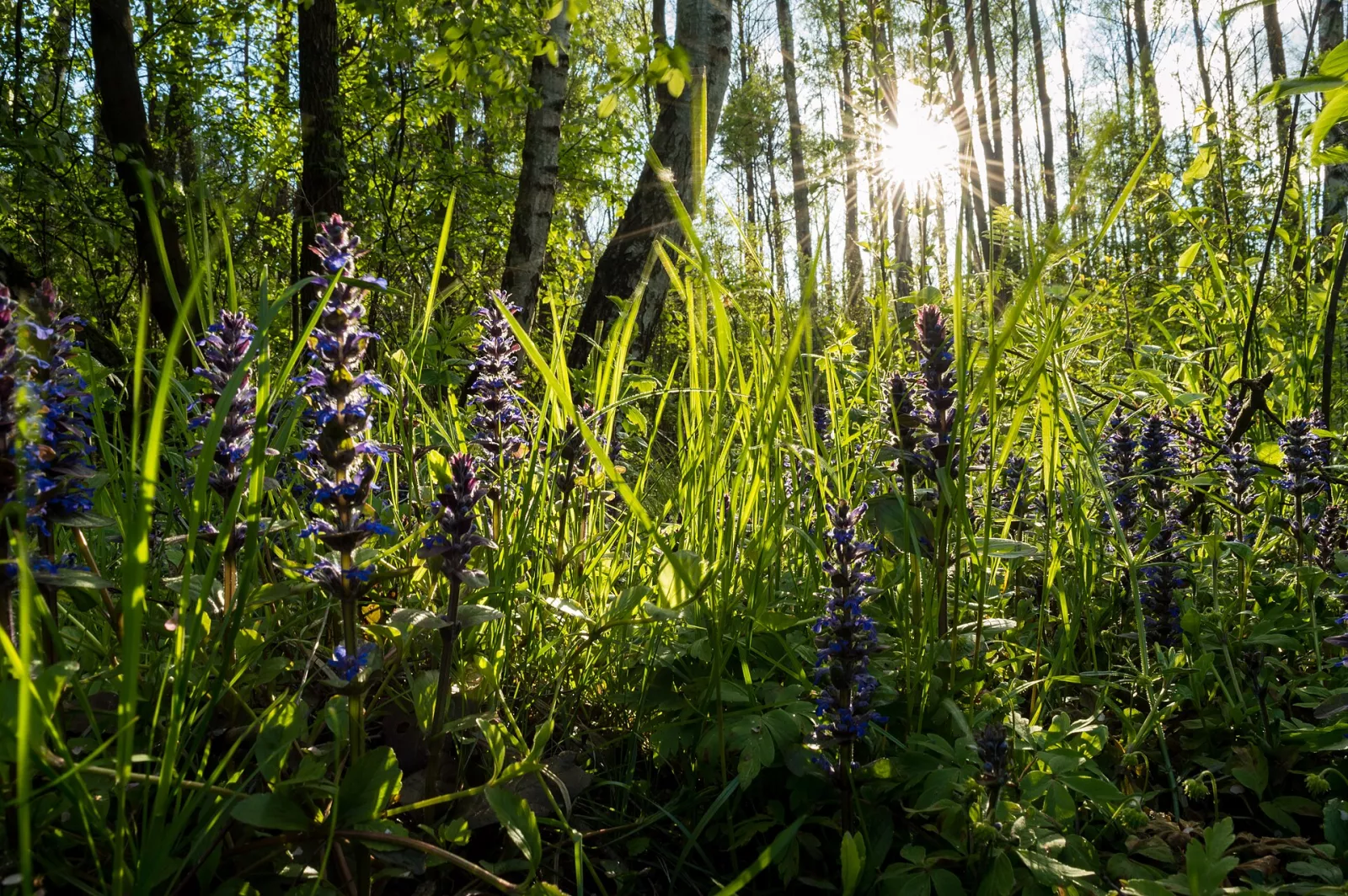
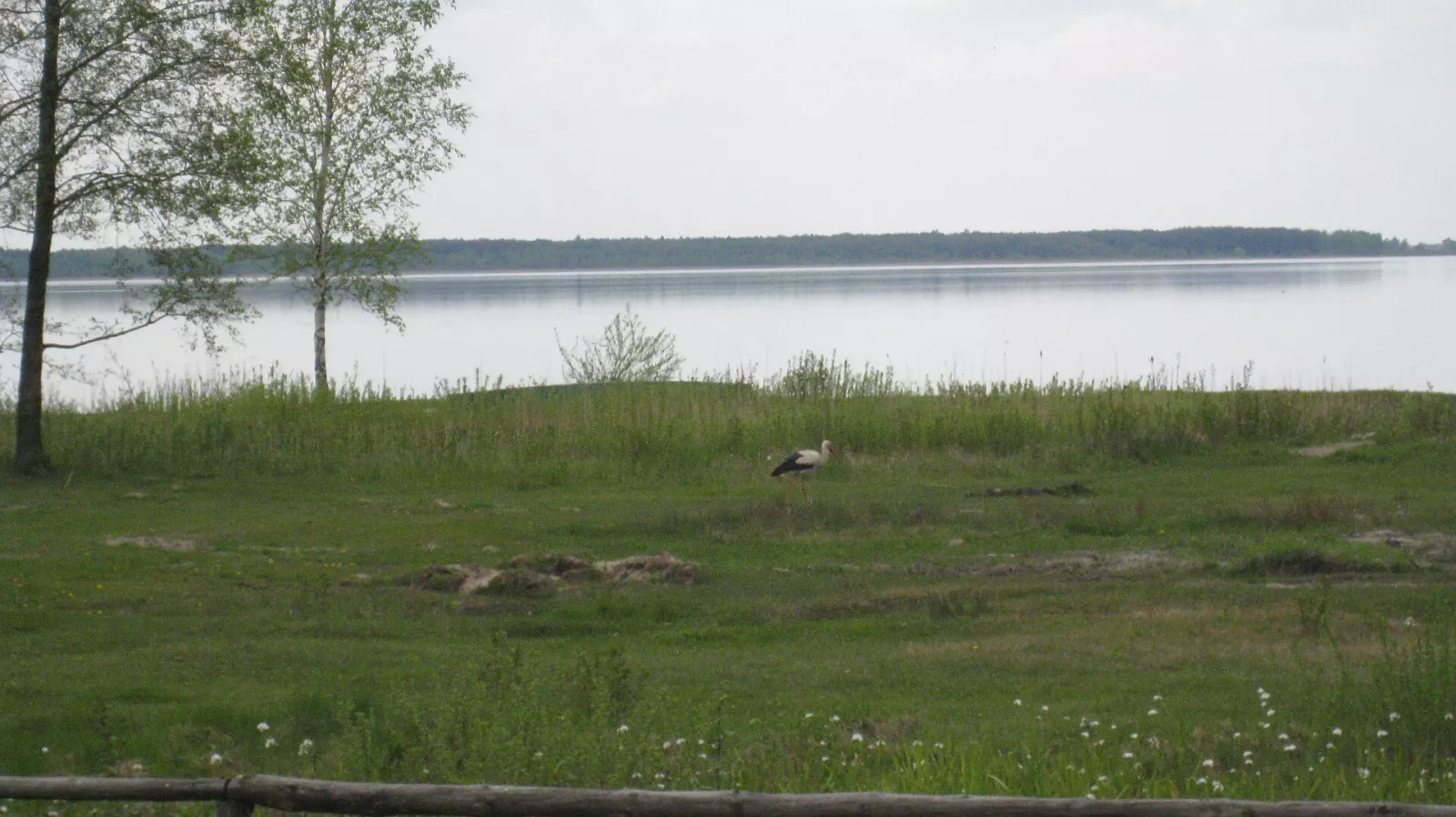
After the ice melts, the water in the lakes remains cold for a long time, and no one is in a hurry to swim in the spring. However, in April and May, the Shatsk Lakes are quiet, the forests are awakening, and birds circle over the water: 241 bird species are recorded in the park, and large flocks stop at the lakes during migration. In May, storks return to Svityaz, and grasses bloom in the meadows.
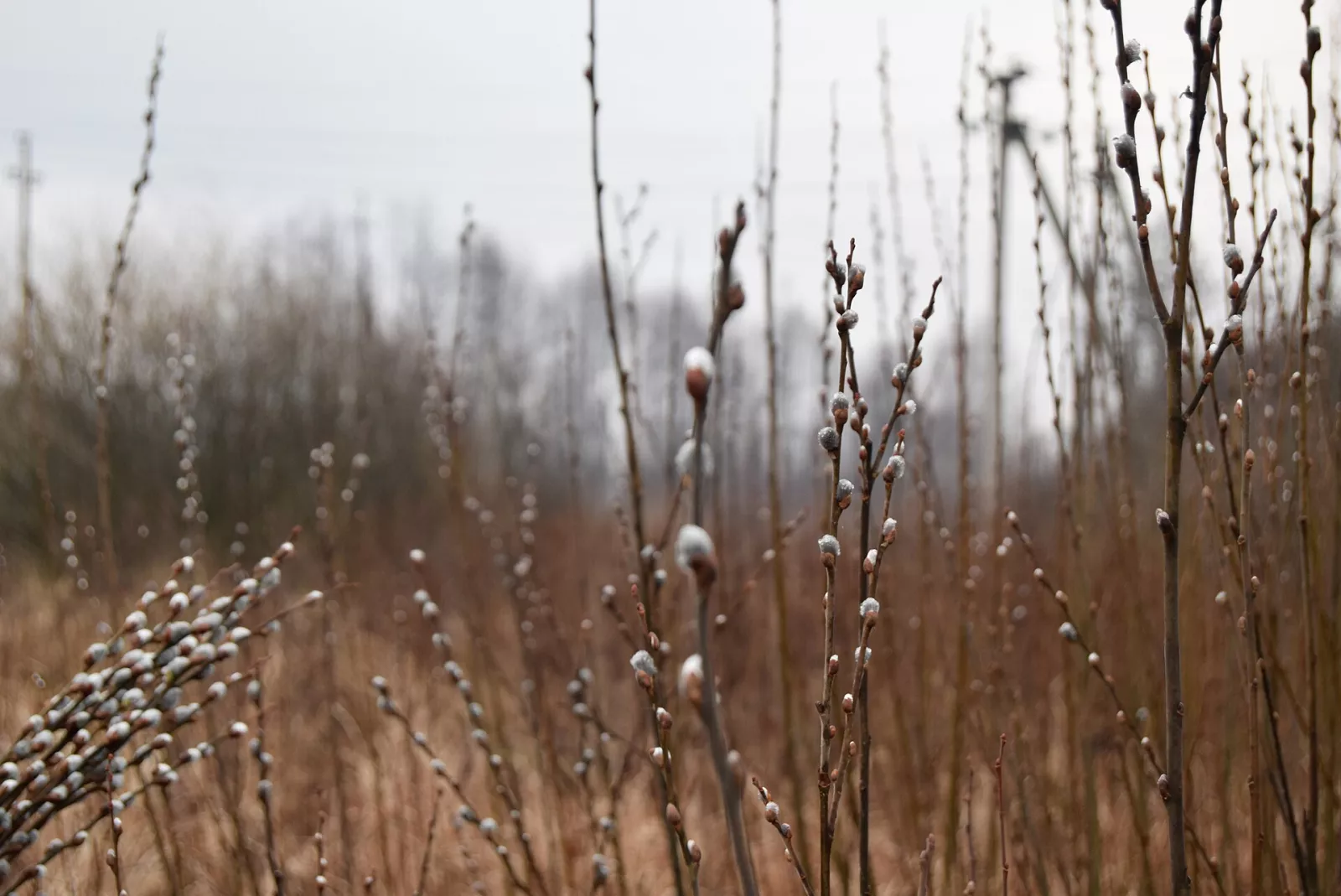
This is the best time for cycling and hiking along ecological trails — «Svityazyanka» or «Lisova Pisnya»: there are few people, mosquitoes are still scarce, and the forest is dry and light. Even earlier, at the end of winter, pussy willows bloom near Shatsk.
June: warmth without the crowds
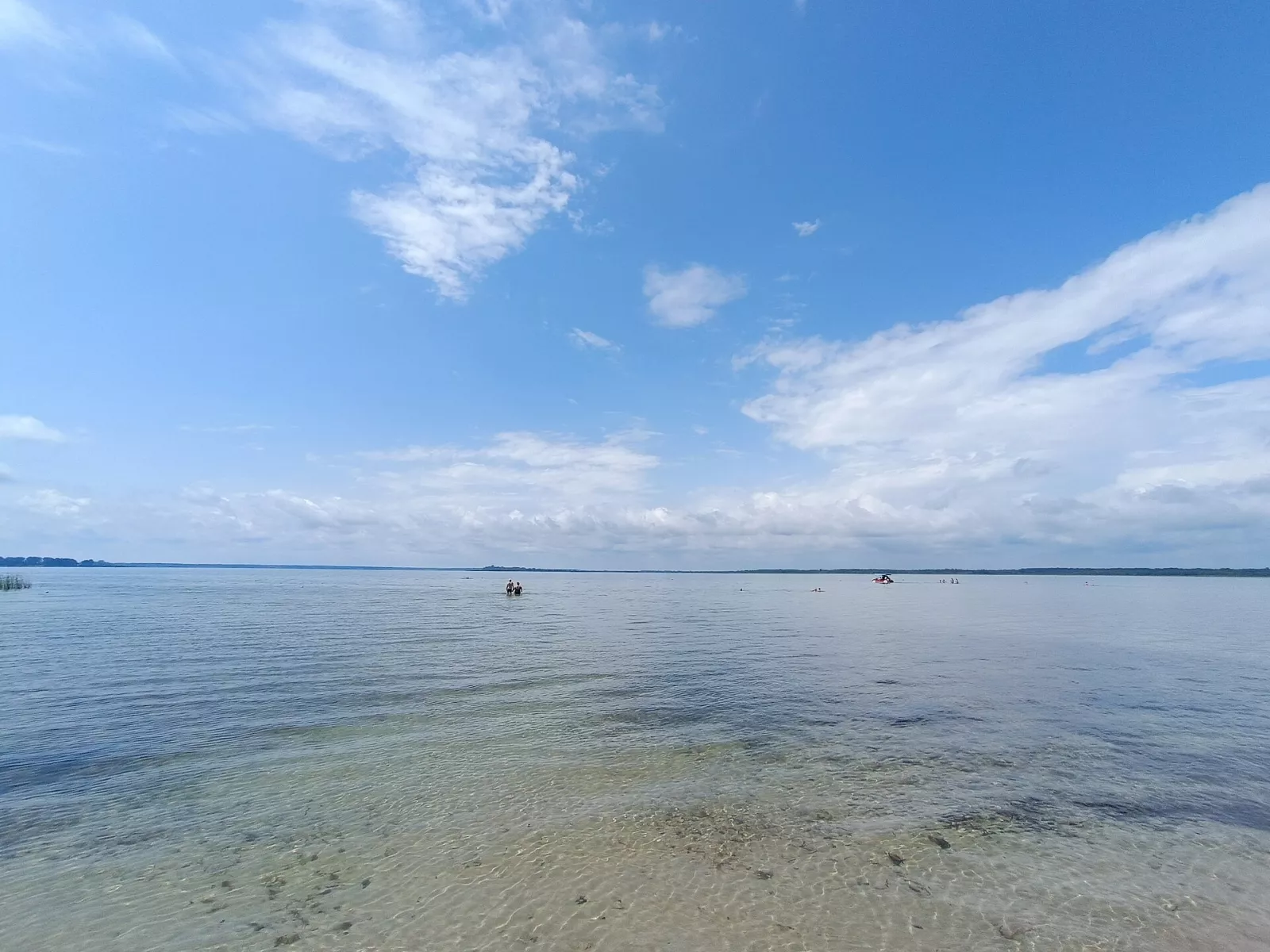
June is a compromise between peace and swimming. The first half of the month is still cool for swimming, but comfortable water temperatures usually establish themselves by the end of June. Shallow bays and small lakes warm up faster than the deep Pulemetske or the middle of Svityaz. There are fewer people than in July, accommodation is easier to find, and the days are the longest of the year.
From late May and throughout June, mosquitoes are active, especially in the evening near the reeds, bogs, and marshy shores of Luk or Ostrivyanske Lake. Insect repellent will come in handy, while on open sandy beaches in the wind, there are noticeably fewer of them.
July and August: peak season
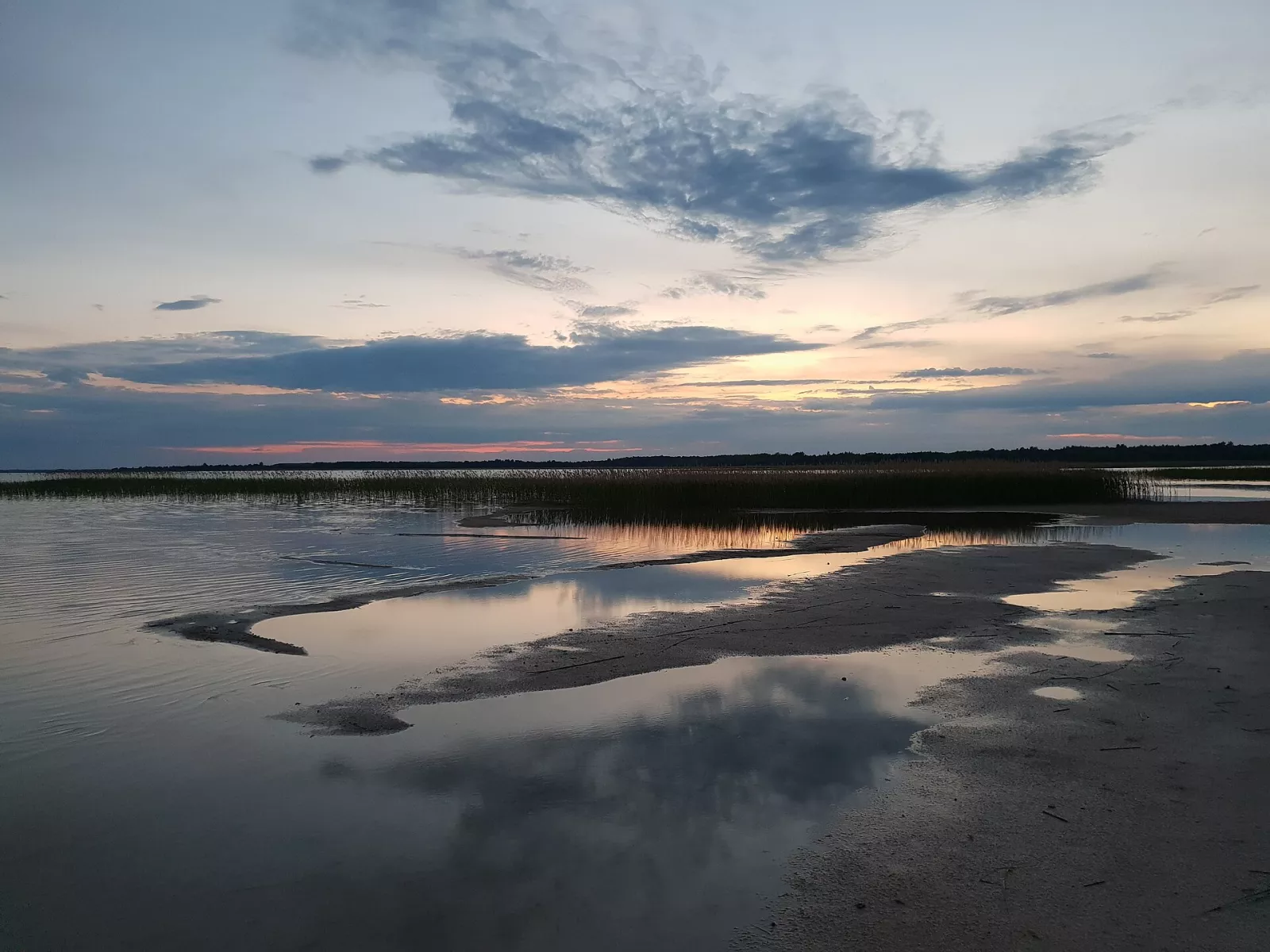
These are the warmest months and the peak of the swimming season. The surface layer of water in Svityaz warms up to about 23 °C, while just a few meters deep the water suddenly becomes much colder. Near the eastern shore of Svityaz it is very shallow: you can walk for hundreds of meters and the water will only reach your knees — this is ideal for children.
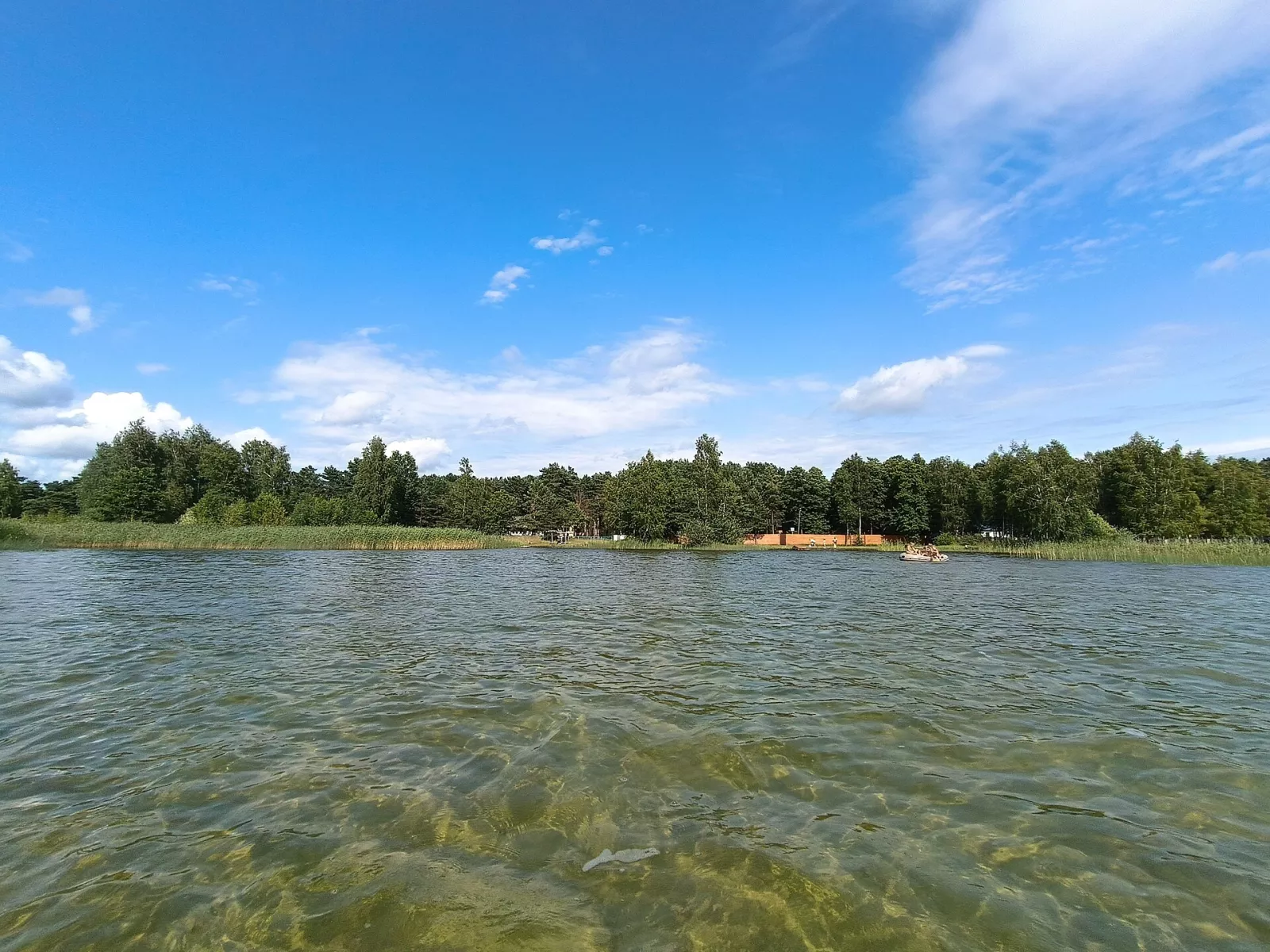
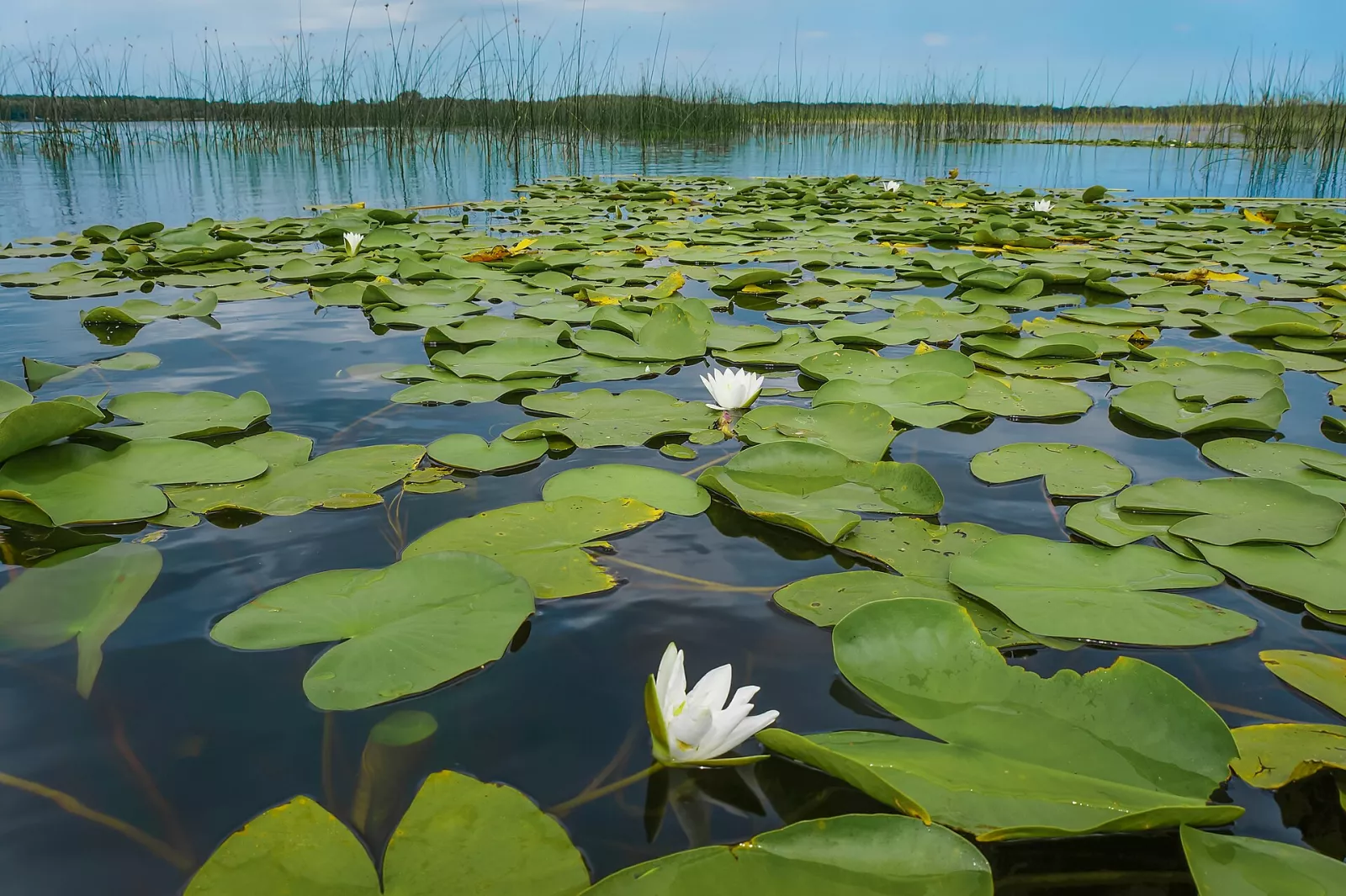
The downside is the crowds. At Hryada, in the village of Svityaz, and at Pisochne, July and August are crowded, accommodation gets more expensive and runs out, so it is worth booking in advance. Those who want silence go to Luky, Krymne, or Ostrivyanske. In July, blueberries ripen in the pine forests of Polissia, and in August water lilies bloom on the quiet lakes.
Summer weather here is mostly sunny, but thunderstorms and heavy showers are not uncommon: over the large Svityaz, the wind quickly whips up waves. If you are heading by boat to the island, keep an eye on the sky and do not set off when clouds are rolling in.
September and October: mushrooms and silence
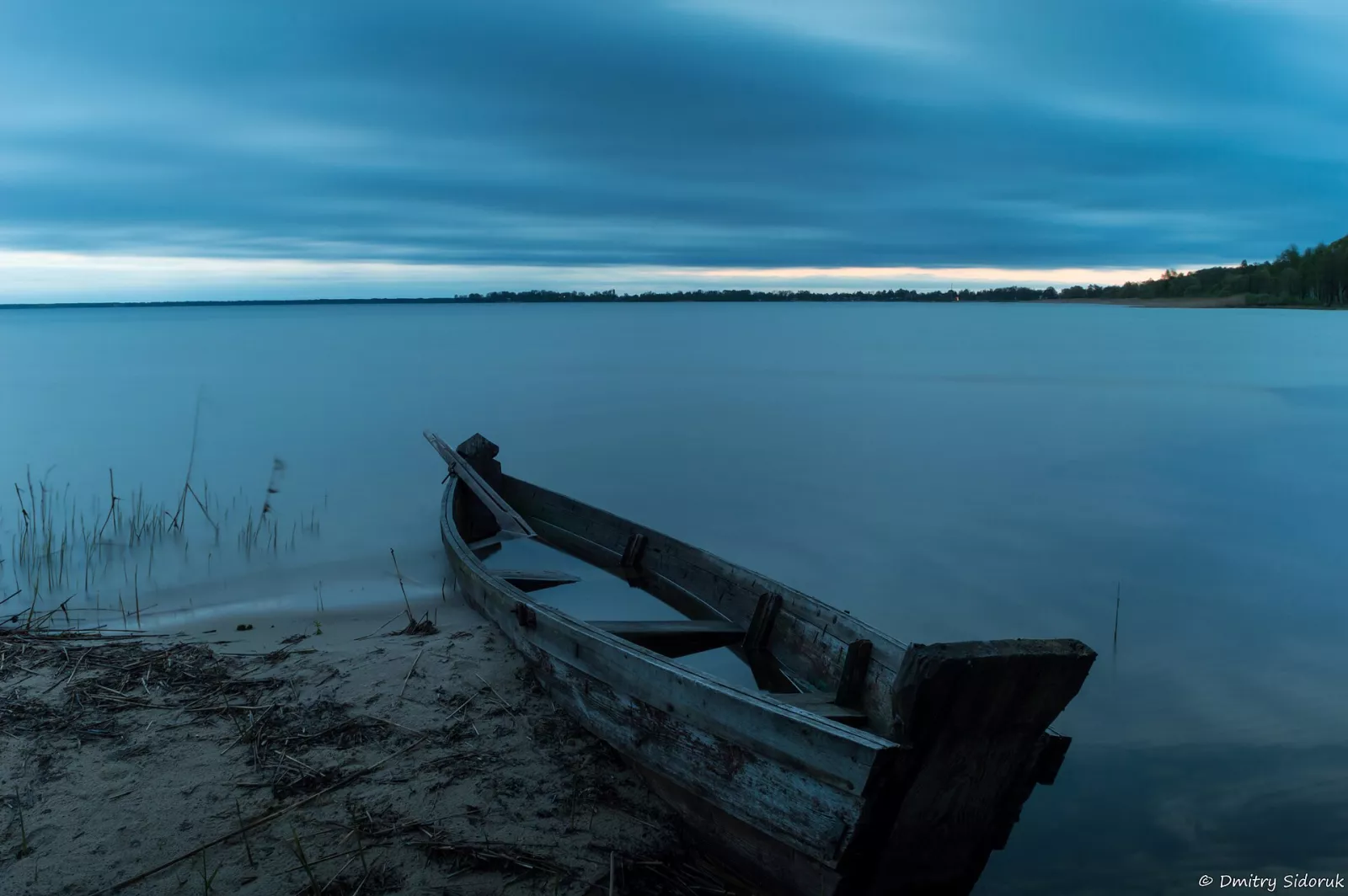
The official swimming season ends with the close of August: seasonal kiosks and souvenir stalls close. But holidaymakers still go to Svityaz in September — during the first weeks the water still holds its summer warmth, though the nights are already cool. There are far fewer people, and the weather is often dry and sunny.
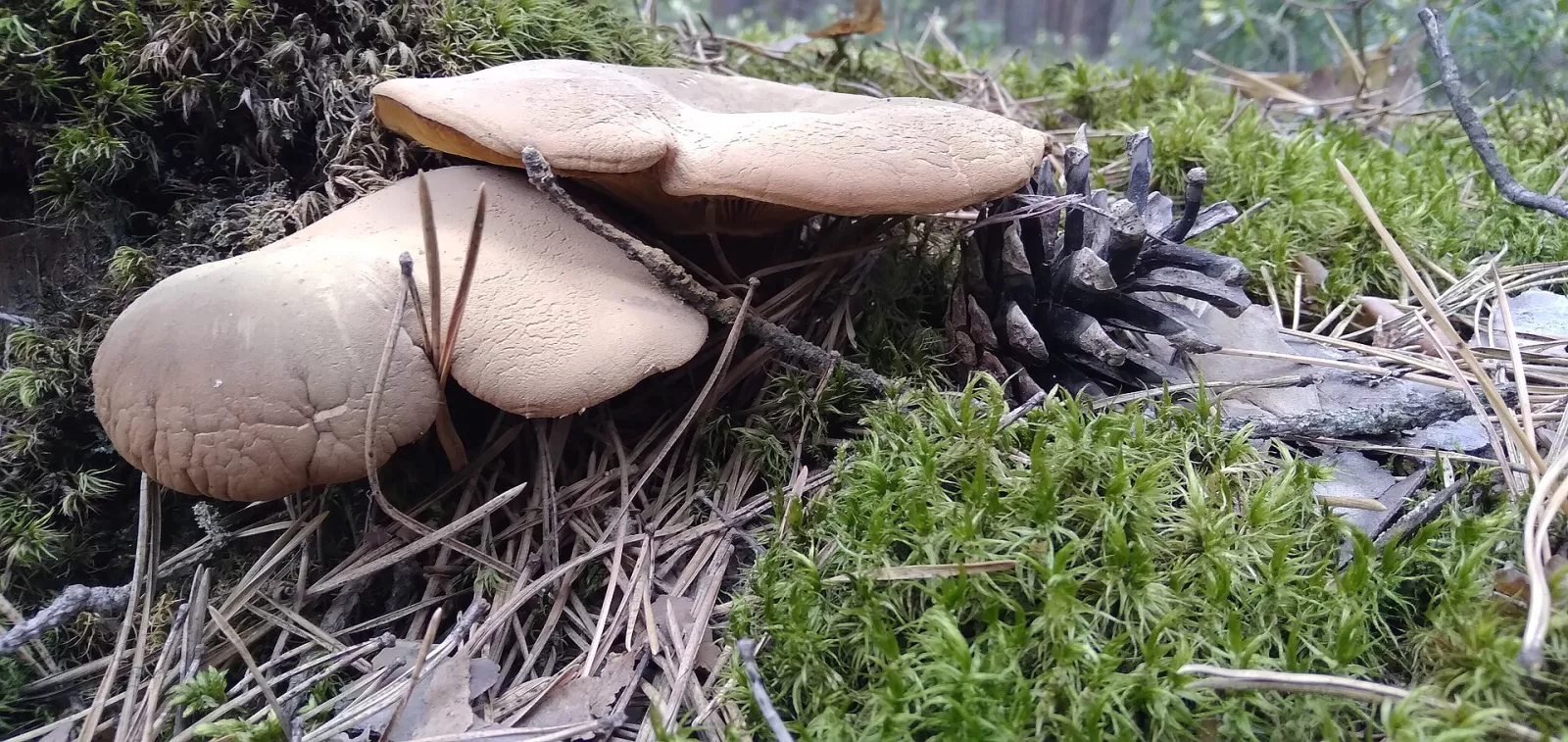
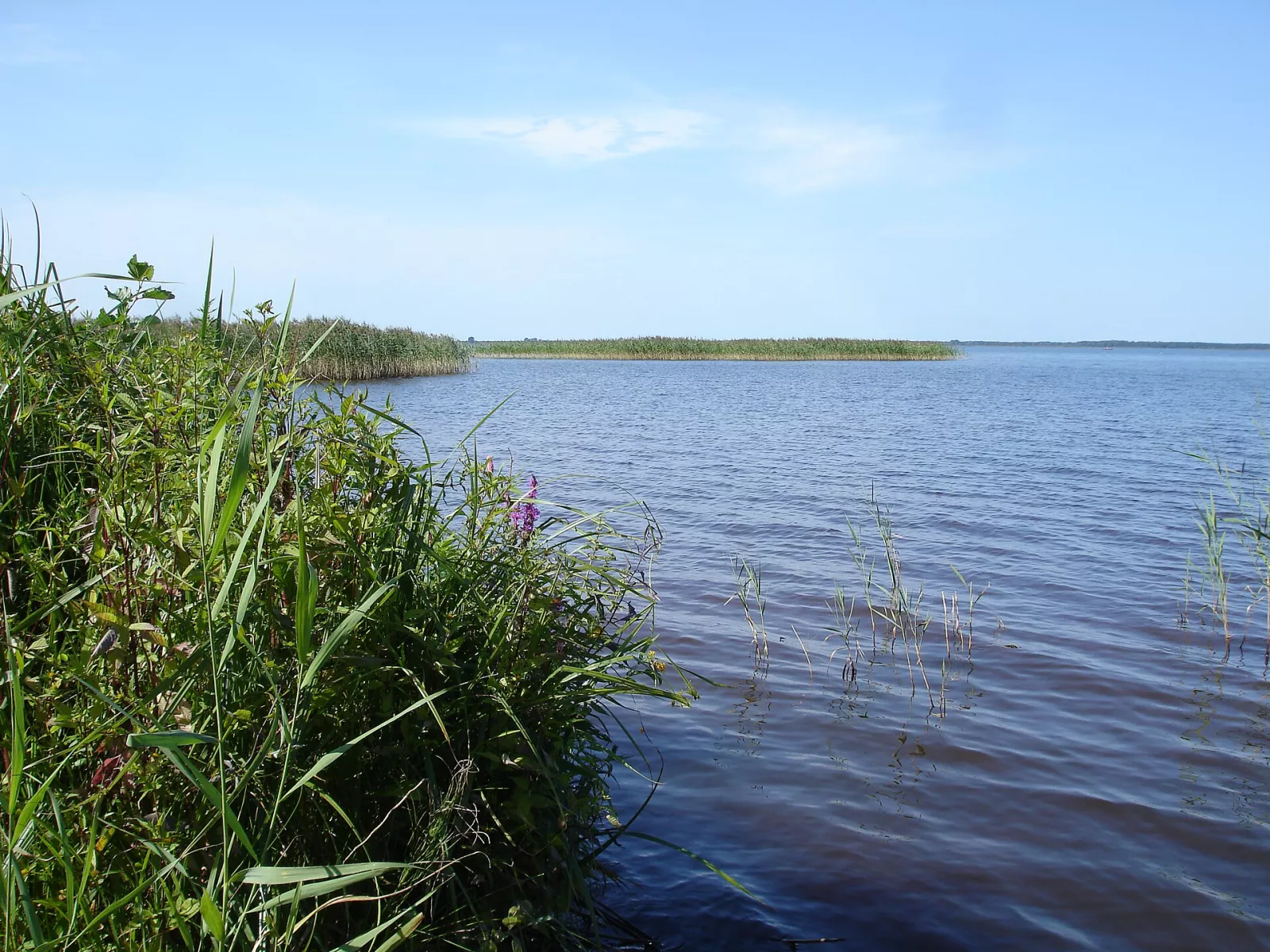
Autumn is the season for mushrooms in the pine forests around the lakes, and cranberries ripen in the bogs. Birds migrate again in autumn, so large flocks of ducks and geese can be seen on the lakes. For fishermen, this is the time of the predator: pike and perch feed actively before winter.
Winter: ice and fishermen
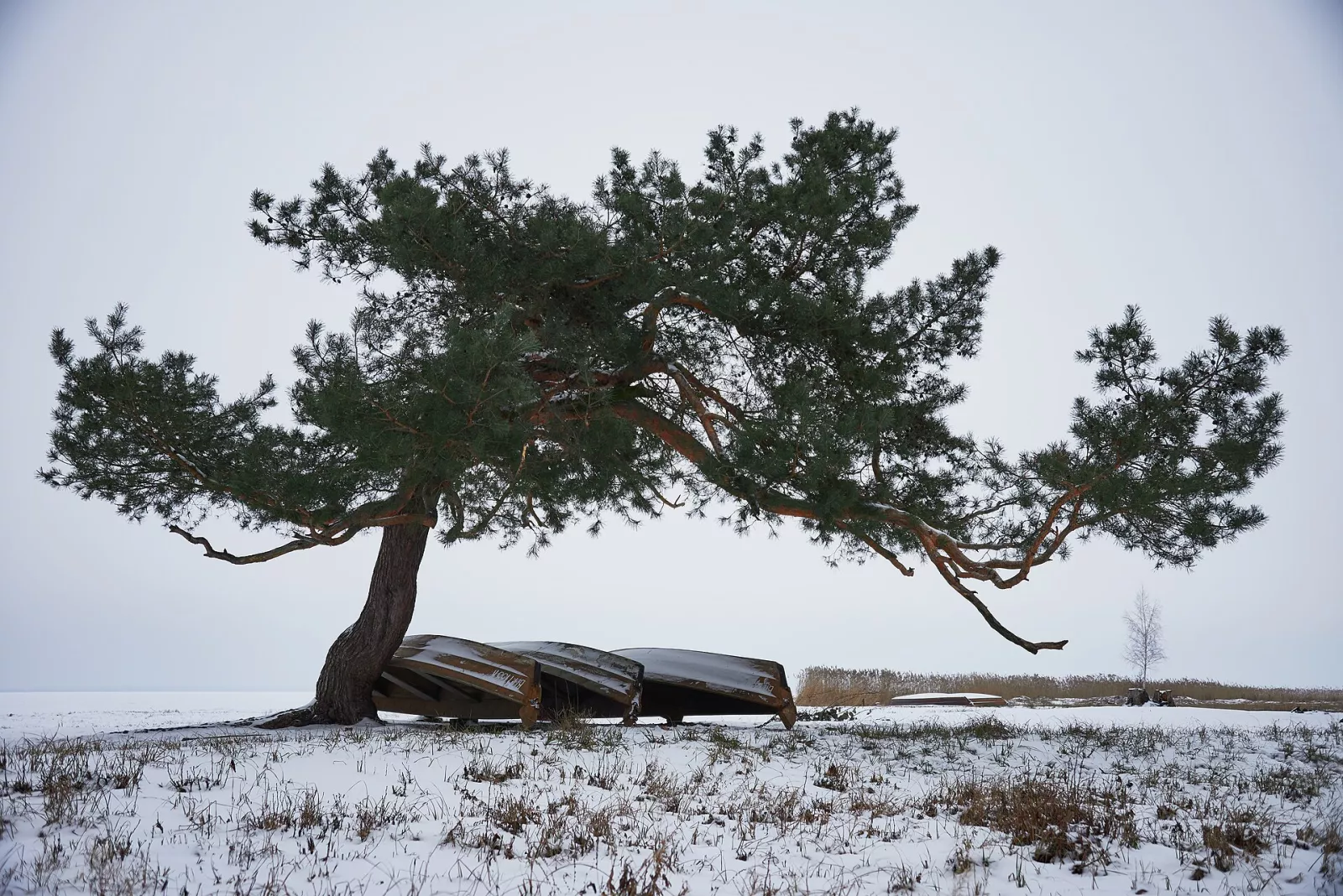
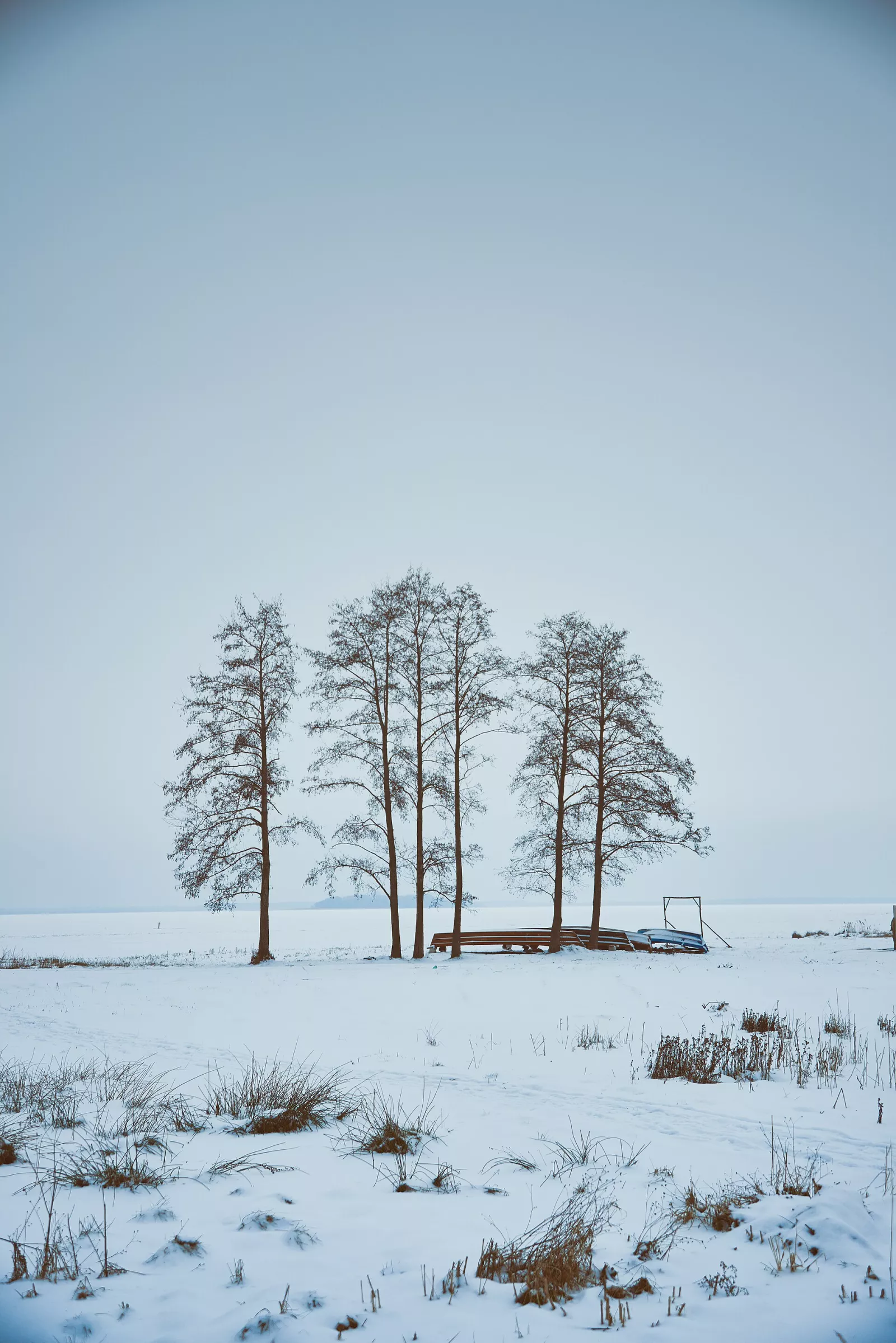
From November, the region becomes almost deserted. In winter the lakes freeze, but the thickness of the ice varies every year: in mild winters the ice is thin and unreliable, and sometimes it only becomes safe to walk on in late February, after a week of frosts. When the ice holds, ice-fishing enthusiasts go out onto Svityaz and the neighboring lakes. You should only venture onto the ice when fishermen are already standing confidently there, and never during a thaw.
The winter Shatsk Lakes mean snow-covered pines, silence, and short days. People come here for peace, forest walks, and scenery, and on Epiphany, they dive into the ice-hole at Velyke Zhoranske Lake. Some recreation facilities are closed in winter, so arrange your accommodation in advance.
Season by Month
| When | What to Expect |
|---|---|
| April — May | Cold water, silence, bird migration, walks, and cycling |
| June | Water warms up by the end of the month, still few people, many mosquitoes |
| July | Warmest water, peak of the season, blueberries in the forest |
| August | Warm water, many people, water lilies on the lakes, thunderstorms |
| September | End of the beach season, quiet, first mushrooms |
| October — November | Mushrooms, cranberries, bird migration, predator fishing |
| December — March | Ice in frosty winters, ice fishing, snowy forest, almost no tourists |
Svitiaz After the Season on Video
Suspilne Lutsk about Svitiaz in early September, when the swimming season is already over and vacationers are still arriving.
And this is winter fishing on the Shatsk Lakes in a report by BUG.media.
Before the Trip
How to get there by train, bus, or car is in the article How to Get to the Shatsk Lakes. Where to swim in the summer is in the article Beaches of the Shatsk Lakes, and with kids — Shatsk Lakes with Kids. About the lakes themselves, the national park, and fishing — in the article Shatsk Lakes, and about the town — Shatsk — an Urban-Type Settlement Among Lakes. At any time before leaving, it is useful to check the power outage schedule in Volyn and air raid alerts. It is a border region, so keep your documents with you.