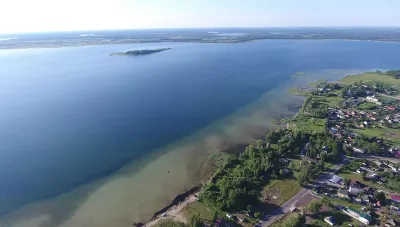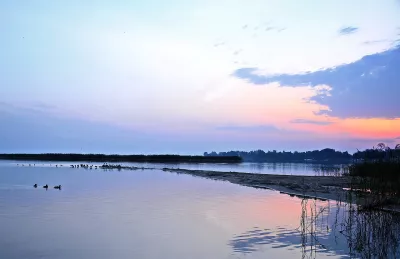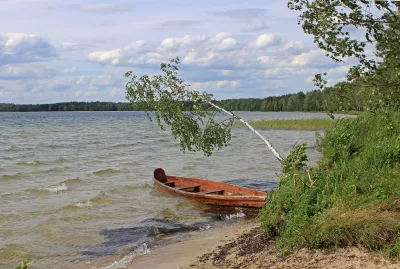
Ostrivianske, or Ostrovianske, is a glacial lake near the village of Ostrivya in the north of Shatskyi National Nature Park. It is connected by channels to Pulemetske Lake and Luky.
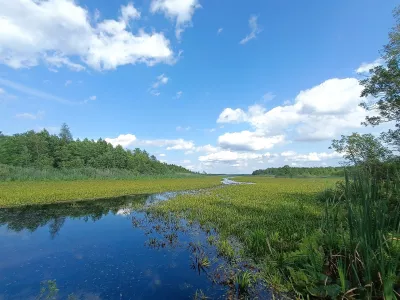
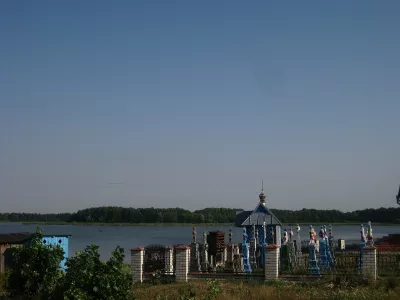
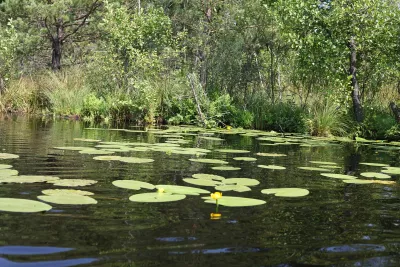
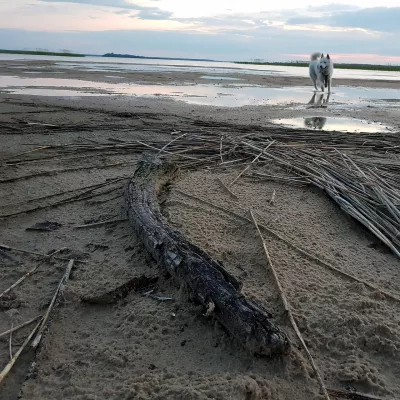
This is a quiet rural lake without resort development. On its shore stands the oldest church of the former Shatskyi district, and around it are Polissian meadows, forests, and reeds.
What it is like
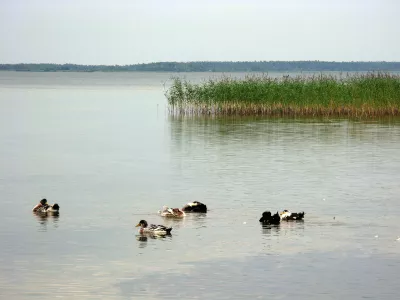
The lake is 2.6 km long, up to 1.7 km wide, with an area of 2.5 km² and a depth of up to 3.8 m. The basin is elongated and irregularly shaped. The northwestern shores are marshy, the western ones elevated. The lake is fed by surface runoff and underground waters, freezing in winter. The bottom is muddy, sometimes overgrown with aquatic plants. Waterfowl nest on the shores.
Between the two world wars, these lands belonged to Poland, so in Polish sources the lake is called Jezioro Ostrowskie.
Ostrivianske is one of the lakes around which drained swamps were restored in 1999–2003. After this, the water level in the lake and neighboring swamps stabilized, and the number of waterfowl increased.
Ostrivya and the Church of Saint Barbara
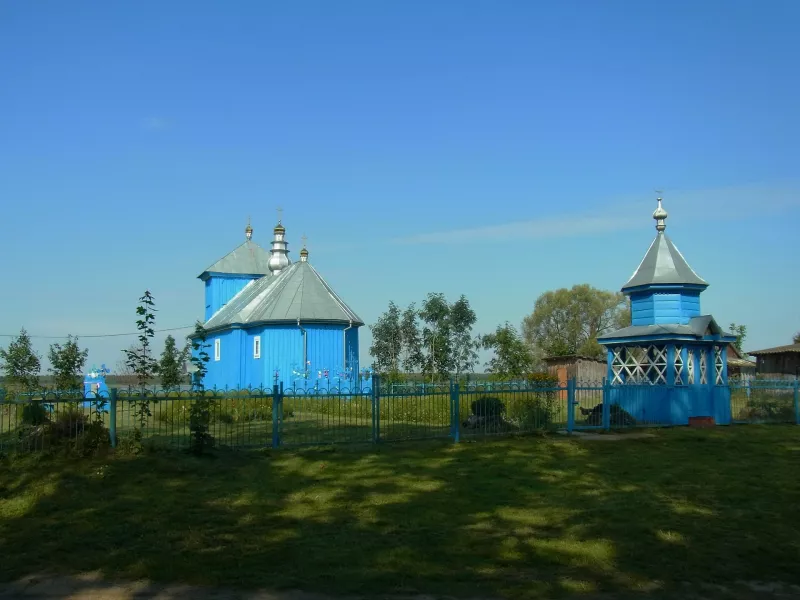
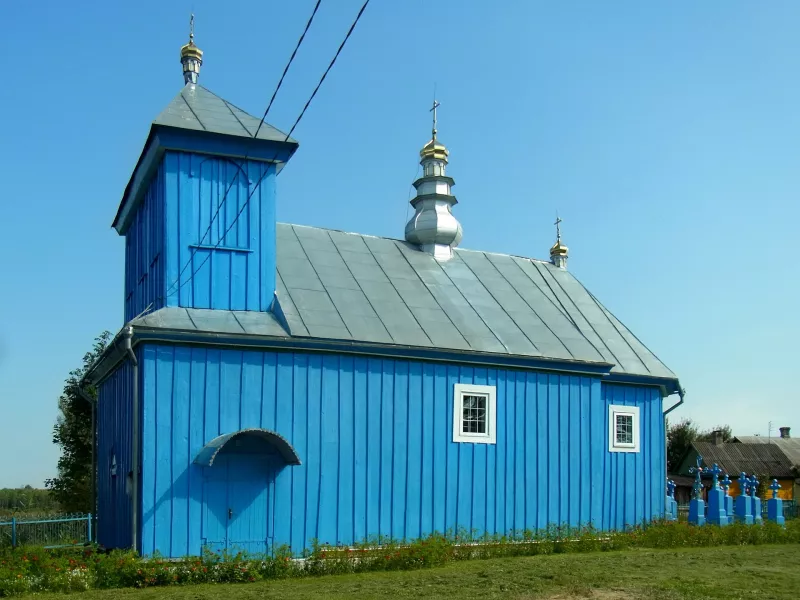
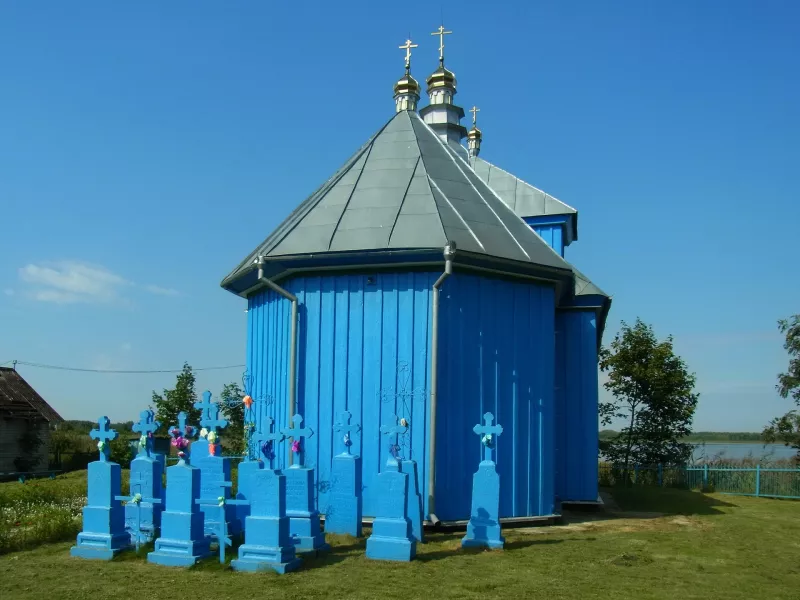
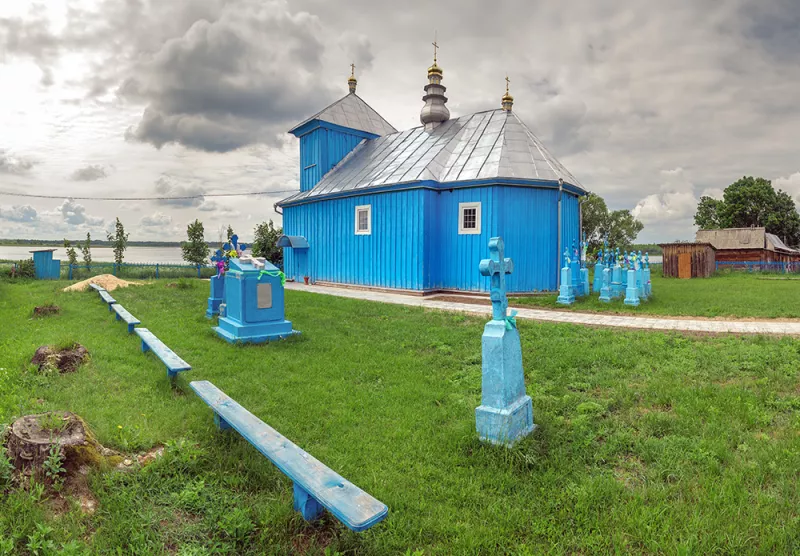
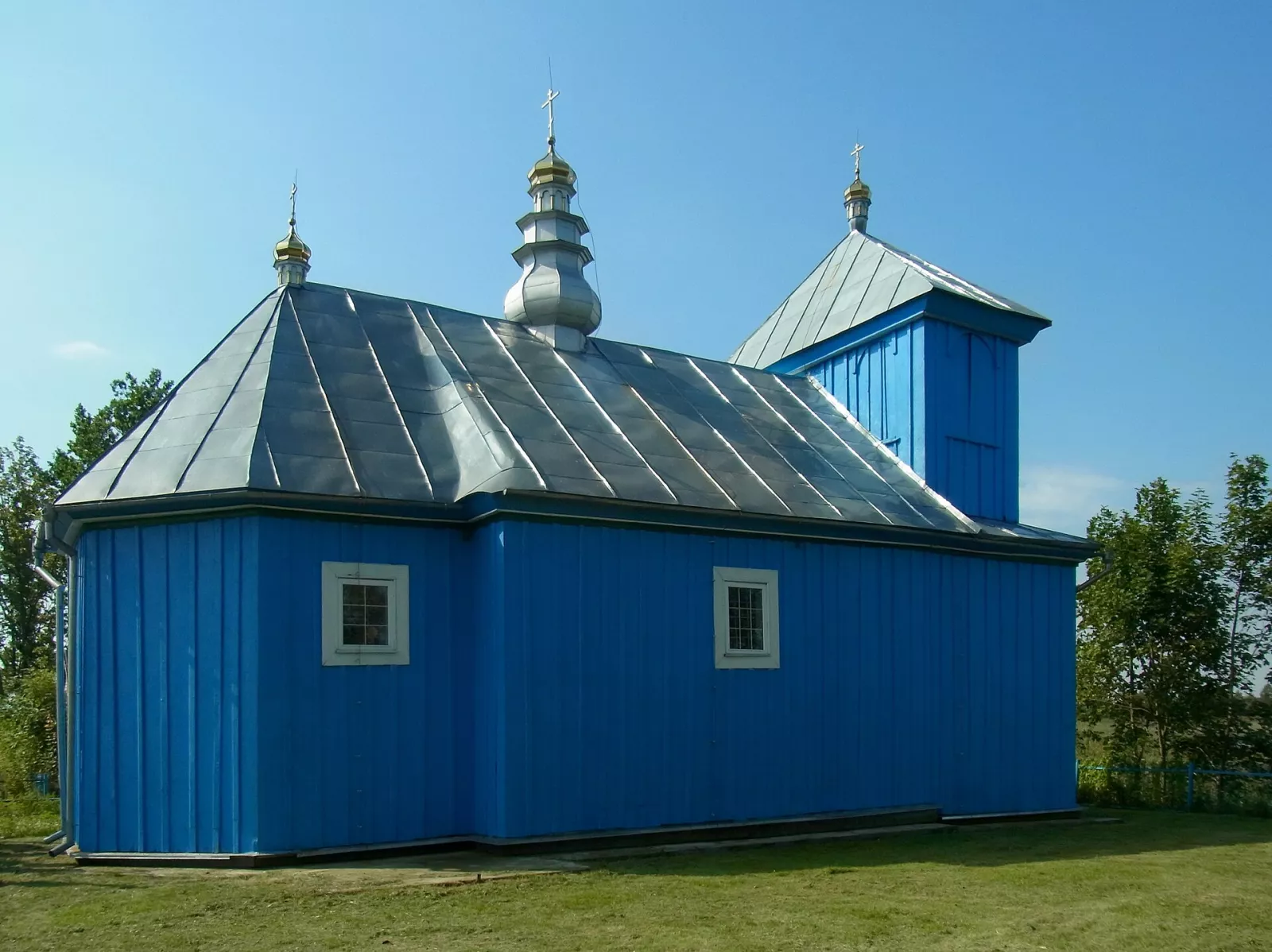
The village of Ostrivya lies on the shore of the lake, about 13 km northwest of Shatsk. On a small elevation above the water, at the end of the main street, stands the wooden Church of Saint Barbara — a local architectural monument.
The Orthodox church in the village was first mentioned in 1510. The current temple is not the first on this site but is the oldest in the former Shatskyi district: researchers date it to the early 18th century. The church is three-part, of the "house type," clad with vertical boards. It acquired its modern appearance after reconstruction in 1874, when a bell tower was added to the western wall. In 1963 the church was closed, and in 1989 it was reopened for worship.
After the church was closed, some icons and liturgical books were transferred to the church in the neighboring village of Pishcha. When the community repaired the church and resumed services in the late 1980s, some of the items were returned. Today the church belongs to the Orthodox Church of Ukraine and operates a Sunday school.
Fishing
Ostrivianske is home to bream, pike, roach, weatherfish, and carp. The northwestern shores are marshy, so it is more convenient to fish from the elevated western shore or from a boat. Roach and bream are caught with a float, pike with a spinning rod near the thickets. This is a national park territory, so fishing is allowed only in designated areas. General fishing rules apply.
The lake has fed Ostrivya for a long time, and the tradition of drying crucian carp is still preserved here — the video below tells about it.
Ostrivya on video
How to get there
From Shatsk to Ostrivya you can go through Pulmo or by local roads; buses also run. This is a border zone, so carry your documents.
Nearby
Pulemetske Lake and Luky are neighboring lakes, Svityaz is the largest lake in the park, Shatskyi National Nature Park and the settlement Shatsk are the community center.