
The Shatsk Lakes are best known for the beaches of Svityaz, but there is plenty to see around them even without a swimsuit. A few kilometers from the water stand the Branitsky rotunda above Svityaz, a classicist church in Shatsk, and a hillfort on the shore of Lytsymyr. Ecological trails run through the forests of Shatsk National Park, and wooden churches from the 18th–19th centuries have been preserved in villages north of the lakes. Less than an hour’s drive away is the ancient town of Liuboml, and beyond it—the Bug River and the border with Poland. This area has everything needed to diversify your holiday in Volyn Polissia with excursions.
Svityaz and the monastery above the lake
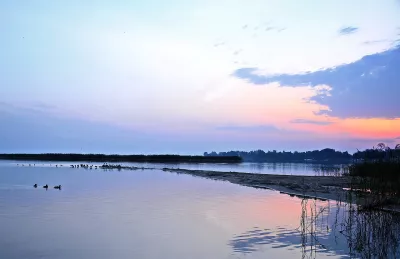
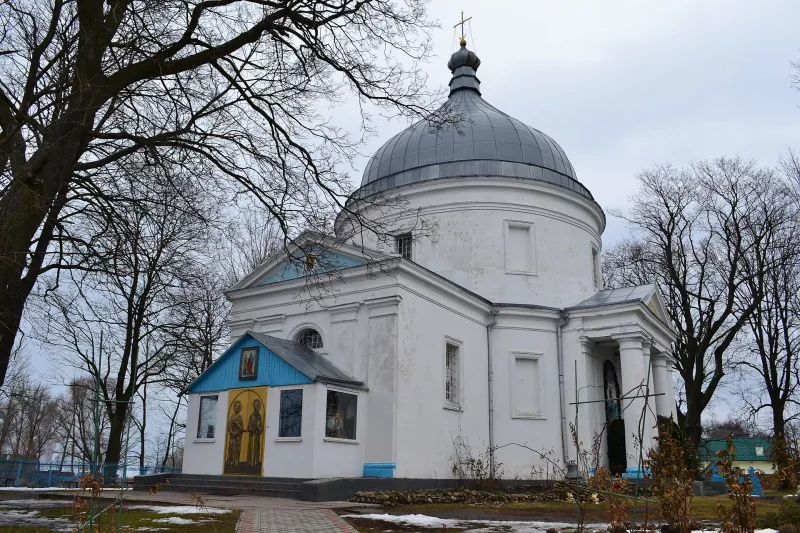
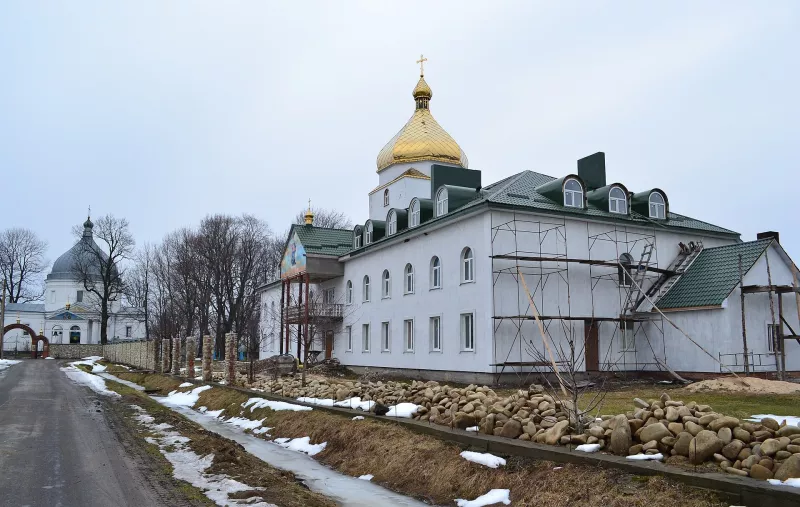
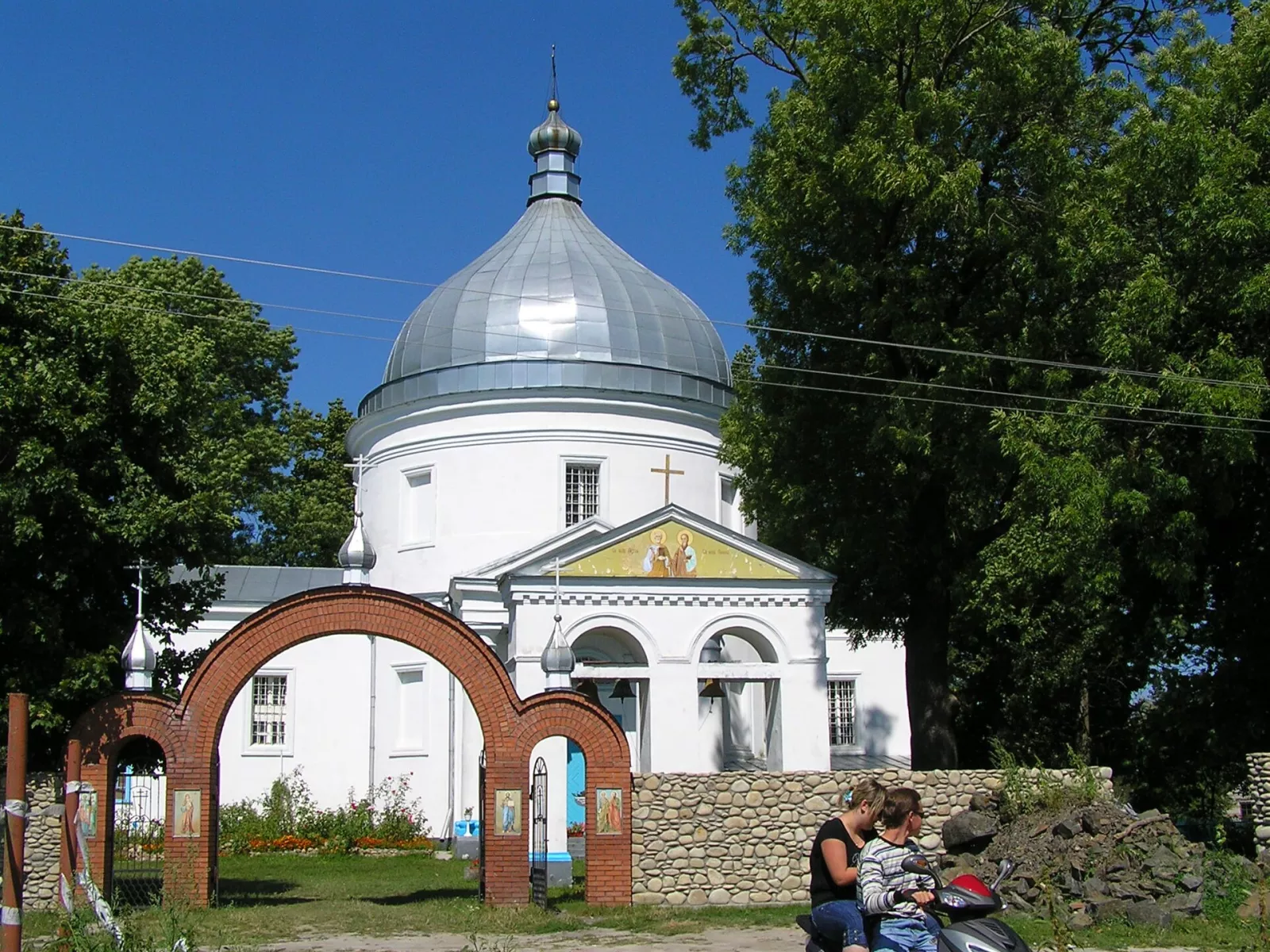
The most recognizable sight of the Shatsk Lakes is the white rotunda of the Petropavlivskyi Church in the village of Svityaz. The stone church was begun by Count Vladyslav Branitsky in the early 1840s and consecrated in 1846, when its construction was completed by his widow Roza Pototska. Round in plan, with Tuscan porticos and a dome on a drum, it is rare for Volyn villages. In 2002, a male monastery was founded at the church. The best photos are taken from the shore at sunset, and visitors to the monastery should wear clothing that covers shoulders and knees.
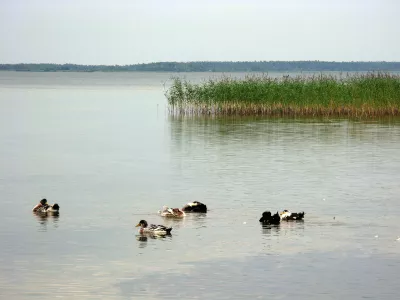
The lake Svityaz itself is the deepest natural lake in Ukraine and one of the largest, with clear water and sandy beaches. At its western edge lies the protected Buhznia Bay, accessible via the “Svityazanka” trail, and on the eastern shore within Shatsk is the Hryada tract.
Shatsk
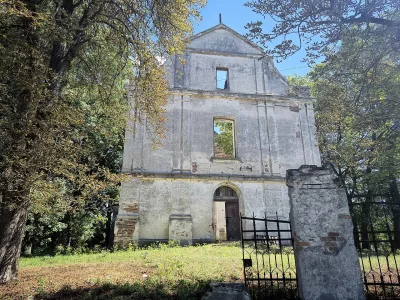
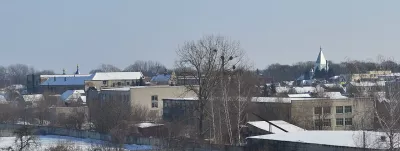
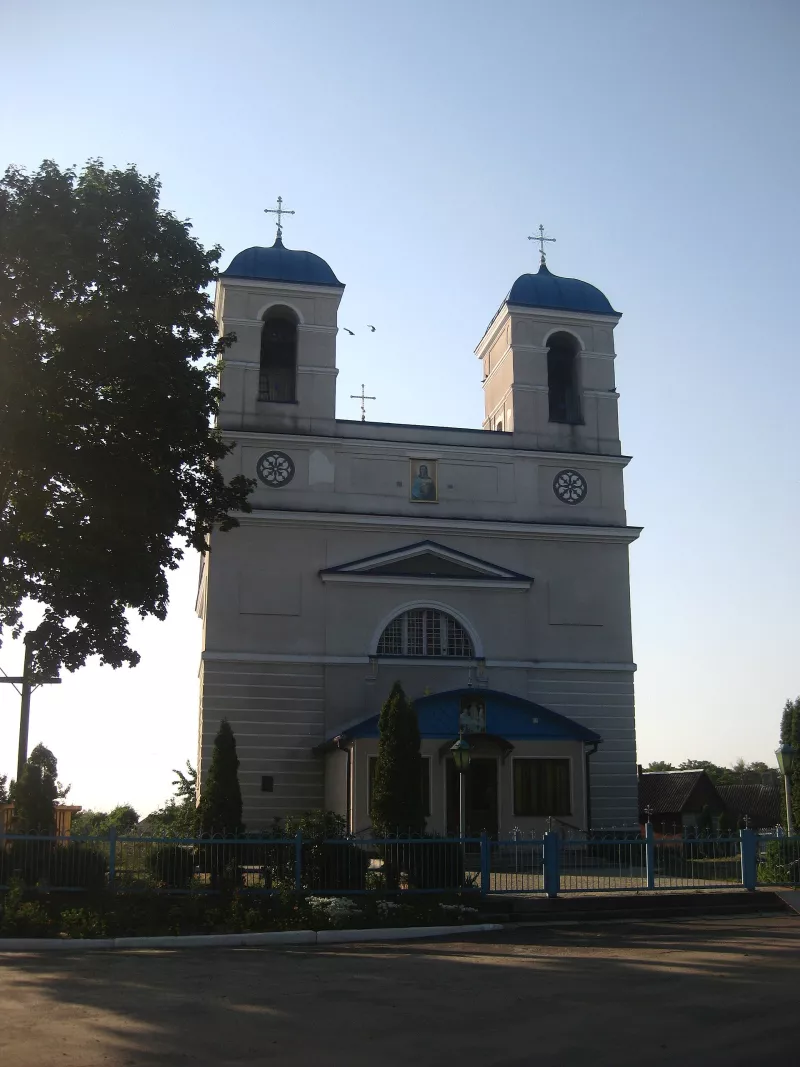
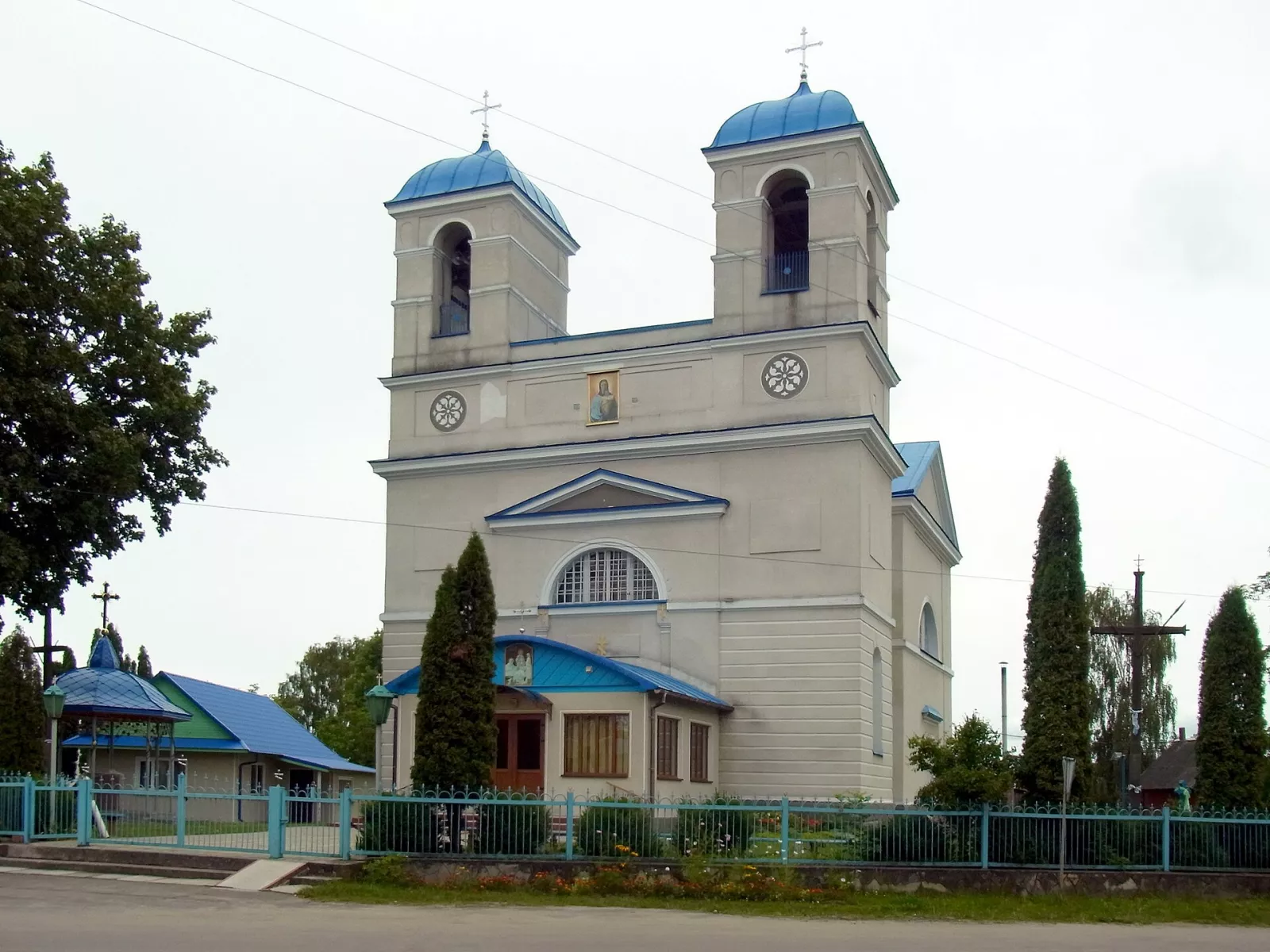
Shatsk is first mentioned in 1410, when King Vladyslav Jagiello sent hunters here to procure meat for the army. The main landmark of the settlement is the Church of the Nativity of the Blessed Virgin Mary, also founded by Vladyslav Branitsky. It was built from 1830 to 1839 in classicist forms: the two-towered facade resembles Baroque churches but is decorated with rustication, classical pediments, and semicircular windows. The church is an architectural monument of national significance; its facade completes the perspective of two streets converging on a small square.
On the shore of Lake Lytsymyr, in the Sad tract, a hillfort and settlement dating from the 11th–14th centuries have been preserved. From the rampart, there is a good view of the water and forest — a great place for a short historical walk. A low isthmus separates Lytsymyr from Lake Velyke Chorne, which can be reached from Shatsk by a forest trail.
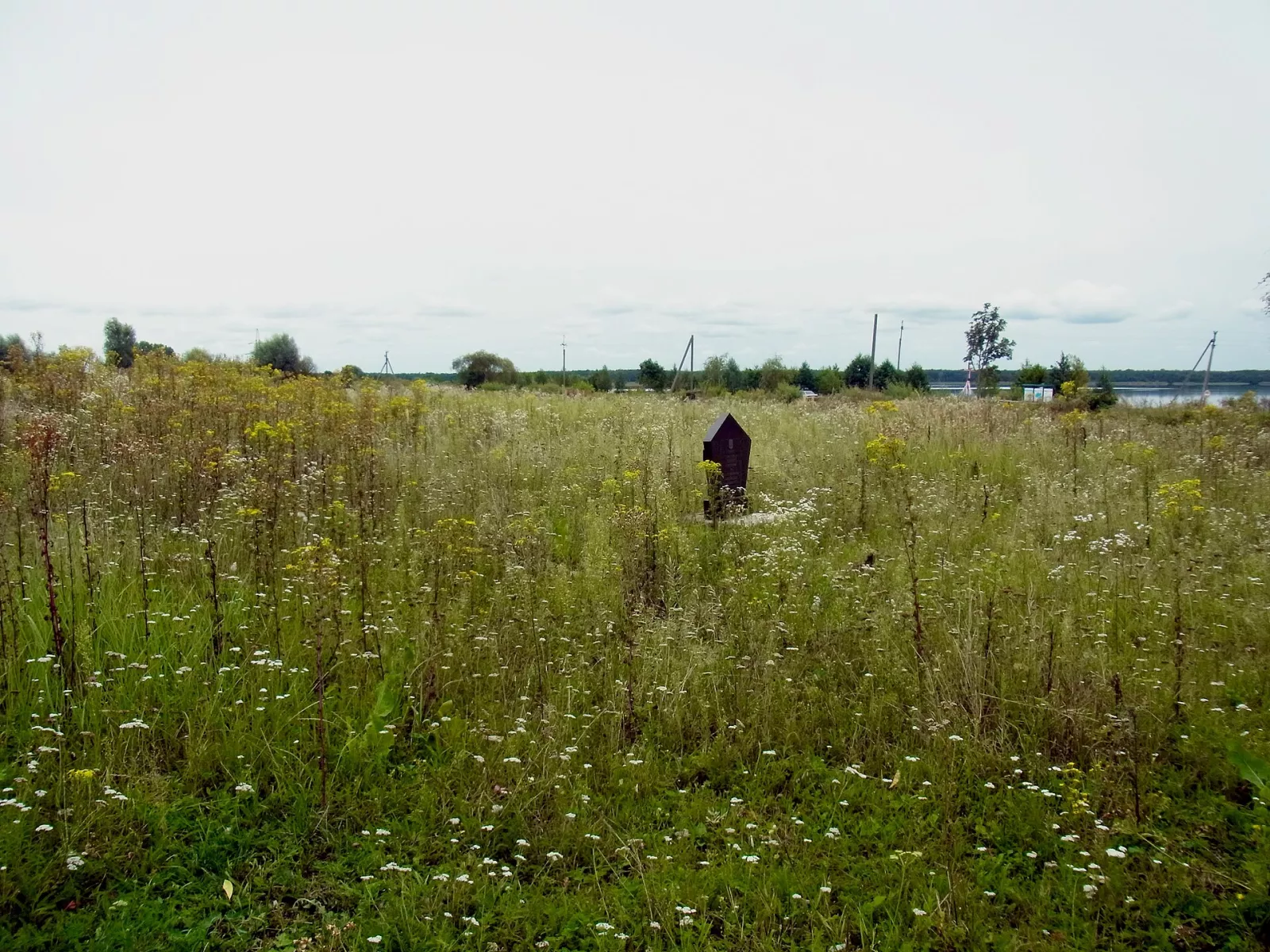
National park trails
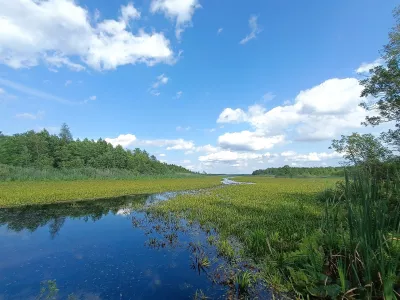
The easiest way to see the nature of the Shatsk National Nature Park is on its marked trails. “Svityazyanka” is a 5.2 km loop through a pine forest and wooden boardwalk to the Buzhnya Bay with a viewing tower. “Lisova Pisnya” runs between Peremut and Pisochne lakes, while “Dva Ozera” is about 9 km around both lakes, past a pine grove, a beach, and the remains of a World War II pillbox. The youngest travelers will enjoy “PARK” — about a kilometer through the forest from the outskirts of Shatsk to Velyke Chorne Lake.
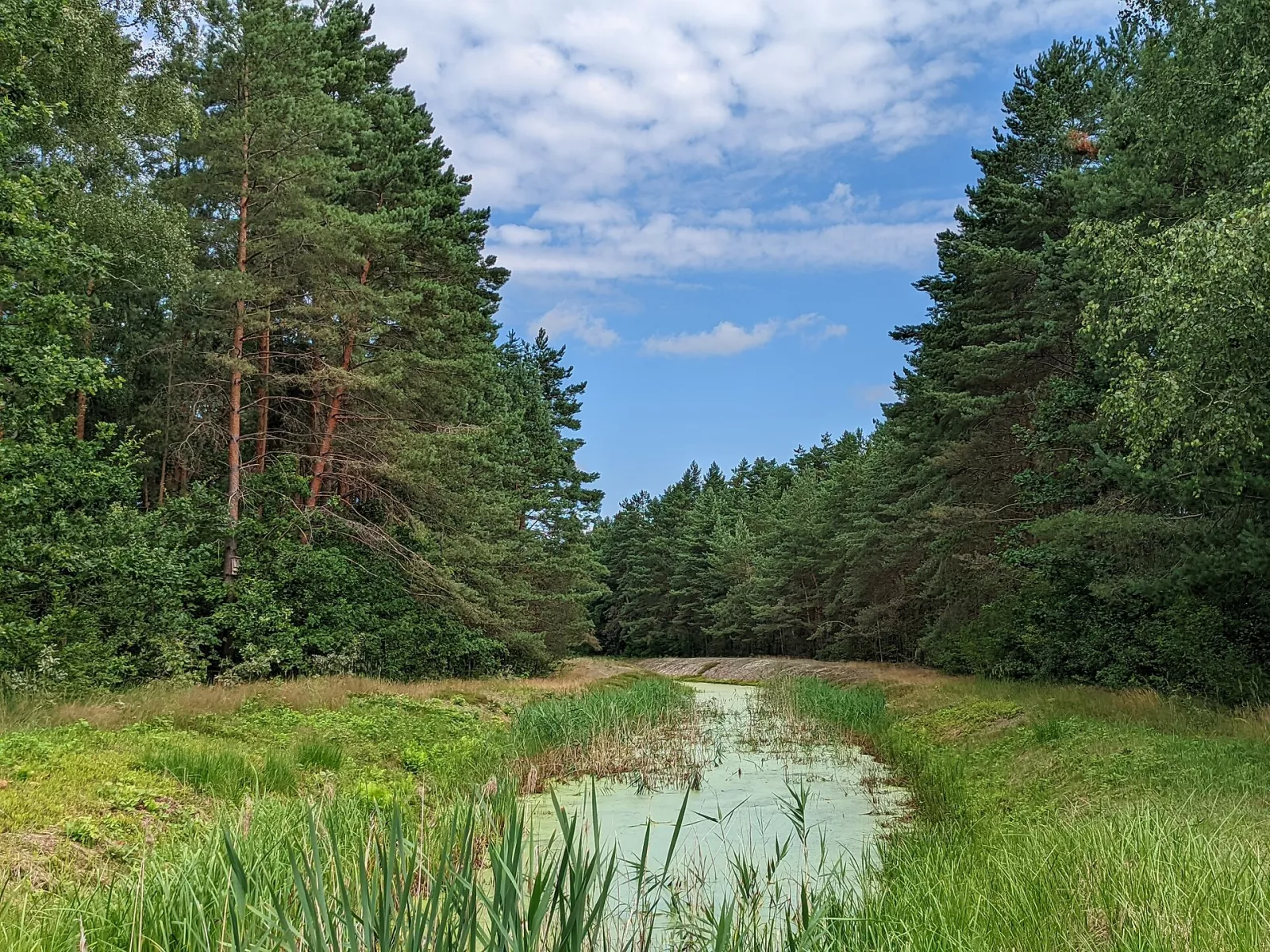
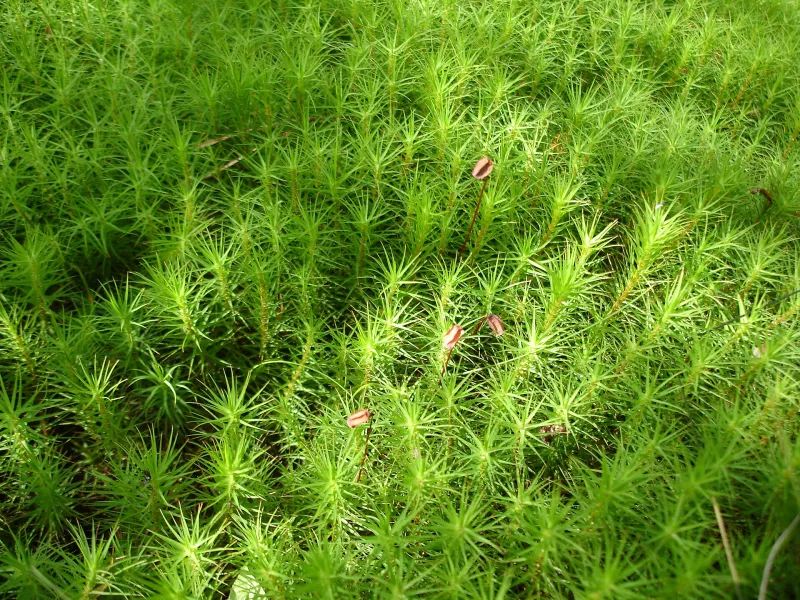
Near the village of Rostan lies the nationally significant botanical reserve “Vtenskyi” — here the small-fruited cranberry, a rare plant for Ukraine, is protected. Nearby is the forest reserve “Rostanskyi.” It is not advisable to enter the swamps on your own: it is better to observe them from roads and trails.
Wooden Churches in Villages
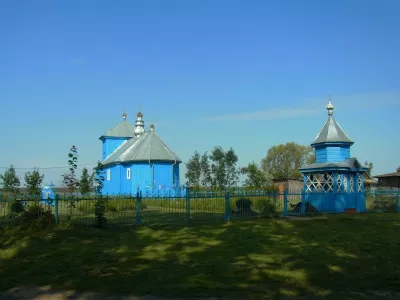
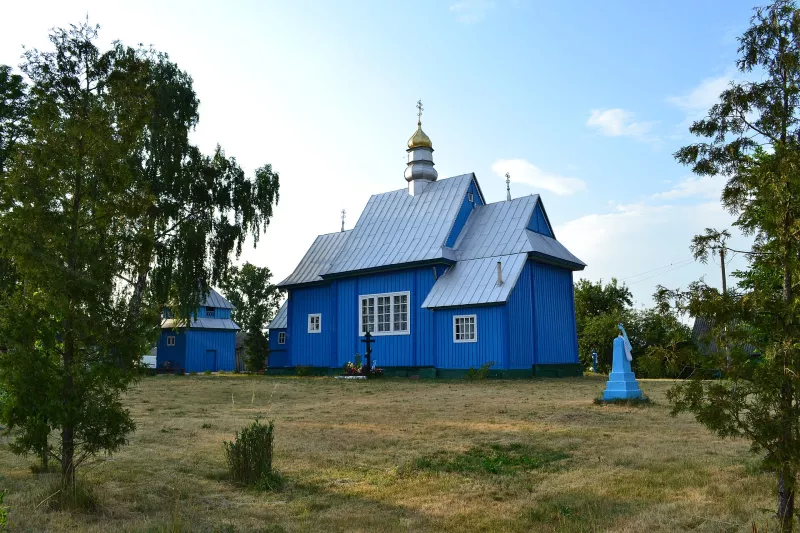
In the former Shatsk district, wooden churches from the 18th–19th centuries have been preserved. Three of them can be easily visited in half a day, while also seeing the northern lakes of the park.
Ostrivya
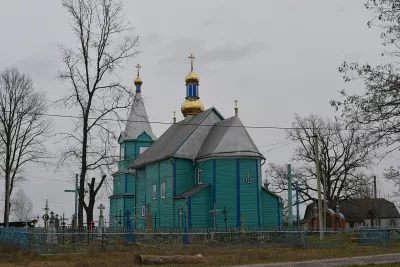
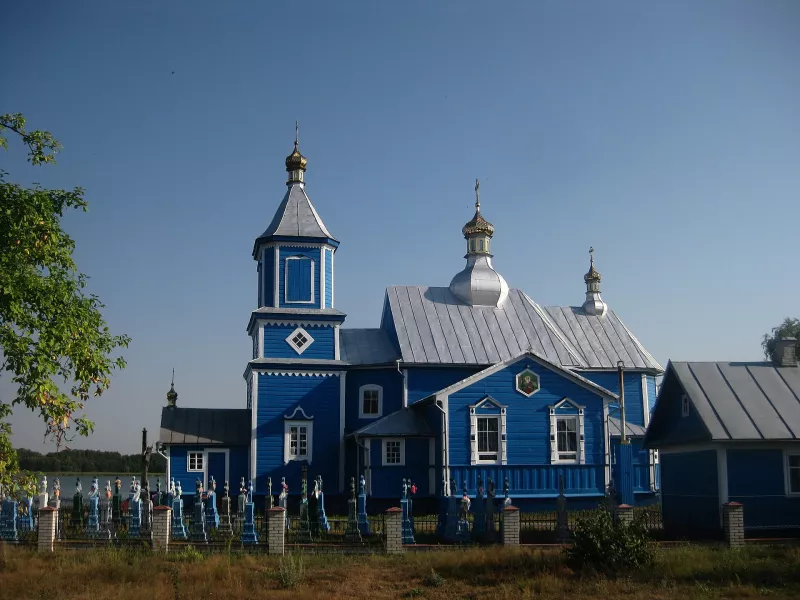
The Church of St. Barbara stands on a small elevation above Ostrivyanske Lake, at the end of the village’s main street, about 13 km northwest of Shatsk. This is the oldest church in the former district: the exact date of construction is not preserved in documents, and researchers date it to the early 18th century. The church is three-part, “house-type,” sheathed with vertical boards; a bell tower was added to it in 1874.
Pishcha
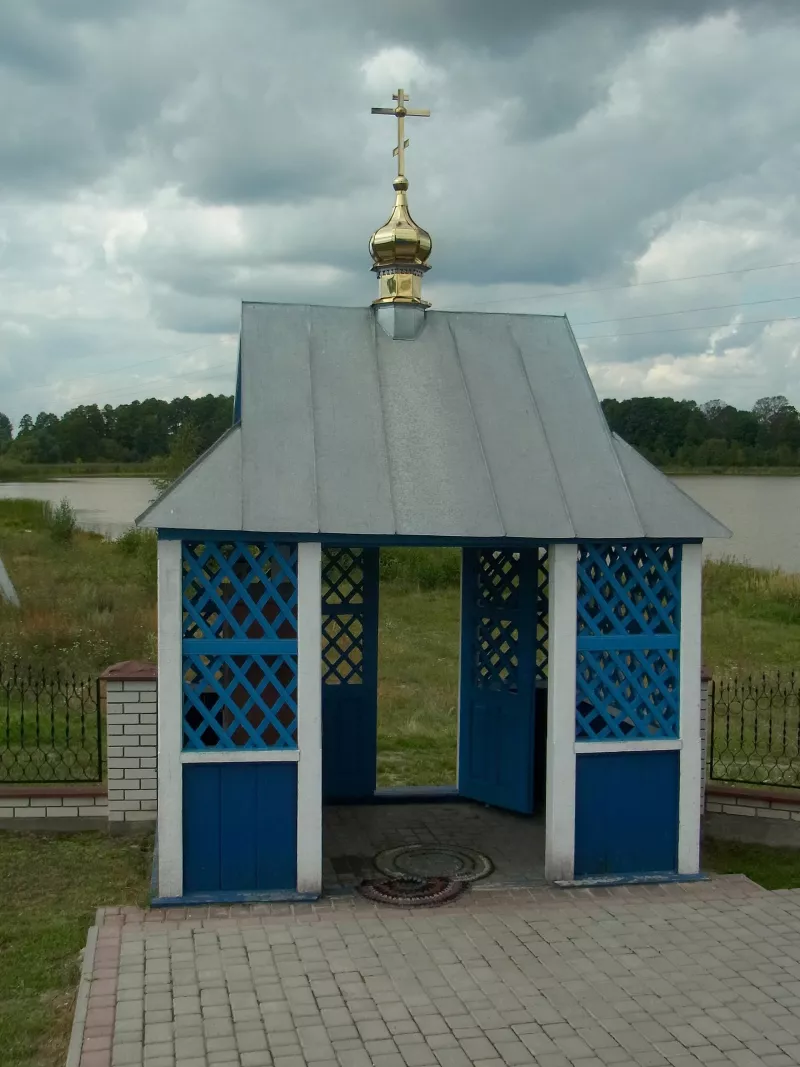
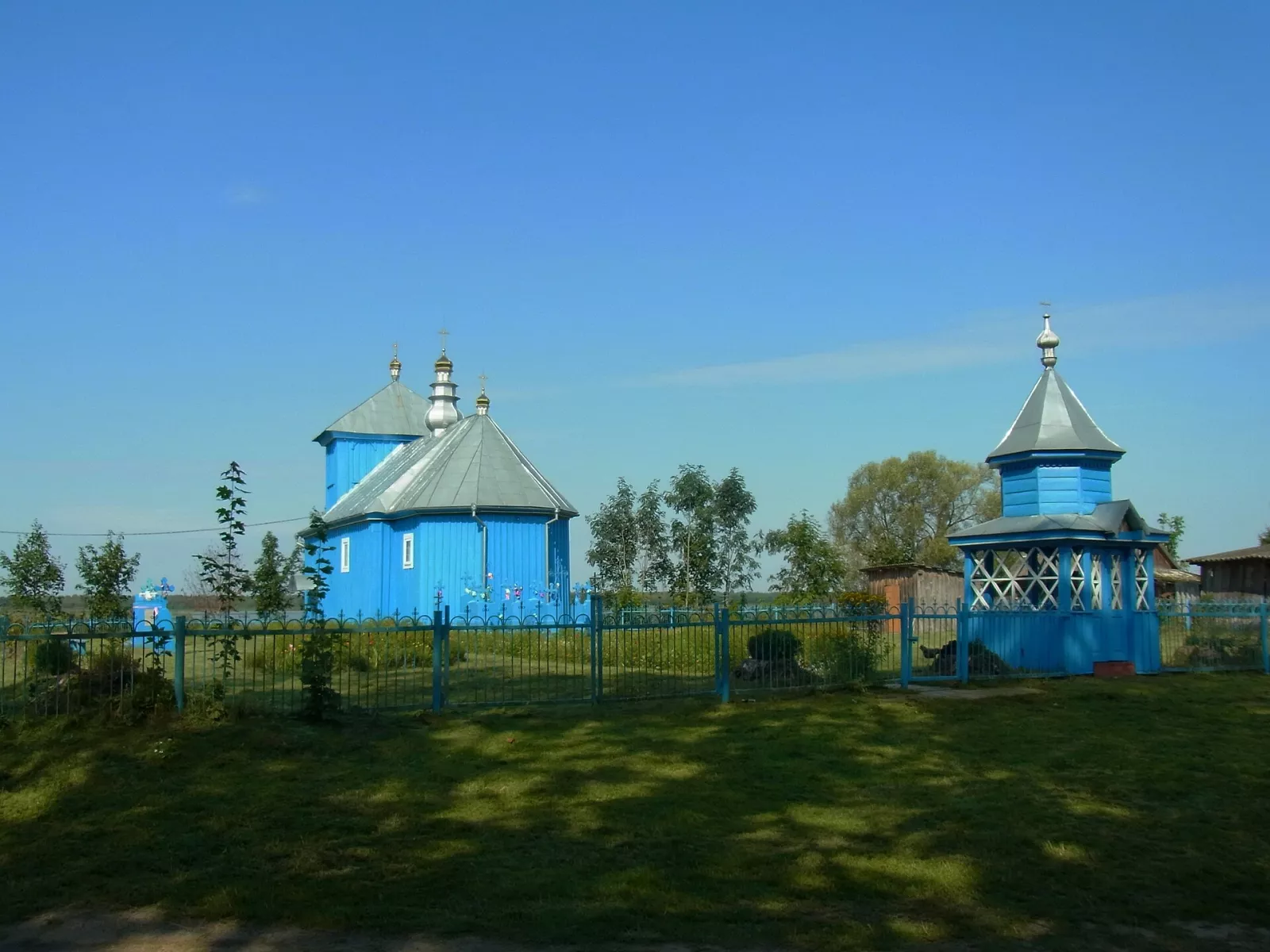
In Pishcha, right near the border with Belarus and on the shore of Velyke Pishchanske Lake, stands the Church of the Kazan Icon of the Mother of God from 1801 — a nationally significant architectural monument. It was once a three-part church, but later a bell tower and side log structures in the synodal style were added, so now the bell tower is the main focus. The church has access to the lake. In the village cemetery, there is a wooden chapel which, according to clerical records, was built in 1802: a single-chamber, “house-type” building with a hipped roof — an archaic example of Volyn folk church architecture.
Pulmo
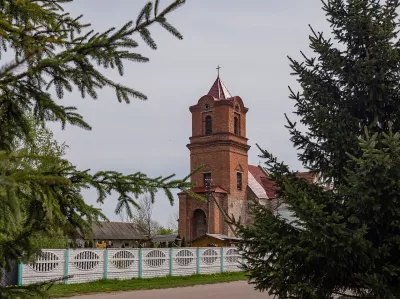
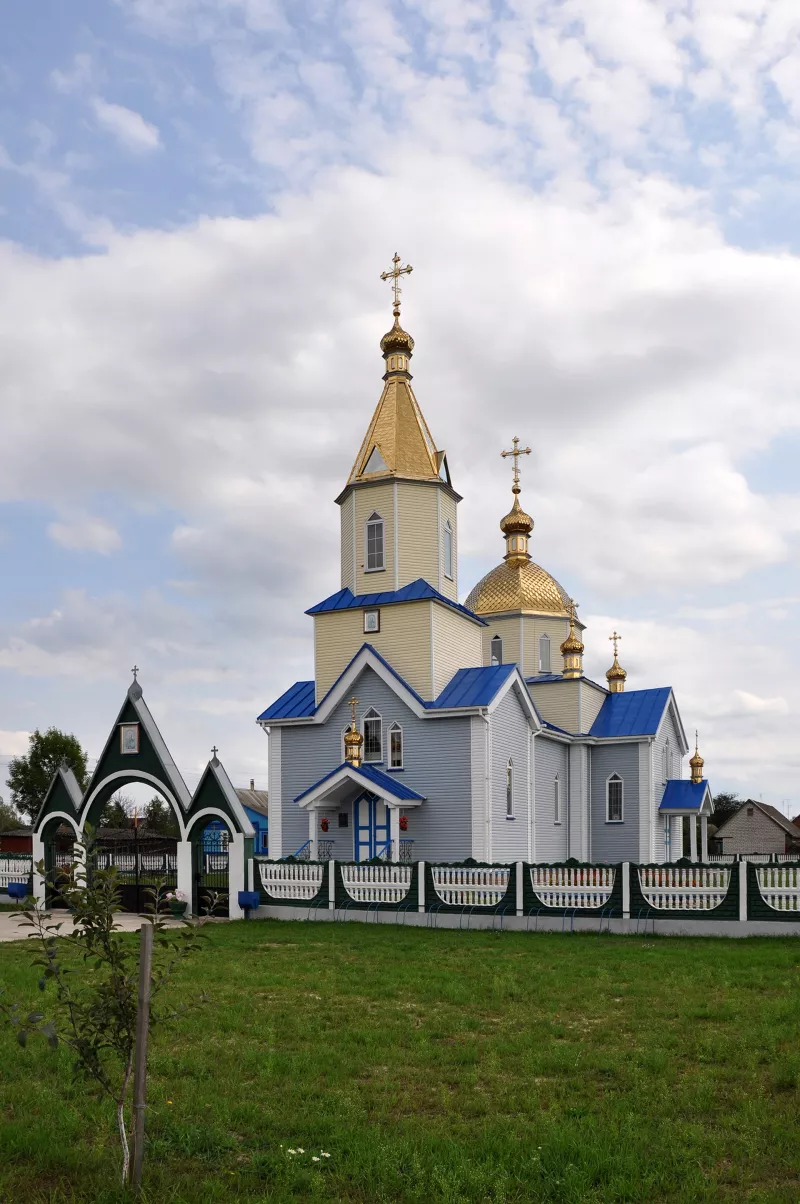
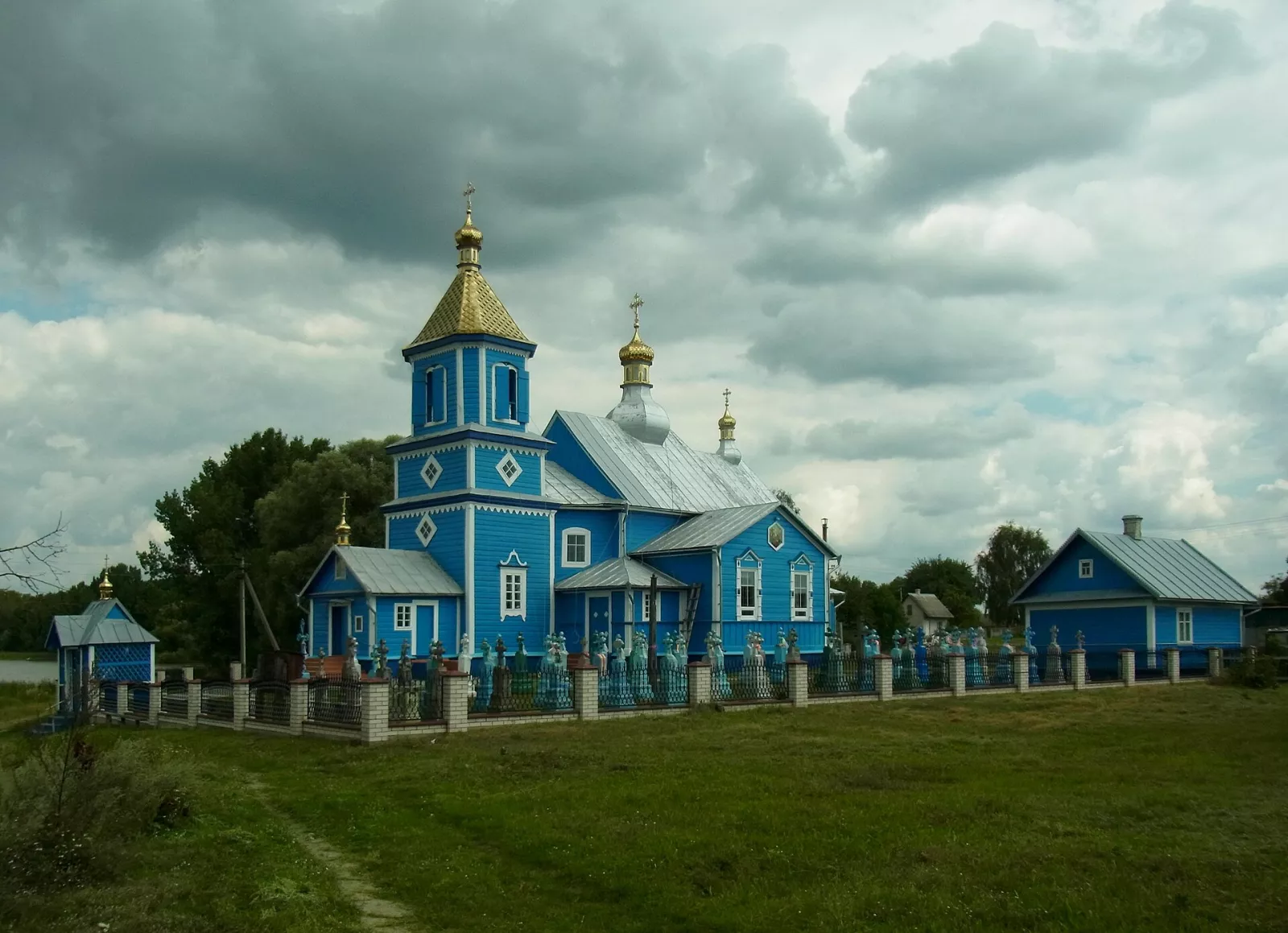
The village of Pulmo lies between Svityaz and Pulemetske Lake. The church here is mentioned from 1510, and the current wooden St. Nicholas Church was built in 1895 following a standard synodal style design: cruciform in plan, with a tented bell tower on the west. Despite its typical design, its central dome and proportions are distinctive, so the church is listed as a monument of local architectural significance. In nearby Pulemets, another monument is preserved — a brick Catholic church from 1936–1939, which after the war was converted into a collective farm grain warehouse.
On the Way to Liuboml
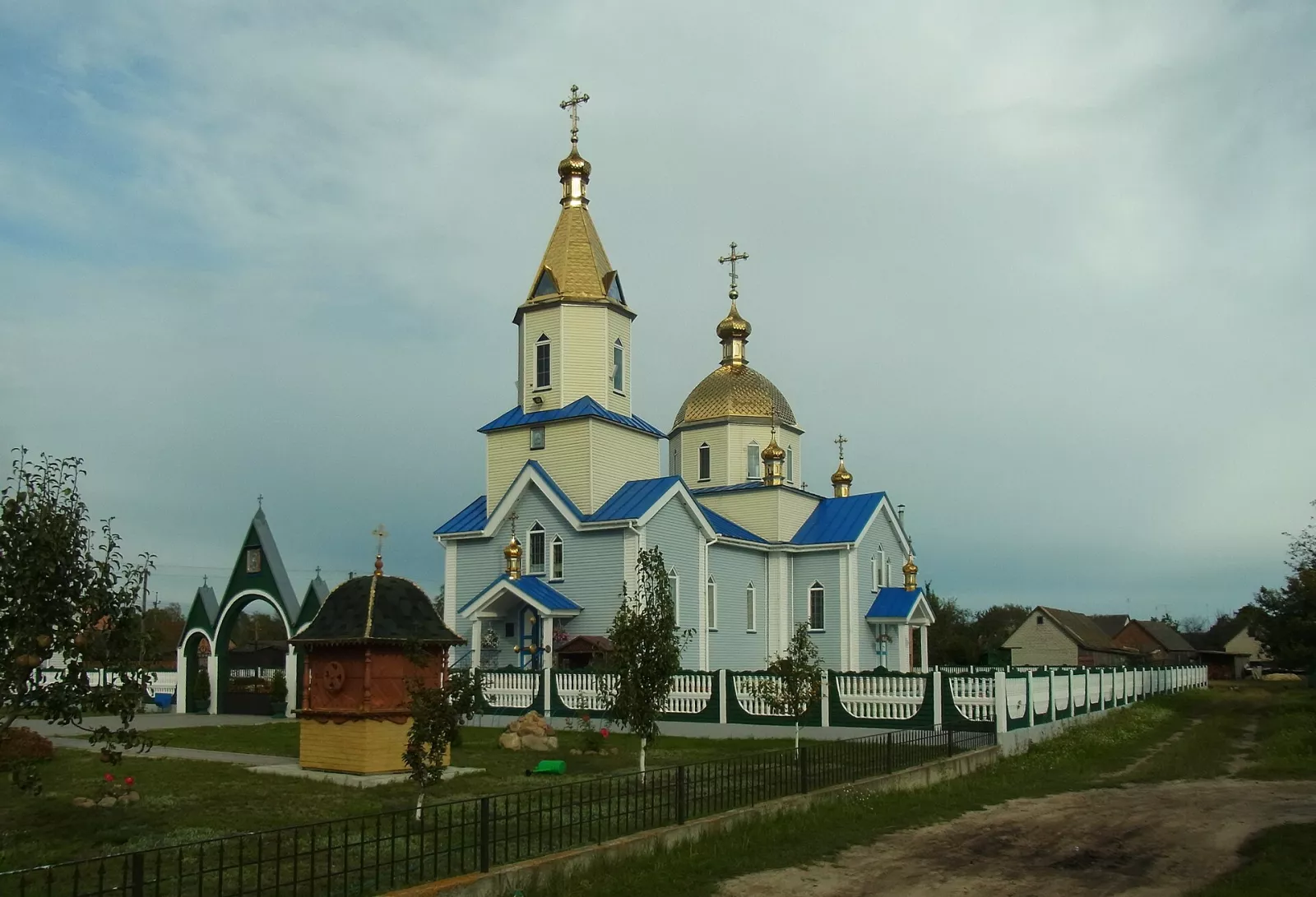
The road from Shatsk to Liuboml passes through Zhorany. Here stands the wooden St. Dmytro Church of 1674 — one of the old three-part churches of Volyn with a large central log structure. The church and bell tower are architectural monuments of national significance. Nearby is Velyke Zhoranske Lake.
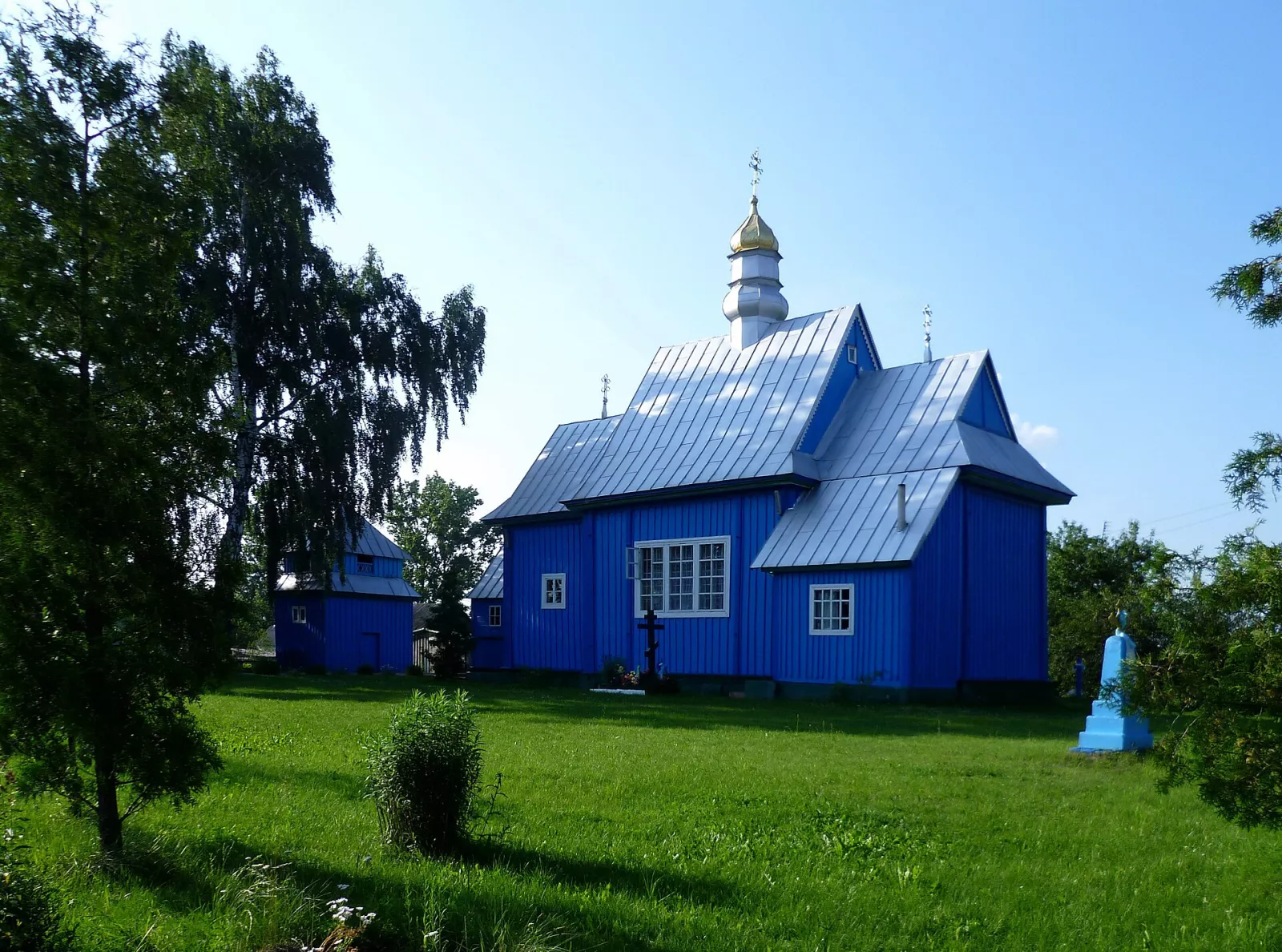
Liuboml was first mentioned in the chronicle in 1287 — it was a favorite place of the Volyn prince Volodymyr Vasylkovych, who died here in 1288. The oldest church in the city is St. George’s Church, built during this prince’s time. The Holy Trinity Catholic Church was founded in 1412 by King Władysław Jagiełło, according to legend, fulfilling a vow after victory over the Tatars; due to numerous reconstructions, it combines Gothic and Baroque styles. On the hillfort “Zamchyshche” rises the castle hill of the 14th century, and from the Branicki Palace of 1782 only a wing remains.
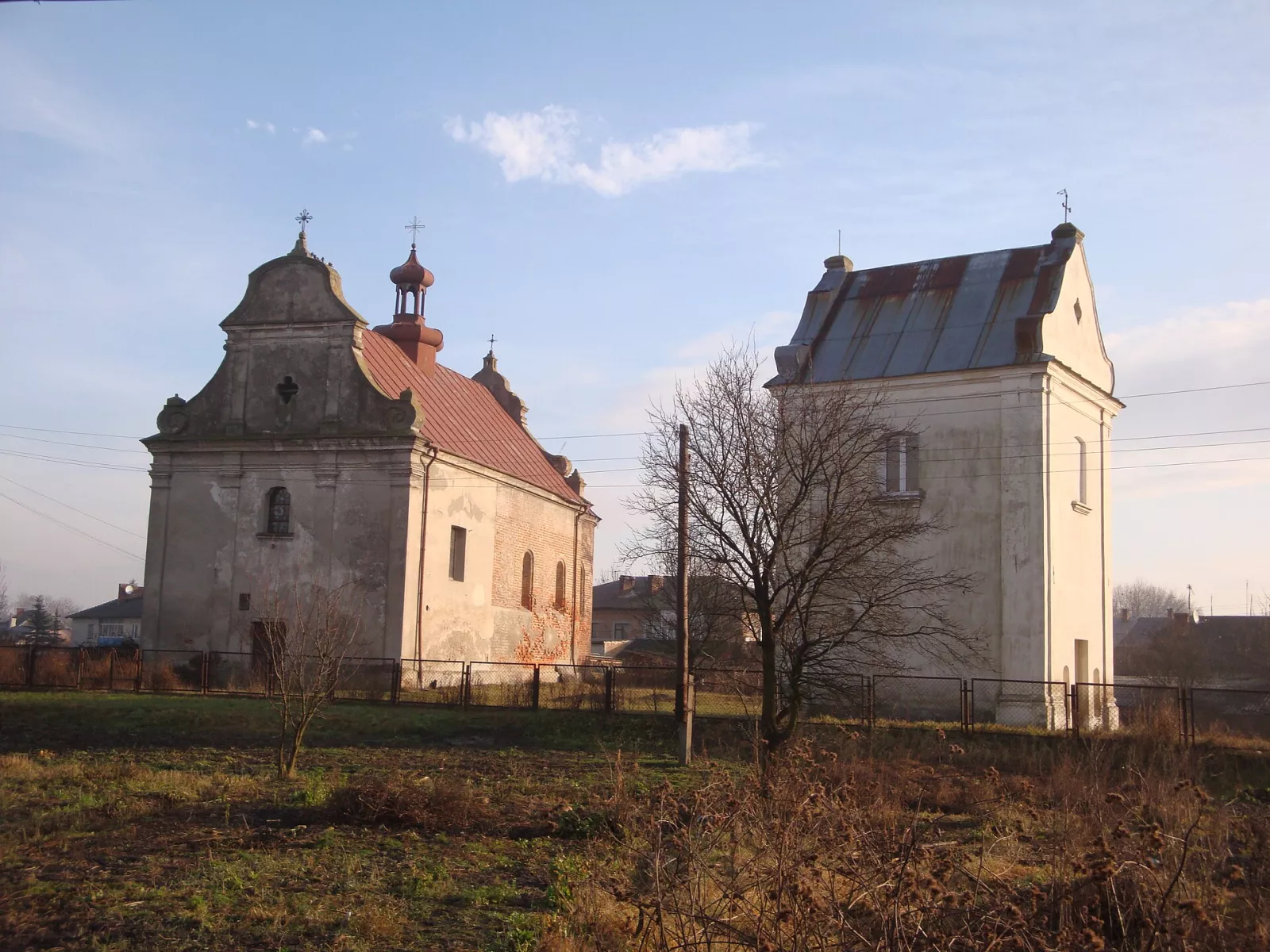
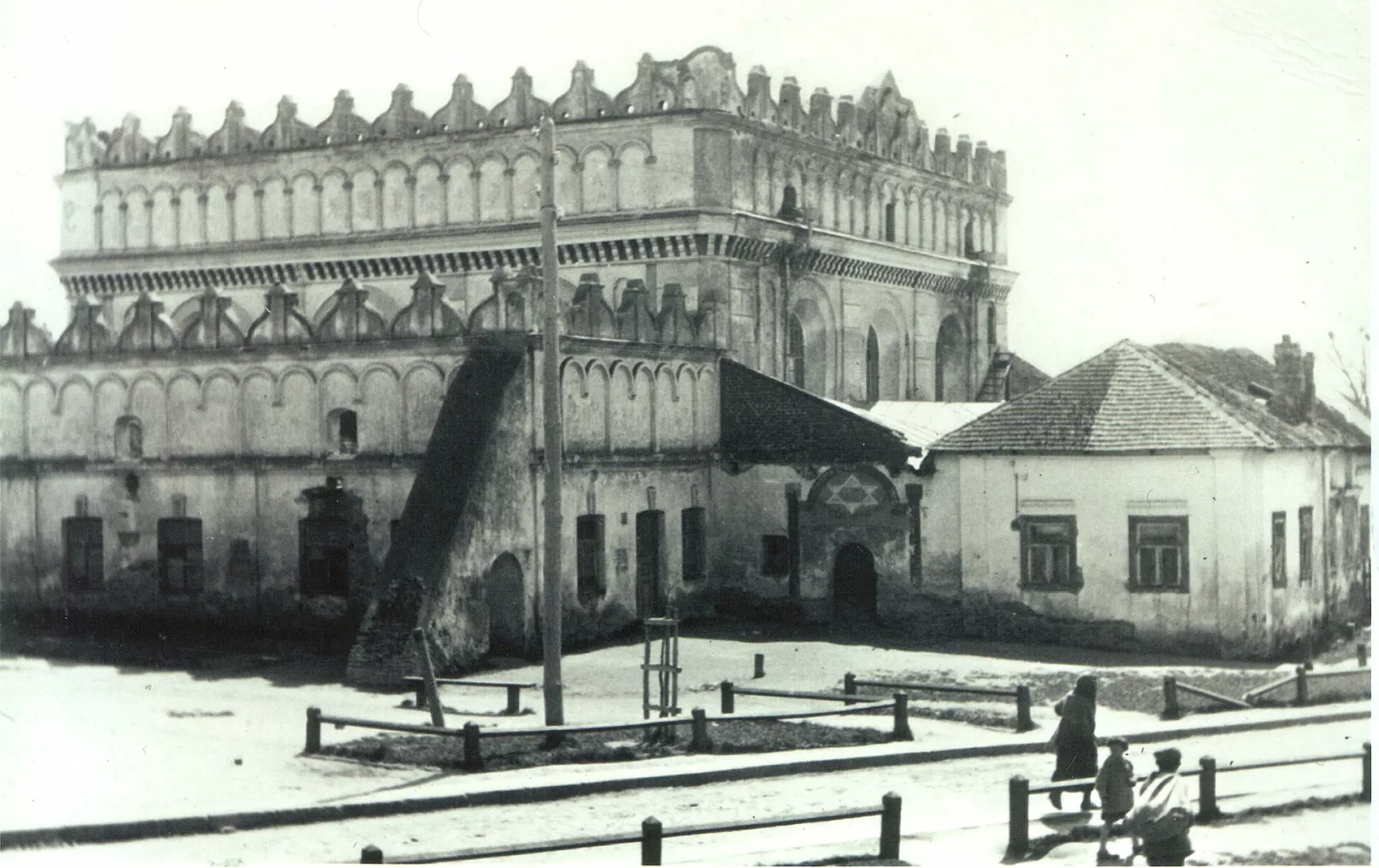
Before World War II, the majority of Liuboml’s residents were Jews, and the community was considered one of the oldest in Ukraine. The large synagogue, built in 1510, was regarded as one of the finest architectural works of its time. The community was destroyed during the Nazi occupation, and the synagogue itself was dismantled by Soviet authorities in 1947.
Bug and the Border
To the west of the Shatsk Lakes flows the Western Bug, along which runs the border with Poland. The nearest car checkpoint is Yahodyn near Liuboml; read about all border crossings in the region in the section Volyn border checkpoints. On the other side of the Bug is Polish Polissia with the Polissia National Park: together with Shatsk Park and the Belarusian “Prybuzke Polissia,” it is part of the UNESCO transboundary biosphere reserve “Western Polissia.”
The northern part of the Shatsk community borders Belarus, and this is a border zone. Take your documents with you, and men aged 18–60 should have a military registration document. Before going into the forest near the border, check the current regime with the park or border guards.
Shatsk Lakes on Video
How to Visit Everything
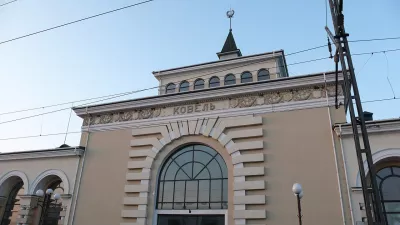
The first day can be devoted to Svitiaz: the monastery, the beach, and the “Svityazanka” trail. On the second day — Shatsk with its church and hillfort on Lyutsymir, then around the northern villages: Pulmo, Ostrivya, and Pishcha with their wooden churches and lakes. Liuboml and Zhorany are conveniently seen on the way home if you travel via Kovel, or on the way to the border at Yahodyn. The best time to do all this is in spring and early autumn, when there are no summer crowds on the roads and near the churches, and the park forests are full of mushrooms and berries.
Nearby
Pisochne, Peremut, Krymne — other lakes of the park. More about the region — in the article Kovel District.
More about the trip — in the guide Shatsky Lakes, as well as how to get to Shatsky Lakes and when is the best time to go.