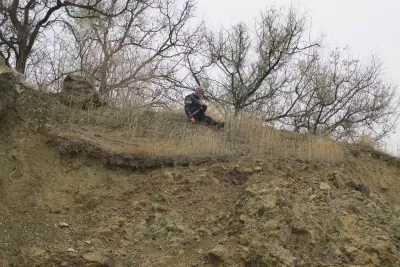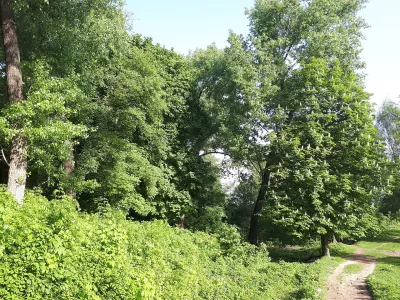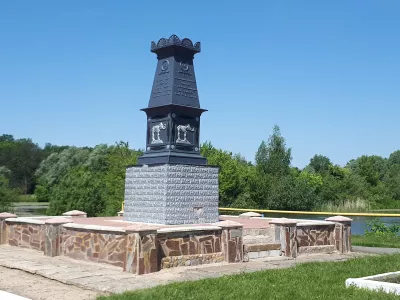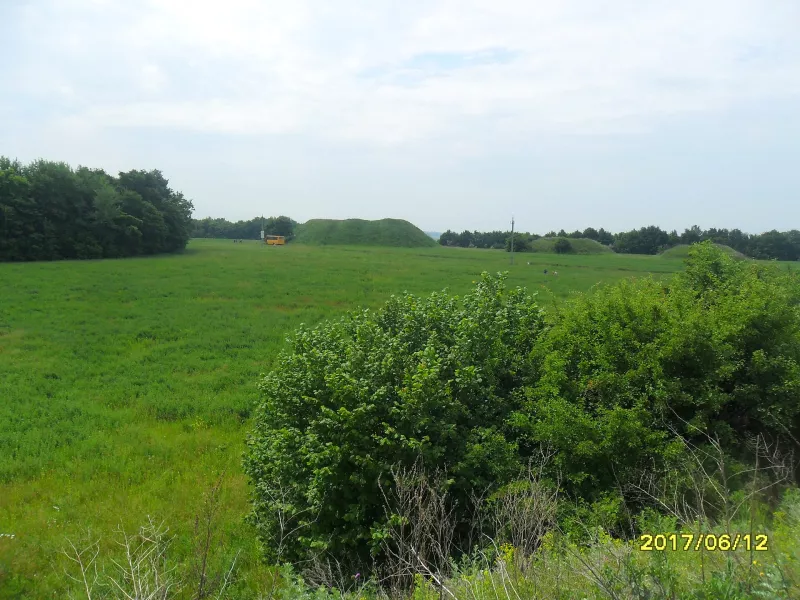
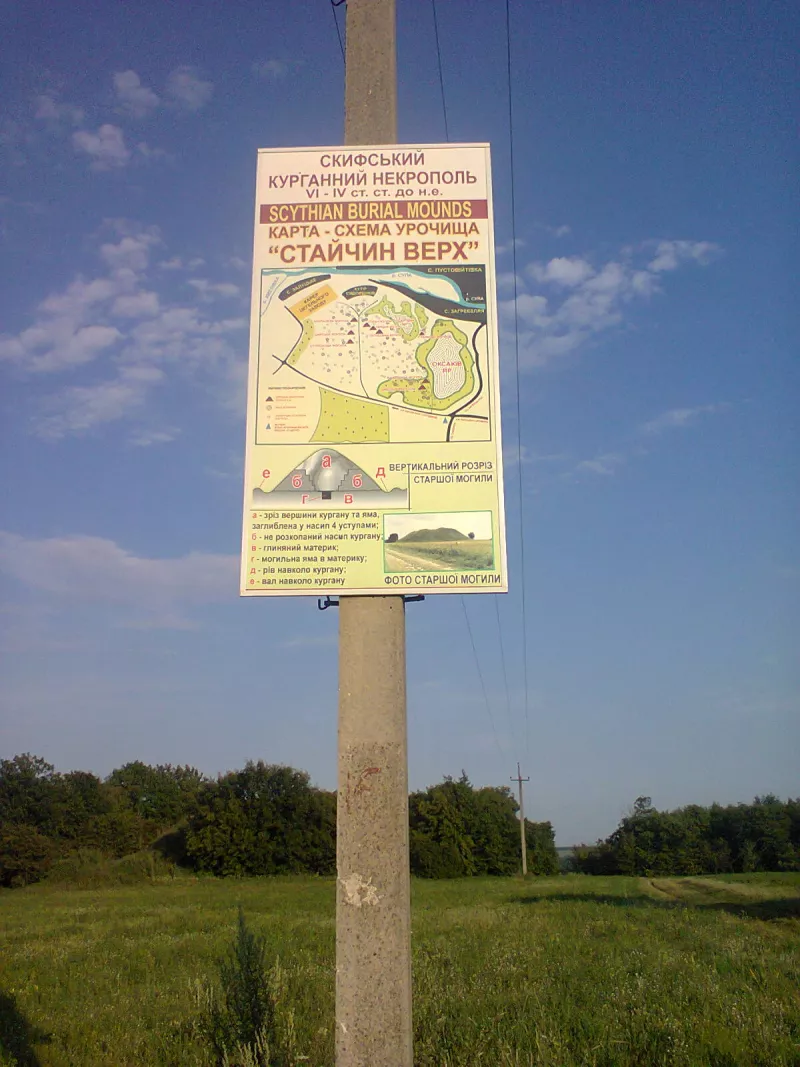
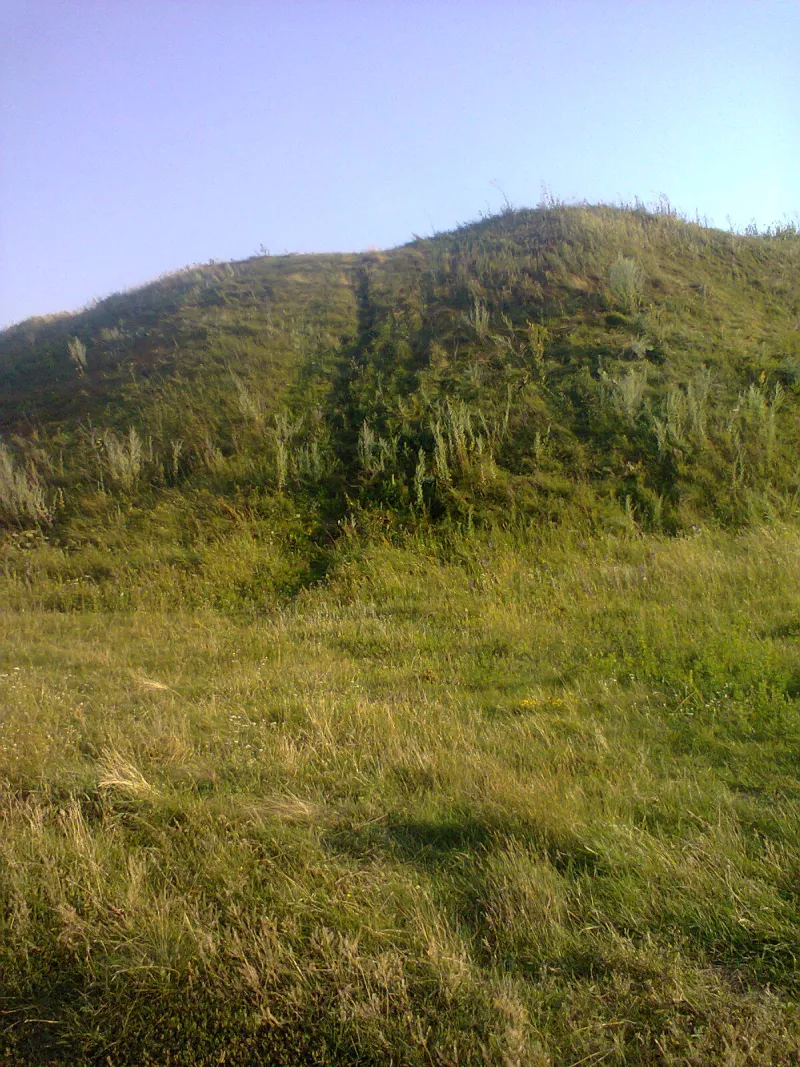
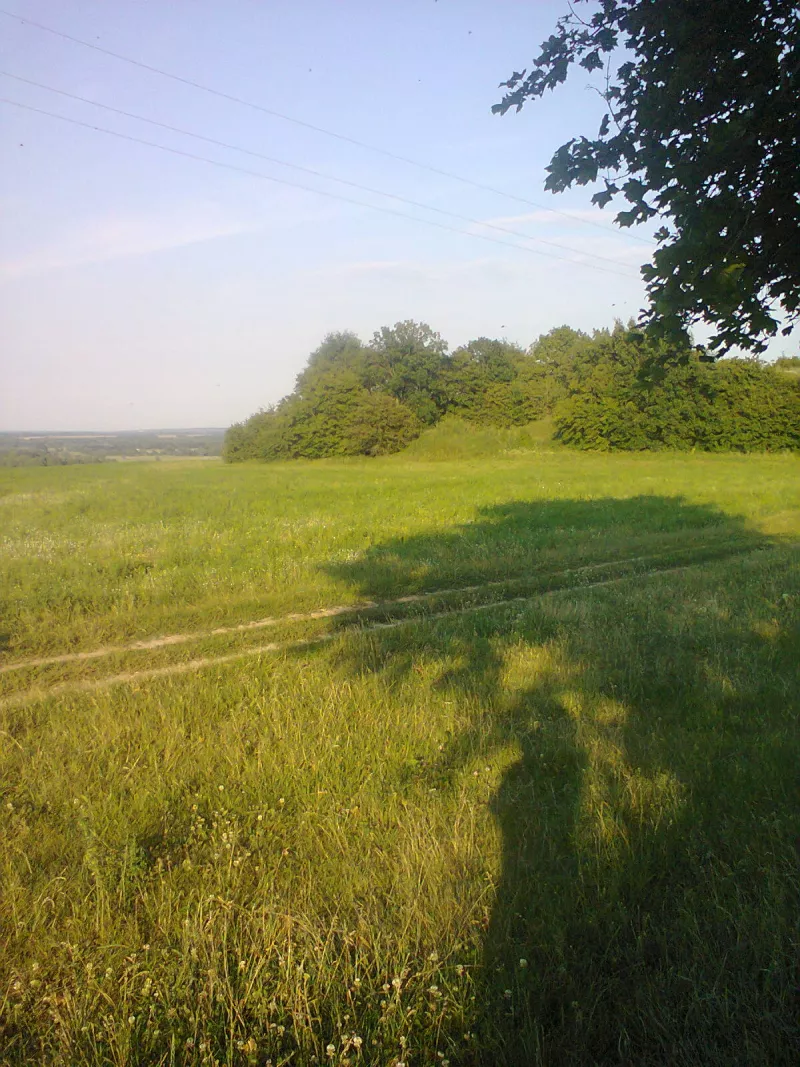

Near the village of Zahrebellia in Romenshchyna, on the high bank of the Sula River, rise the Scythian kurgans — Tsarska, Starsha, Storozhova, Serednia, Rozhrabovana mounds, and several smaller ones. The tallest reach 21 meters. These are part of the Posulska group of Scythian monuments — one of the richest clusters of Scythian kurgans in Ukraine. Since 2013, the kurgans have been a complex natural monument covering an area of 2.55 hectares.
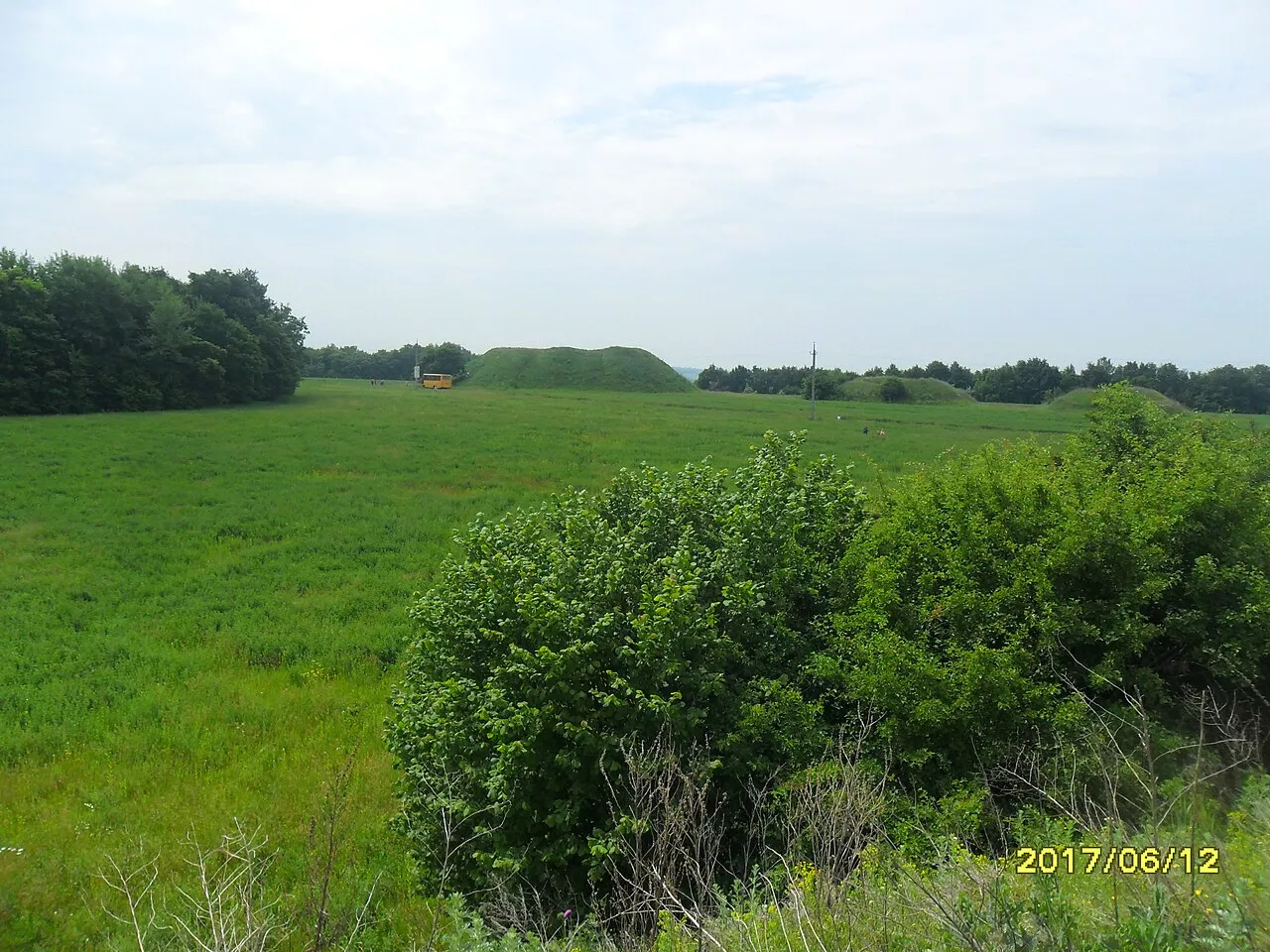
Posulski Kurgans
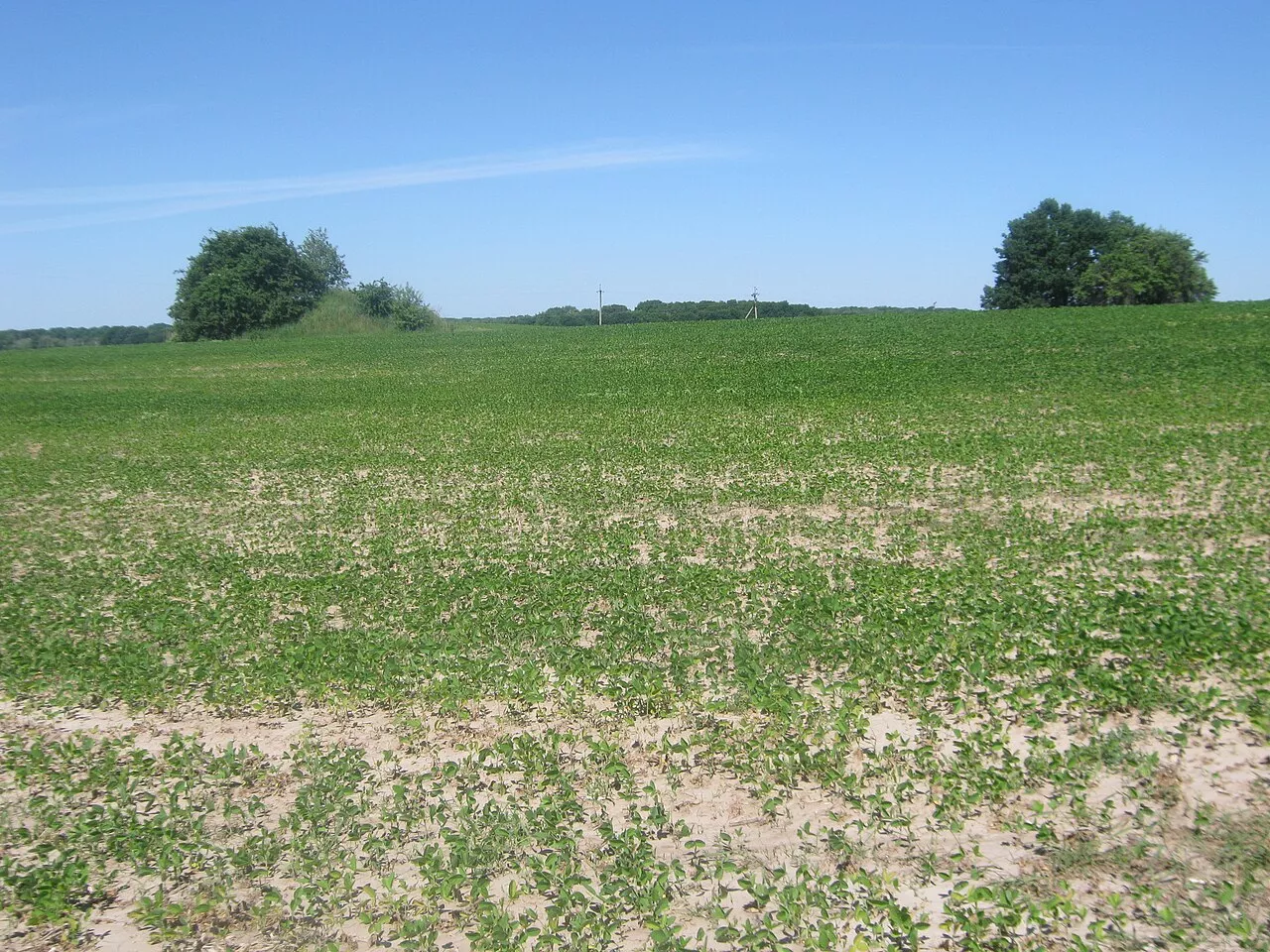
Scythian kurgans are found almost all over Ukraine, but in Sumy Oblast there are so many that scholars have distinguished a separate Posulska group. Most of the kurgans are north of Romny, near Pustoviytivka, Velyki Budky, and Basivka; along the right bank of the Sula stretches an almost continuous chain of burial mounds all the way to Vovkivtsi. Most were built in the 6th–5th centuries BCE. Usually, each group has one or two huge kurgans up to 20 meters high, several smaller ones 8–12 meters tall, and hundreds of small ones. Over two and a half millennia, most of the small kurgans have been plowed over, and the large ones were looted in ancient times.
Starsha Mound
The most famous of the Oksyutynski is the Starsha Mound from the early 6th century BCE in the Staychyn Verkh tract. Beneath the 21-meter-high mound, a wooden log tomb of a Scythian chieftain was found, along with many weapons, parts of 16 horse bits decorated in the early Scythian animal style, and ritual items.
How the Scythians Were Buried
The nobility of Posullia were buried in full military gear: with a sword, spears, battle axes, a quiver of arrows, armor, and a shield, while horse equipment was placed to the right — in wealthy graves up to 20 bridles. In total, up to 27 swords, about a hundred spearheads, over 20 armors, and around 230 bridles have been found from the Posullia kurgans. The tombs were built from logs in 7–12 layers, with the floor lined with birch bark.
How to Get There
The kurgans are near the villages of Zahrebellia and Velyki Budky north of Romny. Nearby are Mount Zolotuha and the Sula River.
What to Keep in Mind
The kurgans are archaeological monuments: do not dig or use metal detectors. The slopes are covered with steppe grass — the best time to visit is in spring or autumn.