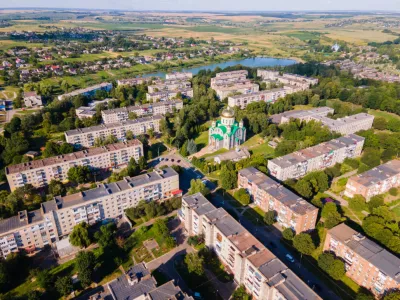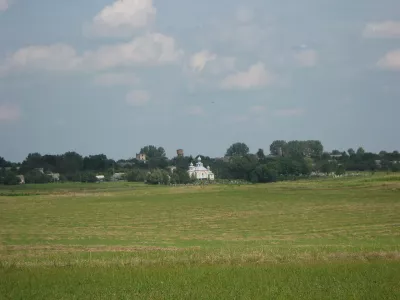
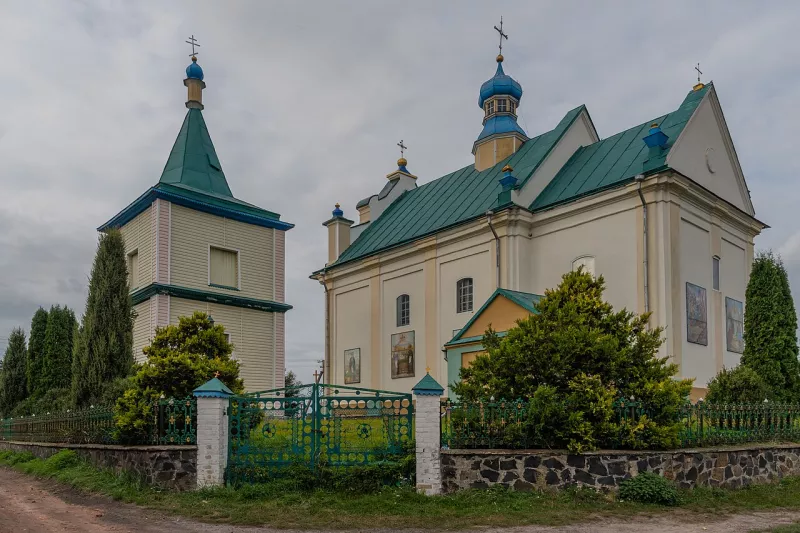

Pavlivka is a village by the Luha River in western Volyn, and the center of the Pavlivka hromada in Volodymyr Raion. Over eight hundred people live here. Today it is a quiet village, but before the Second World War, the town of Poryck stood on this site — the ancestral nest of the Czacki family, from which Tadeusz Czacki, one of the most famous educators of Volyn, originated.
Poryck and the Czackis
The first mention of the settlement is associated with 1405, when, at the expense of Szczęsny Czacki, the Church of the Holy Trinity and Saint Michael was built. Poryck belonged to the Czackis for over four centuries. Felix Czacki, the Great Crown Podstoli, his sons Michał and Tadeusz, and later Tadeusz's grandson, Cardinal Włodzimierz Czacki, were born here. The owners of Poryck, including Tadeusz Czacki and Cardinal Włodzimierz, were buried in the crypts of the church.
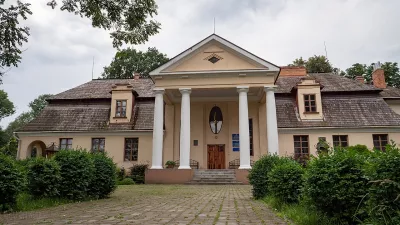
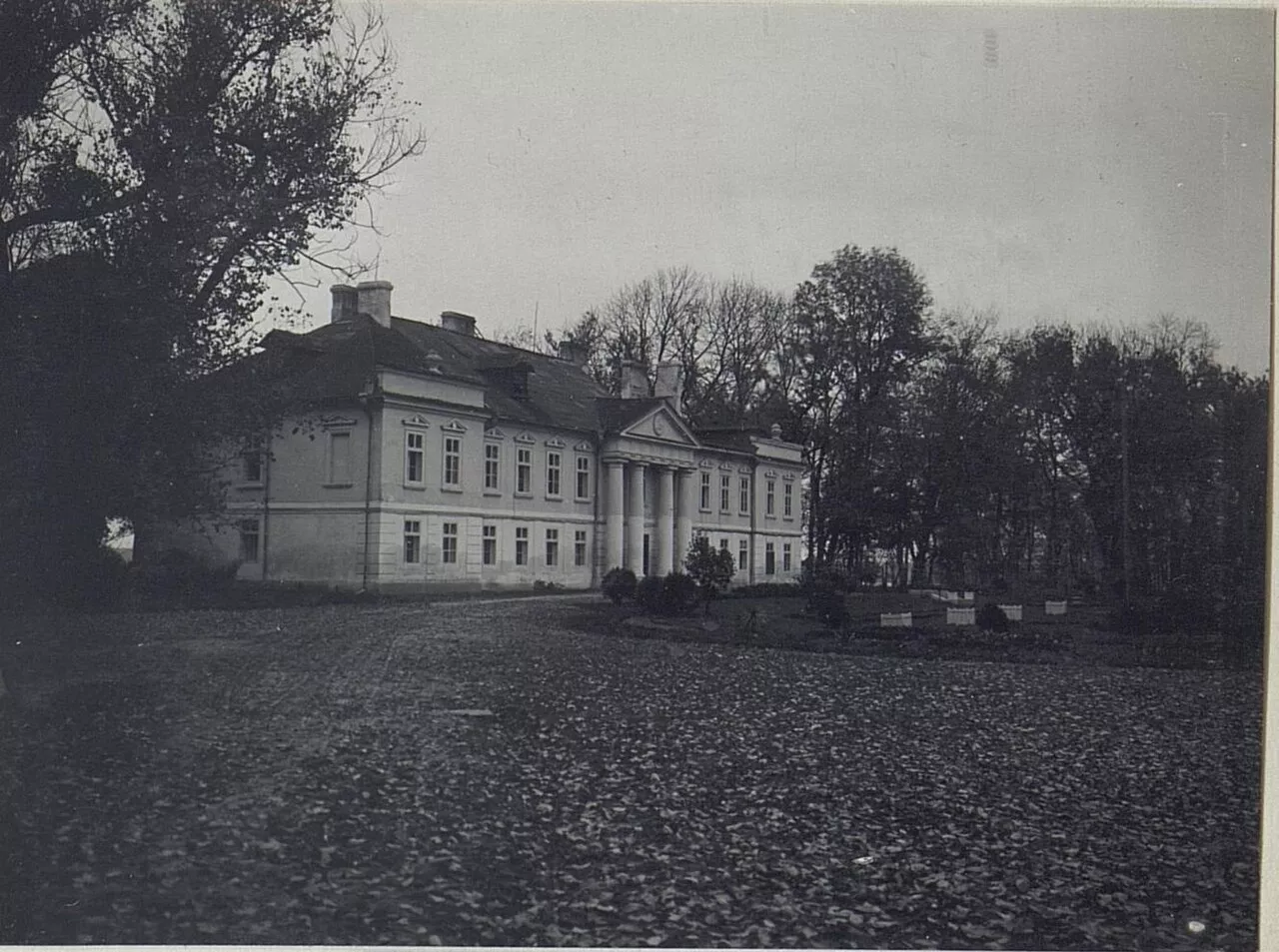
Tadeusz Czacki (1765–1813) was an educator and patron of the arts, the founder of the famous Volyn Gymnasium, later a lyceum in Kremenets, as well as the gymnasium in Mezyriches Koretskie. He gathered a library and collections, studying the history of law and the antiquities of Volyn. The Czacki palace in Poryck was one of the cultural hubs of the region.
A Town Between the Luha and Strypa
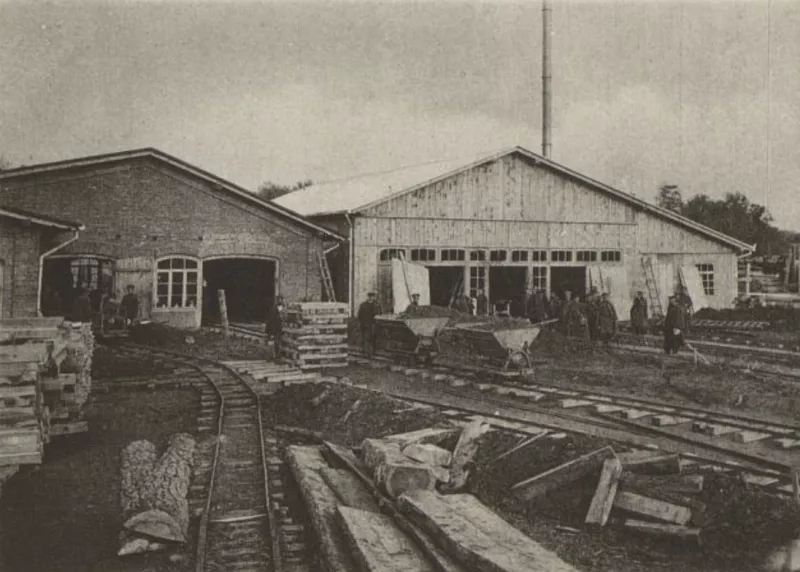
In 1906, the town of Poryck had almost 300 homesteads and over 2,700 inhabitants. The majority were Poles and Jews. Back then, only one of the outskirts was called Pavlivka. During the First World War, Austro-Hungarian units were stationed in Poryck, and the palace was photographed for army albums.
During the Second World War, the town was completely destroyed. Only the Pavlivka neighborhood survived, which then turned into a village. In 1951, Pavlivka and Poryck were officially united into a single village named Pavlivka.
St. Michael's Church
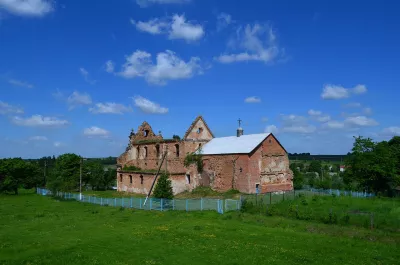
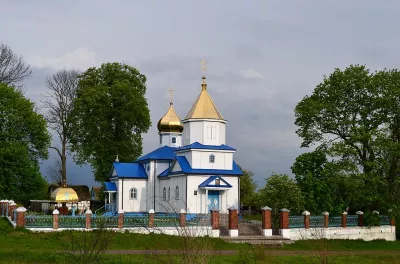
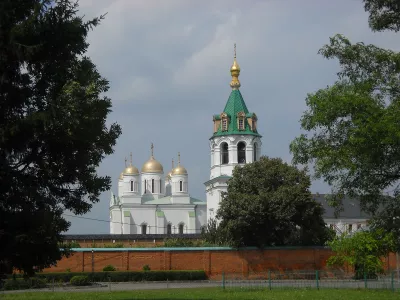
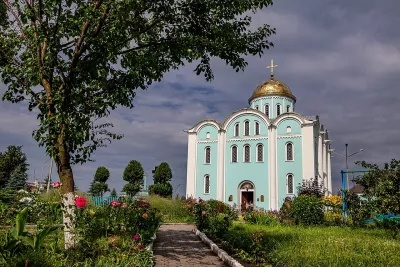
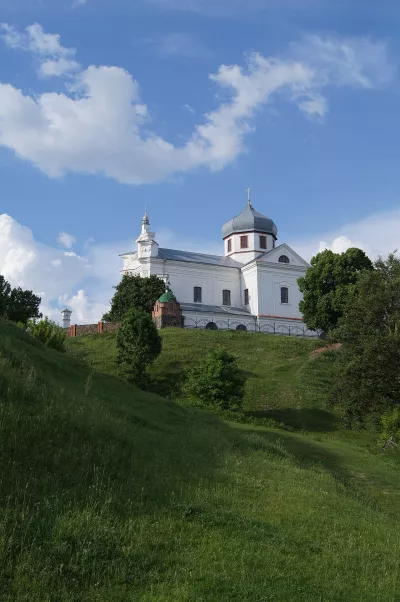
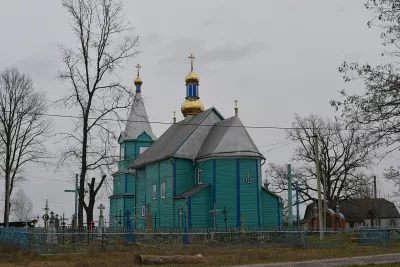
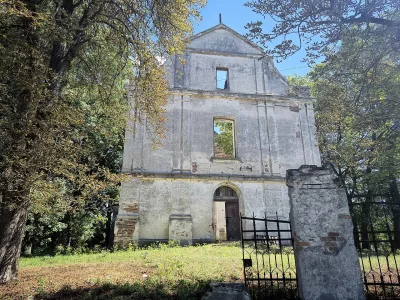
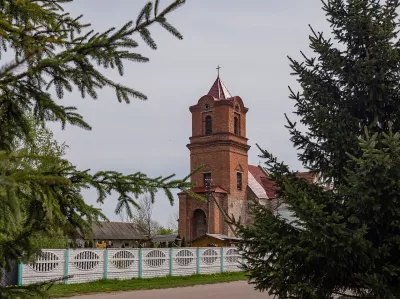
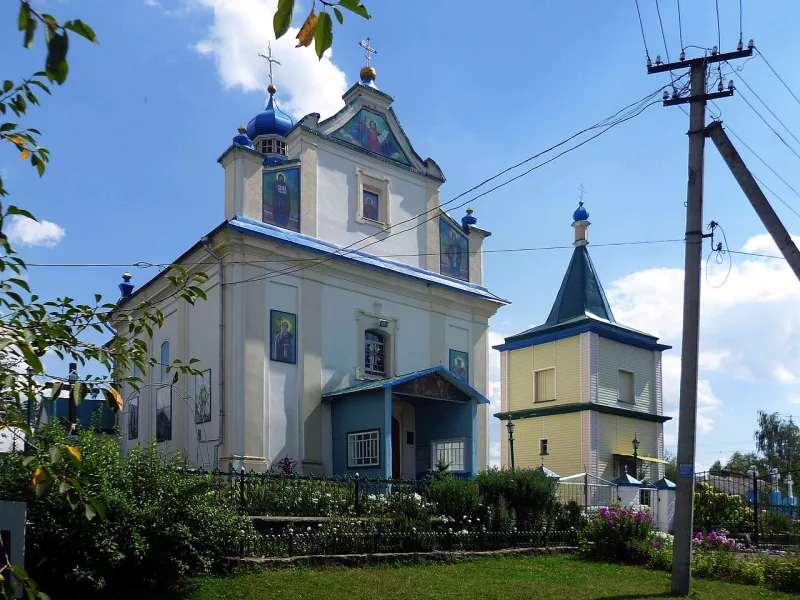
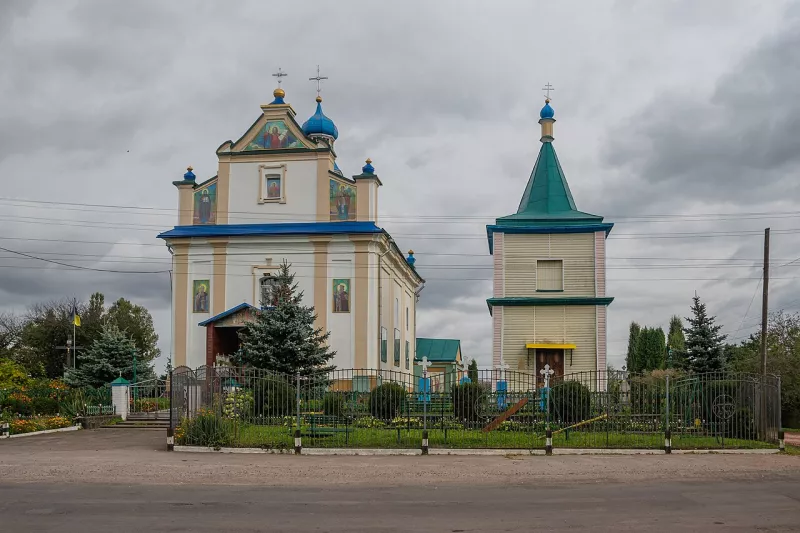
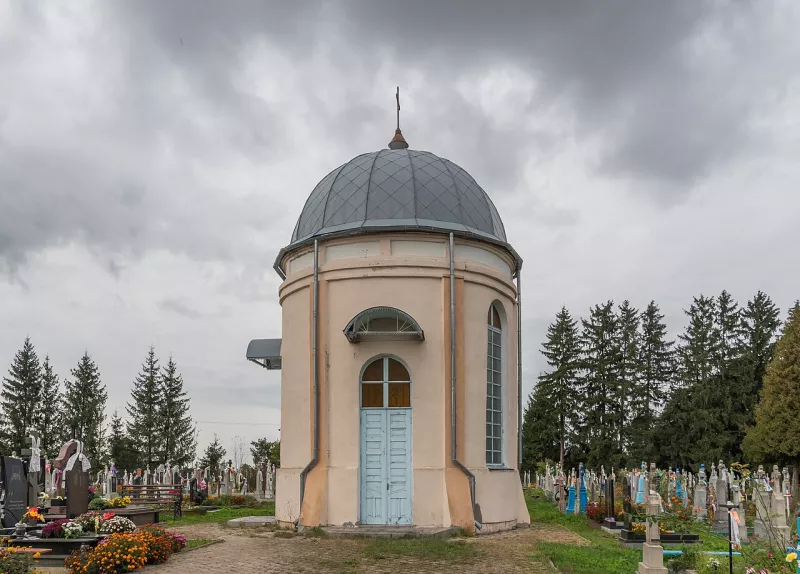
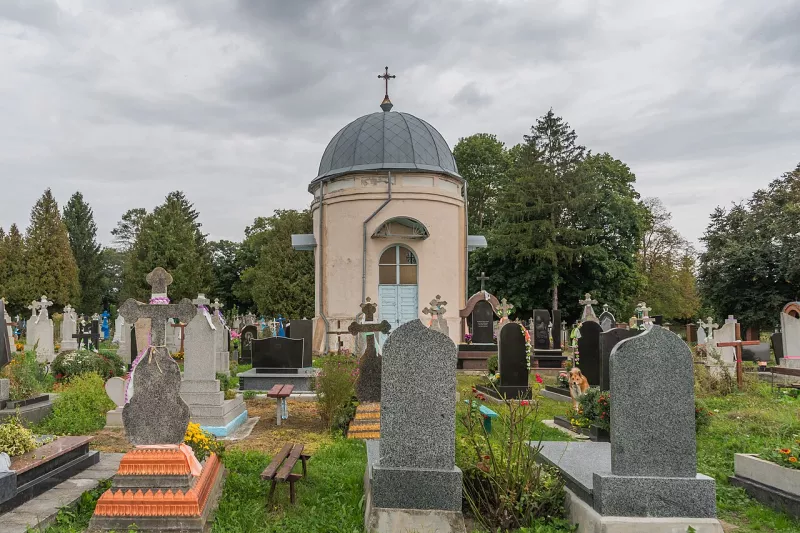
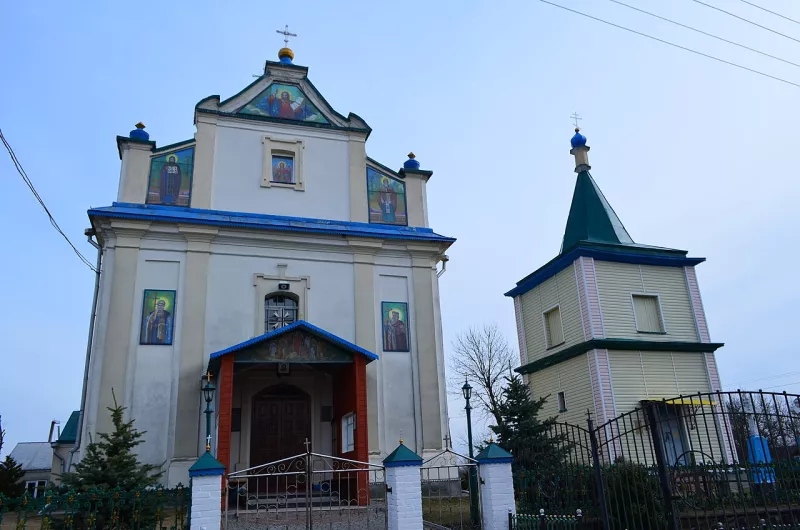
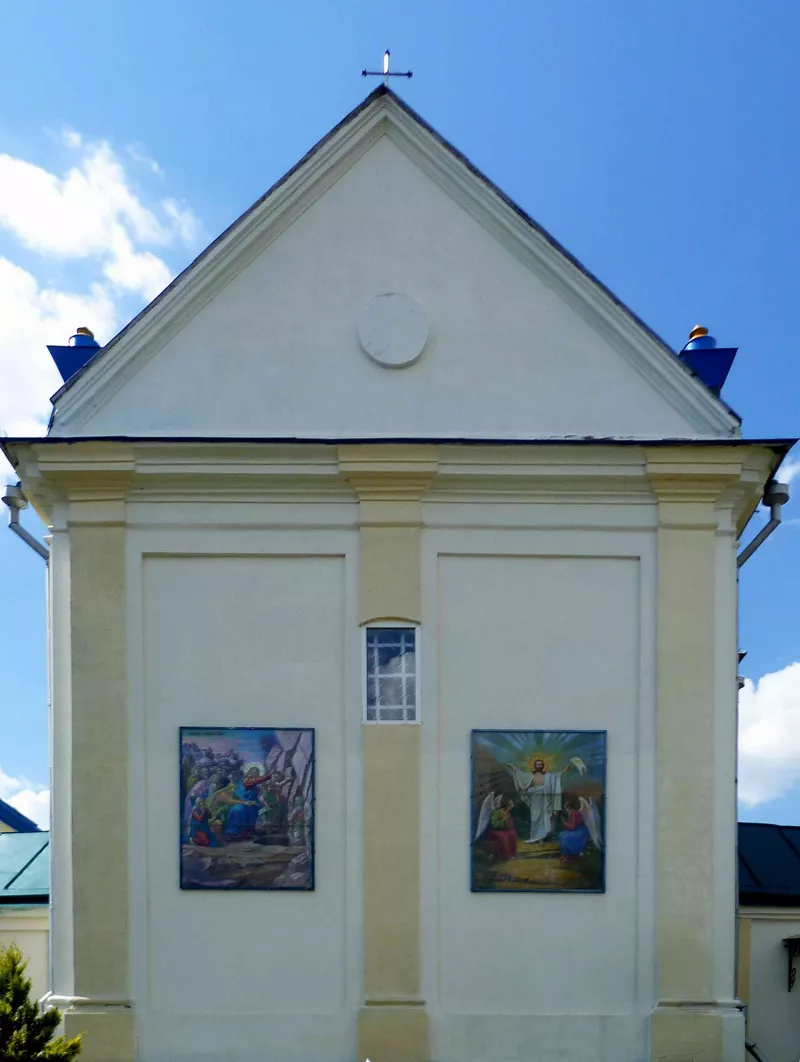
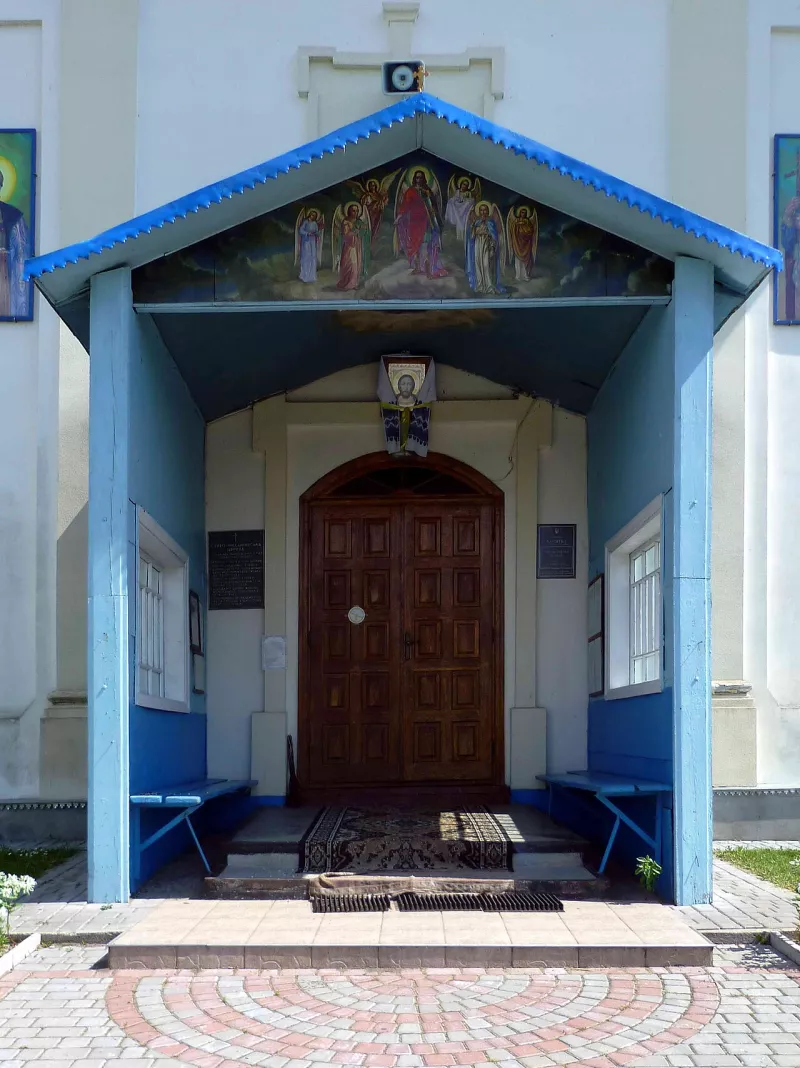
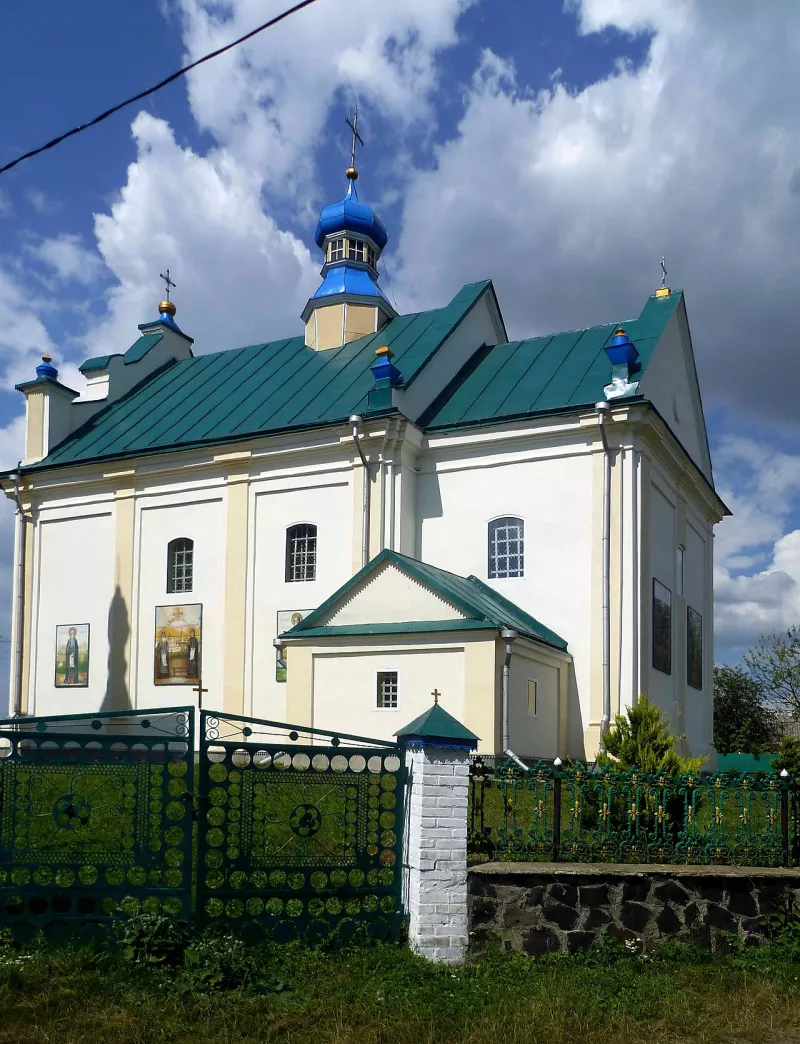
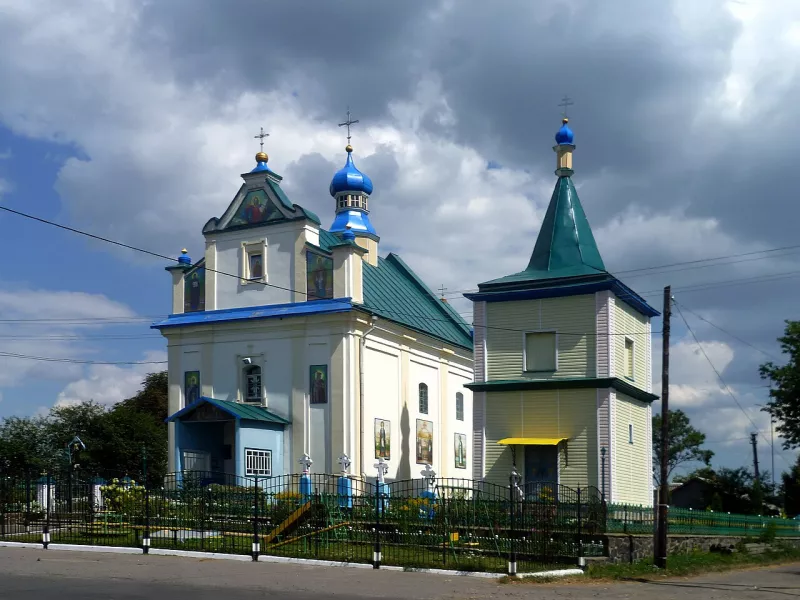
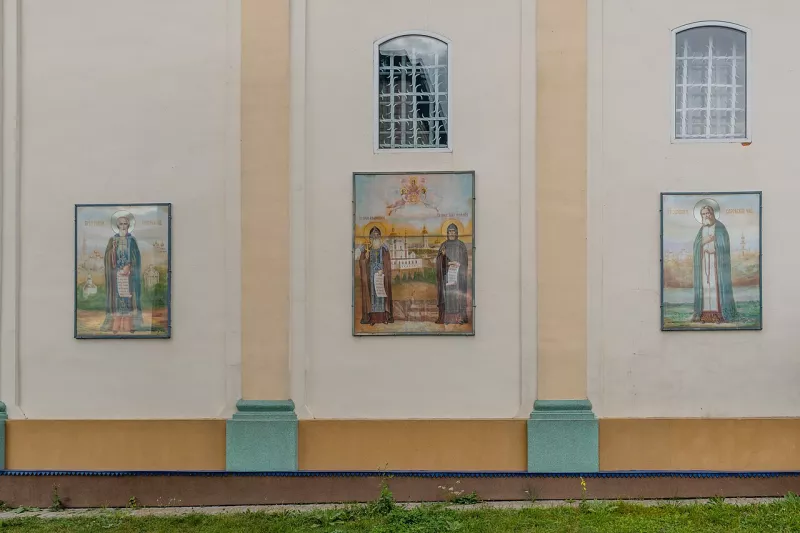
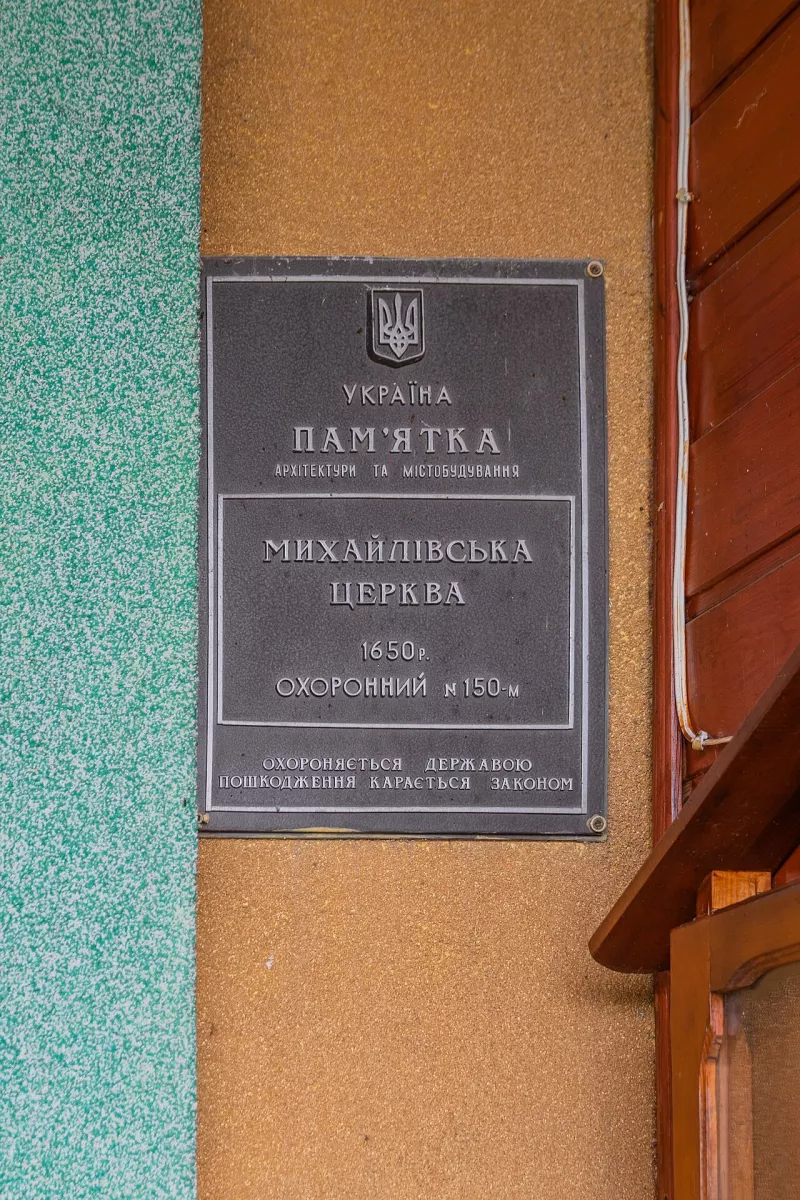
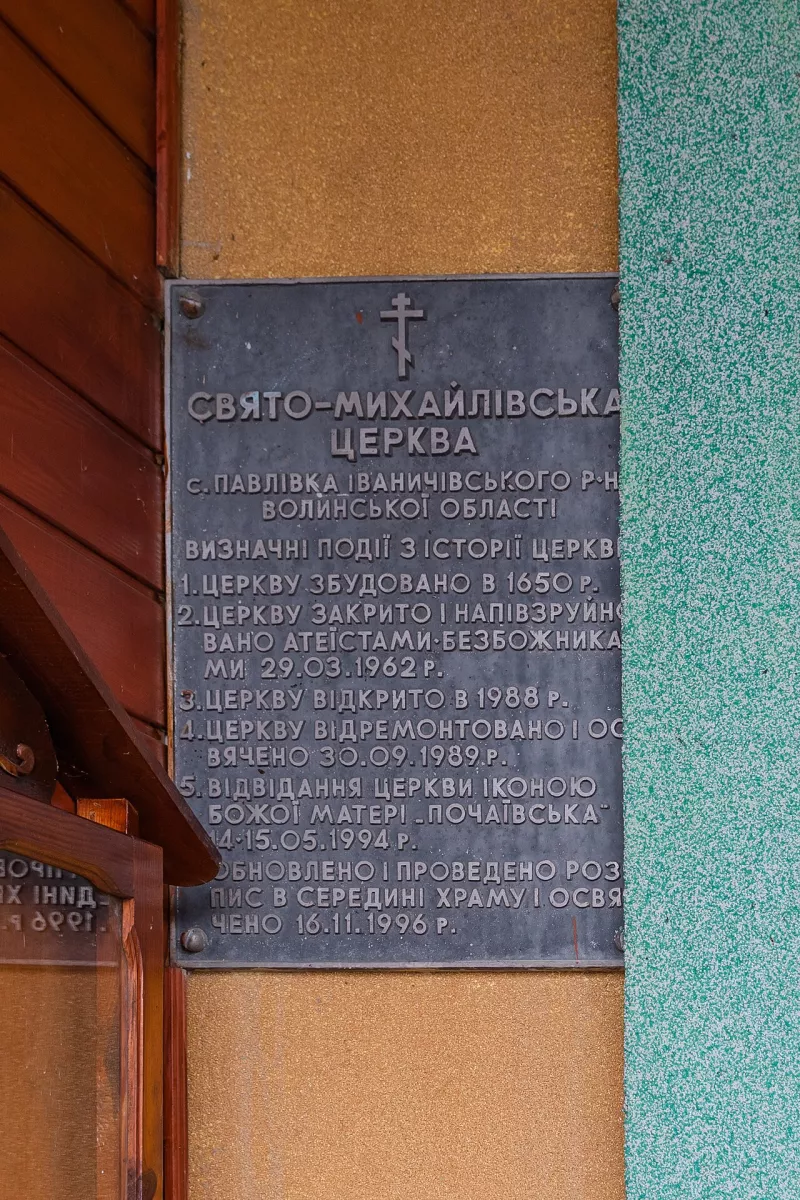
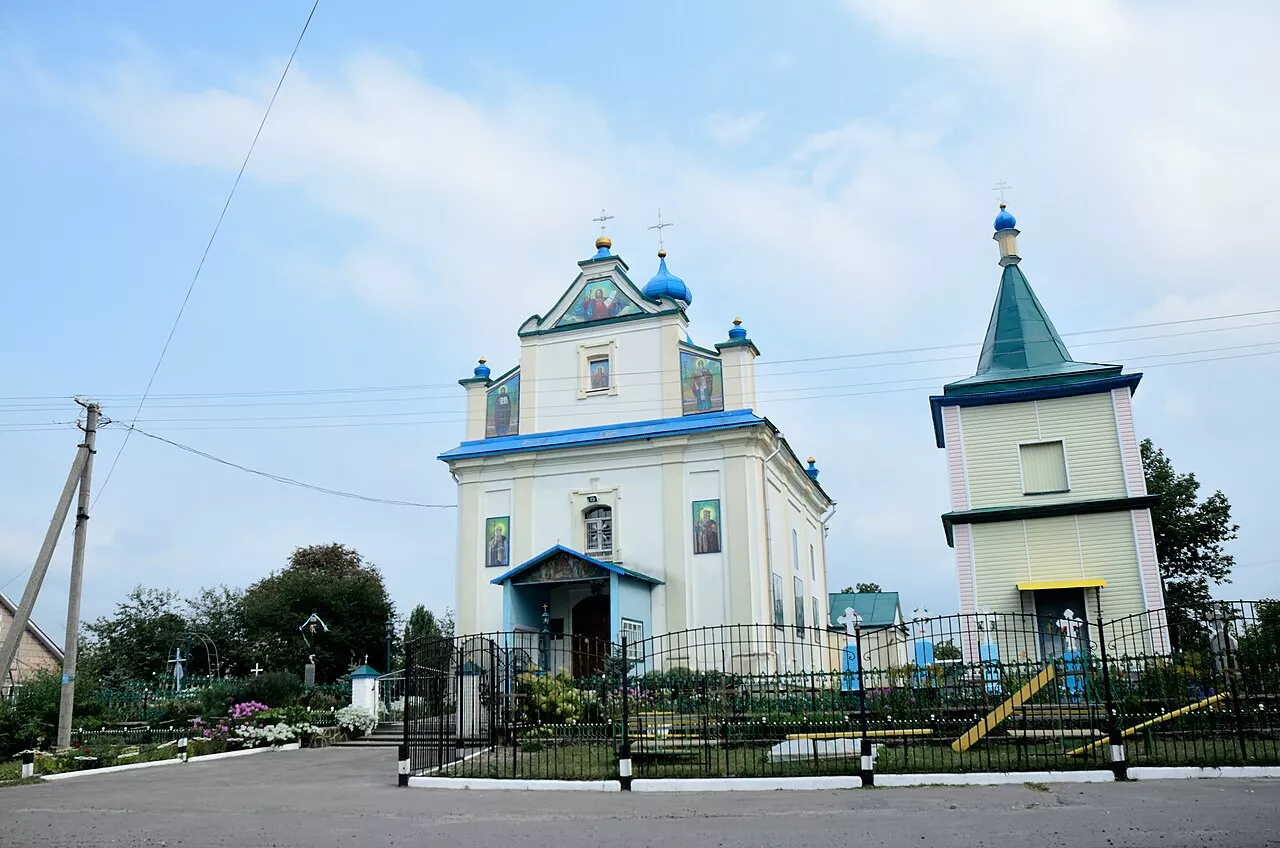
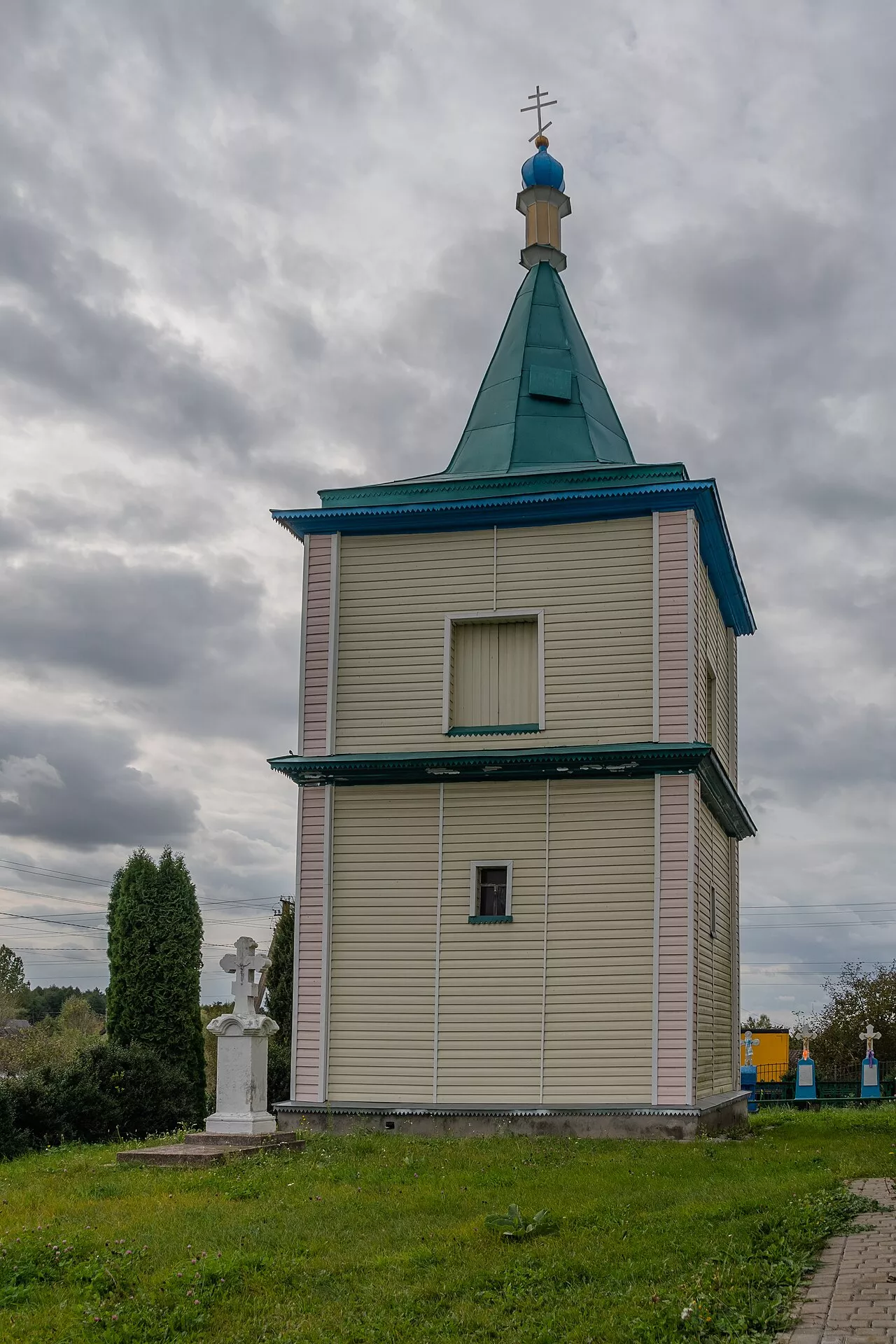
The most prominent landmark of the village is the brick St. Michael's Church. It was built as a Catholic church; according to guidebooks, in the mid-18th century as a Jesuit church, while a preservation plaque indicates 1650. Today it is an Orthodox church with a separate bell tower, an architectural monument of local significance. In 2013, a new Church of the Archangel Michael was also consecrated in the village.
Place of Reconciliation
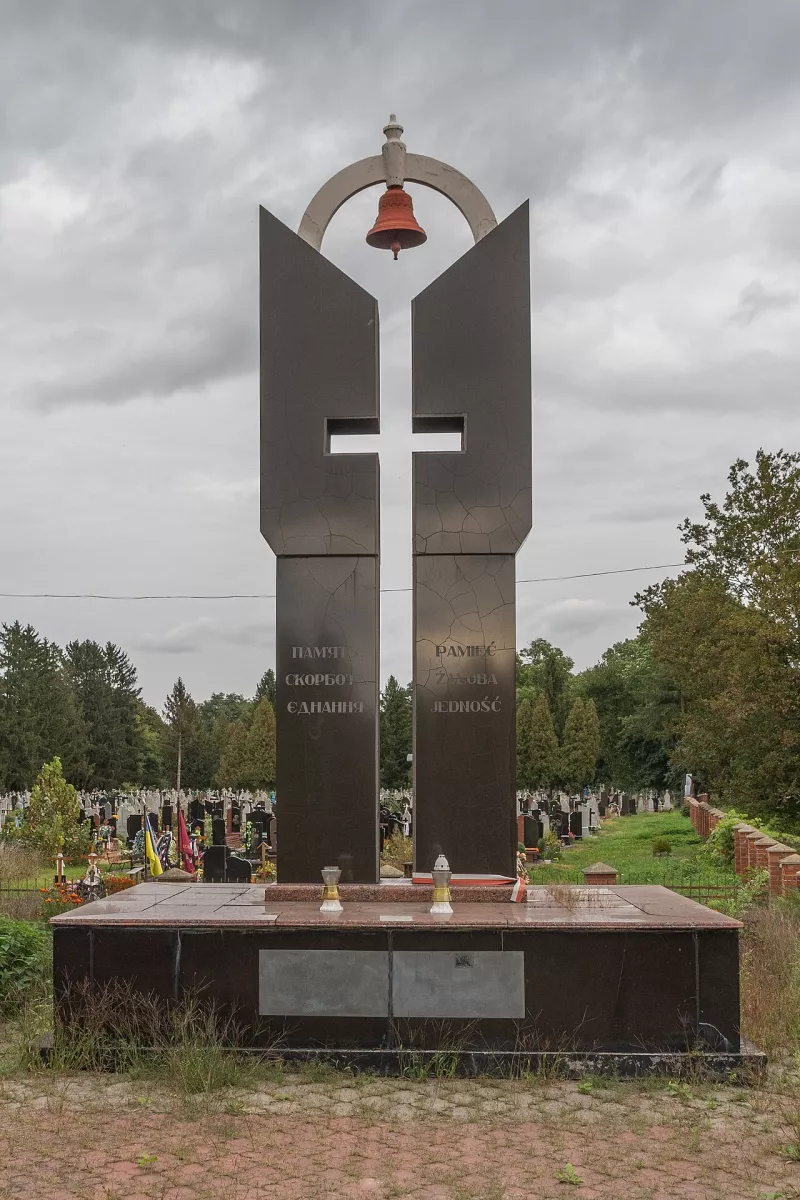
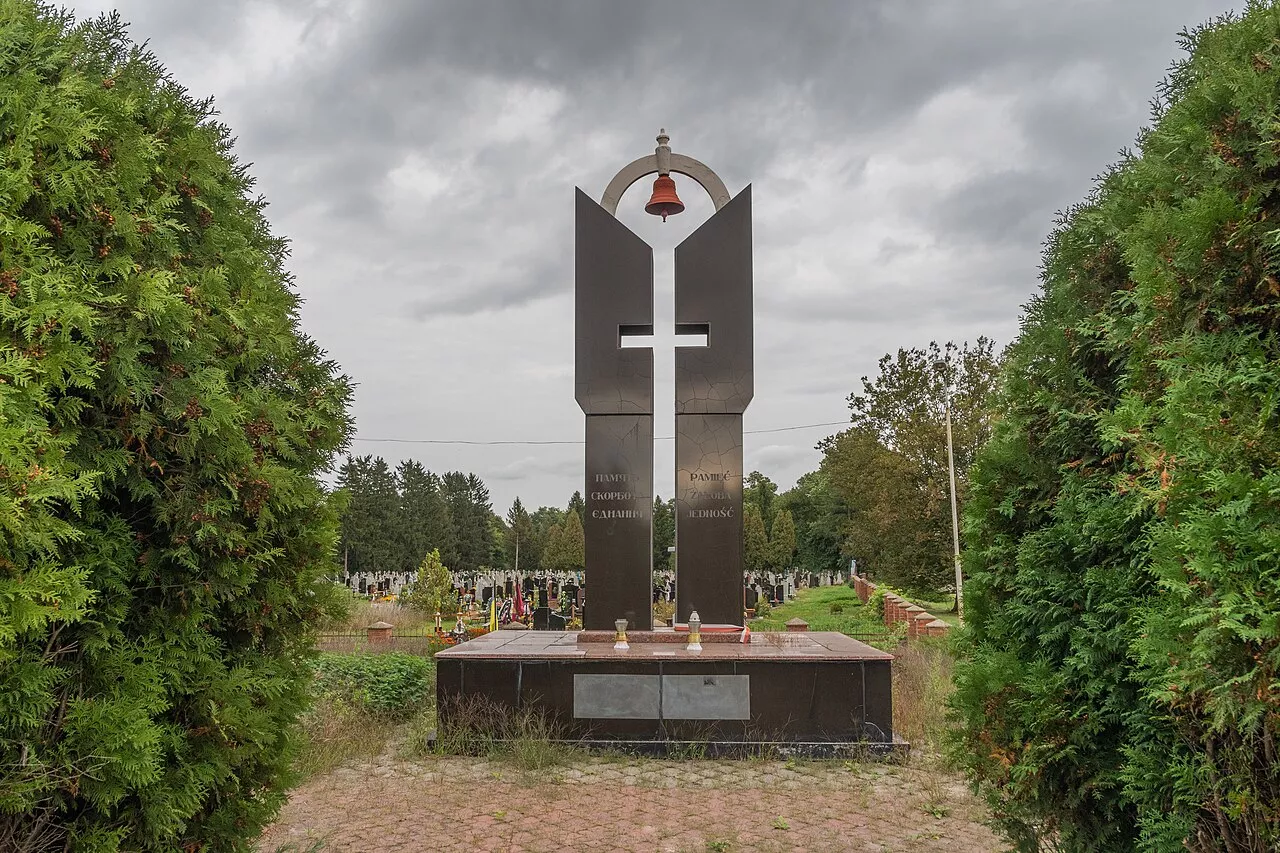
Pavlivka is one of the symbolic sites of the Volyn tragedy. On July 11, 2003, the presidents of Ukraine and Poland, Leonid Kuchma and Aleksander Kwaśniewski, met here to jointly honor the memory of the victims of 1943. At the same time, a commemorative stele was installed in the village. In 2013, on the 70th anniversary, an international reconciliation event took place in Pavlivka with a joint prayer by the clergy of various churches.
Modern Pavlivka
After the war, the brewery was rebuilt here. Pavlivka produces beer, malt, and mineral water with natural iodine. Near the village is the general zoological Pavlivka Zakaznik, and the Luha River forms a flow-through lake here.
Pavlivka on Video
Nearby
Ivanychi is a former district center, with Volodymyr to the west. More can be found in the article Volodymyr Raion.
How to Get There
Buses run to Pavlivka from Volodymyr and Ivanychi. By car from Lutsk, it takes about an hour.