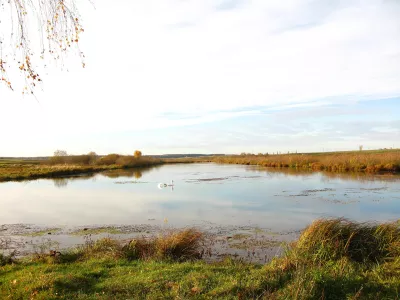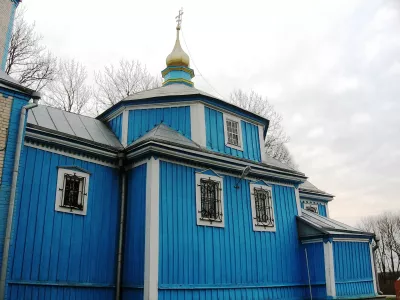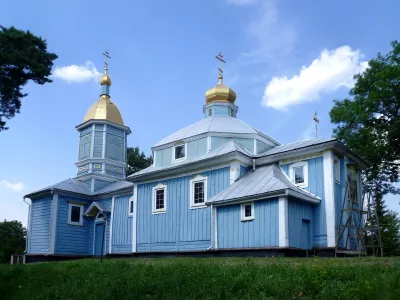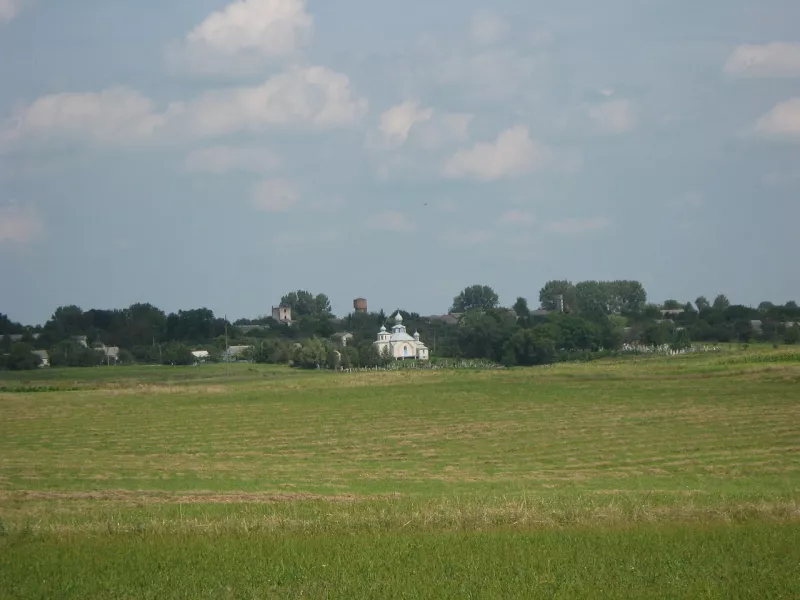
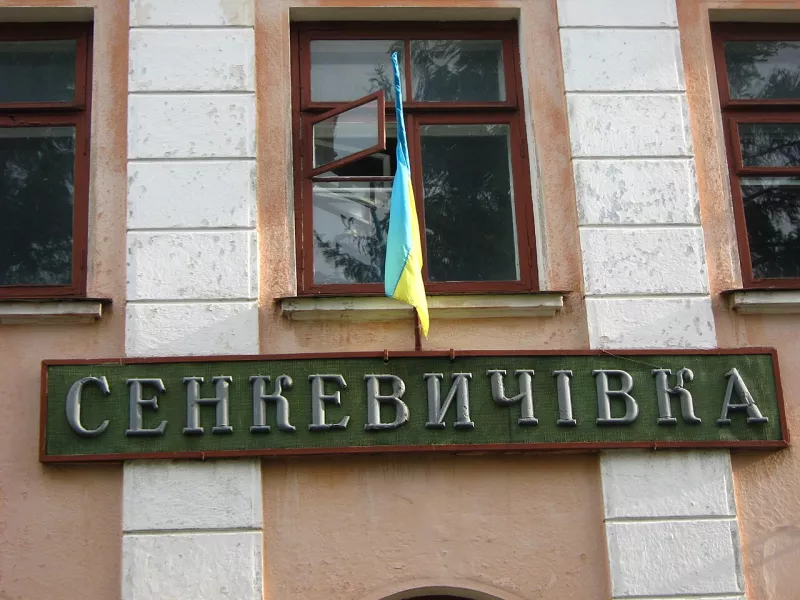
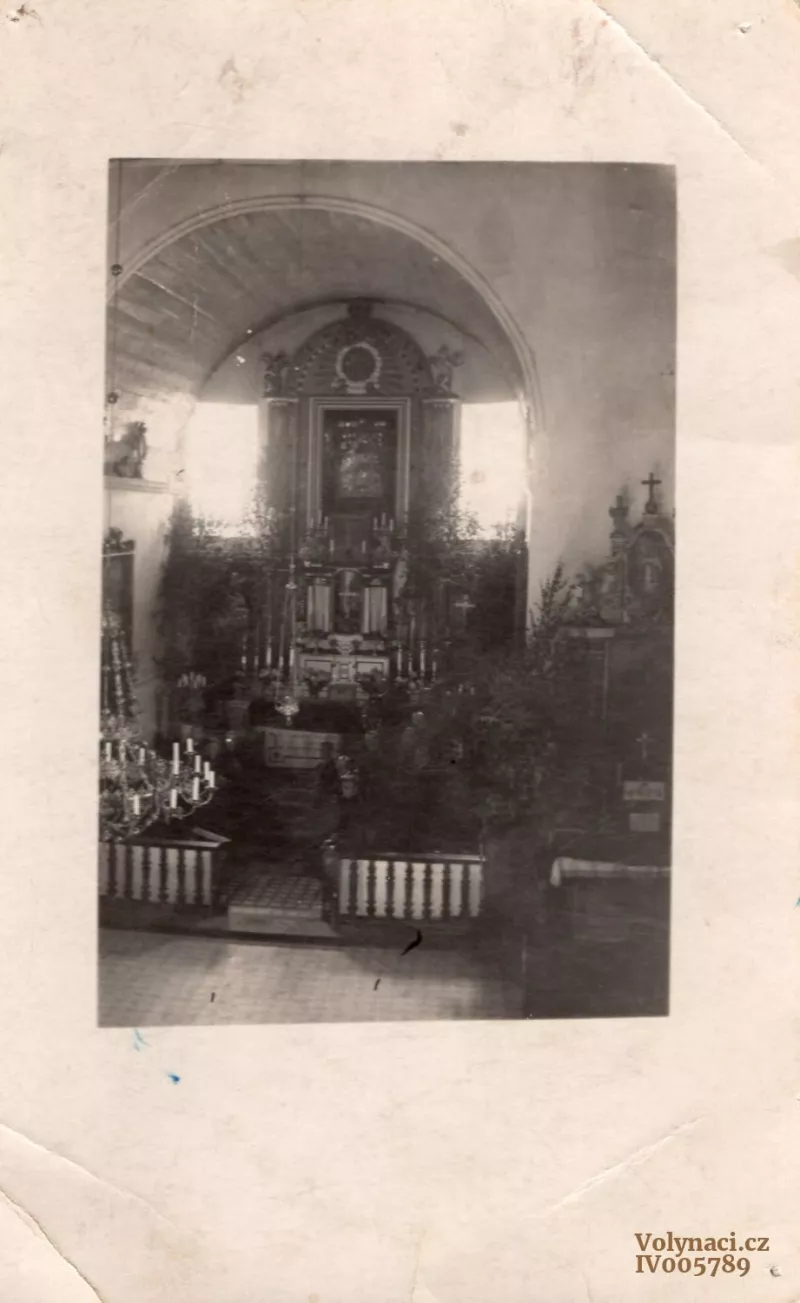

Senkevychivka is an urban-type settlement in the south of Volyn, within the Horodyshche hromada of Lutsk Raion. It is 30 kilometres from Lutsk and 22 from Horokhiv. Here, at the 125th kilometre of the Lviv — Lutsk railway line, stands the station of the same name, from which the settlement originated. Senkevychivka is young, but has an unusual history: it was founded by Czech colonists, and its name was given by the station in honour of a Polish writer.
Budky Hubynski
Back in 1872, the site of the settlement was dense forest. After 1870, settlers arrived here from overpopulated Northern Bohemia. Russia at that time encouraged Czech and German colonists to weaken Polish influence in Volyn. The Czechs bought forest plots from the landowner Dux for 13 roubles per dessiatine and initially lived in dugouts and temporary shacks — hence the name of the first colony, Budky Hubynski. Nearby grew Hubyn Chesky with Martsalov, Hubynska Nyva, and Haienka.
The colonists uprooted the forest, grew grain, planted orchards, kept dairy cattle, and brought the culture of hop-growing to Volyn. They lived peacefully with their Ukrainian neighbours, but preserved their language and customs. In the summer of 1916, battles of the Brusilov Offensive took place here: the residents were evacuated, and they returned in 1918 to destroyed homes.
A Station Named After Sienkiewicz
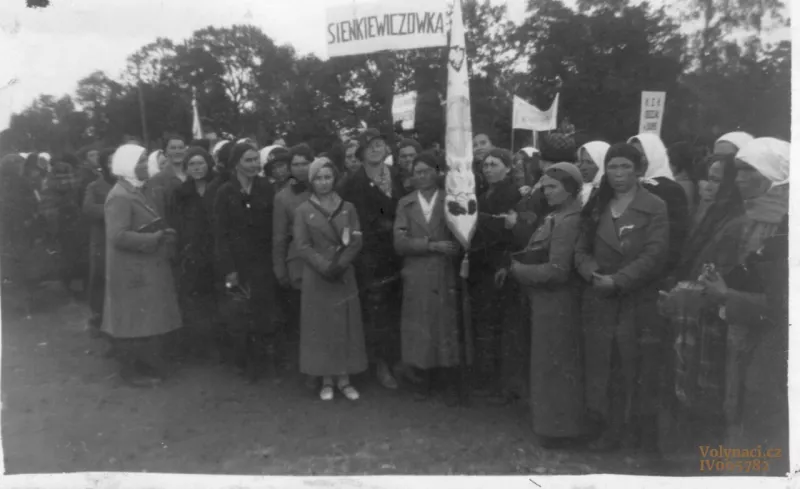
Senkevychivka was founded in 1924, when a station was built on the new Lutsk — Lviv railway, a kilometre away from Budky Hubynski. According to the memoirs of Czech settlers, Polish engineers named it in honour of the writer Henryk Sienkiewicz, a Nobel Prize laureate. It was in 1924 that his remains were solemnly reburied in Warsaw.
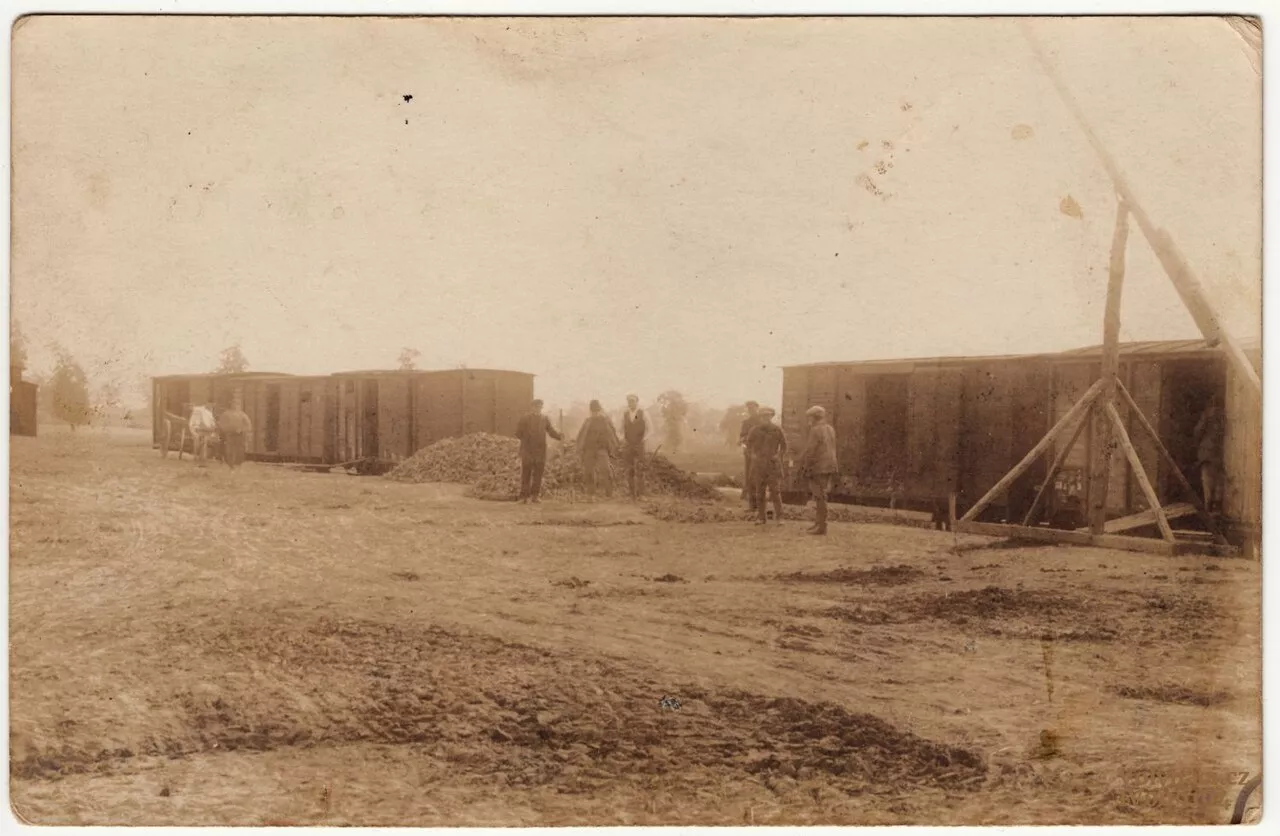
The station building is the best-preserved historical landmark of the settlement. It was built to a standard design, much like the stations in Zvynyachi and Marianivka, but the second floor here is residential. A porch with a colonnade and a roof with broken slopes resemble gentry manors — the so-called manor house style.
A Town Between the Wars
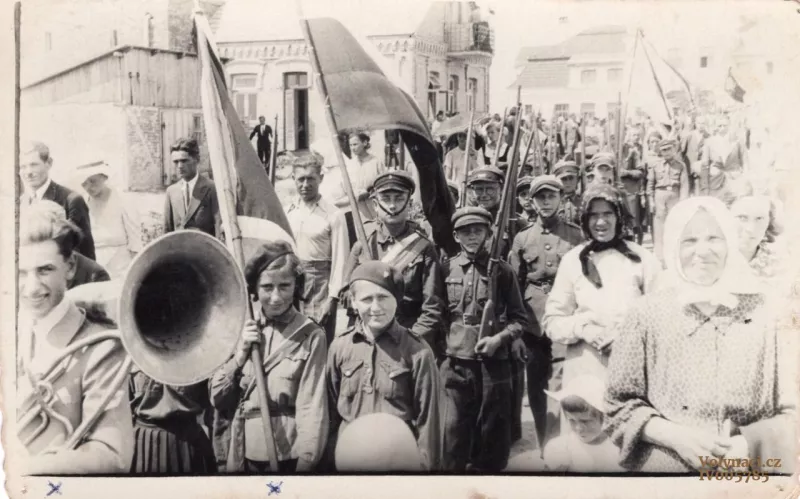
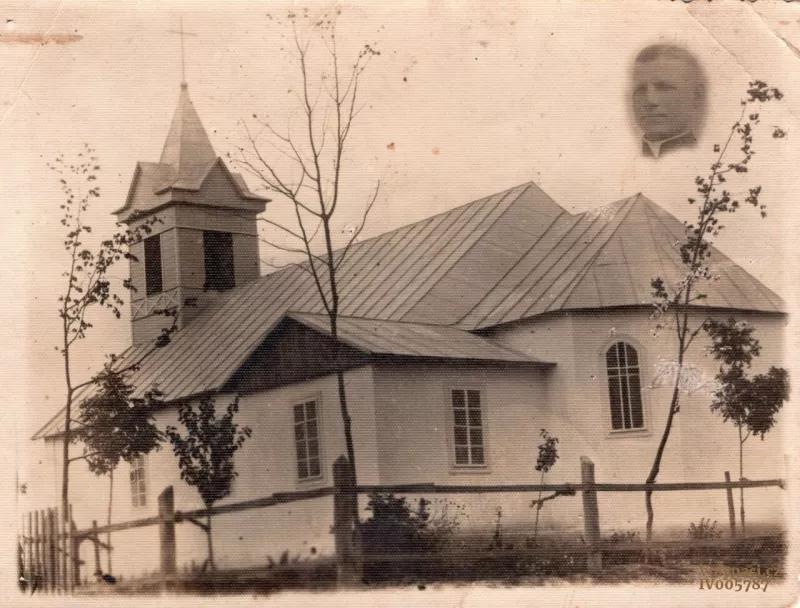
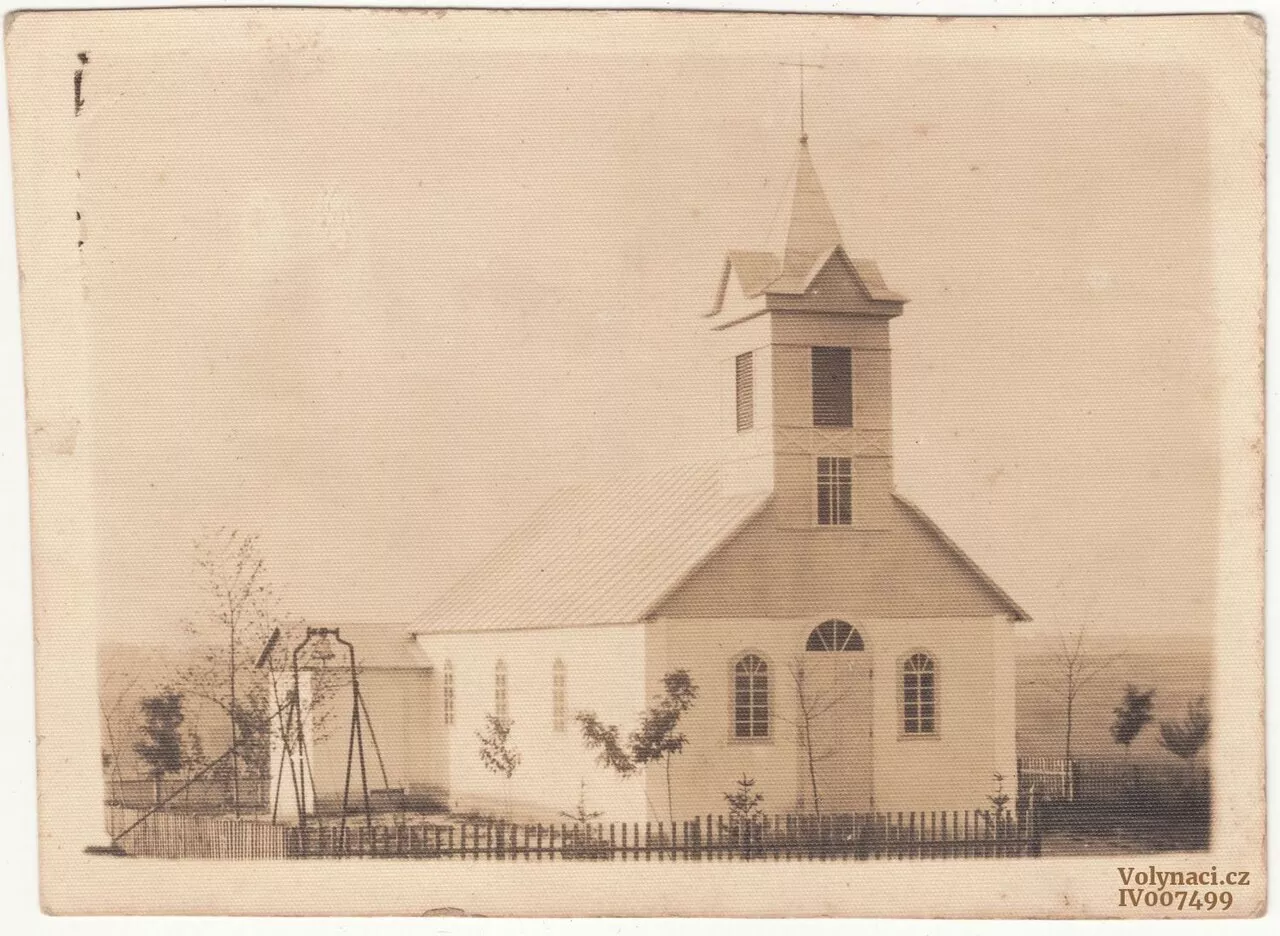
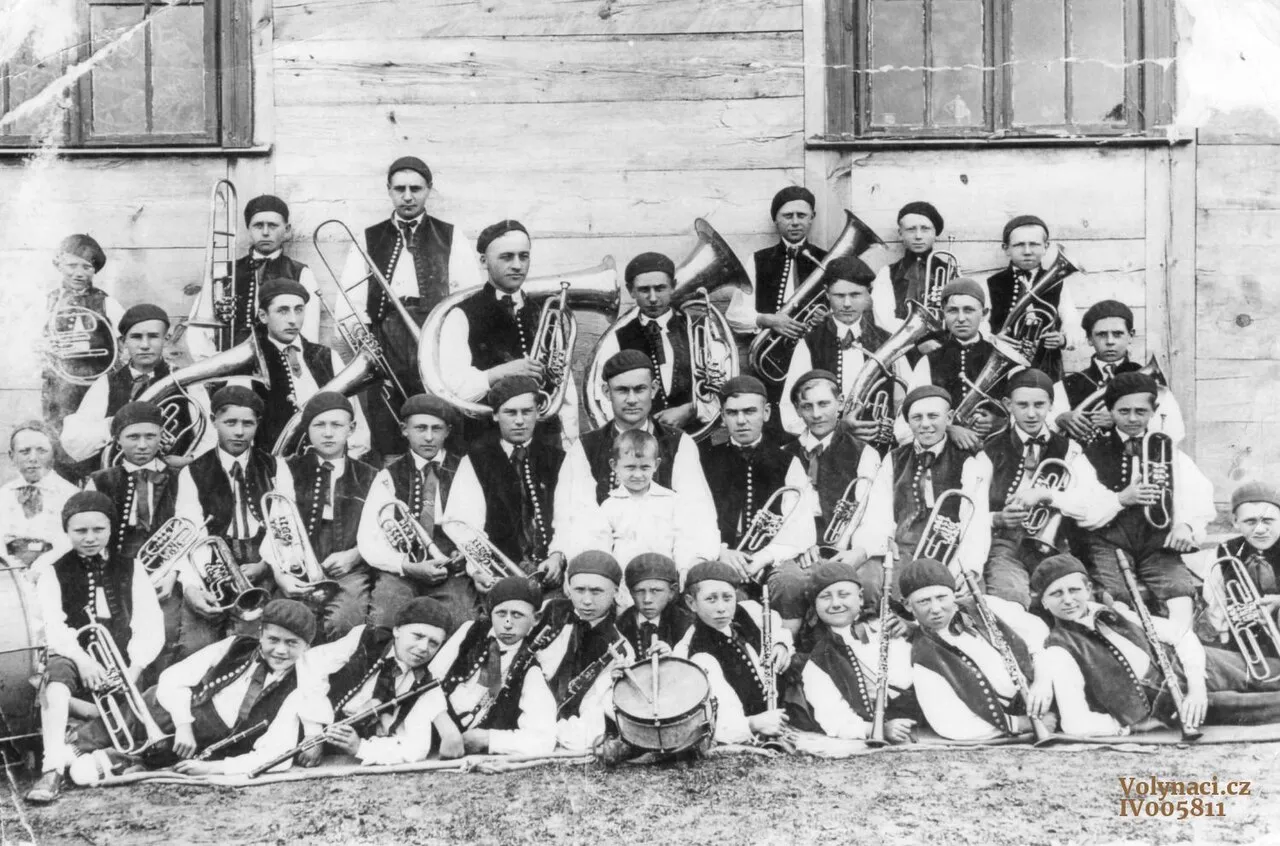
Senkevychivka grew rapidly: at the beginning of the 1930s, 173 people lived here, and by 1938 — already 875. Merchants settled near the station, buying up agricultural produce and sending it by rail to Warsaw, Kraków, and Łódź. Weekly fairs took place. The settlement was multinational: Ukrainians, Poles, Jews, Germans, and 26 Czech families. They had their own church and a brass band here.
Senkevychivka on Video
Nearby
Horokhiv — 22 kilometres, Lutsk — 30. More can be found in the article Lutsk Raion.
How to get there
Senkevychivka is situated on the Lutsk — Lviv railway, 5 kilometres from the Lutsk — Lviv highway. Buses and suburban trains run from Lutsk.