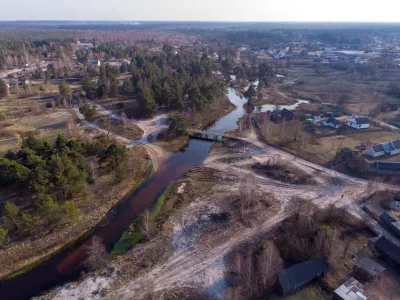
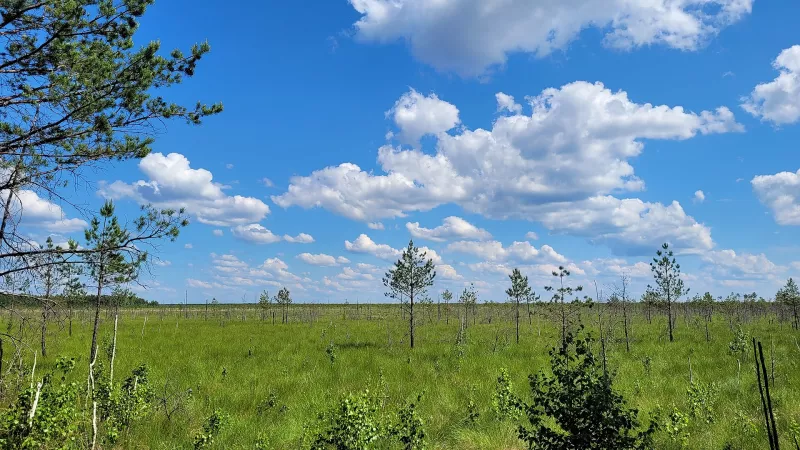

The Pripyatsky National Park is located in the Gomel Region of Belarus, within the Zhytkavichy, Lelchytsy, and Petrikov districts. It is the Pripyat floodplain with a dense network of tributaries, swampy forests, and raised bogs. It became a park on July 1, 1996, and before that, since 1969, it was the Pripyatsky Landscape and Hydrological Reserve. The total area is 188,485 hectares, while the park’s official website states “about 200 thousand hectares.”
The southern part of the park, covering 85,841 hectares, has a special protection status. The park’s boundaries are: to the north — the right bank of the Pripyat, to the northwest — the Stvyha River, and to the east — the Ubort.
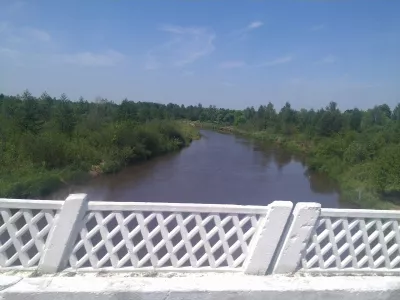
The floodplain that holds water
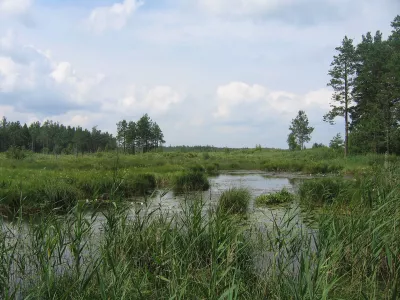
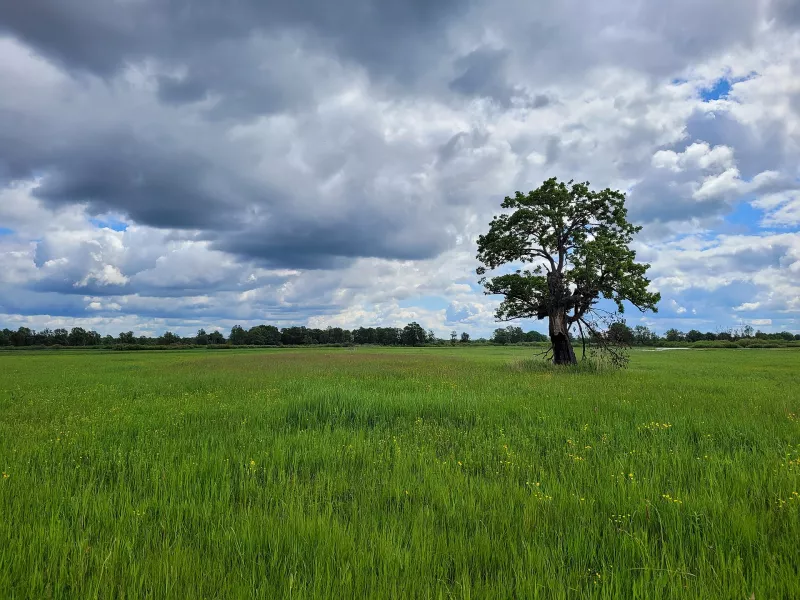
During floods, up to 70% of the territory can be submerged. On the open floodplain meadows, water stands, while sandy hills with forests remain above it. Among the swamps, there are raised peat bogs where a sandy dune rises above the moss.
The water network is supplemented by drainage canals dug at the end of the 19th century by the Western Expedition for draining Polissia’s swamps. The ditches of those canals are still visible in the forest. Floodplain lakes cover about 500 hectares.
Forests and vegetation
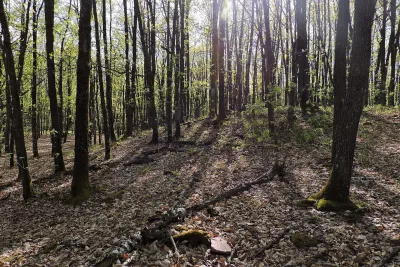
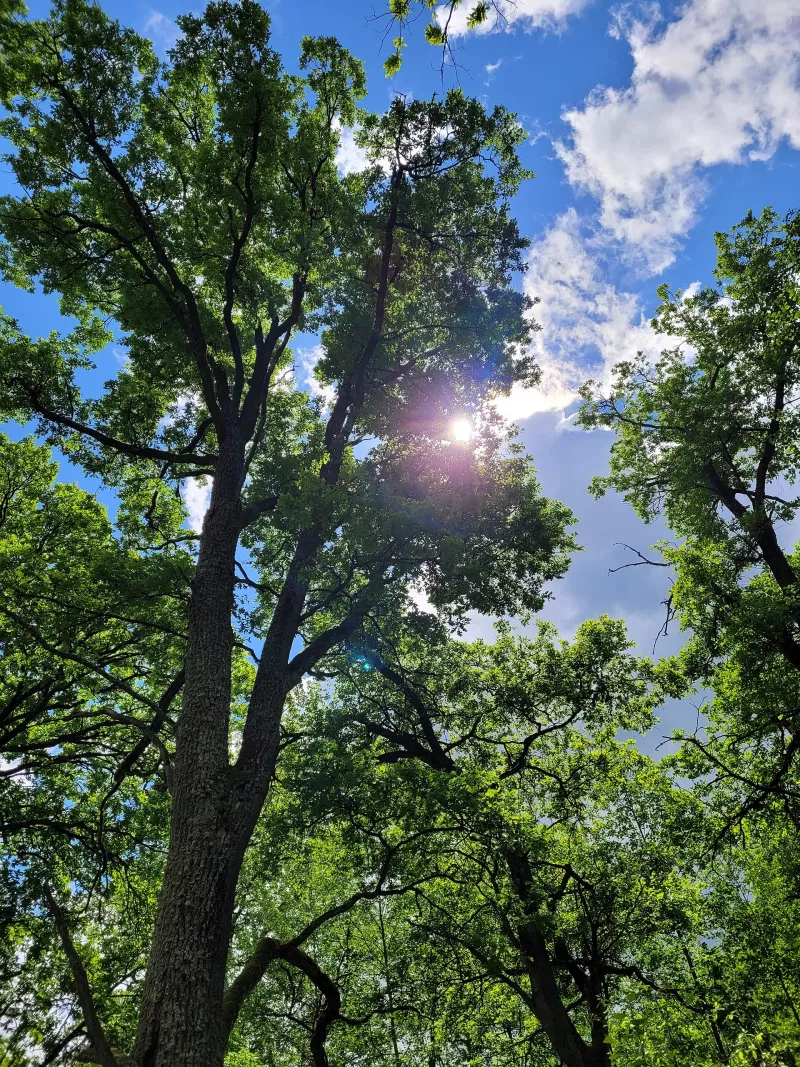
Forests cover over 85% of the territory, dominated by pine, oak, and birch. Floodplain oak groves have been preserved along the Pripyat. Cranberries grow on more than 500 hectares of swamps.
Scientists count over 950 species of vascular plants and 196 species of mosses in the park.
Mammals, birds, fish
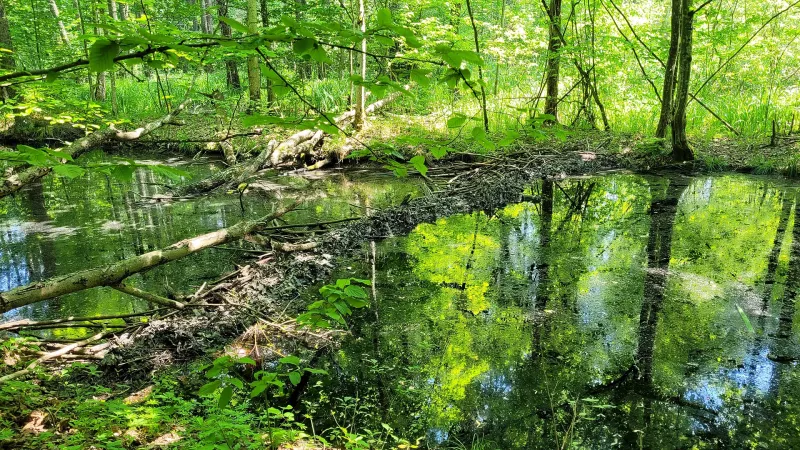
The park is home to 51 species of mammals, including moose, wild boar, red deer, badger, and lynx. Beavers leave their dams and gnawed trunks in the floodplain. European bison were relocated here in 1987.
The list of birds includes 246 species, amphibians — 11, reptiles — 7, fish — 37.
Protection and controversies
On March 29, 2013, the park was included in the list of wetlands of international importance (Ramsar Convention). IUCN category — II, national park.
The transformation from a reserve to a park allowed economic activities here, including logging and hunting, which caused criticism from environmentalists. In 2013, the public organization Ahtova Ptushak Batskaushchyny included the park among 15 territories in Belarus where biodiversity is threatened, citing intensified logging and spring hunting as reasons.
Crane on a coin
In 2004, the National Bank of Belarus issued a silver coin with a face value of 20 rubles from the series “National Parks and Reserves of Belarus,” dedicated to the park. The reverse features a grey crane. The mintage was 2,000 pieces.