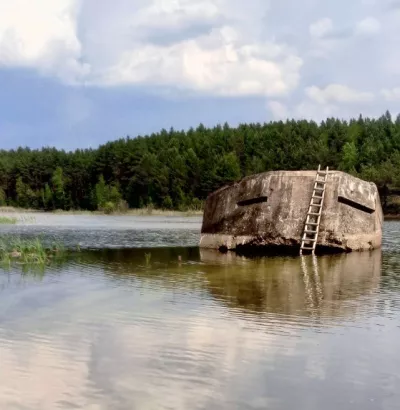
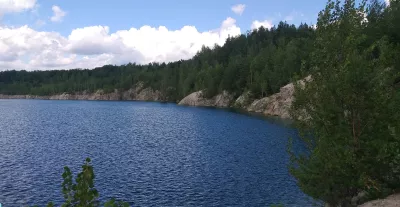
The Drevlyan Village Museum is one of the most unusual locations in Zhytomyr region. This is not a classic museum with halls and display cases, but an open-air ethnographic space in the village of Selezivka, where the homestead of the Polissia Nature Reserve is located. Here, you can do more than just look at exhibits—you can actually immerse yourself in the life of the ancient Drevlyan tribe.
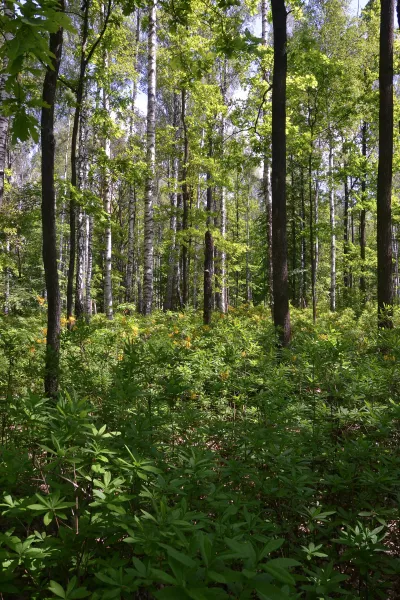
The idea of the museum is to show not just individual items, but a holistic picture of the lives of people who lived on these lands thousands of years ago. The Drevylians were closely connected with nature, and this is felt in every element of the museum—from dwellings to ritual sites. There is no sense of "artificially": everything is integrated into the natural environment of the Polissia forests as much as possible.
The main highlight is interactivity. In the Drevlyan Village, you can not only watch, but also try living like our ancestors. Visitors have access to a restored log house with a stove-heater where you can cook food, and you can also see how the posvit worked—an archaic method of lighting a dwelling. Crafts are also introduced here: in particular, visitors are told how the Drevylians smelted iron from bog ore and worked with metal.
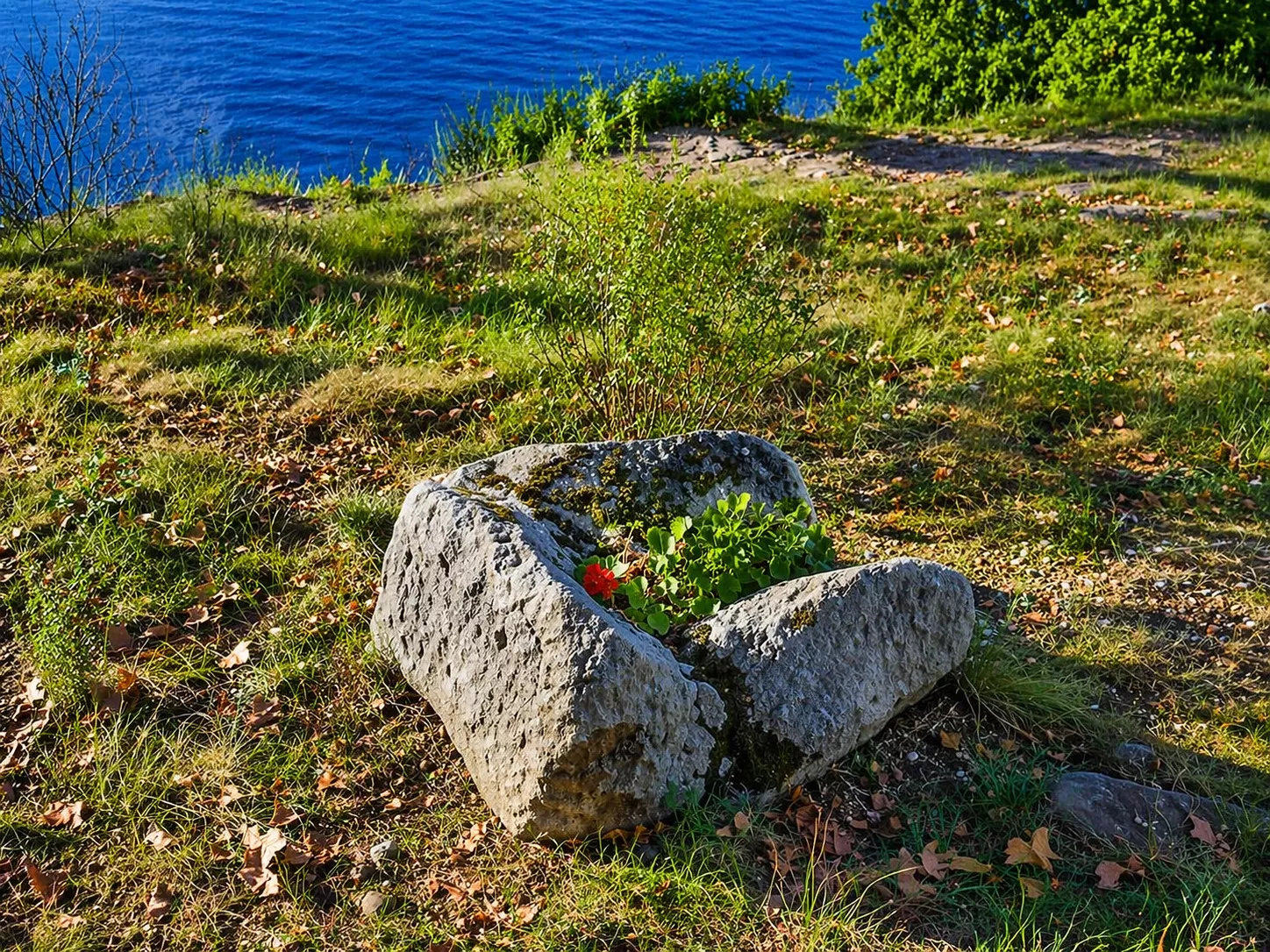
The territory of the museum and the reserve is not a single location, but a whole system of routes. They lead to holy springs, centuries-old oaks, and ancient burial sites. Sacred stones, which were once ascribed magical properties, attract special attention. The most famous of them is the "Stone of Love", which, according to legends, helps women who dream of having a child.
What to look out for
The Drevlyan Village ethnographic museum impresses with the diversity of its objects. Among the most interesting:
- the museum of Drevlyan stones with a large collection of ritual stones—a throne stone, a chest stone, stones with hand and foot prints, the "tears of the Mother of God" stone;
- a water mill;
- a Drevlyan sanctuary with pagan sculptures;
- the "Rural Homestead" museum featuring the daily life of Polissians;
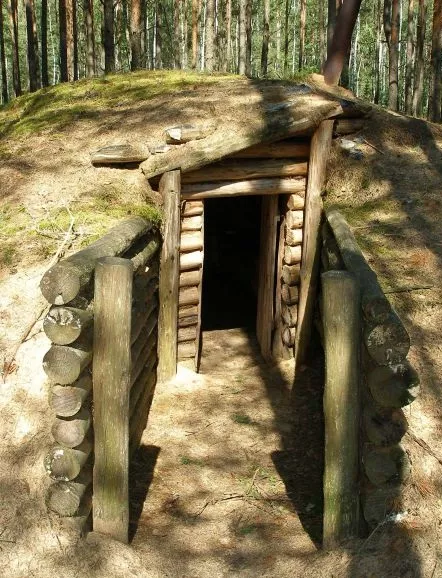
- a winter dugout.
A nature museum also operates under the administration of the reserve. Together, these form a holistic space that showcases the worldview and daily life of the Drevylians and the nature of Polissia.
How to get there
Selezivka lies in the north of the region, in Korosten district, near the border with Belarus. Getting to the museum is not easy—and this partly preserves its authenticity.
By public transport: there is a bus from Ovruch, but it runs only once a day in the evening, so this option is not the most convenient.
By car (recommended): from Zhytomyr via Korosten to Ovruch, then turn towards the village of Polisske and drive north to Selezivka.
What is nearby
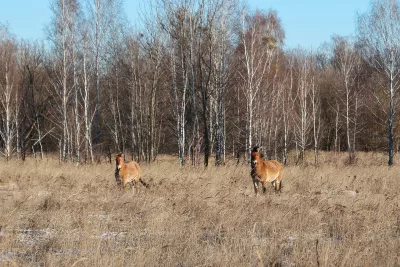
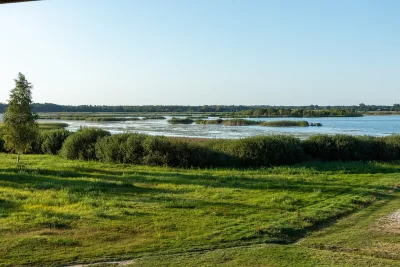
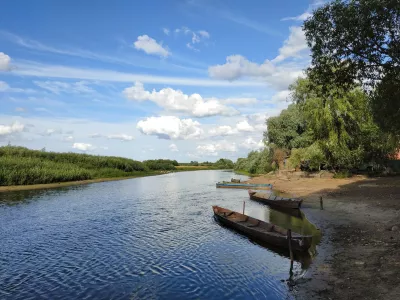
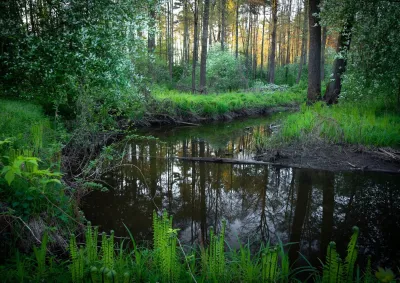
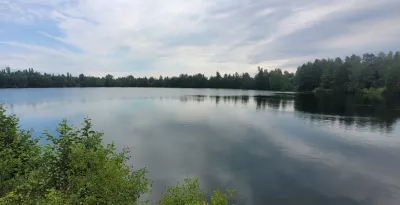
Around it is essentially the wild nature of Polissia: the Polissia Reserve with its forests and bogs. There is no classic infrastructure with cafes and shops here, but there is a forest, silence, and a complete sense of detachment from the city. This place is more about experience and atmosphere than comfort.
What you should know
- this is an open-air museum—prepare for long walks;
- the location is remote, so it is better to travel by car;
- ideal for those who want to "drop out" of the city rhythm;
- speed is not what matters here, but immersion.
The Drevlyan Village is not a standard tourist spot, but a place where history and nature work together. Here you don't just look—you live the experience. This is precisely what makes it one of the strongest and most underrated locations in Zhytomyr region.