
Wild boar in Polissia
Sus scrofa
Caution: a sow with piglets or a wounded animal may attack
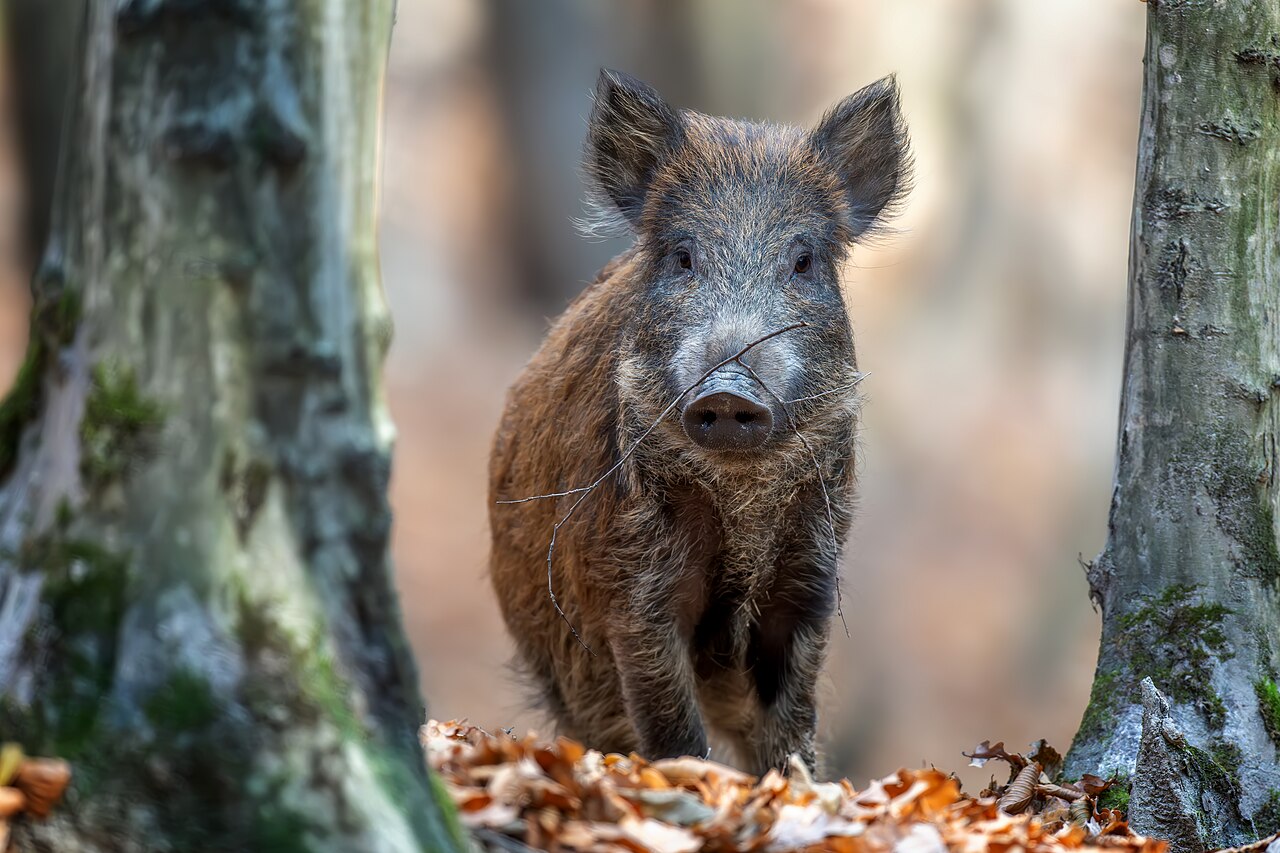
The wild boar is the wild ancestor of the domestic pig. It has a massive front body, a wedge-shaped head with a snout and coarse dark brown bristles. Adult males have tusks protruding from the mouth. Piglets are striped, with long pale stripes along the back.
In Polissia the wild boar lives in all forest areas, especially where bogs, oak woods and fields are close by. It is common in Polissia's reserves and national parks, and in the Chornobyl zone it has become one of the most numerous large animals.
Wild boar keep in family groups led by an adult female. They root up the ground in search of roots, larvae and acorns, wallow in mud and rub against trees. Signs of wild boar are churned-up forest litter, mud wallows and rubbed tree trunks.
A sow defends her piglets, so never approach a litter. If you hear grunting in the thicket, calmly move away, do not run and do not wave your arms. Wild boar are susceptible to African swine fever: do not touch dead animals you find and report them to the veterinary service.
When to see: all year; most active at dusk and at night
Where it was seen in Polissia
Observations from the open scientific database GBIF since 1990.
More in “Mammals”
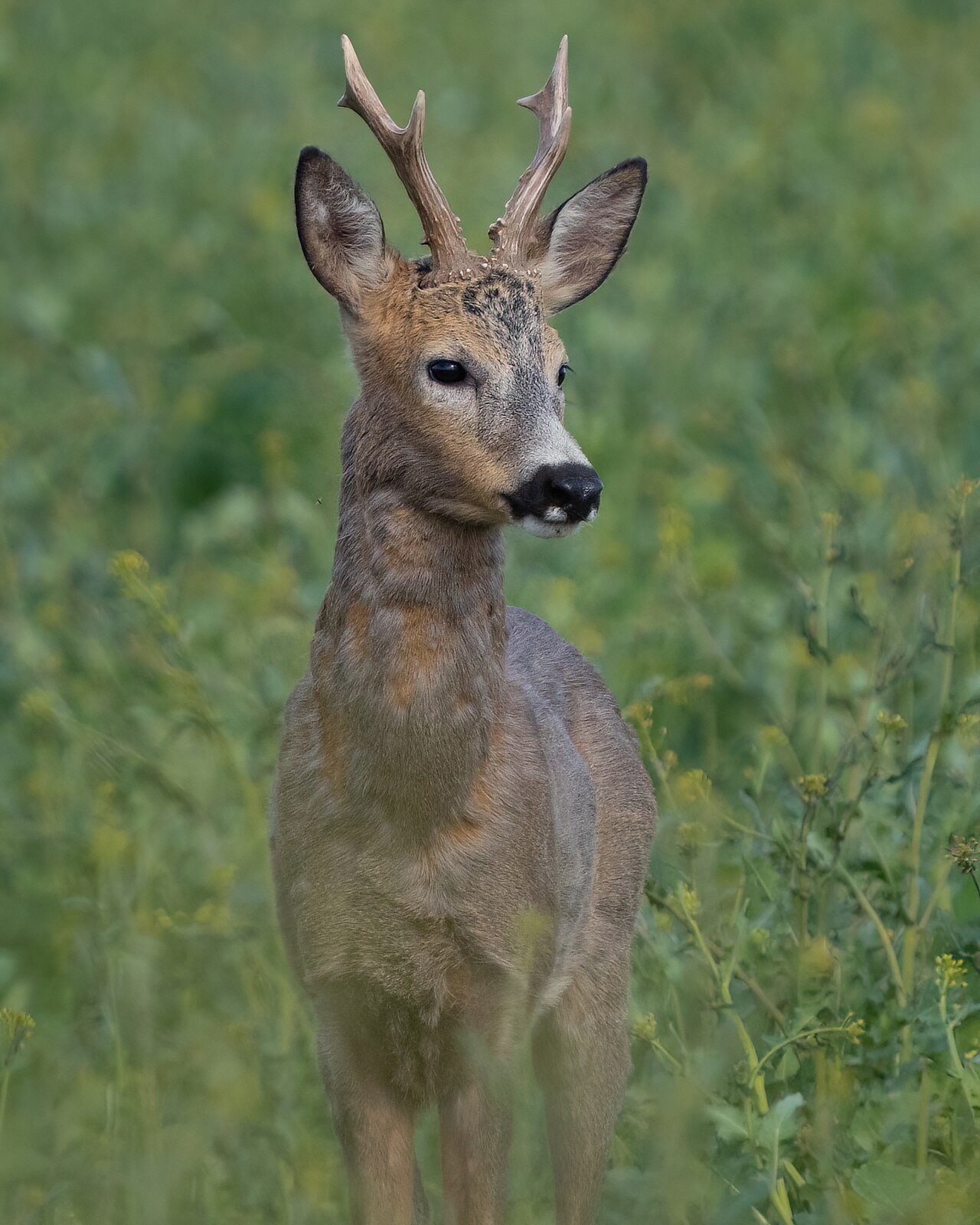 Roe deer
A small, graceful deer of Polissia's forest edges and fields, most easily met at dawn on the edge of the woods.
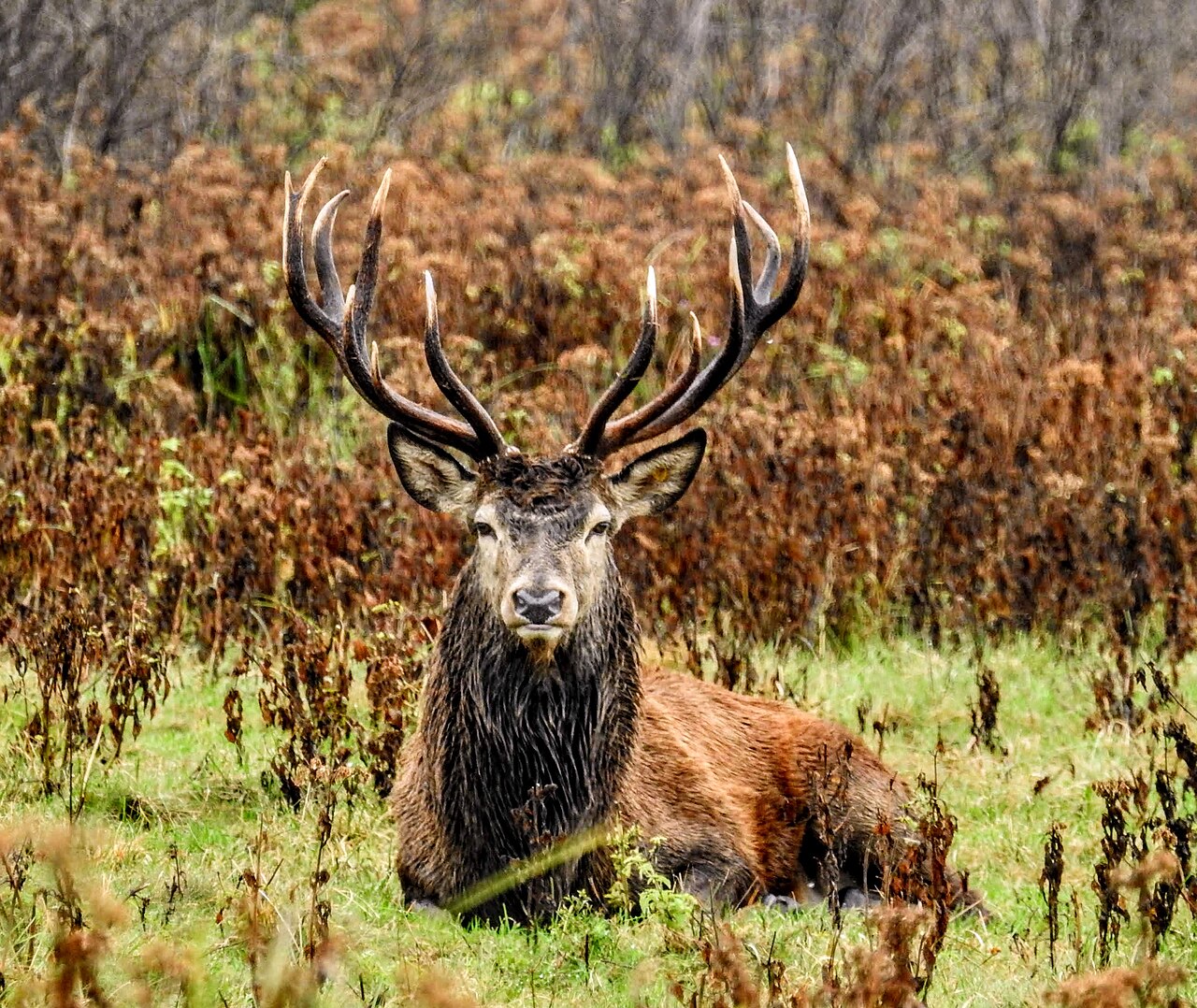 Red deer
A large deer with spreading antlers, whose autumn roaring is one of the most striking events of the Polissia forest.
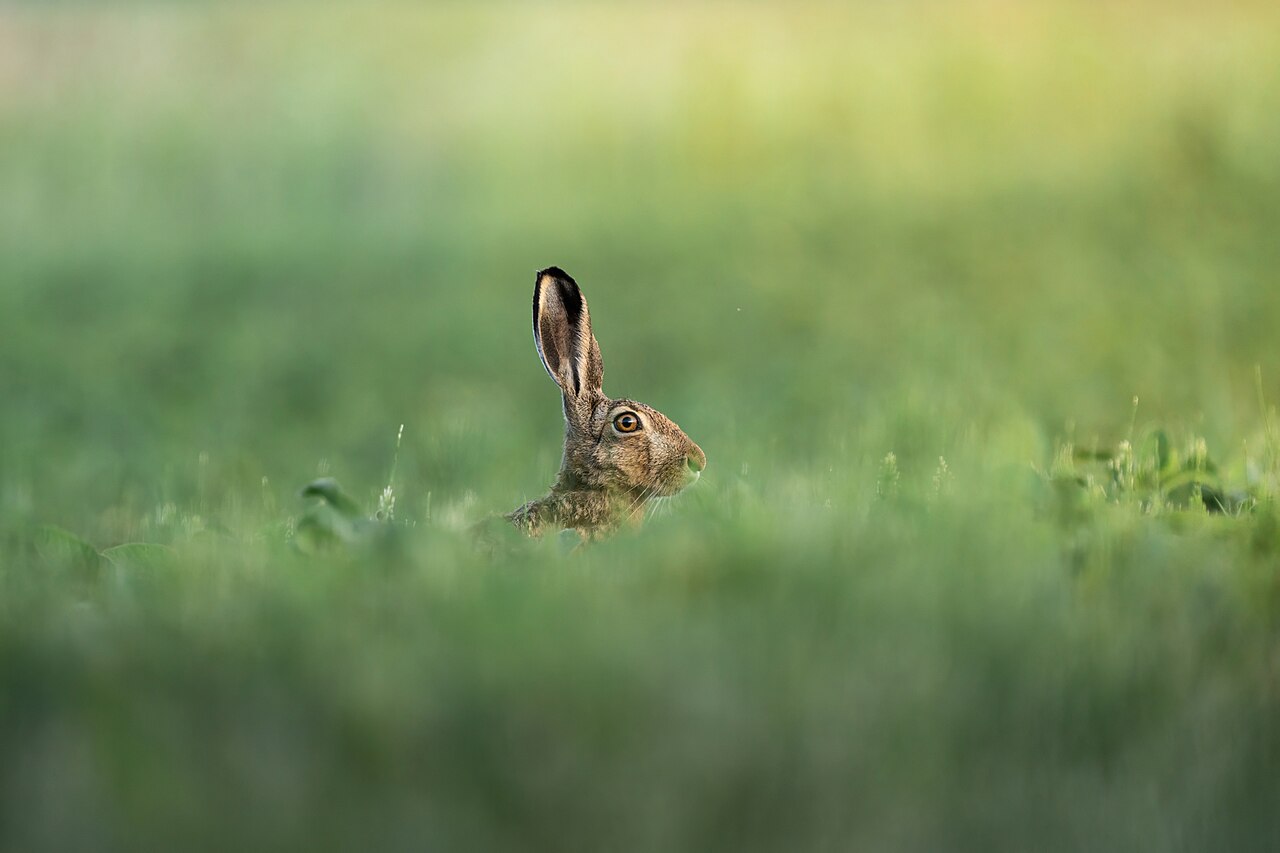 European hare
A common inhabitant of Polissia's fields, meadows and forest edges that does not change colour in winter.
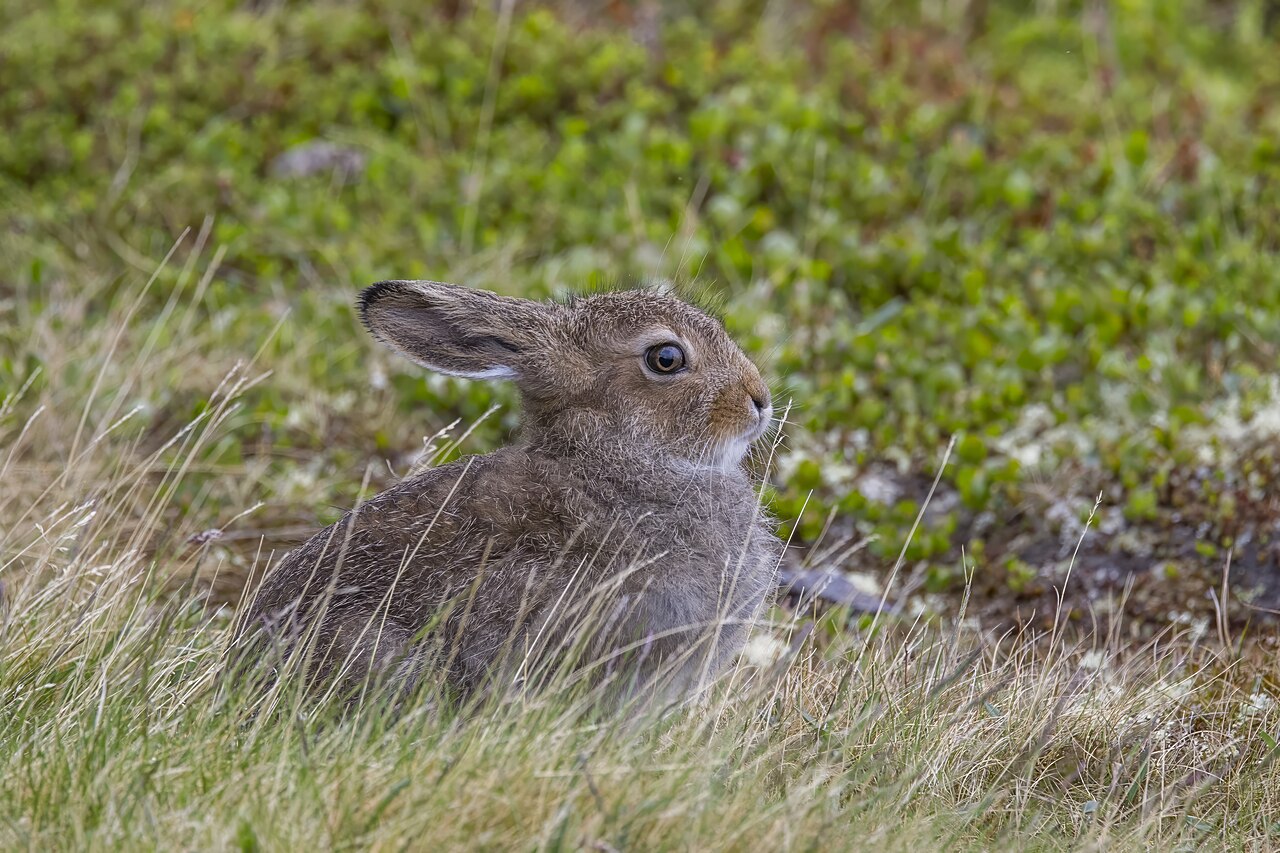 Mountain hare
A northern hare that turns white in winter; in Ukraine it occurs only in Polissia.