
Viviparous lizard in Polissia
Zootoca vivipara
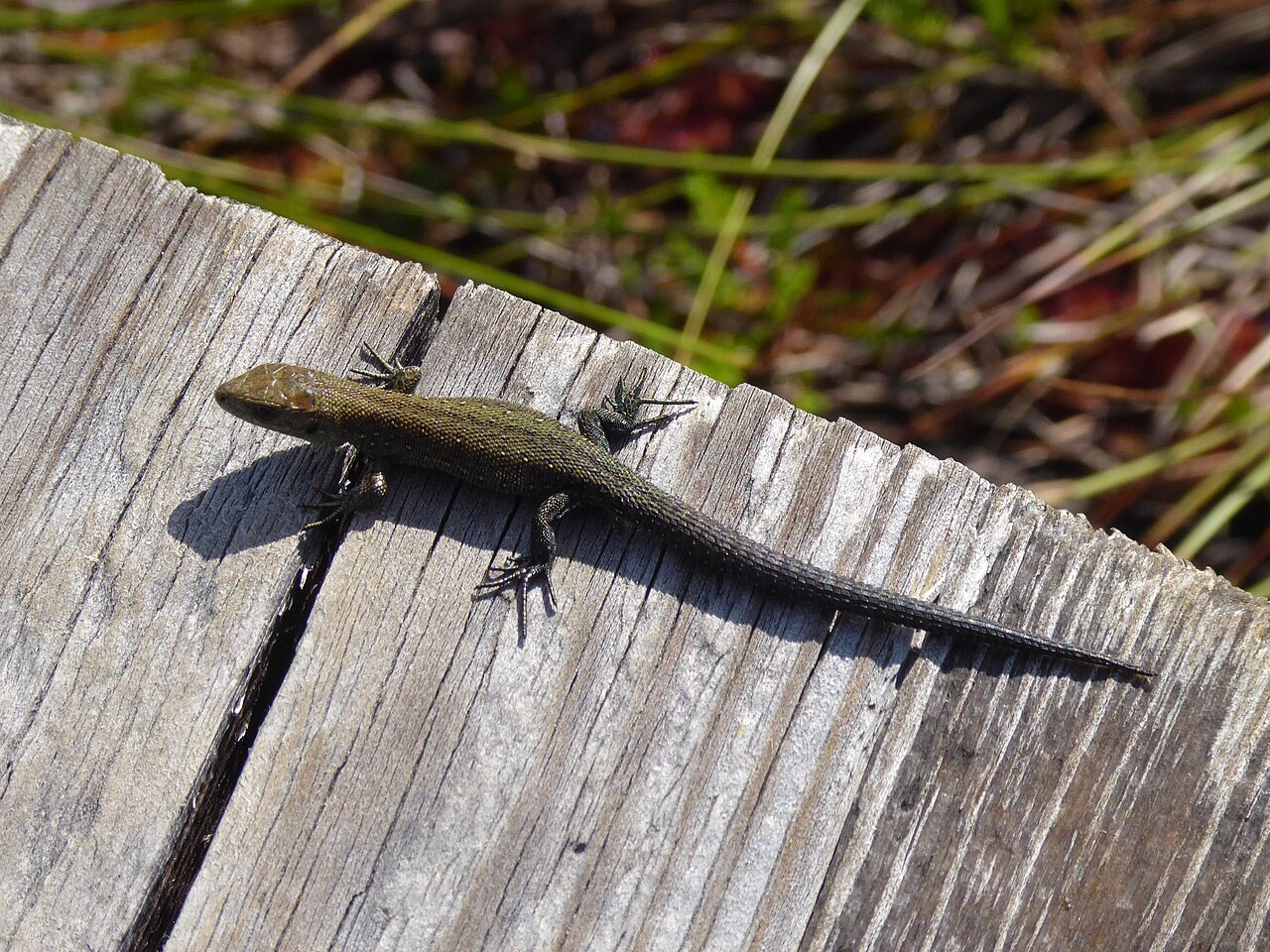
The viviparous lizard is a small brown lizard with a dark stripe down the middle of its back and dark stripes along its sides. Males have an orange belly with black dots, females a paler one. The head is small and the tail long.
In Polissia it lives in damp places: sphagnum bogs, wet meadows, alder woods and overgrown clearings. It can be seen in the Polissia and Rivne reserves and on Polissia's bogs in general.
This lizard is adapted to a cool climate. It carries its eggs inside its body, and the young are born fully formed, in a transparent membrane from which they immediately wriggle free. It swims well and can escape danger into the water.
Like all lizards, it can shed its tail to escape a predator. Do not catch lizards or hold them in your hands – a shed tail takes a long time to grow back and is never quite the same.
When to see: April–September, in sunny weather on tussocks and stumps
Where it was seen in Polissia
Observations from the open scientific database GBIF since 1990.
More in “Reptiles and amphibians”
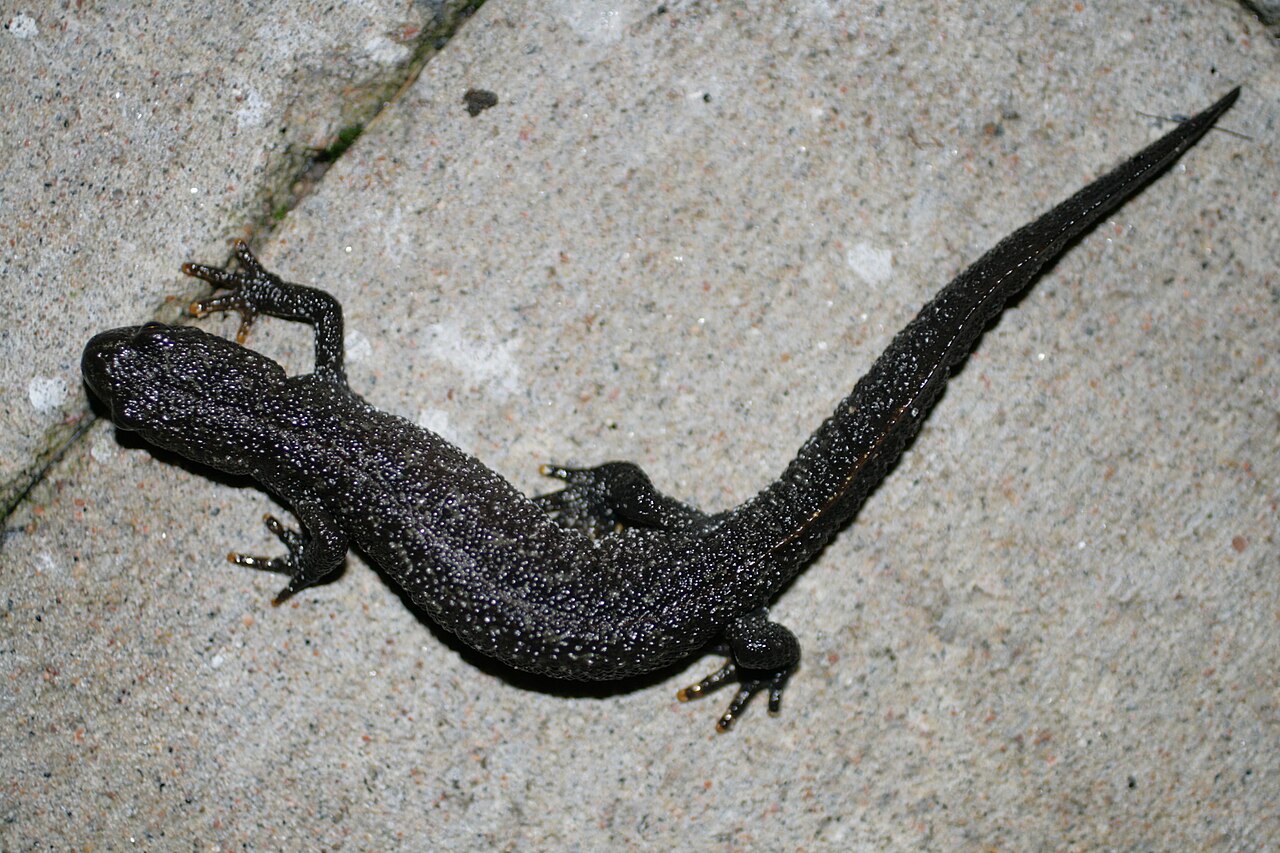 Great crested newt
A large newt of Polissia's ponds; in spring the male grows a tall, jagged crest.
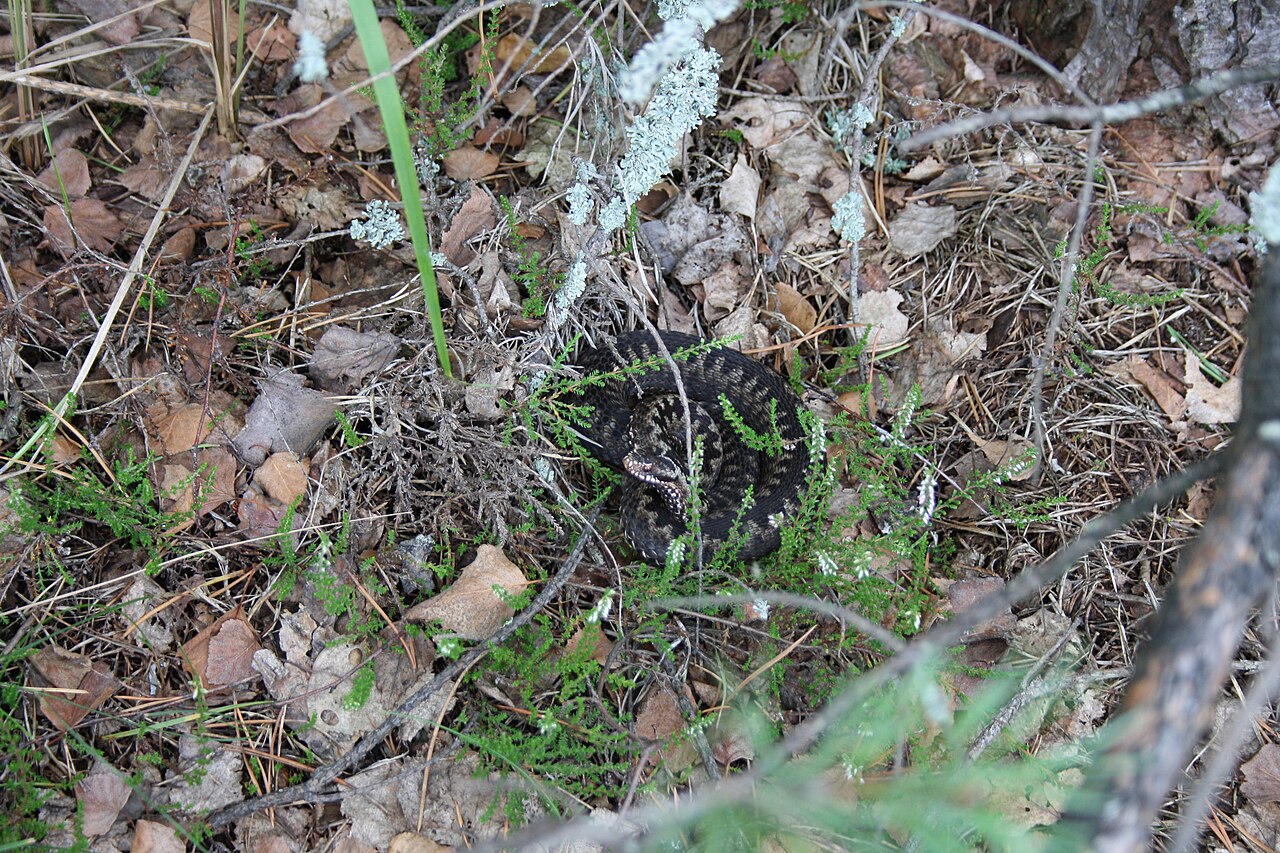 Common European adder
Polissia's only venomous snake: it lives in bogs, clearings and forest edges and attacks people only in self-defence.
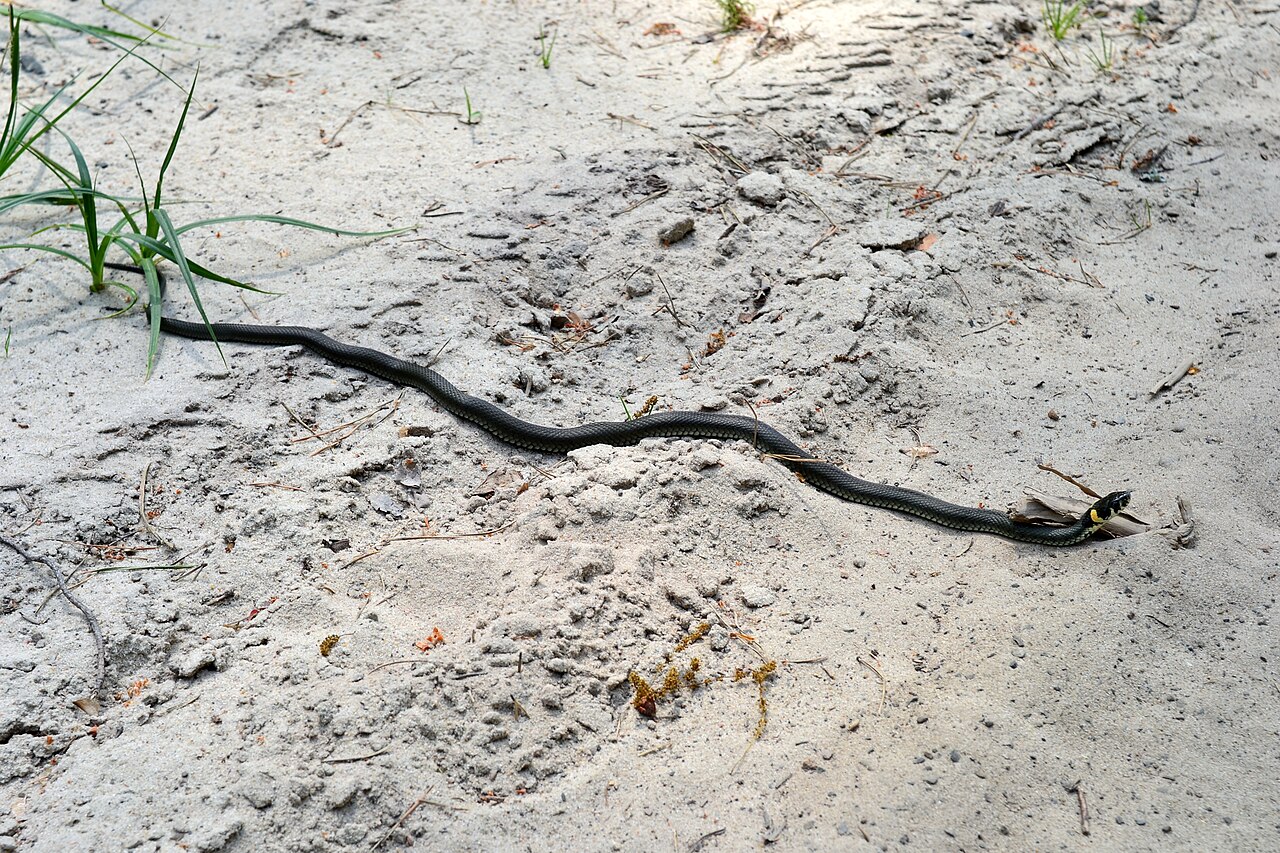 Grass snake
A harmless snake of Polissia's lakes and rivers, easy to recognise by the yellow or orange patches on its head.
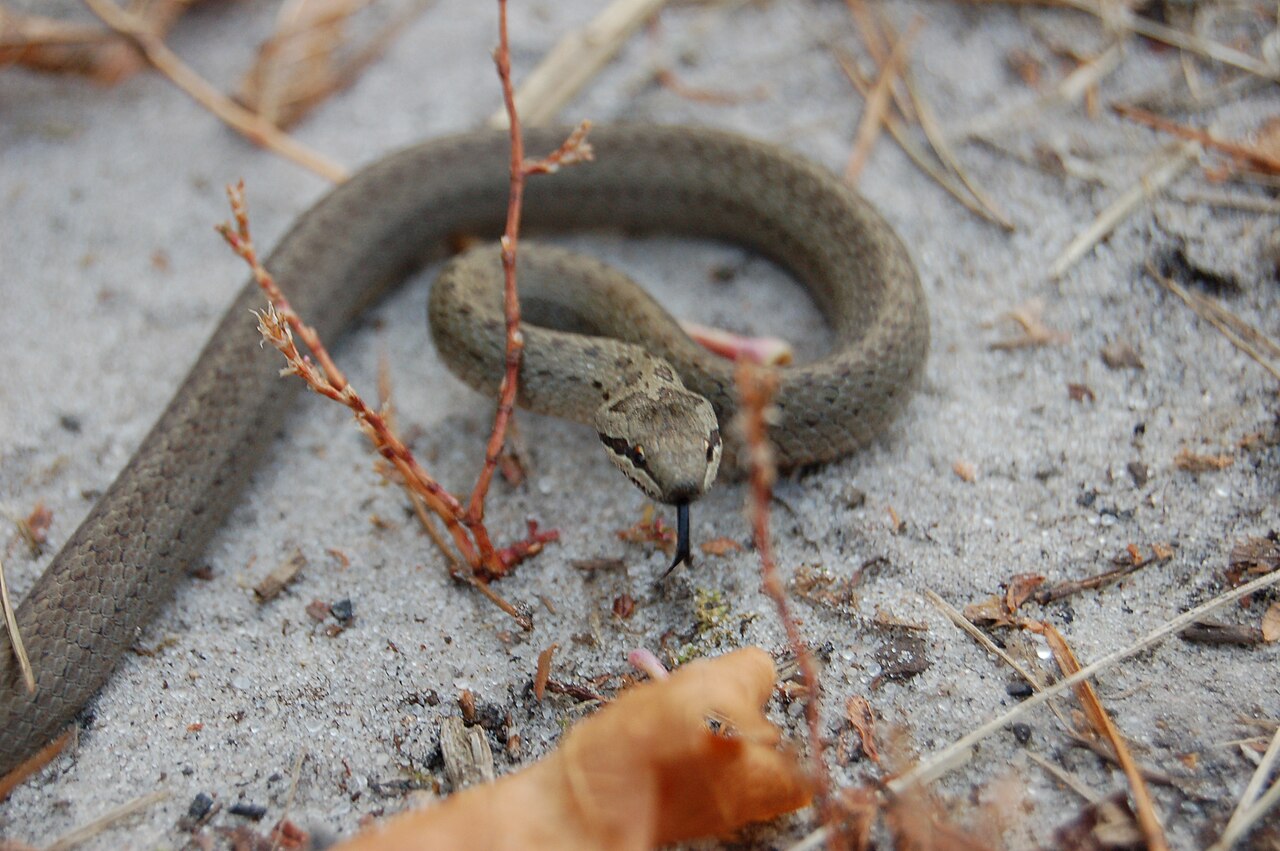 Smooth snake
A rare, harmless snake of dry pine forests, often mistaken for an adder because of its zigzag-like pattern.