
Common European adder in Polissia
Vipera berus
Caution: venomous; a bite requires urgent medical help
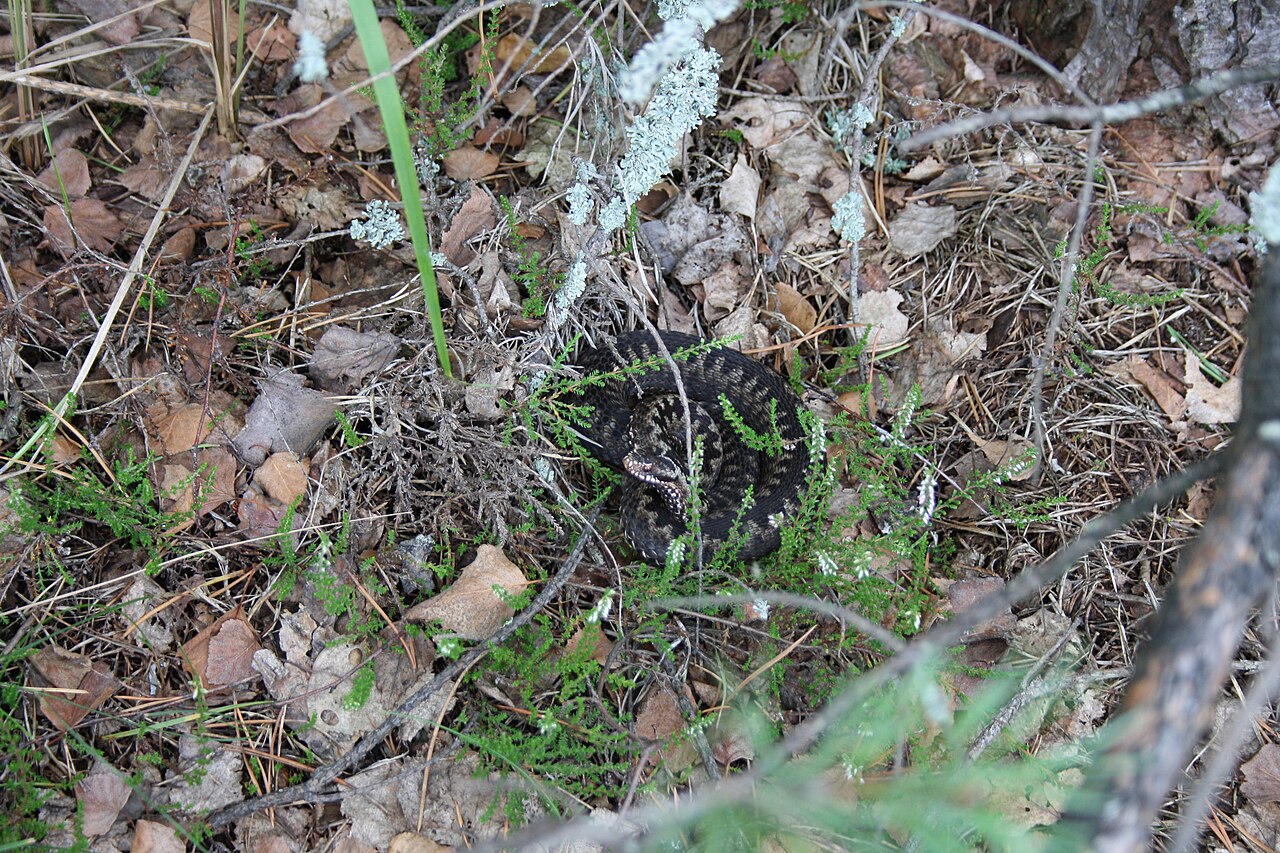
The common European adder is a small, thick snake with a triangular head clearly set off from the neck. Most individuals have a dark zigzag along the back and a dark X- or V-shaped mark on the head. The colour ranges from grey and brown to copper, and completely black adders also occur. The pupil is vertical.
In Polissia the adder is widespread wherever there are damp and sunny places: on the edges of bogs, in sphagnum bogs, on clearings, in heather pine forests, in forest glades and on dykes. It occurs, among other places, in the Mizhrichynskyi Regional Landscape Park in Chernihiv region. Berry and mushroom pickers are the people who most often come across adders.
The adder is active from April to October; in spring and on cool days it basks in the sun for long periods. When it hears footsteps it usually flees, or hisses and strikes. It feeds on mice, frogs and lizards. At the end of summer it gives birth to live young, which are already venomous.
Wear high boots in the forest and on bogs, watch where you step and where you sit down, do not pick up snakes and do not try to kill them. After a bite, stay calm, move as little as possible, remove rings and tight clothing from the limb and get to a hospital as quickly as possible. Do not cut the wound, do not suck out the venom, do not apply a tourniquet and do not drink alcohol.
When to see: April–September; basks in the sun in spring and on cool mornings
Where it was seen in Polissia
Observations from the open scientific database GBIF since 1990.
More in “Reptiles and amphibians”
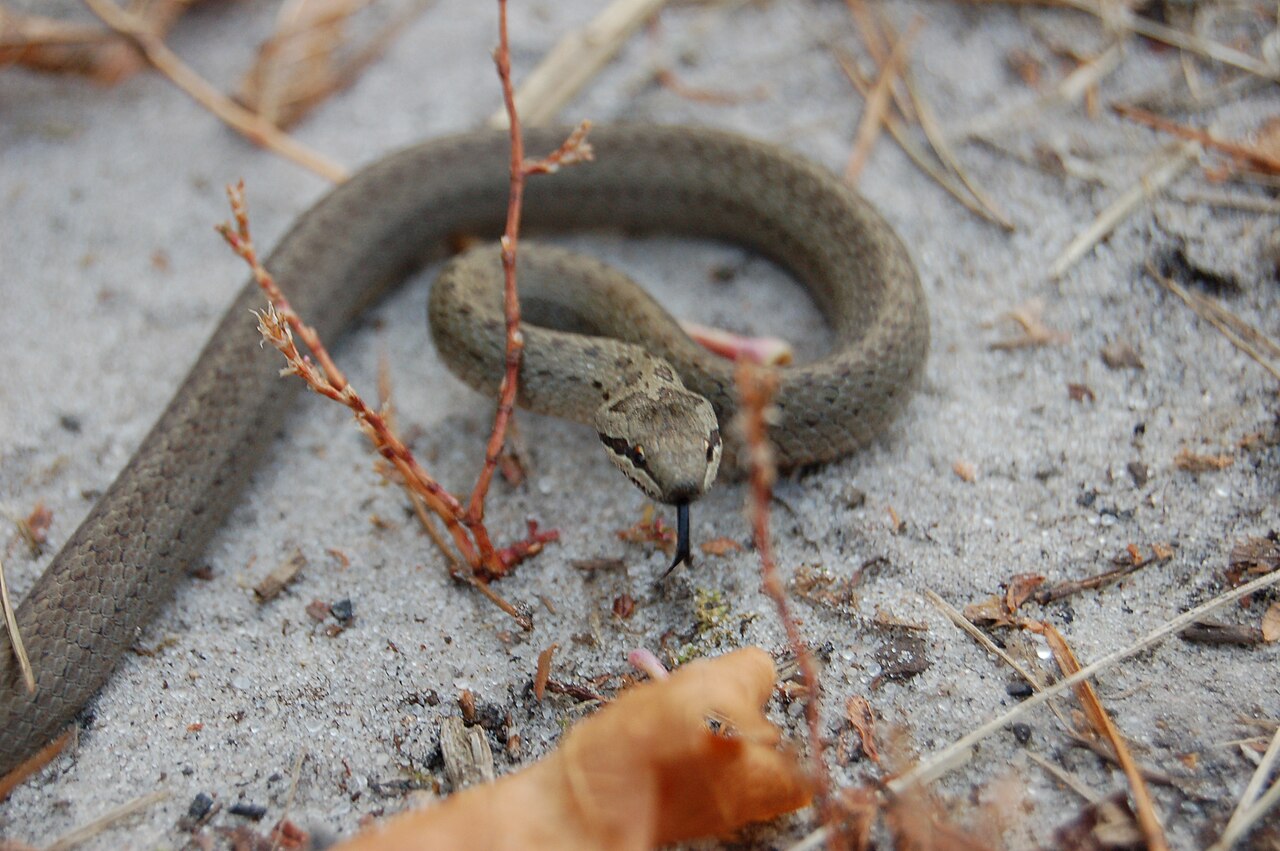 Smooth snake
A rare, harmless snake of dry pine forests, often mistaken for an adder because of its zigzag-like pattern.
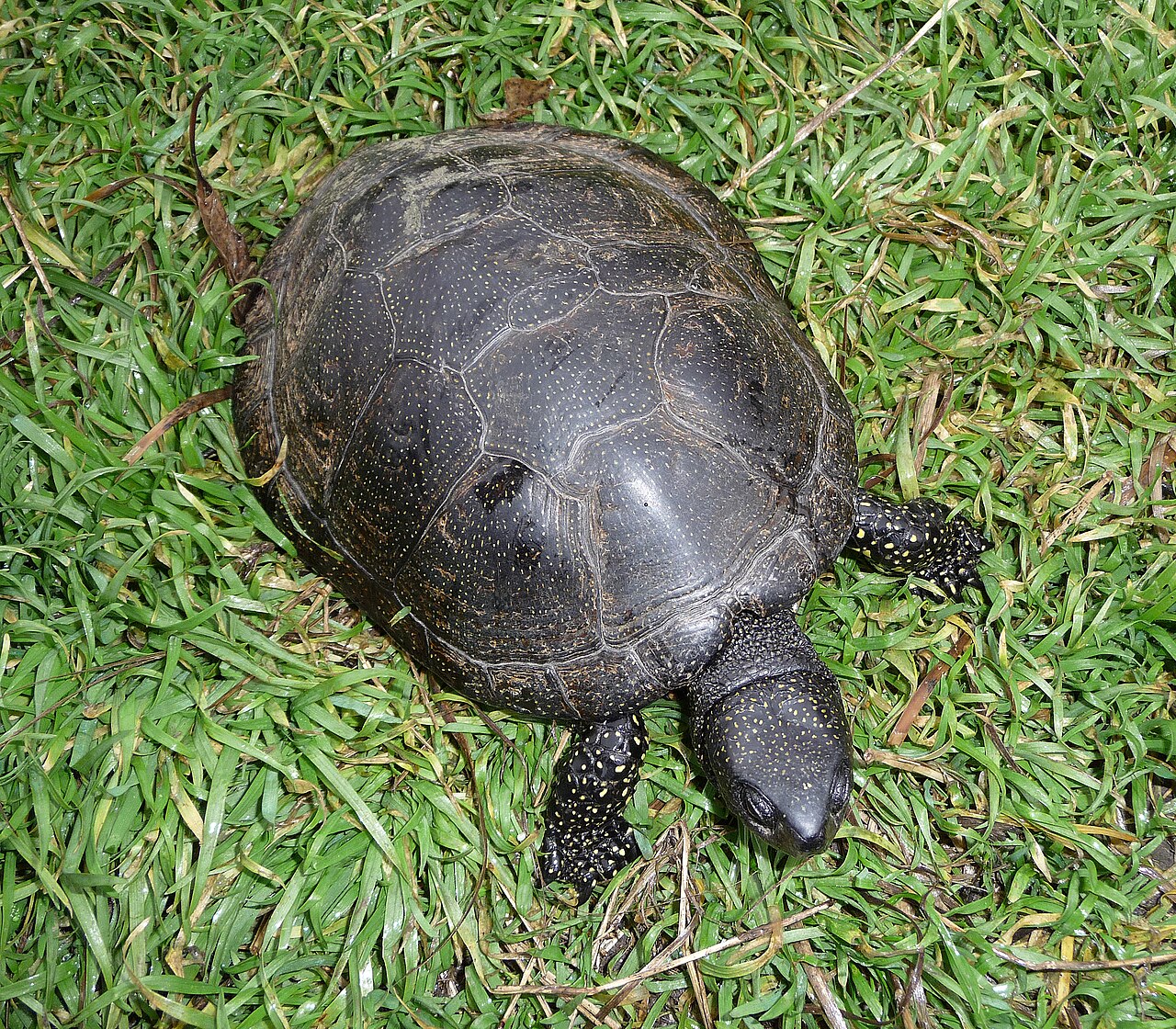 European pond turtle
The only native freshwater turtle, living in the oxbows, ponds and bogs of Polissia.
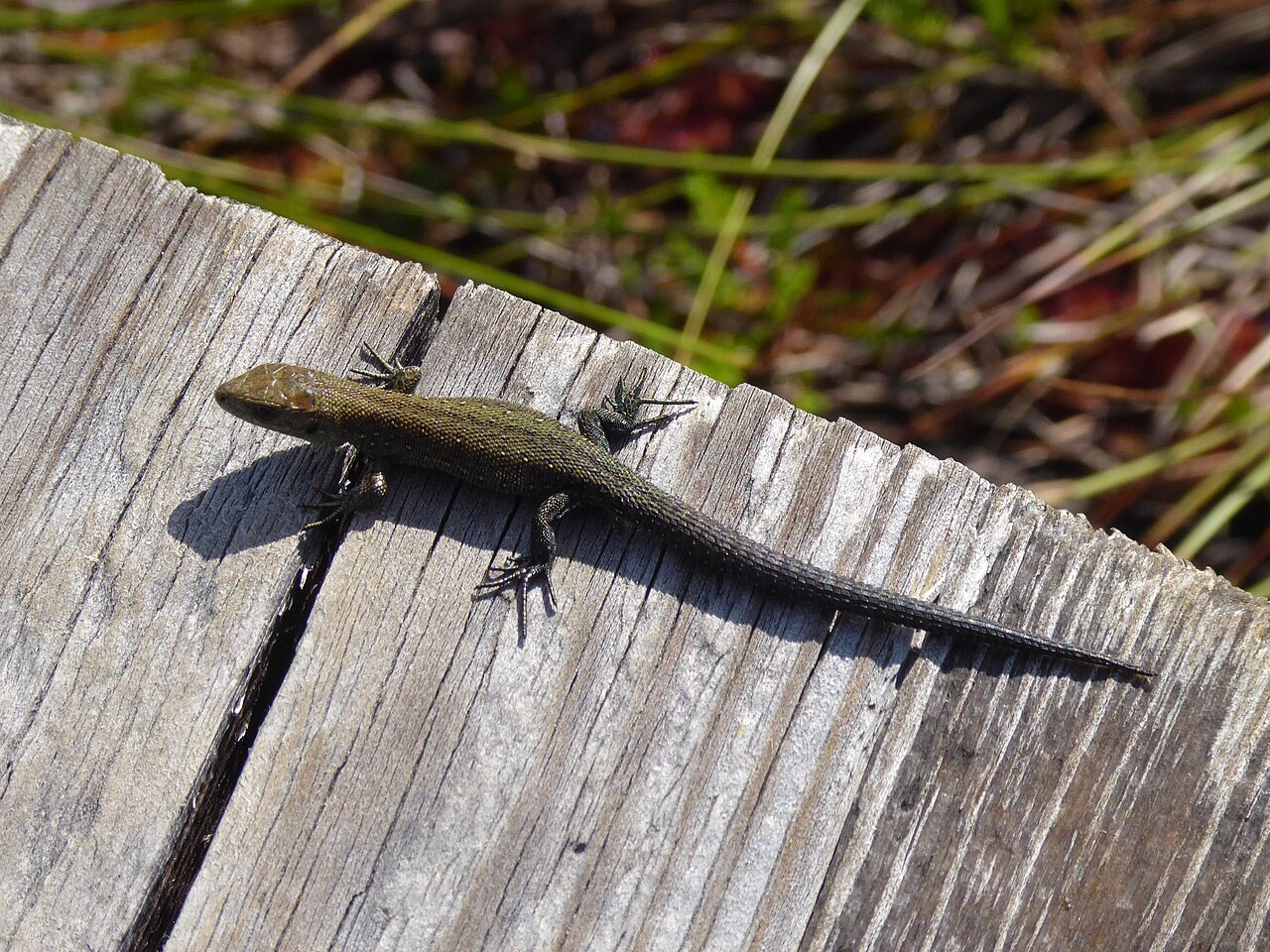 Viviparous lizard
A small lizard of Polissia's bogs and damp forests that gives birth to live young instead of laying eggs.
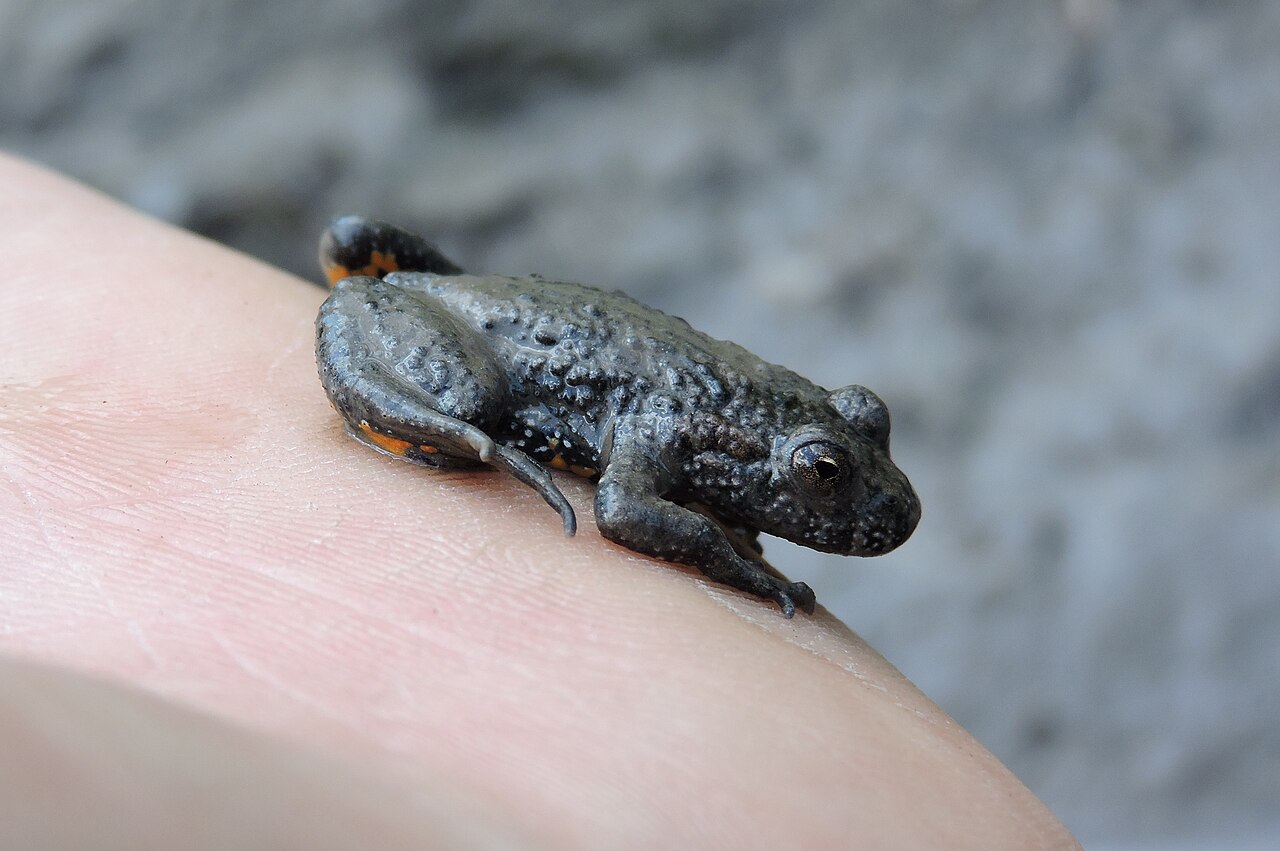 European fire-bellied toad
A small toad of Polissia's ponds and bogs with a bright red-and-black belly; its soft “oom-oom” is heard in spring.